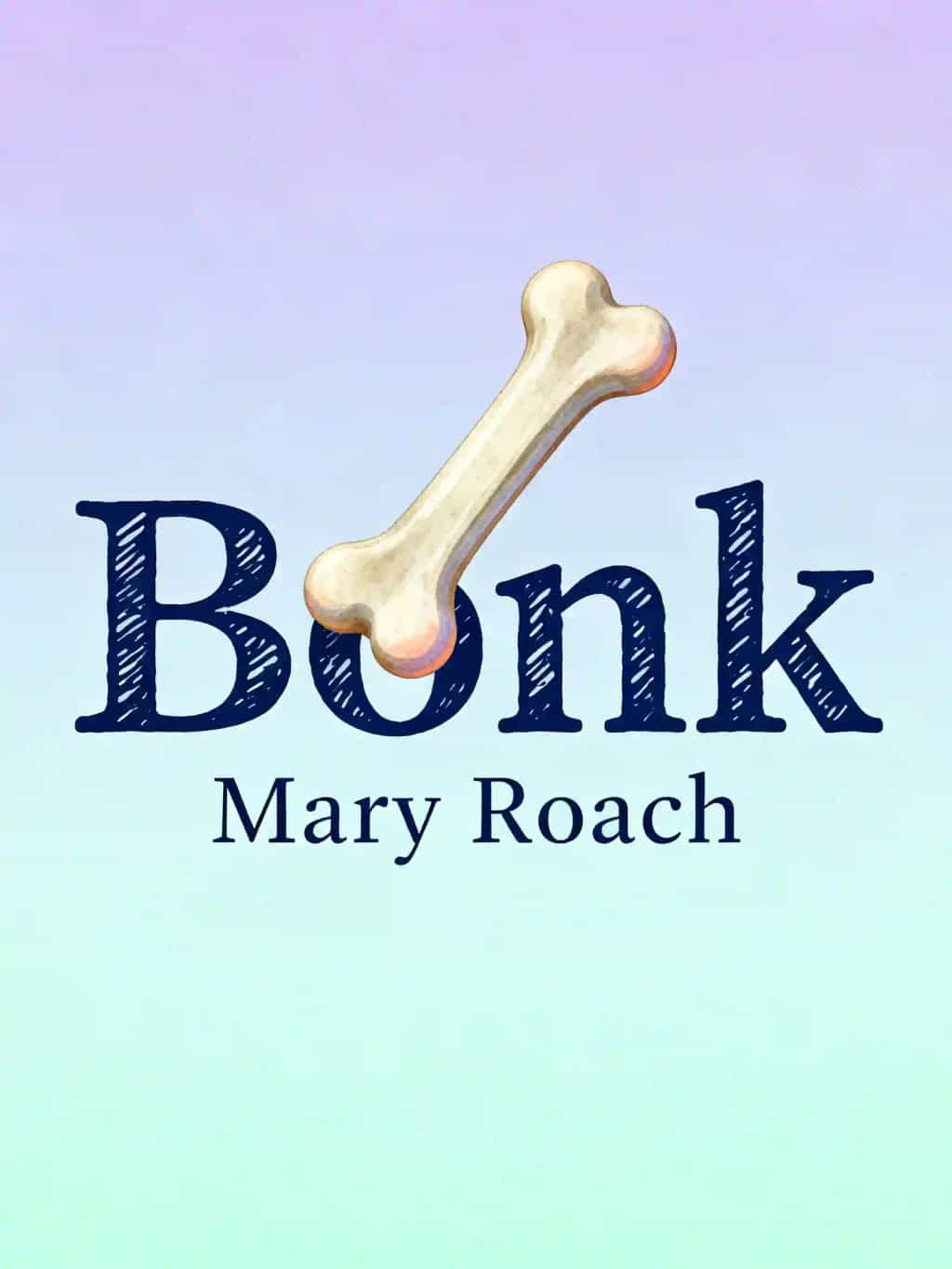

Overview of Bonk
In "Bonk," Mary Roach fearlessly explores sex science with humor and rigor. Hailed as 2008's "most fun popular science book," this New York Times bestseller features Roach's own participation in ultrasound sex studies. As O Magazine notes: "Roll over, Kinsey. Full-bodied research can be riveting."
- Mary Roach explores how orgasm research bridges human and animal sexual physiology.
- The "artificial coition machine" revolutionized early scientific studies of human arousal.
- Ultrasound imaging during sex reveals mechanics behind vaginal vs clitoral orgasms.
- Pig inseminators demonstrate practical links between orgasms and fertility optimization.
- Historical impotence treatments included risky monkey testicle grafts on humans.
- Mary Roach debunks myths about vaginal orgasms through vulval measurement experiments.
- Egyptian surgeon Ahmed Shafik pioneered taboo-breaking sexual reflex studies in conservative societies.
- Penis cameras and orgasm machines highlight tech's role in intimacy research.
- The clitoris’ evolutionary parallels to penises challenge orgasm gender narratives.
- Mary Roach’s ultrasound lab sex experiment redefines participatory science journalism.
- Plastic penis factory workers normalize taboo products through everyday labor.
- Animal mating sounds provide unexpected insights into human sexual communication.
About the Author of Bonk
Mary Roach, bestselling author of Bonk: The Curious Coupling of Science and Sex, is celebrated for blending rigorous scientific inquiry with irreverent humor. A Wesleyan University psychology graduate, Roach transformed her knack for curiosity-driven storytelling into a career demystifying taboo topics.
Her New York Times bestselling works, including Stiff: The Curious Lives of Human Cadavers and Gulp: Adventures on the Alimentary Canal, explore the intersection of science and everyday life through witty, accessible prose.
Roach’s research has been featured in National Geographic, Wired, and the New York Times Magazine, and her TED Talk ranks among the platform’s most-watched. Known for embedding herself in labs and field studies, she combines firsthand experimentation with historical deep dives to humanize complex topics.
Bonk, a seminal work on sexual physiology, exemplifies her trademark style—quirky yet rigorously factual. Roach’s books have been translated into 21 languages and cited in academic journals, cementing her status as a pioneer in popular science.
Explore her other titles, like Grunt: The Curious Science of Humans at War and Packing for Mars, for more masterclasses in science storytelling.
FAQs About Bonk
What is Bonk: The Curious Coupling of Science and Sex about?
Bonk explores the scientific study of human sexuality through humor and investigative journalism. Mary Roach investigates topics like orgasm physiology, historical impotence treatments, and bizarre experiments (e.g., animal excreta as vaginal drying agents). Blending academic research with witty anecdotes, the book demystifies sex science while highlighting its absurdities and breakthroughs.
Who should read Bonk: The Curious Coupling of Science and Sex?
Curious readers interested in science, humor, or human sexuality will enjoy Bonk. It’s ideal for fans of Mary Roach’s previous works (Stiff, Gulp) and those seeking a lighthearted yet factual deep dive into taboo topics. Researchers and educators may also appreciate its blend of rigor and accessibility.
Is Bonk: The Curious Coupling of Science and Sex worth reading?
Yes. Bonk combines rigorous research with laugh-out-loud humor, making complex topics like arousal mechanisms and fertility studies engaging. Critics praise Roach’s ability to humanize science, with the New York Times calling it “compulsively readable” and Library Journal awarding a starred review.
What are the main themes in Bonk: The Curious Coupling of Science and Sex?
Key themes include the challenges of studying sex scientifically, historical misconceptions (e.g., vaginal orgasm myths), and modern innovations like Viagra. Roach critiques societal taboos hindering research while celebrating scientists who persevere, such as Ahmed Shafik in conservative Egypt.
How does Mary Roach approach researching sensitive topics in Bonk?
Roach immerses herself in labs, brothels, and conferences, interviewing researchers and volunteering for studies (e.g., MRI scans during sex). Her candid, humorous tone disarms readers, turning awkward subjects into accessible narratives. She balances irreverence with respect for scientific rigor.
What makes Bonk: The Curious Coupling of Science and Sex unique?
Unlike clinical texts, Bonk uses humor to explore obscure studies, like 18th-century “artificial penis” patents or panda Viagra trials. Roach highlights lesser-known researchers and dismantles myths, offering a fresh perspective on sex science history.
What criticisms exist about Bonk: The Curious Coupling of Science and Sex?
Some critics note Roach’s focus on oddball anecdotes over systematic analysis, which may frustrate readers seeking deeper theoretical insights. Others find her jocular tone occasionally overshadows serious topics. However, most agree the book succeeds in making niche science widely appealing.
How does Bonk compare to Mary Roach’s other books like Stiff or Gulp?
Like Stiff (about cadavers) and Gulp (digestion), Bonk employs Roach’s signature humor to demystify taboo science. However, Bonk faces unique challenges due to cultural sensitivities around sex, requiring a more nuanced balance between comedy and respect.
What are key takeaways from Bonk: The Curious Coupling of Science and Sex?
- Orgasm and arousal are neurologically complex, involving far more than genital stimulation.
- Historical sex research was often constrained by morality laws and funding shortages.
- Modern studies still struggle with stigma, despite their potential to improve sexual health.
How does Bonk: The Curious Coupling of Science and Sex remain relevant today?
The book underscores ongoing debates about sexual health funding and cultural taboos. With topics like gender-specific drug efficacy and orgasm disparities, Bonk provides context for current discussions about equity in medical research.
What iconic quotes or concepts appear in Bonk: The Curious Coupling of Science and Sex?
- On research hurdles: “Science has a saying: If it’s slimy, or it stinks, or it’s got four legs, give it to the graduate student.”
- On orgasm: “It’s the only human reflex that requires permission from the brain to occur”
Are there controversial experiments discussed in Bonk: The Curious Coupling of Science and Sex?
Yes. Roach details William Harvey’s 1950s artificial penis trials, pig farm masturbation studies, and live rat genital stimulation experiments. She contextualizes these ethically ambiguous projects within their historical and scientific frameworks.
Feel the book through the author's voice
Turn knowledge into engaging, example-rich insights
Capture key ideas in a flash for fast learning
Enjoy the book in a fun and engaging way
Characters in Bonk
- Mary RoachAuthor and narrator exploring sex research
- William MastersPioneering researcher of sexual physiology
- Virginia JohnsonPioneering researcher and partner to Masters
- Leonore TieferFeminist who critiqued research subject selection
- Dr. DengTaiwanese doctor conducting ultrasound sex studies
Key Themes in Bonk
- sexual physiology
- history of sexology
- human sexual response
- scientific study of taboo
- sexual dysfunction research
Quotes from Bonk
Sex transcends its mechanical components-it's far more than the sum of its moving parts.
Studying sexual physiology could destroy a researcher's career.
Religious intolerance and professional prejudice meant that even studying vaginal secretions invited suspicion of perverse interests.
Explore Your Way of Learning
 Quick Summary Mode
Read or listen to Bonk Summary in 9 Minutes
Break down key ideas from Bonk into bite-sized takeaways to understand how innovative teams create, collaborate, and grow.

 Fun Mode
Bonk Lessons Told Through 26-Min Stories
Experience Bonk through vivid storytelling that turns innovation lessons into moments you'll remember and apply.
 Personalize Mode
Experience Bonk in your own learning style
Ask anything, choose your learning style, and co-create insights that truly resonate with you.

From Columbia University alumni built in San Francisco
"Instead of endless scrolling, I just hit play on BeFreed. It saves me so much time."


"I never knew where to start with nonfiction—BeFreed’s book lists turned into podcasts gave me a clear path."


"Perfect balance between learning and entertainment. Finished ‘Thinking, Fast and Slow’ on my commute this week."
"Crazy how much I learned while walking the dog. BeFreed = small habits → big gains."
"Reading used to feel like a chore. Now it’s just part of my lifestyle."

"Feels effortless compared to reading. I’ve finished 6 books this month already."
"BeFreed turned my guilty doomscrolling into something that feels productive and inspiring."

"BeFreed turned my commute into learning time. 20-min podcasts are perfect for finishing books I never had time for."
"BeFreed replaced my podcast queue. Imagine Spotify for books — that’s it. 🙌"

"It is great for me to learn something from the book without reading it."
"The themed book list podcasts help me connect ideas across authors—like a guided audio journey."
"Makes me feel smarter every time before going to work"
From Columbia University alumni built in San Francisco
"Instead of endless scrolling, I just hit play on BeFreed. It saves me so much time."
"I never knew where to start with nonfiction—BeFreed’s book lists turned into podcasts gave me a clear path."
"Perfect balance between learning and entertainment. Finished ‘Thinking, Fast and Slow’ on my commute this week."
"Crazy how much I learned while walking the dog. BeFreed = small habits → big gains."
"Reading used to feel like a chore. Now it’s just part of my lifestyle."
"Feels effortless compared to reading. I’ve finished 6 books this month already."
"BeFreed turned my guilty doomscrolling into something that feels productive and inspiring."
"BeFreed turned my commute into learning time. 20-min podcasts are perfect for finishing books I never had time for."
"BeFreed replaced my podcast queue. Imagine Spotify for books — that’s it. 🙌"
"It is great for me to learn something from the book without reading it."
"The themed book list podcasts help me connect ideas across authors—like a guided audio journey."
"Makes me feel smarter every time before going to work"
"Instead of endless scrolling, I just hit play on BeFreed. It saves me so much time."
"I never knew where to start with nonfiction—BeFreed’s book lists turned into podcasts gave me a clear path."
"Perfect balance between learning and entertainment. Finished ‘Thinking, Fast and Slow’ on my commute this week."
"Crazy how much I learned while walking the dog. BeFreed = small habits → big gains."
"Reading used to feel like a chore. Now it’s just part of my lifestyle."
"Feels effortless compared to reading. I’ve finished 6 books this month already."
"BeFreed turned my guilty doomscrolling into something that feels productive and inspiring."
"BeFreed turned my commute into learning time. 20-min podcasts are perfect for finishing books I never had time for."
"BeFreed replaced my podcast queue. Imagine Spotify for books — that’s it. 🙌"
"It is great for me to learn something from the book without reading it."
"The themed book list podcasts help me connect ideas across authors—like a guided audio journey."
"Makes me feel smarter every time before going to work"
"Instead of endless scrolling, I just hit play on BeFreed. It saves me so much time."
"I never knew where to start with nonfiction—BeFreed’s book lists turned into podcasts gave me a clear path."
"Perfect balance between learning and entertainment. Finished ‘Thinking, Fast and Slow’ on my commute this week."
"Crazy how much I learned while walking the dog. BeFreed = small habits → big gains."
"Reading used to feel like a chore. Now it’s just part of my lifestyle."
"Feels effortless compared to reading. I’ve finished 6 books this month already."
"BeFreed turned my guilty doomscrolling into something that feels productive and inspiring."
"BeFreed turned my commute into learning time. 20-min podcasts are perfect for finishing books I never had time for."
"BeFreed replaced my podcast queue. Imagine Spotify for books — that’s it. 🙌"
"It is great for me to learn something from the book without reading it."
"The themed book list podcasts help me connect ideas across authors—like a guided audio journey."
"Makes me feel smarter every time before going to work"

Download Summary of Bonk
Get the Bonk summary as a free PDF or EPUB. Print it or read offline anytime.