Time management isn't a personality trait
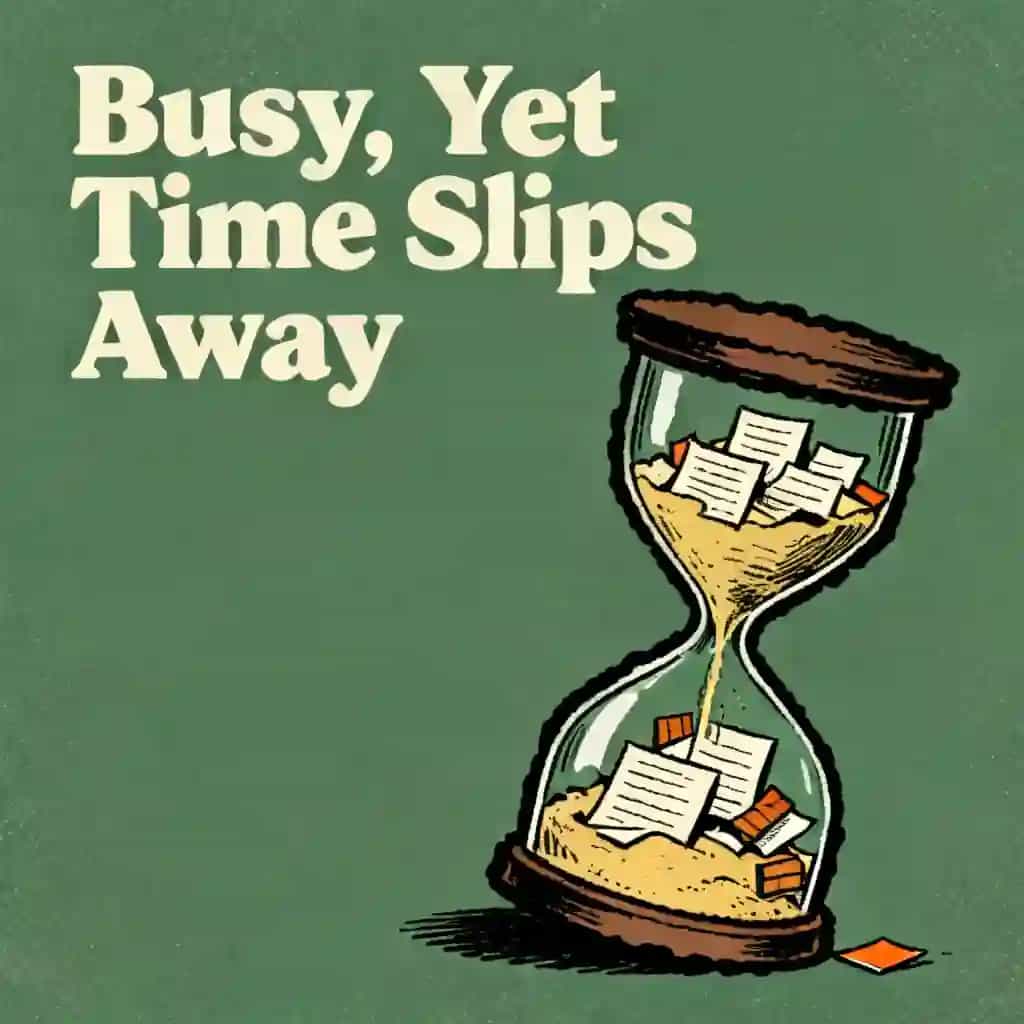
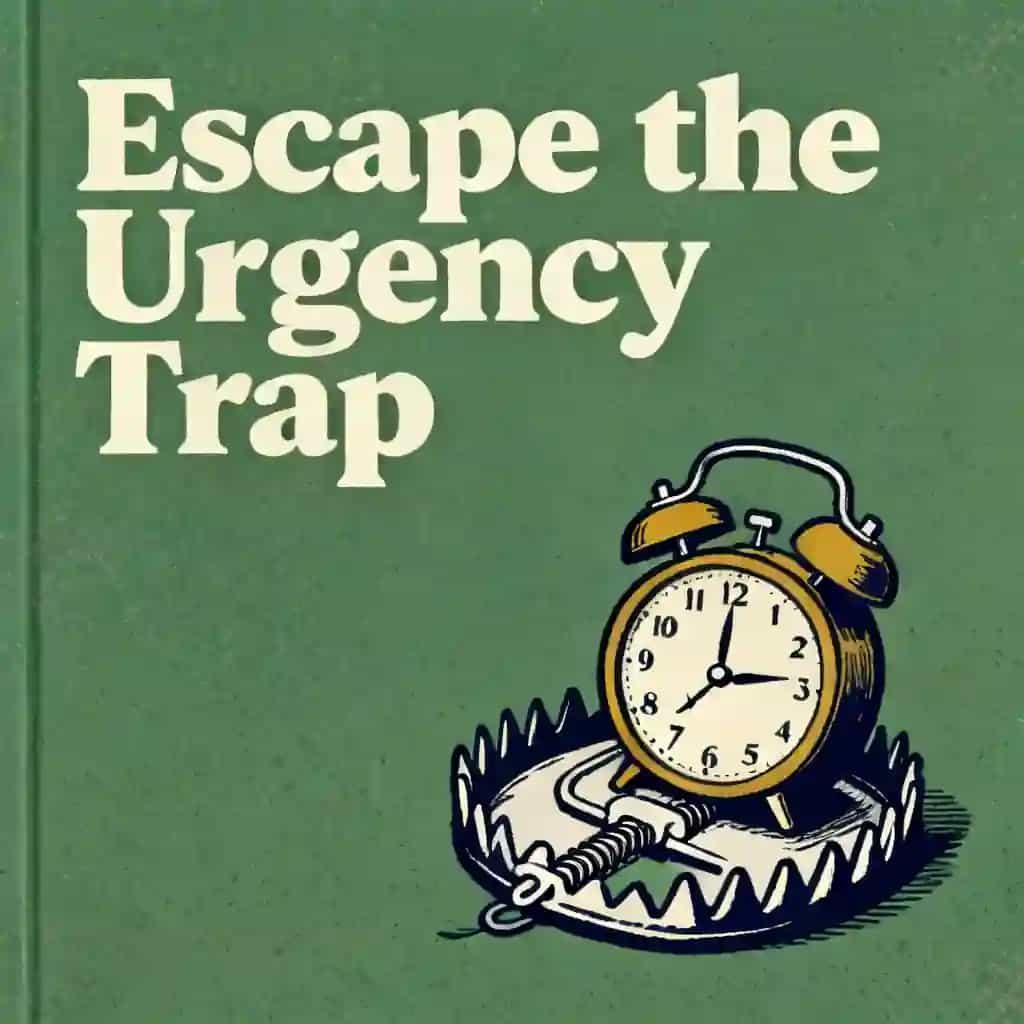
Stop falling for the trap of being busy without being productive. Learn how to set boundaries and build deep work blocks to reclaim your focus.

Best quote from Time management isn't a personality trait
Time management isn't a personality trait you're born with; it’s a set of mechanical skills like prioritization and boundary setting. It is about making time visible so you stop being a passenger in your own day and start being the driver.
Generated by diachenkobohdan
Time management

Frequently Asked Questions
While both methods involve using a calendar, they serve different purposes. Time blocking is the practice of assigning specific tasks to specific time slots to ensure you have enough space in your day to finish them. In contrast, time boxing is a tool used to combat perfectionism and "Parkinson’s Law" by setting a fixed time limit on a task. When the "box" ends, you stop working on that task regardless of whether it is finished, forcing you to focus on the most essential elements of the work.
The script suggests that simply having a phone nearby reduces cognitive capacity because the brain uses energy to resist checking it. To protect "Deep Work" blocks, you should move your phone to another room and close all email or messaging tabs. If random thoughts or errands pop into your head during this time, use a "distraction pad"—a physical piece of paper to jot the thought down so you can clear your mental cache and immediately return to your task without breaking your flow.
A shutdown ritual is a ten-to-fifteen-minute process at the end of the workday designed to "force-quit" the work-related thoughts that often follow us home. It involves reviewing your to-do list, noting what was accomplished, and deciding exactly when unfinished tasks will be handled the next day. By creating a concrete plan for outstanding work, you signal to your nervous system that the workday is over, which reduces stress and allows you to be fully present during your personal time.
The script emphasizes that a time-blocked schedule should be viewed as a "best-case scenario" map rather than a rigid law. To handle the unpredictability of life, you should build "buffer blocks"—roughly 20% to 30% extra time—into your estimates and leave "white space" between tasks. If an emergency arises, you simply "reroute" by sliding your remaining blocks to a later time or a different day, which makes the trade-offs of your time visible and intentional.
From Columbia University alumni built in San Francisco
"Instead of endless scrolling, I just hit play on BeFreed. It saves me so much time."


"I never knew where to start with nonfiction—BeFreed’s book lists turned into podcasts gave me a clear path."


"Perfect balance between learning and entertainment. Finished ‘Thinking, Fast and Slow’ on my commute this week."
"Crazy how much I learned while walking the dog. BeFreed = small habits → big gains."
"Reading used to feel like a chore. Now it’s just part of my lifestyle."

"Feels effortless compared to reading. I’ve finished 6 books this month already."
"BeFreed turned my guilty doomscrolling into something that feels productive and inspiring."

"BeFreed turned my commute into learning time. 20-min podcasts are perfect for finishing books I never had time for."
"BeFreed replaced my podcast queue. Imagine Spotify for books — that’s it. 🙌"

"It is great for me to learn something from the book without reading it."
"The themed book list podcasts help me connect ideas across authors—like a guided audio journey."
"Makes me feel smarter every time before going to work"
From Columbia University alumni built in San Francisco
"Instead of endless scrolling, I just hit play on BeFreed. It saves me so much time."
"I never knew where to start with nonfiction—BeFreed’s book lists turned into podcasts gave me a clear path."
"Perfect balance between learning and entertainment. Finished ‘Thinking, Fast and Slow’ on my commute this week."
"Crazy how much I learned while walking the dog. BeFreed = small habits → big gains."
"Reading used to feel like a chore. Now it’s just part of my lifestyle."
"Feels effortless compared to reading. I’ve finished 6 books this month already."
"BeFreed turned my guilty doomscrolling into something that feels productive and inspiring."
"BeFreed turned my commute into learning time. 20-min podcasts are perfect for finishing books I never had time for."
"BeFreed replaced my podcast queue. Imagine Spotify for books — that’s it. 🙌"
"It is great for me to learn something from the book without reading it."
"The themed book list podcasts help me connect ideas across authors—like a guided audio journey."
"Makes me feel smarter every time before going to work"
"Instead of endless scrolling, I just hit play on BeFreed. It saves me so much time."
"I never knew where to start with nonfiction—BeFreed’s book lists turned into podcasts gave me a clear path."
"Perfect balance between learning and entertainment. Finished ‘Thinking, Fast and Slow’ on my commute this week."
"Crazy how much I learned while walking the dog. BeFreed = small habits → big gains."
"Reading used to feel like a chore. Now it’s just part of my lifestyle."
"Feels effortless compared to reading. I’ve finished 6 books this month already."
"BeFreed turned my guilty doomscrolling into something that feels productive and inspiring."
"BeFreed turned my commute into learning time. 20-min podcasts are perfect for finishing books I never had time for."
"BeFreed replaced my podcast queue. Imagine Spotify for books — that’s it. 🙌"
"It is great for me to learn something from the book without reading it."
"The themed book list podcasts help me connect ideas across authors—like a guided audio journey."
"Makes me feel smarter every time before going to work"
"Instead of endless scrolling, I just hit play on BeFreed. It saves me so much time."
"I never knew where to start with nonfiction—BeFreed’s book lists turned into podcasts gave me a clear path."
"Perfect balance between learning and entertainment. Finished ‘Thinking, Fast and Slow’ on my commute this week."
"Crazy how much I learned while walking the dog. BeFreed = small habits → big gains."
"Reading used to feel like a chore. Now it’s just part of my lifestyle."
"Feels effortless compared to reading. I’ve finished 6 books this month already."
"BeFreed turned my guilty doomscrolling into something that feels productive and inspiring."
"BeFreed turned my commute into learning time. 20-min podcasts are perfect for finishing books I never had time for."
"BeFreed replaced my podcast queue. Imagine Spotify for books — that’s it. 🙌"
"It is great for me to learn something from the book without reading it."
"The themed book list podcasts help me connect ideas across authors—like a guided audio journey."
"Makes me feel smarter every time before going to work"



![[url_d03702a8:c0000] Time management - Wikipedia p1-1](/_next/image?url=https%3A%2F%2Fd1y2du6z1jfm9e.cloudfront.net%2Fassets%2Fpodcast%2Fyellow.png&w=1024&q=50)
![[url_d03702a8:c0001] Time management - Wikipedia p1-1](/_next/image?url=https%3A%2F%2Fd1y2du6z1jfm9e.cloudfront.net%2Fassets%2Fpodcast%2Fgreen.png&w=1024&q=50)


![[url_d03702a8:c0000] Time management p1-1](/_next/image?url=https%3A%2F%2Fd1y2du6z1jfm9e.cloudfront.net%2Fassets%2Fpodcast%2Fpurple.png&w=1024&q=50)