Productivity and Self-Organization: Focus and Prioritization Tips
Master productivity and self-organization with expert tips on staying focused, avoiding distractions, and using effective prioritization techniques for work.

Best quote from Productivity and Self-Organization: Focus and Prioritization Tips
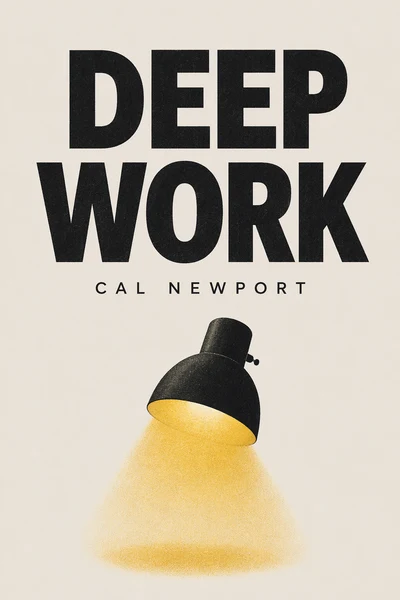
The ability to perform deep work is becoming increasingly rare at the exact same time it’s becoming increasingly valuable. If you can master this, you have a massive competitive advantage.

This audio lesson was created by a BeFreed community member
I want lesson about productivity and self organization. I need help with staying focused and avoiding distractions. I also want to get better at prioritising.

Frequently Asked Questions
Improving focus and concentration requires a combination of environmental control and mental discipline. Start by identifying your peak energy hours and scheduling your most demanding tasks during those times. Utilizing self-organization strategies, such as the Pomodoro technique or time-blocking, can help you maintain deep focus while ensuring you take necessary breaks to prevent burnout and mental fatigue.
Avoiding distractions starts with creating a dedicated workspace and silencing digital interruptions like social media notifications. To enhance your productivity, try using website blockers or setting specific times to check emails. By proactively managing your environment and setting clear boundaries, you can maintain better personal organization and stay committed to the task at hand without losing momentum.
Effective prioritization techniques include the Eisenhower Matrix, which categorizes tasks by urgency and importance, and the ABCDE method. These tools help you distinguish between busy work and high-impact activities. By applying these self-organization principles, you can ensure that your limited time is spent on goals that truly matter, leading to better overall time management and professional growth.
Self-organization is the foundation of consistent productivity because it provides a structured framework for your daily activities. When you have a clear system for personal organization, you reduce the cognitive load required to make decisions about what to do next. This clarity allows you to transition smoothly between tasks, maintain focus, and effectively manage your energy throughout the workweek.
Discover more

Reclaim Your Strategic Focus
In an era of constant distraction, professionals often mistake being busy for being productive. This plan is designed for leaders and high-performers who need to move beyond firefighting and regain control over their cognitive resources.
Stop Distractions & Stay on Track Daily
In an era of constant digital noise, the ability to maintain focus is a competitive advantage. This plan is designed for professionals and students who need to reclaim their attention and build sustainable systems for high-impact productivity.
Productivity and focus
In an era of constant distraction, the ability to manage your attention is a competitive advantage. This plan is designed for professionals and students who want to move beyond busywork to achieve elite-level performance and sustainable success.

How to prioritize?
In an era of constant distractions, mastering prioritization is essential for professional growth and mental clarity. This plan is designed for busy professionals and leaders who need to align their daily actions with long-term strategic goals.

Reclaim Your Attention and Productivity
In an era of constant digital noise, maintaining focus is a critical skill for professional and personal success. This plan is designed for anyone feeling overwhelmed by screen time or seeking to strengthen their cognitive control against algorithmic distractions.

Spot hidden habits killing productivity
In an era of constant digital noise, traditional time management is no longer enough to stay effective. This plan is designed for professionals and students who feel busy but unproductive, offering the tools to reclaim focus and master cognitive energy.

Improve Time Management · Test 05-21
In an era of constant digital distractions, mastering your schedule is a critical competitive advantage. This plan is designed for professionals and students who feel overwhelmed by their to-do lists and want to transition from reactive multitasking to proactive, high-impact work.

Focus Lab: Reclaiming Your Attention
In an era of constant digital distraction, the ability to protect your focus is a competitive advantage. This plan is designed for professionals and creatives who need to move beyond busywork to achieve high-impact, elite-level results through disciplined attention.
From Columbia University alumni built in San Francisco
"Instead of endless scrolling, I just hit play on BeFreed. It saves me so much time."


"I never knew where to start with nonfiction—BeFreed’s book lists turned into podcasts gave me a clear path."


"Perfect balance between learning and entertainment. Finished ‘Thinking, Fast and Slow’ on my commute this week."
"Crazy how much I learned while walking the dog. BeFreed = small habits → big gains."
"Reading used to feel like a chore. Now it’s just part of my lifestyle."

"Feels effortless compared to reading. I’ve finished 6 books this month already."
"BeFreed turned my guilty doomscrolling into something that feels productive and inspiring."

"BeFreed turned my commute into learning time. 20-min podcasts are perfect for finishing books I never had time for."
"BeFreed replaced my podcast queue. Imagine Spotify for books — that’s it. 🙌"

"It is great for me to learn something from the book without reading it."
"The themed book list podcasts help me connect ideas across authors—like a guided audio journey."
"Makes me feel smarter every time before going to work"
From Columbia University alumni built in San Francisco
"Instead of endless scrolling, I just hit play on BeFreed. It saves me so much time."
"I never knew where to start with nonfiction—BeFreed’s book lists turned into podcasts gave me a clear path."
"Perfect balance between learning and entertainment. Finished ‘Thinking, Fast and Slow’ on my commute this week."
"Crazy how much I learned while walking the dog. BeFreed = small habits → big gains."
"Reading used to feel like a chore. Now it’s just part of my lifestyle."
"Feels effortless compared to reading. I’ve finished 6 books this month already."
"BeFreed turned my guilty doomscrolling into something that feels productive and inspiring."
"BeFreed turned my commute into learning time. 20-min podcasts are perfect for finishing books I never had time for."
"BeFreed replaced my podcast queue. Imagine Spotify for books — that’s it. 🙌"
"It is great for me to learn something from the book without reading it."
"The themed book list podcasts help me connect ideas across authors—like a guided audio journey."
"Makes me feel smarter every time before going to work"
"Instead of endless scrolling, I just hit play on BeFreed. It saves me so much time."
"I never knew where to start with nonfiction—BeFreed’s book lists turned into podcasts gave me a clear path."
"Perfect balance between learning and entertainment. Finished ‘Thinking, Fast and Slow’ on my commute this week."
"Crazy how much I learned while walking the dog. BeFreed = small habits → big gains."
"Reading used to feel like a chore. Now it’s just part of my lifestyle."
"Feels effortless compared to reading. I’ve finished 6 books this month already."
"BeFreed turned my guilty doomscrolling into something that feels productive and inspiring."
"BeFreed turned my commute into learning time. 20-min podcasts are perfect for finishing books I never had time for."
"BeFreed replaced my podcast queue. Imagine Spotify for books — that’s it. 🙌"
"It is great for me to learn something from the book without reading it."
"The themed book list podcasts help me connect ideas across authors—like a guided audio journey."
"Makes me feel smarter every time before going to work"
"Instead of endless scrolling, I just hit play on BeFreed. It saves me so much time."
"I never knew where to start with nonfiction—BeFreed’s book lists turned into podcasts gave me a clear path."
"Perfect balance between learning and entertainment. Finished ‘Thinking, Fast and Slow’ on my commute this week."
"Crazy how much I learned while walking the dog. BeFreed = small habits → big gains."
"Reading used to feel like a chore. Now it’s just part of my lifestyle."
"Feels effortless compared to reading. I’ve finished 6 books this month already."
"BeFreed turned my guilty doomscrolling into something that feels productive and inspiring."
"BeFreed turned my commute into learning time. 20-min podcasts are perfect for finishing books I never had time for."
"BeFreed replaced my podcast queue. Imagine Spotify for books — that’s it. 🙌"
"It is great for me to learn something from the book without reading it."
"The themed book list podcasts help me connect ideas across authors—like a guided audio journey."
"Makes me feel smarter every time before going to work"