BeFreed
    Categories>Psychology>how to maintain no contact after betrayal breakup

    how to maintain no contact after betrayal breakup

    15 min
    |
    |
    Mar 24, 2026
    |
    V
    Vishwanath
    PsychologyRelationshipsSelf-Growth
    No Contact After Betrayal: Why It’s So Hard to Stay Away

    Maintaining no contact after a betrayal breakup requires establishing strict digital and physical boundaries to protect your emotional stability. Block their number, mute mutual friends on social media, and avoid checking their profiles. When the urge to reach out hits, set a 15-minute timer to let the immediate craving pass, and redirect that energy into a healthy activity or reaching out to a supportive friend. This total communication detox helps your nervous system feel safe again while you process the grief of the betrayal.

    Episode overview

    This audio episode explores the psychological and physiological challenges of maintaining no contact after a betrayal breakup. We discuss how a sudden end to a relationship can mimic a literal withdrawal in the brain, making the urge to reach out feel desperate. The conversation covers the different stages of emotional recovery, from the initial shock and internal negotiation to eventual acceptance and liberation. You will discover practical strategies for avoiding contact, such as setting timers during moments of weakness and creating firm boundaries to foster a safe environment for your nervous system to stabilize.

    Create Your Podcast in a Click

    V

    Generated by Vishwanath

    Input question

    Help me maintain no contact after betrayal breakup

    Host voices

    Lenaplay
    Milesplay

    A practical guide to emotional detachment strategies

    Coping with betrayal means acknowledging that the end of the relationship is a significant shock to your system. To move forward, focus on emotional detachment strategies that prioritize your well-being. This involves recognizing that the urge to reconnect is often a search for a temporary emotional fix rather than a path to genuine healing. By committing to a zero-tolerance policy for communication, you prevent the cycle of hurt from repeating. Instead of seeking closure from the person who broke your trust, work on rebuilding your own sense of safety through predictable routines, rest, and environments that reduce stress.

    Key steps for avoiding contact and reclaiming your identity

    Navigating life after a betrayal requires intentional choices to protect your peace. Here are practical steps to help you stay the course.

    Implementing a 15-minute delay

    When you feel an overwhelming need to contact your ex, set a timer for 15 minutes. This pause often allows the intense emotional craving to subside, helping you avoid impulsive decisions.

    Removing digital triggers

    Create physical and digital space by blocking your ex and muting shared connections. Removing these cues prevents unnecessary stress and helps keep your focus on your own recovery.

    Redirecting your focus

    Replace the urge to check in on them with a healthy distraction. Calling a friend, listening to a specific playlist, or going for a walk can help shift your attention away from the betrayal.

    Episode highlights

    1. 1

      The Science of the Communication Detox

      play
      00:00
      00:00
      Your browser does not support the audio element.

      Lena: You know, Miles, I was reading something today that really stopped me in my tracks. It said that romantic love actually activates the same regions of our brain as a drug addiction. So, when you’re dealing with a betrayal breakup, that physical ache isn't just in your head—it’s a literal withdrawal. Miles: It really is. And that’s why the urge to reach out feels so desperate, like you're in a "panic mode" trying to fix things. But interestingly, research shows that nearly 70 percent of relationships actually struggle to ever recover once that trust is broken. Lena: That is a huge number. It makes sense why so many people feel like they’re losing control. We want to help you reclaim that power today by looking at the "No Contact Rule" not as a punishment, but as a form of self-preservation. Miles: Exactly. It’s about creating the space your nervous system needs to finally feel safe again. So, let’s explore how this communication detox actually works to help you heal.

    2. 2

      The Biological Reality of the Breakup Withdrawal

      Lena: It is so wild to think about our brains being chemically rewired by another person—but that is exactly what the research shows. When we are in a relationship, especially one where we have been betrayed, our brain has been getting these hits of dopamine and oxytocin from that partner for a long time. Then, suddenly, the supply is cut off. Miles: Right—and that is why "No Contact" feels like literal torture at first. It is not just that you miss them; your brain is actually screaming for a chemical fix. Dr. Helen Fisher’s research found that brain scans of people going through a breakup look almost identical to people withdrawing from cocaine. The ventral tegmental area and the nucleus accumbens—the brain’s primary reward centers—are just lighting up, demanding that hit of connection. Lena: So when we feel that desperate urge to check their Instagram or send "just one more" text to ask why they did it—that is just our brain trying to get its levels back up? Miles: Exactly. It is a physiological event. And if you give in and send that text, you are essentially giving an addict a tiny dose of their drug. It resets the withdrawal clock. That is why the "Zero Tolerance" rule is so important. It is not about being mean—it is about letting those neural pathways finally start to prune away so you can actually heal. Lena: It’s like we have to protect our brain from itself for a little while. I read that even looking at a photo of an ex can trigger that same dopamine surge. So, when we talk about no contact, we are really talking about a total digital and physical boundary—blocking, deleting, the whole nine yards. Miles: Absolutely. You have to remove the "cues" that trigger the craving. If you keep the door cracked even a tiny bit—like "muting" instead of "blocking"—your brain stays in a state of high alert, just waiting for the next notification. Real healing requires that clean break to let your nervous system stabilize.

    3. 3

      Navigating the Seven Stages of Emotional Sovereignty

      Lena: So, if we commit to this "detox," what does the road ahead actually look like? Because I know it is not a straight line. I was looking into the seven stages of No Contact, and it starts with that intense shock and denial—where the mind just refuses to accept the bond is over. Miles: That first stage is brutal. Your brain is essentially paralyzed. You think one last conversation will magically fix the betrayal. But then you hit stage two—the neurochemical storm. This is where the physical symptoms kick in—insomnia, lack of appetite, that literal ache in your chest. This is the "withdrawal syndrome" phase where your will starts to flicker. Lena: And that is usually when people fall into stage three—the internal negotiation. This is the ego’s trap, right? You start thinking, "Oh, I just need to return this old sweatshirt," or "Maybe we can just be friends." Miles: Spot on. It is a search for a "logical" excuse to get that dopamine hit. But if you can push through that, you hit stage four—the deep sadness. It feels heavy, but it is actually a sign of progress. It means the "negotiation" failed and your brain is finally starting to land in the reality of their absence. You are finally starting to let go of that idealized image of them. Lena: Which leads right into the anger stage—stage five. And honestly, Miles, that feels like a turning point. Instead of blaming yourself, you start seeing the flaws and the treatment you didn't deserve. That anger becomes the fuel for your self-respect. Miles: It really is the "healing resentment" phase. You are no longer staying silent out of sadness—you are doing it out of dignity. That is the bridge to stage six, which is acceptance and emotional calm. The breakup becomes a part of your history rather than your present crisis. You aren't checking their social media because you genuinely don't feel the need to know anymore. Lena: And then, finally, stage seven—liberation. I love how the sources describe this as recovering your "emotional sovereignty." You realize your happiness doesn't depend on their validation. The silence that used to feel like torture has finally become a gift you gave yourself.

    4. Chapter 4

      The Dumper's Psychology and the Scarcity Principle

      Miles: It is also worth looking at what is happening on the other side of that silence—especially if you were the one who was left. There is a very specific psychological timeline for the "dumper." Initially, they usually feel a sense of relief and validation. They’ve been dreading the breakup, and now the weight is lifted. Lena: That is so hard to hear when you are the one hurting. To think they are just out there feeling "free" while you're in withdrawal. Miles: It is tough, but it’s usually temporary. Because they expect you to chase them. They expect the begging and the pleading. When you go silent instead, you trigger the "Scarcity Principle." Around the two to three week mark, curiosity starts to replace that relief. They start wondering why you haven't reached out. They start questioning if they misjudged how much you cared—or if you've already moved on. Lena: So by staying silent, we are actually shifting the power dynamic? Miles: Exactly. You are no longer the "predictable" ex. Your unavailability makes your "value" increase in their mind because you are no longer accessible. By weeks three to five, many dumpers hit a stage of doubt and second-guessing. The "freedom high" wears off, and they start romanticizing the good memories while minimizing the problems that led to the breakup. Lena: I saw a statistic that suggested over 76 percent of male dumpers, specifically, feel regret within 60 days—but only if the conditions are right. And the "right condition" is your total absence. Miles: Right. They have to actually feel the loss to regret it. If you’re still texting them or showing up in their notifications, they never have to face the reality of a life without you. They get to "coast on ambiguity." No contact forces an honest reckoning. It forces them—and you—to see if the grass is actually greener on the other side. Often, they find out it is just different grass, and that is when "dumper's remorse" really sets in.

      Chapter 5

      Healing the Betrayal Trauma and the Nervous System

      Lena: We have to talk about the betrayal piece specifically, though. Because healing from a breakup is one thing, but healing from a betrayal—like infidelity or a major lie—is a whole different level of trauma. It’s not just a broken heart; it’s a shattered reality. Miles: You’re right. Betrayal hits the nervous system like a freight train. It triggers a "Reaction Phase" where you might feel physically nauseous, experience racing thoughts, or even feel like you’re walking on air because you’re so disassociated. It is a severe emotional shock. Lena: One of the sources mentioned that the nervous system cannot heal while it is in a state of emergency. So, in that first phase after betrayal, we shouldn't even be trying to make big decisions about the future, right? Miles: Absolutely not. Your prefrontal cortex—the logical part of your brain—is basically offline. You’re in fight, flight, or freeze. This is why stabilization has to come before clarity. You need predictable routines, rest, and environments that reduce stress. You have to give your body signals that the immediate danger is over before you can even begin to process the grief. Lena: And there is so much grief to process. You aren't just losing a partner; you're losing the version of the past you thought was real. You’re losing the future you planned. It’s like the world stopped making sense overnight. Miles: It is. And that is why boundaries are so vital in the aftermath of betrayal. They aren't punishments—they are self-protection. They create the container where safety can re-emerge. Whether you eventually choose to reconcile or walk away, you cannot do that work while you are still being "flooded" by the person who broke the trust. You have to reclaim your own internal compass first. Lena: I think that is a huge point—trust is not just an emotional state; it is a physiological one. If your body doesn't feel safe, you can't "think" your way into trusting someone again. You have to rebuild that safety within yourself first, through silence and space.

      Chapter 6

      Reclaiming Identity and the Power of Boundaries

      Miles: As we move further into the no contact journey, we start hitting this really interesting phase of identity reconstruction. In a long-term relationship, we often merge our identities—we become a "we." When that ends, we have to rediscover the "I." Lena: I’ve heard so many people say, "I don't even know who I am anymore." They’ve spent so long adjusting their personality to avoid conflict or please their partner that their own preferences have just… evaporated. Miles: It is a slow erosion. But healing means rediscovering those small things—what music do you actually like? What clothes feel authentic to you? What do you want to do with your Saturday mornings? This is the "Post-Traumatic Growth" phase where you realize that while the betrayal shattered the good things, it also shattered the harmful patterns and the roles you were playing that weren't really you. Lena: It’s like the collapse of the relationship creates this empty space where you can finally build something that is actually aligned with your own values. But that requires learning how to set boundaries without feeling like you have to explain yourself. Miles: That is a tough one for a lot of people! They feel "mean" or "rude" for not responding to a text. But a boundary is just a limit that says, "This is what I need to be okay." You are allowed to say no without a three-paragraph justification. You are allowed to end a conversation that feels disrespectful. Those boundaries are what filter out unsafe people and protect your peace while you're rebuilding. Lena: And it’s not just about boundaries with the ex—it’s about boundaries with ourselves. Like, "I will not check their social media today because I value my peace more than a hit of dopamine." That is a powerful act of self-trust. Miles: It really is. Self-trust returns in those small decisions long before it returns in the big ones. Every time you honor an instinct—like leaving a place because it feels "off" or staying home because you need rest—you are telling your brain, "I am a reliable protector of myself." That is how you move from being a "victim" of betrayal to being the sovereign of your own life.

      Chapter 7

      The Practical Playbook for Staying Strong

      Lena: So, Miles, let's get practical for a second. For someone listening who is on day three or day ten of No Contact and they are struggling—what is the actual "playbook" to stay the course? Miles: First and foremost, you have to treat it like a detox. When the urge to text hits, don't just try to "willpower" your way through it. Set a timer for fifteen minutes. Usually, the peak of that neurochemical craving will subside in that window. Have a "Coping Toolkit" ready—a friend you can call, a specific playlist, or even just a walk around the block. Lena: I love the idea of "Dopamine Redirection." If your brain is starving for a hit, give it a healthy one. Accomplishing a small goal, learning a new skill, or even a hard workout can help recalibrate those reward pathways. Miles: Exactly. And you have to remove the triggers. If their name popping up on your phone sends you into a panic, you have to block them. If seeing their mutual friends' posts hurts, mute them. This isn't about being dramatic; it's about "Zero Tolerance" for anything that resets your healing clock. Lena: And what about the "stuff"? The "I have their sweatshirt" or "they still have my favorite book" excuse? Miles: Either get it all at once with a third party present, or honestly, just write it off. No object is worth your mental health. If you’re using "stuff" as a reason to reach out, that is just your ego looking for a negotiation. Don't fall for it. Lena: And if you do slip? If you break no contact? Miles: Don't beat yourself up. It’s a common part of the process. Just acknowledge the slip, identify what triggered it, and immediately re-establish the boundary. Don't let a "slip" turn into a "relapse." Just get back on the path. The goal isn't perfection; it's consistent progress toward your own independence. Lena: It’s about being a "Reflective Coach" for yourself. Validating that the pain is real, but also gently holding the line because you know what’s on the other side.

      Chapter 8

      Closing Reflections on the Road Ahead

      Miles: You know, as we wrap this up, I think the biggest takeaway is that No Contact is not a passive wait. It is an active, strategic re-engineering of your entire emotional landscape. It is about taking the power back from someone who misused it and giving it back to yourself. Lena: I love that. It’s moving from survival to clarity. And eventually, you reach that point of "Post-Traumatic Growth" where you realize you are actually stronger and more discerning than you were before the betrayal happened. You don't just "get over it"—you integrate it and become a more authentic version of yourself. Miles: Right. The silence that felt like a void in the beginning eventually becomes a space of peace. You realize your happiness isn't a "variable" that depends on their actions. It is something you own. Lena: So to everyone listening who is in the thick of it right now—we see you. We know how much this hurts and how hard every silent hour can feel. But those silent hours are exactly what are allowing your brain to heal and your identity to return. Miles: Absolutely. You are not "losing" them; you are "finding" you. And that is a journey worth every difficult moment. Take it one fifteen-minute timer at a time if you have to. Lena: Thank you for joining us today for this conversation. We hope these insights give you something solid to hold onto as you navigate your own path to healing. Miles: Take a moment today to reflect on one small boundary you can set for your own peace—and then honor it. You’ve got this. Lena: We’re rooting for you. Take care of yourself.

    FAQ

    Setting a 15-minute timer when the urge hits can help manage the craving to reach out, and redirecting your focus to a healthy activity like calling a friend or going for a walk can provide relief.

    Blocking your ex and muting shared connections removes digital triggers that can cause emotional distress, helping your nervous system feel safe and stabilize.

    Practical steps include implementing a 15-minute delay when urges arise, removing digital triggers by blocking and muting, and redirecting your focus to healthy distractions.

    Best quote from No Contact After Betrayal: Why It’s So Hard to Stay Away

    “

    The 'No Contact Rule' is not a punishment, but a form of self-preservation. It is about creating the space your nervous system needs to finally feel safe again and letting those neural pathways finally start to prune away so you can actually heal.

    ”

    Knowledge sources

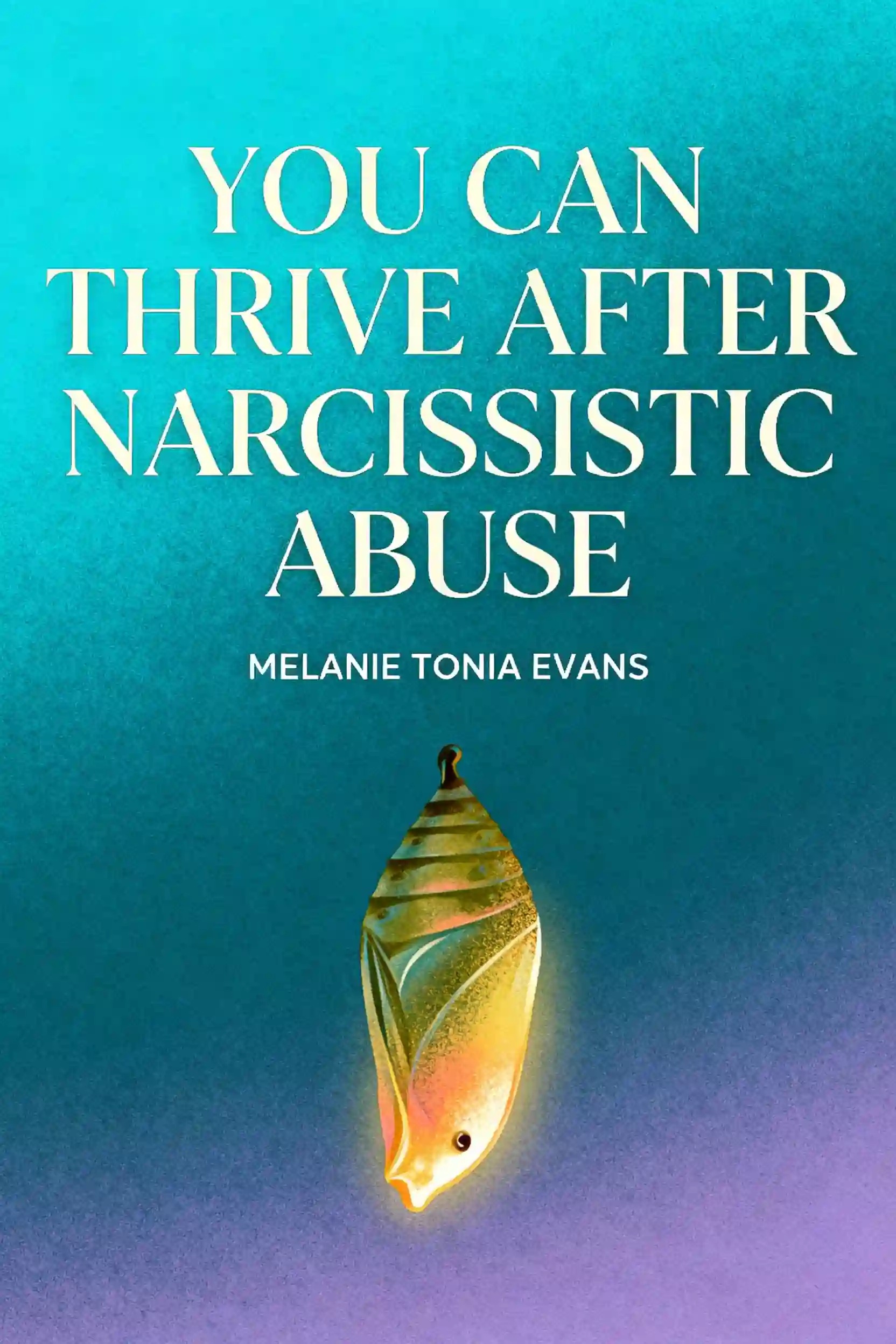
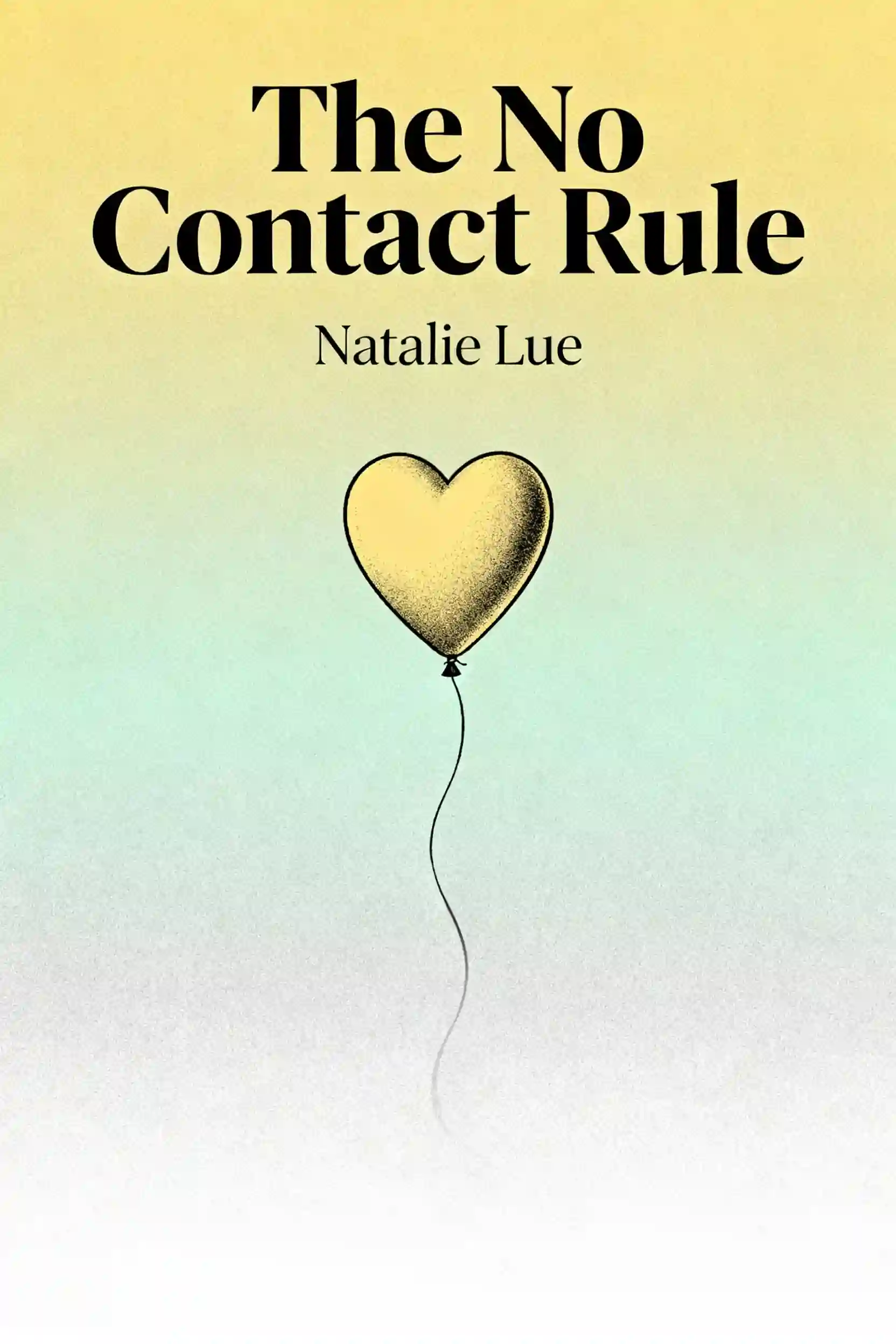
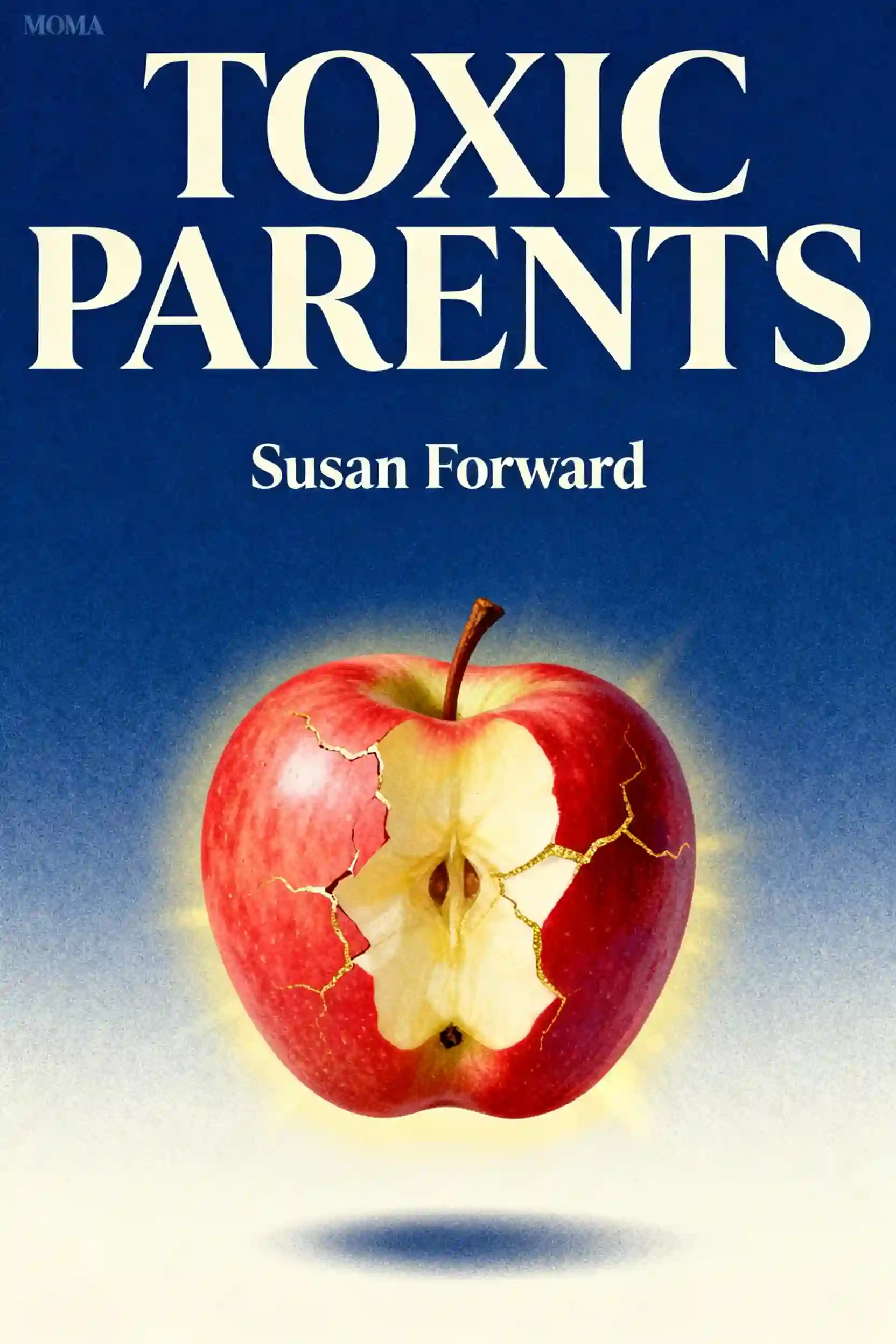
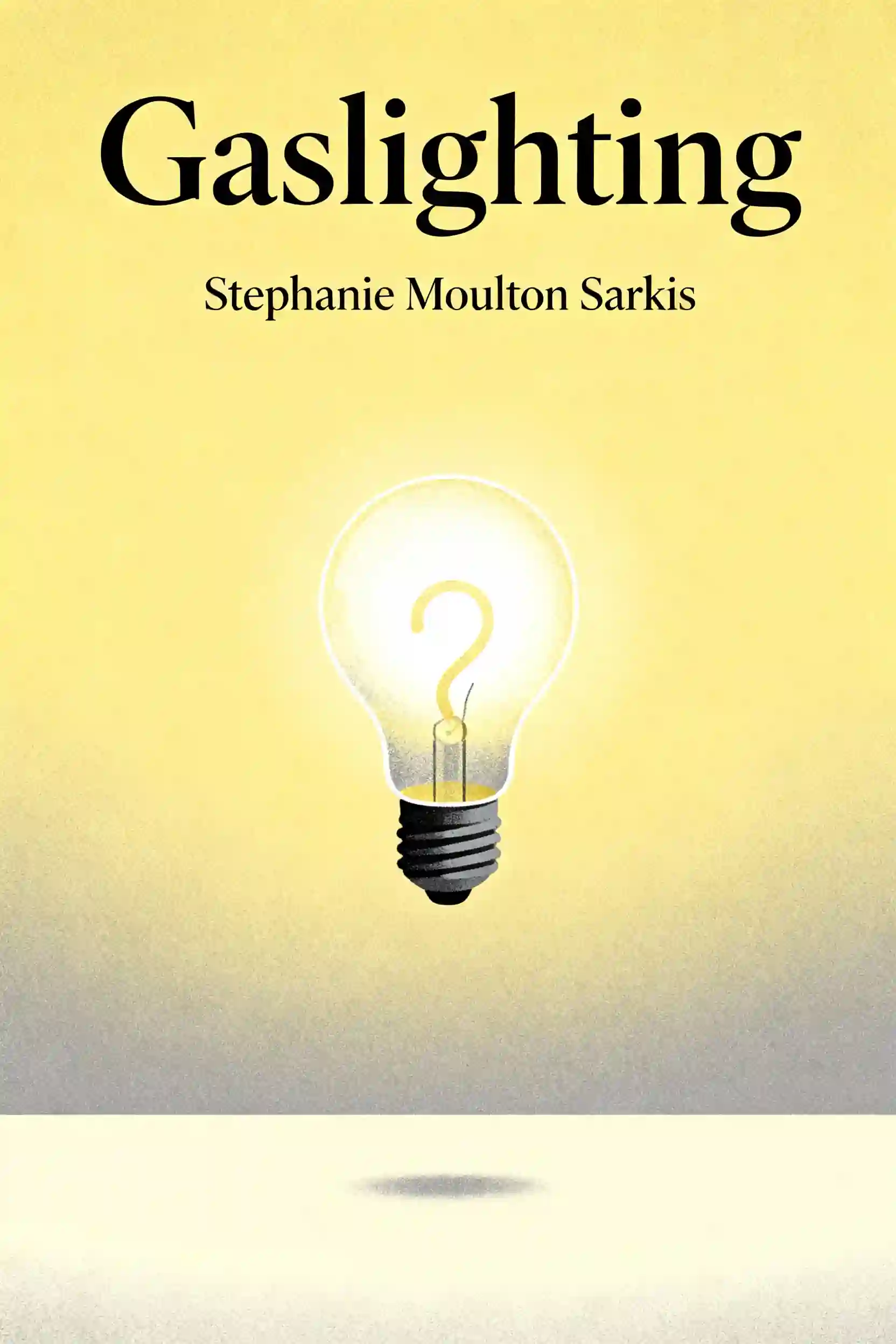
    POWERYou Can Thrive After Narcissistic AbuseThe No Contact RuleToxic ParentsGaslightingCodependent No MoreMen who hate women & the women who love themThe Science of Finding and Keeping LoveThe Chemistry of BetrayalCodependent Relationship Recovery PlanTell Me LiesHow to Be the Love You SeekThe 7 stages of No Contact according to psychologyPsychology of the No Contact Rule on a Dumper (5 Stages)The Psychology of No Contact: Why It Works and What Really Happens | Sentari BlogInfidelity Aftermath: 3 Psychological Stages and How to Navigate Each One | by Selinas Gene | MediumThe Four Phases of Healing After Intimate Betrayal - Choose Recovery ServicesNarcissistic Abuse & Recovery: A Therapist's Complete Guide to Healing — Annie Wright, LMFTNarcissistic Abuse Recovery Roadmap - From Survival to Thriving - PsychanatomyHow to Heal After Narcissistic Abuse: A Step-by-Step Guide for Survivors | by PsychTruths | Write A Catalyst | Feb, 2026 | MediumMaster the No Contact Rule After Breakup: 5 Essential StepsSabrina Zohar - Overcoming Ex Withdrawal: Dopamine Detox - TikTokWhy No Contact Works: The Science Behind Going Silent | Sentari BlogWhy Breakups Feel Like Drug Withdrawal: A Neuroscientist's Perspective | Sentari BlogDopamine Withdrawal After a Breakup: What's Really Happening in ...The Science of Love: What Happens to the Brain During a Breakup?

    From Columbia University alumni | built in San Francisco

    BeFreed Brings Together A Global Community Of Curious Minds

    4.7

    avg rating

    7.84k+ App Rating

    BeFreed Community

    Seriously I haven’t even explored this app fully yet but from using it the last few days I am so impressed... BeFreed is on a different level from any other learning app I have used. This makes it ultra engaging and can actually improve your concentration which is great for all the doom scrollers!

    @ladyInfinity

    I bought BeFreed exactly 23 days ago, and I have used it every single day since. It has completely embedded itself into my daily workflow and learning habit.

    @jayallen

    The truth is, the app has exceeded all my expectations. I can ask it to generate audio on any topic, whatever it may be, and the result is impressive. My professional field is a specialization in psychotherapy and it is multidisciplinary; however, the answers are very accurate.

    @Raguipa

    What I appreciate most is how much it's reduced my scrolling – I'm spending less time searching and more time absorbing information. The combination of full audiobooks, podcasts, the learning plans are brilliant.

    @colonyofcreatorsNGO

    I have been a PhotoReading Accelerated Learning Instructor for the past 24 years... books and reading and learning are my thing, and BeFreed has done a great job in providing an innovative approach to disseminating and delivering information in an easy to consume way.

    @BeFreed user

    It is not just a book summary app, I have used the 'fun reading' option and it's a much better summary and way to grasp ideas the traditional way, that alone is worth this deal.

    @austinakon

    I love this app. Used it for several days and I cannot stop listening. Such a great way to start.

    @jcrules328

    I really like the program; I have already tested it for around one month, and I feel that it's an amazing gem. It works so well because I can use BeFreed to create my own topics, and the voice is so good with unlimited choice of narrations.

    @DanielCZ

    Seriously I haven’t even explored this app fully yet but from using it the last few days I am so impressed... BeFreed is on a different level from any other learning app I have used. This makes it ultra engaging and can actually improve your concentration which is great for all the doom scrollers!

    @ladyInfinity

    I bought BeFreed exactly 23 days ago, and I have used it every single day since. It has completely embedded itself into my daily workflow and learning habit.

    @jayallen

    The truth is, the app has exceeded all my expectations. I can ask it to generate audio on any topic, whatever it may be, and the result is impressive. My professional field is a specialization in psychotherapy and it is multidisciplinary; however, the answers are very accurate.

    @Raguipa

    What I appreciate most is how much it's reduced my scrolling – I'm spending less time searching and more time absorbing information. The combination of full audiobooks, podcasts, the learning plans are brilliant.

    @colonyofcreatorsNGO

    I have been a PhotoReading Accelerated Learning Instructor for the past 24 years... books and reading and learning are my thing, and BeFreed has done a great job in providing an innovative approach to disseminating and delivering information in an easy to consume way.

    @BeFreed user

    It is not just a book summary app, I have used the 'fun reading' option and it's a much better summary and way to grasp ideas the traditional way, that alone is worth this deal.

    @austinakon

    I love this app. Used it for several days and I cannot stop listening. Such a great way to start.

    @jcrules328

    I really like the program; I have already tested it for around one month, and I feel that it's an amazing gem. It works so well because I can use BeFreed to create my own topics, and the voice is so good with unlimited choice of narrations.

    @DanielCZ

    I love the fact that I can get useful, condensed, information and ideas in a 8 - 15 minute podcast style audio. I'm not a general fan of podcasts because of all the fluff, but this cuts through all that.

    @BeFreed user

    I am finishing up my doctorate, and have to read a lot of unfamiliar material... With BeFreed, you simply enter a prompt, and the app finds source material for you and generates an audio podcast. I find the process in BeFreed to be more streamlined than NotebookLM.

    @Brad

    I often search YouTube for something to listen to whilst making breakfast, when I'm out walking, commuting, etc, and BeFreed has provided an even more targeted approach, without the adverts and the fluff!

    @BeFreed user

    The absolute best part about this platform is its versatility. There is literally no subject that is off-topic. It handles whatever you throw at it... It is rare to find an learning tool with zero limitations that actually delivers on its promises.

    @jayallen

    BeFreed is fantastic. The user-friendly design means I spend less time navigating and more time learning. The mix of audiobooks, podcasts, and learning plans is a genius combo that has completely changed my daily routine.

    @BeFreed user

    At the start I needed a while to understand how to create podcasts in italian language and boom! It is so great! I can ask to explain every argument and it does so well and so smartly!

    @matteo77

    BeFreed has become my daily app for audio books tools... What I like the most is the way you put your text and come with an audio that you can listen on the go.

    @kotanzu1

    I love the fact that I can get useful, condensed, information and ideas in a 8 - 15 minute podcast style audio. I'm not a general fan of podcasts because of all the fluff, but this cuts through all that.

    @BeFreed user

    I am finishing up my doctorate, and have to read a lot of unfamiliar material... With BeFreed, you simply enter a prompt, and the app finds source material for you and generates an audio podcast. I find the process in BeFreed to be more streamlined than NotebookLM.

    @Brad

    I often search YouTube for something to listen to whilst making breakfast, when I'm out walking, commuting, etc, and BeFreed has provided an even more targeted approach, without the adverts and the fluff!

    @BeFreed user

    The absolute best part about this platform is its versatility. There is literally no subject that is off-topic. It handles whatever you throw at it... It is rare to find an learning tool with zero limitations that actually delivers on its promises.

    @jayallen

    BeFreed is fantastic. The user-friendly design means I spend less time navigating and more time learning. The mix of audiobooks, podcasts, and learning plans is a genius combo that has completely changed my daily routine.

    @BeFreed user

    At the start I needed a while to understand how to create podcasts in italian language and boom! It is so great! I can ask to explain every argument and it does so well and so smartly!

    @matteo77

    BeFreed has become my daily app for audio books tools... What I like the most is the way you put your text and come with an audio that you can listen on the go.

    @kotanzu1

    See more on how BeFreed is discussed
    Start your learning journey, now
    BeFreed app
    BeFreed

    Learn Anything, Personalized

    DiscordLinkedIn
    Featured book summaries
    Crucial ConversationsThe Perfect MarriageInto the WildNever Split the DifferenceAttachedGood to GreatSay Nothing
    Trending categories
    Self HelpCommunication SkillRelationshipMindfulnessPhilosophyInspirationProductivity
    Celebrities' reading list
    Elon MuskCharlie KirkBill GatesSteve JobsAndrew HubermanJoe RoganJordan Peterson
    Award winning collection
    Pulitzer PrizeNational Book AwardGoodreads Choice AwardsNobel Prize in LiteratureNew York TimesCaldecott MedalNebula Award
    Featured Topics
    ManagementAmerican HistoryWarTradingStoicismAnxietySex
    Best books by Year
    2025 Best Non Fiction Books2024 Best Non Fiction Books2023 Best Non Fiction Books
    Featured authors
    Chimamanda Ngozi AdichieGeorge OrwellO. J. SimpsonBarbara O'NeillWinston ChurchillCharlie Kirk
    BeFreed vs other apps
    BeFreed vs. Other Book Summary AppsBeFreed vs. ElevenReaderBeFreed vs. ReadwiseBeFreed vs. Anki
    Learning tools
    Knowledge VisualizerAI Podcast Generator
    Information
    About Usarrow
    Pricingarrow
    FAQarrow
    Blogarrow
    Careerarrow
    Partnershipsarrow
    Ambassador Programarrow
    Directoryarrow
    BeFreed
    Try now
    © 2026 BeFreed
    Term of UsePrivacy Policy
    BeFreed

    Learn Anything, Personalized

    DiscordLinkedIn
    Featured book summaries
    Crucial ConversationsThe Perfect MarriageInto the WildNever Split the DifferenceAttachedGood to GreatSay Nothing
    Trending categories
    Self HelpCommunication SkillRelationshipMindfulnessPhilosophyInspirationProductivity
    Celebrities' reading list
    Elon MuskCharlie KirkBill GatesSteve JobsAndrew HubermanJoe RoganJordan Peterson
    Award winning collection
    Pulitzer PrizeNational Book AwardGoodreads Choice AwardsNobel Prize in LiteratureNew York TimesCaldecott MedalNebula Award
    Featured Topics
    ManagementAmerican HistoryWarTradingStoicismAnxietySex
    Best books by Year
    2025 Best Non Fiction Books2024 Best Non Fiction Books2023 Best Non Fiction Books
    Learning tools
    Knowledge VisualizerAI Podcast Generator
    Featured authors
    Chimamanda Ngozi AdichieGeorge OrwellO. J. SimpsonBarbara O'NeillWinston ChurchillCharlie Kirk
    BeFreed vs other apps
    BeFreed vs. Other Book Summary AppsBeFreed vs. ElevenReaderBeFreed vs. ReadwiseBeFreed vs. Anki
    Information
    About Usarrow
    Pricingarrow
    FAQarrow
    Blogarrow
    Careerarrow
    Partnershipsarrow
    Ambassador Programarrow
    Directoryarrow
    BeFreed
    Try now
    © 2026 BeFreed
    Term of UsePrivacy Policy

    Recommended learning plans

    Leave draining relationship at 23
    LEARNING PLAN

    Leave draining relationship at 23

    4 h 51 m•4 Episodes

    More like this

    Why No Contact is Necessary After a Breakup book cover
    Codependent No MorePOWERThe No Contact RuleStop Caretaking the Borderline or Narcissist
    23 sources
    Why No Contact is Necessary After a Breakup
    Struggling to stop texting your ex? Learn why your brain treats a breakup like withdrawal and how silence helps you break the cycle to reclaim your power.
    13 min
    Breakups and the Science of Withdrawal book cover
    Resist Texting Your Ex: 5 CBT Tips to Overcome the Urge | CBT Therapist | Psychology & SerenityWhy You Can’t Stop Texting Your Ex: Trauma Bonds & NeuroscienceWhy Can’t I Stop Thinking About My Ex? A Psychologist Explains | Dr Nick | Consultant Clinical Psychologist | Private Therapy Birmingham & OnlineShould You Text Your Ex? 5 Therapist Insights to Consider | CBT Therapist | Psychology & Serenity
    6 sources
    Breakups and the Science of Withdrawal
    Struggling to stop texting your ex? Understand the neurological roots of heartbreak and use somatic strategies to break the cycle of addiction.
    622 min
    Breaking Free: Surviving Trauma Bond Withdrawal book cover
    Toxic ParentsPOWER: Surviving and Thriving After Narcissistic Abuse: A Collection of Essays on Malignant Narcissism and Recovery from Emotional AbuseCodependent No MoreMen Who Hate Women and the Women Who Love Them
    22 sources
    Breaking Free: Surviving Trauma Bond Withdrawal
    Explore the hidden addiction of toxic relationships and why leaving an abusive partner triggers real withdrawal symptoms. Learn the neuroscience behind trauma bonds and practical tools for healing.
    17 min
    Breaking the Trauma Bond: Reclaiming Your Life After Betrayal book cover
    You Can Thrive After Narcissistic AbusePOWER: Surviving and Thriving After Narcissistic Abuse: A Collection of Essays on Malignant Narcissism and Recovery from Emotional AbuseToxic ParentsMen Who Hate Women and the Women Who Love Them
    29 sources
    Breaking the Trauma Bond: Reclaiming Your Life After Betrayal
    Understand the biological addiction of trauma bonding and learn practical strategies to break the cycle of intermittent reinforcement, even when shared social circles and lingering advances make moving on feel impossible.
    25 min
    Detaching from someone when your brain won't let go book cover
    Codependent Relationship Recovery PlanCodependent No MoreThe No Contact RuleStop Caretaking the Borderline or Narcissist
    26 sources
    Detaching from someone when your brain won't let go
    Moving on feels impossible because your brain treats attachment like a survival need. Learn how to reclaim your energy and reset your emotional ROI.
    30 min
    Breaking the Bond: Reclaiming Power After Toxic Love book cover
    The No Contact RuleMastering High Conflict: The Ultimate Guide to Difficult RelationshipsEmotional BlackmailConflict Communication
    25 sources
    Breaking the Bond: Reclaiming Power After Toxic Love
    Learn to navigate the biological addiction of trauma bonds and reclaim your strength, even when shared spaces and lingering messages make moving on feel impossible.
    28 min
    The Power of the Void book cover
    How to Make Your Ex Regret Losing You (Scientifically Proven, Not Pettily Theorized) — Daniel DashnawMake Your Ex Regret Taking You For GrantedThe Psychology Of Dumpers Remorse And How To Create It With Your ExWhat Makes an Ex Come Crawling Back: The Psychology of Regret and Return - healthy relationships
    7 sources
    The Power of the Void
    When a breakup hits, your instinct is to chase. Learn why total silence triggers a neurological reset that makes an ex re-evaluate what they lost.
    23 min
    Dating After a Toxic Relationship book cover
    Getting Past Your BreakupHow do I date again after a toxic relationship? | Dr. Melissa A. FabelloHow to Heal from a Toxic Relationship: A Phased Recovery Roadmap - Figs O'Sullivan Couples TherapyCan Emotionally Unavailable Men Change? - Magnet of Success
    5 sources
    Dating After a Toxic Relationship
    When a past breakup leaves you feeling damaged, new intimacy can feel like a threat. Learn why your nervous system freezes and how to truly heal.
    25 min

    Recommended Learning Plans

    Recovering from breakup
    LEARNING PLAN

    Recovering from breakup

    Breakups are among life's most painful experiences, triggering real neurological responses similar to physical pain and withdrawal. This learning plan provides a evidence-based, compassionate roadmap for anyone navigating the aftermath of a relationship ending, whether you're struggling with acute heartbreak or ready to build healthier patterns for the future. It's designed for those who want to heal thoroughly rather than simply move on, transforming loss into an opportunity for profound personal growth.

    3 h 54 m•4 Sections
    Reclaim Your Life After Heartbreak
    LEARNING PLAN

    Reclaim Your Life After Heartbreak

    Breakups can leave your nervous system in a state of shock and your mind trapped in endless loops. This plan is designed for anyone struggling to move past a split, offering a structured path from immediate emotional stabilization to long-term identity reconstruction.

    1 h 12 m•3 Sections
    Rebuilding Trust and Connection After Betrayal
    LEARNING PLAN

    Rebuilding Trust and Connection After Betrayal

    Betrayal recovery is uniquely challenging when neurodivergence impacts how partners process trauma and communicate. This guide is essential for couples navigating the intersection of broken trust and ADHD or autism, offering practical tools for accessible reconnection.

    1 h 15 m•3 Sections
    The Science of Post-Breakup Attraction
    LEARNING PLAN

    The Science of Post-Breakup Attraction

    This plan is essential for anyone struggling with the emotional fallout of a split and the biological urge to reconnect. It provides a science-backed framework for individuals looking to regain their sense of self while navigating the complexities of modern dating and detachment.

    1 h 36 m•4 Sections
    Break the Bond and Reclaim Your Reality
    LEARNING PLAN

    Break the Bond and Reclaim Your Reality

    This plan is essential for individuals trapped in toxic dynamics who struggle to understand why it is so difficult to leave. It provides a roadmap for those seeking to regain their mental clarity and safely navigate the complexities of ending an abusive relationship.

    1 h 30 m•3 Sections
    Break the Trauma Bond
    LEARNING PLAN

    Break the Trauma Bond

    This plan is essential for individuals feeling trapped in toxic cycles or struggling to leave manipulative relationships. It provides a roadmap for those ready to understand the biological roots of their attachment and regain their personal agency.

    1 h 30 m•3 Sections
    Detach & leave toxic partner calmly
    LEARNING PLAN

    Detach & leave toxic partner calmly

    This plan is essential for individuals feeling trapped in emotionally draining or manipulative relationships. It provides a structured, low-conflict roadmap for those needing to regain their autonomy and rebuild their lives with dignity.

    6 h 45 m•4 Sections
    Detach, heal, and leave my boyfriend
    LEARNING PLAN

    Detach, heal, and leave my boyfriend

    This plan is designed for individuals feeling trapped in unhealthy relationships who need a structured path toward freedom. It provides the essential emotional tools and practical strategies required to break cycles of toxicity and reclaim personal autonomy.

    5 h 7 m•4 Sections