Moving on feels impossible because your brain treats attachment like a survival need. Learn how to reclaim your energy and reset your emotional ROI.
Best quote from Detaching from someone when your brain won't let go
“
Detaching fast isn’t about waiting for the feelings to go away—it’s about recognizing that you’re in a neurochemical loop and taking the manual override. We have to treat it like a detox.
”
J
Generated by Joanna
Input question
How to detach fast from a man you have become emotionally and physically close with. How to re-center and reset the dynamic to zero.
Host voices
Lena
Miles
Knowledge sources
Frequently Asked Questions
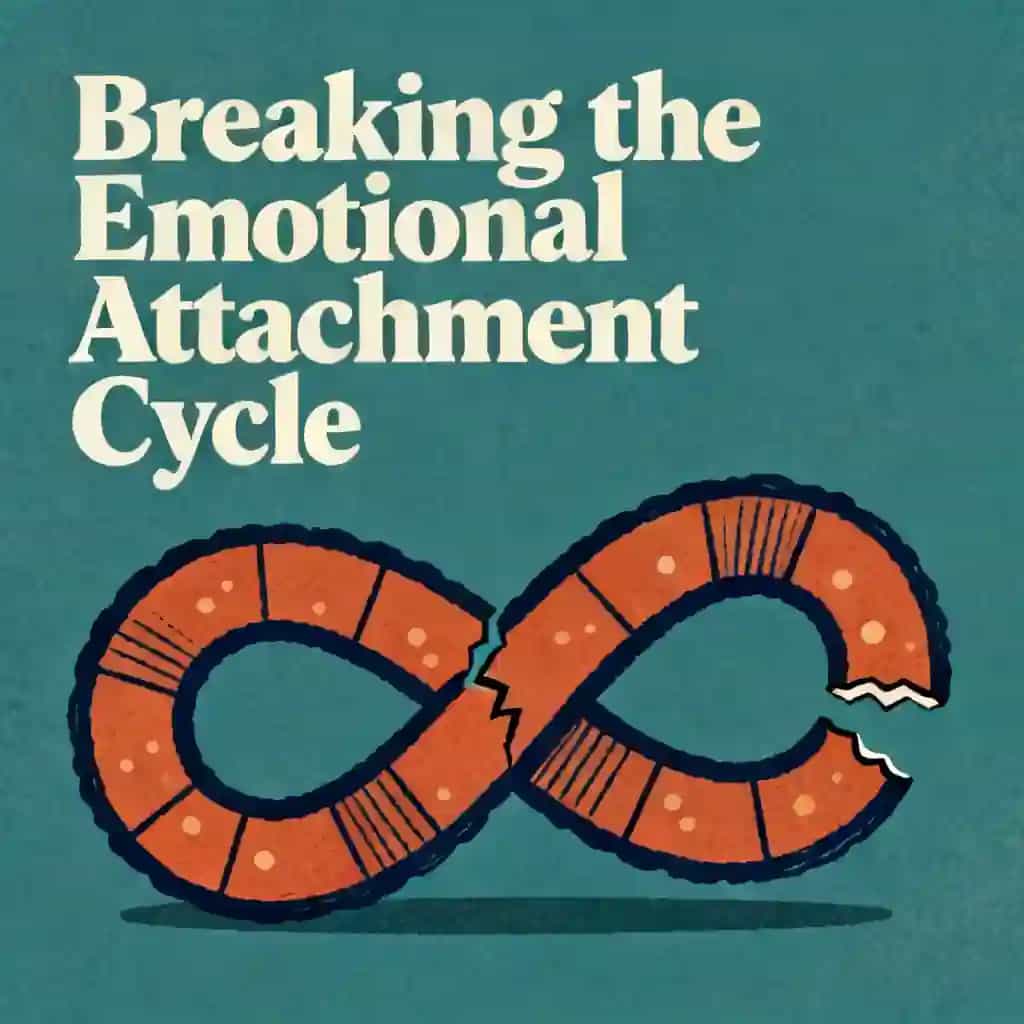
According to the script, your brain treats a close attachment as a biological necessity, similar to air or water. When you are in a volatile or intense relationship, your brain becomes habituated to a cycle of dopamine "highs" from affection and adrenaline "spikes" from conflict. Research indicates that the brain areas activated during intense romantic love are nearly identical to those involved in cocaine addiction, meaning your body experiences a literal neurochemical crash when the "supply" of that person is cut off.
"Hopium" is the addictive quality of hope that keeps you tethered to an unhealthy relationship based on potential rather than reality. It is often fueled by intermittent reinforcement, where occasional "good moments" or "glimmers of hope" trick your brain into staying for a fantasy version of the person. To break this habit, the script suggests looking at the consistent average pattern of the relationship over several months rather than focusing on the best days or the "reconciliation" phase.
No-contact is described as a physiological necessity that allows the nervous system to downshift from a state of high alert. Every time you see, hear, or smell a former partner, it triggers a relapse in your attachment circuits. Sustained silence for three to six weeks allows the brain’s reward cycles to recalibrate. By removing digital and physical triggers, you stop giving your brain the tiny "hits" of dopamine that keep old neural pathways alive, eventually allowing your working memory and emotional balance to return.
The script recommends a "practical playbook" starting with a five-minute pause, telling yourself you can call after performing one specific task first. This task should be something that forces your logical prefrontal cortex back online, such as reading a pre-written "Evidence List" of the painful things the person said or did. Other strategies include changing your physical environment to break the sensory trigger or calling a specific "safe" friend who understands your goal of detachment.
This feeling is referred to as an "adrenaline hangover." After being habituated to the high-intensity spikes of a dramatic relationship, a healthy and stable life can initially feel under-stimulating. The script explains that you must re-train your brain to appreciate "emotional homeostasis" or peace. You can navigate this by seeking "intentional novelty"—new hobbies, routes to work, or social circles—to provide healthy micro-doses of dopamine while your nervous system adjusts to a calmer baseline.
From Columbia University alumni | built in San Francisco
BeFreed Brings Together A Global Community Of Curious Minds
4.7
avg rating
7.84k+ App Rating
BeFreed Community
Seriously I haven’t even explored this app fully yet but from using it the last few days I am so impressed... BeFreed is on a different level from any other learning app I have used. This makes it ultra engaging and can actually improve your concentration which is great for all the doom scrollers!
@ladyInfinity
I bought BeFreed exactly 23 days ago, and I have used it every single day since. It has completely embedded itself into my daily workflow and learning habit.
@jayallen
The truth is, the app has exceeded all my expectations. I can ask it to generate audio on any topic, whatever it may be, and the result is impressive. My professional field is a specialization in psychotherapy and it is multidisciplinary; however, the answers are very accurate.
@Raguipa
What I appreciate most is how much it's reduced my scrolling – I'm spending less time searching and more time absorbing information. The combination of full audiobooks, podcasts, the learning plans are brilliant.
@colonyofcreatorsNGO
I have been a PhotoReading Accelerated Learning Instructor for the past 24 years... books and reading and learning are my thing, and BeFreed has done a great job in providing an innovative approach to disseminating and delivering information in an easy to consume way.
@BeFreed user
It is not just a book summary app, I have used the 'fun reading' option and it's a much better summary and way to grasp ideas the traditional way, that alone is worth this deal.
@austinakon
I love this app. Used it for several days and I cannot stop listening. Such a great way to start.
@jcrules328
I really like the program; I have already tested it for around one month, and I feel that it's an amazing gem. It works so well because I can use BeFreed to create my own topics, and the voice is so good with unlimited choice of narrations.
@DanielCZ
Seriously I haven’t even explored this app fully yet but from using it the last few days I am so impressed... BeFreed is on a different level from any other learning app I have used. This makes it ultra engaging and can actually improve your concentration which is great for all the doom scrollers!
@ladyInfinity
I bought BeFreed exactly 23 days ago, and I have used it every single day since. It has completely embedded itself into my daily workflow and learning habit.
@jayallen
The truth is, the app has exceeded all my expectations. I can ask it to generate audio on any topic, whatever it may be, and the result is impressive. My professional field is a specialization in psychotherapy and it is multidisciplinary; however, the answers are very accurate.
@Raguipa
What I appreciate most is how much it's reduced my scrolling – I'm spending less time searching and more time absorbing information. The combination of full audiobooks, podcasts, the learning plans are brilliant.
@colonyofcreatorsNGO
I have been a PhotoReading Accelerated Learning Instructor for the past 24 years... books and reading and learning are my thing, and BeFreed has done a great job in providing an innovative approach to disseminating and delivering information in an easy to consume way.
@BeFreed user
It is not just a book summary app, I have used the 'fun reading' option and it's a much better summary and way to grasp ideas the traditional way, that alone is worth this deal.
@austinakon
I love this app. Used it for several days and I cannot stop listening. Such a great way to start.
@jcrules328
I really like the program; I have already tested it for around one month, and I feel that it's an amazing gem. It works so well because I can use BeFreed to create my own topics, and the voice is so good with unlimited choice of narrations.
@DanielCZ
I love the fact that I can get useful, condensed, information and ideas in a 8 - 15 minute podcast style audio. I'm not a general fan of podcasts because of all the fluff, but this cuts through all that.
@BeFreed user
I am finishing up my doctorate, and have to read a lot of unfamiliar material... With BeFreed, you simply enter a prompt, and the app finds source material for you and generates an audio podcast. I find the process in BeFreed to be more streamlined than NotebookLM.
@Brad
I often search YouTube for something to listen to whilst making breakfast, when I'm out walking, commuting, etc, and BeFreed has provided an even more targeted approach, without the adverts and the fluff!
@BeFreed user
The absolute best part about this platform is its versatility. There is literally no subject that is off-topic. It handles whatever you throw at it... It is rare to find an learning tool with zero limitations that actually delivers on its promises.
@jayallen
BeFreed is fantastic. The user-friendly design means I spend less time navigating and more time learning. The mix of audiobooks, podcasts, and learning plans is a genius combo that has completely changed my daily routine.
@BeFreed user
At the start I needed a while to understand how to create podcasts in italian language and boom! It is so great! I can ask to explain every argument and it does so well and so smartly!
@matteo77
BeFreed has become my daily app for audio books tools... What I like the most is the way you put your text and come with an audio that you can listen on the go.
@kotanzu1
I love the fact that I can get useful, condensed, information and ideas in a 8 - 15 minute podcast style audio. I'm not a general fan of podcasts because of all the fluff, but this cuts through all that.
@BeFreed user
I am finishing up my doctorate, and have to read a lot of unfamiliar material... With BeFreed, you simply enter a prompt, and the app finds source material for you and generates an audio podcast. I find the process in BeFreed to be more streamlined than NotebookLM.
@Brad
I often search YouTube for something to listen to whilst making breakfast, when I'm out walking, commuting, etc, and BeFreed has provided an even more targeted approach, without the adverts and the fluff!
@BeFreed user
The absolute best part about this platform is its versatility. There is literally no subject that is off-topic. It handles whatever you throw at it... It is rare to find an learning tool with zero limitations that actually delivers on its promises.
@jayallen
BeFreed is fantastic. The user-friendly design means I spend less time navigating and more time learning. The mix of audiobooks, podcasts, and learning plans is a genius combo that has completely changed my daily routine.
@BeFreed user
At the start I needed a while to understand how to create podcasts in italian language and boom! It is so great! I can ask to explain every argument and it does so well and so smartly!
@matteo77
BeFreed has become my daily app for audio books tools... What I like the most is the way you put your text and come with an audio that you can listen on the go.
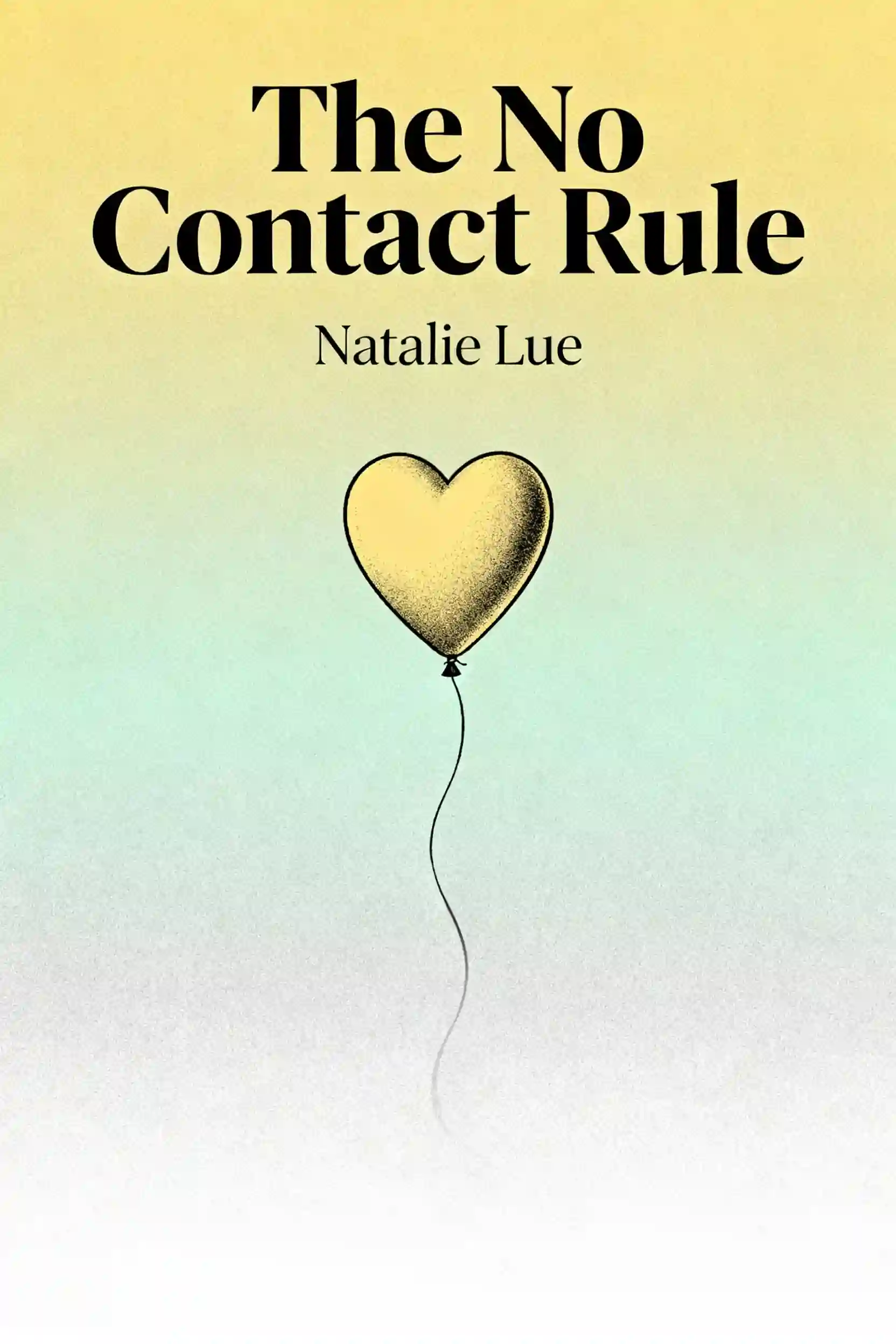
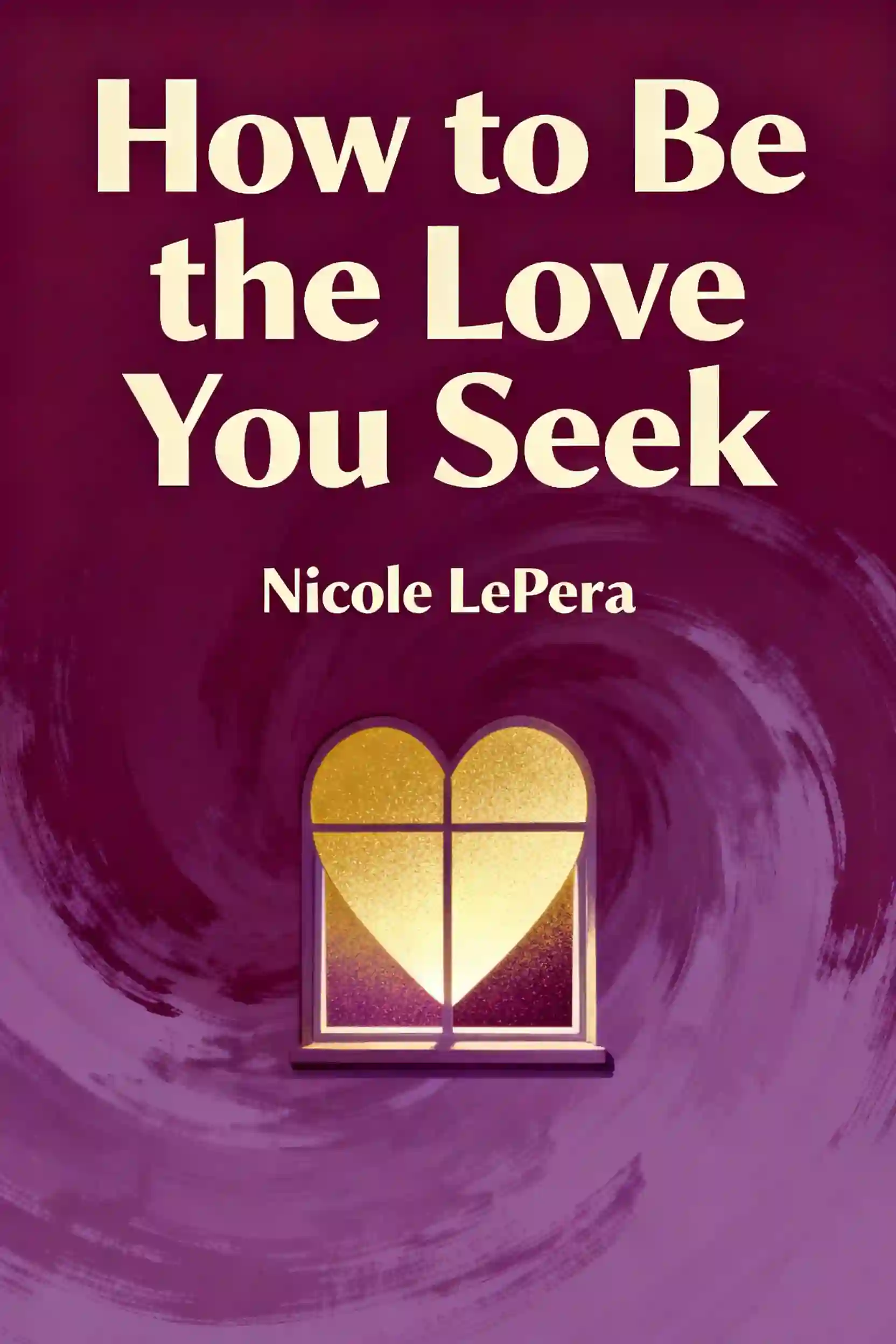
Feeling hooked on a relationship can feel like an addiction. Learn how your brain creates these patterns and how to move from anxiety to internal safety.
Navigate the complex challenge of emotionally detaching from a cheating ex with narcissistic traits when you can't fully cut ties due to work obligations and shared commitments.
Breakups trigger a literal withdrawal in your brain. Learn how a communication detox helps your nervous system feel safe so you can reclaim your power.
Discover the paradox of loving detachment - how releasing control deepens relationships and creates emotional freedom. Learn practical steps to break free from codependency while maintaining authentic connections.
Discover the brain science behind breakup obsession and learn proven strategies to stop the mental torture when your ex moves on. Transform your pain into personal growth.
Deep dive into attachment psychology explaining why avoidant partners pull away, how anxious attachment keeps us hooked, and practical steps for healing when they seem to move on effortlessly.











![Facing Codependence [ABRIDGED]](/_next/image?url=https%3A%2F%2Fd3lvzgn0lx7rb2.cloudfront.net%2Fcovers%2F1d91cc59-653c-487c-bb06-0a03ac09820d%2Fimage_resized.webp&w=1024&q=50)