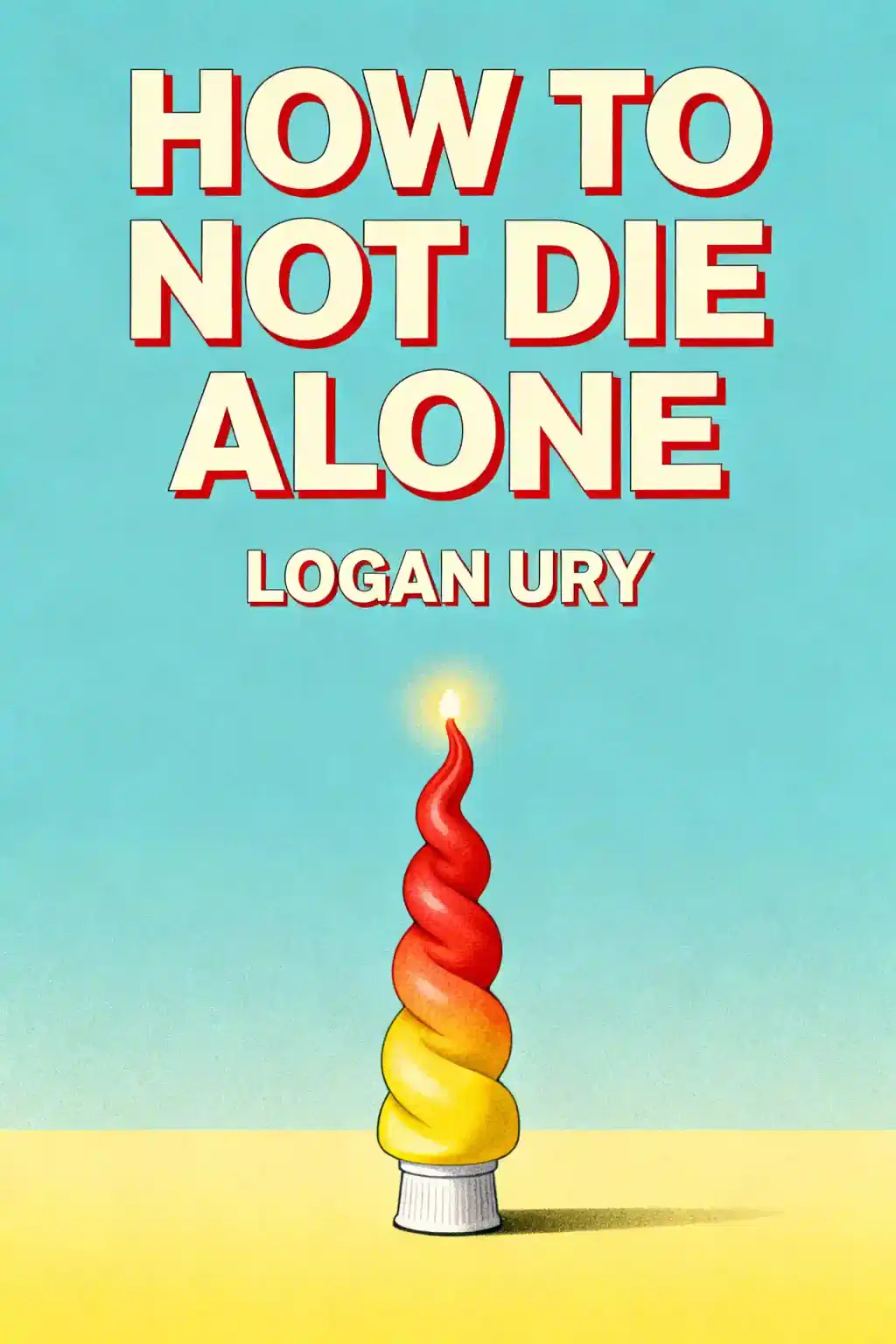
How to Not Die Alone: The Surprising Science That Will Help You Find Love by Logan Ury Summary

Overview of How to Not Die Alone
Behavioral scientist Logan Ury's guide reveals why chemistry fails us and intentional choices succeed. Endorsed by relationship guru Esther Perel, this Harvard-trained dating coach's surprising science has revolutionized modern love. What counterintuitive dating strategy are you missing that everyone else already knows?
- Shift from soul mate fantasy to work-it-out mindset for lasting love.
- Identify your dating blind spot: Romanticizer, Maximizer, or Hesitater patterns.
- Prioritize life partner traits (emotional stability, loyalty, growth) over prom date chemistry.
- Combat happily-ever-after fallacy by accepting relationships require continuous effort.
- Apply behavioral science to break self-sabotaging dating habits and analysis paralysis.
- Seek partners who fight well using conflict resolution skills over perfection.
- Recognize 80% of relationship problems stay perpetual—focus on managing, not solving.
- Replace passive rom-com expectations with proactive, intentional love strategies.
- Logan Ury’s research shows attractiveness matters less than kindness long-term.
- Build connection through shared values, not just serendipitous meet-cute moments.
- Overcome dating hesitancy by embracing imperfections in yourself and others.
About the Author of How to Not Die Alone
Logan Ury is a behavioral scientist, dating coach, and the bestselling author of How to Not Die Alone, where she merges behavioral economics with modern romance to help readers build meaningful relationships.
A Harvard-trained psychologist and former Google behavioral economics researcher, Ury currently serves as Hinge’s Director of Relationship Science, leading studies on love and connection. Her book distills actionable strategies for navigating dating pitfalls, informed by her work at the intersection of psychology and technology.
Ury’s expertise has been featured in The New York Times, The Atlantic, and HBO, and she hosts the podcast This Is Dating. She also coached participants on Netflix’s The Later Daters, showcasing her practical approach to relationship science. Over 10,000 readers have taken her “Three Dating Tendencies” quiz, a tool designed to personalize dating strategies.
FAQs About How to Not Die Alone
What is How to Not Die Alone by Logan Ury about?
How to Not Die Alone is a behavioral science-backed guide to modern dating that helps readers break self-sabotaging patterns, navigate online apps effectively, and build lasting relationships. Logan Ury combines research, real-world stories, and exercises to address topics like overcoming choice overload, redefining "the spark," and identifying core compatibility factors.
Who should read How to Not Die Alone?
This book targets singles frustrated with dating apps, chronic overthinkers stuck in "analysis paralysis," and anyone seeking evidence-based strategies to find love. It’s particularly useful for those who identify as Romanticizers (chasing perfection), Maximizers (endlessly comparing options), or Hesitaters (delaying dating until "ready").
What are the three dating tendencies Logan Ury identifies?
Ury categorizes dating struggles into three profiles:
- Romanticizers (seek fairy-tale love)
- Maximizers (over-optimize for "the best")
- Hesitaters (delay dating due to self-doubt).
Recognizing your type helps address specific blockers, like lowering unrealistic expectations or committing to action.
How does How to Not Die Alone critique online dating?
Ury acknowledges apps create choice overload but offers fixes:
- Use structured sorting (predefine dealbreakers).
- Limit daily matches to avoid cognitive fatigue.
- Transition conversations to real-life meetings swiftly.
She argues apps work best as introduction tools, not endless browsing platforms.
What is the "spark myth" discussed in the book?
Ury challenges the idea that instant chemistry predicts long-term success. She explains initial "sparks" often reflect superficial traits or projection, while lasting love grows through shared values, communication, and intentional effort.
What practical exercises does the book include?
Key exercises focus on:
- Ideal Partner Lists: Distinguishing "requirements" (non-negotiables) vs "preferences."
- Post-Date Reflections: Assessing feelings post-interaction instead of during.
- Relationship Timelines: Identifying self-imposed deadlines causing rushed decisions.
How does How to Not Die Alone address fear of settling?
Ury distinguishes between settling (compromising core values) and strategic flexibility (releasing unrealistic checklists). She advises focusing on "slow burn" partners who align with long-term goals over instant excitement.
What are common criticisms of the book?
Some reviewers argue sections oversimplify dating as a "checklist" exercise or downplay emotional connection. Others note the millennial-centric humor, though most praise its actionable behavioral science framework.
How does this book compare to The Rules or Modern Romance?
Unlike prescriptive dating manuals or anthropological deep dives, Ury’s approach blends cognitive behavioral techniques with dating coaching. It’s more strategy-focused than Aziz Ansari’s Modern Romance but less rigid than classic guides like The Rules.
Can How to Not Die Alone help long-term singles?
Yes. The book provides tools to exit repetitive cycles, like "relationship timelines" to combat procrastination and "post-date autopsies" to analyze recurring issues. Case studies show success with clients aged 25-45.
How relevant is the book in 2025’s dating landscape?
Its focus on intentionality over app algorithms remains timely. Updated advice includes balancing AI-driven matchmaking with real-world meetups and managing "comparison fatigue" from social media’s highlight reels.
What key quote summarizes the book’s message?
“Great relationships don’t just appear—they’re built through a series of intentional choices.” This encapsulates Ury’s thesis that love requires proactive effort, not passive waiting.
Feel the book through the author's voice
Turn knowledge into engaging, example-rich insights
Capture key ideas in a flash for fast learning
Enjoy the book in a fun and engaging way
Key Themes in How to Not Die Alone
Quotes from How to Not Die Alone
Modern dating presents unique challenges our grandparents never faced.
This freedom to shape our identities comes with the burden of endless choices.
Relationship questions like 'Who should I be with?' have no definitive answers.
We all have dating blind spots.
Dating requires practice.
Characters in How to Not Die Alone
Quick Summary Mode - Read or listen to How to Not Die Alone Summary in 12 Minutes

Break down key ideas from How to Not Die Alone into bite-sized takeaways to understand how innovative teams create, collaborate, and grow.

Flash Card Mode - Top 6 Insights from How to Not Die Alone in a Nutshell

Distill How to Not Die Alone into rapid-fire memory cues that highlight key principles of candor, teamwork, and creative resilience.

Fun Mode - How to Not Die Alone Lessons Told Through 25-Min Stories

Experience How to Not Die Alone through vivid storytelling that turns innovation lessons into moments you'll remember and apply.
Personalize Mode - Read or listen to How to Not Die Alone Summary in 0 Minutes

Ask anything, pick the voice, and co-create insights that truly resonate with you.

From Columbia University alumni built in San Francisco
"Instead of endless scrolling, I just hit play on BeFreed. It saves me so much time."


"I never knew where to start with nonfiction—BeFreed’s book lists turned into podcasts gave me a clear path."


"Perfect balance between learning and entertainment. Finished ‘Thinking, Fast and Slow’ on my commute this week."
"Crazy how much I learned while walking the dog. BeFreed = small habits → big gains."
"Reading used to feel like a chore. Now it’s just part of my lifestyle."

"Feels effortless compared to reading. I’ve finished 6 books this month already."
"BeFreed turned my guilty doomscrolling into something that feels productive and inspiring."

"BeFreed turned my commute into learning time. 20-min podcasts are perfect for finishing books I never had time for."
"BeFreed replaced my podcast queue. Imagine Spotify for books — that’s it. 🙌"

"It is great for me to learn something from the book without reading it."
"The themed book list podcasts help me connect ideas across authors—like a guided audio journey."
"Makes me feel smarter every time before going to work"
From Columbia University alumni built in San Francisco
"Instead of endless scrolling, I just hit play on BeFreed. It saves me so much time."
"I never knew where to start with nonfiction—BeFreed’s book lists turned into podcasts gave me a clear path."
"Perfect balance between learning and entertainment. Finished ‘Thinking, Fast and Slow’ on my commute this week."
"Crazy how much I learned while walking the dog. BeFreed = small habits → big gains."
"Reading used to feel like a chore. Now it’s just part of my lifestyle."
"Feels effortless compared to reading. I’ve finished 6 books this month already."
"BeFreed turned my guilty doomscrolling into something that feels productive and inspiring."
"BeFreed turned my commute into learning time. 20-min podcasts are perfect for finishing books I never had time for."
"BeFreed replaced my podcast queue. Imagine Spotify for books — that’s it. 🙌"
"It is great for me to learn something from the book without reading it."
"The themed book list podcasts help me connect ideas across authors—like a guided audio journey."
"Makes me feel smarter every time before going to work"
"Instead of endless scrolling, I just hit play on BeFreed. It saves me so much time."
"I never knew where to start with nonfiction—BeFreed’s book lists turned into podcasts gave me a clear path."
"Perfect balance between learning and entertainment. Finished ‘Thinking, Fast and Slow’ on my commute this week."
"Crazy how much I learned while walking the dog. BeFreed = small habits → big gains."
"Reading used to feel like a chore. Now it’s just part of my lifestyle."
"Feels effortless compared to reading. I’ve finished 6 books this month already."
"BeFreed turned my guilty doomscrolling into something that feels productive and inspiring."
"BeFreed turned my commute into learning time. 20-min podcasts are perfect for finishing books I never had time for."
"BeFreed replaced my podcast queue. Imagine Spotify for books — that’s it. 🙌"
"It is great for me to learn something from the book without reading it."
"The themed book list podcasts help me connect ideas across authors—like a guided audio journey."
"Makes me feel smarter every time before going to work"
"Instead of endless scrolling, I just hit play on BeFreed. It saves me so much time."
"I never knew where to start with nonfiction—BeFreed’s book lists turned into podcasts gave me a clear path."
"Perfect balance between learning and entertainment. Finished ‘Thinking, Fast and Slow’ on my commute this week."
"Crazy how much I learned while walking the dog. BeFreed = small habits → big gains."
"Reading used to feel like a chore. Now it’s just part of my lifestyle."
"Feels effortless compared to reading. I’ve finished 6 books this month already."
"BeFreed turned my guilty doomscrolling into something that feels productive and inspiring."
"BeFreed turned my commute into learning time. 20-min podcasts are perfect for finishing books I never had time for."
"BeFreed replaced my podcast queue. Imagine Spotify for books — that’s it. 🙌"
"It is great for me to learn something from the book without reading it."
"The themed book list podcasts help me connect ideas across authors—like a guided audio journey."
"Makes me feel smarter every time before going to work"

Get the How to Not Die Alone summary as a free PDF or EPUB. Print it or read offline anytime.