Discover how to master your attention span in our hyper-connected age. Drawing from Andrew Huberman's neuroscience research, Cal Newport's digital minimalism strategies, and landmark studies on sleep and exercise, this episode reveals practical protocols to combat distraction-whether you have ADHD or just can't stop checking your phone.

Attention is not just a productivity hack; it is a philosophical choice about how you want to live. When you choose what you attend to, you are deciding every day who you are becoming.
How can I improve my focus in our distraction-filled digital world?


From Columbia University alumni built in San Francisco
"Instead of endless scrolling, I just hit play on BeFreed. It saves me so much time."
"I never knew where to start with nonfiction—BeFreed’s book lists turned into podcasts gave me a clear path."
"Perfect balance between learning and entertainment. Finished ‘Thinking, Fast and Slow’ on my commute this week."
"Crazy how much I learned while walking the dog. BeFreed = small habits → big gains."
"Reading used to feel like a chore. Now it’s just part of my lifestyle."
"Feels effortless compared to reading. I’ve finished 6 books this month already."
"BeFreed turned my guilty doomscrolling into something that feels productive and inspiring."
"BeFreed turned my commute into learning time. 20-min podcasts are perfect for finishing books I never had time for."
"BeFreed replaced my podcast queue. Imagine Spotify for books — that’s it. 🙌"
"It is great for me to learn something from the book without reading it."
"The themed book list podcasts help me connect ideas across authors—like a guided audio journey."
"Makes me feel smarter every time before going to work"
From Columbia University alumni built in San Francisco

Nia: Welcome to the BeFreed Podcast, where we distill the world's best sources into personalized insights you can actually finish. I'm Nia, and I'm joined by my co-host Jackson. Today we're diving into something that affects literally everyone I know - focus problems.
Jackson: I'm Jackson, and I'm so excited about this episode! Whether you've been diagnosed with ADHD or just feel constantly distracted by your phone, we're going to explore practical ways to reclaim your attention. We've pulled insights from neuroscience, psychology, and even some surprising research on sleep and exercise.
Nia: Honestly, this topic couldn't be more relevant. I was just telling my partner yesterday that I can barely read a full article without checking my phone three times. It's like our brains are being rewired in real-time.
Jackson: And that's exactly why we need to understand what's happening. Let's dive in!
Nia: So Jackson, let's start with the basics - what exactly is ADHD, and how is it different from just being distracted by Instagram all day?
Jackson: Great question. ADHD is a neurodevelopmental condition involving patterns of inattention, impulsivity, and hyperactivity that actually impair daily functioning. Dr. Andrew Huberman explains in his popular podcast that ADHD involves altered coordination between brain networks and differences in dopamine signaling.
Nia: I've noticed so many people self-diagnosing after seeing TikToks about ADHD symptoms. That seems problematic.
Jackson: It absolutely is. Huberman emphasizes that diagnosis should be clinical, not self-assigned after reading a listicle. But here's what's fascinating - even without ADHD, our environment now reliably fractures attention: endless feeds, notifications, tabs within tabs.
Nia: Right! Neuroscientists Adam Gazzaley and Larry Rosen call this "The Distracted Mind" - essentially our ancient brains trying to function in a high-tech world.
Jackson: Exactly. They point out that humans can't truly multitask; we're actually rapid task-switching, which costs us in both errors and time with every switch.
Nia: So how should we think about improving attention, whether we have ADHD or not?
Jackson: I like to think of it as three concentric circles: your state (can I focus right now?), your skills (do I have trained capacities that make attention easier?), and your system (does my environment help or hurt my focus?).
Nia: Let's talk about those foundations that move the needle for anyone. Sleep seems obvious but I'm guessing there's actual science behind why it matters so much?
Jackson: The American Academy of Sleep Medicine recommends at least 7 hours per night for adults. Their research shows that vigilance, processing speed, and working memory all degrade below that threshold. If your attention feels "sticky," start with sleep.
Nia: I'm guilty of inconsistent sleep patterns. What's the highest leverage change someone could make?
Jackson: Regularity beats heroics - wake up at the same time daily, including weekends. And get bright light, preferably daylight, within the first hours of waking. It anchors your circadian rhythm, which affects attention throughout the day.
Nia: What about exercise? I've noticed I think more clearly after a run.
Jackson: You're not imagining it! A 2016 meta-analysis across 40 studies found that just a single bout of moderate aerobic exercise yields improvements in executive function - especially reaction time. Translation: take a brisk 20-minute walk before deep work and you'll likely think faster and inhibit distractions better.
Nia: That's so actionable. What about mindfulness? I've tried meditation apps but always fall off after a few days.
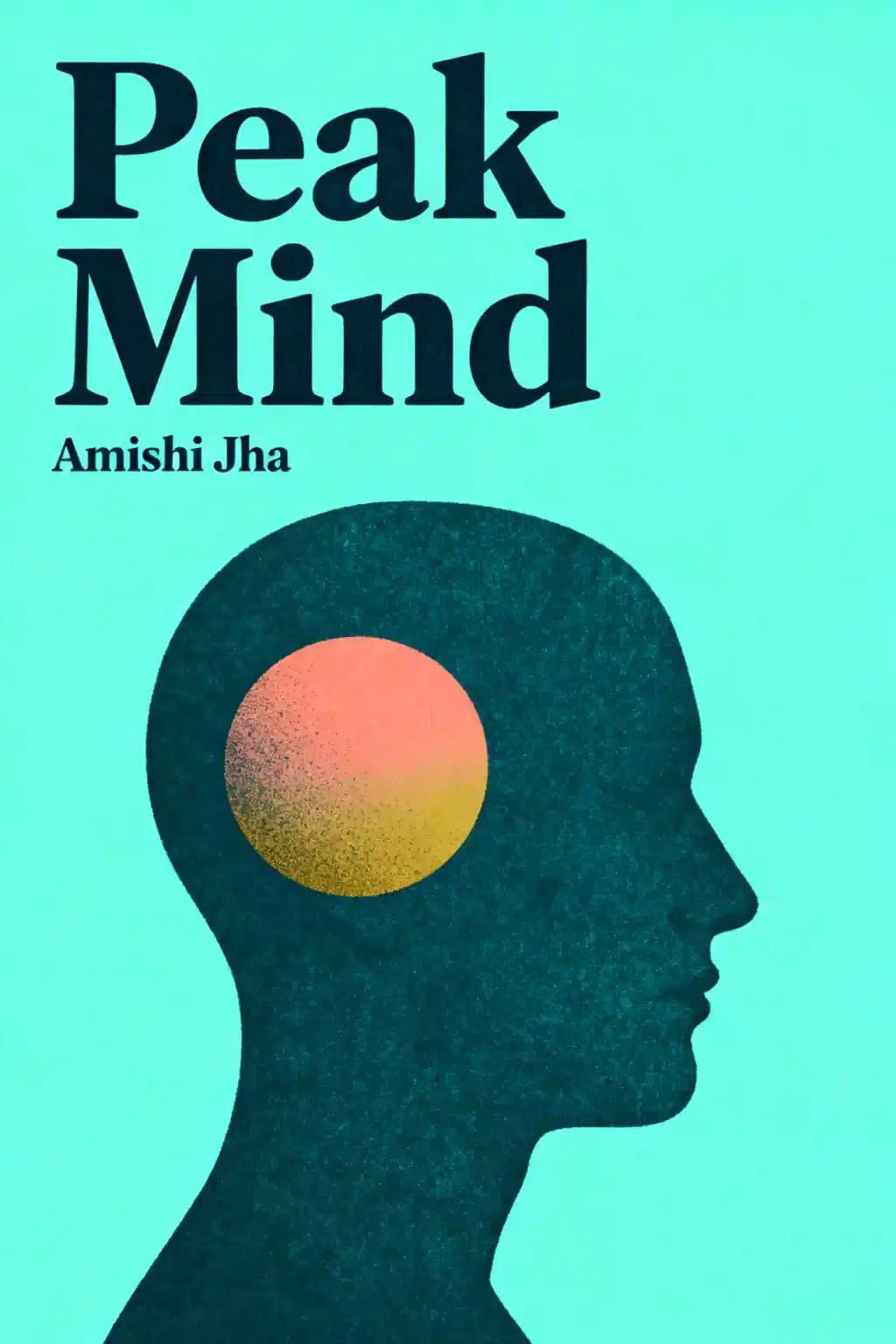
Jackson: Neuroscientist Amishi Jha's research with U.S. Marines is fascinating here. Her studies showed that mindfulness training protected working memory during high-stress periods. The key finding: about 12 minutes per day predicted benefits.
Nia: Only 12 minutes? That feels doable.
Jackson: Exactly! Think of mindfulness as "attention push-ups" - short, targeted repetitions that make staying on task easier later. Each time your mind wanders and you bring it back, that's one rep. Count wins by reps, not by minutes.
Nia: I feel like my phone is literally engineered to distract me. Am I being paranoid?
Jackson: Not at all! Former Google design ethicist Tristan Harris explains in his TED talk that product features - from autoplay to notification loops - compete for "one thing: your attention." Recognizing this is actually liberating, not depressing.
Nia: How so?
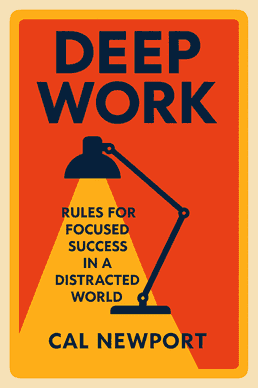
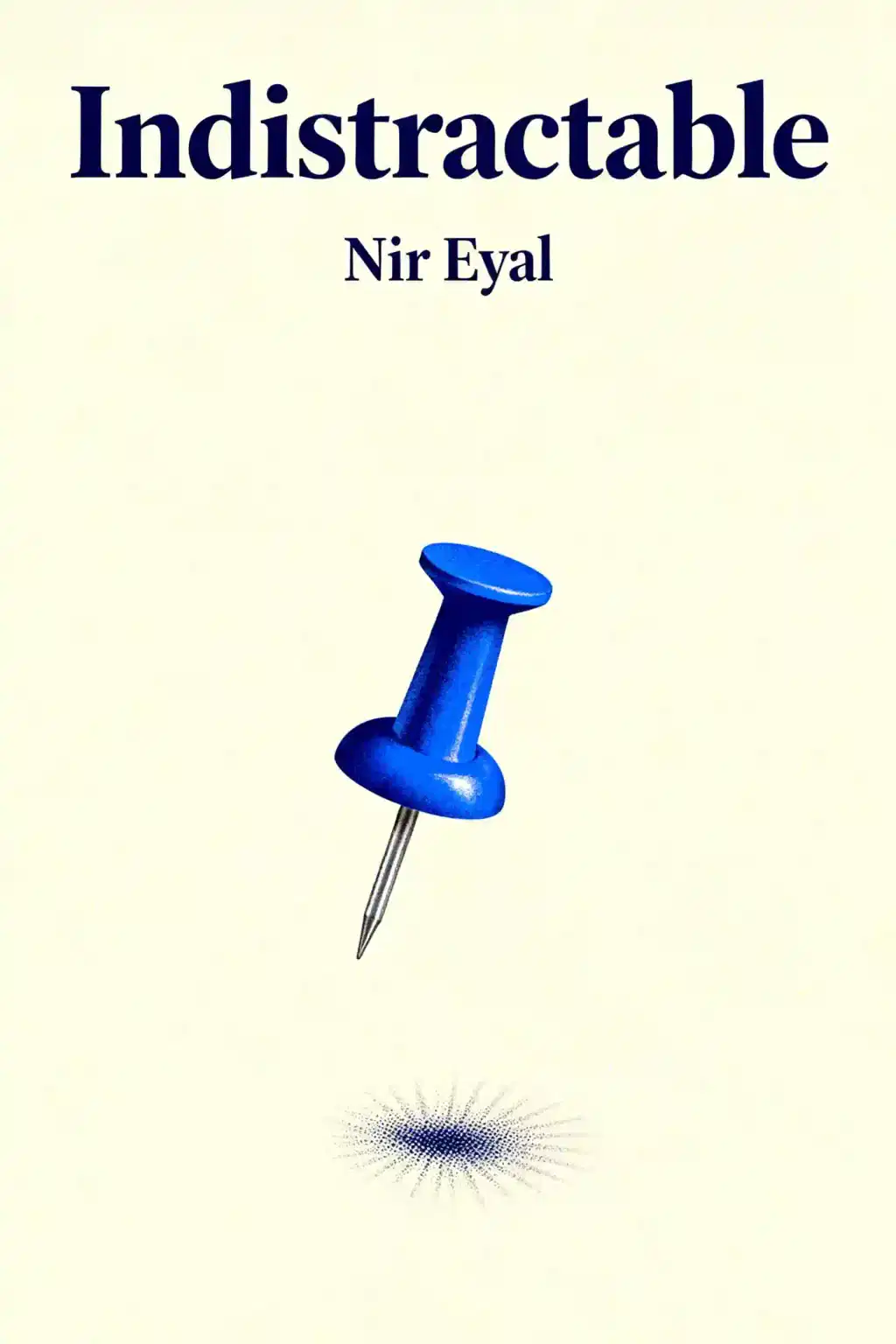
Jackson: Because once you see the design patterns, you can design back. Cal Newport's "Digital Minimalism" proposes a 30-day "digital declutter" where you prune down to only the tools that truly serve you. And Nir Eyal's "Indistractable" reframes distraction as management of internal triggers - the discomfort that drives us to check our phones.
Nia: I've definitely noticed I reach for my phone when I'm feeling anxious or bored. Speaking of boredom - is it actually bad to be bored?
Jackson: Quite the opposite! Manoush Zomorodi's TED talk makes this fascinating point: boredom can reboot creativity because when you're not stimulating your brain, the "default mode network" connects dots behind the scenes.
Nia: So I should intentionally be bored sometimes?
Jackson: Exactly! Leave deliberate whitespace - walks without earbuds, dishes without a podcast. Your next big idea often lives in that gap.
Nia: Let's get practical. What are some evidence-based protocols people can try right away?
Jackson: Huberman Lab has three especially relevant episodes on focus. One thing he emphasizes is training "visual focus" - your actual gaze - and interoception to stabilize attention. He also talks about how to "enter, maintain, and exit" focused work bouts.
Nia: I struggle with that exit part - I'll work until I'm completely fried and then can't focus again for hours.
Jackson: That's why his "Focus Toolkit" episode is so helpful. The big idea is that focus isn't just willpower; it's protocols and environment. Cal Newport builds on this in his conversation with Huberman, discussing time blocking, reducing context switching, and designing your phone use.
Nia: I've heard of time blocking but never stuck with it. Any tips?
Jackson: Start small - block just your morning hours for deep work. Newport suggests having a clear "shutdown complete" ritual at day's end so work doesn't follow you home.
Nia: What about the cultural aspects? Sometimes I feel like it's not just my habits but the whole world pushing distraction.
Jackson: Chris Williamson's Modern Wisdom podcast had a great episode with Johann Hari about this. They explored how purely individual solutions like "just use willpower" can be "cruel optimism" without addressing systemic issues. Sometimes we need to change the water we're swimming in.
Nia: What about people who actually have ADHD? What does the evidence say about medications?
Jackson: A landmark 2018 meta-analysis in The Lancet Psychiatry compared ADHD medications across 133 double-blind randomized controlled trials. For adults, several medications outperformed placebo on clinicians' ratings, with different side effect profiles.
Nia: Why include this in a focus guide for everyone?
Jackson: Two reasons: it underscores that ADHD is real and treatable - important for de-stigmatizing care. And second, even with medication, behavior and environment still matter tremendously. As Huberman notes, pairing pharmacology with circuit-specific behavioral training builds capacity you retain even when medication wears off.
Nia: That makes sense. Any specific environmental tweaks for ADHD brains?
Jackson: ADHD brains often under-respond to delayed rewards, so make the first 2 minutes of a task "dopamine-friendly" - play music you love while you start, work with a friend, or gamify the first micro-goal. And externalize time with visual timers or large wall clocks, since ADHD warps time perception.
Nia: Let's put it all together. What would an ideal focus-optimized day look like?
Jackson: Start with a consistent wake time and get light exposure. Move for 10-20 minutes - even a brisk walk helps. Do 5-10 minutes of mindfulness as your daily "attention push-ups."
Nia: And for the actual work blocks?
Jackson: Before your first deep work block, reduce attentional load: phone in another room, browser with only task-relevant tabs, and background noise that helps you (brown noise works for many people). Work in time-boxed bouts of 45-90 minutes, then take a deliberate "defocus" break.
Nia: What about the afternoon slump that hits me around 2pm?
Jackson: That's when strategic breaks matter most. Instead of scrolling, try a short walk without your phone, a micro-mobility routine, or even a brief yoga nidra if you like it. Huberman discusses these as decompression tools to preserve your next focus bout.
Nia: And for tasks I keep avoiding?
Jackson: Try "body doubling" - sit on a silent Zoom with a friend while you both work. Research on social facilitation shows the mere presence of others can boost performance on routine tasks.
Nia: This is all fantastic information, but I'm wondering how someone could start implementing it without feeling overwhelmed?
Jackson: Great point. Let me suggest a one-week reset plan. Day 1: Sleep audit - set a consistent wake time and protect 7.5 hours in bed for two nights this week. Day 2: Phone audit - delete one app that hijacks your attention and move the rest into a "Friction" folder on your last screen.
Nia: I love that "Friction" folder idea!
Jackson: Day 3: Try a movement primer - 15-20 minutes of brisk walking before your main work session. Day 4: Start mindfulness sprints - 10-12 minutes of breath practice. Remember, log reps, not streaks.
Nia: What about the work structure itself?
Jackson: Days 5-7 focus on that: First, try two deep-work blocks of 60-90 minutes each, one morning and one afternoon. Close all unrelated tabs and put your phone away. Next day, experiment with body doubling for your hardest "avoidance" task. Finally, take a 20-minute boredom walk without audio - let your mind wander and take notes afterward.
Nia: That sounds like a genuinely doable plan. What happens when good plans fail though? I always start strong but then fall off.
Jackson: Great question! For night scrolling, treat it like jet lag: earlier light, earlier movement, dim evenings. If you can't start a task, make the first two minutes trivially easy - open the doc, write one ugly sentence. And if you lose steam quickly, make your work bouts shorter - train consistency first, duration later.
Nia: I'm noticing a theme across all these strategies - they're not just about getting more done, but about who we're becoming.
Jackson: That's exactly right. Cal Newport says "Focus is the new I.Q." Sustained concentration produces asymmetric returns: you do better work, and your work literally changes your brain. Neuroplasticity favors what you practice.
Nia: When you put it that way, attention isn't just a productivity hack - it's almost a philosophical choice about how we want to live.
Jackson: Attention is love, pointed. When you choose what you'll attend to - and build a life that protects that choice - you're not just getting more done. You're deciding, every day, who you are becoming.
Nia: That's a powerful note to end on. Thanks for joining us for this episode of BeFreed Podcast. If your brain liked it, come back tomorrow - we've got more where that came from. I'm your host, Nia.
Jackson: And I'm Jackson. Until next time, remember - your attention is your most valuable asset. Choose wisely where you spend it.