Discover how to build laser-sharp concentration in our distraction-filled world. Learn science-backed techniques from top researchers to transform scattered attention into your greatest competitive advantage.

The very skill that creates the most value—that ability to think deeply and produce exceptional work—is exactly what our modern world is designed to destroy. In our age of constant distraction, your ability to focus truly is your superpower.
deeper focus


From Columbia University alumni built in San Francisco
"Instead of endless scrolling, I just hit play on BeFreed. It saves me so much time."
"I never knew where to start with nonfiction—BeFreed’s book lists turned into podcasts gave me a clear path."
"Perfect balance between learning and entertainment. Finished ‘Thinking, Fast and Slow’ on my commute this week."
"Crazy how much I learned while walking the dog. BeFreed = small habits → big gains."
"Reading used to feel like a chore. Now it’s just part of my lifestyle."
"Feels effortless compared to reading. I’ve finished 6 books this month already."
"BeFreed turned my guilty doomscrolling into something that feels productive and inspiring."
"BeFreed turned my commute into learning time. 20-min podcasts are perfect for finishing books I never had time for."
"BeFreed replaced my podcast queue. Imagine Spotify for books — that’s it. 🙌"
"It is great for me to learn something from the book without reading it."
"The themed book list podcasts help me connect ideas across authors—like a guided audio journey."
"Makes me feel smarter every time before going to work"
From Columbia University alumni built in San Francisco

Lena: Hey everyone, welcome to this personalized deep dive from BeFreed! I'm Lena, and I'm absolutely thrilled to explore something that's become crucial in our distraction-filled world.
Eli: And I'm Eli! Lena, I can already feel the excitement building because we're tackling deeper focus-something I think everyone listening is craving right now. I mean, when was the last time any of us truly focused for hours without checking our phones?
Lena: Exactly! And what's fascinating is we've got this incredible collection of insights from some of the most brilliant minds studying attention and deep work. This isn't just theory-this is practical wisdom we can actually use.
Eli: You know what's wild? Cal Newport points out that the average professional checks email 74 times daily and switches tasks every 3 minutes. That's insane when you really think about it!
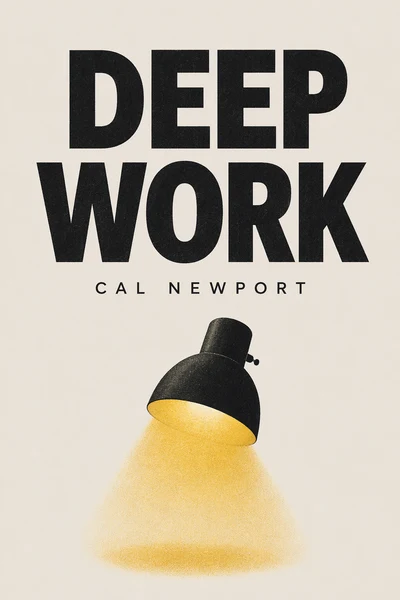
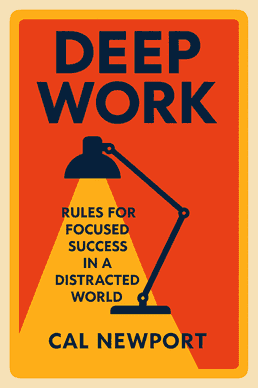
Lena: Right! And here's the kicker-while our ability to focus is disappearing, it's simultaneously becoming our most valuable skill. Newport calls this "deep work," and I love how he defines it: professional activities performed in distraction-free concentration that push your cognitive capabilities to their limits.
Eli: It's like we're living through this massive contradiction. The very skill that creates the most value-that ability to think deeply and produce exceptional work-is exactly what our modern world is designed to destroy. But here's what gives me hope: this creates a strategic opportunity.
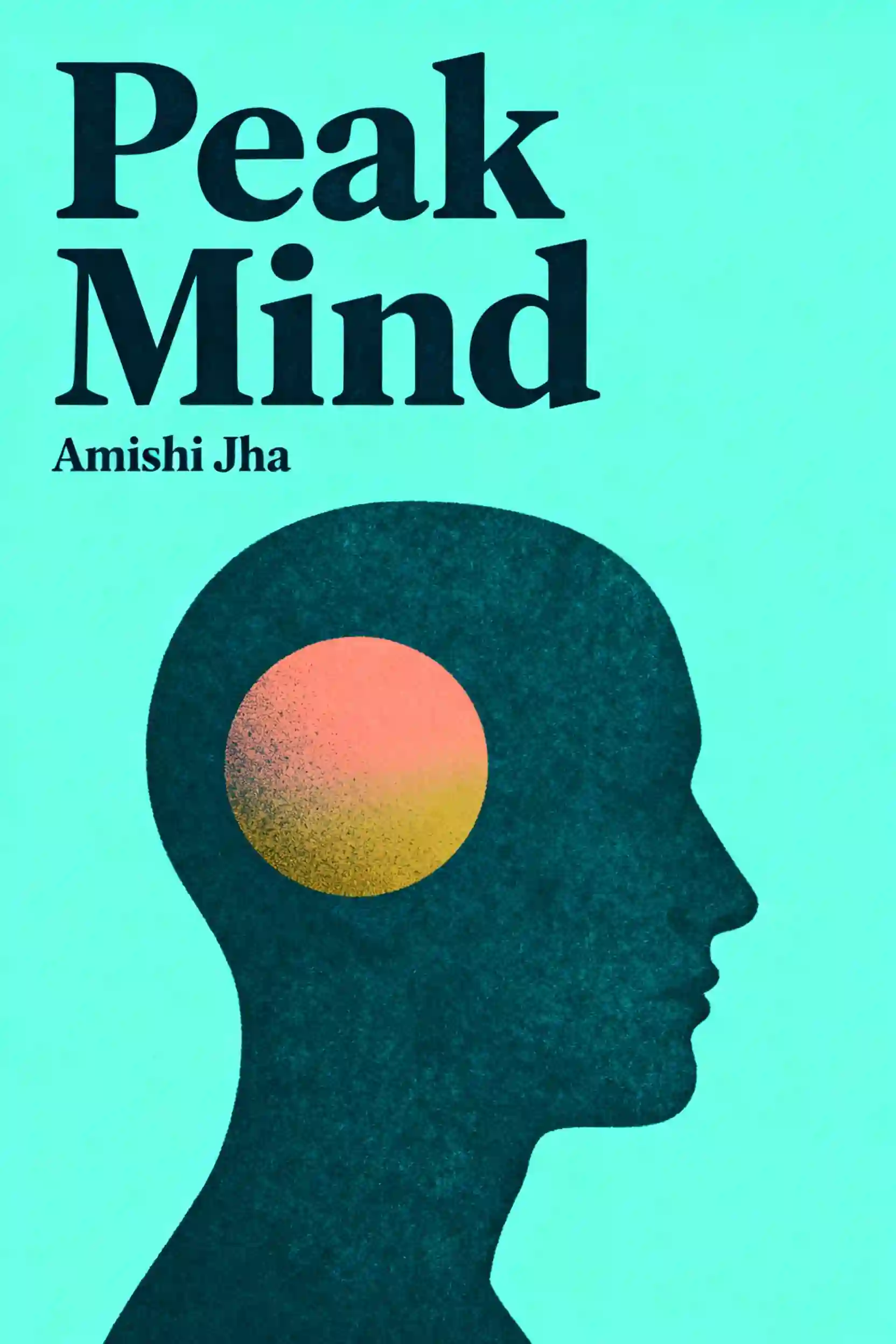
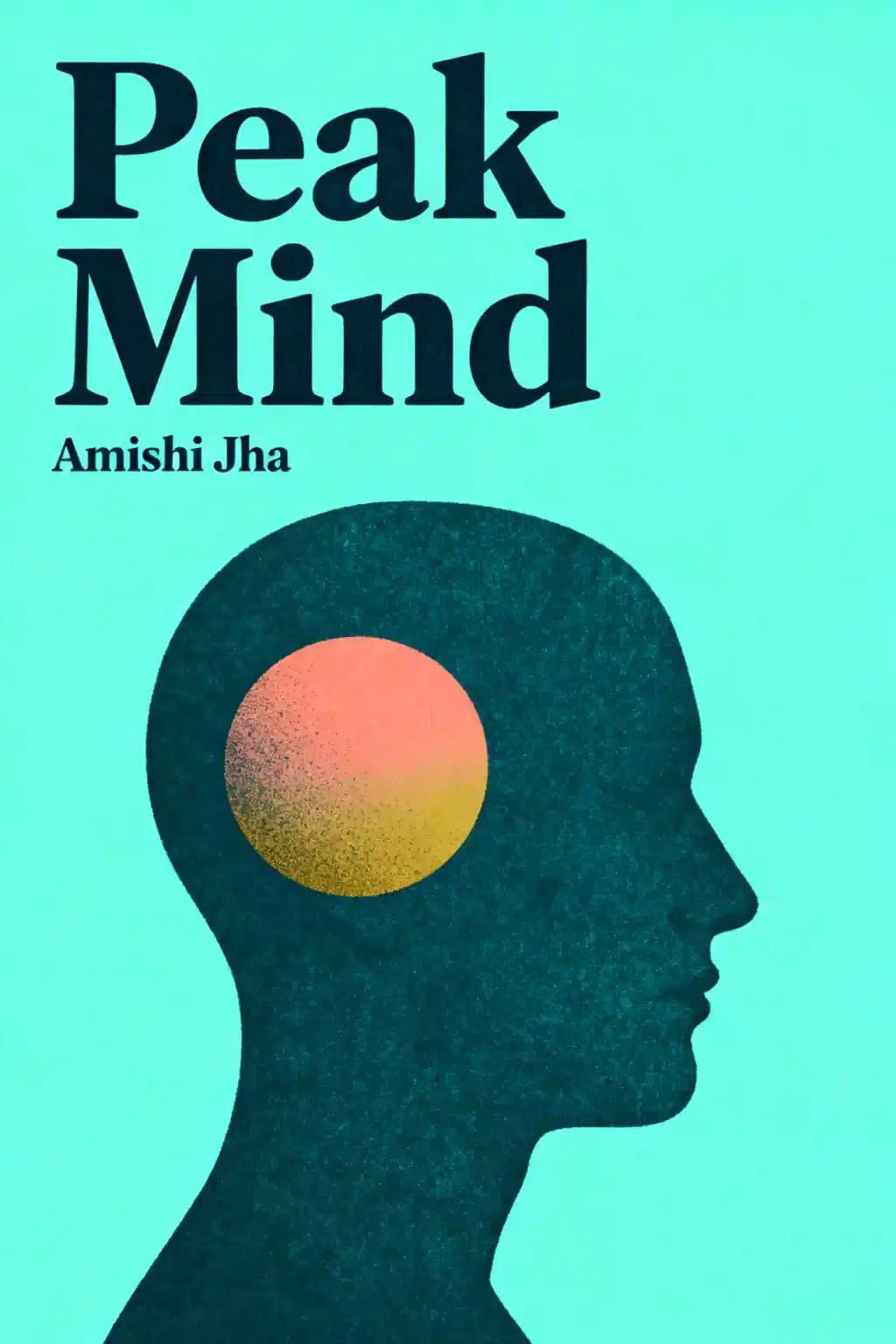
Lena: Absolutely! Think about it-if everyone else is scattered and distracted, those who can focus deeply have a massive competitive advantage. And the research backs this up beautifully. Amishi Jha's work shows we're literally missing 50% of our lives because we're not paying attention.
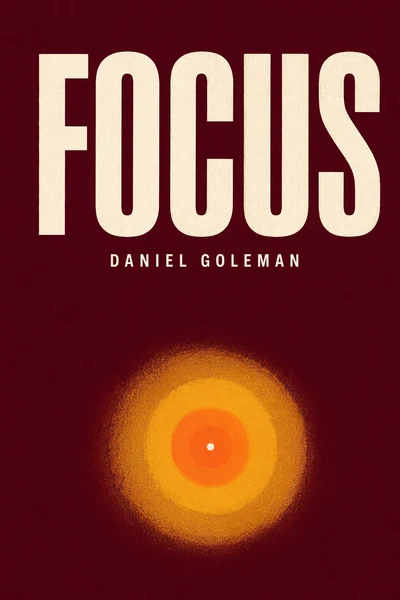
Eli: That's staggering! And it connects perfectly with what Daniel Goleman discovered about the three types of focus we need: inner focus for self-awareness, other focus for relationships, and outer focus for understanding complex systems. We're not just talking about productivity here-we're talking about the quality of our entire experience.
Lena: So how do we actually build this superpower? What I find fascinating is that attention really is like a muscle. Jha's research shows that just 12 minutes of daily mindfulness practice can significantly improve our ability to focus.
Eli: Exactly! And it's not just about meditation. Newport suggests this brilliant technique called "productive meditation"-using physical activities like walking to focus intensely on a single professional problem. It's like training your mind while your body moves.
Lena: I love that approach! But here's something that really surprised me from the research: we need to make focus our default mode, not the exception. Most of us treat distraction as normal and focus as this special state we occasionally achieve.
Eli: That's such a crucial mindset shift! Newport recommends scheduling specific times for internet use and staying offline otherwise. It's like flipping the script-instead of allowing distractions with occasional focus, we're creating focused blocks with planned distraction breaks.
Lena: And the neuroplasticity research is so encouraging here. Every time we bring our wandering attention back to our breath or our work, we're literally rewiring our brains. We're strengthening those neural pathways that support sustained attention.
Eli: Let's get tactical because I know our listeners want actionable strategies. One technique that's incredibly powerful is what Newport calls "Roosevelt dashes"-setting aggressive but achievable deadlines that create focused urgency.
Lena: Yes! And we need to think about our deep work philosophy. Newport outlines four approaches: monastic, bimodal, rhythmic, and journalistic. Most people will probably benefit from the rhythmic approach-blocking off the same hours daily for deep work.
Eli: Building on that, the ritual aspect is crucial. You need a designated workspace, clear rules about what you will and won't do, and proper support systems. J.K. Rowling famously checked into hotels to finish Harry Potter-that's the power of environmental design!
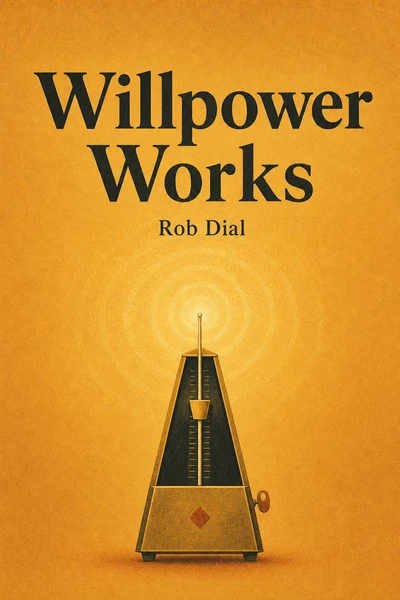
Lena: And here's something Rob Dial emphasizes in "Level Up"-we have to confront our fear of boredom. So much of our distraction comes from avoiding that uncomfortable feeling when our minds aren't constantly stimulated.
Eli: Absolutely! The research shows that people whose minds wander to negative thoughts are significantly less happy. But here's the thing-we can train ourselves to tolerate and even embrace those quiet moments when our brains want to reach for stimulation.
Lena: What I love about Goleman's work is how he connects focus to empathy and social skills. Deep work isn't just about individual productivity-it's about becoming better at understanding ourselves and others.
Eli: Now we have to address the elephant in the room: our digital tools. Newport's "craftsman approach" to tool selection is revolutionary. Instead of adopting any tool with any possible benefit, we only use tools whose positive impacts substantially outweigh the negatives.
Lena: This is so practical! Ask yourself: what are my most important goals? What activities are essential for achieving them? Then ruthlessly evaluate whether each app or platform truly serves those core activities.
Eli: And here's a challenge for everyone listening: try Newport's 30-day social media detox. Delete the apps and see what happens. After 30 days, ask yourself two questions: Would the last month have been notably better with these services? Did people care that I wasn't using them?
Lena: The results are often surprising! Many people discover these platforms weren't as central to their lives as they believed. But this isn't about becoming a digital hermit-it's about intentional tool use.
Eli: Exactly! And we need quality alternatives. Instead of scrolling through feeds during downtime, engage in activities that require skill and attention-reading challenging books, learning instruments, having meaningful conversations.
Lena: Let's talk about the practical systems that support deep work. One game-changer is scheduling every minute of your day. This sounds extreme, but it forces intentionality about how we spend our limited time.
Eli: Right! And you're going to revise that schedule constantly-that's normal. The point isn't rigid adherence but conscious choice-making. Also, distinguish between shallow and deep work by asking: how long would it take to train someone to do this task?
Lena: That's such a helpful filter! And here's something crucial-get your boss on board. Ask them directly: what percentage of my time should be spent on shallow work? Most knowledge workers should aim for no more than 30-50% on administrative tasks.
Eli: And we absolutely must protect our downtime! Newport's research shows that regular mental rest actually improves the quality of our deep work. Your unconscious mind processes complex challenges while you're walking in nature or cooking dinner.
Lena: This connects beautifully with what Jha discovered about attention restoration. Our brains need genuine breaks-not checking emails or scrolling social media, but actual rest that allows our attention systems to recharge.
Eli: So how do we actually implement this? Start small-maybe 15-minute focused sessions and gradually increase duration. Use techniques like the Pomodoro method: 25 minutes of intense focus followed by 5-minute breaks.
Lena: And create compelling scoreboards! Track your deep work hours visibly. Newport suggests keeping a pen-and-paper tally, but you could also use time-tracking apps like RescueTime to automate this.
Eli: Memory training is another powerful technique that strengthens general concentration ability. Try memorizing a deck of cards or learning poems by heart. It sounds old-fashioned, but it's like cross-training for your attention.
Lena: For our listeners who feel overwhelmed by constant interruptions, consider this: implement a "shutdown ritual" that clearly signals when work is done. Review your to-do list, close your laptop, and give your mind permission to shift into processing mode.
Eli: And remember-fixed-schedule productivity can be liberating! Instead of working endless hours, constrain yourself to eight hours and become ruthless about how you spend that time. Scarcity breeds intentionality.
Lena: As we bring this conversation to a close, I'm struck by how deep focus isn't just about getting more done-it's about reclaiming our experience of life itself. When we can direct our attention intentionally, we're present for more of those precious moments that actually matter.
Eli: Absolutely! And the research consistently shows that people experience greater satisfaction during deep concentration than during relaxation. We're designed to find meaning in challenging, focused work. In our age of constant distraction, your ability to focus truly is your superpower.
Lena: So here's my challenge for everyone listening: choose one technique we've discussed today and commit to it for the next week. Maybe it's 12 minutes of daily mindfulness practice, or scheduling specific internet times, or implementing Roosevelt dashes for your most important projects.
Eli: And remember, this is a practice, not a destination. There will be days when your mind feels scattered, when distractions win. That's completely normal. The key is gently returning to your intention to focus deeply, just like bringing your attention back to your breath in meditation.
Lena: Your future self will thank you for every moment you invest in building this skill. In a world that profits from your distraction, choosing to focus deeply is both a competitive advantage and an act of rebellion.
Eli: And on that note, keep experimenting, stay curious about your own attention patterns, and remember that every small step toward deeper focus compounds over time. Thanks for joining us on this exploration, everyone!