Recovery isn't just about killing a bug; it's about stability. It is defined by progressive stability—fewer crashes, shorter recovery times after exertion, and reclaiming your life piece by piece.
From Columbia University alumni built in San Francisco
"Instead of endless scrolling, I just hit play on BeFreed. It saves me so much time."
"I never knew where to start with nonfiction—BeFreed’s book lists turned into podcasts gave me a clear path."
"Perfect balance between learning and entertainment. Finished ‘Thinking, Fast and Slow’ on my commute this week."
"Crazy how much I learned while walking the dog. BeFreed = small habits → big gains."
"Reading used to feel like a chore. Now it’s just part of my lifestyle."
"Feels effortless compared to reading. I’ve finished 6 books this month already."
"BeFreed turned my guilty doomscrolling into something that feels productive and inspiring."
"BeFreed turned my commute into learning time. 20-min podcasts are perfect for finishing books I never had time for."
"BeFreed replaced my podcast queue. Imagine Spotify for books — that’s it. 🙌"
"It is great for me to learn something from the book without reading it."
"The themed book list podcasts help me connect ideas across authors—like a guided audio journey."
"Makes me feel smarter every time before going to work"
From Columbia University alumni built in San Francisco

Lena: You know, Miles, I was thinking about how many people receive a Lyme diagnosis and immediately feel this mix of relief and total overwhelm. It’s like you finally have a name for why you’re so exhausted, but then you realize the journey is just beginning.
Miles: Exactly. And what’s really striking is that nearly 500,000 people are diagnosed in the U.S. every year, yet it’s still called "the great imitator." It can look like so many other things, which is why some people see dozens of doctors before getting answers.
Lena: Right! I read about one woman who saw over 50 doctors. It’s heartbreaking because, as the sources say, you might look perfectly fine on the outside while dealing with internal "buzzing" nerves or debilitating brain fog.
Miles: It really is an invisible struggle for both the patient and their family. So, let’s dive into how to navigate those first steps after a diagnosis and build a support system that actually works.
Lena: It’s so true what you said about it being an invisible struggle, Miles. When you first get that diagnosis, it’s like you’re handed a map of a place you’ve never visited, and half the landmarks are missing. I was looking at the research from Dr. Daniel Cameron, who’s been in this field for over thirty years—he mentions that recovery isn't just about killing a bug; it's about stability. And for a newly diagnosed person or their family, "stability" probably feels like a million miles away.
Miles: Man, you’re hitting on something big there. Stability is the goal, but the path to it is anything but a straight line. One of the most important things for families to grasp right out of the gate is that this recovery is nonlinear. You’re going to have days where you feel like you’ve turned a corner—maybe the brain fog lifts for an afternoon—and then the next day, it’s like a heavy, suffocating blanket is back. The sources actually call this "fluctuation," and it’s a biological reality, not a sign of failure.
Lena: I think that’s a huge point for the family members listening. If your loved one was doing great on Tuesday and can’t get out of bed on Wednesday, it doesn’t mean the treatment isn't working. It’s often just the immune system recalibrating. I mean, the bacteria we’re talking about—Borrelia burgdorferi—it’s not just a simple infection. It’s a multisystemic invader. When we talk about "chronic" symptoms or Post-Treatment Lyme Disease Syndrome, or PTLDS, we’re looking at something that affects the heart, the joints, the nervous system—it’s everywhere.
Miles: And that’s why the first step after diagnosis is often just... exhale. Take a breath. Because you’re likely going to be looking at a multi-layered plan. The traditional approach is a two-to-four-week course of antibiotics, right? And for many, that does the trick. But for that ten to twenty percent who continue to have symptoms—what we often call "chronic Lyme"—the strategy has to shift from just "attack the bacteria" to "support the whole human."
Lena: It’s interesting how the medical terminology can be a bit of a double-edged sword. You hear PTLDS and it sounds so official, like the infection is gone and now you’re just dealing with the aftermath. But then you have other groups, like ILADS, who argue that the bacteria might still be there, hiding in biofilms or tissues where antibiotics can’t reach. For a family, that debate can feel like being caught in a tug-of-war.
Miles: Totally. It’s a polarized landscape. You’ve got the mainstream view that says, "Hey, the infection is cleared, this is now an autoimmune or inflammatory state." And then you’ve got the "Lyme-literate" view saying, "Wait, the bacteria are masters of evasion." But regardless of which side of the fence a doctor sits on, the symptoms the patient is feeling are biologically real. That’s the anchor. Whether it’s lingering inflammation or a persistent low-grade infection, the exhaustion and the pain aren't "in the head."
Lena: Right, and acknowledging that reality is the foundation for everything else. I was reading about Marjorie Veiga’s work—she’s an advocate who created "My Lyme Guide." She makes this great point that when you’re sick, your brain is often the first thing affected. So, expecting a patient to manage their own complex medical schedule, insurance calls, and school accommodations while their brain is "fogged" is just asking too much.
Miles: It’s like asking someone with a broken leg to run a marathon to get to the hospital. It doesn’t work. That’s where the "team at home" concept comes in. The family needs to step in—not to take over the person’s life, but to provide the scaffolding. Marjorie suggests assigning tasks. Maybe the teenager in the house handles the medication-tracking apps, or a spouse takes the lead on organizing the medical records.
Lena: I love that "cross-training" idea she mentions. If only one person knows where the lab results are or what the current dosage is, and that person gets exhausted—which happens!—the whole system collapses. By sharing the load, you’re creating a more resilient environment for healing.
Miles: And it helps the patient feel less like a "burden." If everyone has a role, it becomes a family project, not just one person being "sick" and everyone else "caretaking." It shifts the dynamic. Plus, having a dedicated space for all the medical stuff—away from the dinner table—helps keep some sense of normalcy. You don't want every meal to feel like a doctor’s appointment.
Lena: That’s such a compassionate move. Keeping the "patient" identity separate from the "person" identity. It’s those small, structural changes that start to build that stability we were talking about. It’s about creating a safe harbor while the body does the heavy lifting of recovery.
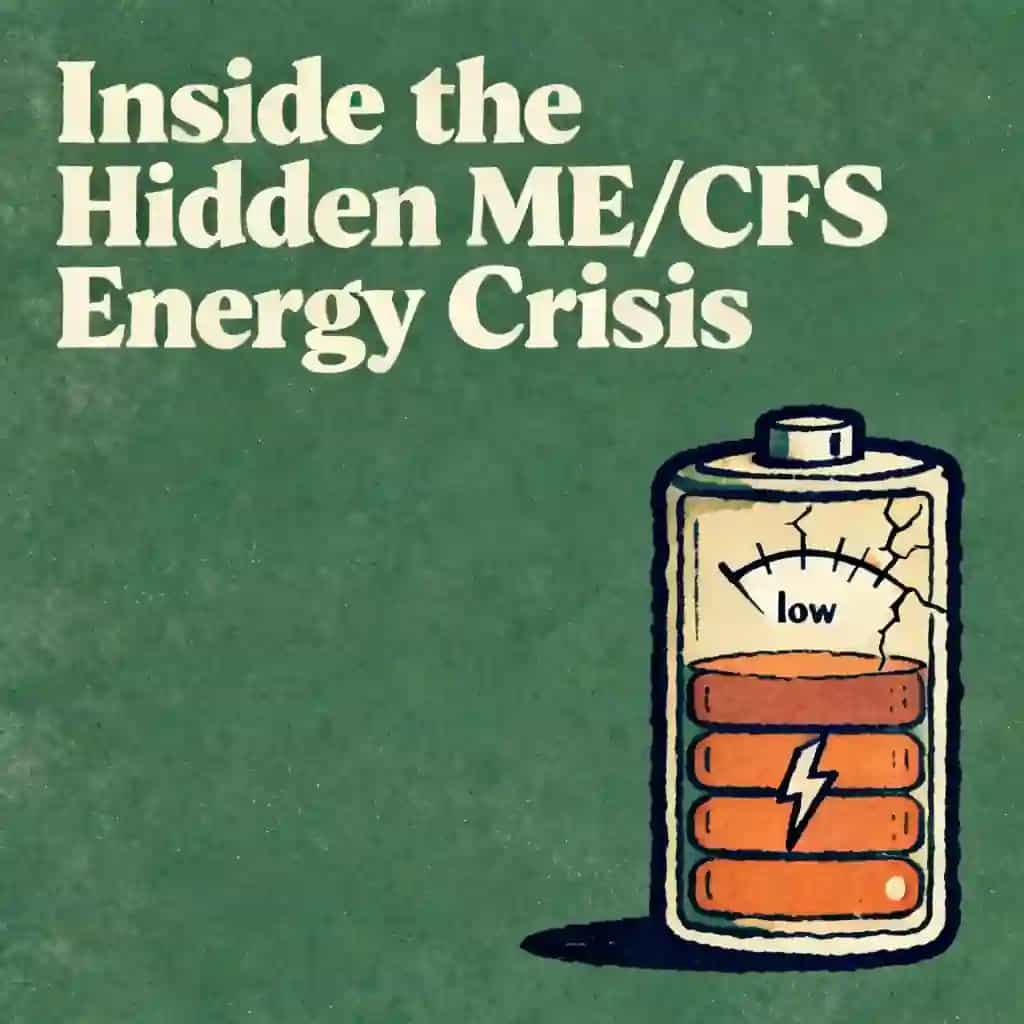
Miles: Absolutely. And as we move forward, we have to look at what's actually happening inside the body—why it feels like the "battery" just won't stay charged—because understanding the "why" can take a lot of the fear out of the "what."
Lena: So, Miles, let’s get into the "why." Why does this specific bacteria, Borrelia burgdorferi, cause such a long-term mess for some people? I was fascinated by the research from 2024 about the "Don’t Eat Me" protein. It sounds like something out of a sci-fi movie.
Miles: It really does. So, researchers found this protein called P66 on the surface of the bacteria. And its whole job is to send a signal to the body’s macrophages—the immune cells that are supposed to gobble up invaders—basically telling them, "Nothing to see here, move along." It inhibits phagocytosis, which is just the fancy word for the immune system destroying the pathogen.
Lena: So it’s literally cloaking itself. It’s evading the very cells designed to protect us. That explains why the initial infection can be so hard for the body to clear on its own. But what about after antibiotics? If someone takes their two weeks of doxycycline, shouldn't that be the end of it?
Miles: You’d think so, right? But this is where it gets even more complex. Borrelia is a spirochete—it’s shaped like a corkscrew—and it’s incredibly motile. It can drill into tissues that don't have a lot of blood flow, like cartilage or the central nervous system. And when it feels threatened—like when antibiotics show up—it can change form.
Lena: I’ve heard them called "persister cells." Is that what we’re talking about?
Miles: Exactly. The bacteria can transition from that active, swimming spirochete form into these dormant "round bodies" or huddle together in biofilms. These forms are much more drug-tolerant. Traditional antibiotics are great at killing bacteria that are actively dividing and hanging out in the bloodstream. But if the bacteria go dormant and hide in the joints or the brain, the antibiotics might just sail right past them.
Lena: That’s a terrifying thought for a newly diagnosed person. But the sources also mention another possibility—that even if the bacteria are dead, they can still cause problems. They talked about a "bacterial graveyard."
Miles: Man, that’s such a vivid image. So, Borrelia has this cell wall made of peptidoglycan. In most bacteria, when they die, the body cleans that stuff up pretty fast. But Borrelia’s peptidoglycan is unique; it’s really hard for our enzymes to break down. So, these "shards" of dead bacteria can stay trapped in the fluid around your joints or in your tissues for months.
Lena: And the immune system doesn't know they’re dead. It just sees the "shards" and stays in a state of high alert, right?
Miles: Spot on. It’s like the alarm is still blaring even though the burglar has already left the building. The immune system keeps pumping out inflammatory cytokines, trying to fight an enemy that isn't actually a threat anymore. This is a huge driver of that "migratory" joint pain people talk about—where your knee hurts one day, and your shoulder hurts the next. It’s the immune system reacting to these lingering fragments.
Lena: This really reframes the whole "chronic" conversation. It might not always be an active infection, but a "post-infectious inflammatory state." And then there’s the "molecular mimicry" part—where the immune system gets so confused it starts attacking the body’s own tissues.
Miles: Right, the antibodies meant for the Lyme bacteria start looking at your own nerves or joint proteins and think, "Wait, you look a lot like that spirochete," and they open fire. This is especially common in the nervous system. Some research shows these antibodies can attack neural proteins, leading to that "brain fog" or even small-fiber neuropathy—that burning or tingling sensation in the limbs.
Lena: It’s a literal internal battle. And when you add in the fact that the bacteria can infect the vagus nerve—which is basically the body’s "brake pedal" for inflammation—you end up with a system that can’t turn itself off. That leads to dysautonomia, where your heart rate jumps just from standing up, or you get these sudden sweats and chills.
Miles: It’s a multisystemic cascade. And for the family watching this, it’s helpful to understand that the patient’s body is essentially stuck in a "hyper-vigilant" mode. Their nervous system is exhausted from being on high alert for so long. That’s why things like bright lights or loud noises can become physically painful. It’s not just "irritability"; it’s sensory overload because the brain’s "filter" is broken.
Lena: I think that’s such a vital takeaway for caregivers. When we talk about "neurologic strain," we’re talking about a brain that is literally working harder just to do basic tasks. The fMRI studies mentioned in the sources showed that people with PTLDS have to hyper-activate alternative regions of the brain to complete simple memory tasks. Their primary "highways" for information are blocked by inflammation, so they’re taking the back roads, and that uses up way more fuel.
Miles: It’s like driving from New York to LA using only side streets and avoiding every highway. You’ll get there, but you’re going to be absolutely spent by the time you arrive. This is why "brain fog" isn't just being forgetful; it’s a biological "slowing" of the software.
Lena: And then there’s the genetic piece. I was stunned to read about the SCGB1D2 protein—the one found in sweat.
Miles: Oh, that Nature Communications study? That was a game-changer. They found that this protein normally inhibits the growth of Borrelia on the skin. It’s like a built-in defense system. But about a third of the population has a genetic variant where that protein doesn't work as well. Those people are significantly more susceptible to the infection taking hold.
Lena: It really underscores that this isn't about "mental toughness" or "willpower." It’s biology. Some people are genetically predisposed to a more severe course, and some people’s immune systems are just more prone to that lingering inflammatory response.
Miles: Exactly. So if you’re a family member listening, and you’re wondering why your friend’s cousin "got over Lyme in two weeks" while your spouse is still struggling six months later—remember the sweat protein. Remember the "persister cells." Everyone’s biological battlefield is different.
Lena: It really calls for a lot of grace, doesn't it? Understanding that the "hidden" nature of the illness is actually backed by very real, very complex science. It’s not a mystery because it’s not real; it’s a mystery because the bacteria is a master of disguise.
Lena: You know, Miles, we’ve talked about the biological stealth of this bacteria, but the diagnostic process itself feels like its own kind of "fog." I was looking at the standard "two-tier" testing protocol—the ELISA and then the Western blot. It seems so rigid, and yet so many people feel like it misses the mark.
Miles: Man, the testing is easily one of the most controversial parts of this whole journey. The two-tier system was designed to be highly specific—meaning they wanted to be absolutely sure that if you tested positive, you definitely had Lyme. But the trade-off is that it’s not always sensitive, especially in the early stages.
Lena: Right! The sources say it can take two to six weeks for the body to even produce enough antibodies to show up on a test. So if you get bitten on a Monday and get tested on a Friday, you’re almost certainly going to get a negative result, even if the bacteria is already moving through your system.
Miles: Exactly. And that’s where the "clinical diagnosis" becomes so important. If a doctor sees that classic erythema migrans rash—the bullseye—and you’ve been in a tick-prone area, they shouldn't even wait for a test. They should start treatment immediately. But as we know, about thirty percent of people never get that rash. Or maybe it’s on their scalp or behind their knee and they never see it.
Lena: And even when the rash does show up, it doesn't always look like a perfect bullseye. It can be a solid red patch, or it can look like a bruise. I read that it’s often missed on darker skin tones because the redness isn't as obvious. That’s a huge "red flag" for a delayed diagnosis.
Miles: For sure. And then you have the later stages, where someone has been sick for months and they finally get a Western blot. Mainstream medicine looks for five out of ten specific "bands" or protein markers to call it a positive. But "Lyme-literate" doctors often argue that even two or three bands, if they’re specific to Borrelia, are enough to indicate a problem—especially if the person has all the symptoms.
Lena: It’s that "credibility ladder" we saw in the sources. You’ve got the CDC and IDSA at the top, sticking to the strict five-band rule because they want to avoid false positives. Then you’ve got these specialty labs—like IGeneX—that use different criteria. But the sources also warn that some of those specialty labs have a really high false-positive rate. I think one study showed a fifty-seven percent false-positive rate for healthy people!
Miles: That’s the "theater" part of the diagnosis. If you’re a patient and you’re desperate for an answer, a "positive" from a specialty lab feels like a lifesaver. But if it’s a false positive, you might spend thousands of dollars on treatments you don't need, while your actual condition—maybe it’s an autoimmune issue or a different infection—goes untreated. It’s a really tough spot for a family to be in.
Lena: It’s about being a "informed consumer," like the sources suggested. You have to look at the context. Did you have a high-risk exposure? Do you have the migratory joint pain? Do you have the facial palsy or the "air hunger" and palpitations? A credible clinician is going to look at the whole picture, not just a single lab slip.
Miles: And they’re going to look for co-infections, too. Ticks are like "dirty needles." They can carry Babesia, Bartonella, Anaplasma—all kinds of things. And those infections can make the Lyme symptoms way worse or even prevent the standard Lyme treatment from working. Like Babesia—it’s a parasite that lives in the red blood cells. It causes these cyclical fevers and drenching sweats. If you only treat the Lyme bacteria and ignore the Babesia parasite, you’re not going to get well.
Lena: That "tunnel vision" is a real danger. I think for the family members listening, if your loved one is being treated for Lyme but they’re having these weird "air hunger" episodes or their fevers are coming in waves, that’s a prompt to ask about co-infections. It’s not that the Lyme diagnosis was "wrong," it just might have been incomplete.
Miles: Right. And then there’s the "old exposure" vs. "current illness" confusion. Antibodies can stick around for years. So if you had Lyme five years ago and you’re feeling tired now, a positive test might just be a "memory" of that old infection, not a sign that you have it again. That’s why the clinical history—the timeline of when things started—is so vital.
Lena: It’s a detective job, really. I love that Serenity Health Care Center calls themselves "Medical Detectives." Because that’s what it takes. You have to piece together the travel history, the symptom flares, the response to previous antibiotics. And for a family, helping the patient keep a detailed log is one of the best ways to support that detective work.
Miles: Absolutely. Marjorie Veiga’s point about the "brain fogged" patient not being able to do this is key. If the family can track the "tens" to "ones"—how intense the pain is, how long the fatigue lasts—it gives the doctor objective data to work with. It turns "I feel terrible" into "My pain was an eight on Monday after I tried to go for a walk, but a three on Tuesday when I rested." That’s actionable.
Lena: It also helps rule out other things. The sources emphasized that we shouldn't assume everything is Lyme. Thyroid issues, anemia, sleep apnea—these can all look like Lyme fatigue. A credible doctor is going to screen for those, too. They’re not going to have that "Lyme-only" tunnel vision.
Miles: Exactly. Credibility is about admitting what we don't know, too. The most trustworthy experts are the ones who say, "The test is negative, but your symptoms fit the pattern, so let’s monitor and retest," or "The test is positive, but let’s make sure there isn't an autoimmune component as well." It’s about the method, not just the label.
Lena: And once you have that diagnosis—or at least a working theory—the question becomes: how do we actually live with this? How do we manage the day-to-day when the "fog" is thick?
Lena: Miles, we’ve talked about the "brain fog" and the exhaustion, but for the person living it, the word "fatigue" almost feels too light, doesn't it? The sources describe it as a "heavy, cellular exhaustion." Like your limbs are made of lead.
Miles: "Lead limbs"—that’s a phrase I’ve heard so many times. It’s not the kind of tired you feel after a long day at work; it’s a fundamental lack of fuel at the mitochondrial level. And this is where the concept of "pacing" becomes the absolute cornerstone of recovery. If you’re a family member listening, this is probably the most important thing you can help your loved one with.
Lena: I’ve heard pacing described as "living within your energy envelope." It sounds simple, but in our "push-through-it" culture, it’s actually really hard to do.
Miles: Oh, it’s incredibly counter-intuitive. We’re taught that if you’re tired, you just need to work out more or "get some fresh air." But with PTLDS or chronic Lyme, pushing through can actually cause physiological harm. They call it Post-Exertional Malaise, or PEM. You go for a short walk today, you feel okay in the moment, but tomorrow or even two days later, you "crash." Your pain spikes, the fog gets thicker, and you’re bedbound.
Lena: And that "crash" is a sign that the immune system has flared up again, right? It’s not just "muscle soreness." It’s a full-system inflammatory response.
Miles: Exactly. The sources suggest a "70 percent rule." You only use seventy percent of the energy you *think* you have on any given day. You keep that thirty percent in the "buffer" to allow your body to actually do the work of healing. If you use one hundred percent every day, you’re never giving your system the surplus it needs to repair the damage Borrelia left behind.
Lena: That’s a total reframe for a caregiver. Instead of saying, "Come on, a little walk will do you good," the more supportive thing might be, "Hey, you’ve done a lot today, why don't you rest now so you don't crash tomorrow?" It’s about becoming an "energy guardian" for them.
Miles: "Energy guardian"—I like that. And it’s about cognitive energy, too! Reading a dense article, having a stressful phone call, even watching an action movie—all of that uses up the same "fuel" as physical activity. The brain is the biggest consumer of energy in the body. So, cognitive pacing is just as vital.
Lena: I was reading about "aggressive rest." It’s not just sitting on the couch scrolling on your phone—because even that is sensory input. It’s lying in a dark, quiet room, no screens, just letting the nervous system settle. It sounds "boring," but for a Lyme patient, it’s actually medicine.
Miles: It’s "re-charging the battery." And for the family, understanding this means not taking it personally when the patient needs to withdraw. It’s not disinterest or depression; it’s survival. If they have a "social battery" that only lasts thirty minutes, and they have to leave the family gathering, it’s because they’re protecting their stability.
Lena: That "social withdrawal" was mentioned as a common pattern caregivers see. It’s exhausting to mask the pain and the fog to appear "normal" in a social setting. Marjorie Veiga mentions that "Lyme brain" makes it hard to follow conversations or catch social cues. So, being in a group can feel like being in a room where everyone is speaking a language you only half-understand.
Miles: It’s overwhelming. And that sensory overload is real. The sources mention people wearing sunglasses indoors or needing ear protection. Their "filter" for the world is thin. So, a caregiver can help by keeping the environment low-stress. Dim the lights, keep the volume down, maybe avoid the crowded grocery store and do the shopping for them.
Lena: It’s those small, compassionate adjustments. And then there’s the "all-or-nothing" cycle Miles. You have a "good day," so you try to do all the laundry, clean the kitchen, and catch up on emails. And then you’re down for a week. That’s the cycle we have to break.
Miles: The "Push-and-Crash" cycle. To break it, you have to break tasks into tiny segments. Instead of "cleaning the kitchen," maybe it’s just "loading the dishwasher." And then resting for twenty minutes. It feels agonizingly slow, but it’s the only way to build sustainable stamina.
Lena: And using tools to track it! I love the idea of using a heart rate variability (HRV) monitor or even a simple symptom diary. If you can see that your heart rate jumps whenever you stand up—which is common with the dysautonomia we talked about—you can use that data to say, "Okay, I need to move slower today."
Miles: It takes the "guesswork" out of it. And for the family, seeing that data can help them understand the physical reality. It’s not "laziness"; look, the heart rate is at 110 just from standing! That’s a workout.
Lena: It’s about building a "new normal" where the focus is on function and stability rather than "immediate symptom elimination." Dr. Cameron mentioned that recovery is measured in "increasing stability." Fewer crashes, shorter recovery times after exertion—that’s progress, even if the pain is still there.
Miles: It’s a marathon, not a sprint. And while the patient is doing that internal marathon, the family is the "support crew," handing out the water and making sure the path is clear. But even with the best pacing, we have to talk about the physical symptoms—the pain and the "Lyme brain"—and what can be done to actually dial those down.
Lena: So, Miles, let’s talk about the actual "tools" for managing these symptoms. We’ve established that long-term antibiotics aren't always the answer—the sources were pretty clear that multiple studies, like the PLEASE study, didn't show lasting benefit for PTLDS. So if we’re not just throwing more antibiotics at it, what are we doing?
Miles: This is where the "integrative" and "symptom-targeted" approach comes in. It’s about looking at the different systems that are misfiring. For the pain—the joint aches and that burning nerve pain—it’s often about calming the nervous system. The sources mention things like low-dose naltrexone or LDN. It’s an off-label use, but at very low doses, it’s been shown to calm the microglia—the immune cells in the brain that are stuck in "attack mode."
Lena: I’ve heard about LDN! It’s like it resets the "thermostat" of the immune system so it’s not constantly overreacting. And then there are the "Lyme brain" treatments. If the brain is inflamed, we need things that cross the blood-brain barrier, right?
Miles: Exactly. Targeted supplements like curcumin or CoQ10 can help with the mitochondrial energy and the neuroinflammation. But there’s also the "pharmacological" side for those who need it. Some doctors use things like Modafinil to help with the daytime sleepiness and cognitive focus. But—and this is a big "but"—you have to be careful not to use stimulants as a way to "push through" and then crash even harder.
Lena: It’s that "energy envelope" again. You can't just trick the body into feeling energized if the "fuel" isn't actually there. I was also interested in the "holistic" side—things like nutritional therapy. The sources were big on the anti-inflammatory diet.
Miles: Oh, the diet is huge. If your whole body is already in a state of high inflammation, the last thing you want to do is fuel that fire with processed sugars, gluten, or inflammatory oils. Shifting to a Mediterranean-style diet—lots of leafy greens, omega-3s from fish, antioxidant-dense berries—it’s like giving your body the raw materials it needs to repair.
Lena: And gut health! If you’ve been on weeks or months of antibiotics, your microbiome is likely a "ghost town." Since so much of our immune system lives in the gut, repairing that with probiotics and prebiotics is vital for long-term recovery. You can't have a healthy immune response if your gut is in shambles.
Miles: Totally. And then there are the "detox" strategies. When the bacteria die, or when the body is under stress, it creates metabolic waste. If your liver and kidneys aren't clearing that out efficiently, you feel even more "toxic" and sluggish. Things like infrared saunas, dry brushing, or just staying super hydrated—they’re simple, but they help the body’s "garbage disposal" keep up with the mess.
Lena: I noticed the sources also mentioned some more "advanced" integrative therapies—like photodynamic therapy or ozone therapy. These aren't "standard" care, but some clinics, like Serenity or Dr. Bloem’s practice, use them to support the body’s oxygenation and immune function.
Miles: Right. They’re "supportive" therapies. They’re not necessarily "cures" on their own, but they can be part of a multi-layered plan. The key is to work with a doctor who can coordinate all this. You don't want to be taking twenty different supplements and three different medications without someone looking at how they all interact.
Lena: And let’s not forget the "physical" side of things. Gentle movement—walking, water therapy, restorative yoga. It helps keep the joints from stiffening up, but again, it has to be "gradual." If you overdo it, you’re back in the "crash" zone.
Miles: It’s all about the "slow build." And for the family, helping the patient stick to these protocols is huge. Maybe that means cooking those anti-inflammatory meals together or helping them set reminders for their supplements. It’s about making the "healthy" choice the "easy" choice in the home.
Lena: But even with the best diet and the best supplements, there’s a huge emotional and mental component to this. Chronic illness is "emotionally taxing," as the sources put it. You can't treat the body without also looking at the heart and the mind.
Miles: Man, you’re so right. The anxiety, the depression, the feeling of "identity loss"—that’s just as much a part of Lyme as the joint pain. And for the family, navigating those emotional shifts is often the hardest part of the whole journey.
Lena: Miles, we have to talk about the "emotional shifts" that caregivers see. The sources were really honest about this. They mentioned "sudden sadness," anxiety, and even "emotional detachment" or looking "mentally distant." That has to be so hard for a family to witness.
Miles: It’s one of the most painful aspects. You’re looking at your spouse, or your child, and it’s like the "lights are on but nobody’s home" sometimes. Or they have this "exaggerated startle response" where a loud noise makes them jump or even get angry. It’s not a character flaw, and it’s not that they’ve "changed" as a person—it’s their nervous system being absolutely red-lined.
Lena: I love that "red-lined" analogy. If you’re already at ninety-nine percent capacity just trying to handle the pain and the fog, that last one percent—a kid yelling or a minor disagreement—can push you into a total meltdown or a shutdown. The sources call it "nervous system overload."
Miles: And for the caregiver, it’s so easy to take that personally. You feel like you’re walking on eggshells. But if you can reframe it as, "This is the illness talking, not my partner," it changes how you respond. You don't meet their fire with more fire; you become the "calm" in their storm.
Lena: That requires a lot of emotional resilience from the family, doesn't it? I was struck by the "unspoken shame" the sources mentioned. Patients feeling like a "burden" because they can't work or they need help with basic things. That shame can lead to withdrawal, which then makes the family feel even more disconnected.
Miles: It’s a vicious cycle. The patient pulls away because they feel guilty, and the family pulls away because they feel rejected. To break it, you have to have those "honest conversations" Marjorie Veiga talked about. Sit down as a team and say, "Look, this diagnosis is hard for all of us, but we’re in this together."
Lena: And acknowledging the "medical gaslighting" or dismissal that often happens. Many families face this second layer of distress where doctors or even other family members don't believe the symptoms are real. If you’re a caregiver, being the one person who says, "I believe you, I see how hard this is," is actually part of the treatment.
Miles: It’s "relational healing." Reducing that stress signal in the patient’s brain by making them feel safe and understood—that literally helps their immune system function better. Chronic stress keeps the body in "fight-or-flight," which suppresses the very immune response needed to heal.
Lena: So, "believing them" is actually biological medicine. I think that’s powerful. And for the family, seeking their own support is vital. You can't pour from an empty cup. Support groups for families, or even just having a "Lyme-free" zone where you can talk about things other than the illness, can help prevent that "caregiver burnout."
Miles: Marjorie’s point about "the dinner table is for dining" is so good. Don't let the illness colonize every inch of your life. Have spaces and times where you are just a husband and wife, or a parent and child, not a "patient and caregiver."
Lena: It’s about "preserving normalcy." And for parents of children with Lyme, that extends to school. The sources mentioned the "unique challenges" there—504 plans, IEPs, working with school nurses. It’s a lot of advocacy. A child might look fine in the morning but be too fogged to do math by 2 PM. The school needs to understand that "fluctuation" we talked about.
Miles: And the "invisible" nature of it makes it even harder in a school setting. Other kids might not understand why their friend can't play at recess. So, educating the teachers and the social workers is part of the job. It’s about building a "support structure" that follows the patient wherever they go.
Lena: It really is a "marathon of advocacy," isn't it? But the sources also offered a lot of hope. They mentioned that many people do experience "meaningful recovery" over time. It might be slow, it might be uneven, but "steady forward progress" is possible.
Miles: "Recovery is defined by progressive stability." I love that definition. It’s not about waking up one day and being "cured" like it never happened. It’s about having more "good days" than "bad days." It’s about shorter flares and more predictable energy. It’s about reclaiming your life, piece by piece.
Lena: And as we look at that long-term outlook, it’s about having a "practical playbook"—a set of strategies that the patient and the family can use to keep moving forward, even when things get tough.
Lena: So, Miles, let’s wrap this up with something concrete. If someone is listening and they’re right at the beginning of this journey, or they’re stuck in a "post-treatment slump," what are the "must-haves" for their playbook?
Miles: First and foremost: Documentation. Like Marjorie Veiga said, you can't rely on a "fogged" brain to remember everything. Get a binder, or a digital folder, and keep every lab result, every medication list, and a daily symptom log. It makes you a better partner for your doctor and saves you from repeating tests you’ve already done.
Lena: And Pacing. That "70 percent rule" we talked about. If you’re a family member, help your loved one set those boundaries. Use timers for rest periods. Celebrate the "rest" as much as the "activity." It’s about breaking the "Push-and-Crash" cycle once and for all.
Miles: Third: The Team Approach. Don't let the patient carry the mental load of managing the illness alone. Assign roles. "Cross-train" the family. If everyone knows the "Plan B" and "Plan C," the uncertainty becomes a lot less scary.
Lena: I’d add Anti-Inflammatory Living to that. It’s not just about "a diet"; it’s about a lifestyle that reduces the total stress load on the body. That’s the food you eat, the "aggressive rest" you take, and the "detox" strategies like staying hydrated and using infrared saunas if they help.
Miles: And Fifth—and this might be the hardest one—Emotional Validation. Make it a rule in the house that the symptoms are "believed." If the patient says they’re "fogged," don't question it. If they need to cancel plans, support it. Reducing that emotional friction is literal medicine for the nervous system.
Lena: It’s about "relational stability." And part of that is Vetting your Clinicians. Don't be afraid to ask the "credibility" questions. Do they discuss co-infections? Do they screen for other causes? Do they take your persistent symptoms seriously without just defaulting to "antibiotics forever"? You deserve a "Medical Detective" who’s willing to do the unglamorous work.
Miles: Exactly. And for the families, remember that Hope is a Strategy. As Marjorie said, "There’s always a Plan B." If one treatment doesn't work, it doesn't mean you’re "untreatable." It just means you haven't found the right combination of tools for *your* specific biological battlefield yet.
Lena: I love that. "Healing is possible." It might not be linear, and it might not look like your "old life," but a "vibrant, functional life" is still within reach. It’s about building the structure that allows the body to do what it’s meant to do: heal.
Miles: It’s a lot of work, for sure. But when you have the systems in place—the "My Lyme Guide" approach—it takes the "chaos" out of the chronic. It gives you back a sense of agency. You’re not just a victim of a tick bite; you’re the manager of a complex recovery process.
Lena: And to everyone listening, whether you’re the one who was just diagnosed or you’re the one holding the binder for them—you’re not doing this alone. There’s a whole community of "detectives" and "advocates" out there.
Miles: For sure. Take it one day at a time. One "70 percent" day at a time. And remember: the "fluctuations" are part of the path, not a sign that you’ve lost the way.
Lena: Miles, as we bring this conversation to a close, I find myself reflecting on that word "stability" again. It’s such a quiet word, but in the context of Lyme disease, it’s actually a heroic achievement.
Miles: It really is. When your whole world—your body, your brain, your plans—has been upended by this "great imitator," finding a steady footing is a massive win. And I hope for our listeners, that’s the takeaway: that recovery isn't a single event; it’s a series of small, intentional choices to build that stability.
Lena: It’s about being "gentle" with yourself, too. I think back to that image of the "lead limbs" and the "fogged brain." If you’re listening and you’re in the middle of that right now, just know that your body is doing incredible work under the surface. It’s evading, it’s fighting, it’s trying to recalibrate.
Miles: And the science is catching up! The research on "persister cells" and "neuroinflammation"—it’s validating that what you’re feeling is real. You don't have to convince yourself it’s not "stress" or "anxiety." You have a biological reason for the way you feel. And that knowledge is power.
Lena: It’s a compass. It tells you where you are so you can figure out which way to go. For the family members, your role as the "anchor" can't be overstated. Your belief, your pacing, your help with the "blueprint"—that’s what makes the recovery possible.
Miles: Absolutely. So, as we wrap up, I’d encourage everyone listening to take just one small step from what we talked about today. Maybe it’s starting that symptom log, or maybe it’s just having that honest conversation at dinner about what "aggressive rest" looks like.
Lena: Just one small structural change can start the shift toward stability. Thank you so much for being here with us and for being willing to dive into the "fog" to find the path forward.
Miles: It’s a journey, but you’ve got the map now. Take care of yourselves—and each other.
Lena: Thank you for listening. Reflect on what you’ve heard, and remember that even on the foggiest days, the "detective work" is moving you closer to wellness.