Chapter 1
The Illuminating Power of Red Light: A Revolutionary Healing Approach
Have you ever wondered why sunlight feels so healing? What if the secret to treating countless ailments-from chronic pain to cognitive decline-has been hiding in plain sight within specific wavelengths of light? Mark Sloan's groundbreaking book "Red Light Therapy: Miracle Medicine" explores this revolutionary treatment that's garnered attention from celebrities like Jennifer Aniston and Kate Hudson, who incorporate red light therapy into their wellness routines. With over 50,000 scientific studies backing its efficacy and virtually no side effects, red light therapy stands in stark contrast to conventional medicine, which studies suggest has become America's leading cause of death. This isn't just another wellness trend-it's a paradigm shift in healing that's transforming how we understand disease and treatment, putting the power of healing back into our own hands rather than profit-driven pharmaceutical companies.
Healing with light isn't a modern discovery-it's ancient wisdom rediscovered. The Egyptians built elaborate solariums with colored glass to harness specific light wavelengths for healing purposes. Greeks and Romans created dedicated spaces for heliotherapy (sun therapy), focusing primarily on light's thermal effects. This understanding of light's therapeutic potential continued through history, with significant scientific recognition coming in 1903 when Neils Ryberg Finsen won the Nobel Prize for using ultraviolet light to treat tuberculosis.
By 1910, Dr. John Harvey Kellogg (yes, of cereal fame) published "Light Therapeutics," documenting successful treatments for conditions like diabetes and chronic fatigue using incandescent light bulbs. His work demonstrated that specific light wavelengths could produce remarkable healing effects without medication.
Interest in light therapy waned during the pharmaceutical revolution of the mid-20th century, but experienced a renaissance with the invention of the laser in 1960. Hungarian physician Endre Mester made an accidental discovery in 1967 while attempting to replicate a study on tumor shrinkage in mice. He observed that hair grew back faster on laser-treated mice and subsequently found that laser light accelerated wound healing. This led him to establish the Laser Research Center at Semmelweiss Medical University in 1974, where his team treated "otherwise incurable" ulcers with an 80% complete healing rate.
Though initially dismissed as "magic" by skeptical scientists, red light research has grown exponentially since 2000. The ancient wisdom that light could heal has now been validated by modern science, bringing us full circle to a deeper understanding of light's therapeutic potential.
Chapter 2
Understanding the Science of Red and Near-Infrared Light
Most of us know sunlight provides UVB radiation for vitamin D production, but fewer recognize the therapeutic benefits of red and near-infrared light. These wavelengths not only offer healing properties but also protect skin from sunburn, balancing the potentially damaging effects of ultraviolet exposure.
Red light occupies the 620-700 nanometer range of the visible spectrum. Unlike most light wavelengths that are absorbed by surface skin layers, red light penetrates deeply into tissues. You can demonstrate this penetration power with a simple experiment: place your finger against your phone's flashlight, and you'll notice only the red wavelengths shine through.
Near-infrared light (700-1400nm) is felt as heat from the sun or warmth from a campfire. While invisible or appearing light-pink to human eyes, our bodies readily sense this part of the electromagnetic spectrum. The infrared spectrum actually extends much further (from 700nm to 1mm) and divides into near-infrared, mid-infrared, and far-infrared regions, but the near-infrared range offers the most therapeutic benefits.
The primary difference between red and near-infrared light is penetration depth. Red light works well for superficial treatments like acne, while near-infrared can reach deeper tissues like joints and internal organs. For optimal therapeutic effects, wavelengths between 620-700nm (red) and 700-1000nm (near-infrared) have shown the greatest benefits. Many modern devices combine both types for comprehensive treatment, allowing users to address both surface and deeper tissue concerns simultaneously.
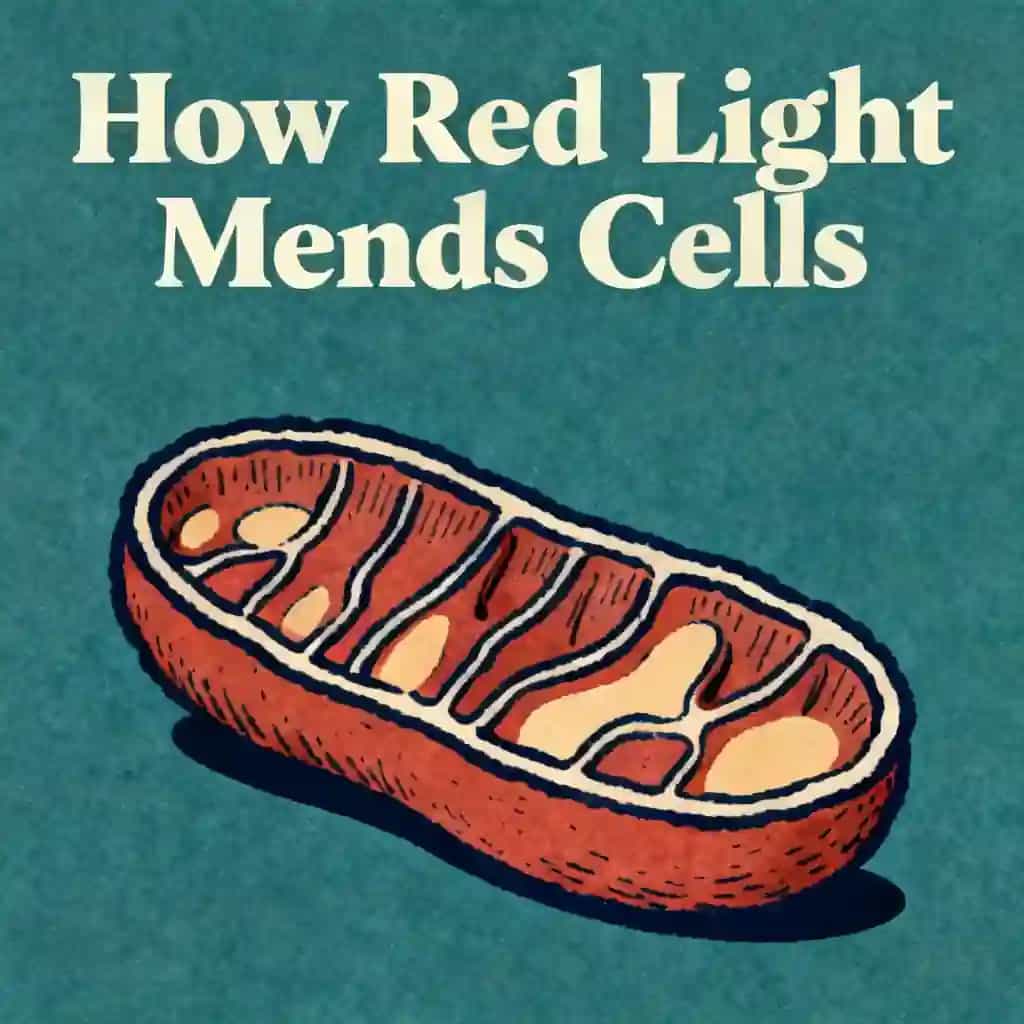
The human body contains approximately 37.2 trillion cells, each with tiny power plants called mitochondria responsible for producing energy through metabolism. When these mitochondria function optimally by efficiently converting glucose into carbon dioxide, our cells remain healthy. Conversely, when this metabolic process breaks down, disease begins-nearly every disease state has been linked to low mitochondrial activity.
At the heart of cellular metabolism is an enzyme called cytochrome c oxidase, discovered by Nobel Prize winner Dr. Otto Warburg in 1926. This enzyme catalyzes the final step in metabolism, allowing cells to use oxygen efficiently. When this enzyme is inhibited, healthy cells can transform into dysfunctional or even cancerous cells.
Various environmental toxins inhibit cytochrome c oxidase, including chemotherapy drugs, cyanide, carbon monoxide, estrogen, UVB radiation, and X-rays. These contaminants cause cells to produce nitric oxide, which binds to and deactivates the enzyme, creating defective metabolism.
This is where red and near-infrared light perform their magic. These specific wavelengths uniquely unbind (photodissociate) nitric oxide from cytochrome c oxidase, restoring its activity. Additionally, this enzyme specifically absorbs light in the red and near-infrared spectrum, directly energizing it and supercharging cellular metabolism.
Chapter 3
Healing Arthritis, Pain, and Inflammation
With over 50,000 published studies on red and near-infrared light therapies, the evidence supporting this treatment approach for inflammation-related conditions is substantial. Arthritis affects nearly 55 million Americans (22.7% of adults), who often rely on medications with limited success and serious side effects. Harvard professor Dr. Michael R. Hamblin's research demonstrated that just one application of near-infrared laser light (810nm) on arthritis in rats significantly reduced inflammation within 24 hours by decreasing inflammatory cell infiltration and inflammatory cytokines. This offers a side-effect-free alternative to conventional arthritis treatments.
Nearly 50 million American adults report experiencing daily pain, often turning to NSAIDs like Tylenol and Ibuprofen which the FDA has warned can trigger heart attacks and strokes. Multiple systematic reviews have confirmed red light therapy's effectiveness for pain management without side effects. A 2006 review found "strong evidence that LLLT modulates the inflammatory process and relieves acute pain," while a 2009 review in The Lancet demonstrated pain reduction immediately after treatment for acute neck pain and lasting up to 22 weeks for chronic neck pain.
The enhanced metabolism created by red light therapy creates a cascade of beneficial effects throughout the body that directly combat inflammation and pain:
• Increased energy production
• Improved cellular oxygenation
• Enhanced blood flow
• Reduced stress hormones
• Decreased lactic acid
• Diminished inflammation
• Fewer free radicals
This explains why red light therapy benefits so many seemingly unrelated inflammatory conditions-it works at the fundamental cellular level, addressing the root cause of dysfunction rather than merely masking symptoms. By restoring optimal cellular function, red light therapy helps the body heal itself from within.
Red light inhibits the COX-2 enzyme responsible for releasing inflammatory polyunsaturated fatty acids from cells, effectively "switching off" the release of toxic compounds in damaged areas. The optimal approach combines systemic and localized treatment: full-body treatment in the morning and targeted treatment of symptomatic areas at night.
While localized treatment relieves symptoms, full-body exposure addresses the root causes of conditions, creating a comprehensive healing strategy that yields far superior results. This is why treating the body as a whole system rather than just focusing on symptomatic areas is crucial for maximum benefits.
Chapter 4
Skin Health and Aesthetic Benefits
Red light therapy offers remarkable benefits for skin health and appearance, addressing common concerns without the side effects of conventional treatments. Acne affects up to 50 million Americans annually, often resulting in poor self-image, depression, anxiety, and permanent physical scarring. When Iranian scientists compared red (630nm) and near-infrared (890nm) laser therapy on facial acne patients, they discovered that twice-weekly treatments for six weeks significantly decreased acne lesions in those treated with red light. This offers a non-pharmaceutical approach to treating this common skin condition.
Hair loss affects over 50% of the global population, including an estimated 35 million men and 21 million women in the United States alone. FDA-approved treatments like Propecia and Rogaine have less than 50% success rates with potentially severe side effects. A comprehensive 2014 review of studies found that red and near-infrared laser therapies stimulate hair growth in both mice and humans through controlled clinical trials, concluding that "LLLT for hair growth in both men and women appears to be both safe and effective."
Red light therapy dramatically speeds wound healing by boosting cellular energy. Dr. Harry Whelan's research shows skin and muscle cells exposed to LED infrared light grow 150-200% faster than control cultures. Working with Naval doctors, his team found injured soldiers treated with light-emitting diodes improved by 40%. A 2014 scientific review of 68 studies concluded that "phototherapy, either by LASER or LED, is an effective therapeutic modality to promote healing of skin wounds."
Two natural substances can dramatically enhance red light therapy's healing capacity when applied before treatment: honey and coconut oil. Honey has powerful antibiotic effects validated by scientific research, primarily due to its hydrogen peroxide content and hygroscopic properties that dehydrate bacteria. A 2018 study from Delhi found that combining honey with red light therapy accelerated burn wound healing in rats more effectively than red light alone. The increased healing occurs because honey provides damaged cells with abundant glucose, allowing them to produce ATP and CO2 needed for rapid, scarless healing.
For those who find honey too sticky, coconut oil offers similar synergistic benefits. Coconut oil has potent antibacterial, antifungal, and antiviral properties, making it effective for wound treatment. When applied topically, it provides damaged tissues with easily-utilizable saturated free fatty acids that restore efficient metabolism. Scientific studies confirm that coconut oil accelerates wound healing when applied topically.
Using either honey or coconut oil both topically and orally before red light therapy helps reduce inflammation and support the healing process, creating a powerful synergistic effect that can dramatically accelerate results.
Chapter 5
Mental Health and Brain Function Enhancement
Red and near-infrared light therapy offers groundbreaking benefits for mental health and cognitive function. Depression affects 121 million people worldwide, with 8.3 million American adults suffering from serious psychological distress. Conventional treatments often have serious side effects, including potential increases in suicidal behavior. A groundbreaking 2009 Harvard University study found that just one 16-minute session of near-infrared light applied to the forehead of patients with major depression resulted in "highly significant reductions in both depression and anxiety scores," with the greatest benefits appearing two weeks after treatment.
Red and near-infrared light may be among the most powerful cognitive enhancers ever discovered. A University of Texas study found that applying near-infrared laser light to healthy volunteers' foreheads improved reaction time, memory, and positive emotional states for two weeks following treatment. Researchers concluded that "transcranial laser stimulation could be used as a non-invasive and efficacious approach to increase brain functions." Another study showed phototherapy had brain-boosting effects comparable to aerobic exercise.
The mechanism behind these mental health benefits relates directly to how red and near-infrared light affect cellular metabolism in brain cells. When applied to the forehead, these wavelengths penetrate the skull and reach the prefrontal cortex, an area critical for executive function, mood regulation, and cognitive performance. By enhancing mitochondrial function in neurons, red light therapy increases energy production in brain cells, improves cerebral blood flow, reduces neuroinflammation, and promotes neurogenesis (the formation of new neurons).
This approach represents a paradigm shift in mental health treatment-addressing the biological underpinnings of conditions like depression and anxiety rather than merely altering neurotransmitter levels as pharmaceutical approaches do. The non-invasive nature and lack of side effects make red light therapy particularly promising for those who haven't responded well to conventional treatments or who experience adverse effects from medications.
For those seeking to optimize brain function rather than treat specific conditions, regular red light therapy sessions may offer a simple way to enhance cognitive performance, improve memory, increase mental clarity, and boost overall brain health. This application extends beyond treatment into the realm of cognitive enhancement and preventative brain care.
Chapter 6
Hormonal Balance and Metabolic Health
Red and near-infrared light therapy offers significant benefits for hormonal balance and metabolic health, addressing issues that affect millions of people worldwide. Testosterone levels typically decline after age 30, resulting in reduced sexual function, lower energy, decreased muscle mass and increased fat. Environmental contaminants, stress and poor nutrition have created a widespread epidemic of low testosterone. A 2013 Korean study demonstrated that rats exposed to daily 30-minute treatments of either red (670nm) or near-infrared (808nm) light therapy experienced significantly elevated testosterone levels compared to untreated controls.
Obesity affects over one-third of U.S. adults, increasing risk of numerous diseases. Studies show red and near-infrared light therapy can significantly accelerate fat loss. A 2015 Brazilian study found women who combined exercise with near-infrared light (808nm) doubled their fat loss compared to exercise alone, while also increasing muscle mass. Other research demonstrated impressive results even without exercise-one physician-led trial using 635nm red laser light helped patients lose 3 inches of fat in just two weeks with brief 20-minute sessions every other day.
The metabolic benefits of red light therapy extend beyond fat loss and testosterone production. Research indicates that these specific wavelengths can help regulate insulin sensitivity, improve thyroid function, and normalize cortisol levels. By enhancing cellular metabolism throughout the body, red light therapy creates a more favorable hormonal environment that supports overall metabolic health.
For women experiencing hormonal imbalances, red light therapy may help modulate estrogen and progesterone levels, potentially alleviating symptoms associated with PMS, perimenopause, and menopause. The therapy's ability to reduce inflammation and oxidative stress throughout the body creates systemic benefits that support hormonal regulation.
The connection between hormonal health and metabolism is bidirectional-hormones regulate metabolic processes, while metabolic health influences hormonal balance. Red light therapy addresses both sides of this equation by improving cellular function at the mitochondrial level, creating a foundation for better hormonal signaling and more efficient metabolism throughout the body.
Chapter 7
Bone and Joint Regeneration
Red and near-infrared light therapy significantly improves bone healing and density, crucial for injury recovery and combating age-related bone weakening. A 2013 Brazilian study on rats with bone injuries found "a significant increase in the degree of mineralization" after just 7 days of light therapy. Multiple studies confirm these benefits, with researchers concluding that infrared-treated bone shows "increased osteoblastic proliferation, collagen deposition, and bone neoformation" compared to untreated bone.
The mechanism behind these bone-strengthening effects involves several pathways. Red and near-infrared light stimulate osteoblasts (bone-building cells) while inhibiting osteoclasts (cells that break down bone tissue). This creates a favorable environment for bone formation and repair. Additionally, the improved blood circulation and reduced inflammation resulting from light therapy help deliver essential nutrients to bone tissue while removing waste products that can impede healing.
For those with osteoporosis or osteopenia, red light therapy offers a non-pharmaceutical approach to improving bone density. Unlike bisphosphonate drugs commonly prescribed for bone loss, which can have serious side effects including osteonecrosis of the jaw, red light therapy strengthens bones without adverse effects. When combined with appropriate calcium and vitamin D supplementation, weight-bearing exercise, and a bone-supporting diet, regular red light therapy sessions may significantly improve bone health outcomes.
Joint regeneration is another area where red light therapy shows remarkable promise. By reducing inflammation in joint tissues, improving circulation to cartilage, and stimulating cellular repair mechanisms, this therapy can help address conditions like osteoarthritis and rheumatoid arthritis. The combination of pain reduction and actual tissue regeneration makes red light therapy unique among treatment options for joint conditions.
Athletes and those recovering from bone injuries may find red light therapy particularly beneficial for accelerating healing and ensuring optimal recovery. The therapy's ability to enhance collagen production-essential for strong connective tissues-helps strengthen the structural integrity of joints, tendons, and ligaments surrounding bones, creating comprehensive support for the skeletal system.
Chapter 8
Home Treatment Protocols and Best Practices
While red light therapy was once only available in professional settings using expensive laser equipment, modern LED technology has made effective home treatment both affordable and convenient. For optimal results, follow these essential guidelines for creating your therapeutic space, positioning, timing, and treatment approach.
Consistency is the key to success with red light therapy. Create a dedicated treatment space that makes sessions both simple and pleasurable-perhaps including a comfortable mat, pillows, and proximity to a power outlet with your device always plugged in. This space should remove barriers to regular use, making your therapy sessions something you look forward to rather than a chore.
The ideal body position for red light therapy is lying down, as this allows complete muscle relaxation and is the only position safe for falling asleep during treatment. Standing treatments require constant muscle contraction, making full relaxation impossible and potentially causing soreness in feet, knees, and hips. Sitting positions, while better than standing, still prevent complete relaxation and make proper light positioning difficult. For home treatment, even a simple setup like a towel on the floor with pillows works perfectly. This position allows you to fully relax, enhances blood circulation, and creates the optimal environment for healing.
When lying down for treatment, positioning your light is straightforward. For targeted treatment of specific areas like a sore knee or lower back pain, place the light directly against the affected area. For whole-body treatment, lie in the fetal position with the light about a foot away aimed at your torso, allowing it to reach your upper legs, stomach, chest, and upper arms simultaneously.
Light distance affects treatment effectiveness in two ways: as the light moves farther from your body, it spreads to reach more cells simultaneously, but fewer photons reach each individual cell. For full-body treatment, positioning the light 1-3 feet away works well, though treatment time should increase to 20-30 minutes. For targeted deep tissue treatment, place the light directly against the skin for a concentrated dose that penetrates deeply.
For optimal results, aim for two treatments daily-morning and night. Morning treatments energize you for the day, while evening sessions alleviate accumulated stress for better sleep. Despite concerns about nighttime light exposure, red light therapy actually improves sleep by reducing cortisol and adrenaline levels. Session duration should typically range from 10-30 minutes depending on your specific goals and the distance of the light from your body. For first-time users, a 20-30 minute full-body treatment is recommended. Through personal experimentation, you'll likely find your own optimal treatment time-the author found 12-minute sessions ideal for his needs.
The most critical principle for successful red light therapy is maximizing the number of cells receiving treatment. Many people make the mistake of only treating symptomatic areas rather than addressing the body as a whole system. Consider the case of "Jane," who sought help for arthritis pain in her hand. Her protocol involved sitting with her hand flat on a table while a light shone directly down on it for 12-minute sessions several times weekly, producing minimal improvement. When her protocol was modified to include full-body exposure (removing all clothing, lying in fetal position, placing the red light one foot away facing her diaphragm, and resting her arthritic hand against her stomach), she experienced dramatic improvement without dietary changes.
Chapter 9
Selecting the Right Device for Your Needs
With the growing popularity of red light therapy, the market has become flooded with devices ranging from small handheld units to full-body panels. Selecting the right device for your specific needs requires understanding several key factors that determine effectiveness and value.
Power output is perhaps the most critical consideration when selecting a red light therapy device. Look for devices that clearly state their irradiance (power density) in mW/cm2 at specific distances. Effective therapeutic devices typically deliver between 20-100 mW/cm2 at the treatment distance you'll be using. Be wary of manufacturers who don't provide this information or who make vague claims about their devices' power.
Wavelength specificity is equally important. The most therapeutic wavelengths fall within narrow bands: 620-680nm for red light and 810-850nm for near-infrared light. Devices that combine both wavelength ranges offer the most versatility, allowing treatment of both surface conditions and deeper tissues. Look for devices with documented wavelength testing rather than approximate ranges.
Size and coverage area should match your treatment goals. Smaller handheld devices may be sufficient for treating localized conditions like facial acne or a specific joint, while larger panels are necessary for effective full-body treatment. Consider that larger panels, while more expensive initially, often provide better value in terms of treatment area per dollar and allow for more comprehensive therapy.
Build quality and warranty reflect a manufacturer's confidence in their product. Quality devices use aluminum heat sinks to dissipate heat effectively, ensuring consistent output and longer LED lifespan. Look for warranties of at least 1-2 years, with reputable companies offering 2-3 year coverage. Customer support availability and the company's time in business are also indicators of reliability.
EMF (electromagnetic field) emissions should be minimal. Quality devices should emit very low EMF levels, especially if you'll be using the device in close proximity to your body for extended periods. Some manufacturers provide third-party EMF testing results, which offers additional reassurance.
For those new to red light therapy, starting with a medium-sized panel (approximately 12" x 24") often provides the best balance of coverage, effectiveness, and cost. This size allows for targeted treatment of larger body areas while still being affordable compared to full-body systems. As you experience benefits and develop a consistent practice, you might consider adding additional panels to create a more comprehensive treatment system.
Remember that the least expensive device isn't always the best value-underpowered devices may require significantly longer treatment times to achieve the same results as properly designed therapeutic devices, ultimately wasting your time and potentially delivering suboptimal results.
Chapter 10
Red Light Therapy for Specific Conditions
Red light therapy's versatility makes it effective for a wide range of specific conditions beyond those already discussed. Understanding how to apply this therapy for particular health concerns can help you achieve optimal results.
For diabetes management, red light therapy shows promise in improving insulin sensitivity and promoting wound healing-a critical concern for diabetic patients. Studies demonstrate that regular sessions can improve microcirculation in extremities, potentially reducing the risk of diabetic neuropathy and foot ulcers. For those with existing diabetic wounds, targeted treatment accelerates healing by enhancing cellular metabolism and reducing inflammation in affected tissues.
Autoimmune conditions like multiple sclerosis, rheumatoid arthritis, and psoriasis respond well to red light therapy's immunomodulatory effects. Rather than suppressing the immune system like many conventional treatments, red light helps normalize immune function by reducing inflammatory cytokines and oxidative stress. For conditions like psoriasis, combining full-body treatment with targeted application to affected skin areas often yields the best results.
Eye health applications are emerging as a promising area for red light therapy. Research indicates that specific red wavelengths may help address age-related macular degeneration, retinitis pigmentosa, and even glaucoma by supporting mitochondrial function in retinal cells. These treatments require specialized devices designed specifically for ocular application and should be pursued under professional guidance.
Dental applications include accelerated healing after oral surgery, reduced inflammation in periodontal disease, and even tooth sensitivity management. Dentists increasingly incorporate red light therapy into their practices, though home application for dental issues requires careful consideration of device design and treatment protocols.
For sleep disorders, evening red light therapy sessions can help regulate circadian rhythms by reducing cortisol and increasing melatonin production. Unlike blue light exposure which disrupts sleep patterns, red wavelengths signal the body to prepare for rest. Many users report improved sleep quality, reduced time to fall asleep, and fewer nighttime awakenings after implementing regular evening red light therapy sessions.
Athletic performance and recovery benefits make red light therapy popular among professional athletes and fitness enthusiasts. Pre-workout application can increase energy production and blood flow to muscles, potentially enhancing performance. Post-exercise treatment accelerates recovery by reducing inflammation and muscle soreness while supporting tissue repair. Studies show improvements in strength, endurance, and reduced recovery time between training sessions.
Neurological conditions including traumatic brain injury, stroke recovery, and neurodegenerative diseases like Parkinson's and Alzheimer's show promising responses to transcranial red light therapy. By enhancing mitochondrial function in neurons and reducing neuroinflammation, these treatments may help preserve cognitive function and support neurological recovery. While research continues to evolve in this area, early results suggest significant potential for addressing these challenging conditions.
Chapter 11
The Future of Medicine: From Drugs to Light
Modern medicine shifted in the mid-20th century from natural treatments to synthetic drugs and invasive surgeries, creating a profit-driven healthcare system where dangerous treatments generate more business through side effects. Dr. Gary Null's groundbreaking study "Death by Medicine" revealed that modern medicine causes more harm than good, yet this truth remains largely unpublicized.
The medical industry has invented thousands of "diseases" for profit, but in reality only one disease exists: cellular malfunction. Disease begins with disrupted cellular metabolism, reducing ATP production and causing symptoms. While drugs provide temporary relief, they often worsen the root cause. True healing comes from avoiding environmental toxins and providing cells with essential nutrients and light, restoring efficient metabolism throughout the body.
Red light therapy represents a paradigm shift in medicine-from treating symptoms to addressing root causes, from expensive pharmaceuticals to affordable light technology, from dangerous interventions to safe natural approaches. Despite its remarkable safety and efficacy record, red light therapy remains underutilized because it's inexpensive and devices last for decades-offering little profit potential for the healthcare industry.
The enhanced metabolism created by red light therapy produces a cascade of beneficial effects throughout the body:
• Increased energy production
• Improved cellular oxygenation
• Enhanced blood flow
• Reduced stress hormones
• Decreased lactic acid
• Diminished inflammation
• Fewer free radicals
This explains why red light therapy benefits so many seemingly unrelated conditions-it works at the fundamental cellular level, addressing the root cause of dysfunction rather than merely masking symptoms. By restoring optimal cellular function, red light therapy helps the body heal itself from within.
As research continues to validate the effectiveness of red light therapy for an expanding range of conditions, we're witnessing a gradual integration of this approach into more conventional medical settings. Forward-thinking practitioners are beginning to incorporate light-based treatments as complementary or alternative options for patients who haven't responded well to standard approaches or who prefer non-pharmaceutical interventions.
The future of medicine likely involves a more integrated approach that combines the best of conventional treatments with natural modalities like red light therapy. This evolution is being driven not by the medical establishment but by patients themselves, who increasingly seek effective solutions with fewer side effects and more sustainable results.
Modern LED technology has now made this ancient healing method accessible to everyone at home, validating what the ancient Egyptians knew thousands of years ago and providing one of the safest, most miraculous medicines ever discovered. As we embrace this technology, we move toward a future where healing is accessible, affordable, and aligned with the body's natural processes-a true revolution in healthcare that puts the power of healing back in our own hands.