Hoarding Disorder: Beyond the Clutter
Explore hoarding as a distinct psychological condition through Frost & Hartl's cognitive-behavioral model, Tolin's biopsychosocial perspective, and neurobiological research revealing why people form profound attachments to possessions.

Best quote from Hoarding Disorder: Beyond the Clutter
Hoarding is fundamentally about dysfunctional attachment patterns where possessions become substitute attachment figures; because objects cannot abandon you the way people can, they provide a sense of security that the individual may struggle to find in human relationships.

This audio lesson was created by a BeFreed community member
I want to learn about the academic perspective, and psychiatric understanding together with a psychosocial approach about Hoarding, hoarding behaviours, collecting, and squalor as a psychological disorder. Be sure to include the names of key theorists.

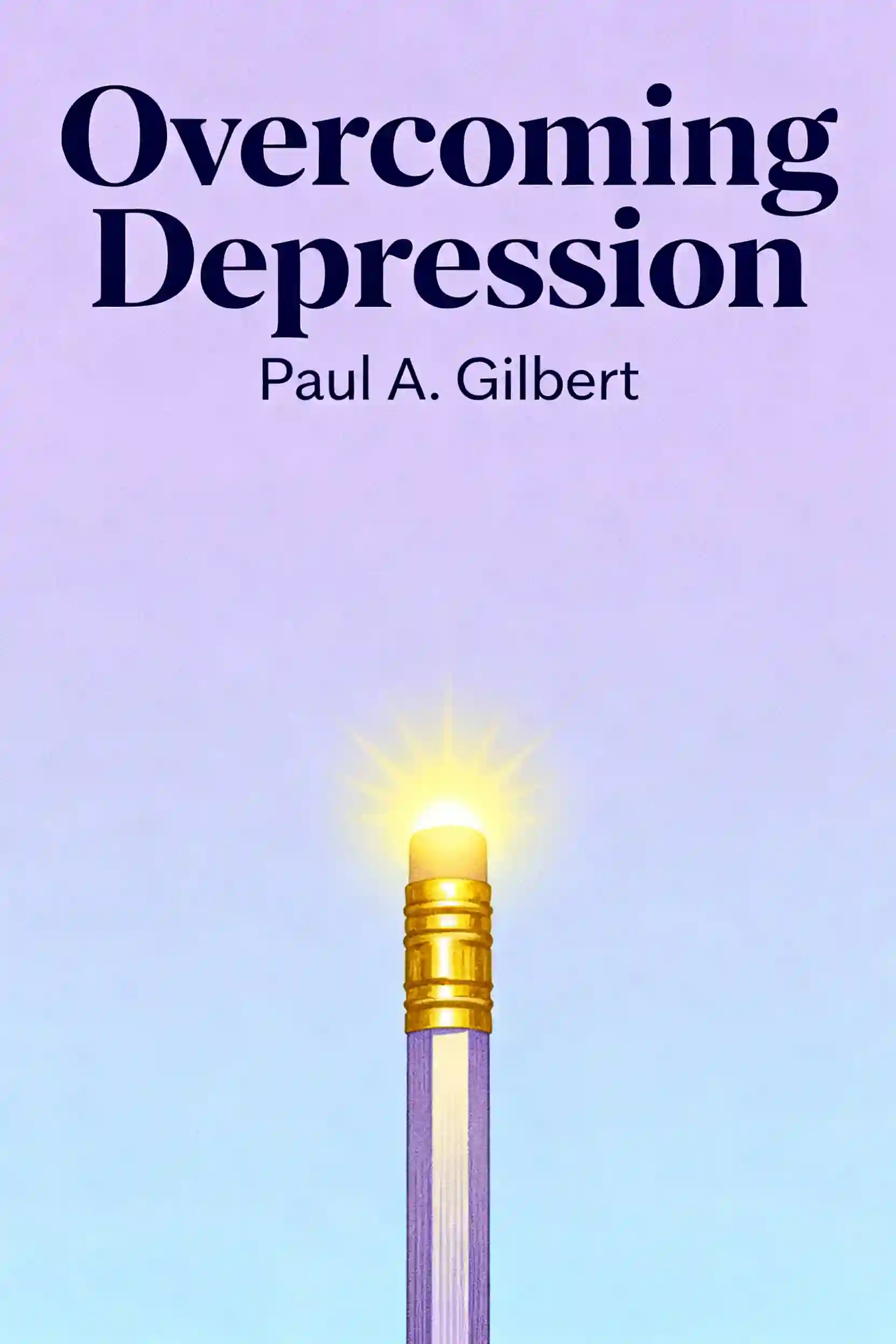
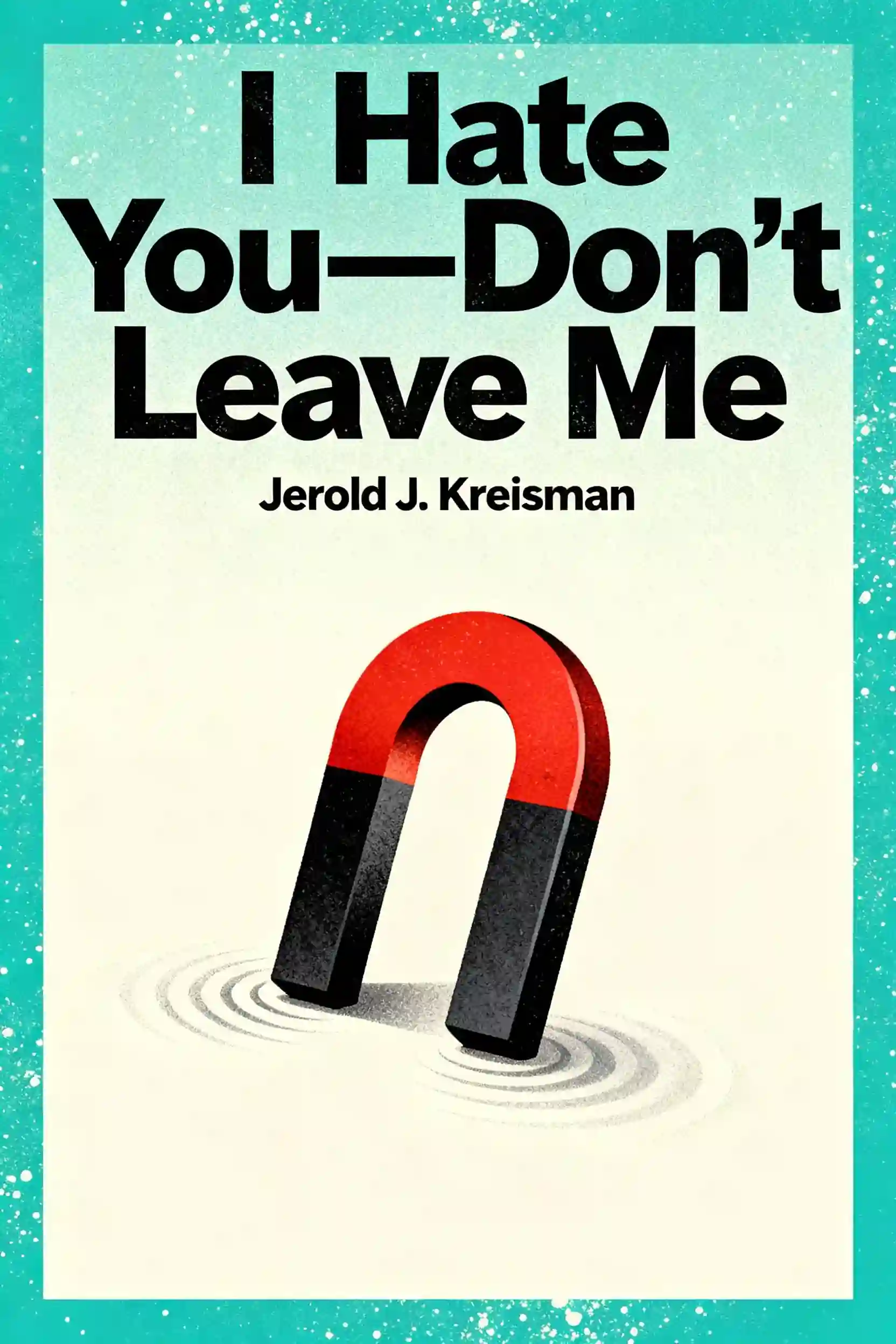
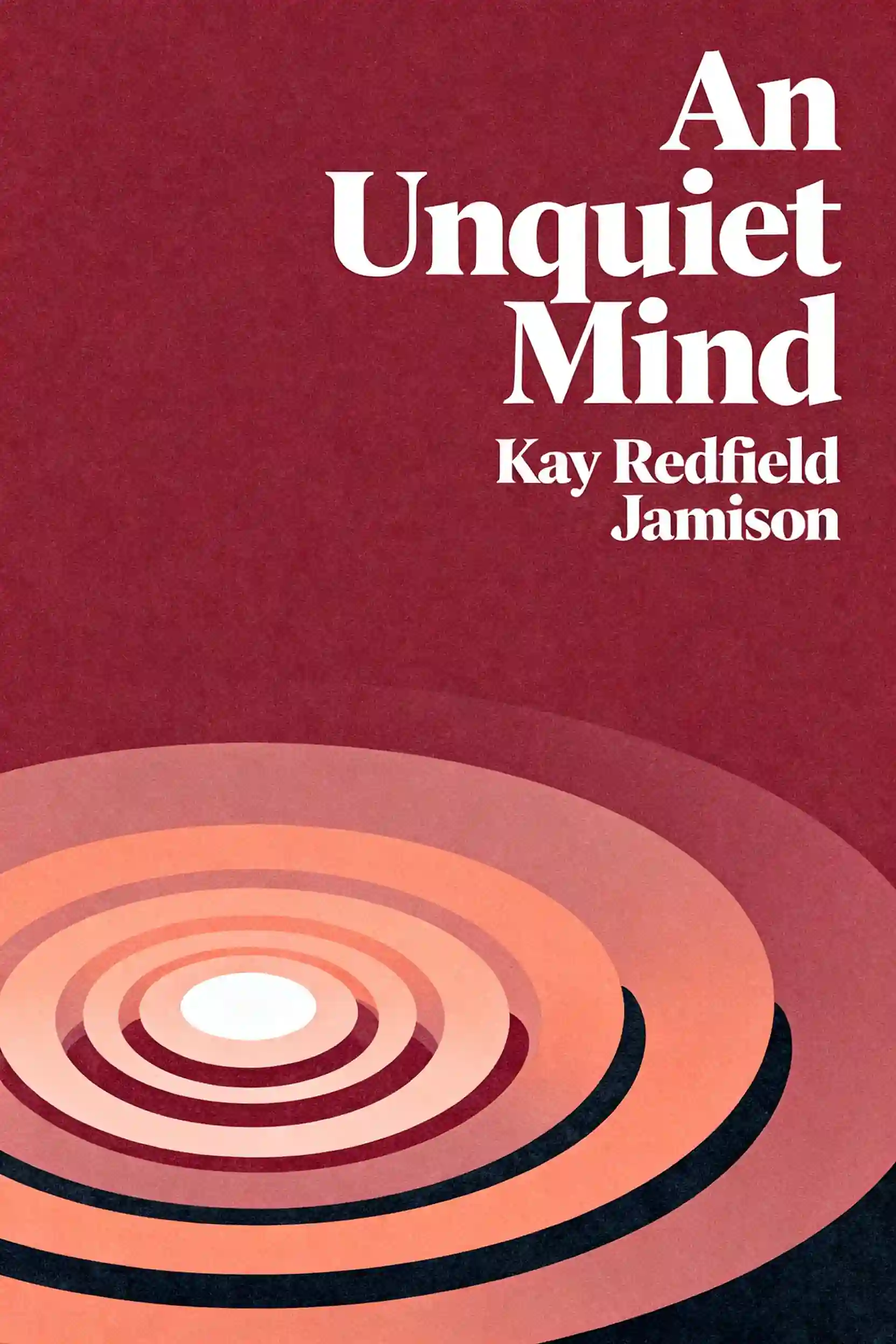
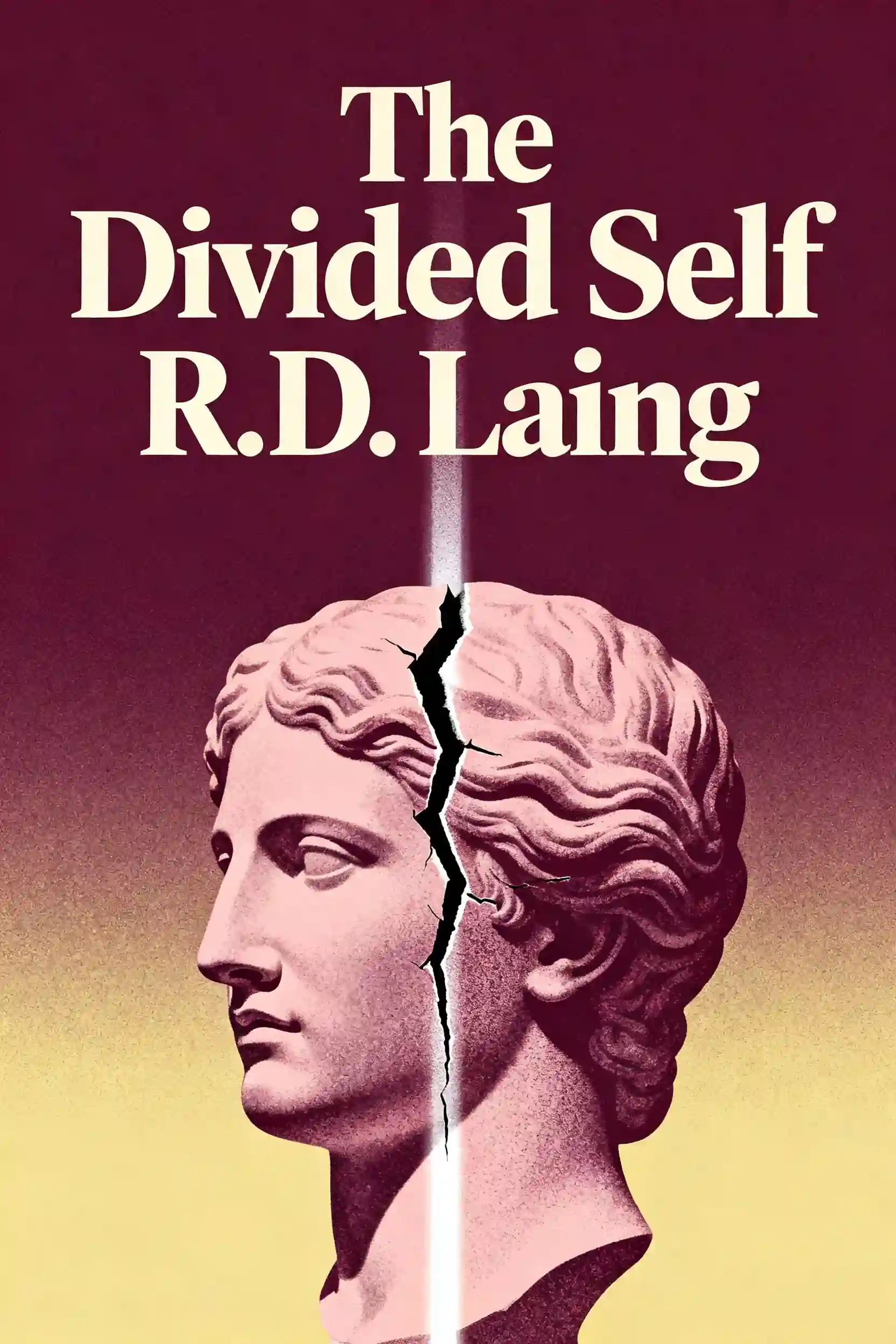

Discover more

Declutter clothes amid scarcity fears
This plan is designed for individuals who feel overwhelmed by their wardrobe but struggle to let go due to anxiety about future needs or financial loss. It combines psychological insights with the proven KonMari method to help learners transition from a scarcity mindset to an intentional, joy-filled lifestyle.
Reduce my cleaning obsession
Cleaning obsessions can significantly impact quality of life, consuming excessive time and causing anxiety when environments aren't 'perfect.' This learning plan helps those struggling with perfectionism and obsessive cleaning to develop healthier relationships with their spaces while reclaiming time and mental energy for other priorities.

Manage Adult ADHD & Clean a Disaster Home
Living with adult ADHD often leads to overwhelming household chaos that feels impossible to fix. This plan is designed for individuals struggling with executive dysfunction who need practical, shame-free strategies to reclaim their homes and build lasting habits.

Reclaim space: Gentle cleaning for momentum
This plan is essential for anyone feeling overwhelmed by their environment and seeking a compassionate, psychological approach to tidying. It benefits individuals who struggle with traditional decluttering by focusing on emotional awareness and sustainable habit-building.

Heal attachment & OCD for better bonds
This learning plan is designed for individuals who struggle with anxiety, OCD, or insecure attachment patterns that interfere with romantic relationships and personal happiness. It combines clinical psychology, attachment theory, and mindfulness practices to address both individual mental health and relationship dynamics. Whether you're experiencing relationship difficulties, managing intrusive thoughts, or seeking to break cycles from past relationships, this integrated approach provides tools for both personal healing and building secure, fulfilling partnerships.

Breaking the Bargain Cycle
This plan is essential for anyone who feels their spending is driven by impulse or emotional stress rather than necessity. It provides a psychological deep dive and practical toolkit for individuals looking to regain financial autonomy and break the cycle of compulsive shopping.

Psychology of Sustainable Habits
In an era of constant distraction, understanding the cognitive mechanics of behavior is essential for lasting change. This plan is ideal for professionals and lifelong learners who want to move beyond willpower and build systems that make success inevitable.

Personality disorders
Personality disorders affect millions globally and profoundly impact relationships, careers, and quality of life, yet they remain widely misunderstood and stigmatized. This learning plan is essential for mental health professionals seeking specialized knowledge, individuals navigating their own diagnosis, family members and partners wanting to provide informed support, and anyone working in healthcare, education, or social services who encounters these complex presentations. Understanding personality disorders through an evidence-based, compassionate lens transforms how we approach treatment, relationships, and recovery.
From Columbia University alumni built in San Francisco
"Instead of endless scrolling, I just hit play on BeFreed. It saves me so much time."


"I never knew where to start with nonfiction—BeFreed’s book lists turned into podcasts gave me a clear path."


"Perfect balance between learning and entertainment. Finished ‘Thinking, Fast and Slow’ on my commute this week."
"Crazy how much I learned while walking the dog. BeFreed = small habits → big gains."
"Reading used to feel like a chore. Now it’s just part of my lifestyle."

"Feels effortless compared to reading. I’ve finished 6 books this month already."
"BeFreed turned my guilty doomscrolling into something that feels productive and inspiring."

"BeFreed turned my commute into learning time. 20-min podcasts are perfect for finishing books I never had time for."
"BeFreed replaced my podcast queue. Imagine Spotify for books — that’s it. 🙌"

"It is great for me to learn something from the book without reading it."
"The themed book list podcasts help me connect ideas across authors—like a guided audio journey."
"Makes me feel smarter every time before going to work"
From Columbia University alumni built in San Francisco
"Instead of endless scrolling, I just hit play on BeFreed. It saves me so much time."
"I never knew where to start with nonfiction—BeFreed’s book lists turned into podcasts gave me a clear path."
"Perfect balance between learning and entertainment. Finished ‘Thinking, Fast and Slow’ on my commute this week."
"Crazy how much I learned while walking the dog. BeFreed = small habits → big gains."
"Reading used to feel like a chore. Now it’s just part of my lifestyle."
"Feels effortless compared to reading. I’ve finished 6 books this month already."
"BeFreed turned my guilty doomscrolling into something that feels productive and inspiring."
"BeFreed turned my commute into learning time. 20-min podcasts are perfect for finishing books I never had time for."
"BeFreed replaced my podcast queue. Imagine Spotify for books — that’s it. 🙌"
"It is great for me to learn something from the book without reading it."
"The themed book list podcasts help me connect ideas across authors—like a guided audio journey."
"Makes me feel smarter every time before going to work"
"Instead of endless scrolling, I just hit play on BeFreed. It saves me so much time."
"I never knew where to start with nonfiction—BeFreed’s book lists turned into podcasts gave me a clear path."
"Perfect balance between learning and entertainment. Finished ‘Thinking, Fast and Slow’ on my commute this week."
"Crazy how much I learned while walking the dog. BeFreed = small habits → big gains."
"Reading used to feel like a chore. Now it’s just part of my lifestyle."
"Feels effortless compared to reading. I’ve finished 6 books this month already."
"BeFreed turned my guilty doomscrolling into something that feels productive and inspiring."
"BeFreed turned my commute into learning time. 20-min podcasts are perfect for finishing books I never had time for."
"BeFreed replaced my podcast queue. Imagine Spotify for books — that’s it. 🙌"
"It is great for me to learn something from the book without reading it."
"The themed book list podcasts help me connect ideas across authors—like a guided audio journey."
"Makes me feel smarter every time before going to work"
"Instead of endless scrolling, I just hit play on BeFreed. It saves me so much time."
"I never knew where to start with nonfiction—BeFreed’s book lists turned into podcasts gave me a clear path."
"Perfect balance between learning and entertainment. Finished ‘Thinking, Fast and Slow’ on my commute this week."
"Crazy how much I learned while walking the dog. BeFreed = small habits → big gains."
"Reading used to feel like a chore. Now it’s just part of my lifestyle."
"Feels effortless compared to reading. I’ve finished 6 books this month already."
"BeFreed turned my guilty doomscrolling into something that feels productive and inspiring."
"BeFreed turned my commute into learning time. 20-min podcasts are perfect for finishing books I never had time for."
"BeFreed replaced my podcast queue. Imagine Spotify for books — that’s it. 🙌"
"It is great for me to learn something from the book without reading it."
"The themed book list podcasts help me connect ideas across authors—like a guided audio journey."
"Makes me feel smarter every time before going to work"