Hoarding Disorder: Beyond Collecting to Pathology
Explores hoarding through multiple academic frameworks, including cognitive-behavioral models, attachment theory, and neurobiology. Examines how hoarding differs from collecting and progresses with age, featuring key theoretical perspectives on emotional regulation and executive function.

Best quote from Hoarding Disorder: Beyond Collecting to Pathology
Hoarding is not just about having a lot of stuff; it is an evolved strategy in response to unpredictable environmental challenges, serving as a psychological buffer against resource scarcity and a way to create security when early life felt unreliable.

This audio lesson was created by a BeFreed community member
I want to know about Hoarding, Hoarding behaviours, collecting, and squalor due to clutter, as considered through an academic, psychiatric and psycho social model. Include and name key theories and theorists

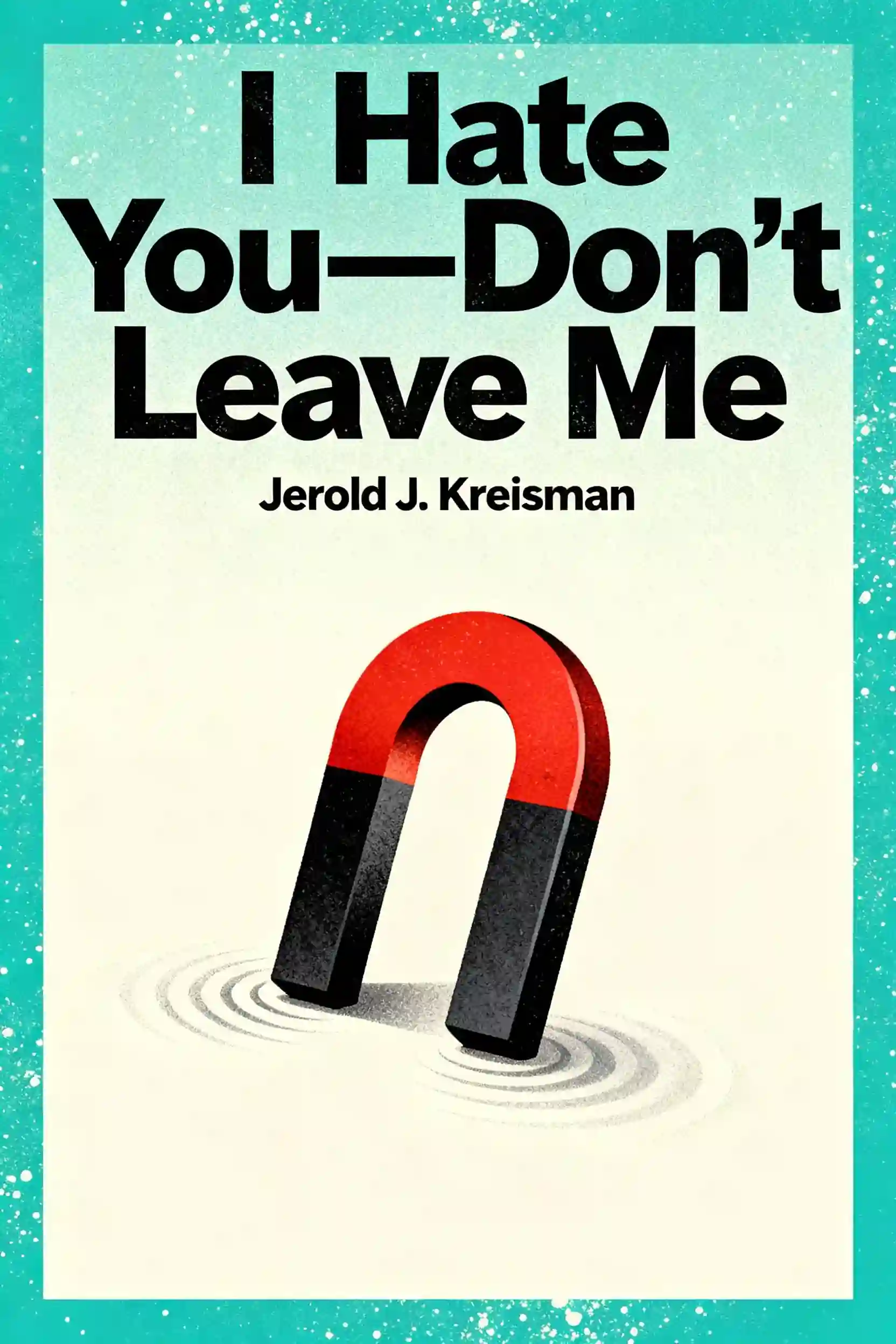
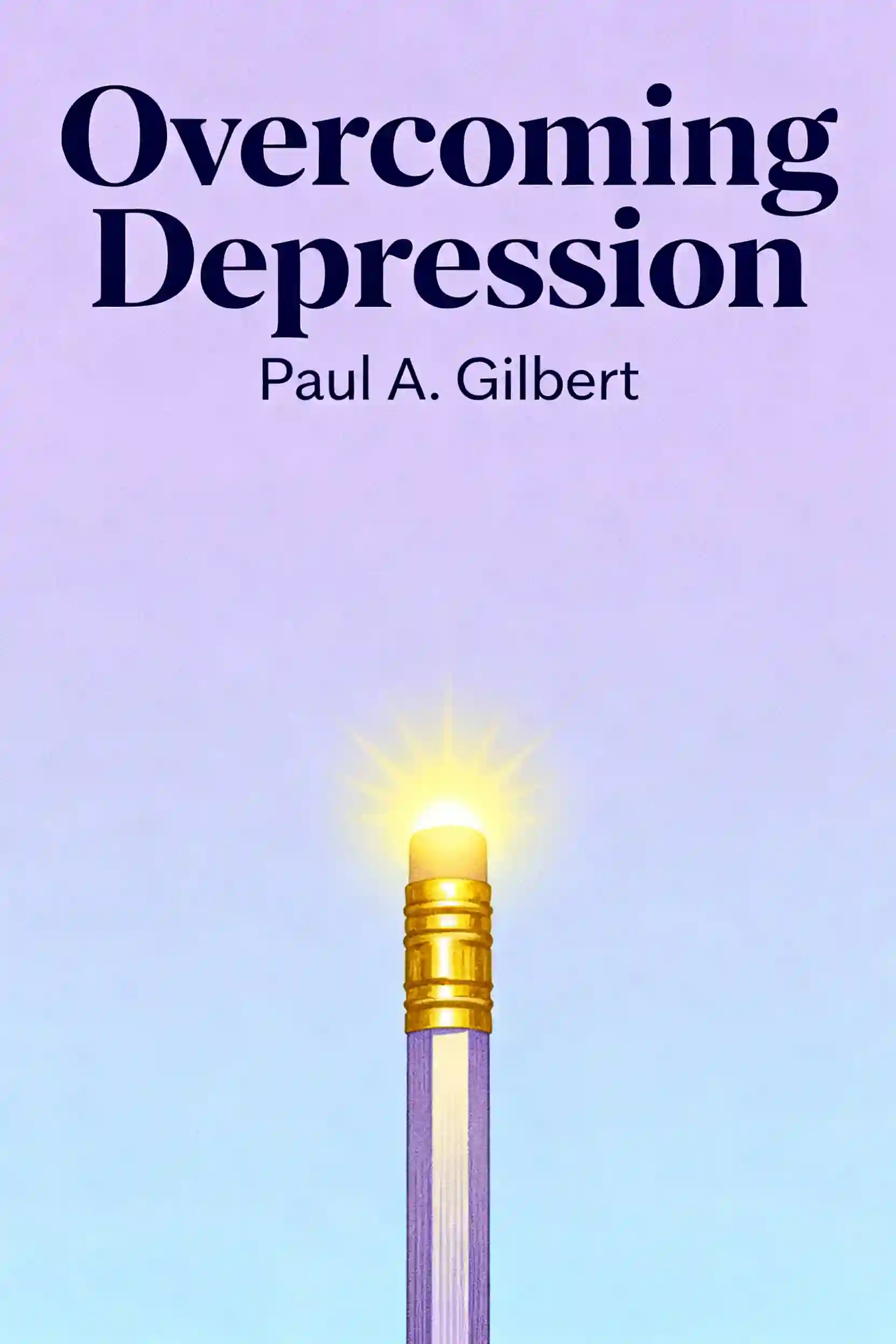
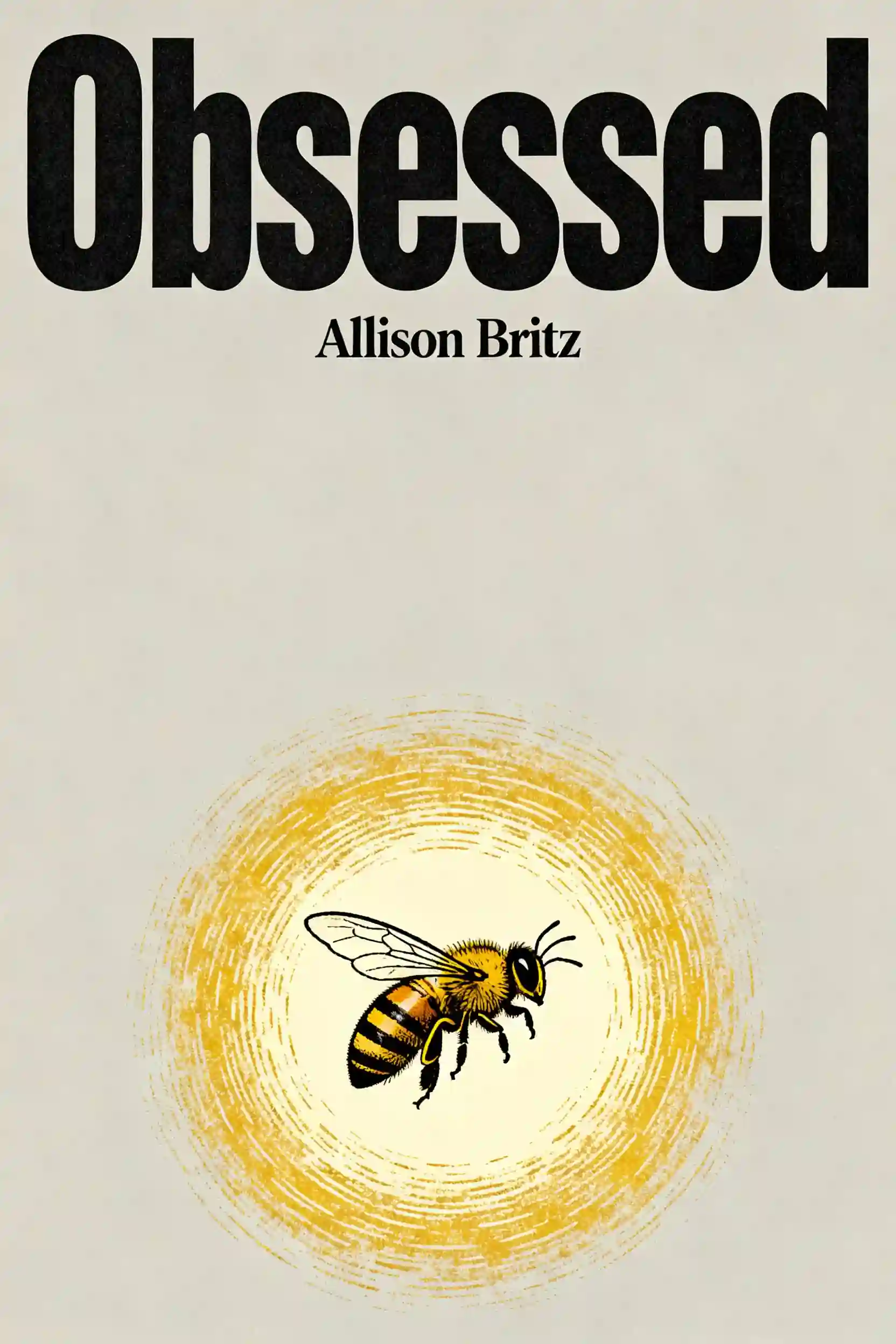

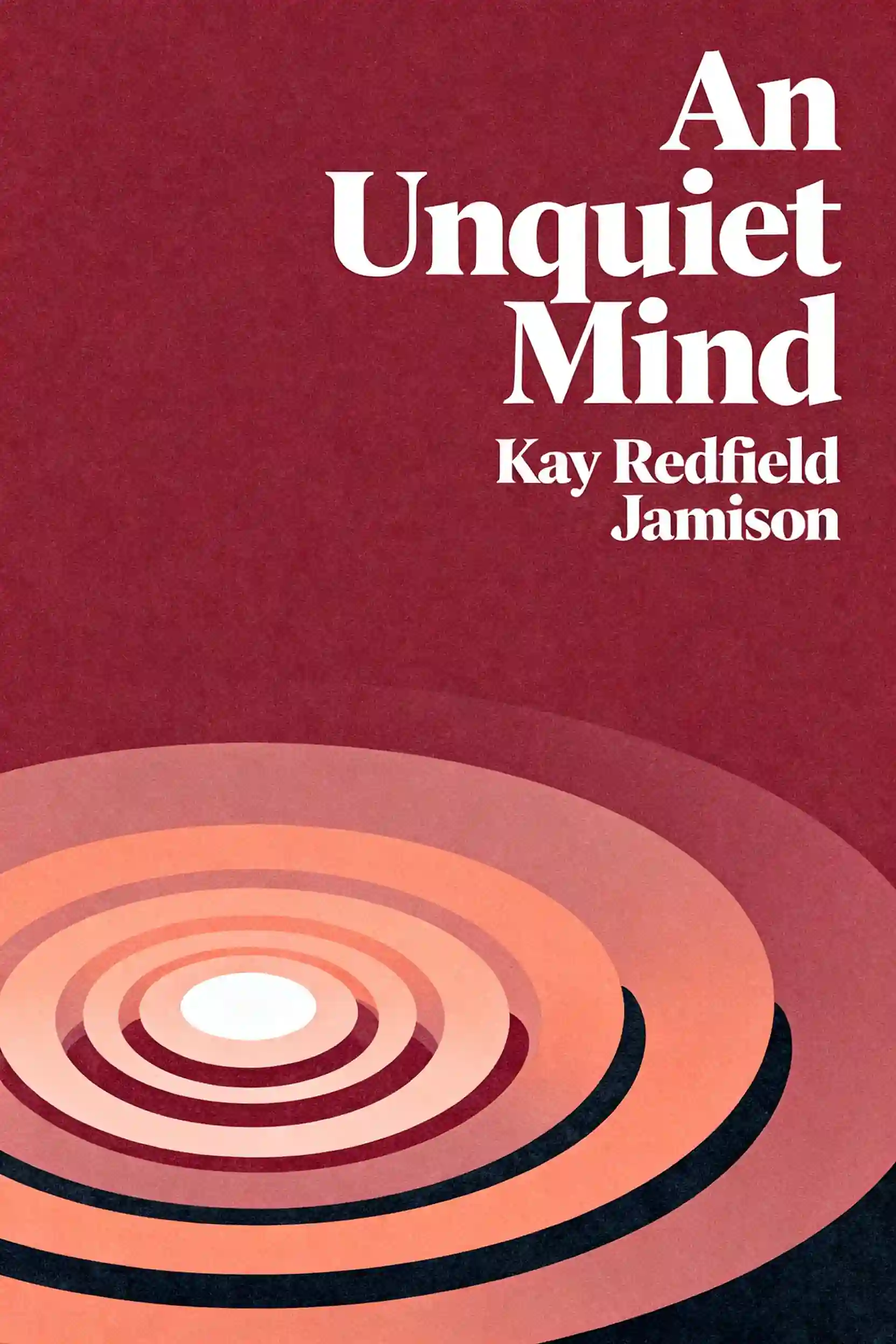
Discover more

Declutter clothes amid scarcity fears
This plan is designed for individuals who feel overwhelmed by their wardrobe but struggle to let go due to anxiety about future needs or financial loss. It combines psychological insights with the proven KonMari method to help learners transition from a scarcity mindset to an intentional, joy-filled lifestyle.
Reduce my cleaning obsession
Cleaning obsessions can significantly impact quality of life, consuming excessive time and causing anxiety when environments aren't 'perfect.' This learning plan helps those struggling with perfectionism and obsessive cleaning to develop healthier relationships with their spaces while reclaiming time and mental energy for other priorities.

Manage Adult ADHD & Clean a Disaster Home
Living with adult ADHD often leads to overwhelming household chaos that feels impossible to fix. This plan is designed for individuals struggling with executive dysfunction who need practical, shame-free strategies to reclaim their homes and build lasting habits.
Discovering adhd
This plan is essential for individuals seeking to move beyond the stigma of ADHD toward a functional, strength-based lifestyle. It is ideal for newly diagnosed adults or those who suspect they are neurodivergent and need actionable tools.

Finding Hope in an Unquiet Mind
This plan is essential for individuals navigating mood disorders and those seeking to understand the science of brain health. It offers a compassionate, evidence-based roadmap for anyone looking to transform clinical knowledge into a sustainable, lived recovery.

Reclaim space: Gentle cleaning for momentum
This plan is essential for anyone feeling overwhelmed by their environment and seeking a compassionate, psychological approach to tidying. It benefits individuals who struggle with traditional decluttering by focusing on emotional awareness and sustainable habit-building.

The Psychology of Premium Spending
This plan is essential for anyone looking to understand why they are drawn to high-end brands and how social status influences financial behavior. It is particularly beneficial for consumers seeking financial mindfulness and professionals in marketing or behavioral economics.
The Sociology of Morbid Curiosity
This learning plan provides a critical lens into the darker corners of digital social behavior and the collapse of traditional narratives. It is essential for sociologists, digital strategists, and cultural critics seeking to understand why modern audiences are drawn to transgression and chaos.
From Columbia University alumni built in San Francisco
"Instead of endless scrolling, I just hit play on BeFreed. It saves me so much time."


"I never knew where to start with nonfiction—BeFreed’s book lists turned into podcasts gave me a clear path."


"Perfect balance between learning and entertainment. Finished ‘Thinking, Fast and Slow’ on my commute this week."
"Crazy how much I learned while walking the dog. BeFreed = small habits → big gains."
"Reading used to feel like a chore. Now it’s just part of my lifestyle."

"Feels effortless compared to reading. I’ve finished 6 books this month already."
"BeFreed turned my guilty doomscrolling into something that feels productive and inspiring."

"BeFreed turned my commute into learning time. 20-min podcasts are perfect for finishing books I never had time for."
"BeFreed replaced my podcast queue. Imagine Spotify for books — that’s it. 🙌"

"It is great for me to learn something from the book without reading it."
"The themed book list podcasts help me connect ideas across authors—like a guided audio journey."
"Makes me feel smarter every time before going to work"
From Columbia University alumni built in San Francisco
"Instead of endless scrolling, I just hit play on BeFreed. It saves me so much time."
"I never knew where to start with nonfiction—BeFreed’s book lists turned into podcasts gave me a clear path."
"Perfect balance between learning and entertainment. Finished ‘Thinking, Fast and Slow’ on my commute this week."
"Crazy how much I learned while walking the dog. BeFreed = small habits → big gains."
"Reading used to feel like a chore. Now it’s just part of my lifestyle."
"Feels effortless compared to reading. I’ve finished 6 books this month already."
"BeFreed turned my guilty doomscrolling into something that feels productive and inspiring."
"BeFreed turned my commute into learning time. 20-min podcasts are perfect for finishing books I never had time for."
"BeFreed replaced my podcast queue. Imagine Spotify for books — that’s it. 🙌"
"It is great for me to learn something from the book without reading it."
"The themed book list podcasts help me connect ideas across authors—like a guided audio journey."
"Makes me feel smarter every time before going to work"
"Instead of endless scrolling, I just hit play on BeFreed. It saves me so much time."
"I never knew where to start with nonfiction—BeFreed’s book lists turned into podcasts gave me a clear path."
"Perfect balance between learning and entertainment. Finished ‘Thinking, Fast and Slow’ on my commute this week."
"Crazy how much I learned while walking the dog. BeFreed = small habits → big gains."
"Reading used to feel like a chore. Now it’s just part of my lifestyle."
"Feels effortless compared to reading. I’ve finished 6 books this month already."
"BeFreed turned my guilty doomscrolling into something that feels productive and inspiring."
"BeFreed turned my commute into learning time. 20-min podcasts are perfect for finishing books I never had time for."
"BeFreed replaced my podcast queue. Imagine Spotify for books — that’s it. 🙌"
"It is great for me to learn something from the book without reading it."
"The themed book list podcasts help me connect ideas across authors—like a guided audio journey."
"Makes me feel smarter every time before going to work"
"Instead of endless scrolling, I just hit play on BeFreed. It saves me so much time."
"I never knew where to start with nonfiction—BeFreed’s book lists turned into podcasts gave me a clear path."
"Perfect balance between learning and entertainment. Finished ‘Thinking, Fast and Slow’ on my commute this week."
"Crazy how much I learned while walking the dog. BeFreed = small habits → big gains."
"Reading used to feel like a chore. Now it’s just part of my lifestyle."
"Feels effortless compared to reading. I’ve finished 6 books this month already."
"BeFreed turned my guilty doomscrolling into something that feels productive and inspiring."
"BeFreed turned my commute into learning time. 20-min podcasts are perfect for finishing books I never had time for."
"BeFreed replaced my podcast queue. Imagine Spotify for books — that’s it. 🙌"
"It is great for me to learn something from the book without reading it."
"The themed book list podcasts help me connect ideas across authors—like a guided audio journey."
"Makes me feel smarter every time before going to work"