Hit Refresh: The Quest to Rediscover Microsoft's Soul and Imagine a Better Future for Everyone

Overview of Hit Refresh
Microsoft's transformation story from Satya Nadella, who revolutionized a tech giant through empathy and continuous learning. Bill Gates calls it a roadmap for technology's future, while Nadella's candid reflection on his Grace Hopper misstep sparked vital conversations about leadership in tech.
- Satya Nadella’s "Hit Refresh" advocates empathy as the cornerstone of modern leadership and innovation.
- Microsoft’s turnaround hinged on shifting from fixed mindset to "learn-it-all" culture under Nadella.
- "Create clarity, generate energy, deliver success" defines Nadella’s three-part leadership framework for digital transformation.
- Nadella ties executive compensation to diversity metrics to institutionalize inclusive growth at Microsoft.
- "Hit Refresh" positions AI ethics and quantum computing as next frontiers for societal impact.
- Nadella’s "Legion of Superheroes" approach replaces lone-wolf leadership with collaborative superpower alignment.
- Personal resilience—from cricket losses to son’s disability—shaped Nadella’s crisis leadership philosophy.
- Cloud-first strategy saved Microsoft by abandoning Windows-centric legacy for Azure’s elastic infrastructure.
- Nadella warns against "know-it-all" stagnation: Continuous learning beats short-term technical expertise long-term.
- "Hit Refresh mindset" balances heritage preservation with disruptive innovation in trillion-dollar markets.
- Microsoft’s cultural reboot required killing stack-ranking and embracing growth-oriented peer collaboration.
- Nadella redefines corporate soul through purpose-driven tech—accessibility tools to AI for good initiatives.
About the Author of Hit Refresh
Satya Narayana Nadella, CEO of Microsoft and author of Hit Refresh: The Quest to Rediscover Microsoft’s Soul and Imagine a Better Future for Everyone, is a transformative leader in the tech industry. Born in Hyderabad, India, in 1967, Nadella’s background in electrical engineering (Manipal Institute of Technology) and computer science (University of Wisconsin-Milwaukee), paired with an MBA from the University of Chicago, underpins his expertise in merging innovation with business strategy.
His memoir blends leadership philosophy, corporate reinvention, and technological foresight, reflecting his pivotal role in Microsoft’s shift to cloud computing and cultural revitalization during his tenure as CEO since 2014.
Nadella’s career at Microsoft spans three decades, during which he spearheaded advancements in enterprise software, AI, and strategic acquisitions like LinkedIn. A board member at Starbucks and former chairman of The Business Council, his insights on empathy-driven leadership and digital transformation have been featured in global forums and media outlets.
Hit Refresh captures his vision for inclusive growth in the AI era, resonating with professionals in tech, management, and innovation. The book has been translated into over 20 languages and is frequently cited in discussions on modern corporate governance. Under Nadella’s leadership, Microsoft’s market value surpassed $3 trillion, cementing its position as a global tech leader.
FAQs About Hit Refresh
What is Hit Refresh by Satya Nadella about?
Hit Refresh chronicles Microsoft CEO Satya Nadella’s efforts to revitalize the company by rediscovering its core mission, fostering a collaborative culture, and embracing empathy as a leadership principle. It blends personal anecdotes (from his upbringing in India to parenting a child with disabilities) with insights on AI, quantum computing, and the ethical responsibilities of tech giants.
Who should read Hit Refresh?
Business leaders, tech professionals, and aspiring entrepreneurs will gain actionable strategies for organizational transformation. It’s also valuable for readers interested in Microsoft’s evolution, ethical technology development, or Nadella’s immigrant success story.
Is Hit Refresh worth reading?
Yes—the book offers a rare insider perspective on Microsoft’s cultural shift from internal competition to collaboration. Bill Gates praises it for balancing technological optimism with hard questions about AI’s societal impact. Its blend of memoir and corporate strategy makes it accessible and insightful.
What leadership principles does Satya Nadella emphasize in Hit Refresh?
Nadella prioritizes empathy, continuous learning, and growth mindset. He credits empathy—shaped by his son’s cerebral palsy diagnosis—for driving Microsoft’s shift toward inclusive design and partnerships with rivals like Apple.
How does Hit Refresh address future technologies?
Nadella explores AI’s potential to augment human capabilities, mixed reality’s role in industries like healthcare, and quantum computing’s problem-solving power. He argues these technologies should prioritize accessibility and ethical governance.
What personal stories does Satya Nadella share in the book?
Nadella discusses his cricket-inspired teamwork philosophy, his transition from Hyderabad to Silicon Valley, and how caring for his son Zain influenced his focus on empathetic innovation.
What is Microsoft’s "three horizons" growth strategy in Hit Refresh?
- Horizon 1: Incremental upgrades to existing products (e.g., Windows).
- Horizon 2: Near-term innovations like AI-powered chatbots.
- Horizon 3: Long-term bets on quantum computing and mixed reality.
Does Hit Refresh critique Microsoft’s past?
Yes—Nadella acknowledges Microsoft’s former "know-it-all" culture and antitrust issues. He details efforts to rebuild trust through open-source collaborations and cloud-first strategies.
How does Hit Refresh compare to other leadership memoirs?
Unlike purely theoretical leadership guides, Nadella ties his philosophy to specific Microsoft initiatives (e.g., Azure’s growth) and global challenges like climate change. It’s more solution-oriented than introspective memoirs.
What are key quotes from Hit Refresh?
- “Empathy grounds and centers me”: Nadella’s mantra for inclusive leadership.
- “The ‘C’ in CEO stands for culture”: Highlights his focus on reshaping Microsoft’s workplace ethos.
Why is Hit Refresh relevant in 2025?
With AI ethics and workplace collaboration still critical issues, Nadella’s call for “tech intensity” (combining innovation with responsibility) remains timely. Updates since publication, like Microsoft’s AI for Good initiative, align with the book’s vision.
Feel the book through the author's voice
Turn knowledge into engaging, example-rich insights
Capture key ideas in a flash for fast learning
Enjoy the book in a fun and engaging way
Characters in Hit Refresh
- Satya NadellaAuthor and CEO of Microsoft
- Zain NadellaSatya's son whose health shaped his leadership
- Anu NadellaSatya's wife and partner in his personal journey
Key Themes in Hit Refresh
- empathetic leadership
- corporate cultural transformation
- inclusive design
- cloud transition strategy
- immigrant success story
Quotes from Hit Refresh
"I saw the cloud as the ultimate democratizer," Nadella explains.
"Cricket taught me more about working in teams and leadership than any management book ever could," he reflects.
"Nothing prepared me for the journey we would find ourselves on," he reflects.
Explore Your Way of Learning
 Quick Summary Mode
Read or listen to Hit Refresh Summary in 9 Minutes
Break down key ideas from Hit Refresh into bite-sized takeaways to understand how innovative teams create, collaborate, and grow.

 Fun Mode
Hit Refresh Lessons Told Through 23-Min Stories
Experience Hit Refresh through vivid storytelling that turns innovation lessons into moments you'll remember and apply.
 Personalize Mode
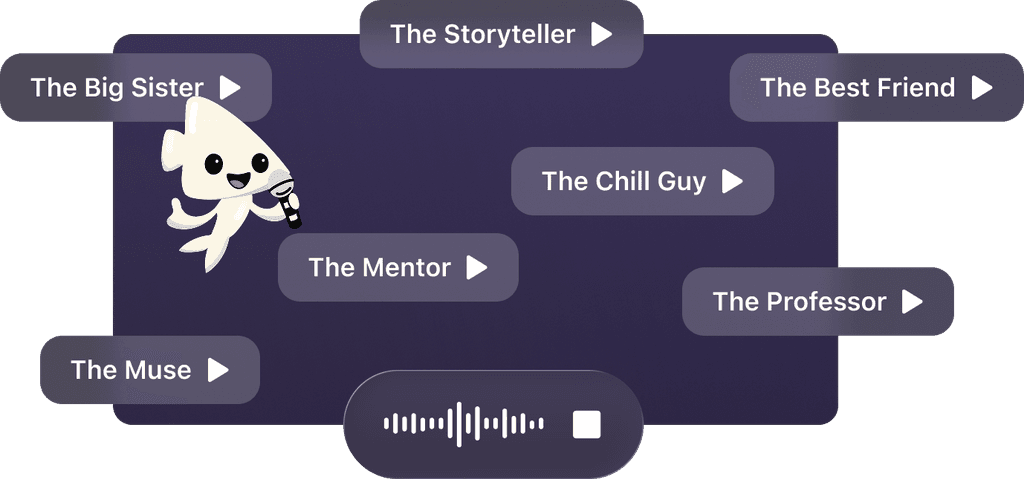
Experience Hit Refresh in your own learning style
Ask anything, choose your learning style, and co-create insights that truly resonate with you.
From Columbia University alumni built in San Francisco
"Instead of endless scrolling, I just hit play on BeFreed. It saves me so much time."


"I never knew where to start with nonfiction—BeFreed’s book lists turned into podcasts gave me a clear path."


"Perfect balance between learning and entertainment. Finished ‘Thinking, Fast and Slow’ on my commute this week."
"Crazy how much I learned while walking the dog. BeFreed = small habits → big gains."
"Reading used to feel like a chore. Now it’s just part of my lifestyle."

"Feels effortless compared to reading. I’ve finished 6 books this month already."
"BeFreed turned my guilty doomscrolling into something that feels productive and inspiring."

"BeFreed turned my commute into learning time. 20-min podcasts are perfect for finishing books I never had time for."
"BeFreed replaced my podcast queue. Imagine Spotify for books — that’s it. 🙌"

"It is great for me to learn something from the book without reading it."
"The themed book list podcasts help me connect ideas across authors—like a guided audio journey."
"Makes me feel smarter every time before going to work"
From Columbia University alumni built in San Francisco
"Instead of endless scrolling, I just hit play on BeFreed. It saves me so much time."
"I never knew where to start with nonfiction—BeFreed’s book lists turned into podcasts gave me a clear path."
"Perfect balance between learning and entertainment. Finished ‘Thinking, Fast and Slow’ on my commute this week."
"Crazy how much I learned while walking the dog. BeFreed = small habits → big gains."
"Reading used to feel like a chore. Now it’s just part of my lifestyle."
"Feels effortless compared to reading. I’ve finished 6 books this month already."
"BeFreed turned my guilty doomscrolling into something that feels productive and inspiring."
"BeFreed turned my commute into learning time. 20-min podcasts are perfect for finishing books I never had time for."
"BeFreed replaced my podcast queue. Imagine Spotify for books — that’s it. 🙌"
"It is great for me to learn something from the book without reading it."
"The themed book list podcasts help me connect ideas across authors—like a guided audio journey."
"Makes me feel smarter every time before going to work"
"Instead of endless scrolling, I just hit play on BeFreed. It saves me so much time."
"I never knew where to start with nonfiction—BeFreed’s book lists turned into podcasts gave me a clear path."
"Perfect balance between learning and entertainment. Finished ‘Thinking, Fast and Slow’ on my commute this week."
"Crazy how much I learned while walking the dog. BeFreed = small habits → big gains."
"Reading used to feel like a chore. Now it’s just part of my lifestyle."
"Feels effortless compared to reading. I’ve finished 6 books this month already."
"BeFreed turned my guilty doomscrolling into something that feels productive and inspiring."
"BeFreed turned my commute into learning time. 20-min podcasts are perfect for finishing books I never had time for."
"BeFreed replaced my podcast queue. Imagine Spotify for books — that’s it. 🙌"
"It is great for me to learn something from the book without reading it."
"The themed book list podcasts help me connect ideas across authors—like a guided audio journey."
"Makes me feel smarter every time before going to work"
"Instead of endless scrolling, I just hit play on BeFreed. It saves me so much time."
"I never knew where to start with nonfiction—BeFreed’s book lists turned into podcasts gave me a clear path."
"Perfect balance between learning and entertainment. Finished ‘Thinking, Fast and Slow’ on my commute this week."
"Crazy how much I learned while walking the dog. BeFreed = small habits → big gains."
"Reading used to feel like a chore. Now it’s just part of my lifestyle."
"Feels effortless compared to reading. I’ve finished 6 books this month already."
"BeFreed turned my guilty doomscrolling into something that feels productive and inspiring."
"BeFreed turned my commute into learning time. 20-min podcasts are perfect for finishing books I never had time for."
"BeFreed replaced my podcast queue. Imagine Spotify for books — that’s it. 🙌"
"It is great for me to learn something from the book without reading it."
"The themed book list podcasts help me connect ideas across authors—like a guided audio journey."
"Makes me feel smarter every time before going to work"

Download Summary of Hit Refresh
Get the Hit Refresh summary as a free PDF or EPUB. Print it or read offline anytime.