Anxiously Attached: Becoming More Secure in Life and Love by Jessica Baum Summary

Overview of Anxiously Attached
"Anxiously Attached" reveals how 47 million Americans struggle with anxious attachment. Jessica Baum's revolutionary Self-full Method offers science-backed strategies for creating secure relationships. What if the key to love isn't finding the right person, but becoming the right person for yourself first?
- Jessica Baum’s Self-full® Method builds secure relationships through self-compassion
- Overcome relationship anxiety by setting boundaries to protect self-worth
- Identify childhood triggers to stop projecting past fears onto partners
- Replace codependency with self-fullness to maintain identity in relationships
- Avoid anxious-avoidant traps by choosing emotionally available partners
- Develop inner nurturers to soothe attachment-related insecurity and fear
- Communicate needs clearly to break cycles of seeking reassurance
- Heal anxious attachment by addressing inconsistent caregiving patterns
- Prioritize self-worth over enmeshment to prevent losing yourself in love
- Transform relationship turbulence into security with mutual support frameworks
About the Author of Anxiously Attached
Jessica Baum, LMHC, is a licensed therapist and the author of Anxiously Attached, a transformative guide rooted in her expertise in relationship dynamics, trauma recovery, and codependency. A certified substance abuse specialist and founder of the Relationship Institute of Palm Beach, Baum developed the evidence-based Self-Full™ method to help individuals build secure attachments and reclaim emotional autonomy. Her work bridges clinical practice with accessible coaching through her platform Be Self-full®, offering global courses on healing anxious attachment patterns.
With a master’s degree in mental health counseling and certifications in Imago therapy, EMDR, and dialectical behavior therapy, Baum integrates decades of trauma-informed care into her writing. Anxiously Attached reflects her mission to empower readers through actionable strategies for overcoming relational anxiety, drawing from both professional experience and personal resilience. Born in New York City and based in Florida, she has been featured in mental health podcasts and platforms, amplifying her reach as a trusted voice in attachment theory.
The book has garnered widespread acclaim for its compassionate, science-backed approach, resonating with readers navigating modern relationship challenges.
FAQs About Anxiously Attached
What is Anxiously Attached by Jessica Baum about?
Anxiously Attached provides a roadmap for individuals with anxious attachment styles to build secure relationships through Jessica Baum’s Self-full® Method. Combining attachment theory with practical strategies, the book addresses insecurity, codependency, and boundary-setting while emphasizing self-compassion and emotional healing. Key themes include understanding anxious-avoidant dynamics, reclaiming self-sovereignty, and fostering interdependence.
Who should read Anxiously Attached?
This book is ideal for those struggling with relationship anxiety, codependency, or jealousy, particularly individuals identifying with anxious attachment. It also offers insights for partners of avoidant individuals and therapists seeking tools to guide clients. Baum’s holistic approach resonates with anyone aiming to break toxic relationship cycles.
Is Anxiously Attached worth reading?
Yes, for its actionable Self-full® Method and relatable exploration of attachment patterns. Readers praise its blend of neuroscience and emotional wisdom, though some note its writing style is less engaging than similar books. It’s particularly valuable for those seeking structured steps to heal relational trauma.
What is the Self-full® Method in Anxiously Attached?
Baum’s Self-full® Method focuses on building inner security through boundary-setting, self-advocacy, and healing childhood wounds (“Little Me”). It teaches readers to prioritize self-care without guilt, communicate needs clearly, and break codependent habits. The method integrates interpersonal neurobiology and trauma-informed practices.
How does Anxiously Attached address the anxious-avoidant dynamic?
The book dissects how anxious and avoidant partners trigger each other’s insecurities, creating cycles of pursuit and withdrawal. Baum offers strategies to recognize these patterns, cultivate emotional self-reliance, and establish mutual respect. Examples include reframing communication during conflict and practicing detachment from outcomes.
What are key strategies in Anxiously Attached for building secure relationships?
- Boundary-setting: Protecting emotional energy while staying connected.
- Self-soothing: Techniques to calm the nervous system during triggers.
- Inner child work: Healing past wounds impacting current relationships.
- Interdependence: Balancing autonomy and intimacy without codependency.
How does Jessica Baum’s approach differ from other attachment theory books?
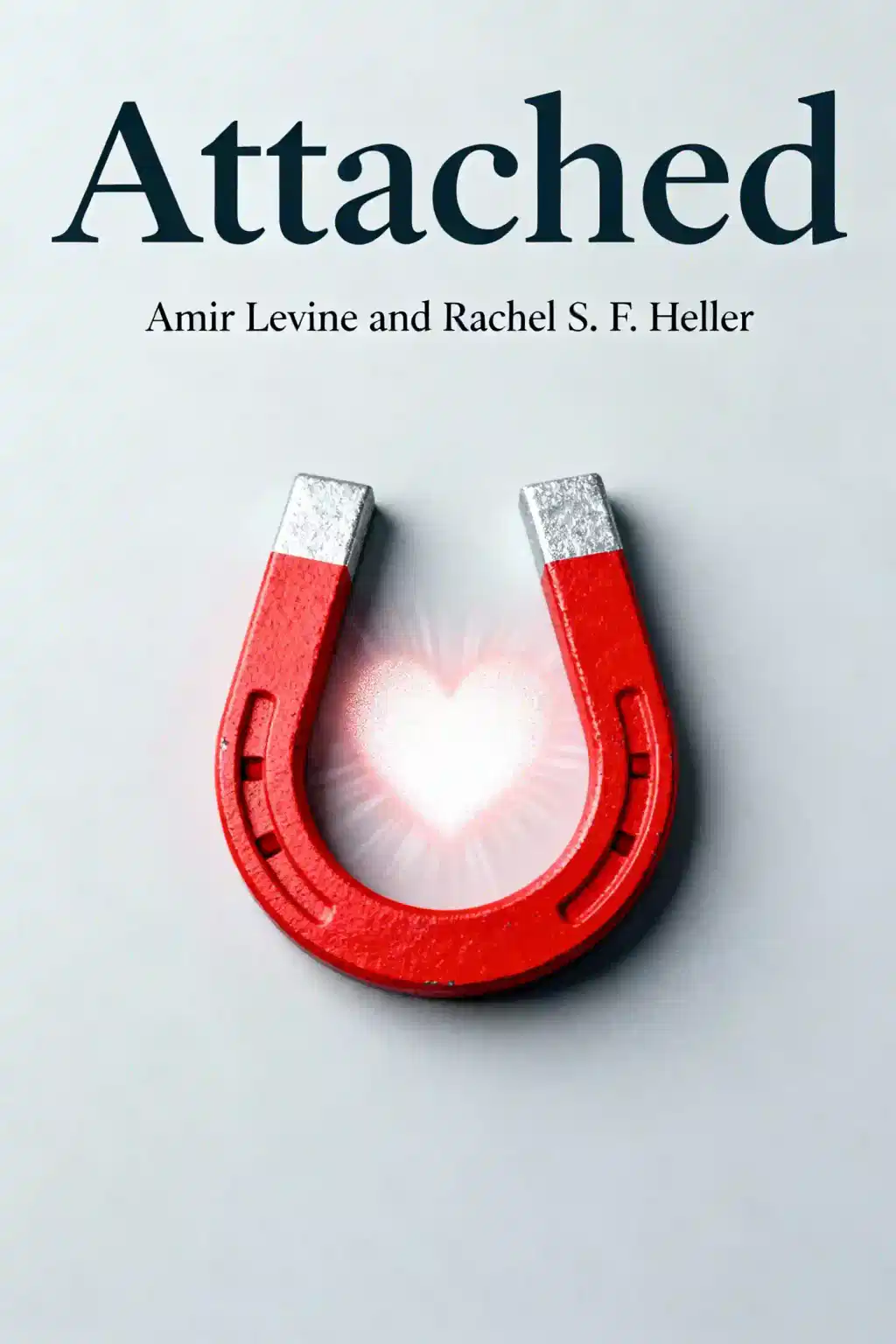
Unlike Attached (Levine/Heller), which categorizes attachment styles, Baum emphasizes self-healing through the Self-full® Method. Her approach integrates trauma resolution, spirituality, and practical exercises like journaling prompts. It’s particularly tailored to anxious attachers seeking to break dependency on external validation.
What role does inner child healing play in Anxiously Attached?
Baum identifies the “Little Me” as the wounded inner child driving anxious behaviors. Through guided reflection, readers learn to reparent this aspect by addressing unmet childhood needs, reducing shame, and fostering self-trust. Exercises include writing letters to younger selves and identifying triggers rooted in past trauma.
Are there practical exercises in Anxiously Attached?
Yes, the book includes worksheets for boundary-setting, communication scripts, and mindfulness practices. Examples:
- Self-fullness checklists: Daily habits to prioritize self-care.
- Triggers journal: Tracking emotional reactions and their origins.
- Meditation guides: Grounding techniques for anxiety.
How does Anxiously Attached compare to Attached by Amir Levine?
While Attached explains attachment styles scientifically, Baum’s book provides a therapeutic roadmap for anxious individuals. Anxiously Attached delves deeper into healing trauma and building self-worth, whereas Levine’s work focuses on style identification and partner compatibility.
What criticisms exist about Anxiously Attached?
Some readers find Baum’s energy flow concepts underdeveloped and note repetitive sections. Critics argue it oversimplifies avoidant partners’ behaviors. However, most praise its compassionate tone and actionable steps, ranking it 4.16/5 on Bookey.
Can Anxiously Attached help people with avoidant attachment styles?
While written for anxious attachers, Baum’s boundary frameworks and self-fullness principles benefit avoidant individuals seeking to embrace vulnerability. The book’s group exercises (e.g., communication drills) are adaptable for all insecure attachment styles.
Feel the book through the author's voice
Turn knowledge into engaging, example-rich insights
Capture key ideas in a flash for fast learning
Enjoy the book in a fun and engaging way
Key Themes in Anxiously Attached
Quotes from Anxiously Attached
What your adult self sees as relationship mistakes, your Little Me recognizes as familiar territory-this is what love has always felt like.
These core wounds become so ingrained they seem like your identity.
For anxiously attached people, even slightly avoidant behaviors can trigger activation.
Lauren eventually accepted that her love alone wasn't enough to heal their dynamic.
Characters in Anxiously Attached
Quick Summary Mode - Read or listen to Anxiously Attached Summary in 8 Minutes

Break down key ideas from Anxiously Attached into bite-sized takeaways to understand how innovative teams create, collaborate, and grow.

Flash Card Mode - Top 6 Insights from Anxiously Attached in a Nutshell

Distill Anxiously Attached into rapid-fire memory cues that highlight key principles of candor, teamwork, and creative resilience.

Fun Mode - Anxiously Attached Lessons Told Through 22-Min Stories

Experience Anxiously Attached through vivid storytelling that turns innovation lessons into moments you'll remember and apply.
Personalize Mode - Read or listen to Anxiously Attached Summary in 0 Minutes

Ask anything, pick the voice, and co-create insights that truly resonate with you.

From Columbia University alumni built in San Francisco
"Instead of endless scrolling, I just hit play on BeFreed. It saves me so much time."


"I never knew where to start with nonfiction—BeFreed’s book lists turned into podcasts gave me a clear path."


"Perfect balance between learning and entertainment. Finished ‘Thinking, Fast and Slow’ on my commute this week."
"Crazy how much I learned while walking the dog. BeFreed = small habits → big gains."
"Reading used to feel like a chore. Now it’s just part of my lifestyle."

"Feels effortless compared to reading. I’ve finished 6 books this month already."
"BeFreed turned my guilty doomscrolling into something that feels productive and inspiring."

"BeFreed turned my commute into learning time. 20-min podcasts are perfect for finishing books I never had time for."
"BeFreed replaced my podcast queue. Imagine Spotify for books — that’s it. 🙌"

"It is great for me to learn something from the book without reading it."
"The themed book list podcasts help me connect ideas across authors—like a guided audio journey."
"Makes me feel smarter every time before going to work"
From Columbia University alumni built in San Francisco
"Instead of endless scrolling, I just hit play on BeFreed. It saves me so much time."
"I never knew where to start with nonfiction—BeFreed’s book lists turned into podcasts gave me a clear path."
"Perfect balance between learning and entertainment. Finished ‘Thinking, Fast and Slow’ on my commute this week."
"Crazy how much I learned while walking the dog. BeFreed = small habits → big gains."
"Reading used to feel like a chore. Now it’s just part of my lifestyle."
"Feels effortless compared to reading. I’ve finished 6 books this month already."
"BeFreed turned my guilty doomscrolling into something that feels productive and inspiring."
"BeFreed turned my commute into learning time. 20-min podcasts are perfect for finishing books I never had time for."
"BeFreed replaced my podcast queue. Imagine Spotify for books — that’s it. 🙌"
"It is great for me to learn something from the book without reading it."
"The themed book list podcasts help me connect ideas across authors—like a guided audio journey."
"Makes me feel smarter every time before going to work"
"Instead of endless scrolling, I just hit play on BeFreed. It saves me so much time."
"I never knew where to start with nonfiction—BeFreed’s book lists turned into podcasts gave me a clear path."
"Perfect balance between learning and entertainment. Finished ‘Thinking, Fast and Slow’ on my commute this week."
"Crazy how much I learned while walking the dog. BeFreed = small habits → big gains."
"Reading used to feel like a chore. Now it’s just part of my lifestyle."
"Feels effortless compared to reading. I’ve finished 6 books this month already."
"BeFreed turned my guilty doomscrolling into something that feels productive and inspiring."
"BeFreed turned my commute into learning time. 20-min podcasts are perfect for finishing books I never had time for."
"BeFreed replaced my podcast queue. Imagine Spotify for books — that’s it. 🙌"
"It is great for me to learn something from the book without reading it."
"The themed book list podcasts help me connect ideas across authors—like a guided audio journey."
"Makes me feel smarter every time before going to work"
"Instead of endless scrolling, I just hit play on BeFreed. It saves me so much time."
"I never knew where to start with nonfiction—BeFreed’s book lists turned into podcasts gave me a clear path."
"Perfect balance between learning and entertainment. Finished ‘Thinking, Fast and Slow’ on my commute this week."
"Crazy how much I learned while walking the dog. BeFreed = small habits → big gains."
"Reading used to feel like a chore. Now it’s just part of my lifestyle."
"Feels effortless compared to reading. I’ve finished 6 books this month already."
"BeFreed turned my guilty doomscrolling into something that feels productive and inspiring."
"BeFreed turned my commute into learning time. 20-min podcasts are perfect for finishing books I never had time for."
"BeFreed replaced my podcast queue. Imagine Spotify for books — that’s it. 🙌"
"It is great for me to learn something from the book without reading it."
"The themed book list podcasts help me connect ideas across authors—like a guided audio journey."
"Makes me feel smarter every time before going to work"

Get the Anxiously Attached summary as a free PDF or EPUB. Print it or read offline anytime.