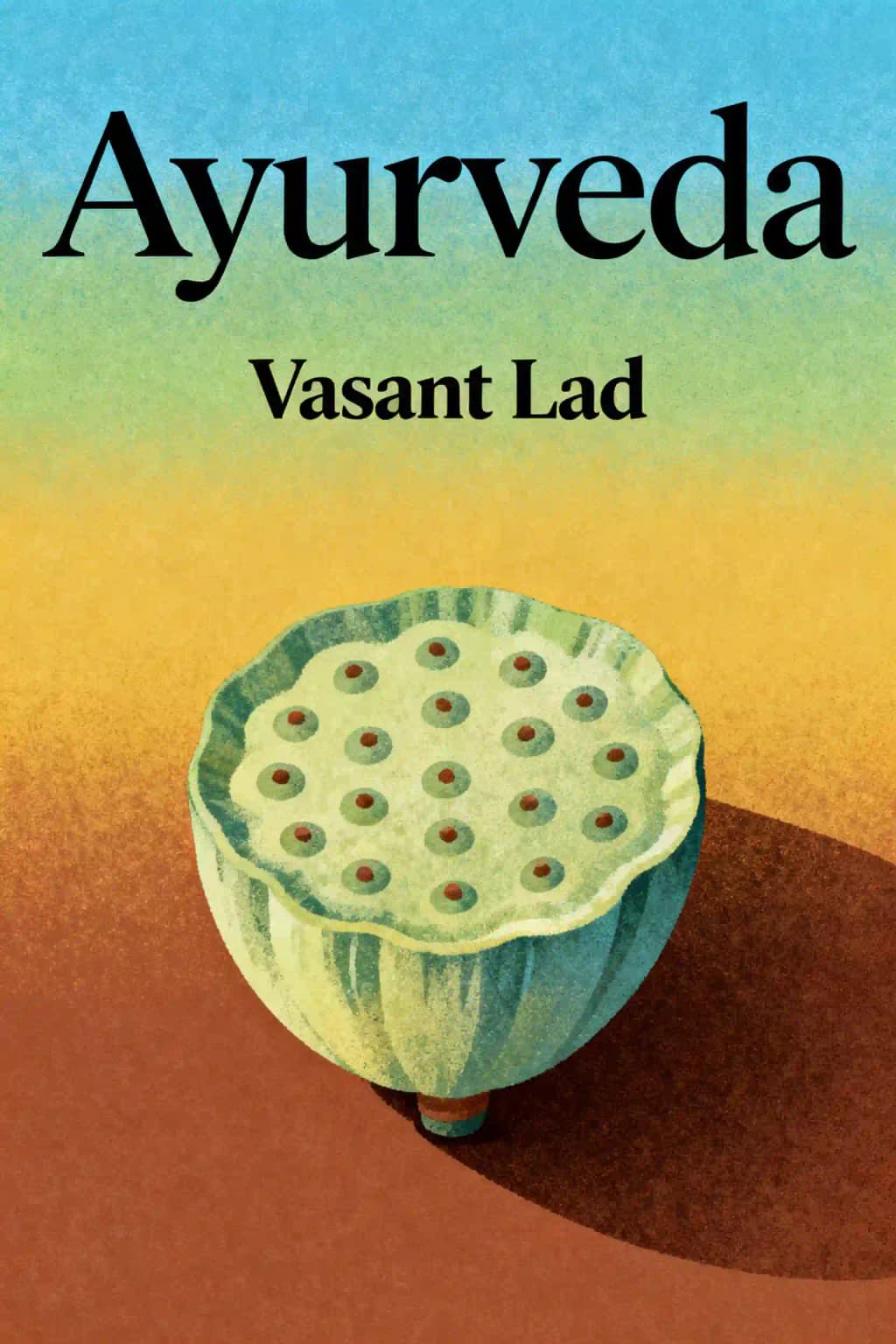
Ayurveda
Overview of Ayurveda
Discover ancient healing wisdom in "Ayurveda: The Science of Self Healing," the foundational text that sparked a wellness revolution. With 700,000+ copies sold across 20 languages, Dr. Lad's accessible guide reveals why celebrities and health experts are embracing 5,000-year-old secrets to modern well-being.

Key Themes in Ayurveda
- dosha constitution
- five element theory
- holistic healing systems
- mind-body balance
- vedic medical wisdom
Quotes from Ayurveda
Isn't this a more profound approach than treating the body as merely a complex machine?
True health exists when digestive fire (agni) is balanced.
That's why Ayurveda recommends against repressing emotions-they literally create physical toxicity.
Characters in Ayurveda
- Vasant LadAuthor and practitioner of Ayurvedic medicine
- ShivaDeity representing male cosmic energy
- ShaktiDeity representing female cosmic energy
About the Author
About the Author of Ayurveda
Dr. Vasant Lad, author of Ayurveda by Vasant Lad, is a renowned Ayurvedic physician, professor, and global authority on India’s ancient holistic healing system. With a Bachelor of Ayurvedic Medicine & Surgery (B.A.M. & S.) and Master of Ayurvedic Science (M.A.Sc.), he founded the Ayurvedic Institute in New Mexico in 1984, bridging traditional wisdom with modern medical insights. His work emphasizes Ayurveda’s core themes of self-healing, preventive care, and mind-body-spirit balance, reflecting decades of clinical practice and academic leadership at Pune University’s College of Ayurvedic Medicine.
Lad’s influential works include The Complete Book of Ayurvedic Home Remedies, Ayurvedic Cooking for Self-Healing, and the foundational Textbook of Ayurveda series, all translated into over 20 languages. A pioneer in popularizing Ayurveda globally, he has trained thousands of practitioners through programs at his Albuquerque institute and Pune-based Gurukula retreats. Recognized by figures like Deepak Chopra, Lad’s teachings blend herbal therapies, dietary guidance, and breathwork (pranayama), documented in his DVD Pranayama for Self-Healing.
Ayurveda by Vasant Lad distills 50+ years of expertise, offering timeless practices validated by both ancient texts and contemporary science. His books have become essential resources in integrative medicine worldwide.
Download Summary of Ayurveda
Get the Ayurveda summary as a free PDF or EPUB. Print it or read offline anytime.
FAQs About This Book
Ayurveda by Vasant Lad provides a comprehensive introduction to Ayurvedic principles, emphasizing personalized health through the lens of the three doshas (Vata, Pitta, Kapha). It blends ancient wisdom with practical guidance on diet, herbal remedies, yoga, and meditation to restore balance and prevent disease. The book also explores the mind-body connection and offers home remedies for common ailments like colds, headaches, and stress.
This book is ideal for anyone seeking natural health solutions, holistic practitioners, or individuals interested in understanding Ayurvedic principles. It’s particularly valuable for those wanting to tailor lifestyle choices to their dosha type or explore integrative approaches to wellness. Healthcare professionals looking to incorporate Ayurvedic methods into their practice will also benefit.
Yes, the book is a trusted resource for its clarity, actionable advice, and Dr. Lad’s decades of clinical expertise. It simplifies complex concepts like dosha balancing and offers evidence-backed remedies using herbs, spices, and daily routines. Readers praise its practicality for addressing both physical and emotional well-being.
The three doshas—Vata (air/space), Pitta (fire/water), and Kapha (earth/water)—govern physiological and psychological functions. Dr. Lad details how each dosha influences traits like energy levels, digestion, and emotional tendencies. Balancing these through diet, lifestyle, and herbs is central to preventing disease and maintaining health.
The book includes remedies like ginger tea for digestion, turmeric milk for inflammation, and ashwagandha for stress relief. Dr. Lad tailors solutions to dosha-specific needs, such as cooling foods for Pitta types or warm oils for Vata imbalances. These use accessible ingredients like herbs, spices, and essential oils.
Dr. Lad emphasizes that mental states like anxiety or anger disrupt doshic balance, leading to physical ailments. Practices like meditation, pranayama (breathwork), and cultivating Ojas (vitality) through positive emotions are prescribed to harmonize mind and body. The book also links stress management to digestive health.
Key routines include:
- oil massage to calm Vata
- tongue scraping to detoxify
- nasal cleansing (Neti) for respiratory health
Dr. Lad also recommends waking before sunrise, eating meals at consistent times, and mindfulness practices to align with natural rhythms.
The book pairs yoga postures with dosha balancing—e.g., grounding poses for Vata, cooling stretches for Pitta. Breathwork (like Nadi Shodhana) and meditation are highlighted for reducing stress and enhancing Ojas. Yoga is framed as a tool to support Ayurvedic healing.
Ojas, the subtle essence of vitality, is cultivated through nutrient-rich foods, positive emotions, and meditation. Dr. Lad explains how low Ojas manifests as fatigue or immunity issues and offers practices like milk with dates or ashwagandha to restore it.
While Textbook of Ayurveda: Volume 1 focuses on foundational theory, this book emphasizes practical home remedies and daily routines. The Complete Book of Ayurvedic Home Remedies (a related title) expands on treatments for specific conditions, making both complementary for holistic learning.
“Observe every moment in an unbroken flow of attention… accepting ‘what is’ reveals the seeds of suffering before they sprout.” This reflects the book’s emphasis on mindful awareness to prevent disease and live in harmony with natural laws.
The book bridges ancient traditions with modern needs, offering non-invasive solutions for chronic stress, inflammation, and lifestyle diseases. Its personalized approach aligns with growing interest in integrative medicine, preventive care, and holistic well-being.