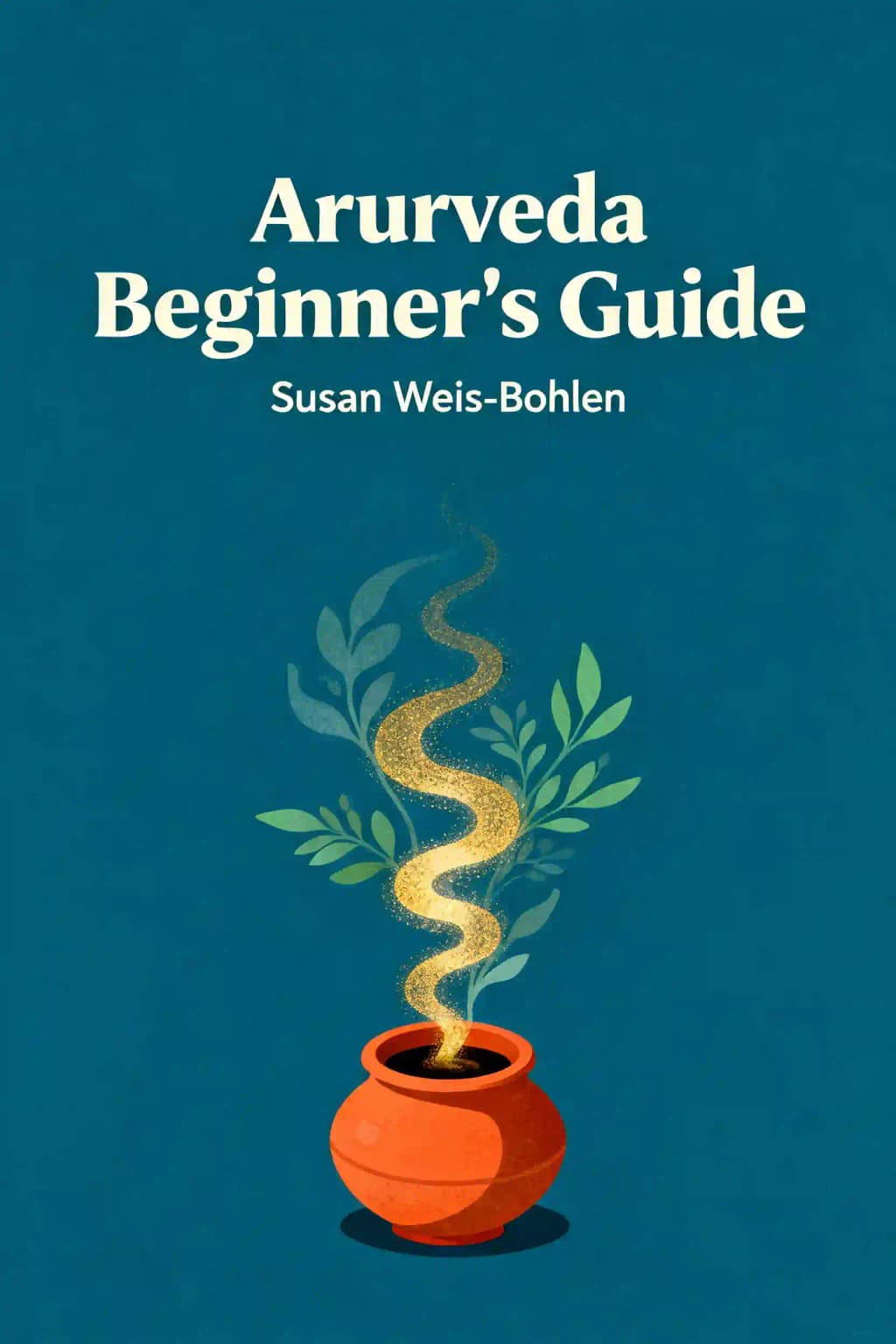
Ayurveda beginner's guide
essential Ayurvedic principles & practices to balance & heal naturally
Overview of Ayurveda beginner's guide
Discover ancient wisdom for modern wellness in "Ayurveda Beginner's Guide." Endorsed by renowned physician Vasant Lad, this accessible roadmap transforms 5,000-year-old healing traditions into practical solutions for today's ailments. Could the secret to balancing your unique constitution be hiding in plain sight?
Key Themes in Ayurveda beginner's guide
- dosha balancing
- circadian rhythm alignment
- ayurvedic nutrition
- herbal remedies
- daily ritual design
Quotes from Ayurveda beginner's guide
Food [is] not just as fuel, but as medicine.
The goal is progress, not perfection.
Understanding your unique constitution is the first step towards achieving balance.
Ayurveda is not a quick fix or a one-size-fits-all solution.
Aligning our daily routines with nature's rhythms is crucial for maintaining balance.
Characters in Ayurveda beginner's guide
- Susan Weis-BohlenAuthor and Ayurvedic practitioner
Download Summary of Ayurveda beginner's guide
Get the Ayurveda beginner's guide summary as a free PDF or EPUB. Print it or read offline anytime.
FAQs About This Book
Ayurveda Beginner's Guide by Susan Weis-Bohlen provides a practical introduction to Ayurveda, an ancient Indian wellness system. It explains core principles like doshas (body-mind types), the five elements, and holistic practices such as yoga, meditation, and seasonal cleanses. The book includes a 3-week plan to gradually integrate Ayurvedic habits, recipes, and a dosha quiz for personalized guidance.
This book is ideal for newcomers seeking to explore Ayurveda’s foundational concepts or anyone interested in natural healing, stress reduction, or improving digestion. It’s tailored for those preferring step-by-step, non-overwhelming methods to adopt Ayurvedic rituals into modern lifestyles.
Yes, with over 40,000 copies sold and translations in four languages, the book is praised for its accessible approach. Endorsed by Ayurvedic experts like Dr. Vasant Lad, it simplifies complex concepts into actionable steps, making it a trusted resource for beginners.
The book includes a simple self-assessment quiz to identify your dominant dosha (Vata, Pitta, or Kapha). It explains each dosha’s traits, balancing tips, and lifestyle adjustments, helping readers personalize their wellness journey.
The plan introduces Ayurvedic practices incrementally over 21 days, covering diet, movement, meditation, and mindfulness. Each week focuses on themes like detoxification, routine-building, and seasonal alignment, ensuring sustainable adoption.
Susan Weis-Bohlen explains foundational concepts like the five elements (earth, water, fire, air, ether), the three doshas, and the importance of digestive health (agni). She also explores dinacharya (daily routines) and ritucharya (seasonal practices) for holistic well-being.
Unlike dense academic texts, this guide prioritizes simplicity and practicality. It avoids overwhelming jargon, offering structured plans and modern adaptations—making it ideal for beginners versus advanced resources like Dr. Vasant Lad’s works.
Techniques include breathwork (pranayama), oil massage (abhyanga), and mindfulness meditation. The book also recommends dosha-specific herbs and dietary tweaks to address stress holistically.
Yes, it features easy-to-follow, dosha-balancing recipes using common ingredients. Examples include kitchari (detoxifying rice-lentil dish), herbal teas, and spice blends tailored to support each body type.
While praised for accessibility, some may find its simplicity lacking depth for advanced practitioners. However, its purpose as an introductory resource is widely acknowledged.
A certified Ayurvedic consultant trained at the Chopra Center and under Dr. Vasant Lad, Weis-Bohlen blends 10+ years of clinical experience with practical teaching. Her former role as a bookstore owner also informs her user-centric approach.
As holistic health trends grow, the book’s emphasis on personalized, natural wellness aligns with modern demands for stress management and preventive care. Its timeless practices adapt effortlessly to contemporary lifestyles.




