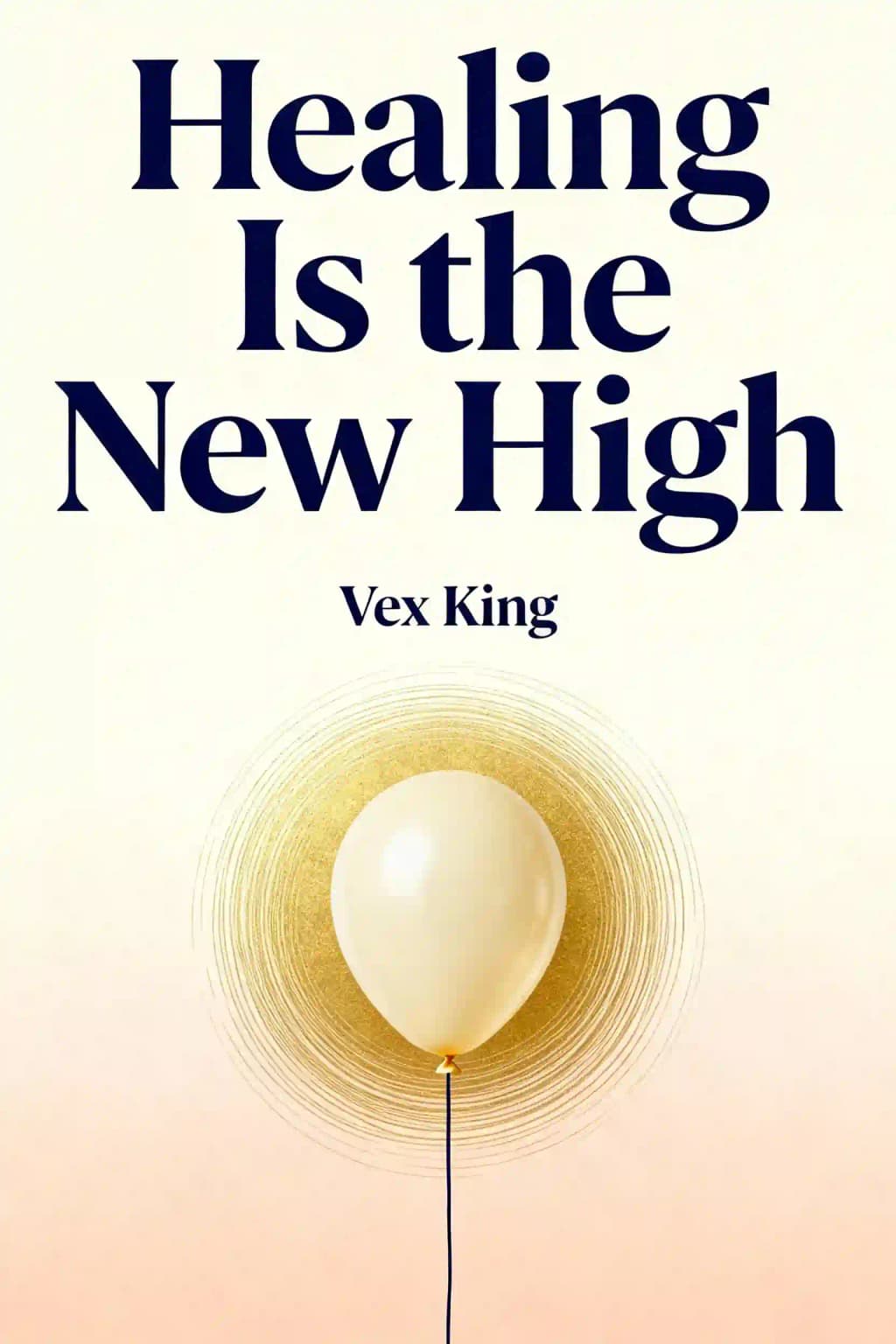
In "Healing Is the New High," bestselling author Vex King guides you through emotional turmoil toward freedom. With over 4,299 Goodreads ratings following his 2-million-copy bestseller, King's practical wisdom asks: What if healing isn't just recovery - but your most powerful state of being?
Feel the book through the author's voice
Turn knowledge into engaging, example-rich insights
Capture key ideas in a flash for fast learning
Enjoy the book in a fun and engaging way
Break down key ideas from Healing Is the New High into bite-sized takeaways to understand how innovative teams create, collaborate, and grow.
Distill Healing Is the New High into rapid-fire memory cues that highlight Pixar’s principles of candor, teamwork, and creative resilience.

Experience Healing Is the New High through vivid storytelling that turns Pixar’s innovation lessons into moments you’ll remember and apply.
Ask anything, pick the voice, and co-create insights that truly resonate with you.

From Columbia University alumni built in San Francisco

Get the Healing Is the New High summary as a free PDF or EPUB. Print it or read offline anytime.
Imagine waking up one day and realizing the emotional weight you've carried for years isn't actually yours to bear. This liberation is the essence of "Healing is the New High" - a profound exploration of how inner healing transforms not just our emotional landscape but our entire existence. The path to healing begins when we acknowledge our wounds and become willing to expose these darker parts to invite light back in. While we often resist healing because confronting pain seems more frightening than living with it, freedom awaits on the other side of this discomfort. We develop sophisticated coping mechanisms - workaholism, perfectionism, emotional numbness - that help us function but prevent true healing. Yet the moment we decide to face our pain honestly marks the beginning of transformation. We all carry invisible wounds that silently dictate our choices and reactions. Some manifest as perfectionism or people-pleasing, others as fear of abandonment or inability to maintain healthy boundaries. These patterns often stem from betrayals that leave deep emotional scars - like being repeatedly deceived by someone we trusted, leaving us questioning our perception of reality. The aftermath of such betrayal can be devastating, cycling us through denial, hatred, disappointment, and self-blame. We question every memory, wondering if any part of the relationship was real. Most damaging is what might be called "anti-love" - avoiding genuine commitment and engaging in superficial connections that reinforce our trust issues. We build emotional barriers, keeping our guard up and preemptively ending relationships when we feel ourselves becoming vulnerable. Yet healing begins the moment we end toxic situations. Every painful emotion - though excruciating to experience - becomes vital to our growth. The sleepless nights, the anger, the tears - all are necessary steps in processing trauma and reclaiming our authentic selves.