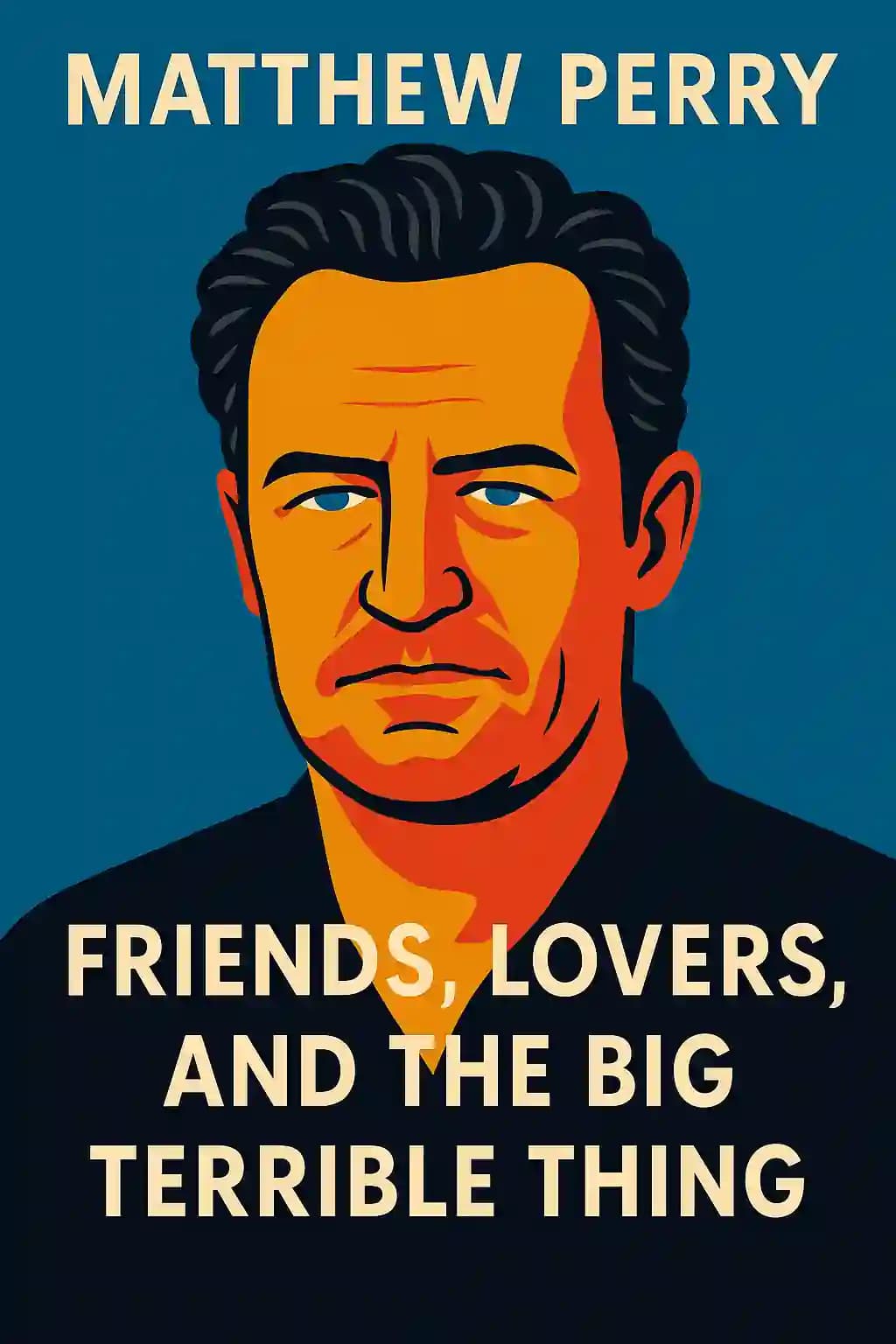
Friends, Lovers, and the Big Terrible Thing
Overview of Friends, Lovers, and the Big Terrible Thing
Behind Chandler's jokes lies Matthew Perry's harrowing battle with addiction. His raw memoir shocked Hollywood, revealing near-death experiences while filming Friends. "I should be dead," he admits, sparking vital conversations about fame's dark side and recovery's fragile hope.

Key Themes in Friends, Lovers, and the Big Terrible Thing
- celebrity addiction recovery
- childhood abandonment trauma
- hollywood fame pressures
- anhedonia and mental health
- people pleasing behavior
Quotes from Friends, Lovers, and the Big Terrible Thing
I'm an award-winning alcoholic.
I didn't stand a fucking chance against inherited addiction.
You don't need to cry-I didn't cry.
God, you can do whatever you want to me. Just please make me famous.
Characters in Friends, Lovers, and the Big Terrible Thing
- Matthew PerryThe author and protagonist, an actor and addict
- John Bennett PerryMatthew's father, an actor and singer
- Suzanne LangfordMatthew's mother and press secretary
- Chris MurrayA childhood friend present for Matthew's first drink
- Brian MurrayA childhood friend present for Matthew's first drink
About the Author
About the Author of Friends, Lovers, and the Big Terrible Thing
Matthew Langford Perry (1969–2023) was the bestselling author of Friends, Lovers, and the Big Terrible Thing and a renowned actor best known for his Emmy-nominated role as Chandler Bing on Friends. He crafted a raw memoir exploring addiction, recovery, and fame.
Blending dark humor with vulnerability, Perry drew from his decades-long battle with substance abuse and his Hollywood career, offering firsthand insights into resilience and self-reinvention.
Beyond his iconic sitcom legacy, Perry showcased dramatic range in Aaron Sorkin’s The West Wing (earning two Emmy nominations) and wrote the autobiographical play The End of Longing. His memoir, lauded for its unflinching honesty, debuted as a New York Times bestseller and sold over 1 million copies within months. The audiobook edition, narrated by Perry himself, amplifies the emotional depth of his journey.
Download Summary of Friends, Lovers, and the Big Terrible Thing
Get the Friends, Lovers, and the Big Terrible Thing summary as a free PDF or EPUB. Print it or read offline anytime.
FAQs About This Book
Friends, Lovers, and the Big Terrible Thing is Matthew Perry’s memoir chronicling his decades-long battle with addiction, career highs as Chandler Bing on Friends, and personal struggles with fame. The book blends raw honesty about his substance abuse, near-death experiences, and recovery journey with behind-the-scenes stories from his acting career.
This memoir appeals to Friends fans seeking insider stories, individuals interested in addiction/recovery narratives, and readers who value candid celebrity memoirs. Perry’s dark humor and vulnerability resonate with those navigating life’s challenges or seeking inspiration from resilience.
Yes, for its unflinching portrayal of addiction and witty storytelling, though some criticize its disjointed structure. Perry’s reflections on fame, mortality, and redemption offer unique insights, making it a compelling read despite occasional pacing issues.
Key themes include:
- Addiction and recovery: Perry’s 60+ rehab stints and health crises.
- Fame’s duality: The isolation behind his Friends success.
- Human connection: Relationships as both anchors and triggers.
Perry critiques Hollywood’s handling of addiction and initially questioned why actors like Keanu Reeves survived while peers like River Phoenix died young—a passage later removed due to backlash.
Unlike typical Hollywood memoirs, Perry focuses less on gossip and more on addiction’s psychological toll. Its rawness parallels Demi Moore’s Inside Out but with darker humor.
Notable lines include:
- “Hi, my name is Matthew, although you may know me by another name. My friends call me Matty. And I should be dead.”
- “I’d give up all my money to never have taken a pill or a drink.”
Yes, Perry shares anecdotes about cast bonding and how Chandler’s sarcasm masked his own insecurities. He credits co-stars for support during his lowest points.
He reflects on Chandler’s quirks as an extension of his own struggles, revealing how his addiction influenced the character’s evolution over 10 seasons.
Critics note uneven pacing and repetitive addiction anecdotes. Some readers find Perry’s self-deprecation excessively grim compared to his comedic persona.
Its themes of mental health and resilience remain timely, offering a cautionary yet hopeful narrative for those grappling with societal pressures or substance use disorders.
He emphasizes sobriety as a daily choice, advocates for professional help, and stresses the importance of helping others—a philosophy he calls “service work”.
Perry’s narration adds emotional depth, with listeners noting his voice cracks and pauses during vulnerable passages, creating an intimate connection.





