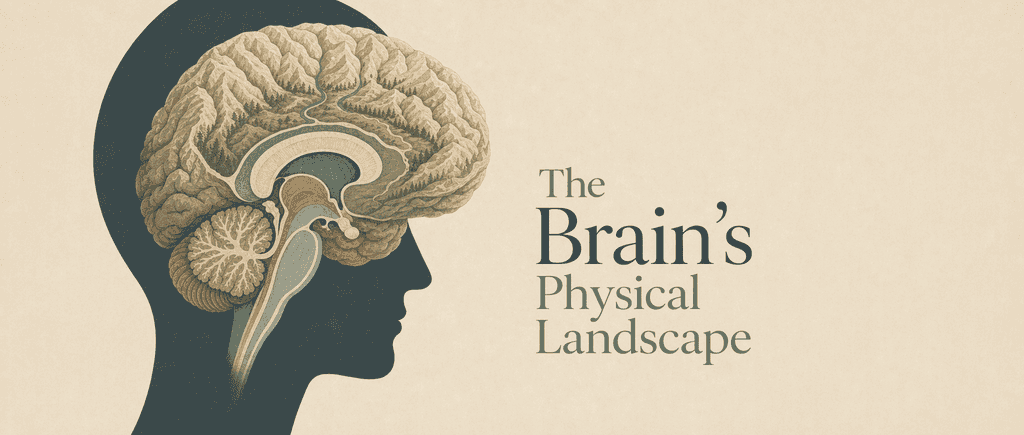
Overview of The female brain
Discover why Louann Brizendine's bestseller - translated into 30+ languages and inspiring a Whitney Cummings film - has the Huffington Post calling it "bloody brilliant." Unravel the neurological secrets that shape women's behaviors, decisions, and relationships in ways you never imagined.
- Female behavior is biologically driven by hormonal fluctuations, not just social conditioning
- Oxytocin drives female bonding and trust-building more intensely than male neurochemistry
- The prefrontal cortex develops earlier in girls, enabling advanced emotional regulation pre-puberty
- Pregnancy triggers permanent brain changes that enhance threat detection and nurturing instincts
- Menopausal brain rewiring shifts priorities from caregiving to self-actualization and legacy-building
- Estrogen amplifies social awareness circuitry, making women natural emotional radar systems
- Female stress responses prioritize "tend-and-befriend" patterns over fight-or-flight reactions
- Romantic attraction follows predictable neurochemical phases: dopamine surge → oxytocin bonding → serotonin stabilization
- The anterior cingulate cortex gives women stronger conflict-anticipation and risk-assessment capacities
- Hormonal birth control alters mate selection patterns by suppressing natural pheromone responses
- Teen girl brains undergo radical dopamine system remodeling that increases reward-seeking behavior
- Female memory encoding prioritizes emotional details and social context over objective facts
About the Author of The female brain
Louann Brizendine, author of The Female Brain, is a renowned neuropsychiatrist and leading authority on the influence of hormones on brain development and behavior. A clinical professor at the University of California, San Francisco (UCSF), she founded the Women’s Mood and Hormone Clinic in 1994, pioneering research into gender-specific brain function.
Her work bridges neuroscience and psychology, exploring how biological factors shape cognition and emotional patterns. Brizendine’s expertise stems from her academic training at UC Berkeley, Yale School of Medicine, and Harvard Medical School, as well as decades of clinical practice.
She expanded her insights with The Male Brain (2010), examining neurobiological differences in men, and The Upgrade (2022), which redefines midlife brain health for women. A frequent media commentator, Brizendine has appeared on Good Morning America, The Today Show, and NPR, translating complex science into accessible insights.
Her books, celebrated for merging rigorous research with relatable storytelling, have been translated into 21 languages, solidifying her status as a pivotal voice in modern neuroscience literature.
FAQs About The female brain
What is The Female Brain by Louann Brizendine about?
The Female Brain explores how hormonal and neurological differences shape women’s behavior, emotions, and cognition across life stages like puberty, motherhood, and menopause. Louann Brizendine, a neuropsychiatrist, argues that estrogen, progesterone, and brain structure variations influence communication, empathy, and decision-making. The book blends scientific insights with accessible explanations, though some claims have faced criticism for lacking robust evidence.
Who should read The Female Brain?
This book suits readers interested in neurobiology, gender differences, or women’s health. It’s particularly relevant for those curious about how hormones affect mood, relationships, and life transitions like pregnancy or menopause. Critics note it may oversimplify complex science, so approach it as a starting point rather than definitive research.
Is The Female Brain worth reading?
While commercially successful, The Female Brain has mixed reviews due to debates over its scientific rigor. It offers compelling narratives about hormonal influences on behavior but has been criticized for cherry-picking studies. Readers seeking a thought-provoking (though not exhaustive) perspective on gender neuroscience may find value.
Who is Louann Brizendine?
Louann Brizendine is a neuropsychiatrist and UC San Francisco professor who founded the Women’s Mood and Hormone Clinic. A Yale and Harvard-trained researcher, she’s known for popularizing gender-based brain differences through books like The Female Brain and The Male Brain. Her work emphasizes hormonal impacts on mental health and behavior.
What are the main concepts in The Female Brain?
Key ideas include hormonal regulation of emotions, structural brain differences (e.g., larger prefrontal cortex in women), and life-stage transitions like puberty’s effect on social cognition. Brizendine ties these factors to women’s communication styles, caregiving instincts, and vulnerability to mood disorders. The book also addresses menopause’s brain changes, later expanded in her 2022 work The Upgrade.
How scientifically valid is The Female Brain?
While Brizendine cites neurobiological research, critics argue she overstates hormonal influences and uses outdated studies. For example, claims about women’s speech frequency (20,000 words/day vs. men’s 7,000) were later retracted due to lack of evidence. Some neuroscientists argue the book perpetuates “neurosexism” by ignoring cultural influences on behavior.
How did The Female Brain impact discussions about gender differences?
The book sparked widespread debate by framing gender gaps as biologically rooted. It popularized ideas like oxytocin’s role in female bonding and estrogen’s impact on empathy. However, critics stress it risks reinforcing stereotypes, as later works like The Gendered Brain emphasize societal over biological factors.
What are key differences between female and male brains according to the book?
Brizendine highlights women’s stronger prefrontal cortex (linked to impulse control), larger hippocampus (memory/emotion), and heightened sensitivity to cortisol (stress) and oxytocin (bonding). She attributes women’s emotional communication and “gut feelings” to these differences. Men’s brains, in contrast, prioritize spatial reasoning and have more amygdala activity.
What role do hormones play in The Female Brain?
Estrogen and progesterone are framed as central to women’s social behavior, stress responses, and decision-making. For example, estrogen surges during puberty heighten emotional awareness, while pregnancy-triggered oxytocin strengthens maternal instincts. Brizendine also links perimenopause’s hormonal fluctuations to brain “upgrades” like heightened clarity.
How does The Female Brain address postpartum depression?
The book’s appendix links postpartum depression to sudden hormonal drops after childbirth, particularly estrogen and progesterone. Brizendine advocates hormone therapy and social support to counteract mood shifts, aligning with her clinic’s focus on women’s mental health.
How does The Female Brain compare to Brizendine’s The Male Brain?
Both books stress hormonal influences, but The Male Brain emphasizes testosterone’s role in aggression, competitiveness, and sexual drive. While The Female Brain focuses on empathy and communication, The Male Brain examines spatial reasoning and emotional suppression. Critics note both works risk oversimplifying gender binaries.
Why is The Female Brain still relevant in 2025?
Despite criticism, the book remains a cultural touchstone for discussions about women’s health, workplace equity, and aging. Updated editions and Brizendine’s 2022 book The Upgrade reframe menopause as a period of cognitive strength, aligning with modern trends in female empowerment and longevity research.
Feel the book through the author's voice
Turn knowledge into engaging, example-rich insights
Capture key ideas in a flash for fast learning
Enjoy the book in a fun and engaging way
Characters in The female brain
- Louann BrizendineAuthor and neuropsychiatrist who wrote the book
- LeilaCase study of a young girl on a playground
Key Themes in The female brain
- female neurobiology
- hormonal brain development
- gendered communication styles
- biological social connection
- estrogen and behavior
Quotes from The female brain
A woman uses about 20,000 words a day, while a man uses about 7,000.
Girls are neurologically wired to prevent social conflict at all costs.
Drama defines the teen girl's brain as it undergoes massive reorganization.
Girls arrive better equipped to hear emotional vocal tones too.
This isn't merely socialization-it's biology at work.
Explore Your Way of Learning
 Quick Summary Mode
Read or listen to The female brain Summary in 9 Minutes
Break down key ideas from The female brain into bite-sized takeaways to understand how innovative teams create, collaborate, and grow.

 Fun Mode
The female brain Lessons Told Through 25-Min Stories
Experience The female brain through vivid storytelling that turns innovation lessons into moments you'll remember and apply.
 Personalize Mode
Experience The female brain in your own learning style
Ask anything, choose your learning style, and co-create insights that truly resonate with you.
From Columbia University alumni built in San Francisco
"Instead of endless scrolling, I just hit play on BeFreed. It saves me so much time."


"I never knew where to start with nonfiction—BeFreed’s book lists turned into podcasts gave me a clear path."


"Perfect balance between learning and entertainment. Finished ‘Thinking, Fast and Slow’ on my commute this week."
"Crazy how much I learned while walking the dog. BeFreed = small habits → big gains."
"Reading used to feel like a chore. Now it’s just part of my lifestyle."

"Feels effortless compared to reading. I’ve finished 6 books this month already."
"BeFreed turned my guilty doomscrolling into something that feels productive and inspiring."

"BeFreed turned my commute into learning time. 20-min podcasts are perfect for finishing books I never had time for."
"BeFreed replaced my podcast queue. Imagine Spotify for books — that’s it. 🙌"

"It is great for me to learn something from the book without reading it."
"The themed book list podcasts help me connect ideas across authors—like a guided audio journey."
"Makes me feel smarter every time before going to work"
From Columbia University alumni built in San Francisco
"Instead of endless scrolling, I just hit play on BeFreed. It saves me so much time."
"I never knew where to start with nonfiction—BeFreed’s book lists turned into podcasts gave me a clear path."
"Perfect balance between learning and entertainment. Finished ‘Thinking, Fast and Slow’ on my commute this week."
"Crazy how much I learned while walking the dog. BeFreed = small habits → big gains."
"Reading used to feel like a chore. Now it’s just part of my lifestyle."
"Feels effortless compared to reading. I’ve finished 6 books this month already."
"BeFreed turned my guilty doomscrolling into something that feels productive and inspiring."
"BeFreed turned my commute into learning time. 20-min podcasts are perfect for finishing books I never had time for."
"BeFreed replaced my podcast queue. Imagine Spotify for books — that’s it. 🙌"
"It is great for me to learn something from the book without reading it."
"The themed book list podcasts help me connect ideas across authors—like a guided audio journey."
"Makes me feel smarter every time before going to work"
"Instead of endless scrolling, I just hit play on BeFreed. It saves me so much time."
"I never knew where to start with nonfiction—BeFreed’s book lists turned into podcasts gave me a clear path."
"Perfect balance between learning and entertainment. Finished ‘Thinking, Fast and Slow’ on my commute this week."
"Crazy how much I learned while walking the dog. BeFreed = small habits → big gains."
"Reading used to feel like a chore. Now it’s just part of my lifestyle."
"Feels effortless compared to reading. I’ve finished 6 books this month already."
"BeFreed turned my guilty doomscrolling into something that feels productive and inspiring."
"BeFreed turned my commute into learning time. 20-min podcasts are perfect for finishing books I never had time for."
"BeFreed replaced my podcast queue. Imagine Spotify for books — that’s it. 🙌"
"It is great for me to learn something from the book without reading it."
"The themed book list podcasts help me connect ideas across authors—like a guided audio journey."
"Makes me feel smarter every time before going to work"
"Instead of endless scrolling, I just hit play on BeFreed. It saves me so much time."
"I never knew where to start with nonfiction—BeFreed’s book lists turned into podcasts gave me a clear path."
"Perfect balance between learning and entertainment. Finished ‘Thinking, Fast and Slow’ on my commute this week."
"Crazy how much I learned while walking the dog. BeFreed = small habits → big gains."
"Reading used to feel like a chore. Now it’s just part of my lifestyle."
"Feels effortless compared to reading. I’ve finished 6 books this month already."
"BeFreed turned my guilty doomscrolling into something that feels productive and inspiring."
"BeFreed turned my commute into learning time. 20-min podcasts are perfect for finishing books I never had time for."
"BeFreed replaced my podcast queue. Imagine Spotify for books — that’s it. 🙌"
"It is great for me to learn something from the book without reading it."
"The themed book list podcasts help me connect ideas across authors—like a guided audio journey."
"Makes me feel smarter every time before going to work"

Download Summary of The female brain
Get the The female brain summary as a free PDF or EPUB. Print it or read offline anytime.