The ADHD Effect on Marriage by Melissa Orlov Summary

Overview of The ADHD Effect on Marriage
Discover why therapists call "The ADHD Effect on Marriage" revolutionary. Melissa Orlov, collaborating with ADHD expert Dr. Hallowell, reveals how ADHD creates predictable relationship patterns that drive couples apart - and the six-step roadmap that transforms blame into lasting connection.
- Melissa Orlov's six-step framework rebuilds trust in ADHD-impacted marriages by addressing core emotional barriers.
- Hyperfocus in ADHD relationships acts as both marital asset and liability requiring strategic management.
- Structured communication exercises reduce ADHD-related marital misunderstandings and improve conflict resolution success rates.
- Cultivating empathy breaks resentment cycles between ADHD and non-ADHD spouses through perspective shifts.
- Non-ADHD partners must address anger patterns undermining progress in mixed-neurotype marriages.
- Redefining marital roles around ADHD symptoms increases partnership stability and mutual satisfaction.
- Melissa Orlov identifies denial, fear, and hopelessness as primary obstacles to ADHD marital recovery.
- ADHD-specific intimacy strategies counterbalance emotional regulation challenges in romantic relationships.
- Weekly "learning conversations" create safe spaces for ADHD couples to process conflicts.
- Verbal cue systems help partners interrupt harmful interaction cycles before escalation.
- Melissa Orlov's worksheets provide concrete tools for tracking ADHD marriage progress metrics.
- Redefining ADHD symptoms as shared challenges fosters collaborative problem-solving in marriages.
About the Author of The ADHD Effect on Marriage
Melissa Orlov is the award-winning author of The ADHD Effect on Marriage and a leading authority on ADHD-impacted relationships. A Harvard graduate and founder of ADHDmarriage.com, she combines clinical insights with decades of consulting experience to help couples navigate the unique challenges of ADHD in marriages.
Her groundbreaking book—named "Best Psychology Book of 2010" by ForeWord Reviews and hailed as "the relationship bible for ADHD couples" by ADDitude Magazine—blends practical strategies with psychological research to address communication breakdowns, emotional disconnection, and behavioral patterns.
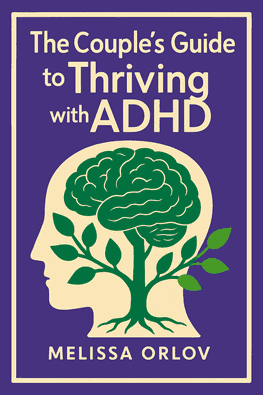
Orlov co-authored the gold medal-winning follow-up The Couple’s Guide to Thriving with ADHD and contributed to therapist manuals like The Distracted Couple. A frequent media expert featured in The New York Times, CNN, and the Today show, she also writes for Psychology Today and leads transformative couples seminars.
Her work has been endorsed by Dr. Edward Hallowell and adopted in clinical practices worldwide, with her books translated into multiple languages and used in therapist training programs. Over 15,000 couples have attended her flagship ADHD marriage seminars since 2007.
FAQs About The ADHD Effect on Marriage
What is The ADHD Effect on Marriage about?
The ADHD Effect on Marriage by Melissa Orlov explores how ADHD symptoms disrupt marital dynamics, offering evidence-based strategies to rebuild relationships. It identifies patterns like hyperfocus courtship phases and parent-child dynamics, providing exercises to improve communication and intimacy. The book combines clinical research with real-world couple experiences, emphasizing ADHD awareness as key to reducing conflict.
Who should read The ADHD Effect on Marriage?
This book is essential for couples where one or both partners have ADHD, therapists specializing in ADHD relationships, and individuals seeking to understand ADHD’s impact on intimacy. It’s particularly valuable for partners feeling stuck in cycles of blame, resentment, or unequal responsibility distribution.
Is The ADHD Effect on Marriage worth reading?
Yes—the book won multiple awards, including “Best Psychology Book of 2010,” and is endorsed by ADHD experts like Dr. Edward Hallowell. Readers praise its actionable frameworks, worksheets, and relatable anecdotes that help reframe ADHD-related conflicts as manageable challenges rather than relationship-ending flaws.
How does this book differ from traditional marriage counseling guides?
Unlike generic approaches, Orlov specifically addresses ADHD’s neurobiological impacts on relationships, such as emotional dysregulation and inconsistent attention. It replaces blame with symptom management strategies, offering tools like structured apologies and hyperfocus redirection instead of conventional communication exercises.
What are common ADHD marriage patterns identified in the book?
Key patterns include:
- Hyperfocus courtship: Intense romantic focus early in relationships that later fades, causing confusion
- Parent-child dynamics: Non-ADHD partners overcompensating with nagging/control
- Resentment cycles: Frustration over unbalanced responsibilities and forgotten commitments
What ADHD communication exercises does Melissa Orlov recommend?
Orlov’s evidence-based exercises include:
- Verbal cues: Pre-agreed phrases to pause conflict spirals
- Structured learning conversations: Guided dialogues to address recurring issues
- Advanced intimacy discussions: Techniques to rebuild trust during disagreements
What are key quotes from The ADHD Effect on Marriage?
Notable insights:
- “The ADHD partner’s brain isn’t wired for consistent emotional availability, but that doesn’t mean they don’t care.”
- “Successful ADHD marriages replace blame with joint problem-solving.”
These quotes underscore the book’s emphasis on neurological understanding over moral judgment.
How does the book address parent-child dynamics in ADHD marriages?
Orlov explains how non-ADHD partners often become hyper-responsible “parents,” while ADHD partners feel infantilized. Solutions include redistributed task ownership agreements and replacing criticism with collaborative systems for household management.
What critiques exist about The ADHD Effect on Marriage?
Some reviewers note heavy reliance on anecdotal case studies over large-scale data. Others suggest the strategies require sustained effort from both partners, which may challenge couples in crisis. However, most agree it fills a critical gap in ADHD relationship literature.
How does this book compare to other ADHD relationship guides?
Unlike broader ADHD guides, this focuses exclusively on marriage dynamics, offering step-by-step reconciliation plans. It’s frequently paired with Orlov’s follow-up The Couple’s Guide to Thriving with ADHD for deeper strategy implementation.
Does the book offer strategies to reduce divorce risk in ADHD marriages?
Yes—it cites research showing ADHD couples have near-double divorce rates, then provides prevention tactics like:
- Weekly check-ins to address frustrations early
- “ADHD-proof” communication systems (written reminders, visual calendars)
- Scheduled intimacy rituals to rebuild connection
What frameworks does the book provide for rebuilding relationships?
Key frameworks include:
- The Three-Legged Stool: Balancing medication, therapy, and lifestyle adjustments
- The Four Conversations: Scripted dialogues for common conflict areas
- The Impact Wheel: Mapping how specific ADHD symptoms affect relationship pillars like trust and teamwork
These structured approaches help couples systematically address issues rather than reacting impulsively to symptoms.
Feel the book through the author's voice
Turn knowledge into engaging, example-rich insights
Capture key ideas in a flash for fast learning
Enjoy the book in a fun and engaging way
Key Themes in The ADHD Effect on Marriage
Quotes from The ADHD Effect on Marriage
You've become a nag, they've become distant.
ADHD creates a distinct pattern in relationships.
The non-ADHD spouse interprets distraction as disinterest.
Time exists in two zones: 'now' and 'not now.'
The ADHD partner feels increasingly inadequate.
Characters in The ADHD Effect on Marriage
Quick Summary Mode - Read or listen to The ADHD Effect on Marriage Summary in 11 Minutes

Break down key ideas from The ADHD Effect on Marriage into bite-sized takeaways to understand how innovative teams create, collaborate, and grow.

Flash Card Mode - Top 9 Insights from The ADHD Effect on Marriage in a Nutshell

Distill The ADHD Effect on Marriage into rapid-fire memory cues that highlight key principles of candor, teamwork, and creative resilience.

Fun Mode - The ADHD Effect on Marriage Lessons Told Through 20-Min Stories

Experience The ADHD Effect on Marriage through vivid storytelling that turns innovation lessons into moments you'll remember and apply.
Personalize Mode - Read or listen to The ADHD Effect on Marriage Summary in 0 Minutes

Ask anything, pick the voice, and co-create insights that truly resonate with you.

From Columbia University alumni built in San Francisco
"Instead of endless scrolling, I just hit play on BeFreed. It saves me so much time."


"I never knew where to start with nonfiction—BeFreed’s book lists turned into podcasts gave me a clear path."


"Perfect balance between learning and entertainment. Finished ‘Thinking, Fast and Slow’ on my commute this week."
"Crazy how much I learned while walking the dog. BeFreed = small habits → big gains."
"Reading used to feel like a chore. Now it’s just part of my lifestyle."

"Feels effortless compared to reading. I’ve finished 6 books this month already."
"BeFreed turned my guilty doomscrolling into something that feels productive and inspiring."

"BeFreed turned my commute into learning time. 20-min podcasts are perfect for finishing books I never had time for."
"BeFreed replaced my podcast queue. Imagine Spotify for books — that’s it. 🙌"

"It is great for me to learn something from the book without reading it."
"The themed book list podcasts help me connect ideas across authors—like a guided audio journey."
"Makes me feel smarter every time before going to work"
From Columbia University alumni built in San Francisco
"Instead of endless scrolling, I just hit play on BeFreed. It saves me so much time."
"I never knew where to start with nonfiction—BeFreed’s book lists turned into podcasts gave me a clear path."
"Perfect balance between learning and entertainment. Finished ‘Thinking, Fast and Slow’ on my commute this week."
"Crazy how much I learned while walking the dog. BeFreed = small habits → big gains."
"Reading used to feel like a chore. Now it’s just part of my lifestyle."
"Feels effortless compared to reading. I’ve finished 6 books this month already."
"BeFreed turned my guilty doomscrolling into something that feels productive and inspiring."
"BeFreed turned my commute into learning time. 20-min podcasts are perfect for finishing books I never had time for."
"BeFreed replaced my podcast queue. Imagine Spotify for books — that’s it. 🙌"
"It is great for me to learn something from the book without reading it."
"The themed book list podcasts help me connect ideas across authors—like a guided audio journey."
"Makes me feel smarter every time before going to work"
"Instead of endless scrolling, I just hit play on BeFreed. It saves me so much time."
"I never knew where to start with nonfiction—BeFreed’s book lists turned into podcasts gave me a clear path."
"Perfect balance between learning and entertainment. Finished ‘Thinking, Fast and Slow’ on my commute this week."
"Crazy how much I learned while walking the dog. BeFreed = small habits → big gains."
"Reading used to feel like a chore. Now it’s just part of my lifestyle."
"Feels effortless compared to reading. I’ve finished 6 books this month already."
"BeFreed turned my guilty doomscrolling into something that feels productive and inspiring."
"BeFreed turned my commute into learning time. 20-min podcasts are perfect for finishing books I never had time for."
"BeFreed replaced my podcast queue. Imagine Spotify for books — that’s it. 🙌"
"It is great for me to learn something from the book without reading it."
"The themed book list podcasts help me connect ideas across authors—like a guided audio journey."
"Makes me feel smarter every time before going to work"
"Instead of endless scrolling, I just hit play on BeFreed. It saves me so much time."
"I never knew where to start with nonfiction—BeFreed’s book lists turned into podcasts gave me a clear path."
"Perfect balance between learning and entertainment. Finished ‘Thinking, Fast and Slow’ on my commute this week."
"Crazy how much I learned while walking the dog. BeFreed = small habits → big gains."
"Reading used to feel like a chore. Now it’s just part of my lifestyle."
"Feels effortless compared to reading. I’ve finished 6 books this month already."
"BeFreed turned my guilty doomscrolling into something that feels productive and inspiring."
"BeFreed turned my commute into learning time. 20-min podcasts are perfect for finishing books I never had time for."
"BeFreed replaced my podcast queue. Imagine Spotify for books — that’s it. 🙌"
"It is great for me to learn something from the book without reading it."
"The themed book list podcasts help me connect ideas across authors—like a guided audio journey."
"Makes me feel smarter every time before going to work"

Get the The ADHD Effect on Marriage summary as a free PDF or EPUB. Print it or read offline anytime.