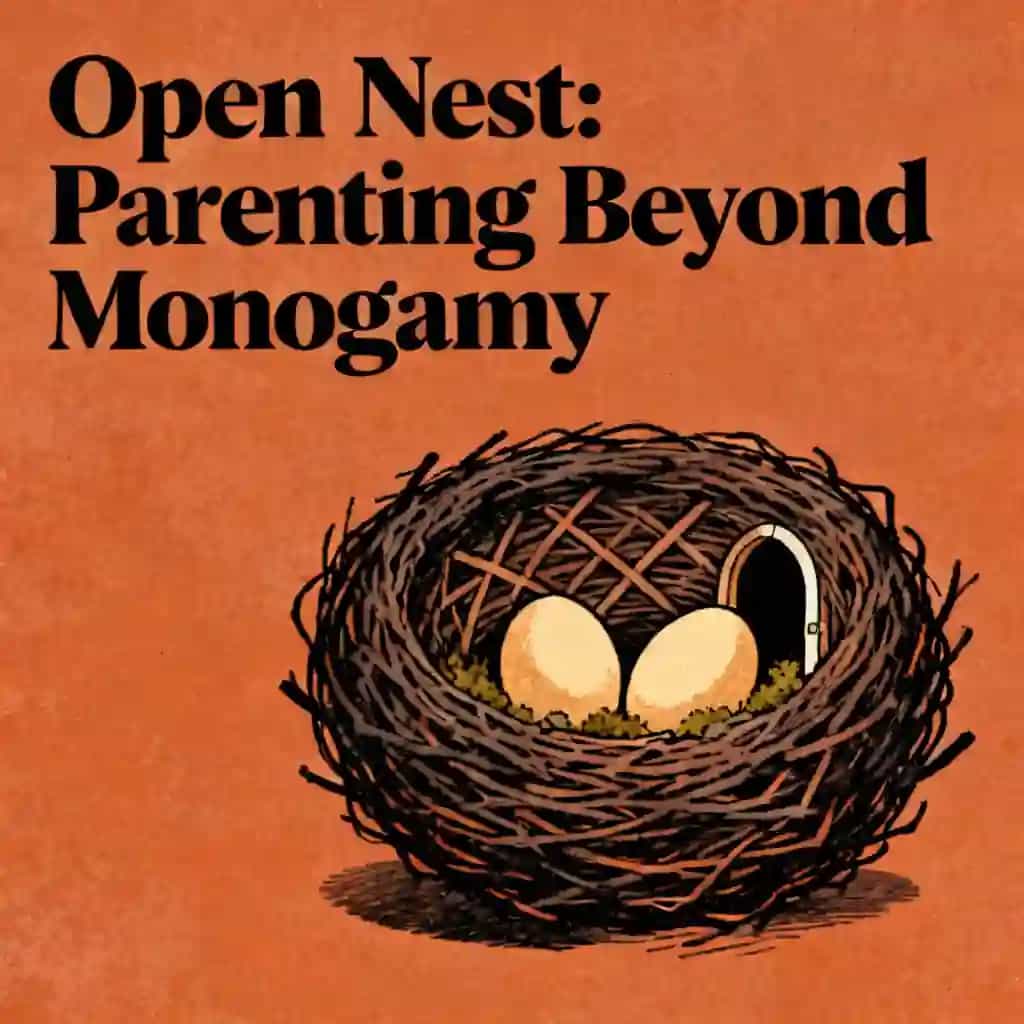
Smart Girl's Guide to Polyamory: Everything You Need to Know about Open Relationships, Non-Monogamy, and Alternative Love by Dedeker Winston Summary

Overview of Smart Girl's Guide to Polyamory
Beyond monogamy's boundaries lies Dedeker Winston's revolutionary guide, empowering women to navigate ethical non-monogamy with confidence. Featured on the Multiamory podcast, this 2017 gem tackles jealousy head-on while dismantling stigmas. Ever wondered if multiple loves could actually strengthen your relationships?
- Design relationships through choice, not default societal monogamy templates.
- Jealousy becomes growth fuel when met with curiosity, not suppression.
- “Conscious monogamy” and ethical non-monogamy coexist as equally valid relationship paths.
- Radical honesty trumps assumed monogamous norms in building trust.
- Hierarchy creates cookie-cutter heartache; soft boundaries enable organic poly connections.
- Compersion—finding joy in partners’ joy—requires intentional emotional rewiring.
- Solo poly prioritizes autonomy without relationship hierarchy or entanglement.
- Mono-poly dynamics demand unconditional acceptance, not covert change agendas.
- Kitchen table polyamory fails when forced; parallel poly preserves autonomy.
- Relationship agreements must include metamour veto power transparency.
- Self-questioning “why” behind rules prevents toxic control patterns.
- Dedeker Winston champions self-awareness as polyamory’s cornerstone for sustainable connections.
About the Author of Smart Girl's Guide to Polyamory
Dedeker Winston, author of The Smart Girl's Guide to Polyamory: Everything You Need to Know About Open Relationships, Non-Monogamy, and Alternative Love, is a leading relationship coach and advocate for consensual non-monogamy. A certified Somatic Experiencing® Practitioner and Gottman Method-trained therapist, she combines over a decade of personal experience in polyamorous relationships with professional expertise in trauma-informed communication.
Winston co-created the award-winning Multiamory podcast, a top-rated relationship advice show with a global audience, featured in NPR, Cosmopolitan, and Vice. Her work focuses on empowering individuals to design relationships aligned with their values, blending practical tools with psychological insights.
The book, praised for its accessible approach to ethical non-monogamy, has been adapted into a widely popular audiobook. Winston’s insights stem from her Buddhist psychology studies, somatic trauma training, and hands-on coaching practice, making her a trusted voice in modern relationship dynamics.
FAQs About Smart Girl's Guide to Polyamory
What is The Smart Girl's Guide to Polyamory about?
The Smart Girl’s Guide to Polyamory by Dedeker Winston is a practical handbook for exploring ethical non-monogamy, offering tools to navigate jealousy, communication challenges, and relationship design. It combines personal anecdotes, research-backed strategies, and exercises to help readers build fulfilling connections beyond traditional monogamy. The book emphasizes self-awareness and intentionality in crafting relationships.
Who should read The Smart Girl's Guide to Polyamory?
This book is ideal for women curious about polyamory, couples transitioning from monogamy, and anyone seeking frameworks for ethical open relationships. It’s also valuable for relationship coaches or therapists exploring non-traditional dynamics. Winston’s accessible tone makes it suitable for both newcomers and experienced practitioners.
Is The Smart Girl's Guide to Polyamory worth reading?
Yes, reviewers praise its balanced approach to polyamory’s joys and challenges, blending relatable stories with actionable exercises. It’s frequently recommended for its non-judgmental tone and practical strategies for communication and boundary-setting.
What are the main concepts in The Smart Girl's Guide to Polyamory?
Key ideas include:
- Self-awareness as the foundation for healthy relationships.
- Jealousy management through emotional processing and communication.
- Custom relationship design tailored to individual needs.
- Ethical non-monogamy principles like consent and transparency.
How does Dedeker Winston address jealousy in the book?
Winston reframes jealousy as a signal to explore unmet needs, offering tools like self-inquiry prompts and “jealousy autopsies.” She advocates for compassionate communication with partners and emphasizes emotional accountability over blame.
Does The Smart Girl's Guide to Polyamory discuss hierarchical relationships?
Yes, the book examines hierarchical structures (e.g., primary/secondary partners) and alternatives like solo polyamory. However, some readers critique its early definitions of solo poly as oversimplified, noting updates in community terminology since publication.
What practical exercises are included in the book?
The guide features journaling prompts, communication scripts for boundary-setting, and exercises like “Relationship Blueprinting” to clarify expectations. These tools help readers apply concepts to real-life scenarios.
How does the book challenge traditional monogamy?
Winston encourages questioning societal norms, arguing that relationships should be intentionally designed rather than following a “one-size-fits-all” model. She critiques monogamy’s default status while acknowledging it’s valid when consciously chosen.
What are common criticisms of The Smart Girl's Guide to Polyamory?
Critics note occasional use of outdated terms for bisexual and gender-diverse individuals, reflecting evolving language in LGBTQ+ communities. Some also argue certain sections oversimplify solo poly dynamics, though readers praise its overall inclusivity.
How does Dedeker Winston's background influence the book?
Winston draws on 10+ years of non-monogamous experience, trauma-informed coaching training (Somatic Experiencing®, Gottman Method), and global research interviews. Her mix of personal vulnerability and professional expertise lends credibility to the advice.
Can The Smart Girl's Guide to Polyamory help with communication in relationships?
Absolutely. It provides concrete scripts for initiating tough conversations, expressing needs without blame, and active listening techniques. These tools apply to monogamous and non-monogamous relationships alike.
How does the book approach sexual health in polyamory?
It dedicates chapters to navigating safer sex practices, sexual boundaries, and consent negotiations across multiple partners. Winston emphasizes transparency about STI testing and sexual preferences as foundational to ethical non-monogamy.
Feel the book through the author's voice
Turn knowledge into engaging, example-rich insights
Capture key ideas in a flash for fast learning
Enjoy the book in a fun and engaging way
Key Themes in Smart Girl's Guide to Polyamory
Quotes from Smart Girl's Guide to Polyamory
We don't give each other passes to cheat, because when you cheat, you lie, when you lie, you steal.
What if the jealousy we consider natural could be transformed into something else entirely?
What if everything we've been taught about love being exclusive is simply one option among many?
Women particularly face contradictory cultural messages about love and sexuality.
Characters in Smart Girl's Guide to Polyamory
Quick Summary Mode - Read or listen to Smart Girl's Guide to Polyamory Summary in 9 Minutes

Break down key ideas from Smart Girl's Guide to Polyamory into bite-sized takeaways to understand how innovative teams create, collaborate, and grow.

Flash Card Mode - Top 7 Insights from Smart Girl's Guide to Polyamory in a Nutshell

Distill Smart Girl's Guide to Polyamory into rapid-fire memory cues that highlight key principles of candor, teamwork, and creative resilience.

Fun Mode - Smart Girl's Guide to Polyamory Lessons Told Through 24-Min Stories

Experience Smart Girl's Guide to Polyamory through vivid storytelling that turns innovation lessons into moments you'll remember and apply.
Personalize Mode - Read or listen to Smart Girl's Guide to Polyamory Summary in 0 Minutes

Ask anything, pick the voice, and co-create insights that truly resonate with you.

From Columbia University alumni built in San Francisco
"Instead of endless scrolling, I just hit play on BeFreed. It saves me so much time."


"I never knew where to start with nonfiction—BeFreed’s book lists turned into podcasts gave me a clear path."


"Perfect balance between learning and entertainment. Finished ‘Thinking, Fast and Slow’ on my commute this week."
"Crazy how much I learned while walking the dog. BeFreed = small habits → big gains."
"Reading used to feel like a chore. Now it’s just part of my lifestyle."

"Feels effortless compared to reading. I’ve finished 6 books this month already."
"BeFreed turned my guilty doomscrolling into something that feels productive and inspiring."

"BeFreed turned my commute into learning time. 20-min podcasts are perfect for finishing books I never had time for."
"BeFreed replaced my podcast queue. Imagine Spotify for books — that’s it. 🙌"

"It is great for me to learn something from the book without reading it."
"The themed book list podcasts help me connect ideas across authors—like a guided audio journey."
"Makes me feel smarter every time before going to work"
From Columbia University alumni built in San Francisco
"Instead of endless scrolling, I just hit play on BeFreed. It saves me so much time."
"I never knew where to start with nonfiction—BeFreed’s book lists turned into podcasts gave me a clear path."
"Perfect balance between learning and entertainment. Finished ‘Thinking, Fast and Slow’ on my commute this week."
"Crazy how much I learned while walking the dog. BeFreed = small habits → big gains."
"Reading used to feel like a chore. Now it’s just part of my lifestyle."
"Feels effortless compared to reading. I’ve finished 6 books this month already."
"BeFreed turned my guilty doomscrolling into something that feels productive and inspiring."
"BeFreed turned my commute into learning time. 20-min podcasts are perfect for finishing books I never had time for."
"BeFreed replaced my podcast queue. Imagine Spotify for books — that’s it. 🙌"
"It is great for me to learn something from the book without reading it."
"The themed book list podcasts help me connect ideas across authors—like a guided audio journey."
"Makes me feel smarter every time before going to work"
"Instead of endless scrolling, I just hit play on BeFreed. It saves me so much time."
"I never knew where to start with nonfiction—BeFreed’s book lists turned into podcasts gave me a clear path."
"Perfect balance between learning and entertainment. Finished ‘Thinking, Fast and Slow’ on my commute this week."
"Crazy how much I learned while walking the dog. BeFreed = small habits → big gains."
"Reading used to feel like a chore. Now it’s just part of my lifestyle."
"Feels effortless compared to reading. I’ve finished 6 books this month already."
"BeFreed turned my guilty doomscrolling into something that feels productive and inspiring."
"BeFreed turned my commute into learning time. 20-min podcasts are perfect for finishing books I never had time for."
"BeFreed replaced my podcast queue. Imagine Spotify for books — that’s it. 🙌"
"It is great for me to learn something from the book without reading it."
"The themed book list podcasts help me connect ideas across authors—like a guided audio journey."
"Makes me feel smarter every time before going to work"
"Instead of endless scrolling, I just hit play on BeFreed. It saves me so much time."
"I never knew where to start with nonfiction—BeFreed’s book lists turned into podcasts gave me a clear path."
"Perfect balance between learning and entertainment. Finished ‘Thinking, Fast and Slow’ on my commute this week."
"Crazy how much I learned while walking the dog. BeFreed = small habits → big gains."
"Reading used to feel like a chore. Now it’s just part of my lifestyle."
"Feels effortless compared to reading. I’ve finished 6 books this month already."
"BeFreed turned my guilty doomscrolling into something that feels productive and inspiring."
"BeFreed turned my commute into learning time. 20-min podcasts are perfect for finishing books I never had time for."
"BeFreed replaced my podcast queue. Imagine Spotify for books — that’s it. 🙌"
"It is great for me to learn something from the book without reading it."
"The themed book list podcasts help me connect ideas across authors—like a guided audio journey."
"Makes me feel smarter every time before going to work"

Get the Smart Girl's Guide to Polyamory summary as a free PDF or EPUB. Print it or read offline anytime.