The Biology of Desire: Why Addiction Is Not a Disease by Marc Lewis Summary

Overview of The Biology of Desire: Why Addiction Is Not a Disease
Neuroscientist and former addict Marc Lewis shatters addiction myths in this controversial 4.05-rated bestseller. By reframing addiction as accelerated learning rather than disease, Lewis offers liberation to thousands who've felt burdened by traditional diagnoses. What if recovery isn't about fixing brokenness, but redirecting desire?
- Marc Lewis argues addiction is learned behavior not a chronic disease.
- Addiction develops through motivated repetition creating deep learning in the brain.
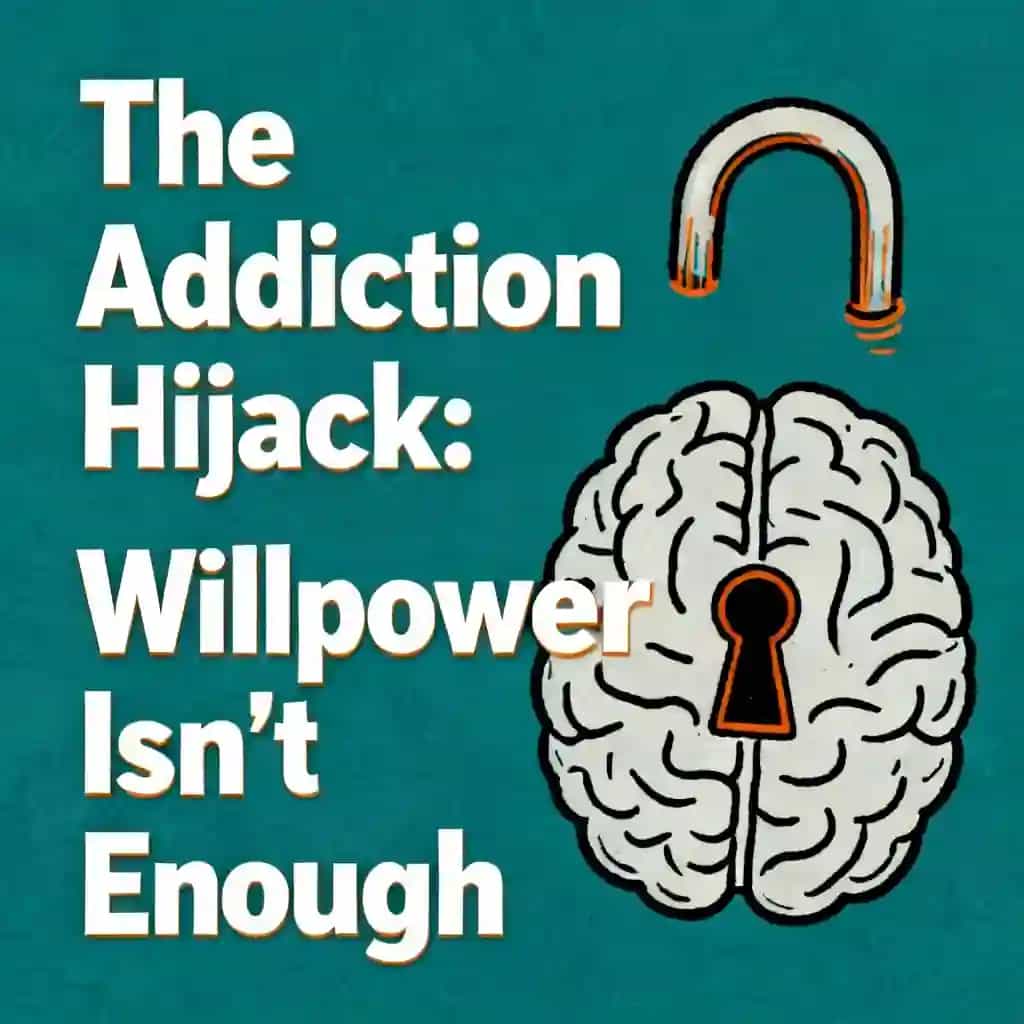
- The disease model disempowers addicts by removing personal agency and control.
- Neuroplasticity allows the brain to change and recover from addictive patterns.
- Most recovering addicts overcome addiction within fifteen years without dying.
- Desire drives both the development of addiction and the recovery process.
- Connection to community is essential for overcoming addictive behavioral patterns.
- Recovery requires developing a stronger narrative about your life's future direction.
- The Biology of Desire reframes addiction as normal brain development gone awry.
- Dopamine feedback loops in addiction mirror normal reward-seeking learning mechanisms.
- Marc Lewis combines neuroscience expertise with personal recovery experience authentically.
- Meditation and body consciousness help integrate brain hemispheres during addiction recovery.
About the Author of The Biology of Desire: Why Addiction Is Not a Disease
Marc Lewis is a neuroscientist and professor emeritus of developmental psychology who authored The Biology of Desire: Why Addiction is Not a Disease, a groundbreaking work challenging conventional views on addiction. A leading expert in the neuroscience of addiction, Lewis taught at the University of Toronto for over two decades before joining Radboud University in the Netherlands until his retirement in 2016.
His unique perspective stems from rigorous scientific training—he has authored over 70 journal publications in psychology and neuroscience—and his personal experience overcoming opiate addiction at age 30. In The Biology of Desire, Lewis argues that addiction develops through accelerated learning rather than disease, combining neuroscientific findings with intimate biographies of recovered addicts. His earlier book, Memoirs of an Addicted Brain, blends memoir with brain science to explain how drugs alter neural chemistry.
The Biology of Desire has sparked widespread debate among addiction researchers, treatment providers, and families, establishing Lewis as a prominent voice challenging the traditional disease model and offering hope through self-directed change.
FAQs About The Biology of Desire: Why Addiction Is Not a Disease
What is The Biology of Desire by Marc Lewis about?
The Biology of Desire challenges the traditional disease model of addiction, arguing that addiction is a learned behavior rather than a chronic disease. Marc Lewis, a neuroscientist and former addict, explains how addiction develops through motivated repetition that creates deep neural pathways in the brain's reward system. The book combines neuroscience with personal recovery stories from five individuals to demonstrate how understanding addiction as a natural brain learning process can lead to more effective treatment and lasting recovery.
Who is Marc Lewis and why did he write The Biology of Desire?
Marc Lewis is a developmental neuroscientist and professor who brings unique dual expertise as both an addiction researcher and a recovered addict himself. His personal experience with substance abuse, detailed in his earlier memoir, combined with his scientific background allows him to offer an insider's critique of how neuroscience data on addiction is interpreted. Lewis wrote this book to challenge the medical establishment's disease framework, which he believes disempowers addicts by suggesting they can't help themselves without expert intervention.
Who should read The Biology of Desire?
The Biology of Desire is ideal for anyone personally or professionally affected by addiction, including recovering addicts, families of those struggling with substance abuse, therapists, and healthcare providers. Mental health professionals seeking alternatives to traditional treatment models will find valuable insights into neuroplasticity-based recovery approaches. The book also appeals to readers interested in neuroscience, behavioral psychology, and understanding how desire and habit formation shape human behavior beyond addiction contexts.
Is The Biology of Desire worth reading?
The Biology of Desire offers enlightening and hopeful perspectives on addiction recovery, though opinions vary on its scientific rigor. Readers praise its accessible explanation of brain mechanisms, compelling personal narratives, and empowering alternative to the disease model. However, some critics argue the book focuses more on describing the problem than providing concrete solutions, and question whether its distinction from the "disorder" terminology used in professional psychiatry is meaningful. It's most valuable when read alongside other addiction literature for a balanced understanding.
What is the main argument of The Biology of Desire against the disease model?
Marc Lewis argues that labeling addiction as a disease oversimplifies the complex interaction of biology, psychology, and personal experience while disempowering individuals. He contends that addiction results from normal brain learning mechanisms—specifically motivated repetition leading to deep neural habit formation—rather than pathological dysfunction. The disease model's deterministic framework suggests addicts need expert intervention to recover, whereas Lewis demonstrates that addiction is reversible through personal motivation and environmental changes, with most addicts naturally recovering within fifteen years.
How does The Biology of Desire explain the role of dopamine and desire in addiction?
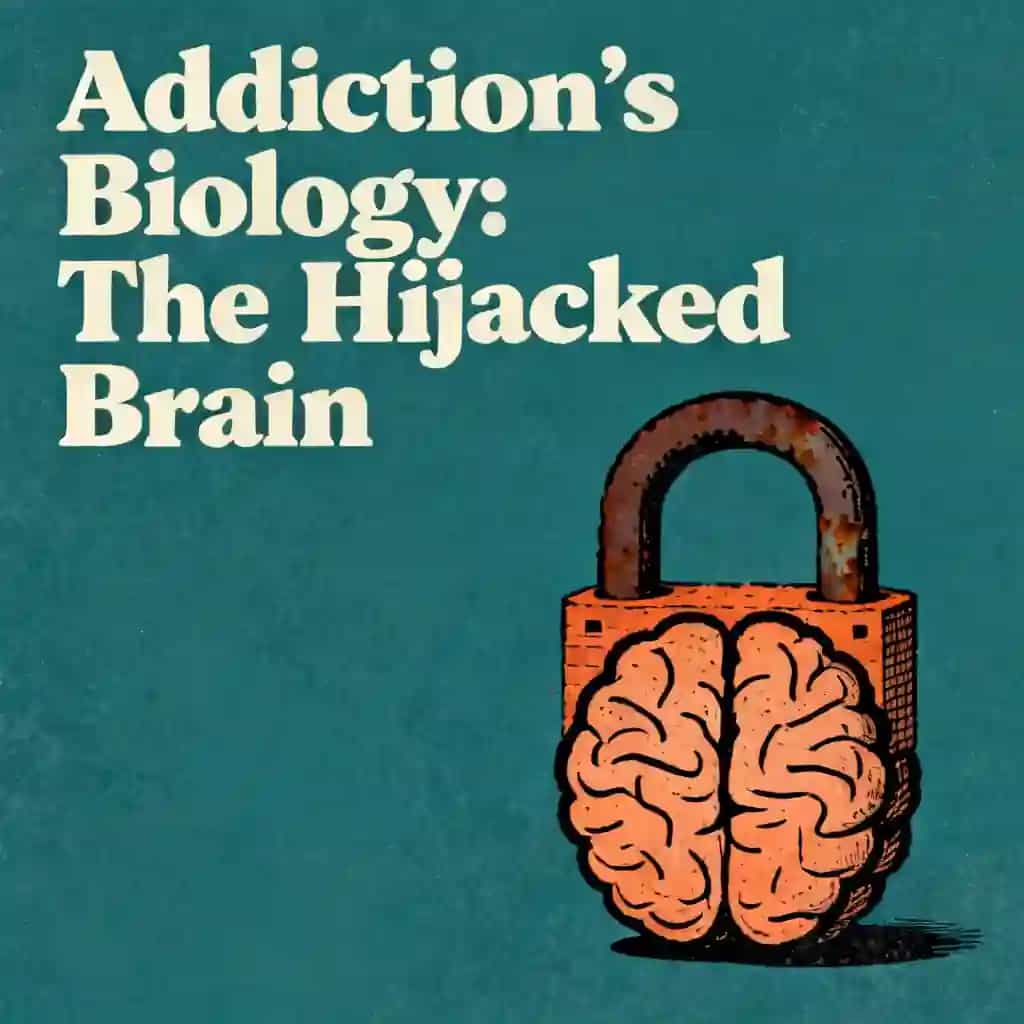
The Biology of Desire describes dopamine as the brain's primary reward signal that reinforces behaviors associated with pleasure and relief. In addiction, dopamine pathways become "hijacked," creating intense desire that prioritizes addictive goals over other life activities by activating the striatum and nucleus accumbens regions. Lewis emphasizes that this same reward mechanism drives all human learning—from children responding to praise to entrepreneurs developing businesses—making addiction an extreme outcome of normal brain function rather than disease. Understanding this helps reframe recovery as redirecting desire toward healthier motivations.
What personal stories does The Biology of Desire include and why?
The book features five compelling narratives following Natalie, Brian, Donna, Johnny, and Alice as they struggle with heroin, methamphetamine, alcohol, and bulimia respectively. These stories illustrate how childhood trauma, emotional turmoil, and individual circumstances create the initial conditions for addiction to develop. Lewis uses these real-life examples to demonstrate theoretical concepts about neural pathway formation, showing how each person's unique history shapes their addictive patterns and eventual recovery journey. The narratives make complex neuroscience accessible while highlighting that recovery requires shifting to bigger life motivations beyond mere substance cessation.
What does The Biology of Desire say about neuroplasticity and recovery?
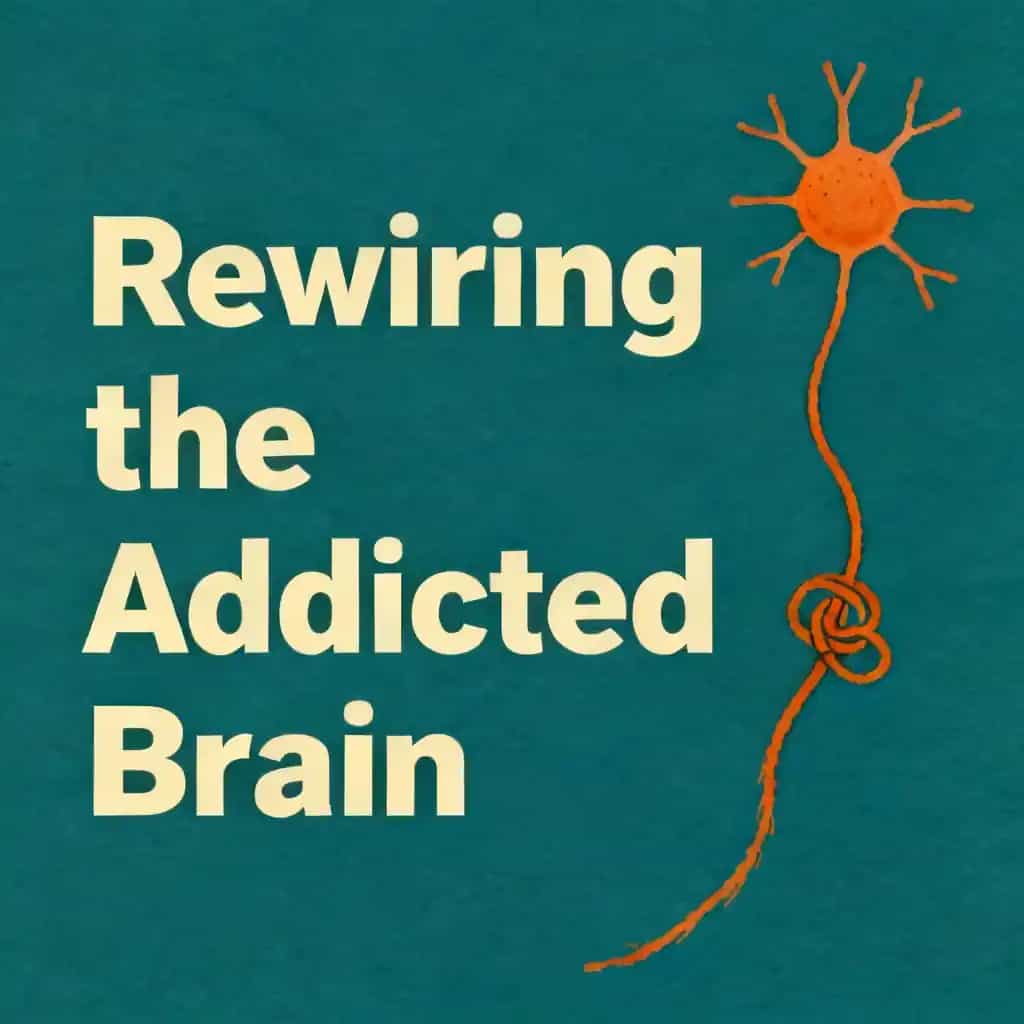
The Biology of Desire emphasizes that the brain's neuroplasticity—its ability to reorganize neural connections—means addiction-related changes are not permanent damage but reversible adaptations. Lewis explains that just as repeated substance use strengthens certain neural pathways through motivated repetition, recovery involves forming new pathways through different motivations and behaviors. This neuroplasticity perspective positions recovery as personal growth and deep learning rather than medical cure, requiring individuals to develop stronger desires for non-addictive goals. The brain's capacity for change remains intact even after long-term addiction, offering genuine hope for transformation.
How does The Biology of Desire compare to traditional addiction treatment approaches?
Unlike traditional medical models emphasizing pharmaceutical intervention and expert-driven treatment, The Biology of Desire advocates for approaches that recognize addiction as learned behavior requiring personal agency and motivation. Lewis criticizes how disease-based treatment often fails because it removes responsibility from individuals, whereas recovery demands active engagement in reshaping one's life and neural pathways. His framework supports therapies focused on environmental changes, developing new motivations, and understanding the emotional roots of addictive patterns. However, critics note the book provides more theoretical critique than specific alternative treatment protocols.
What are the main criticisms of The Biology of Desire?
Critics argue that Lewis creates a false dichotomy since professional psychiatry already uses "disorder" rather than "disease" terminology, making his core argument less revolutionary than presented. Some reviewers with scientific backgrounds question the book's accuracy and note it essentially repackages existing neurobiological theories under different framing. The book receives criticism for focusing heavily on explaining addiction mechanisms while offering limited practical guidance for recovery. Additionally, some readers find the repeated arguments about avoiding disease terminology repetitive across chapters, and question whether the distinction meaningfully changes treatment outcomes.
How can The Biology of Desire help with understanding addiction recovery?
The Biology of Desire provides hope by explaining that most addicts naturally recover within fifteen years and often emerge with profound personal growth from the experience. Understanding addiction as motivated repetition rather than permanent brain damage helps individuals recognize they possess agency to redirect their desires toward healthier goals. The book's emphasis on neuroplasticity demonstrates that recovery involves actively building new neural pathways through different choices and environments rather than passively receiving medical treatment. This reframing can reduce shame and helplessness while encouraging addicts to identify underlying emotional needs that initially drove their substance use.
What makes The Biology of Desire different from other addiction books?
The Biology of Desire uniquely combines insider perspective from a neuroscientist who personally overcame addiction with rigorous scientific analysis challenging mainstream medical consensus. Rather than accepting disease model assumptions, Lewis reinterprets the same neuroscientific data to show addiction as extreme but normal brain learning. The book integrates detailed explanations of brain anatomy, dopamine function, and neural pathway formation with emotionally compelling personal narratives, making complex science accessible. Lewis maintains a humanistic, non-judgmental perspective throughout, emphasizing that addictive learning mechanisms operate identically to those driving all human behavior and achievement.
Feel the book through the author's voice
Turn knowledge into engaging, example-rich insights
Capture key ideas in a flash for fast learning
Enjoy the book in a fun and engaging way
Key Themes in The Biology of Desire: Why Addiction Is Not a Disease
Quotes from The Biology of Desire: Why Addiction Is Not a Disease
Addiction develops through a narrowing tunnel of attention and desire.
Addiction is essentially a habit—a nasty, relentless, serious habit.
Brains create their own fate unpredictably.
Addiction is a pattern of learned behavior that can be unlearned.
What fires together wires together.
Characters in The Biology of Desire: Why Addiction Is Not a Disease
Quick Summary Mode - Read or listen to The Biology of Desire: Why Addiction Is Not a Disease Summary in 9 Minutes

Break down key ideas from The Biology of Desire: Why Addiction Is Not a Disease into bite-sized takeaways to understand how innovative teams create, collaborate, and grow.

Flash Card Mode - Top 10 Insights from The Biology of Desire: Why Addiction Is Not a Disease in a Nutshell

Distill The Biology of Desire: Why Addiction Is Not a Disease into rapid-fire memory cues that highlight key principles of candor, teamwork, and creative resilience.

Fun Mode - The Biology of Desire: Why Addiction Is Not a Disease Lessons Told Through 23-Min Stories

Experience The Biology of Desire: Why Addiction Is Not a Disease through vivid storytelling that turns innovation lessons into moments you'll remember and apply.
Personalize Mode - Read or listen to The Biology of Desire: Why Addiction Is Not a Disease Summary in 0 Minutes

Ask anything, pick the voice, and co-create insights that truly resonate with you.

From Columbia University alumni built in San Francisco
"Instead of endless scrolling, I just hit play on BeFreed. It saves me so much time."


"I never knew where to start with nonfiction—BeFreed’s book lists turned into podcasts gave me a clear path."


"Perfect balance between learning and entertainment. Finished ‘Thinking, Fast and Slow’ on my commute this week."
"Crazy how much I learned while walking the dog. BeFreed = small habits → big gains."
"Reading used to feel like a chore. Now it’s just part of my lifestyle."

"Feels effortless compared to reading. I’ve finished 6 books this month already."
"BeFreed turned my guilty doomscrolling into something that feels productive and inspiring."

"BeFreed turned my commute into learning time. 20-min podcasts are perfect for finishing books I never had time for."
"BeFreed replaced my podcast queue. Imagine Spotify for books — that’s it. 🙌"

"It is great for me to learn something from the book without reading it."
"The themed book list podcasts help me connect ideas across authors—like a guided audio journey."
"Makes me feel smarter every time before going to work"
From Columbia University alumni built in San Francisco
"Instead of endless scrolling, I just hit play on BeFreed. It saves me so much time."
"I never knew where to start with nonfiction—BeFreed’s book lists turned into podcasts gave me a clear path."
"Perfect balance between learning and entertainment. Finished ‘Thinking, Fast and Slow’ on my commute this week."
"Crazy how much I learned while walking the dog. BeFreed = small habits → big gains."
"Reading used to feel like a chore. Now it’s just part of my lifestyle."
"Feels effortless compared to reading. I’ve finished 6 books this month already."
"BeFreed turned my guilty doomscrolling into something that feels productive and inspiring."
"BeFreed turned my commute into learning time. 20-min podcasts are perfect for finishing books I never had time for."
"BeFreed replaced my podcast queue. Imagine Spotify for books — that’s it. 🙌"
"It is great for me to learn something from the book without reading it."
"The themed book list podcasts help me connect ideas across authors—like a guided audio journey."
"Makes me feel smarter every time before going to work"
"Instead of endless scrolling, I just hit play on BeFreed. It saves me so much time."
"I never knew where to start with nonfiction—BeFreed’s book lists turned into podcasts gave me a clear path."
"Perfect balance between learning and entertainment. Finished ‘Thinking, Fast and Slow’ on my commute this week."
"Crazy how much I learned while walking the dog. BeFreed = small habits → big gains."
"Reading used to feel like a chore. Now it’s just part of my lifestyle."
"Feels effortless compared to reading. I’ve finished 6 books this month already."
"BeFreed turned my guilty doomscrolling into something that feels productive and inspiring."
"BeFreed turned my commute into learning time. 20-min podcasts are perfect for finishing books I never had time for."
"BeFreed replaced my podcast queue. Imagine Spotify for books — that’s it. 🙌"
"It is great for me to learn something from the book without reading it."
"The themed book list podcasts help me connect ideas across authors—like a guided audio journey."
"Makes me feel smarter every time before going to work"
"Instead of endless scrolling, I just hit play on BeFreed. It saves me so much time."
"I never knew where to start with nonfiction—BeFreed’s book lists turned into podcasts gave me a clear path."
"Perfect balance between learning and entertainment. Finished ‘Thinking, Fast and Slow’ on my commute this week."
"Crazy how much I learned while walking the dog. BeFreed = small habits → big gains."
"Reading used to feel like a chore. Now it’s just part of my lifestyle."
"Feels effortless compared to reading. I’ve finished 6 books this month already."
"BeFreed turned my guilty doomscrolling into something that feels productive and inspiring."
"BeFreed turned my commute into learning time. 20-min podcasts are perfect for finishing books I never had time for."
"BeFreed replaced my podcast queue. Imagine Spotify for books — that’s it. 🙌"
"It is great for me to learn something from the book without reading it."
"The themed book list podcasts help me connect ideas across authors—like a guided audio journey."
"Makes me feel smarter every time before going to work"

Get the The Biology of Desire: Why Addiction Is Not a Disease summary as a free PDF or EPUB. Print it or read offline anytime.