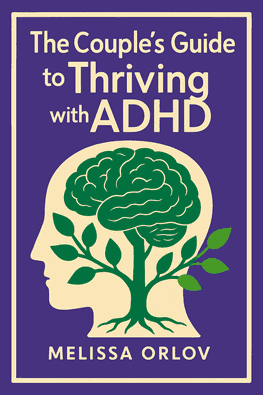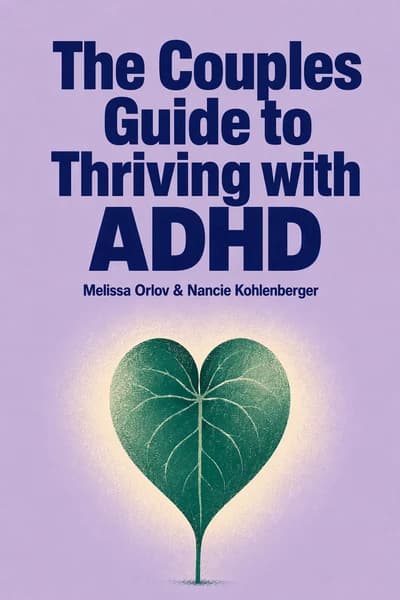
The Couples Guide to Thriving with ADHD
Overview of The Couples Guide to Thriving with ADHD
Discover the lifeline for ADHD-affected relationships from award-winning expert Melissa Orlov. What if the condition disrupting your marriage isn't about attention deficit, but attention direction? This revolutionary guide has transformed therapy approaches nationwide with strategies both partners can implement immediately.

Key Themes in The Couples Guide to Thriving with ADHD
- neurological relationship dynamics
- executive function strategies
- attention dysregulation
- intentional partnership
- adult adhd diagnosis
Quotes from The Couples Guide to Thriving with ADHD
The interpretation makes all the difference.
Creating an 'intentional relationship' means both partners deliberately choose their responses.
Success requires love, perseverance, and compassion.
The core issue isn't a deficit of attention but rather attention dysregulation.
It's not about trying harder but trying differently.
Characters in The Couples Guide to Thriving with ADHD
- Melissa OrlovAuthor and expert on ADHD's impact on couples
- Nancie KohlenbergerAuthor and marriage and family therapist
About the Author
About the Author of The Couples Guide to Thriving with ADHD
Melissa Orlov and Nancie Kohlenberger are award-winning authors and leading experts on ADHD-impacted relationships, renowned for their groundbreaking work in couples therapy and neurodiverse partnerships. Their collaborative book, The Couple’s Guide to Thriving with ADHD, offers actionable strategies for improving communication, rebuilding trust, and fostering emotional connection in relationships shaped by attention deficit hyperactivity disorder.
Orlov, founder of ADHDmarriage.com and a Harvard-educated marriage consultant, combines decades of research with real-world insights from counseling thousands of couples globally. Kohlenberger, a licensed marriage and family therapist, contributes clinical expertise in emotional regulation and conflict resolution.
Orlov’s prior bestseller, The ADHD Effect on Marriage—hailed as the “relationship bible for ADHD couples” by ADDitude Magazine—laid the foundation for this evidence-based follow-up. Together, their work has been featured in major media outlets including The New York Times, CNN, and Psychology Today. The Couple’s Guide to Thriving with ADHD received the 2014 IndieFab Gold Medal for Best Psychology Book and a Benjamin Franklin Silver Medal, solidifying its status as an essential resource for couples and therapists alike.
Download Summary of The Couples Guide to Thriving with ADHD
Get the The Couples Guide to Thriving with ADHD summary as a free PDF or EPUB. Print it or read offline anytime.
FAQs About This Book
The Couple’s Guide to Thriving with ADHD provides actionable strategies for couples navigating ADHD-related challenges, focusing on rebuilding trust, reducing conflict, and fostering collaboration. Co-authored by Melissa Orlov and Nancie Kohlenberger, it blends real-life examples with practical tools for communication, symptom management, and mutual support. The book emphasizes shared responsibility over blame, helping partners reframe ADHD symptoms as solvable obstacles.
This book is ideal for couples where one or both partners have ADHD, therapists specializing in relationships or ADHD, and individuals seeking non-blaming frameworks to address recurring conflicts. It’s particularly valuable for those struggling with communication breakdowns, emotional disconnection, or frustration over unmet responsibilities.
Yes—readers praise its practical, relatable advice and award-winning insights (including “Best Psychology Book of 2014”). Reviewers highlight its transformative impact on relationships, with actionable steps like “ADHD-friendly communication techniques” and exercises to rebuild emotional intimacy. Many call it a “must-read” for couples facing ADHD-related strain.
Key themes include:
- Collaborative problem-solving: Shifting from blame to teamwork.
- Symptom management: Addressing distractibility, impulsivity, and forgetfulness constructively.
- Self-care for partners: Balancing support without enabling.
- Rebuilding trust: Repairing resentment through consistent, small actions.
The “ADHD effect” refers to how untreated ADHD symptoms (e.g., forgetfulness, emotional dysregulation) erode relationships over time, often leading to cycles of criticism, defensiveness, and withdrawal. The book teaches couples to interrupt this cycle by reframing symptoms as neurological traits requiring joint adaptation.
Actionable strategies include:
- Structured check-ins: Weekly meetings to address responsibilities and emotions.
- “ADHD-proofing” environments: Reducing distractions for better focus.
- Empathy-building exercises: Helping partners understand each other’s perspectives.
It teaches “ADHD-aware communication,” emphasizing clarity, brevity, and non-judgmental language. Techniques include using visual reminders, separating emotional discussions from logistical ones, and replacing criticism with specific requests. The authors warn against “parent-child dynamics” and advocate for mutual accountability.
Some readers note the strategies require consistent effort, which can be challenging during high-stress periods. Critics suggest pairing the book with therapy for severe relational trauma. However, most agree its strengths outweigh these limitations, calling it “the most comprehensive ADHD relationship guide available”.
While The ADHD Effect on Marriage diagnoses ADHD’s impact, The Couple’s Guide offers more structured solutions, including worksheets and dialogue templates. The newer book also addresses non-ADHD partners’ needs more deeply, with chapters on self-care and boundary-setting.
Mental health professionals praise its research-backed frameworks and clinical utility. Dr. Craig Surman (Harvard Medical School) calls it a “frank, practical guide,” while therapists report using its exercises to help clients break negative cycles and rebuild connection.
With rising ADHD diagnoses in adults (up 43% since 2020), the book addresses a critical need for relationship strategies tailored to neurodivergent partnerships. Its focus on collaboration over blame aligns with modern, trauma-informed approaches to mental health.
- Teamwork beats blame: “Neither partner’s experience is ‘right’—just different”.
- Small changes compound: Consistent, incremental improvements rebuild trust.
- Self-care enables caregiving: Partners must nurture their own well-being to sustain the relationship.