Your Circle, Your Life: Relationship Audit Guide

How To Build A Supportive Social Circle: episode overview
Listen to the BeFreed audio episode exploring how to build a supportive social circle from the ground up. This guide focuses on practical social skills, helping you confidently navigate new environments and foster meaningful connections without relying on clinical therapy or psychiatric advice. You will discover actionable steps to engage with others, share your interests, and establish a strong foundation for lasting friendships.
Create Your Podcast in a Click
Generated by Ham
Input question
How to surround yourself with good people in your life and keep the bad one's away
Host voices

What you'll learn about How To Build A Supportive Social Circle
- 1
You Are Your Five People
 00:0000:00
Jackson: Hey Miles, I just came across something that really hit me. There's this quote that says "Show me the five people you spend the most time with, and I'll have a pretty good idea of who you are." That's kind of intense when you think about it. Miles: Oh wow, that's from the source materials, right? It really is intense because it suggests we're basically the average of our closest relationships. You know what's fascinating though? The materials talk about how toxic relationships are literally like a virus - by the time you realize you're infected, the damage is already done. Jackson: That's such a powerful way to put it. And I love how one of the sources describes good relationships as being like a major hardware upgrade for your life. It makes you think - are the people around me upgrading me or downgrading me? Miles: Exactly! And here's what really gets me - the materials mention that being a team player is actually a choice, not a talent. Anyone can do it. But the tricky part is learning to identify who's genuinely supportive versus who's just draining your energy. Jackson: Right, and that's where most people struggle. So let's dive into a practical framework for actually auditing your relationships and spotting the red flags.
- 2
The Trust Audit Framework
Miles: So Jackson, let's get practical here. One of the sources breaks down trust into something really actionable—they call it the difference between Calculus-Based Trust and Identification-Based Trust. Think of it like this: early friendship is like a business transaction, but deep friendship is like family. Jackson: That's interesting. Can you break that down more? Miles: Absolutely. Calculus-Based Trust is when you're basically doing math in your head—"Will this person follow through because it benefits them?" It's based on predictability and incentives. But Identification-Based Trust? That's when someone genuinely cares about your wellbeing and will act as your agent even when you're not around. Jackson: So how do we actually audit our relationships using this framework? Miles: Here's a simple exercise from the materials. Take your five closest relationships and ask yourself three questions about each person: First, do they demonstrate benevolence—genuine care for your welfare? Second, are they reliable—do their actions match their words consistently? And third, do they show integrity—do they act according to principles you find acceptable? Jackson: That's like a relationship credit check. What are some red flags people should watch for? Miles: The sources are crystal clear on this. Watch for people who constantly deflect blame, use guilt-tripping as their go-to strategy, or have what they call a "hair-trigger temper"—everything seems to make them angry with you, and it's impossible to predict what will set them off. Jackson: Oh, that unpredictability thing is huge. I've seen people walking on eggshells around someone because they never know what mood they'll be in. Miles: Exactly! And here's something really insightful from the research—the materials mention that toxic people often isolate their targets to maintain control. So if you notice someone consistently trying to pull you away from other friends or family, that's a massive red flag. Jackson: So the trust audit is really about looking at patterns over time, not just isolated incidents? Miles: Precisely. The sources emphasize that trust isn't built through good intentions—it's built through active, observable behaviors over time. You want to see consistency between someone's words and deeds, what they call "DWWSWWD"—Do What We Say We Will Do.
- 3
The Boundary Setting Playbook
Jackson: Alright, so we've identified who might be problematic. Now what? How do we actually set boundaries without feeling like we're being mean? Miles: This is where the sources get really practical. They emphasize that boundaries aren't walls to shut people out—they're actually protective guidelines that help preserve the relationship long-term. Think of them like the rules of a game that make it fun for everyone. Jackson: I like that analogy. What's the step-by-step process? Miles: First, you need to get crystal clear on your own limits. The materials suggest asking yourself: What do I consider personal and private? What am I comfortable sharing with different levels of friends? What parts of my life are non-negotiable for me to live happily? Jackson: So it's really about self-awareness first. Miles: Exactly. Then comes the communication part. The sources are big on using assertive "I" statements rather than accusatory "you" statements. Instead of saying "You always interrupt me," try "I feel unheard when conversations get cut short, so I need us to take turns speaking." Jackson: That's much less confrontational. What about when people push back on your boundaries? Miles: Here's where it gets interesting. The materials warn that toxic people often test boundaries harder when you first set them. It's like they're checking if you're serious. The key is consistency—if you allow boundaries to be crossed sometimes, you're basically teaching people they're negotiable. Jackson: So what does boundary enforcement actually look like in practice? Miles: The sources give some great examples. If someone repeatedly shows up unannounced despite your requests, you might say, "I care about you, but I need advance notice for visits. If you continue dropping by without calling, I'll need to not answer the door." Then you actually follow through. Jackson: That seems harsh though. Doesn't that damage the relationship? Miles: This is the counterintuitive part—the materials actually argue that boundaries prevent the negative emotional buildup that can poison and destroy relationships. By protecting yourself from resentment and burnout, you preserve your capacity to engage positively. It's like preventative medicine for friendships. Jackson: So boundaries are actually a form of relationship maintenance, not relationship destruction? Miles: Exactly! The sources emphasize that when you clearly define what's acceptable and protect yourself from feeling undervalued, you maintain your ability to show up authentically in the relationship. Without boundaries, you end up bitter and withdrawn, which helps nobody.
- Chapter 4
The Social Circle Architecture
**Jackson:** Okay, so we're getting better at managing existing relationships. But what about building new ones? How do we actually architect a healthy social circle? **Miles:** This is where the sources introduce something called the Circles of Support model. It's originally from disability advocacy work, but it's brilliant for anyone trying to understand relationship dynamics. Picture four concentric circles around you. **Jackson:** Walk me through these circles. **Miles:** Starting from the inside: Circle One is Intimacy—your closest relationships like partners, best friends, close family. Circle Two is Friendship—people who bring meaning and joy but aren't quite as emotionally intertwined. Circle Three is Participation—people you see regularly through activities like work, gym, hobby groups. And Circle Four is Exchange—professionals you pay for services like therapists, doctors, coaches. **Jackson:** That's fascinating. Why is this framework so useful? **Miles:** Because the sources point out that many people, especially those who are neurodiverse or dealing with trauma, tend to concentrate only in Circles One and Four—they either go deep fast or stay completely distant. They miss out on the middle circles, which are actually the gateway to everything else. **Jackson:** So those middle circles are where the magic happens? **Miles:** Exactly! The materials emphasize that Circle Three—Participation—is often where authentic friendships begin. Whether it's a book club, yoga class, volunteer project, or creative writing group, repeated exposure in shared environments lays the groundwork for deeper connection. **Jackson:** This makes so much sense. You don't have to "click" immediately with someone. **Miles:** Right! The sources mention something called the "mere exposure effect"—people literally grow on us the more we see them. For people who find small talk draining or unstructured socializing overwhelming, this is great news. You don't need to perform or be "on." You just need to show up consistently. **Jackson:** So what's the practical strategy for someone looking to expand their social circle? **Miles:** The materials suggest identifying two to three things you genuinely like about yourself—maybe your curiosity, humor, or enthusiasm. Then choose spaces to participate in where those traits are likely to shine. If you're playful, join game night. If you're thoughtful, try a book club. When you lead with qualities you value in yourself, you attract people who value those traits too.
Chapter 5The Toxic Relationship Escape Plan
**Jackson:** Let's get real about something tough—what do you do when you realize you're already in a toxic relationship? How do you actually get out? **Miles:** The sources are refreshingly direct about this. They outline three main approaches, and I love how practical they are. First option: the direct conversation. You tell the person exactly what behaviors you find problematic and that you've decided to end the friendship. **Jackson:** That sounds terrifying. What would that conversation actually sound like? **Miles:** The materials suggest something like: "I've given this some thought, and I'm not comfortable with how our interactions have been going. I've mentioned my concerns before, but nothing has changed. I wish you well, but I won't be spending time together anymore." Then—and this is crucial—you don't get drawn into an argument about it. **Jackson:** What if you're not ready for that level of confrontation? **Miles:** That's where option two comes in. You can address the specific toxic behaviors directly, giving them one last chance to change. The sources suggest acknowledging what drew you to them initially, then clearly stating what needs to change for the friendship to continue. **Jackson:** And if someone really can't handle confrontation at all? **Miles:** Option three is what they call the "permanent time-out." You stop initiating contact, keep conversations brief when they reach out, and politely decline invitations. The key is being civil but not treating them as part of your inner circle anymore. They'll eventually get the message. **Jackson:** What about the emotional aftermath of ending a friendship? **Miles:** This is so important—the sources emphasize that ending even a toxic friendship involves grief. You're losing something that once brought value to your life. The materials suggest allowing yourself time to process, maybe writing a letter you don't send, or journaling about both the good times and the reasons for ending it. **Jackson:** It sounds like the method you choose really matters for your own healing process. **Miles:** Absolutely. The sources warn against ghosting or aggressive confrontations because they often leave residual negativity and unresolved issues. Using respectful, assertive communication preserves dignity and minimizes harm. It also shapes your ability to handle future relationship endings in a healthy way.
Chapter 6The Red Flag Detection System
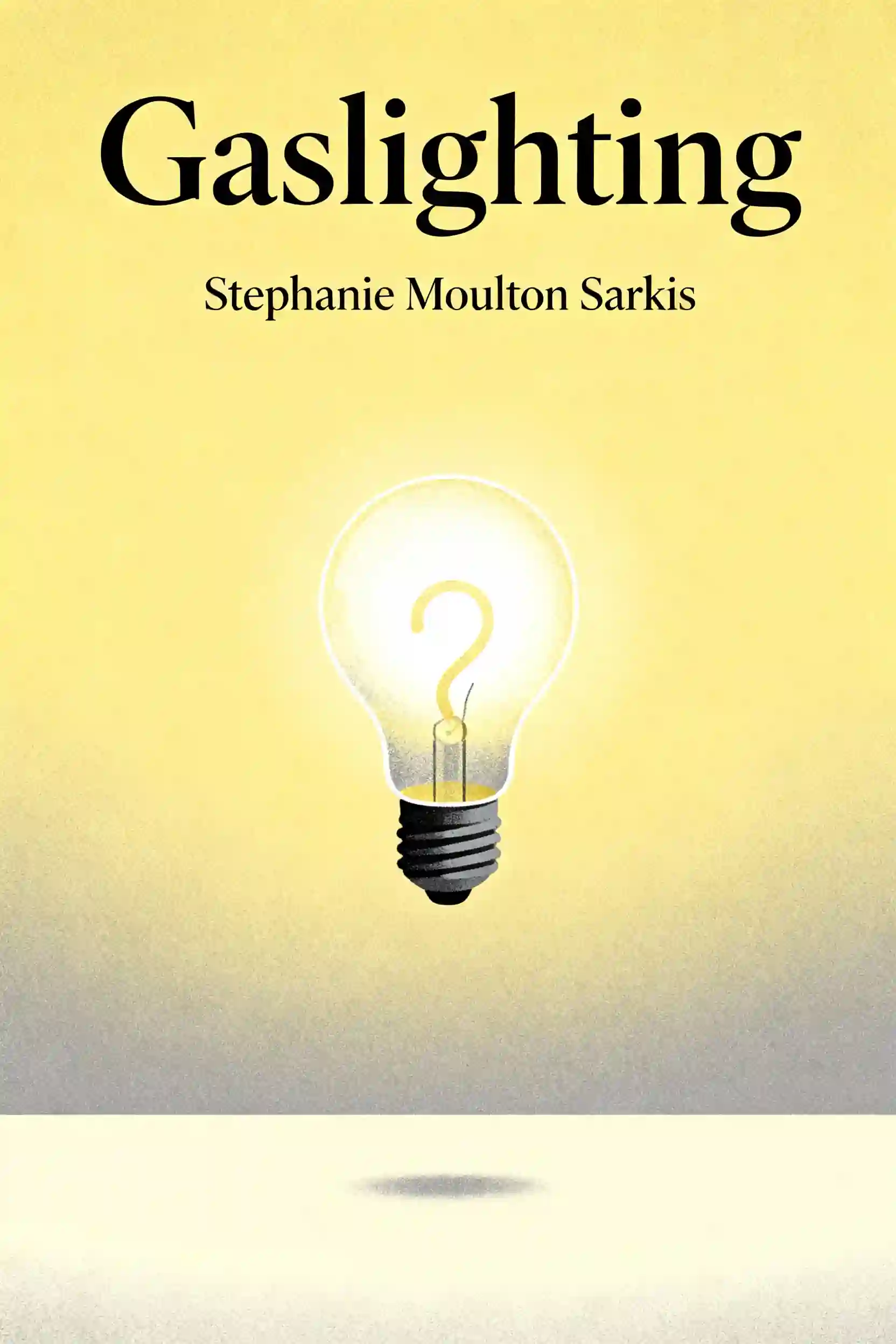
**Miles:** Jackson, let's talk about something the sources really emphasize—developing what I call an early warning system for toxic behavior. Because by the time someone shows their true colors completely, you've often already invested significant emotional energy. **Jackson:** That's so true. What are the subtle signs people should watch for early on? **Miles:** The materials identify something really insightful called "love bombing." This is when someone showers you with excessive attention, gifts, and compliments right from the start, then uses that "generosity" to make you feel indebted or to isolate you from others. **Jackson:** That sounds like it would feel really good initially though. **Miles:** Exactly! That's what makes it so insidious. The sources also mention watching for people who disrespect boundaries even in small ways. Someone who goes through your phone, insists on knowing your dating history in detail, or refuses to let you hang out with friends without them—these aren't signs of love, they're signs of control. **Jackson:** What about more subtle manipulation tactics? **Miles:** One thing the sources highlight is gaslighting—when someone insists they remember events differently than you do, making you question your own memory and judgment. They might say things like "You're too sensitive" or "That's not how it happened" when you bring up their hurtful behavior. **Jackson:** That sounds like it would be really confusing to experience. **Miles:** The materials explain that's exactly the point. Gaslighting is designed to make you trust the manipulator completely and doubt yourself. Another red flag is what they call "deflecting blame"—somehow every conversation about their problematic behavior becomes about what you did wrong. **Jackson:** So it's like they have a toolkit of manipulation techniques? **Miles:** Precisely. And here's something really practical from the sources—they suggest paying attention to how someone treats service workers, talks about their exes, or handles small disappointments. These situations reveal character when people think it doesn't matter. **Jackson:** That's brilliant. Those unguarded moments tell you so much. **Miles:** The sources also emphasize trusting your gut feelings. If you consistently feel drained, anxious, or "icky" after spending time with someone, that's data. Your visceral response contains information about the dynamic, even if you can't articulate exactly what's wrong yet.
Chapter 7The Friendship Maintenance Manual
**Jackson:** Alright, let's flip this around. We've talked a lot about identifying and avoiding toxic people. But what about nurturing the good relationships we have? What does healthy friendship maintenance actually look like? **Miles:** This is where the sources get really practical about reciprocity. They reference Social Exchange Theory, but not in a cold, transactional way. It's more about ensuring both people feel valued and supported over time. **Jackson:** How do you maintain that balance without keeping score? **Miles:** Great question. The materials suggest thinking about reciprocity in terms of emotional investment rather than exact equality. Sometimes you'll need more support, sometimes they will. The key is that both people are willing to show up when it matters. **Jackson:** What are some concrete ways to nurture friendships? **Miles:** The sources emphasize consistency above grand gestures. Regular check-ins, remembering important events, offering specific help during tough times. They also highlight the importance of quality time—putting away phones, being fully present, engaging in activities you both genuinely enjoy. **Jackson:** What about dealing with conflict in healthy friendships? **Miles:** This is crucial—the materials stress that healthy conflict is actually a sign of a strong friendship. It means both people care enough to work through disagreements rather than just avoiding them. The key is addressing issues directly but respectfully, using those "I" statements we talked about earlier. **Jackson:** So conflict isn't necessarily a red flag? **Miles:** Not at all. The sources distinguish between healthy conflict and toxic patterns. Healthy conflict focuses on specific behaviors or situations, while toxic conflict involves personal attacks, bringing up past grievances, or trying to "win" rather than resolve. **Jackson:** What about maintaining friendships through major life changes? **Miles:** The materials acknowledge that friendships naturally evolve as people grow. Sometimes you'll drift apart not because anyone did anything wrong, but because your values or life circumstances changed significantly. The sources suggest being honest about these shifts rather than letting friendships fade through neglect. **Jackson:** That requires a lot of emotional maturity. **Miles:** Absolutely. And the sources emphasize that maintaining healthy friendships is like physical exercise—it requires consistent effort over time. You can't just invest heavily once and expect the relationship to maintain itself.
Chapter 8Your Relationship Revolution Starts Now
**Jackson:** Miles, as we wrap this up, I'm struck by how much of this comes down to intentionality. We've covered auditing trust, setting boundaries, building healthy circles, escaping toxic situations, detecting red flags early, and maintaining good relationships. But it all starts with making conscious choices about who gets access to our time and energy. **Miles:** That's exactly right, Jackson. The sources make this powerful point that we have significant agency in shaping our social environment. While we can't control every outcome, we can move from being passive recipients of whatever relationships happen to us to being active architects of our social world. **Jackson:** And it's not about creating some perfect, static social circle, right? **Miles:** Absolutely not. The materials emphasize that relationships are dynamic—people grow, needs change, circumstances shift. The goal isn't perfection, it's developing what they call "relational competence." Learning these skills—trust evaluation, boundary setting, assertive communication—gives you tools to navigate the inevitable changes and challenges. **Jackson:** What would you say to someone listening who feels overwhelmed by all of this? Maybe they're realizing they need to make some major changes in their social circle? **Miles:** Start small. The sources suggest beginning with just one relationship audit or setting one clear boundary. You don't have to overhaul your entire social life overnight. Pick the relationship that's causing you the most stress and apply one technique we've discussed. **Jackson:** And remember, the materials point out that even ending toxic relationships creates space for better ones. It's not about becoming isolated—it's about making room for connections that actually support your wellbeing and growth. **Miles:** Exactly. Your social circle should be a source of strength, not a constant drain on your energy. The people closest to you should be upgrading your life, not downgrading it. **Jackson:** So to everyone listening, here's your challenge: take an honest look at your five closest relationships. Are they making you better or just making you tired? Because you deserve connections that celebrate your growth, respect your boundaries, and add genuine value to your life. **Miles:** Couldn't agree more. Thanks for diving deep into this with me today, Jackson. And to our listeners—we'd love to hear about your own relationship revelations or challenges. Your social world is too important to leave to chance. **Jackson:** Until next time, remember: you are your five people. Choose them wisely.
What people search for about How To Build A Supportive Social Circle
When looking to expand their network, people frequently explore ways to create social circles from scratch, especially after moving to a new city or outgrowing old friendships. Common searches focus on actionable steps like attending events alone, being vulnerable, and setting boundaries with negative people.
A practical guide to How To Build A Supportive Social Circle
Creating a reliable community requires intentional effort and strong personal boundaries. Start by attending local events or joining groups aligned with your genuine interests. Treat others the way you want to be treated, and focus on mutual support. As you build these new connections, it is equally important to recognize when a friendship becomes unsupportive. Setting clear boundaries with negative influences helps protect your energy. If someone only reaches out when it is convenient for them or dismisses your needs, you have the personal agency to limit your availability and prioritize relationships that uplift you.
Continue learning about How To Build A Supportive Social Circle
- Social circle examples
- Setting boundaries with negative people
- Signs of a toxic friendship
- Building social skills as an adult
Best quote from Your Circle, Your Life: Relationship Audit Guide
The people around you are like a hardware upgrade for your life, and because toxic relationships act like a virus, you must be the active architect of your social circle rather than a passive recipient.
Knowledge sources
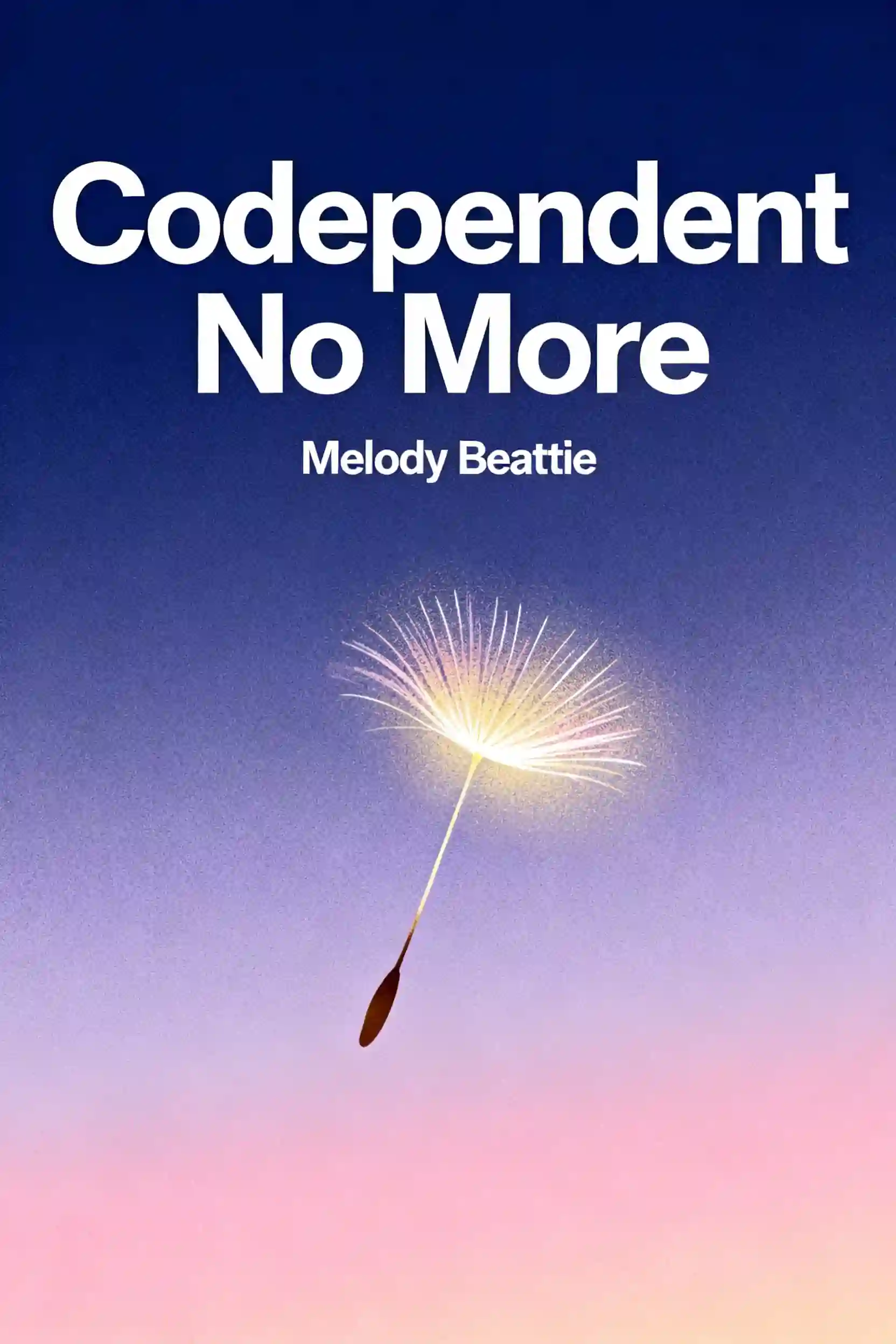
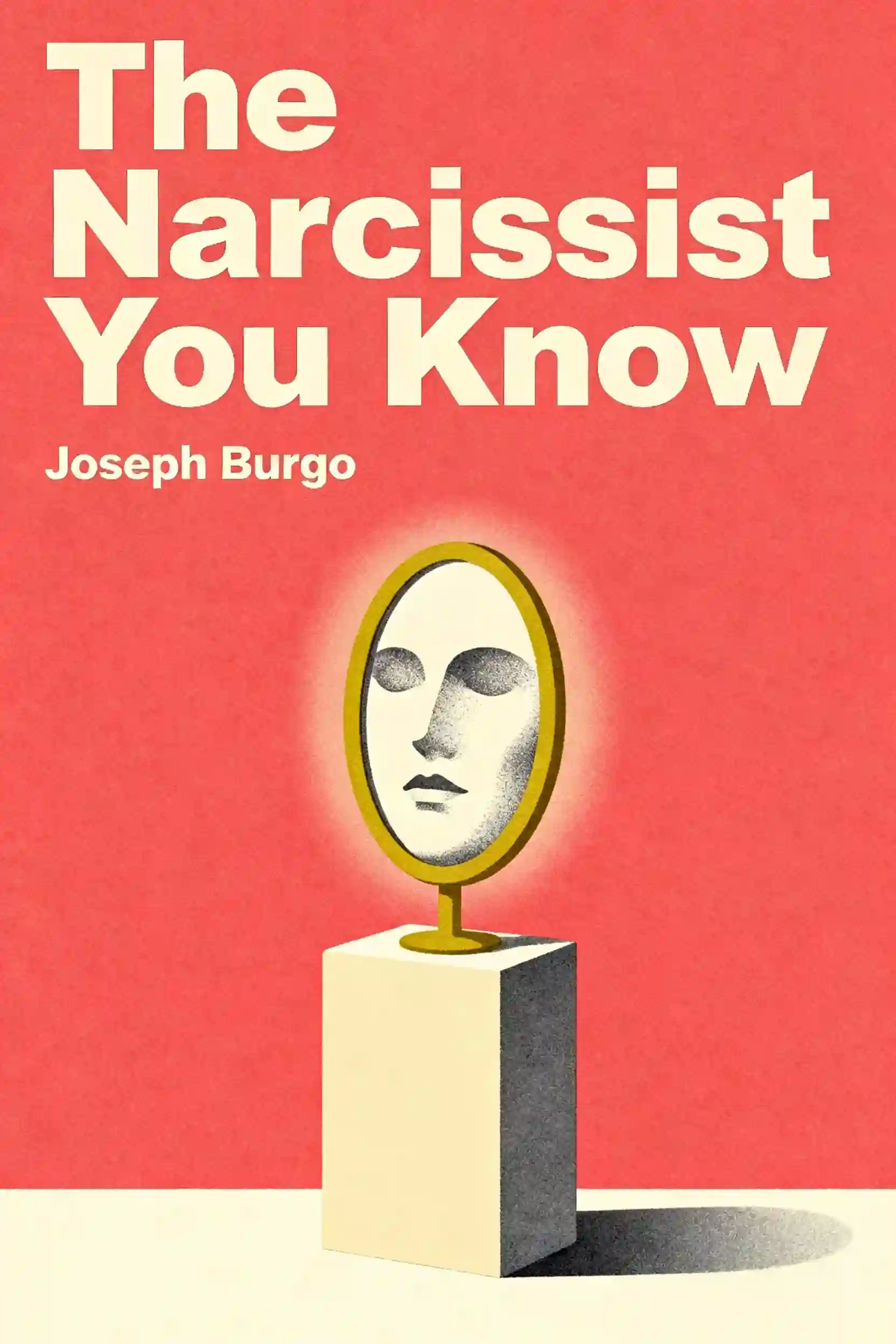
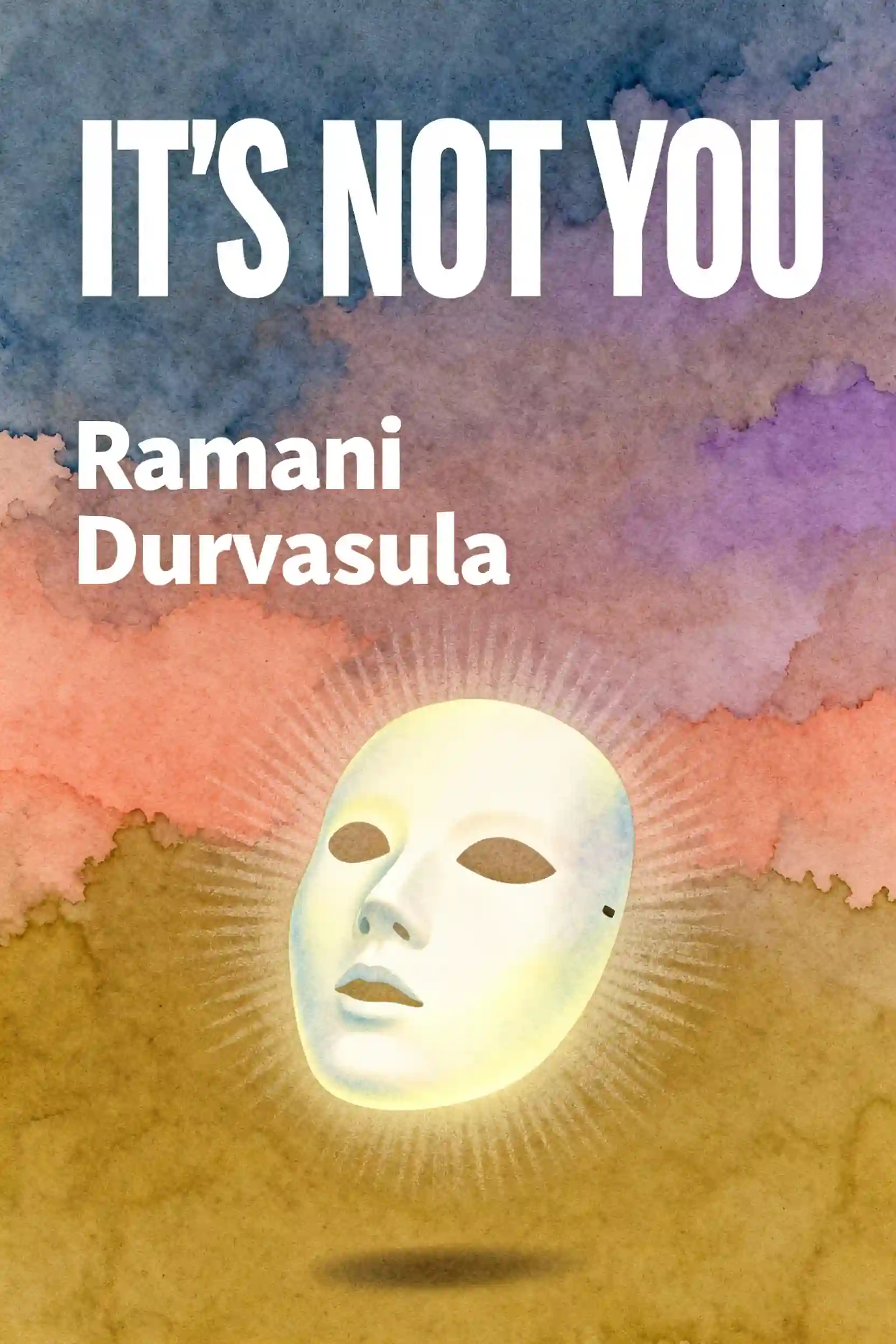





FAQ
The 11 3 6 rule is a social concept suggesting that to build a strong friendship, you should aim for 11 interactions, totaling 3 hours of connection, across 6 different locations or contexts. This variety helps solidify trust and shared experiences.
The 5 C's of friendship typically refer to connection, communication, commitment, compassion, and care. These foundational elements help individuals build a supportive social circle and maintain healthy, balanced relationships.
The 7 friend rule is a popular idea proposing that a person needs seven different types of friends for a well-rounded and supportive social circle. These roles often include a childhood friend, a funny friend, a mentor, and others who provide unique perspectives and support.
From Columbia University alumni built in San Francisco
"Instead of endless scrolling, I just hit play on BeFreed. It saves me so much time."


"I never knew where to start with nonfiction—BeFreed’s book lists turned into podcasts gave me a clear path."


"Perfect balance between learning and entertainment. Finished ‘Thinking, Fast and Slow’ on my commute this week."
"Crazy how much I learned while walking the dog. BeFreed = small habits → big gains."
"Reading used to feel like a chore. Now it’s just part of my lifestyle."

"Feels effortless compared to reading. I’ve finished 6 books this month already."
"BeFreed turned my guilty doomscrolling into something that feels productive and inspiring."

"BeFreed turned my commute into learning time. 20-min podcasts are perfect for finishing books I never had time for."
"BeFreed replaced my podcast queue. Imagine Spotify for books — that’s it. 🙌"

"It is great for me to learn something from the book without reading it."
"The themed book list podcasts help me connect ideas across authors—like a guided audio journey."
"Makes me feel smarter every time before going to work"
From Columbia University alumni built in San Francisco
"Instead of endless scrolling, I just hit play on BeFreed. It saves me so much time."
"I never knew where to start with nonfiction—BeFreed’s book lists turned into podcasts gave me a clear path."
"Perfect balance between learning and entertainment. Finished ‘Thinking, Fast and Slow’ on my commute this week."
"Crazy how much I learned while walking the dog. BeFreed = small habits → big gains."
"Reading used to feel like a chore. Now it’s just part of my lifestyle."
"Feels effortless compared to reading. I’ve finished 6 books this month already."
"BeFreed turned my guilty doomscrolling into something that feels productive and inspiring."
"BeFreed turned my commute into learning time. 20-min podcasts are perfect for finishing books I never had time for."
"BeFreed replaced my podcast queue. Imagine Spotify for books — that’s it. 🙌"
"It is great for me to learn something from the book without reading it."
"The themed book list podcasts help me connect ideas across authors—like a guided audio journey."
"Makes me feel smarter every time before going to work"
"Instead of endless scrolling, I just hit play on BeFreed. It saves me so much time."
"I never knew where to start with nonfiction—BeFreed’s book lists turned into podcasts gave me a clear path."
"Perfect balance between learning and entertainment. Finished ‘Thinking, Fast and Slow’ on my commute this week."
"Crazy how much I learned while walking the dog. BeFreed = small habits → big gains."
"Reading used to feel like a chore. Now it’s just part of my lifestyle."
"Feels effortless compared to reading. I’ve finished 6 books this month already."
"BeFreed turned my guilty doomscrolling into something that feels productive and inspiring."
"BeFreed turned my commute into learning time. 20-min podcasts are perfect for finishing books I never had time for."
"BeFreed replaced my podcast queue. Imagine Spotify for books — that’s it. 🙌"
"It is great for me to learn something from the book without reading it."
"The themed book list podcasts help me connect ideas across authors—like a guided audio journey."
"Makes me feel smarter every time before going to work"
"Instead of endless scrolling, I just hit play on BeFreed. It saves me so much time."
"I never knew where to start with nonfiction—BeFreed’s book lists turned into podcasts gave me a clear path."
"Perfect balance between learning and entertainment. Finished ‘Thinking, Fast and Slow’ on my commute this week."
"Crazy how much I learned while walking the dog. BeFreed = small habits → big gains."
"Reading used to feel like a chore. Now it’s just part of my lifestyle."
"Feels effortless compared to reading. I’ve finished 6 books this month already."
"BeFreed turned my guilty doomscrolling into something that feels productive and inspiring."
"BeFreed turned my commute into learning time. 20-min podcasts are perfect for finishing books I never had time for."
"BeFreed replaced my podcast queue. Imagine Spotify for books — that’s it. 🙌"
"It is great for me to learn something from the book without reading it."
"The themed book list podcasts help me connect ideas across authors—like a guided audio journey."
"Makes me feel smarter every time before going to work"