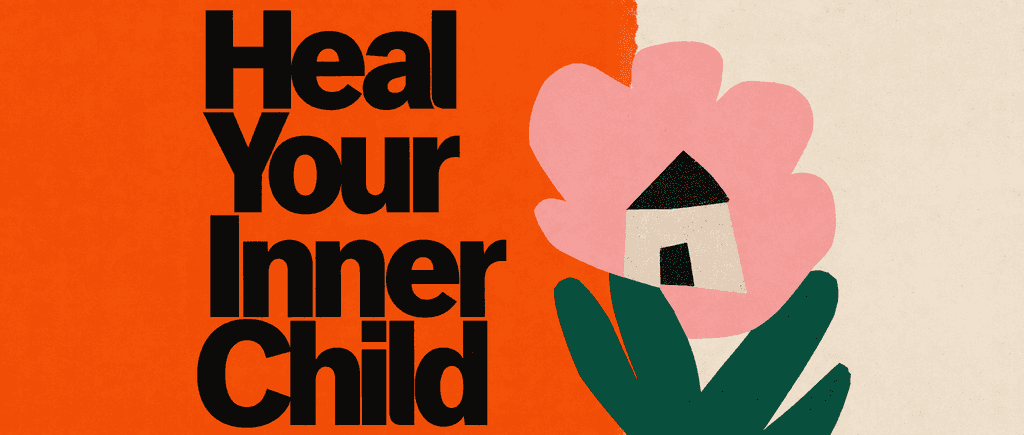
How to Remember Forgotten Childhood Memories: Causes and Recovery
Explore the causes of childhood amnesia and learn effective techniques for recovering forgotten memories. Understand how trauma and brain development impact recall.

Best quote from How to Remember Forgotten Childhood Memories: Causes and Recovery
Your memory gaps aren't a failure; they’re actually evidence of your brain working incredibly hard to protect you. We’re essentially designed to outgrow our earliest memories to make room for a more complex way of being.
Generated by Ashley
How to remember why I forgot my childhood

Frequently Asked Questions
It is common to experience childhood amnesia, which is the natural inability of adults to retrieve memories from their first few years of life. This typically occurs because the brain's hippocampus and memory systems are still developing during infancy. Additionally, the way we process language and store information changes as we grow, making it difficult to access early non-verbal memories later in life. While some gaps are normal, significant memory loss can also be influenced by emotional factors or specific life events.
Yes, childhood trauma is a significant factor that can lead to repressed memories or dissociative amnesia. When a child experiences overwhelming stress or a traumatic event, the brain may use a defense mechanism to block out those painful experiences to protect the individual's psyche. This can result in long-term gaps in your personal history. Understanding the link between trauma and memory is a crucial step for those wondering why they forgot specific periods of their upbringing or early life.
Recovering childhood memories often involves using specific memory recall techniques such as sensory triggers, journaling, or looking at old photographs. Engaging with familiar scents, music, or locations from your past can help stimulate the brain's associative networks. However, it is important to approach this process carefully, as memories can sometimes be distorted over time. Many people find that working with a mental health professional provides a safe environment to explore these forgotten periods and distinguish between genuine recall and reconstructed thoughts.
While it is possible to uncover repressed memories, the process should be handled with care to ensure emotional safety. Techniques like mindfulness, guided imagery, and therapeutic dialogue are often used to gently bring suppressed information to the surface. Because the mind may have hidden these memories as a survival strategy, sudden recall can be emotionally taxing. Consulting with a specialist in memory loss causes and trauma can help you navigate these discoveries while maintaining your mental well-being and ensuring the accuracy of the recovered information.
From Columbia University alumni built in San Francisco
"Instead of endless scrolling, I just hit play on BeFreed. It saves me so much time."


"I never knew where to start with nonfiction—BeFreed’s book lists turned into podcasts gave me a clear path."


"Perfect balance between learning and entertainment. Finished ‘Thinking, Fast and Slow’ on my commute this week."
"Crazy how much I learned while walking the dog. BeFreed = small habits → big gains."
"Reading used to feel like a chore. Now it’s just part of my lifestyle."

"Feels effortless compared to reading. I’ve finished 6 books this month already."
"BeFreed turned my guilty doomscrolling into something that feels productive and inspiring."

"BeFreed turned my commute into learning time. 20-min podcasts are perfect for finishing books I never had time for."
"BeFreed replaced my podcast queue. Imagine Spotify for books — that’s it. 🙌"

"It is great for me to learn something from the book without reading it."
"The themed book list podcasts help me connect ideas across authors—like a guided audio journey."
"Makes me feel smarter every time before going to work"
From Columbia University alumni built in San Francisco
"Instead of endless scrolling, I just hit play on BeFreed. It saves me so much time."
"I never knew where to start with nonfiction—BeFreed’s book lists turned into podcasts gave me a clear path."
"Perfect balance between learning and entertainment. Finished ‘Thinking, Fast and Slow’ on my commute this week."
"Crazy how much I learned while walking the dog. BeFreed = small habits → big gains."
"Reading used to feel like a chore. Now it’s just part of my lifestyle."
"Feels effortless compared to reading. I’ve finished 6 books this month already."
"BeFreed turned my guilty doomscrolling into something that feels productive and inspiring."
"BeFreed turned my commute into learning time. 20-min podcasts are perfect for finishing books I never had time for."
"BeFreed replaced my podcast queue. Imagine Spotify for books — that’s it. 🙌"
"It is great for me to learn something from the book without reading it."
"The themed book list podcasts help me connect ideas across authors—like a guided audio journey."
"Makes me feel smarter every time before going to work"
"Instead of endless scrolling, I just hit play on BeFreed. It saves me so much time."
"I never knew where to start with nonfiction—BeFreed’s book lists turned into podcasts gave me a clear path."
"Perfect balance between learning and entertainment. Finished ‘Thinking, Fast and Slow’ on my commute this week."
"Crazy how much I learned while walking the dog. BeFreed = small habits → big gains."
"Reading used to feel like a chore. Now it’s just part of my lifestyle."
"Feels effortless compared to reading. I’ve finished 6 books this month already."
"BeFreed turned my guilty doomscrolling into something that feels productive and inspiring."
"BeFreed turned my commute into learning time. 20-min podcasts are perfect for finishing books I never had time for."
"BeFreed replaced my podcast queue. Imagine Spotify for books — that’s it. 🙌"
"It is great for me to learn something from the book without reading it."
"The themed book list podcasts help me connect ideas across authors—like a guided audio journey."
"Makes me feel smarter every time before going to work"
"Instead of endless scrolling, I just hit play on BeFreed. It saves me so much time."
"I never knew where to start with nonfiction—BeFreed’s book lists turned into podcasts gave me a clear path."
"Perfect balance between learning and entertainment. Finished ‘Thinking, Fast and Slow’ on my commute this week."
"Crazy how much I learned while walking the dog. BeFreed = small habits → big gains."
"Reading used to feel like a chore. Now it’s just part of my lifestyle."
"Feels effortless compared to reading. I’ve finished 6 books this month already."
"BeFreed turned my guilty doomscrolling into something that feels productive and inspiring."
"BeFreed turned my commute into learning time. 20-min podcasts are perfect for finishing books I never had time for."
"BeFreed replaced my podcast queue. Imagine Spotify for books — that’s it. 🙌"
"It is great for me to learn something from the book without reading it."
"The themed book list podcasts help me connect ideas across authors—like a guided audio journey."
"Makes me feel smarter every time before going to work"