BeFreed
    Categories>Psychology>What Happened to You Is More Important Than What’s Wrong

    What Happened to You Is More Important Than What’s Wrong

    15 min
    |
    |
    Mar 31, 2026
    PsychologySelf-GrowthWell-Being

    Stop judging your reactions and start understanding your past. Learn how early brain development shapes your behavior and how to find a path to healing.

    What Happened to You Is More Important Than What’s Wrong
    Choose how it's told

    One episode. Many ways to hear it.

    Same ideas from What Happened to You Is More Important Than What’s Wrong. Pick the voice, depth, and pace that fits you. Switch anytime.

    Transcript & chapters

    Chapter 1

    From "What's Wrong" to "What Happened

    Lena: You know, Miles, I was thinking about how often we look at our own behavior—or maybe someone else’s—and just think, "What is wrong with me?" or "What is wrong with them?" We’re so quick to judge those moments where we lash out or completely shut down.

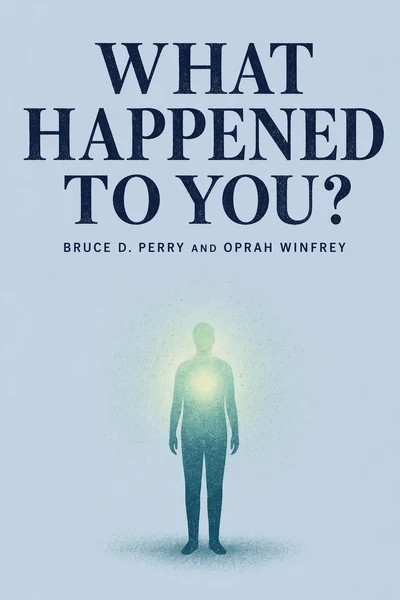
    Miles: It’s true. We hold ourselves to these impossible standards. But what if we stopped asking "What's wrong with you?" and started asking "What happened to you?" It’s a subtle shift, but according to Dr. Bruce Perry and Oprah Winfrey, it’s the key to everything.

    Lena: Exactly! And it’s not just a nice sentiment. There’s incredible science behind it. Did you know that during the first nine months of life, a fetal brain can create 20,000 new neurons every single second? Compare that to an adult who might only create 700 on a good day.

    Miles: That is staggering. It really shows why those earliest experiences are so disproportionately powerful in shaping our world. Our brains are literally wired by what we go through.

    Lena: It’s fascinating how our past creates the lens we use today. So, let’s explore how we can start shifting that perspective to find a path toward healing.
    Chapter 2

    The Architecture of Adaptation

    Miles: Building on those incredible numbers you mentioned, Lena—those 20,000 neurons a second—it helps us realize that our brains aren't just recording memories like a video camera. They are actually organizing themselves based on the environment they find themselves in. Dr. Perry explains this through what he calls the hierarchy of the brain. It develops from the bottom up—starting with the brainstem, which handles the basics like your heartbeat and breathing, then moving up to the limbic system for emotions and bonding, and finally reaching the cortex, which is where our complex thinking and values live.

    Lena: So, the "smart" part of our brain is actually the last to show up to the party. That's a huge realization because it means all our experiences have to pass through those lower, more primitive sections first. If those lower parts are screaming "danger" because of something that happened to us years ago, the smart part—the cortex—doesn't even get a chance to weigh in. It’s like trying to have a logical conversation with someone while a fire alarm is going off in the room.

    Miles: Exactly. And because the brain is so malleable early on, if a child is raised in an environment of chaos or threat, their brain allocates way more resources to those survival systems. They become experts at detecting danger—which is a brilliant adaptation for that environment—but then they carry that "fire alarm" setting into adulthood.

    Lena: It’s so powerful to think of it as an adaptation rather than a defect. We often label kids who are hypervigilant as having ADHD, but Perry points out that they might actually just be exquisitely tuned to their surroundings because they had to be. Their brain organized around survival. It’s not that they can’t focus—it’s that they are focusing on the things their brain has categorized as life or death.

    Miles: Right, and that organizational style stays with us. It’s why we might have a massive emotional reaction to something small today—a certain tone of voice or a specific smell—and we don't understand why. Our brainstem recognized a sensory pattern from a past trauma and triggered a survival response before our conscious mind even knew what was happening. It’s essentially a "biological ghost" of what happened to us.

    Keep learning with this episode

    Take the ideas from this episode into a guided learning experience in BeFreed.

    Chapter 3

    The Rhythm of Regulation

    Lena: If the trauma is stored in those lower, non-verbal parts of the brain, then just talking about it—using our cortex—might not be enough to heal, right? I was struck by how much emphasis Dr. Perry and Oprah place on rhythm. They talk about how rhythmic, repetitive activities are actually the primary way we soothe the brainstem.

    Miles: You've hit the nail on the head. Think about why we rock a crying baby or why humans have been drumming and dancing in circles for thousands of years. Those patterned, repetitive sensory inputs—walking in nature, massage, even just rocking in a chair—send a signal to the lower brain that says, "You are safe. You are regulated." It’s a bottom-up approach to healing.

    Lena: It makes so much sense why people find solace in things like knitting or long walks. It’s not just a distraction. It’s actually neurobiology in action. Dr. Perry mentions that for a child who experienced trauma in infancy, we have to start with these sensory-motor activities before we can ever expect them to benefit from talk therapy. You have to regulate the brainstem before you can reason with the cortex.

    Miles: It’s the "Regulate, Relate, Reason" sequence. You can't skip steps. If someone is dysregulated—meaning their lower brain is in a state of alarm—they literally cannot access the "smart" part of their brain. Their functional IQ actually drops as they move from a state of calm to fear or terror. So, before we try to solve a problem or learn a lesson, we have to get the body back to a state of calm through rhythm.

    Lena: And Oprah shares such a personal example of this with her own history of "whuppings." She talked about how that conditioned compliance made her a people pleaser. Her brain learned that the only way to be safe was to satisfy the needs of others and stay under the radar. For her, healing involved recognizing that those survival strategies—which were so necessary back then—were now standing in the way of her setting healthy boundaries.

    Miles: It's that "terror of being alive" that can linger. Even something like an opioid burst from self-soothing behaviors—like eating or other repetitive habits—can be the brain's way of trying to find regulation in a world that feels unpredictable. It’s all about seeking that balance, that internal homeostasis.

    Chapter 4

    The Spectrum of Relational Health

    Lena: We often talk about the "Three Es" of trauma—the Event, the Experience, and the Effects. But I found it so encouraging that the research shows something even more powerful than the history of adversity: the history of relational health. Apparently, our connectedness to family, community, and culture is actually more predictive of our mental health than the trauma itself.

    Miles: That is such a vital message of hope. It means that while we can't change what happened to us, we can change our current state of "connectedness." Dr. Perry says that relationships are the "currency of change." Human beings are biologically hardwired for connection. We aren't meant to raise children or heal from pain in total isolation.

    Lena: It’s interesting how modern life has made us "relationally impoverished" in some ways. We spend eleven hours a day in front of screens, and many of us live in one-person households. We’ve moved away from those small social networks of sixty to a hundred people where there was constant physical proximity and touch. That lack of connection actually makes our stress response more sensitive.

    Miles: Exactly. We’ve traded intrinsic goals like community and affiliation for extrinsic ones like status and materialism. And the brain feels that gap. Dr. Perry mentions that we need "developmental diversity"—kids mixing with elders, a dense web of support. He even suggested that for every child under six, you ideally need four developmentally mature adults involved in their lives.

    Lena: That definitely puts the pressure off single parents who feel inadequate! But it also highlights why "weathering" trauma is easier when you have a "clan." Oprah mentions how the church was a huge part of how the African American community survived transgenerational trauma—it provided that regulating rhythm and that deep sense of belonging.

    Miles: And belonging is key because the brain categorizes what is "familiar" as "safe." If we spend positive time with someone, our brain slowly recategorizes them from "stranger" to "familiar." That’s why therapy often takes ten or twenty sessions before a client feels safe enough to share the hard stuff. The brain needs that repetition of safety to rewire its internal map of the world.

    Keep learning with this episode

    Take the ideas from this episode into a guided learning experience in BeFreed.

    Chapter 5

    Transgenerational Echoes and Biases

    Lena: One of the more heavy topics in the book is how trauma can be passed down—not just through stories, but almost through our biology. They talk about transgenerational transmission through genetics, epigenetics, and even the emotional contagion within a family. It’s like the fear of the grandparent becomes the fear of the grandchild.

    Miles: It’s a profound concept. We absorb the emotional climate of our caregivers before we even have words. If a mother is under extreme stress during pregnancy, that "stress signal" can influence fetal brain development. It sets the child's "thermostat" for stress before they are even born. And in communities that have faced systemic racism or historical trauma, these echoes can last for generations.

    Lena: It really reframes how we look at social issues, doesn't it? If a community has been conditioned by generations of threat, their collective "alert" state is going to be higher. Dr. Perry points out that this hypervigilance is often mislabeled by our systems. For example, Black and Brown children are often over-diagnosed with ADHD or expelled at much higher rates because their survival-based "alert" response is seen as a character flaw rather than a biological adaptation to historical and current stress.

    Miles: Right, and the brain uses shortcuts—biases—based on our earliest experiences. Our first experiences create the filter through which everything else passes. If our "clan" was a certain way, we feel safe with people who match that. If we want to challenge our implicit biases, we have to be courageous enough to spend real time immersed in other cultures. It’s about building real relationships to override those old brain shortcuts.

    Lena: I love that idea—that the solution to bias isn't just "training," it's "experience." It’s about creating new, positive associations in the brain through actual human connection. It’s moving from a place of judgment to one of curiosity. Instead of being afraid of the "different," we ask ourselves what our brain is trying to protect us from based on our past.

    Miles: It also ties back to redemption. They shared that moving story about the man who wrote "Writing My Wrongs" while in prison. He transformed his life through meditation and journaling. It shows that while our past is an explanation, it’s not an excuse that traps us forever. The brain’s neuroplasticity means we can always start building new pathways, no matter how old we are or what we've been through.

    Chapter 6

    Healing in the Modern World

    Lena: As we look at the world today, it feels like we’re at a bit of a crossroads. We have all this incredible technology, but Dr. Perry is concerned that it’s actually contributing to a "distracted society." Parents are physically present but "checked out" on their screens, and children are missing out on that vital back-and-forth conversational interaction that builds empathy.

    Miles: It’s a real concern. Empathy is a "use it or lose it" capacity. We learn to read facial expressions and regulate our emotions by watching the people around us. If we’re staring at tablets, we’re missing those micro-interactions. Dr. Perry even suggests that children under three shouldn't really be using screens at all because they need that human "social novelty" to develop properly.

    Lena: And we see the results in college-aged adults who are reportedly less empathic and more anxious than previous generations. It’s like our inventions are outpacing our ability to understand their impact on our biology. We need to create "social practice rules"—like no-phone zones—to protect our relational health.

    Miles: But it’s not all doom and gloom. We’re also seeing the rise of "Trauma-Informed Care" or TIC. This is a huge shift in schools and hospitals where they are finally looking at the "why" behind the behavior. Instead of just punishing a kid for a "snapped" outburst, they recognize that 30 to 50 percent of kids in public schools have three or more Adverse Childhood Experiences. They are starting to use things like walking, music, and "somatosensory regulation" to help kids stay in a state where they can actually learn.

    Lena: It’s about creating systems that heal rather than re-traumatize. Whether it's in the justice system or the classroom, recognizing that "nothing and no one can take away the pain," but we can provide a safe "container" for people to process it. We have to move away from being "crisis-focused" and toward being "relationally-focused."

    Miles: Exactly. And that applies to us as individuals, too. We have to be "intentional" about our healing. Like Oprah says, asking "What is my intention?" before we act can help us move out of those old, reactive patterns and into a place of conscious choice. It’s about "re-parenting" ourselves and building those new, healthier default pathways in our brains.

    Keep learning with this episode

    Take the ideas from this episode into a guided learning experience in BeFreed.

    Chapter 7

    A Practical Playbook for the Listener

    Lena: So, for everyone listening who might be feeling the weight of their own "What happened to you?" story, what are some small, compassionate steps we can take today? I think the first one has to be just giving ourselves a break. Realizing that our reactions—the people-pleasing, the shutting down—were actually brilliant ways our brain helped us survive.

    Miles: Absolutely. That shift from shame to curiosity is step number one. When you feel yourself getting "triggered" or dysregulated, try to stop and ask, "What is my brain reacting to right now?" Is there a smell, a sound, or a tone that feels like a ghost from the past? Just naming it can sometimes bring the cortex back online.

    Lena: And don't forget the power of rhythm. If you're feeling overwhelmed, you don't necessarily need to "think" your way out of it. Try a walk in nature, some music, or even just some deep, rhythmic breathing. Remember the sequence: Regulate, then Relate, then Reason. You can't skip straight to the logic if your body feels like it's under attack.

    Miles: Also, lean into your "relational health." Reach out to those "radiators"—the people who make you feel safe and seen. We aren't meant to do this alone. Even brief "therapeutic moments" spread throughout the week are more effective than one long session in isolation. Connection is the ultimate regulator.

    Lena: And finally, be patient with the process. Neuroplasticity is real, but it takes repetition. We are essentially "renovating" our brain's architecture. It’s about building new associations and making those healthier pathways the "default" over time. As Maya Angelou said, "You teach people how to treat you," and that starts with how we treat ourselves.

    Miles: It’s a journey from "traumatized" to "typical" to "resilient." And that journey actually creates a unique kind of "post-traumatic wisdom." You emerge with a deeper perspective and a strength that wouldn't have been there otherwise. You aren't broken—you're malleable, and you're capable of incredible growth.

    Chapter 8

    Closing Reflection and Wrap-Up

    Lena: As we bring this to a close, I keep coming back to that one simple, powerful phrase: "What happened to you?" It’s a question that invites empathy instead of judgment, and it’s a question we can ask ourselves every single day.

    Miles: It really is the key to reshaping our lives. To everyone listening, we hope these insights from Dr. Perry and Oprah offer you a new lens through which to view your own journey. Your past is a part of your story, but it doesn't have to be the end of it.

    Lena: We encourage you to take a moment today to reflect on one "rhythmic" activity that makes you feel safe, or one person who acts as a "radiator" in your life. Hold onto that connection.

    Miles: Thank you so much for joining us for this conversation. It’s been a privilege to explore these themes of resilience and healing with you.

    Lena: Take care of yourselves—and each other. We’ll leave you with this final thought: until you heal the wounds of the past, you will continue to bleed. But with the right tools and the right connections, healing is always possible.

    Miles: Right on. Thanks for listening, everyone. Take it easy.

    ★★★★★

    You made it to the end of What Happened to You Is More Important Than What’s Wrong

    “23 days in and I have used it every single day. It is part of my daily habit now.”

    jayallen

    Best quote from What Happened to You Is More Important Than What’s Wrong

    “

    What if we stopped asking 'What's wrong with you?' and started asking 'What happened to you?' It’s a subtle shift, but it’s the key to everything because our brains are literally wired by what we go through.

    ”
    V

    Generated by Vlad

    Input question

    What happened to you

    Host voices
    Lenaplay
    Milesplay
    Knowledge sources
    What Happened to You?
    Unbroken
    Complex PTSD
    What My Bones Know
    How to Do the Work
    The Teenage Brain

    Frequently Asked Questions

    Shifting the focus to "What happened to you?" moves the conversation from judgment to empathy and science. It acknowledges that difficult behaviors, such as lashing out or shutting down, are often biological adaptations to past experiences rather than character flaws. By understanding the events that shaped a person's brain, especially during highly sensitive developmental periods, we can view their current struggles as survival strategies that were once necessary.

    The brain develops from the bottom up, starting with the brainstem (survival) and ending with the cortex (complex thinking). Because a fetal brain creates 20,000 new neurons every second, early environments of chaos or threat cause the brain to organize itself around survival. This results in a highly sensitive "fire alarm" system where the lower brain constantly scans for danger, often bypassing the logical cortex and making it difficult for an individual to focus or stay calm in adulthood.

    This sequence is a biological necessity for processing stress and learning. Because the brain processes information from the bottom up, a person who is dysregulated or in a state of fear cannot access the "smart" part of their brain (the cortex). Healing must begin with "Regulating" the brainstem through rhythmic, sensory activities like walking or music, then "Relating" through social connection, and only then can the person "Reason" or engage in logical problem-solving and talk therapy.

    Research suggests that a person's current connectedness to family, community, and culture is a stronger predictor of mental health than their past trauma. Human beings are biologically hardwired for connection, and relationships act as the "currency of change." Having a reliable support system or "clan" provides the regulating rhythm and safety necessary to rewire the brain’s internal map, proving that while we cannot change the past, we can change our current state of connection to foster resilience.

    From Columbia University alumni | built in San Francisco

    BeFreed Brings Together A Global Community Of Curious Minds

    4.7

    avg rating

    7.84k+ App Rating

    BeFreed Community

    Seriously I haven’t even explored this app fully yet but from using it the last few days I am so impressed... BeFreed is on a different level from any other learning app I have used. This makes it ultra engaging and can actually improve your concentration which is great for all the doom scrollers!

    @ladyInfinity

    I bought BeFreed exactly 23 days ago, and I have used it every single day since. It has completely embedded itself into my daily workflow and learning habit.

    @jayallen

    The truth is, the app has exceeded all my expectations. I can ask it to generate audio on any topic, whatever it may be, and the result is impressive. My professional field is a specialization in psychotherapy and it is multidisciplinary; however, the answers are very accurate.

    @Raguipa

    What I appreciate most is how much it's reduced my scrolling – I'm spending less time searching and more time absorbing information. The combination of full audiobooks, podcasts, the learning plans are brilliant.

    @colonyofcreatorsNGO

    I have been a PhotoReading Accelerated Learning Instructor for the past 24 years... books and reading and learning are my thing, and BeFreed has done a great job in providing an innovative approach to disseminating and delivering information in an easy to consume way.

    @BeFreed user

    It is not just a book summary app, I have used the 'fun reading' option and it's a much better summary and way to grasp ideas the traditional way, that alone is worth this deal.

    @austinakon

    I love this app. Used it for several days and I cannot stop listening. Such a great way to start.

    @jcrules328

    I really like the program; I have already tested it for around one month, and I feel that it's an amazing gem. It works so well because I can use BeFreed to create my own topics, and the voice is so good with unlimited choice of narrations.

    @DanielCZ

    Seriously I haven’t even explored this app fully yet but from using it the last few days I am so impressed... BeFreed is on a different level from any other learning app I have used. This makes it ultra engaging and can actually improve your concentration which is great for all the doom scrollers!

    @ladyInfinity

    I bought BeFreed exactly 23 days ago, and I have used it every single day since. It has completely embedded itself into my daily workflow and learning habit.

    @jayallen

    The truth is, the app has exceeded all my expectations. I can ask it to generate audio on any topic, whatever it may be, and the result is impressive. My professional field is a specialization in psychotherapy and it is multidisciplinary; however, the answers are very accurate.

    @Raguipa

    What I appreciate most is how much it's reduced my scrolling – I'm spending less time searching and more time absorbing information. The combination of full audiobooks, podcasts, the learning plans are brilliant.

    @colonyofcreatorsNGO

    I have been a PhotoReading Accelerated Learning Instructor for the past 24 years... books and reading and learning are my thing, and BeFreed has done a great job in providing an innovative approach to disseminating and delivering information in an easy to consume way.

    @BeFreed user

    It is not just a book summary app, I have used the 'fun reading' option and it's a much better summary and way to grasp ideas the traditional way, that alone is worth this deal.

    @austinakon

    I love this app. Used it for several days and I cannot stop listening. Such a great way to start.

    @jcrules328

    I really like the program; I have already tested it for around one month, and I feel that it's an amazing gem. It works so well because I can use BeFreed to create my own topics, and the voice is so good with unlimited choice of narrations.

    @DanielCZ

    I love the fact that I can get useful, condensed, information and ideas in a 8 - 15 minute podcast style audio. I'm not a general fan of podcasts because of all the fluff, but this cuts through all that.

    @BeFreed user

    I am finishing up my doctorate, and have to read a lot of unfamiliar material... With BeFreed, you simply enter a prompt, and the app finds source material for you and generates an audio podcast. I find the process in BeFreed to be more streamlined than NotebookLM.

    @Brad

    I often search YouTube for something to listen to whilst making breakfast, when I'm out walking, commuting, etc, and BeFreed has provided an even more targeted approach, without the adverts and the fluff!

    @BeFreed user

    The absolute best part about this platform is its versatility. There is literally no subject that is off-topic. It handles whatever you throw at it... It is rare to find an learning tool with zero limitations that actually delivers on its promises.

    @jayallen

    BeFreed is fantastic. The user-friendly design means I spend less time navigating and more time learning. The mix of audiobooks, podcasts, and learning plans is a genius combo that has completely changed my daily routine.

    @BeFreed user

    At the start I needed a while to understand how to create podcasts in italian language and boom! It is so great! I can ask to explain every argument and it does so well and so smartly!

    @matteo77

    BeFreed has become my daily app for audio books tools... What I like the most is the way you put your text and come with an audio that you can listen on the go.

    @kotanzu1

    I love the fact that I can get useful, condensed, information and ideas in a 8 - 15 minute podcast style audio. I'm not a general fan of podcasts because of all the fluff, but this cuts through all that.

    @BeFreed user

    I am finishing up my doctorate, and have to read a lot of unfamiliar material... With BeFreed, you simply enter a prompt, and the app finds source material for you and generates an audio podcast. I find the process in BeFreed to be more streamlined than NotebookLM.

    @Brad

    I often search YouTube for something to listen to whilst making breakfast, when I'm out walking, commuting, etc, and BeFreed has provided an even more targeted approach, without the adverts and the fluff!

    @BeFreed user

    The absolute best part about this platform is its versatility. There is literally no subject that is off-topic. It handles whatever you throw at it... It is rare to find an learning tool with zero limitations that actually delivers on its promises.

    @jayallen

    BeFreed is fantastic. The user-friendly design means I spend less time navigating and more time learning. The mix of audiobooks, podcasts, and learning plans is a genius combo that has completely changed my daily routine.

    @BeFreed user

    At the start I needed a while to understand how to create podcasts in italian language and boom! It is so great! I can ask to explain every argument and it does so well and so smartly!

    @matteo77

    BeFreed has become my daily app for audio books tools... What I like the most is the way you put your text and come with an audio that you can listen on the go.

    @kotanzu1

    See more on how BeFreed is discussed
    129.7K19.5K
    55.2K19.2K
    154.2K10827355
    48.1K2.5K
    81.2K6.6K
    82.3K1.8K
    Start your learning journey, now
    BeFreed app
    BeFreed

    Learn Anything, Personalized

    DiscordLinkedIn
    Featured book summaries
    Crucial ConversationsThe Perfect MarriageInto the WildNever Split the DifferenceAttachedGood to GreatSay Nothing
    Trending categories
    Self HelpCommunication SkillRelationshipMindfulnessPhilosophyInspirationProductivity
    Celebrities' reading list
    Elon MuskCharlie KirkBill GatesSteve JobsAndrew HubermanJoe RoganJordan Peterson
    Award winning collection
    Pulitzer PrizeNational Book AwardGoodreads Choice AwardsNobel Prize in LiteratureNew York TimesCaldecott MedalNebula Award
    Featured Topics
    ManagementAmerican HistoryWarTradingStoicismAnxietySex
    Best books by Year
    2025 Best Non Fiction Books2024 Best Non Fiction Books2023 Best Non Fiction Books
    Featured authors
    Chimamanda Ngozi AdichieGeorge OrwellO. J. SimpsonBarbara O'NeillWinston ChurchillCharlie Kirk
    BeFreed vs other apps
    BeFreed vs. Other Book Summary AppsBeFreed vs. ElevenReaderBeFreed vs. ReadwiseBeFreed vs. Anki
    Learning tools
    Knowledge VisualizerAI Podcast Generator
    Information
    About Usarrow
    Pricingarrow
    FAQarrow
    Blogarrow
    Careerarrow
    Partnershipsarrow
    Ambassador Programarrow
    Directoryarrow
    BeFreed
    Try now
    © 2026 BeFreed
    Term of UsePrivacy Policy
    BeFreed

    Learn Anything, Personalized

    DiscordLinkedIn
    Featured book summaries
    Crucial ConversationsThe Perfect MarriageInto the WildNever Split the DifferenceAttachedGood to GreatSay Nothing
    Trending categories
    Self HelpCommunication SkillRelationshipMindfulnessPhilosophyInspirationProductivity
    Celebrities' reading list
    Elon MuskCharlie KirkBill GatesSteve JobsAndrew HubermanJoe RoganJordan Peterson
    Award winning collection
    Pulitzer PrizeNational Book AwardGoodreads Choice AwardsNobel Prize in LiteratureNew York TimesCaldecott MedalNebula Award
    Featured Topics
    ManagementAmerican HistoryWarTradingStoicismAnxietySex
    Best books by Year
    2025 Best Non Fiction Books2024 Best Non Fiction Books2023 Best Non Fiction Books
    Learning tools
    Knowledge VisualizerAI Podcast Generator
    Featured authors
    Chimamanda Ngozi AdichieGeorge OrwellO. J. SimpsonBarbara O'NeillWinston ChurchillCharlie Kirk
    BeFreed vs other apps
    BeFreed vs. Other Book Summary AppsBeFreed vs. ElevenReaderBeFreed vs. ReadwiseBeFreed vs. Anki
    Information
    About Usarrow
    Pricingarrow
    FAQarrow
    Blogarrow
    Careerarrow
    Partnershipsarrow
    Ambassador Programarrow
    Directoryarrow
    BeFreed
    Try now
    © 2026 BeFreed
    Term of UsePrivacy Policy

    Part of a Learning Plan

    Release anger from past misunderstandings
    LEARNING PLAN

    Release anger from past misunderstandings

    5 h 19 m•4 Episodes

    More like this

    Moving on from past wounds and the fear of being judged book cover
    Getting Past Your PastHow to Do the WorkThe Anxiety and Phobia WorkbookWhen Panic Attacks
    26 sources
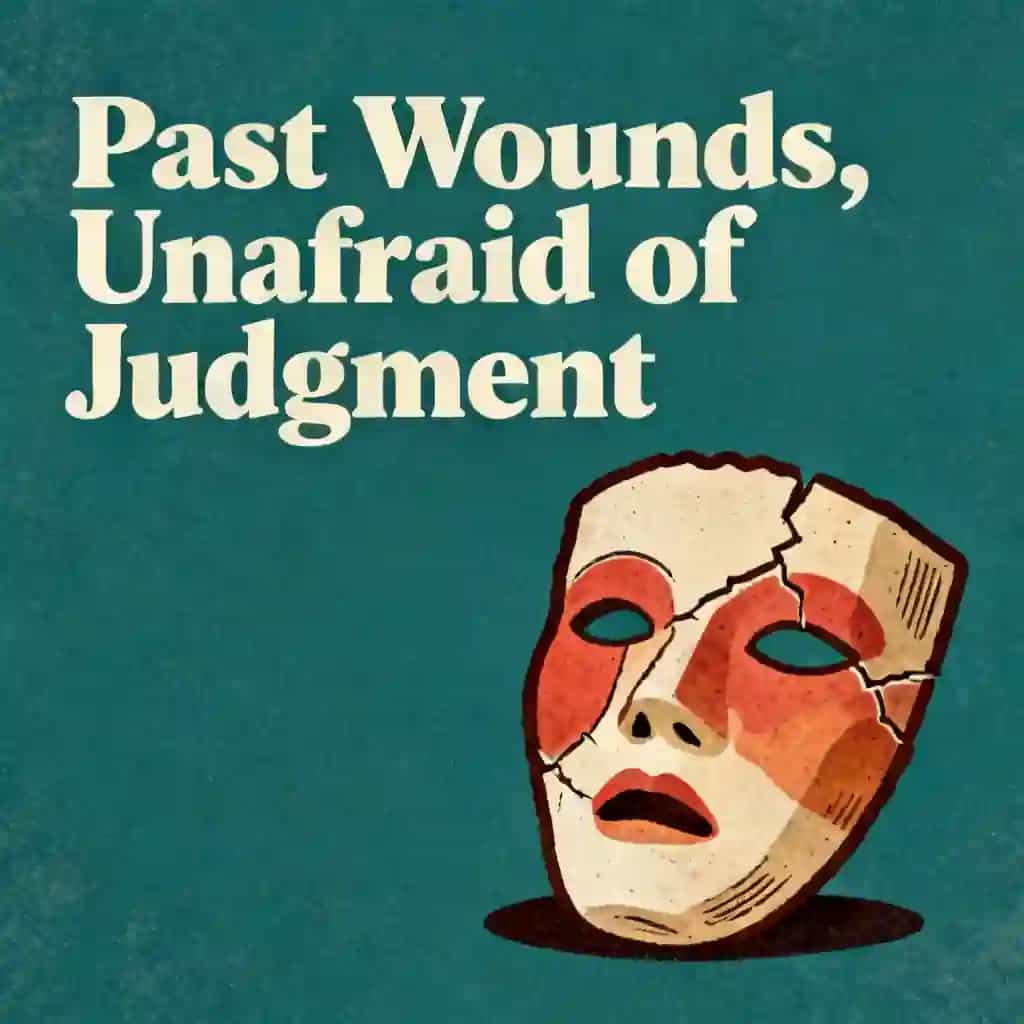
    Moving on from past wounds and the fear of being judged
    Struggling to let go of the past? Learn why your brain is wired for rumination and how to break the cycle of hyper-vigilance to build real resilience.
    23 min
    Emotional Healing: Rewiring the Brain book cover
    Emotional First AidHow to Do the WorkComplex PTSDNo Bad Parts
    8 sources
    Emotional Healing: Rewiring the Brain
    Struggling with past hurts that won't fade? Discover how your brain processes emotional wounds and learn practical tools to reclaim your inner peace.
    28 min
    What Happened to You? book cover
    What Happened to You?
    Bruce D. Perry and Oprah Winfrey
    Oprah and Dr. Perry explore trauma, resilience, and healing through personal stories and scientific insights.
    21 min
    Childhood Trauma: Healing the Body’s Alarm System book cover
    Complex PTSDThe Boy Who Was Raised as a DogUnderstanding Child Trauma: What is Childhood Trauma? - SAMHSAEffects | The National Child Traumatic Stress Network
    7 sources
    Childhood Trauma: Healing the Body’s Alarm System
    When old survival patterns keep you stuck in stress, understanding your past is key. Learn to recalibrate your brain and build lasting resilience.
    1523 min
    Trauma, Parenting, and the Burden of the Past book cover
    Writing a New Story: Thriving as a Parent After Surviving Abuse — Mental Health Therapy For Women Covered by InsuranceA framework of healing from coercive control and abuse | When Love HurtsWhy Healing From a Narcissistic or Abusive Partner Takes So Long - Wellbeing MagazineLeaving an Abusive Relationship When You Have Children - Partnership Against Domestic Violence
    5 sources
    Trauma, Parenting, and the Burden of the Past
    Healing from abuse is harder when children remind you of the past. Learn why your body stays in survival mode and how to reclaim your life.
    21 min
    Rewiring Childhood Trauma: Break Mental Blocks, Live Free book cover
    source 1source 2source 3How to Harness the Power of Neuroplasticity to Heal Childhood ...
    6 sources
    Rewiring Childhood Trauma: Break Mental Blocks, Live Free
    Discover science-backed techniques to heal childhood trauma, quiet your inner critic, and rewire your brain for authentic relationships and emotional freedom. Transform survival patterns into wisdom.
    21 min
    Healing from regret and the pain of heartache book cover
    Emotional First AidChanges That HealGetting Past Your BreakupHow to Do the Work
    29 sources
    Healing from regret and the pain of heartache
    Regret isn't a mistake to fix; it's a form of grief. Learn why your brain loops on the past and how to move from self-criticism toward real growth.
    15 min
    Your Problems Are Actually Solutions book cover
    YouTube video hlDUfBT5G-A
    1 source
    Your Problems Are Actually Solutions
    Stop fighting your worst habits and start understanding them. Learn how to reframe survival strategies as tools for healing and growth.
    15 min

    Recommended Learning Plans

    How do I heal my inner child?
    LEARNING PLAN

    How do I heal my inner child?

    This plan is essential for anyone feeling stuck in repetitive emotional cycles or struggling with low self-worth rooted in the past. It provides a structured path for individuals ready to break generational trauma and build a more compassionate relationship with themselves.

    5 h 38 m•4 Sections
    Rewiring the Traumatized Mind
    LEARNING PLAN

    Rewiring the Traumatized Mind

    This plan is essential for anyone seeking to understand the intersection of neuroscience and emotional recovery. It is designed for individuals or professionals looking to break cycles of trauma by addressing both the physical nervous system and early relational blueprints.

    1 h 30 m•3 Sections
    Letting go of past hurts, forgiving the people who hurt you, learning to heal mentally and emotionally
    LEARNING PLAN

    Letting go of past hurts, forgiving the people who hurt you, learning to heal mentally and emotionally

    Unresolved emotional wounds can silently control our behaviors, relationships, and life satisfaction. This learning plan provides a structured approach to emotional healing for anyone struggling with past hurts, resentment, or recurring negative patterns that stem from unhealed trauma.

    4 h 5 m•4 Sections
    Healing the Patterns You Inherited
    LEARNING PLAN

    Healing the Patterns You Inherited

    This plan is essential for individuals who feel stuck in repetitive emotional cycles or high-functioning anxiety rooted in family history. It is ideal for those seeking to move beyond intellectual understanding into somatic healing and genuine self-integration.

    1 h 12 m•3 Sections
    Self healing
    LEARNING PLAN

    Self healing

    Self-healing is essential for anyone carrying unprocessed trauma, chronic self-criticism, or disconnection from their body and emotions. This learning plan offers a compassionate, structured path for those ready to understand their wounds, release stored pain, and cultivate the self-love necessary for genuine transformation and lasting peace.

    4 h 38 m•4 Sections
    Heal From Childhood Emotional Wounds
    LEARNING PLAN

    Heal From Childhood Emotional Wounds

    Childhood emotional wounds often create invisible barriers to happiness, healthy relationships, and self-worth that persist into adulthood. This learning plan is essential for anyone who struggles with recurring relationship patterns, low self-esteem, difficulty trusting others, or feeling emotionally stuck despite wanting to change. It provides a structured, compassionate path to understanding and healing the root causes of emotional pain rather than just managing symptoms.

    11 h 48 m•5 Sections
    The Neurobiology of Healing
    LEARNING PLAN

    The Neurobiology of Healing

    This learning plan is essential for anyone seeking to understand the biological roots of their emotional habits and trauma. It is particularly beneficial for mental health professionals, individuals on a healing journey, or anyone interested in the practical application of neuroscience for personal transformation.

    1 h 30 m•3 Sections
    Healing the Invisible Wound
    LEARNING PLAN

    Healing the Invisible Wound

    This learning plan is essential for individuals who grew up feeling unseen or unsupported despite having their physical needs met. It provides a roadmap for those seeking to understand the impact of emotionally immature parents and develop the resilience needed to build healthier adult relationships.

    2 h•4 Sections