Egypt's Great Collapse Myth
Lena: Jackson, I've been thinking about something that completely blew my mind when I first learned it. You know how we always hear about civilizations "collapsing" - like it's this sudden, dramatic thing? Well, what if I told you that one of history's most famous collapses might not have been a collapse at all?
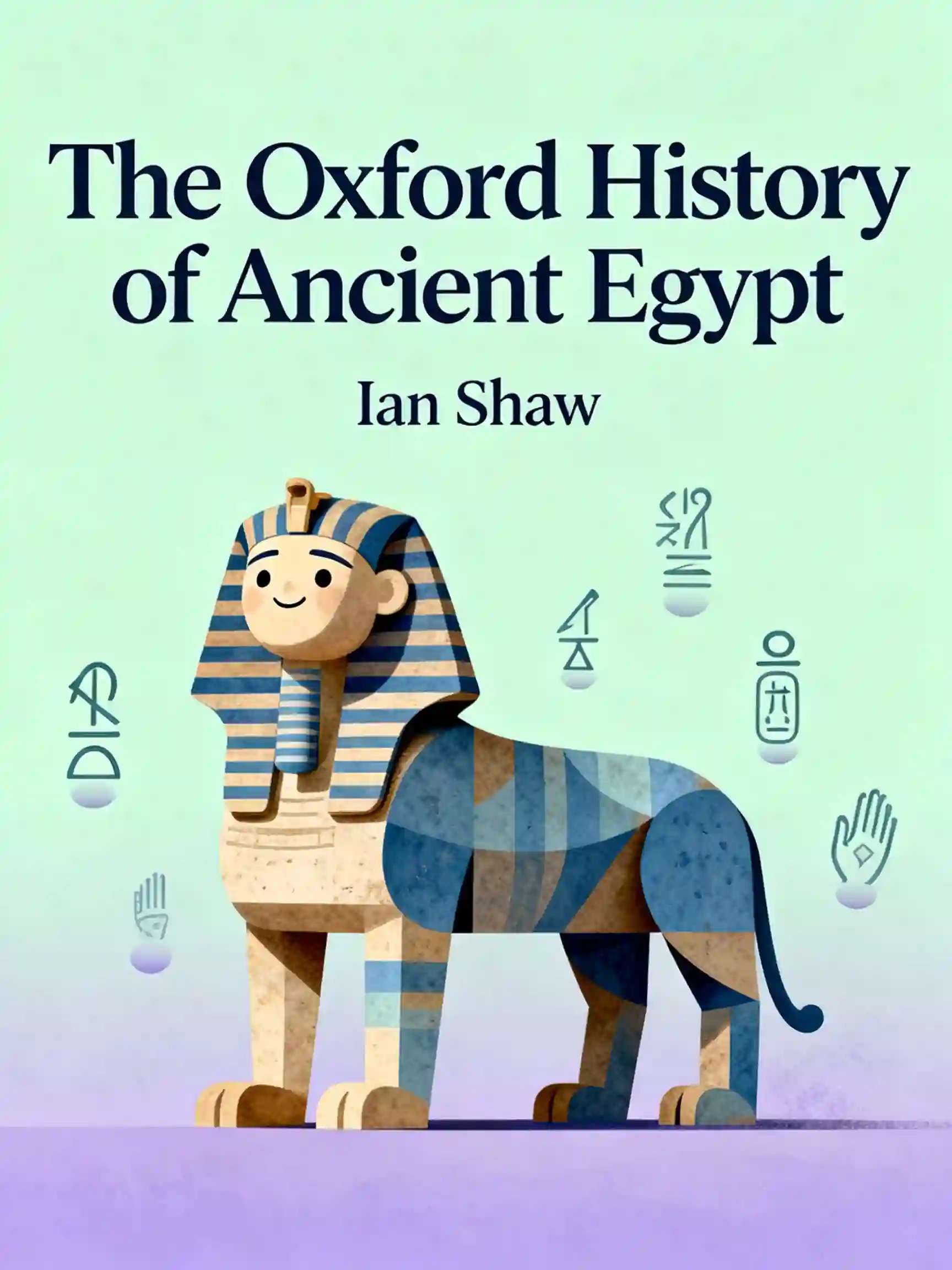
Jackson: Oh, you're talking about the Old Kingdom of Egypt, aren't you? The end of the pyramid age around 2200 BCE?
Lena: Exactly! I mean, for decades, historians painted this picture of total chaos - foreign invasions, civil wars, people literally eating their children during famines. But here's the thing that's fascinating - new research is showing that maybe Egypt didn't "die" so much as... fade and transform.
Jackson: Right, and that's such an important distinction because it changes how we think about societal resilience. You know, when we imagine the end of the pyramid builders, we picture this apocalyptic scenario. But the reality seems to be more like a slow-motion reorganization where power shifted from the pharaohs in Memphis to local governors across the provinces.
Lena: And what makes this story even more compelling is that it wasn't just Egypt - this was part of a massive climate event that hit civilizations from the Mediterranean all the way to China. So let's dive into what really happened when the great age of pyramid building came to an end.