BeFreed
    Categories>Communication>Sudanese Arabic Survival Phrases for Your First Week

    Sudanese Arabic Survival Phrases for Your First Week

    31 min
    |
    |
    Apr 6, 2026
    • Communication
    • Education
    • Self-Growth

    Struggling to speak Arabic in real life? Learn the top 100 high-frequency phrases and the echo method to navigate daily life in Sudan with confidence.

    Sudanese Arabic Survival Phrases for Your First Week
    0:00 / 0:00
    Choose how it's told

    One episode. Many ways to hear it.

    Same ideas from Sudanese Arabic Survival Phrases for Your First Week. Pick the voice, depth, and pace that fits you. Switch anytime.

    Transcript & chapters

    Chapter 1

    The Language Survival Power Tools

    Lena: You know, Miles, I once spent weeks trying to memorize complex Arabic grammar rules before a trip, only to realize I couldn't even ask where the bathroom was when I landed. It’s a classic trap, right?

    Miles: It really is. Most learners fail not because the language is too hard, but because they start with the wrong words—like "infrastructure" instead of "I want." It’s fascinating because the top 1,000 words actually cover about 80 to 85% of everyday conversations. You don't need a massive vocabulary; you just need a better-chosen one.

    Lena: Exactly! It’s about those high-frequency "power tools" that get you through the day. Today, we’re focusing on a survival list of 100 essential phrases in the Sudanese accent to get anyone through their first week.

    Miles: Right, and we’re going to practice them the smart way—using the "echo method" where you hear it, say it, and then hear yourself saying it. So, let’s dive into our first set of essential greetings and how to introduce yourself.

    Chapter 2

    Building the Bedrock of Every Interaction

    Lena: So, Miles, before we get into the heavy lifting of navigating cities and ordering feasts, we have to talk about the "social glue." I mean, in the Levant—whether you’re in Beirut, Amman, or Damascus—you can’t just jump into business, right? There’s a whole ritual to saying hello.

    Miles: You’ve hit the nail on the head. It’s not just a "hi" and "bye" culture. It’s deeply layered. If you walk into a shop and just say "How much?" you’ve already missed the most important step. The absolute bedrock is Marhaba. It’s your universal "Hello."

    Lena: Marhaba. It sounds so welcoming. And I love that there’s a specific way to turn it up a notch. If someone says Marhaba to you, you don't just say it back—you say Marhabtain.

    Miles: Exactly. Marhabtain literally means "two hellos." It’s like saying, "I see your greeting and I raise you another one." It’s that double-dose of hospitality. For everyone listening, let’s try that. Hear the welcome, give back double. Marhaba... Marhabtain.

    Lena: It feels so much warmer than a standard "hello." But then there’s the big one—the one that works in every corner of the Arabic-speaking world, but especially holds weight in the Levant. As-salamu alaykum.

    Miles: "Peace be upon you." It’s formal, it’s respectful, and it’s a powerhouse. If you’re meeting an elder or walking into a more traditional space, this is your go-to. And the response is like a mirror: Wa alaykum as-salam. "And upon you be peace."

    Lena: It’s interesting how these greetings aren't just words—they’re almost like a contract of goodwill. But once the "peace" is established, we get into the "how are you" phase. And this is where we have to be careful with gender, right?

    Miles: Definitely. This is one of the first hurdles for English speakers because we don’t change our "you" based on who we’re talking to. In Levantine Arabic, if you’re talking to a guy, you ask Keefak? If it’s a woman, it’s Keefik?

    Lena: Keefak for him, Keefik for her. It’s a small shift in that final vowel, but it makes a huge difference in sounding like you know what you’re doing. Let’s pause for a second so everyone can practice both. Keefak... Keefik.

    Miles: And the answer is usually pretty positive. You’ll hear Mniih for a man saying "I’m good," or Mniiha for a woman. But if you want to sound really local, you use the phrase Al-hamdu lillah.

    Lena: "Praise be to God." It’s used constantly, even if things are just okay. It’s the standard way of saying "I’m fine, thanks."

    Miles: Right. And if you’re in Lebanon, you might even hear a little French influence—Ça va or Safa is super common in Beirut. It’s that beautiful Mediterranean blend.

    Lena: I love that. It shows how the history of the region is literally baked into the daily speech. But what if you’re just meeting someone for the first time? You need to know their name. How do we ask that?

    Miles: You’d say Shu ismak? to a man or Shu ismik? to a woman. Shu is your "what," and ism is "name."

    Lena: Shu ismak?... Shu ismik?. And to answer, you just say Ismi... followed by your name. Ismi Lena.

    Miles: Ismi Miles. Simple, right? But then comes the follow-up that everyone asks: "Where are you from?" In the Levant, people are genuinely curious. You ask Min wein inta? to a guy or Min wein inti? to a girl.

    Lena: Min wein inta?... Min wein inti?. "From where are you?" It’s a great way to start a real conversation. And it sets the stage for everything else we’re going to cover—because once you’ve introduced yourself, you’ve moved from being a stranger to being a guest.

    Keep learning with this episode

    Take the ideas from this episode into a guided learning experience in BeFreed.

    Chapter 3

    Navigating the Streets and Finding Your Way

    Miles: Now that we’ve got the introductions out of the way, let’s talk about movement. You’re in a new city—maybe Amman or Hebron—and you need to get somewhere. This is where the survival phrases really earn their keep.

    Lena: Oh, I’ve been there. Staring at a map that doesn't quite match the street signs, feeling a bit overwhelmed. What’s the first thing I need to be able to say?

    Miles: You need to express desire. The word Biddi is your best friend. It means "I want." It’s the engine of so many sentences. If you want to go somewhere, you say Biddi awsal ala... which means "I want to arrive at..." or "I want to go to..."

    Lena: Biddi awsal ala... followed by the destination. Like, Biddi awsal ala al-madina—I want to go to the city.

    Miles: Exactly. And if you’re looking for something specific, you need the word for "where." In the Levant, that’s Wein. Wein al-hammam?—Where is the bathroom?

    Lena: A classic! Wein al-hammam?. Everyone needs that one. But what about getting around in a taxi? That can be intimidating if you don't have the right phrases.

    Miles: Taxis are a huge part of life in the region. Before you even get in, you might want to ask about the price. You’d say Bi’iddesh at-tawsila?—How much for the ride?

    Lena: Bi’iddesh at-tawsila?. That sounds like a pro move. It shows you’re not just a random tourist; you’re someone who knows how the system works.

    Miles: It really does. And if you’re actually looking for a place, you might need to ask "Where is...?" using Ayna? in a slightly more formal context, though Wein is much more common on the street.

    Lena: What if you get lost? I mean, it happens to the best of us. Is there a phrase for "I’m lost"?

    Miles: There is, and it’s gendered again. A man would say Ana dayye’, and a woman would say Ana dayy’a.

    Lena: Ana dayye’... Ana dayy’a. It’s a good one to have in your back pocket, just in case. But let’s say you’re trying to find a specific landmark. You could ask Wein al-mat’am? for the restaurant or Wein al-souk? for the market.

    Miles: Right. And once you find what you’re looking for, or if the driver gets you there, you need the polite way to say "stop here." You can say Hon, law samaht—"Here, if you please."

    Lena: Hon, law samaht. I love law samaht. It’s so versatile. It’s like "excuse me" and "please" rolled into one.

    Miles: It really is. You use law samaht for a man and law samahti for a woman. It’s the ultimate politeness tool. Whether you’re getting someone’s attention or asking for a favor, it smooths the way.

    Lena: Let’s practice that because it’s such a key phrase. Law samaht... Law samahti. It’s that "soft touch" that makes people want to help you.

    Miles: Absolutely. And once they do help you, you hit them with the "thank you"—Shukran.

    Lena: Shukran. That’s one most people know, but it never gets old. And the response?

    Miles: Afwan. "You’re welcome." It’s a perfect little loop of politeness.

    Lena: So, we’ve got Biddi for "I want," Wein for "where," and Law samaht for "please." With just those three, you can navigate almost any city in the Levant. It’s about building that "logical bridge" between where you are and where you want to be.

    Miles: And remember, don't be afraid to repeat these phrases aloud. Repetition is what builds that muscle memory. If you say Biddi awsal ala... five times right now, it’ll be much easier to say it when you’re actually standing on a street corner in Beirut.

    Lena: Great advice. Let’s keep moving—literally—and talk about what happens when we finally arrive at that restaurant or market.

    Chapter 4

    The Art of the Meal and Ordering with Confidence

    Lena: Okay, Miles, let’s talk about my favorite part of any trip—the food. Levantine cuisine is world-famous, but sitting down in a local spot can be a bit daunting if you don't know the etiquette.

    Miles: Food is the heart of the culture. It’s where relationships are built. When you walk into a Mat’am—a restaurant—you want to start off on the right foot.

    Lena: Right. So, first things first. I walk in and I need a table. How do I ask for one for two people?

    Miles: You’d say Indakum tawle la shakhsayn?—"Do you have a table for two?"

    Lena: Indakum tawle la shakhsayn?. And then, once we’re seated, I need the menu.

    Miles: Mumkin il-qaimah?—"Is the menu possible?" or just "Can I have the menu?"

    Lena: Mumkin il-qaimah?. I notice you use Mumkin a lot. It’s like a very polite "is it possible?"

    Miles: Exactly. It’s a great way to soften any request. Now, once you’re looking at that menu, you might feel a bit lost. That’s when you ask the waiter for a recommendation. Shu btin-sahni? if it’s a male waiter, or Shu btin-sahini? if it’s a female.

    Lena: "What do you recommend?" Shu btin-sahni?... Shu btin-sahini?. That’s such a great way to discover dishes you might not have tried otherwise.

    Miles: It really is. And when you’re ready to order, you go back to our power word: Biddi. "I want." Biddi dajaj—I want chicken. Biddi lahm—I want meat. Biddi samak—I want fish.

    Lena: Biddi dajaj... Biddi lahm... Biddi samak. And I’ll definitely want some water. Biddi may, min fadlak.

    Miles: Perfect. Min fadlak is another way to say "please," similar to law samaht. Use Min fadlak for a man and Min fadlik for a woman.

    Lena: Min fadlak... Min fadlik. Now, what if I have a dietary restriction? Like, if I’m looking for vegetarian food?

    Miles: You’d ask Indakum akel nabati?—"Do you have vegetarian food?" Nabati is the word for vegetarian.

    Lena: Indakum akel nabati?. That’s a lifesaver for some travelers. And what if I have an allergy?

    Miles: You’d say Ana indi hasasiyyeh min...—"I have an allergy from..." and then fill in the blank.

    Lena: Ana indi hasasiyyeh min.... That’s a crucial one for the safety list. But let’s say the food comes, and it’s amazing. How do I tell the waiter it’s delicious?

    Miles: You can say Haadha lateem!—"This is delicious!" Or, if you want to sound really local, you use the phrase Yislamu idayk to the person who served or cooked it. It literally means "may your hands be blessed."

    Lena: Yislamu idayk. That is so poetic. I love the way the language honors the person doing the work.

    Miles: It really does. And the response to that is Wa idayk—"And your hands." It’s a beautiful exchange.

    Lena: So, the meal is over, and we’re ready for the bill. What’s the phrase for that?

    Miles: Il-fatura, law samaht—"The bill, please." Or you can just say Il-hesab, law samaht. Hesab is "the account" or "the check."

    Lena: Il-hesab, law samaht. And then, the modern question: "Can I pay by card?"

    Miles: Mumkin tidfa’ bil-bitaqa?.

    Lena: Mumkin tidfa’ bil-bitaqa?. Got it. One more thing—I’ve noticed that in the Levant, people often say something when they’re finishing a meal or when someone else is eating.

    Miles: You’re probably thinking of Sahtain. It’s like "bon appétit," but it literally means "two healths."

    Lena: Sahtain. And the response is Ala qalbak—"To your heart."

    Miles: Exactly. It’s all about these little wishes for health and happiness. It makes every meal feel like a celebration.

    Lena: It really does. It’s not just about the food; it’s about the connection. Sahtain... Ala qalbak. Let’s all practice that one. It’s such a common sound in any Levantine restaurant.

    Keep learning with this episode

    Take the ideas from this episode into a guided learning experience in BeFreed.

    Chapter 5

    Bargaining and Shopping in the Souk

    Miles: If you really want to test your survival phrases, the Souk—the traditional market—is the place to do it. It’s vibrant, it’s loud, and it’s where the art of bargaining happens.

    Lena: Oh, the Souk! It’s sensory overload in the best way. But the bargaining part... that can be a bit intimidating if you’re not used to it. Where do we start?

    Miles: Start with the most basic question: "How much?" In the Levant, that’s Bi’iddesh? or Kam hada?.

    Lena: Bi’iddesh?... Kam hada?. Okay, so I ask the price, and the vendor gives me a number that feels a bit high. What’s my next move?

    Miles: You need to express that it’s expensive. Ghali kteer. Ghali is "expensive," and kteer is "very" or "a lot."

    Lena: Ghali kteer. I’ve got to say it with a bit of a surprised look, right?

    Miles: Exactly! The body language is half the battle. Ghali kteer!. And then you ask if they can do better. Btakhtasir?—"Can you lower it?" or "Can you shorten it?"

    Lena: Btakhtasir?. That’s a great word. It’s like asking them to cut the price down to size.

    Miles: Right. Or you can say Aatini akher sa’er—"Give me the last price." Meaning, what’s your absolute best offer?

    Lena: Aatini akher sa’er. I feel like I’m becoming a real negotiator here. But what if I see something I like and I just want to know what it is?

    Miles: You’d ask Shu hada?—"What is this?"

    Lena: Shu hada?. Simple enough. And if I want to see something closer?

    Miles: Mumkin ashuf hada?—"Can I see this?" Using our friend Mumkin again.

    Lena: Mumkin ashuf hada?. Now, what if I’m just looking? I don't want the vendor to think I’m ready to buy everything just yet.

    Miles: You can say Bas am betfarrag—"I’m just looking."

    Lena: Bas am betfarrag. That’s a useful one to keep the pressure off. But let’s say we’ve agreed on a price. I’m ready to buy it.

    Miles: You say Biddi ashtiri hada—"I want to buy this."

    Lena: Biddi ashtiri hada. And then I’ll need a bag.

    Miles: Biddi kis, law samaht—"I want a bag, please."

    Lena: Biddi kis, law samaht. Now, let’s talk about some of the numbers, because you can’t really bargain without them. We don't have to learn all of them today, but maybe the basics?

    Miles: Well, focus on the "power numbers." Wahad (one), itnain (two), talata (three). But honestly, in a busy Souk, vendors will often use their fingers or show you the price on a calculator if things get complicated. The most important thing is to keep it friendly.

    Lena: That’s a good point. Bargaining isn't a fight; it’s a social interaction.

    Miles: Exactly. Use Shukran and Law samaht throughout. And if you decide not to buy, a polite Allah ya’teek al-afia—"May God give you health"—is a beautiful way to leave the stall on good terms.

    Lena: Allah ya’teek al-afia. I’ve heard that phrase so much. People say it to shopkeepers, taxi drivers, everyone.

    Miles: It’s the ultimate sign of respect for someone’s hard work. And the response is Allah ya’afeek.

    Lena: Allah ya’teek al-afia... Allah ya’afeek. It’s like saying, "I appreciate what you’re doing."

    Miles: It really is. It opens doors. If you walk into a shop and start with Marhaba and end with Allah ya’teek al-afia, you’re going to have a much better experience than if you just treat it as a cold transaction.

    Lena: It’s that "high-frequency" connection we were talking about earlier. It’s not just about the words; it’s about the spirit behind them.

    Chapter 6

    The "I Don't Understand" Toolkit

    Lena: Miles, we’ve covered a lot of ground—greetings, directions, eating, shopping. But let’s be real: there are going to be moments where someone says something and the listener just... blanks.

    Miles: Oh, absolutely. It’s part of the process. Even if you know 100 phrases, you’re going to hear number 101, and it’s going to sound like a wall of sound. That’s why you need the "I don't understand" toolkit.

    Lena: My favorite phrase in any language is "I don't understand." What is it in Levantine Arabic?

    Miles: It’s Ma fhemet. Ma is "not," and fhemet is "I understood." So, Ma fhemet.

    Lena: Ma fhemet. Short, punchy, and very clear. But what if I want to ask someone to repeat what they said?

    Miles: You’d say Marrat taniye, law samaht—"One more time, please."

    Lena: Marrat taniye, law samaht. And if they’re speaking too fast? I know I often need people to slow down.

    Miles: You can say Shway shway—"Slowly, slowly." It’s one of the most useful phrases in the dialect. You can use it for anything—to tell a driver to slow down, or to ask someone to speak more slowly.

    Lena: Shway shway. It’s such a great, rhythmic phrase. Let’s all practice that. Shway shway.

    Miles: And if you want to be more specific, you can say Ihki shway shway, law samaht—"Speak slowly, please."

    Lena: Ihki shway shway, law samaht. Now, what if I want to know how to say something in Arabic? Like, if I’m pointing at an object?

    Miles: You’d ask Kif bi’ulu... bil-arabi?—"How do they say... in Arabic?"

    Lena: Kif bi’ulu... bil-arabi?. That’s a great way to learn new words on the fly. It turns every interaction into a mini-lesson.

    Miles: Exactly. And if you want to know what a specific word means, you ask Shu ya’ni...?—"What does... mean?"

    Lena: Shu ya’ni...?. I use that one all the time. It’s so helpful for breaking down those sentences that feel too long.

    Miles: Another life-saver is Ma ba’raf—"I don't know."

    Lena: Ma ba’raf. It’s honest, it’s simple, and it stops a conversation from spiraling into total confusion.

    Miles: Right. And if you really need to switch to English, you can ask Btihki ingleezi?—"Do you speak English?"

    Lena: Btihki ingleezi?. It’s good to have as a last resort. But I’ve found that even if someone does speak English, they really appreciate it if you tried in Arabic first.

    Miles: 100%. It’s about the effort. It shows respect for the local culture. Even if you end up switching, that initial attempt with Ma fhemet or Ihki shway shway builds a bridge.

    Lena: Let’s review those "clarity" phrases because they’re so important for keeping your confidence up. We have Ma fhemet (I didn't understand), Marrat taniye (one more time), Shway shway (slowly), and Ma ba’raf (I don't know).

    Miles: And don't forget Saffi—"Clear?" or "Got it?" Often a speaker will ask you this to make sure you’re following.

    Lena: Saffi?. And I can say Saffi back if I do understand?

    Miles: Exactly. Or you can say Tamam—"Everything’s good" or "I got it."

    Lena: Tamam. That’s a word you hear everywhere. It’s the ultimate "okay."

    Miles: It really is. Tamam is the sound of a successful interaction. When both people say Tamam, you know you’ve actually communicated, even if it took a few tries.

    Lena: I love that. It’s about not being afraid to admit when you’re lost. It’s part of the adventure.

    Keep learning with this episode

    Take the ideas from this episode into a guided learning experience in BeFreed.

    Chapter 7

    Emergency Phrases and Staying Safe

    Miles: While we all hope for a smooth trip, it’s crucial to have a few "break glass in case of emergency" phrases. These are the ones you hope you never use, but you’ll be so glad you have them if you do.

    Lena: Absolutely. Safety first. What’s the word for "help"?

    Miles: Al-musa’ada!. It’s a strong, clear call. Al-musa’ada!.

    Lena: Al-musa’ada!. And if you need a doctor?

    Miles: Biddi doctor, law samaht. It’s very similar to English, so it’s easy to remember in a stressful moment.

    Lena: Biddi doctor. What about finding a pharmacy?

    Miles: Wein al-saydaliyya?—"Where is the pharmacy?"

    Lena: Saydaliyya. That’s a bit of a mouthful. Let’s break it down. Say-da-liy-ya.

    Miles: Saydaliyya. You’ll see them everywhere in Levantine cities, usually with a green crescent or cross.

    Lena: Wein al-saydaliyya?. Got it. Now, what if something is stolen or you need the police?

    Miles: Wein al-shurta?—"Where is the police?"

    Lena: Wein al-shurta?. And if you’ve lost your passport?

    Miles: Dayya’t jawaz safari—"I lost my passport."

    Lena: Dayya’t jawaz safari. That’s a stressful one, but knowing how to say it can help you get assistance faster at an embassy or police station.

    Miles: Another important one, especially if you’re feeling unwell, is Ana mareed for a man or Ana mareeda for a woman—"I am sick."

    Lena: Ana mareed... Ana mareeda. It’s a simple way to let someone know you need help or a bit of space.

    Miles: And if you’re in a situation where you need someone to stop what they’re doing—maybe a pushy vendor or a taxi driver going too fast—you can use the word Khallas.

    Lena: Khallas. I’ve heard that one used in so many ways. It’s like "enough," "stop," or "it’s finished," right?

    Miles: Exactly. It’s very versatile. Use it firmly but politely if you want someone to stop. Khallas, shukran—"Enough, thank you."

    Lena: Khallas, shukran. It’s a great way to set a boundary.

    Miles: One more safety tip: always have your address written down in Arabic on your phone or a piece of paper. You can show it to a driver and say Biddi awsal la hon—"I want to arrive here."

    Lena: Biddi awsal la hon. That’s such a smart move. It removes the risk of mispronouncing a street name.

    Miles: It really does. Being prepared isn't just about the words; it’s about the tools you carry with you. Whether it’s a written address or these emergency phrases, they give you the confidence to explore.

    Lena: And that confidence is what allows you to have those amazing, authentic experiences. You’re not just a passive observer; you’re someone who can handle themselves.

    Miles: Exactly. Let’s practice Al-musa’ada one more time. Al-musa’ada!. Hopefully, you’ll only ever use it to help someone else, but it’s a "power tool" in every sense of the word.

    Chapter 8

    Time, Days, and Planning Ahead

    Miles: We’ve talked about where to go and how to get there, but what about when? Time is a bit more fluid in the Levant than in some Western cultures, but you still need the basics to make plans.

    Lena: "Time is fluid"—I like that. But I still need to know if a bus is leaving at 10:00 or if a restaurant opens at 7:00. Where do we start with time?

    Miles: Start with the word for "time" itself—Waqt. You might ask Fi ay waqt?—"At what time?"

    Lena: Fi ay waqt?. And if I want to know about "today" or "tomorrow"?

    Miles: "Today" is Al-yom. "Tomorrow" is Bukra.

    Lena: Al-yom... Bukra. I’ve heard Bukra is a very important word in the region.

    Miles: It really is! Sometimes people say Bukra, inshallah—"Tomorrow, God willing." It’s the classic way of saying "hopefully tomorrow."

    Lena: Bukra, inshallah. I love that. It’s so characteristic of the local rhythm. What about "yesterday"?

    Miles: "Yesterday" is Mbarih.

    Lena: Mbarih. Okay, so we have Al-yom, Bukra, and Mbarih. What about the parts of the day? "Morning," "afternoon," "night"?

    Miles: "Morning" is Sabah. You already know Sabah al-khayr. "Evening" or "night" is Masa. Like Masa al-khayr.

    Lena: Right. And if I want to say "now"?

    Miles: "Now" is Halla’.

    Lena: Halla’. That’s a very Levantine sounding word.

    Miles: It is! In Modern Standard Arabic, it’s Al-an, but in the Levant, it’s almost always Halla’. Biddi halla’—"I want it now."

    Lena: Biddi halla’. I can see how that would be useful. What about "later"?

    Miles: You can say Ba’dain.

    Lena: Ba’dain. So, "now" or "later"—Halla’ or Ba’dain.

    Miles: And if you’re waiting for someone, they might say Shwaya—"A little" or "Give me a minute."

    Lena: Shwaya. We’ve seen that word before with Shway shway. It’s all about these small increments.

    Miles: Exactly. Now, let’s talk about the days of the week. You don't need to memorize them all at once, but Al-juma’a is the big one—Friday. It’s the day of rest and gathering.

    Lena: Al-juma’a. That’s when a lot of shops might be closed in the afternoon, right?

    Miles: Exactly. And Al-ahad is Sunday. But the most important thing is being able to ask "When?"—Emta?.

    Lena: Emta?. "When is the bus?"—Emta al-bas?.

    Miles: Perfect. Or Emta bteftah?—"When do you open?"

    Lena: Emta bteftah?. That’s a great one for shops and museums. And the opposite? "When do you close?"

    Miles: Emta btsakkir?. Sakkir is the word for "close."

    Lena: Emta btsakkir?. Okay, let’s recap these "time" words. We have Emta (when), Halla’ (now), Ba’dain (later), Al-yom (today), and Bukra (tomorrow).

    Miles: And remember, if someone is a few minutes late, don't sweat it. It’s part of the culture. Use that time to practice your phrases or just soak in the atmosphere.

    Lena: That’s a great mindset. It’s about adapting to the local pace. Shway shway, right?

    Miles: Exactly. Shway shway. Everything happens in its own time. Knowing these words just helps you navigate that flow.

    Keep learning with this episode

    Take the ideas from this episode into a guided learning experience in BeFreed.

    Chapter 9

    Practical Playbook for the Daily Learner

    Lena: Miles, we’ve covered a massive amount of ground. We’ve gone from "Hello" to "Where is the pharmacy?" to "When do you close?". But for our listeners who are feeling a bit overwhelmed, how do we turn this into a daily habit?

    Miles: It’s all about the "Smart Learning Order." Don't try to learn all 100 phrases in one sitting. That’s a recipe for burnout. Instead, break them into these functional groups we’ve been talking about.

    Lena: Right. So, step one: master the "Power Tools"—the greetings and the basic "I want" and "Where is."

    Miles: Exactly. Spend your first day just on Marhaba, Shukran, Biddi, and Wein. Use them in your head as you go about your day. When you want coffee, think Biddi qahwa.

    Lena: Step two: the "Question Master" list. Shu? (What?), Wein? (Where?), Leish? (Why?), Emta? (When?), Kam? (How much?).

    Miles: Right. If you can ask questions, you’re in control of the conversation. Even if you don't understand the whole answer, you’re engaging.

    Lena: And what about the "Echo Method" you mentioned earlier?

    Miles: This is huge. Hear the phrase, say it out loud, then hear yourself saying it. It builds that neural pathway. Use the audio resources we’ve talked about—listen to the native pronunciation and mimic it. Don't worry about being perfect; worry about being clear.

    Lena: Another great tip from the sources is to learn in pairs—especially adjectives. Kabeer and Sagheer—big and small. Gali and Rakhees—expensive and cheap.

    Miles: It’s a total "two-for-one" deal. It doubles your vocabulary with half the effort. And always, always use context. Don't just learn the word for "time"—Waqt. Learn it in a sentence: Ma indi waqt—"I don't have time."

    Lena: That makes it stick so much better. And what about the "30-minute routine"?

    Miles: 10 minutes of review, 10 minutes of listening to a dialogue, and 10 minutes of speaking aloud. Do it while you’re making breakfast or commuting. Consistency beats intensity every time.

    Lena: I love that. "Consistency beats intensity." And don't be afraid to make mistakes! The sources were very clear about this: people in the Levant are incredibly hospitable and they love it when you try.

    Miles: They really do. A "wrong" verb conjugation is much better than staying silent. If you say Biddi and point, you’ve succeeded.

    Lena: So, to everyone listening, your next action is simple: pick five phrases from today—just five—and use them three times each before the day is over. Say them to your cat, your mirror, or your coffee machine.

    Miles: And remember the "Roots" tip. If you hear K-T-B, it’s something about writing. Kitab (book), Maktab (office). Start looking for those patterns. It’s like a secret code that slowly reveals itself.

    Lena: It’s like a puzzle where the pieces finally start to fit together. It’s such a rewarding feeling when you finally understand a word in the wild.

    Miles: It is. And every one of these 100 phrases is a key to a new interaction, a new story, a new connection.

    Lena: This has been so much fun, Miles. I feel like I’m ready to book a flight to Amman right now.

    Miles: Yalla! Let’s go! But first, let’s wrap things up with a few final thoughts for our listeners.

    Chapter 10

    Closing Reflections on the Power of Language

    Lena: So, as we wrap things up today, Miles, I’m reflecting on something you said at the very beginning—that language is about connection, not just memorization.

    Miles: It’s so true. We’ve gone through 100 phrases, but the real magic isn't in the list itself. It’s in what happens when you use those phrases to talk to a real person.

    Lena: Right. It’s that moment when you say Shukran and the shopkeeper smiles, or when you ask Keefak? and a stranger’s face lights up because you took the time to learn their greeting.

    Miles: That’s the real "survival" skill. It’s not just about surviving a trip; it’s about thriving in a new culture. It’s about moving from being an outsider to being a guest.
    Lena: I love that distinction. A guest is someone who is welcomed, who is respected, and who respects the people around them. And these phrases—these "power tools"—are how you show that respect.

    Miles: Exactly. Every Marhaba, every Law samaht, every Allah ya’teek al-afia is a small act of bridge-building. And in a world that can often feel a bit disconnected, those bridges are more important than ever.

    Lena: They really are. So, for everyone who’s been practicing along with us today, take a moment to be proud of yourself. You’ve taken the first steps toward a massive world of culture and history.

    Miles: You really have. Arabic might seem daunting from the outside, but once you start with these high-frequency phrases, you realize it’s built on warmth and logic.
    Lena: Isn't it fascinating how just a few words can completely change your experience of a place?

    Miles: It’s one of the most powerful things a human can do—learn to speak someone else’s language.

    Lena: So, as you go about your day, think about one situation where you could use one of these phrases. Maybe it’s just saying "thank you" in your head when someone helps you. Start building that habit.

    Miles: And remember, Shway shway. Slowly, slowly. You don't have to be fluent tomorrow. You just have to be a little bit better than you were yesterday.

    Lena: That’s the perfect place to end. Thank you all for joining us on this journey through Levantine Arabic. It’s been a blast.

    Miles: It really has. Thank you for listening, for practicing, and for being curious about the world.

    Lena: We hope you feel more confident, more prepared, and more excited to go out and use what you’ve learned.

    Miles: Shukran for your time, and Ma’a as-salama—Go with peace.

    Lena: Ma’a as-salama. Reflect on those phrases, try one out today, and enjoy the connections you’re about to make.

    ★★★★★

    You made it to the end of Sudanese Arabic Survival Phrases for Your First Week

    “23 days in and I have used it every single day. It is part of my daily habit now.”

    jayallen

    Best quote from Sudanese Arabic Survival Phrases for Your First Week

    “

    Most learners fail not because the language is too hard, but because they start with the wrong words. You don't need a massive vocabulary; you just need a better-chosen one.

    ”
    G

    Generated by Gerardo Valdez

    Input question

    Mesa Arabic 100 survivor phrases practice

    Host voices
    Lenaplay
    Milesplay
    Knowledge sources
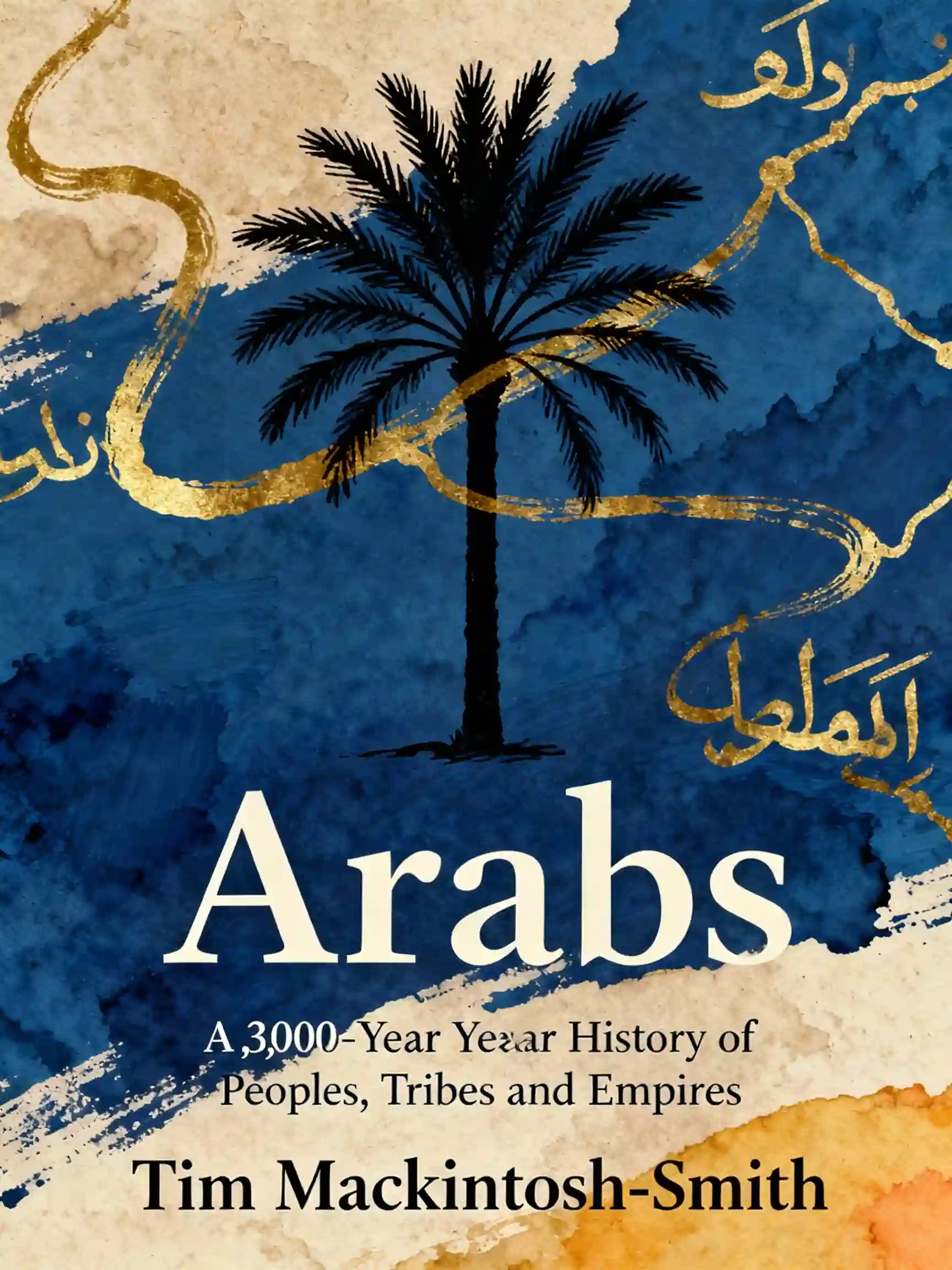
    Arabs
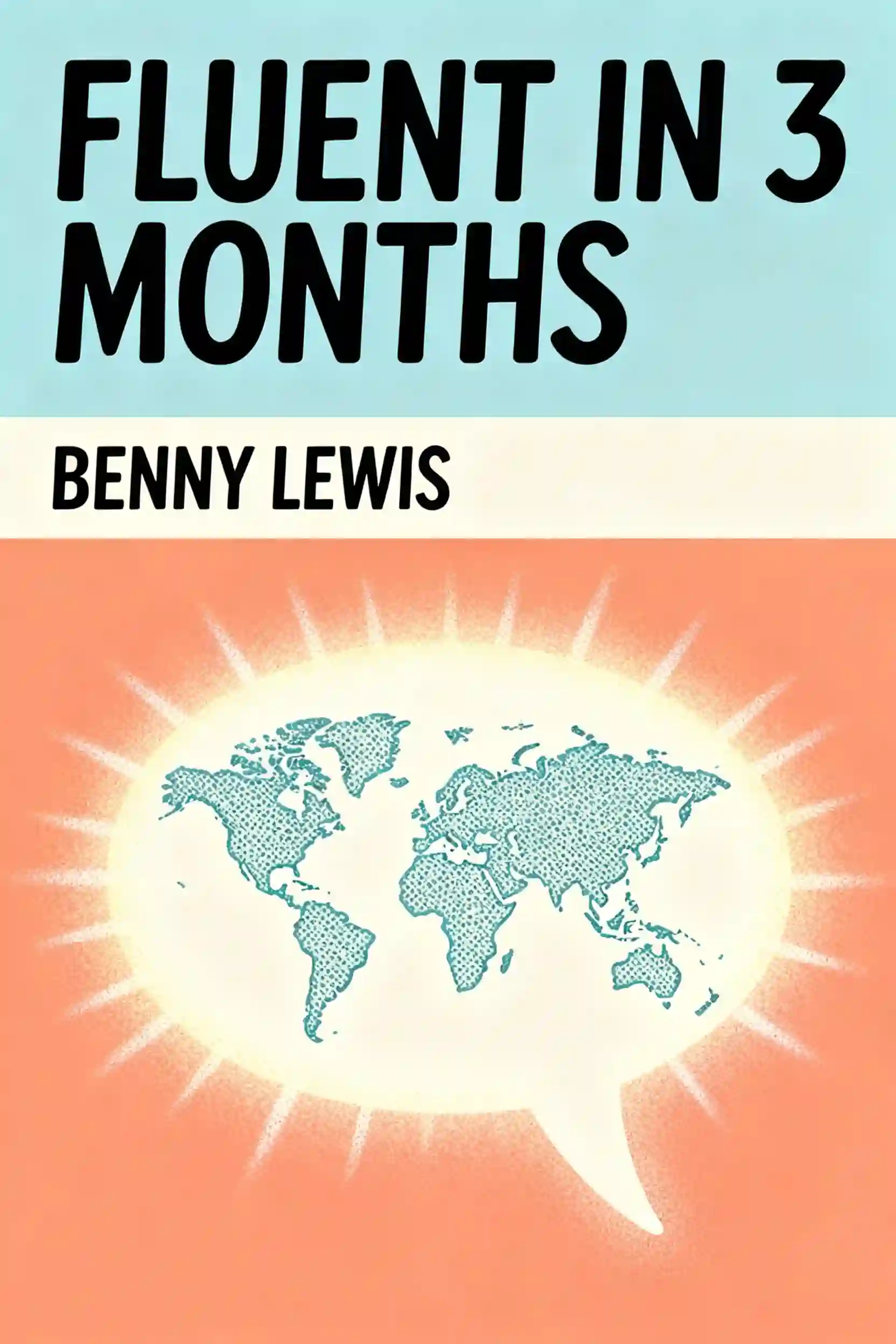
    Fluent in 3 Months
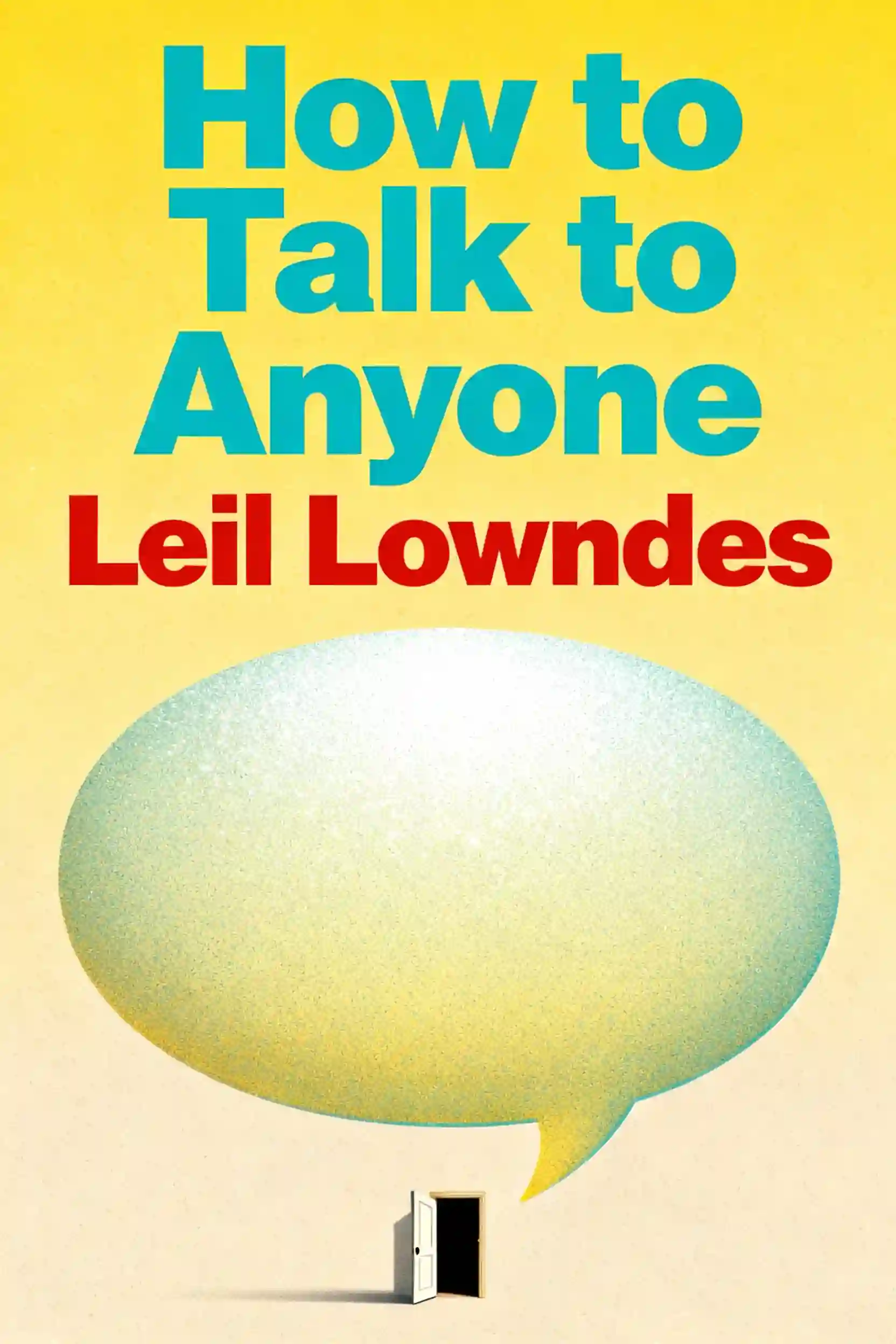
    How to Talk to Anyone
    Says Who?
    Sex and the citadel
    How You Say It

    Frequently Asked Questions

    Focusing on high-frequency "power tools" is more effective because the top 1,000 words in a language typically cover 80% to 85% of everyday conversations. Starting with complex grammar or obscure vocabulary like "infrastructure" often leaves learners unable to handle basic needs. By prioritizing essential phrases such as "I want" or "where is," a learner can navigate their first week in a new culture much more successfully than by memorizing technical rules.

    In Levantine Arabic, many common phrases and questions change based on the gender of the person you are addressing. For example, to ask "How are you?", you say Keefak to a man and Keefik to a woman. Similarly, asking for a name requires saying Shu ismak? to a male and Shu ismik? to a female. Even polite additions like "please" change from law samaht (male) to law samahti (female), making it important to pay attention to these small vowel shifts to sound more natural.

    The echo method is a practice technique where a learner hears a native speaker say a phrase, repeats it aloud, and then listens to the sound of their own voice saying it. This process helps build neural pathways and muscle memory, making the words easier to recall in real-life situations. The script suggests that consistent, short bursts of this type of practice—such as a 30-minute routine involving review, listening, and speaking—are more effective than intense, irregular study sessions.

    Social interactions in the Levant are deeply layered and rely on "social glue" phrases that establish goodwill. It is considered impolite to jump straight into a business transaction or a request without a proper greeting like Marhaba or the more formal As-salamu alaykum. Additionally, using phrases like Allah ya’teek al-afia (May God give you health) shows respect for a person's hard work, whether they are a shopkeeper or a taxi driver, transforming a cold transaction into a warm, human connection.

    The script recommends keeping an "I don't understand" toolkit of phrases to manage confusion. The primary phrase is Ma fhemet (I didn't understand), which can be followed by Marrat taniye, law samaht (One more time, please). To slow down a fast talker, you can use the rhythmic phrase Shway shway (Slowly, slowly). Using these tools shows respect for the local culture and demonstrates that you are making an effort to communicate, which locals generally appreciate more than staying silent.

    From Columbia University alumni | built in San Francisco

    BeFreed Brings Together A Global Community Of Curious Minds

    4.7

    avg rating

    7.84k+ App Rating

    BeFreed Community

    Seriously I haven’t even explored this app fully yet but from using it the last few days I am so impressed... BeFreed is on a different level from any other learning app I have used. This makes it ultra engaging and can actually improve your concentration which is great for all the doom scrollers!

    @ladyInfinity

    I bought BeFreed exactly 23 days ago, and I have used it every single day since. It has completely embedded itself into my daily workflow and learning habit.

    @jayallen

    The truth is, the app has exceeded all my expectations. I can ask it to generate audio on any topic, whatever it may be, and the result is impressive. My professional field is a specialization in psychotherapy and it is multidisciplinary; however, the answers are very accurate.

    @Raguipa

    What I appreciate most is how much it's reduced my scrolling – I'm spending less time searching and more time absorbing information. The combination of full audiobooks, podcasts, the learning plans are brilliant.

    @colonyofcreatorsNGO

    I have been a PhotoReading Accelerated Learning Instructor for the past 24 years... books and reading and learning are my thing, and BeFreed has done a great job in providing an innovative approach to disseminating and delivering information in an easy to consume way.

    @BeFreed user

    It is not just a book summary app, I have used the 'fun reading' option and it's a much better summary and way to grasp ideas the traditional way, that alone is worth this deal.

    @austinakon

    I love this app. Used it for several days and I cannot stop listening. Such a great way to start.

    @jcrules328

    I really like the program; I have already tested it for around one month, and I feel that it's an amazing gem. It works so well because I can use BeFreed to create my own topics, and the voice is so good with unlimited choice of narrations.

    @DanielCZ

    Seriously I haven’t even explored this app fully yet but from using it the last few days I am so impressed... BeFreed is on a different level from any other learning app I have used. This makes it ultra engaging and can actually improve your concentration which is great for all the doom scrollers!

    @ladyInfinity

    I bought BeFreed exactly 23 days ago, and I have used it every single day since. It has completely embedded itself into my daily workflow and learning habit.

    @jayallen

    The truth is, the app has exceeded all my expectations. I can ask it to generate audio on any topic, whatever it may be, and the result is impressive. My professional field is a specialization in psychotherapy and it is multidisciplinary; however, the answers are very accurate.

    @Raguipa

    What I appreciate most is how much it's reduced my scrolling – I'm spending less time searching and more time absorbing information. The combination of full audiobooks, podcasts, the learning plans are brilliant.

    @colonyofcreatorsNGO

    I have been a PhotoReading Accelerated Learning Instructor for the past 24 years... books and reading and learning are my thing, and BeFreed has done a great job in providing an innovative approach to disseminating and delivering information in an easy to consume way.

    @BeFreed user

    It is not just a book summary app, I have used the 'fun reading' option and it's a much better summary and way to grasp ideas the traditional way, that alone is worth this deal.

    @austinakon

    I love this app. Used it for several days and I cannot stop listening. Such a great way to start.

    @jcrules328

    I really like the program; I have already tested it for around one month, and I feel that it's an amazing gem. It works so well because I can use BeFreed to create my own topics, and the voice is so good with unlimited choice of narrations.

    @DanielCZ

    I love the fact that I can get useful, condensed, information and ideas in a 8 - 15 minute podcast style audio. I'm not a general fan of podcasts because of all the fluff, but this cuts through all that.

    @BeFreed user

    I am finishing up my doctorate, and have to read a lot of unfamiliar material... With BeFreed, you simply enter a prompt, and the app finds source material for you and generates an audio podcast. I find the process in BeFreed to be more streamlined than NotebookLM.

    @Brad

    I often search YouTube for something to listen to whilst making breakfast, when I'm out walking, commuting, etc, and BeFreed has provided an even more targeted approach, without the adverts and the fluff!

    @BeFreed user

    The absolute best part about this platform is its versatility. There is literally no subject that is off-topic. It handles whatever you throw at it... It is rare to find an learning tool with zero limitations that actually delivers on its promises.

    @jayallen

    BeFreed is fantastic. The user-friendly design means I spend less time navigating and more time learning. The mix of audiobooks, podcasts, and learning plans is a genius combo that has completely changed my daily routine.

    @BeFreed user

    At the start I needed a while to understand how to create podcasts in italian language and boom! It is so great! I can ask to explain every argument and it does so well and so smartly!

    @matteo77

    BeFreed has become my daily app for audio books tools... What I like the most is the way you put your text and come with an audio that you can listen on the go.

    @kotanzu1

    I love the fact that I can get useful, condensed, information and ideas in a 8 - 15 minute podcast style audio. I'm not a general fan of podcasts because of all the fluff, but this cuts through all that.

    @BeFreed user

    I am finishing up my doctorate, and have to read a lot of unfamiliar material... With BeFreed, you simply enter a prompt, and the app finds source material for you and generates an audio podcast. I find the process in BeFreed to be more streamlined than NotebookLM.

    @Brad

    I often search YouTube for something to listen to whilst making breakfast, when I'm out walking, commuting, etc, and BeFreed has provided an even more targeted approach, without the adverts and the fluff!

    @BeFreed user

    The absolute best part about this platform is its versatility. There is literally no subject that is off-topic. It handles whatever you throw at it... It is rare to find an learning tool with zero limitations that actually delivers on its promises.

    @jayallen

    BeFreed is fantastic. The user-friendly design means I spend less time navigating and more time learning. The mix of audiobooks, podcasts, and learning plans is a genius combo that has completely changed my daily routine.

    @BeFreed user

    At the start I needed a while to understand how to create podcasts in italian language and boom! It is so great! I can ask to explain every argument and it does so well and so smartly!

    @matteo77

    BeFreed has become my daily app for audio books tools... What I like the most is the way you put your text and come with an audio that you can listen on the go.

    @kotanzu1

    See more on how BeFreed is discussed
    129.7K19.5K
    55.2K19.2K
    154.2K10827355
    48.1K2.5K
    81.2K6.6K
    82.3K1.8K
    Start your learning journey, now
    BeFreed app
    BeFreed

    Learn Anything, Personalized

    DiscordLinkedIn
    Featured book summaries
    Crucial ConversationsThe Perfect MarriageInto the WildNever Split the DifferenceAttachedGood to GreatSay Nothing
    Trending categories
    Self HelpCommunication SkillRelationshipMindfulnessPhilosophyInspirationProductivity
    Celebrities' reading list
    Elon MuskCharlie KirkBill GatesSteve JobsAndrew HubermanJoe RoganJordan Peterson
    Award winning collection
    Pulitzer PrizeNational Book AwardGoodreads Choice AwardsNobel Prize in LiteratureNew York TimesCaldecott MedalNebula Award
    Featured Topics
    ManagementAmerican HistoryWarTradingStoicismAnxietySex
    Best books by Year
    2025 Best Non Fiction Books2024 Best Non Fiction Books2023 Best Non Fiction Books
    Featured authors
    Chimamanda Ngozi AdichieGeorge OrwellO. J. SimpsonBarbara O'NeillWinston ChurchillCharlie Kirk
    BeFreed vs other apps
    BeFreed vs. Other Book Summary AppsBeFreed vs. ElevenReaderBeFreed vs. ReadwiseBeFreed vs. Anki
    Learning tools
    Knowledge VisualizerAI Podcast Generator
    Information
    About Usarrow
    Pricingarrow
    FAQarrow
    Blogarrow
    Careerarrow
    Partnershipsarrow
    Ambassador Programarrow
    Directoryarrow
    BeFreed
    Try now
    © 2026 BeFreed
    Term of UsePrivacy Policy
    BeFreed

    Learn Anything, Personalized

    DiscordLinkedIn
    Featured book summaries
    Crucial ConversationsThe Perfect MarriageInto the WildNever Split the DifferenceAttachedGood to GreatSay Nothing
    Trending categories
    Self HelpCommunication SkillRelationshipMindfulnessPhilosophyInspirationProductivity
    Celebrities' reading list
    Elon MuskCharlie KirkBill GatesSteve JobsAndrew HubermanJoe RoganJordan Peterson
    Award winning collection
    Pulitzer PrizeNational Book AwardGoodreads Choice AwardsNobel Prize in LiteratureNew York TimesCaldecott MedalNebula Award
    Featured Topics
    ManagementAmerican HistoryWarTradingStoicismAnxietySex
    Best books by Year
    2025 Best Non Fiction Books2024 Best Non Fiction Books2023 Best Non Fiction Books
    Learning tools
    Knowledge VisualizerAI Podcast Generator
    Featured authors
    Chimamanda Ngozi AdichieGeorge OrwellO. J. SimpsonBarbara O'NeillWinston ChurchillCharlie Kirk
    BeFreed vs other apps
    BeFreed vs. Other Book Summary AppsBeFreed vs. ElevenReaderBeFreed vs. ReadwiseBeFreed vs. Anki
    Information
    About Usarrow
    Pricingarrow
    FAQarrow
    Blogarrow
    Careerarrow
    Partnershipsarrow
    Ambassador Programarrow
    Directoryarrow
    BeFreed
    Try now
    © 2026 BeFreed
    Term of UsePrivacy Policy

    More like this

    Arabic Phrases You Actually Need for Daily Life book cover
    ArabsHow to Talk to AnyoneNoah Webster's first edition of an American dictionary of the English languageSays Who?
    22 sources
    Arabic Phrases You Actually Need for Daily Life
    Stop wasting time on textbook words you'll never use. Learn the 100 high-frequency phrases that help you navigate conversations and build rapport.
    28 min
    Arabic Sentences You Actually Need for Fluency book cover
    How to Talk to AnyoneArabsFluent in 3 MonthsSex and Lies
    22 sources
    Arabic Sentences You Actually Need for Fluency
    Stop memorizing complex vocabulary and start with the 100 most used sentences. Learn the core phrases that cover 80% of everyday Arabic conversation.
    26 min
    Do You Speak Arabic? Your First Essential Phrase book cover
    Fluent In 3 MonthsHow to Talk to AnyoneArabs: A 3,000-Year History of Peoples, Tribes and EmpiresTalk
    23 sources
    Do You Speak Arabic? Your First Essential Phrase
    Learn the most useful Arabic phrase for travelers and beginners - how to ask 'Do you speak Arabic?' with proper pronunciation, cultural context, and practical responses.
    11 min
    Speak Arabic With Confidence book cover
    Arabs: A 3,000-Year History of Peoples, Tribes and EmpiresFluent In 3 MonthsSays Who?The Mother Tongue
    22 sources
    Speak Arabic With Confidence
    Discover practical techniques to overcome the speaking roadblock in Arabic, from daily micro-immersion practices to navigating dialects, all designed for busy English speakers ready to move beyond basics.
    33 min
    Speak Arabic with Confidence book cover
    Fluent In 3 MonthsArabs: A 3,000-Year History of Peoples, Tribes and EmpiresFluent ForeverThe Language Instinct
    21 sources
    Speak Arabic with Confidence
    Discover seven proven strategies to transform your Arabic speaking skills through consistent 15-30 minute daily practice rather than cramming, following natural language acquisition stages from listening to expression.
    39 min
    Arabic grammar for speaking is easier than you think book cover
    Metaphors We Live ByArabsFluent in 3 MonthsThrough the Language Glass
    21 sources
    Arabic grammar for speaking is easier than you think
    Struggling to turn memorized Arabic words into real conversation? Learn how to use flexible sentence structures to stop stalling and start speaking.
    33 min
    Arabic MSA expressions you actually need book cover
    ArabsSays Who?Sex and LiesHow to Talk to Anyone
    23 sources
    Arabic MSA expressions you actually need
    Learning millions of words is impossible. We focus on the 100 essential expressions you need to handle 80% of daily conversations with confidence.
    32 min
    100 Essential Norwegian Phrases book cover
    150 Norwegian Words for Travel, Conversation, and Everyday Use93 Common Norwegian Phrases (with Audio) - Start Speaking Today - LanguageList.org30 Must-Know Norwegian Phrases (Plus Cultural Tips for Tourists)The Most Common Norwegian Phrases You Need To Know
    4 sources
    100 Essential Norwegian Phrases
    Struggling with complex grammar can stall your progress. Learn the core building blocks to navigate daily life and start real conversations today.
    17 min

    Recommended Learning Plans

    Learn Levantine Arabic.
    LEARNING PLAN

    Learn Levantine Arabic.

    This learning plan is essential for anyone seeking to navigate daily life in the Levant or connect deeply with Arabic-speaking communities. It is ideal for travelers, expats, and language enthusiasts who want to move beyond textbooks and achieve practical, culturally-aware conversational fluency.

    4 h 28 m•3 Sections
    Learn Najdi Arabic through YouTube mining
    LEARNING PLAN

    Learn Najdi Arabic through YouTube mining

    This plan is essential for learners who want to move beyond formal textbooks and master the authentic Najdi dialect used in daily Saudi life. It is ideal for expats, travelers, or professionals seeking fluency through immersive digital content and cultural context.

    6 h 19 m•4 Sections
    French Survival: Your First Week Abroad
    LEARNING PLAN

    French Survival: Your First Week Abroad

    This plan is essential for expats or travelers needing immediate functional fluency for a move to France. It bridges the gap between textbook grammar and real-world relocation tasks for beginners.

    1 h 12 m•3 Sections
    Your First Russian Conversations
    LEARNING PLAN

    Your First Russian Conversations

    This learning plan is designed for absolute beginners who want to break the language barrier quickly and effectively. It provides a structured path from decoding the script to participating in basic social interactions, making it ideal for travelers or new students.

    1 h 30 m•3 Sections
    Arabic for Family Connection
    LEARNING PLAN

    Arabic for Family Connection

    This plan is designed for heritage learners who understand Arabic but struggle to speak it fluently with their relatives. It provides the linguistic and cultural tools necessary to strengthen ancestral bonds and participate fully in family life.

    1 h 36 m•4 Sections
    Bridge MSA to Lebanese Arabic
    LEARNING PLAN

    Bridge MSA to Lebanese Arabic

    This learning plan is essential for students who have a foundation in Modern Standard Arabic but struggle to communicate in casual settings. It is designed for travelers, professionals, and heritage learners who want to transform their formal knowledge into the vibrant, practical Lebanese dialect.

    1 h 12 m•3 Sections
    Sudan's Borders and the SAF-RSF War
    LEARNING PLAN

    Sudan's Borders and the SAF-RSF War

    This learning plan is essential for understanding the historical and structural roots of one of the world's most complex modern conflicts. It is ideal for students of international relations, humanitarian professionals, and anyone seeking to grasp the transition from colonial borders to current state fragility.

    1 h 30 m•3 Sections
    Become fluent in speaking French.
    LEARNING PLAN

    Become fluent in speaking French.

    This plan is designed for learners who want to move beyond rote memorization to achieve true conversational confidence. It is ideal for travelers, professionals, or expats who need to master both the linguistic mechanics and the cultural nuances of the French language.

    3 h 29 m•3 Sections