BeFreed
    Categories>Education>Arabic MSA expressions you actually need

    Arabic MSA expressions you actually need

    32 min
    |
    |
    Apr 6, 2026
    • Education
    • Communication
    • Self-Growth

    Learning millions of words is impossible. We focus on the 100 essential expressions you need to handle 80% of daily conversations with confidence.

    Arabic MSA expressions you actually need
    0:00 / 0:00
    Choose how it's told

    One episode. Many ways to hear it.

    Same ideas from Arabic MSA expressions you actually need. Pick the voice, depth, and pace that fits you. Switch anytime.

    Transcript & chapters

    Chapter 1

    The Arabic Power Tool Strategy

    Lena: You know, Miles, I was looking at a dictionary the other day and realized Arabic has over twelve million words. It’s absolutely massive! I think that’s why so many people freeze up before they even start.

    Miles: It’s intimidating, right? But here’s the counterintuitive part: you don’t actually need twelve million words. In fact, the top one thousand words cover roughly 80 to 85 percent of everyday conversations.

    Lena: That’s a huge relief. So, it’s not about how many words you know, but how many of the right words you can actually use.

    Miles: Exactly. Most learners fail because they focus on rare, "textbook-perfect" words like "philosophy" before they even know how to say "I want" or "where."

    Lena: Right, you need the "power tools" first. We’re going to fix that today by focusing on the 100 most essential MSA expressions. Let’s explore how these high-frequency words can jumpstart your fluency.

    Chapter 2

    Foundations for Real World Interaction

    Lena: So, Miles, before we dive into the actual lists, I want to talk about this idea of Modern Standard Arabic—or MSA—versus the dialects. I think a lot of people get confused about which one they should actually be learning if they want to, say, go to a market in Cairo or a cafe in Amman.

    Miles: That is the million dollar question, isn't it? It’s interesting how people often frame it as an "either-or" choice, but in reality, MSA is the bridge. Since it's used across the entire Arab world for media, education, and formal communication, it gives you a foundation that works everywhere. Imagine it like a universal key. If you learn a specific dialect, you’re super localized—which is great for that one spot—but MSA is what connects over 400 million people across dozens of countries.

    Lena: I love that "universal key" analogy. It makes so much sense. But I've heard people say that if you speak pure MSA in a casual setting, you might sound a bit—I don't know—like you're reading a news broadcast?

    Miles: You've hit the nail on the head. It’s a bit like showing up to a backyard barbecue in a tuxedo. You’ll be understood perfectly, but it feels a bit formal. However, for a beginner, that formality is actually a safety net. It’s better to be a bit too formal and understood by everyone than to learn a very specific slang that only works in one neighborhood. Plus, as we saw in the research from the Kalimah Center, MSA is the literal gateway to understanding the culture and the traditions. Once you have those high-frequency MSA words down, picking up the local "flavor" or dialect becomes ten times easier because you already understand the core structure.

    Lena: Right, and it’s not just about speaking, it’s about navigating the world. If you’re traveling, the signs, the menus, the official documents—those are all going to be in MSA. So if you don't have that foundation, you’re essentially illiterate in the region, even if you can chat a little bit in a dialect.

    Miles: Exactly. And let's look at the "survival" aspect. One of the biggest mistakes I see—and we’re going to talk about how to fix this—is people trying to learn vocabulary by "enthusiasm" rather than "level." They want to learn how to discuss climate change or political theory before they can ask "Where is the bathroom?" or "How much is this?"

    Lena: It’s the "shiny object" syndrome, right? The big, impressive words feel like more progress, but they’re actually less useful.

    Miles: Precisely. The goal at the start—what we call the A1 level—isn't fluency. It’s recognition and survival. You need a core group of about 500 to 700 words that act as your "foundational block." Think of it like the Hajaru al-Asas—the cornerstone. Without that cornerstone, the whole structure of your language learning is going to collapse when you try to actually use it.

    Lena: Hajaru al-Asas. I like that. So, for everyone listening, the strategy here is about being "precision-guided." We aren't just throwing a dictionary at you. We’re looking at the words that appear again and again—the short, flexible, reusable ones that do the heavy lifting.

    Miles: Right. Verbs, connectors, and everyday nouns. If you master just 20 to 30 core verbs, you can describe your past, your present, your future, and your opinions. Everything else just plugs into those. It’s about building a framework. Instead of memorizing 100 random nouns, you learn 10 verbs that allow you to use those nouns. It’s the difference between having a pile of bricks and actually knowing how to build a wall.

    Lena: That’s a powerful shift in perspective. It makes the task feel so much more manageable. It’s not about twelve million words—it’s about the right thirty verbs and fifty nouns that let you actually live your life in the language.

    Miles: Absolutely. And when you look at it that way, the "fear factor" of Arabic starts to melt away. It’s just a matter of prioritizing the high-frequency tools.

    Keep learning with this episode

    Take the ideas from this episode into a guided learning experience in BeFreed.

    Chapter 3

    The Power of Presence through Greetings

    Lena: Okay, so let's get into the actual "tools." If we're talking about the most used expressions, we have to start with greetings, right? In Arabic culture, greetings aren't just a quick "hey"—they’re a huge part of social fabric.

    Miles: Oh, absolutely. Greetings are essential. They aren't just words; they’re a way of showing respect and warmth. The classic one, of course, is As-Salamu ‘Alaykum, which means "Peace be upon you." It’s universal. And the beautiful thing is the response is built-in: Wa ‘Alaykum As-Salam—"And peace be upon you."

    Lena: It’s like a verbal handshake. It sets the tone for the whole interaction.

    Miles: It really does. And then you have Marhaba, which is a very common, friendly "Hello." But if you want to go a step further and make someone feel really welcome, you say Ahlan wa Sahlan. It literally translates to "Welcome," but it carries this sense of "you are among family and on easy ground."

    Lena: That’s so much more poetic than just "Welcome." I noticed in the Kalimah materials they also emphasize the time-of-day greetings. Like Sabah al-Khayr for "Good morning."

    Miles: Right, and the response to that is often Sabah an-Nur, which means "Morning of light." Isn't that beautiful? And then for the evening, you have Masa’ al-Khayr. These are the bread and butter of daily life. If you’re walking into a shop or a hotel, these are the first things you’ll use.

    Lena: And what about when you’re leaving? I know Ma‘a as-Salamah is the big one.

    Miles: Yeah, Ma‘a as-Salamah literally means "Go with safety." It’s such a kind way to say goodbye. Another one is Ilā al-Liqā’, which is more like "Until we meet again." It implies that the connection isn't over, just paused.

    Lena: It’s interesting how even these basic greetings have so much depth. It’s not just "bye," it’s a wish for safety or a future meeting. Now, what about the "small talk" aspect? How do we move past the "Hello"?

    Miles: The most common follow-up is Kayfa Haluka? if you're talking to a man, or Kayfa Haluki? for a woman. "How are you?" And the standard, polite response is Bi-Khayr, shukran—"Fine, thank you." Or you might hear Alhamdulillah, which means "Praise be to God." You’ll hear that constantly in the Arab world, regardless of the specific situation. It’s a way of expressing gratitude for whatever state you’re in.

    Lena: I’ve noticed that. It’s like a cultural reflex of gratitude. It’s really pervasive.

    Miles: It is. And speaking of gratitude, Shukran is probably the most important word in your toolkit. "Thank you." And if you want to be more emphatic, Shukran Jazilan—"Thank you very much." The response to that is ‘Afwan, which means "You’re welcome" or "Excuse me," depending on the context.

    Lena: I think that’s a common point of confusion for learners—words like ‘Afwan having multiple uses.

    Miles: It’s all about the situation! If you bump into someone, you say ‘Afwan as an "Excuse me." If they thank you, you say ‘Afwan as "You're welcome." It’s one of those flexible, high-frequency words we were talking about. Same with Min Fadlak for "Please." You use it when you're asking for something, like Arghab fe Fenjan Qahwa, Min Fadlak—"I’d like a coffee, please."

    Lena: Arghab fe Fenjan Qahwa. I’m definitely going to need that one. It’s amazing how just a handful of these greeting and politeness terms can suddenly make you feel so much more "present" in a conversation. You’re not just a tourist anymore; you’re participating in the social ritual.

    Miles: Exactly. It’s about building rapport. People really appreciate it when you use these traditional greetings correctly. It shows you’ve put in the effort to understand the cultural "glue" that holds interactions together. And for our listeners, a great tip is to practice these as pairs. Don’t just learn As-Salamu ‘Alaykum, learn the response too. It makes the conversation flow naturally rather than feeling like you’re just hitting a "play" button on a recording.

    Lena: That’s a great piece of advice. Language is a two-way street, after all.

    Chapter 4

    The Verb Engine of Everyday Life

    Lena: We've got the greetings down, but if we want to actually do things—to navigate a city or get what we need—we need verbs. You mentioned earlier that verbs are the "heavy lifters." Which ones should we prioritize?

    Miles: If you want to move from "survival" to "functioning," you need what I call the "Power Verbs." These are the ones that describe movement, desire, and basic actions. For example, Adhhab for "I go." In MSA, it’s Adhhab, though you’ll hear Aruh in many dialects. But Adhhab is your universal starting point. Then you have Urid, which means "I want."

    Lena: "I want" has to be one of the most used words in any language, right?

    Miles: Oh, easily. You’ll use it 50 times a day. Whether you want a coffee, a taxi, or a room, Urid is the key. Then there’s A’mal for "I work" or "I do." It’s very versatile. And don't forget Afham—"I understand." Or, perhaps even more importantly at the start, Ana la afham—"I don’t understand."

    Lena: I feel like I'd be saying Ana la afham quite a lot at first!

    Miles: It’s an essential phrase! It’s much better to admit you don’t understand than to just nod and get lost. Another crucial one is Atakallam—"I speak." As in, Atakallam al-Injliziyya—"I speak English." Or the question: Hal tatakallam al-Injliziyya?—"Do you speak English?"

    Lena: That seems like a vital "safety net" phrase for any traveler.

    Miles: Absolutely. Now, let’s look at some others that are purely about survival: Akul for "I eat" and Ashrab for "I drink." If you know these, you can handle any restaurant situation. And then there’s Ara for "I see" and A’lam for "I know." These help you express your internal state.

    Lena: It’s interesting how these verbs are so short. Akul, Ashrab, Urid. They don't feel as intimidating as some of the longer nouns I've seen.

    Miles: That’s the beauty of high-frequency words. They tend to be short and punchy. And in Arabic, they’re often built from these three-letter roots, which is a secret weapon for learners. If you see the letters K-T-B, it’s almost always related to writing. Kitāb is a book, Maktab is an office, Kataba is "he wrote." Once you recognize the root, you can often guess the meaning of a word you’ve never seen before.

    Lena: That’s like having a decoder ring for the whole language!

    Miles: It really is. Now, another thing for listeners to keep in mind is that in MSA, these verbs conjugate based on who is doing the action. So Ana urid is "I want," but Anta turid is "You want" (for a male). It might sound complex, but at the A1 level, if you just focus on the "I" form—the Ana form—you can get so much done. People will understand you even if your grammar isn't perfect.

    Lena: Right, it’s that "function over perfection" mindset again. If I say "I want water," even if I don't conjugate it perfectly, I'm still getting my water.

    Miles: Exactly. Another verb that’s incredibly useful is Istata’a, which means "can" or "to be able to." As in Mumkin?—"Is it possible?" or "Can I?" It’s a very polite way to ask for things. You’ll hear it constantly in markets or when asking for directions.

    Lena: Mumkin. I like that one. It feels very flexible.

    Miles: It is. And that’s the goal—finding these flexible tools that work in a hundred different situations. If you have Urid, Adhhab, Akul, Ashrab, Afham, and Mumkin, you’ve already built a massive part of your "verb engine." You’re not just naming things; you’re acting in the world.

    Lena: It feels like we’re building a "minimum viable language" kit.

    Miles: That’s a perfect way to put it. You’re building the smallest possible set of tools that gives you the maximum possible results. And that’s how you avoid the burnout that comes from trying to memorize lists of words you’ll never use.

    Keep learning with this episode

    Take the ideas from this episode into a guided learning experience in BeFreed.

    Chapter 5

    Navigating the World with Nouns and Directions

    Lena: So we have the greetings and the verbs. Now we need the "stuff" to talk about. The everyday objects and the places we're trying to find. I saw a list of basic nouns like Bayt for house and Sayyara for car. Those seem pretty fundamental.

    Miles: They are. And what’s interesting is how many of these words you might already recognize from other contexts. Like Sūq for market. Most people have heard of a "souk" even if they don't know any other Arabic. Or Madina for city.

    Lena: Oh, right! Like Medina. That makes a lot of sense.

    Miles: Exactly. Then you have the transport words, which are essential for getting around: Autobees for bus—which sounds suspiciously like "auto-bus"—Qitar for train, and Matar for airport. And if you’re looking for a place to stay, Fondoq is the word for hotel.

    Lena: Fondoq. Okay. And what about when I'm actually at the airport or the hotel? What are the "must-have" nouns then?

    Miles: You definitely need Jawaz Safar for passport. And Hātif for phone. In today's world, you can't go anywhere without your Hātif! If you’re at a restaurant, Ta'ām is food and Mā’ is water. We mentioned Qahwa for coffee earlier, which is another one of those "universal" words.

    Lena: It’s funny how many words Arabic has given to English—like coffee, and sugar, and lemon. It’s like we’ve been using a little bit of Arabic all along without realizing it.

    Miles: It’s true! Sukkar is sugar, Laymūn is lemon. The connections are everywhere. Now, let’s talk about directions. If you’re in a Sūq or a Madina, you need to know how to find your way. Yameen is right, and Yasar is left.

    Lena: Yameen and Yasar. I need to find a way to remember those.

    Miles: Think of "Yameen" as being "main"—the right hand is the "main" hand for most people. Whatever mnemonic works for you! And for asking where something is, the most important word is Ayna. Ayna al-Fondoq?—"Where is the hotel?" Ayna al-Matar?—"Where is the airport?"

    Lena: And Ayna al-Hammam? for the bathroom!

    Miles: (Laughs) Yes, arguably the most important phrase in any language! Ayna al-Hammam? is a survival essential. You might also hear Dawrat al-Miyah for "toilet" or "restroom." And don't forget Hunā for "here" and Hunāk for "there."

    Lena: Hunā and Hunāk. They sound very similar to the English "here" and "there" in their structure, which helps.

    Miles: It does. And if you're shopping, you’ll need Kam? for "How much?" As in Kam si'r hadha?—"How much does this cost?" Or Kam as-Sa'a?—"What time is it?" Sa'a is a great word because it means both "hour" and "watch" or "clock."

    Lena: Oh, that’s convenient! One word for both the time and the thing that tells time.

    Miles: Exactly. It’s all about that efficiency. Another noun that’s super common is Waqt for time in a more general sense. Like Laysa ladayya waqt—"I don't have time." Or Waqt al-faragh—"free time."

    Lena: I feel like I'm starting to see how these pieces fit together. You take a question word like Ayna, add a noun like Sūq, and suddenly you’re navigating. Or you take Urid, add Qahwa, and you’re ordering. It’s like Lego bricks.

    Miles: That’s exactly it. And for our listeners, the key is to not get bogged down in the thousands of other nouns. Stick to the ones you actually see and use every day: Bayt, Sayyara, Kitāb, Qalam (pen), Tāwilah (table). These are the "power nouns" that travel everywhere. If you know these, you can describe 80% of your immediate surroundings.

    Lena: It’s about building that "high-frequency" core. The stuff that’s "invisible" because it’s so basic, but it’s actually the engine of the whole language.

    Miles: Right. Don't worry about the word for "infrastructure" or "philosophy" yet. Master "table," "chair," "door," and "water." Those are the words that will actually help you survive and thrive in a new environment.

    Chapter 6

    The Connectors that Create Logic

    Lena: Okay, so we have the bricks—the nouns and the verbs. But a pile of bricks isn't a house. We need the mortar, right? The words that connect ideas and turn fragments into actual thoughts.

    Miles: You've hit the nail on the head. We call these "connectors," and they are the secret to sounding fluent. Without them, you’re just shouting individual words. With them, you’re speaking in logic. The most basic one, of course, is Wa—which just means "and."

    Lena: Just one letter? That’s efficient.

    Miles: Very! It’s just a prefix, really. Then you have Lakinn, which means "but." This is huge for expressing contrast. "I want to go, lakinn I don't have time."

    Lena: Oh, I see how that works. It instantly makes the sentence more complex.

    Miles: Exactly. Then there’s Li’anna, which means "because." This allows you to give reasons. "I am tired li’anna I worked a lot." And Idhā for "if." "If it's possible, I want to go." These four—Wa, Lakinn, Li’anna, Idhā—are the foundation of logical speech.

    Lena: They’re like the "logic gates" of the language.

    Miles: They really are. And then you have the time connectors: Qabl for "before" and Ba’d for "after." These are essential for talking about your day or giving directions. "After the market, turn right." Or "Before dinner, I want to see the museum."

    Lena: Qabl and Ba’d. I’ve heard those before. They seem very versatile.

    Miles: They are. You can use them with nouns or even with verbs. And let’s not forget Al-ān, which means "now." It’s such a small word, but it’s so important for setting the scene. "I want it al-ān."

    Lena: (Laughs) That sounds like something a toddler would say, but it’s very effective!

    Miles: (Laughs) It gets the job done! Another one is Aydan, which means "also" or "too." If your friend orders a coffee and you want one too, you just say Qahwa aydan.

    Lena: That’s so much easier than re-explaining the whole order.

    Miles: Precisely. These connectors are all about efficiency and flow. They take the "staccato" feel out of your speech. Instead of saying "I go market. I buy food," you can say "I am going to the market and I will buy food because I am hungry." It’s a massive leap in proficiency.

    Lena: It’s the difference between being a human dictionary and being a human communicator.

    Miles: Exactly. And for our listeners, a great exercise is to try and take two simple sentences you already know and join them with one of these connectors. Take "I want coffee" and "I don't want sugar" and put a lakinn in the middle. Suddenly, you’re making a nuanced request.

    Lena: Urid qahwa lakinn la urid sukkar. Did I get that right?

    Miles: Spot on! You just combined a verb, two nouns, a negative, and a connector. That’s a sophisticated sentence, but it’s built from very simple, high-frequency pieces.

    Lena: It’s amazing how quickly it builds up when you focus on the right parts. These connectors are like the "glue" that holds everything together. Without them, you’re just throwing words at people. With them, you’re actually talking.

    Miles: Absolutely. And as you move from the A1 level to A2 and B1, these connectors become even more important. You’ll start using things like Ghaliban for "usually" or Ahayan for "sometimes" to add more detail to your routines. But for now, just master the big four: and, but, because, if. Those will get you through 90% of your daily needs.

    Keep learning with this episode

    Take the ideas from this episode into a guided learning experience in BeFreed.

    Chapter 7

    Adding Color with High-Frequency Adjectives

    Lena: We've got the structure, but everything feels a bit... grey. We need some adjectives to add some color and express how we feel about things. What are the "must-know" descriptors?

    Miles: Adjectives are where the language starts to feel expressive. And the best way to learn them is in pairs of opposites. It’s a great memory hack. For example, Kabeer for big and Sagheer for small.

    Lena: Kabeer and Sagheer. That’s easy enough.

    Miles: Then you have Jadeed for new and Qadeem for old. Or Jayyid for good and Sayyi’ for bad. If you know these three pairs, you can give an opinion on almost anything—a hotel room, a car, a meal, a book.

    Lena: It’s true. "The food is good," "The room is small," "The car is old." It’s basic, but it’s communication.

    Miles: Exactly. Then there’s Sahl for easy and Sa’b for difficult. This is great for talking about your language learning! "Arabic is sa’b, but it is jameel."

    Lena: Jameel... that means beautiful, right?

    Miles: Yes! Jameel for a man or an object, and Jameela for a woman. It’s one of the most beloved words in the language. And on the flip side, you have Qabeeh for ugly—though you hopefully won't need that one as much!

    Lena: Let’s hope not! What about things like price or distance?

    Miles: For shopping, you need Ghali for expensive and Rakhees for cheap. And for travel, Qareeb means near and Ba’eed means far. "Is the hotel qareeb?" is a very common question.

    Lena: I can see how these would be super useful. Qareeb and Ba’eed. Ghali and Rakhees. And what about feelings?

    Miles: For yourself, you might say Ana sa'eed for "I am happy" or Ana hazin for "I am sad." Or Ana masrour for "I am pleased." But even more basic are the physical states: Bared for cold and Sakhn for hot. This is essential for talking about the weather or your food.

    Lena: "The water is bared," "The coffee is sakhn."

    Miles: Exactly. And don't forget Katheer for "a lot" or "many" and Qaleel for "a little" or "few." These are incredibly high-frequency. "I want a little sugar," "There are many people."

    Lena: It’s interesting how these adjectives really "flesh out" the world. They take those basic nouns and give them personality.

    Miles: They do. And the cool thing about Arabic adjectives is that they usually come after the noun they describe. So instead of saying "a big house," you say Bayt kabeer—literally "house big."

    Lena: Oh, like in Spanish or French. That’s a common pattern in many languages.

    Miles: It is. It just takes a little bit of mental recalibration. But once you get used to it, it feels very natural. And for our listeners, a great way to practice is to look around your room and try to label things with an adjective. Tāwilah sagheera—small table. Qalam jadeed—new pen. It turns your environment into a living classroom.

    Lena: I love that idea. It’s about making the language part of your physical space. Instead of just seeing "a chair," you start seeing a Kursi qadeem.

    Miles: Exactly. And that’s when the words start to "stick." When they’re attached to real objects and real experiences, they move from your short-term memory into your long-term "fluency" bank.

    Chapter 8

    The Cultural Depth of Idioms and Expressions

    Lena: We've covered a lot of the "building blocks," but I want to talk about something that really makes a language feel alive—idioms. I was reading that Arabic is incredibly rich in these, and they can be a bit tricky because you can't just translate them literally.

    Miles: Oh, idioms are the soul of the language! You're right, if you try to translate them word-for-word, you’ll be completely lost. Take the phrase Rafa‘a ar-rayata al-bayda’. Literally, it means "He raised the white flag."

    Lena: Well, that one is actually pretty similar to English! It means to surrender, right?

    Miles: It does! It’s used in MSA and dialects to mean backing down in an argument or giving up. But then you have something like Khafīfu aẓ-ẓill. Literally, it translates to "having a light shadow."

    Lena: "A light shadow"? What does that mean? That they’re thin?

    Miles: (Laughs) No, it’s actually a huge compliment! It means someone is witty, charming, and pleasant to be around. They have a "light" presence. And the opposite is Thaqīlu aẓ-ẓill—"having a heavy shadow"—which is a polite way of saying someone is annoying or awkward.

    Lena: I love that. "A light shadow." It’s so much more evocative than just saying "he's funny."

    Miles: It really is. Another great one is Maktūfu al-aydi. Literally "having tied hands." Just like in English, it means you're unable to act or you're helpless in a situation. It’s often used in news reports to describe a government that isn't taking action.

    Lena: It’s fascinating how some of these are identical to English idioms, while others are totally unique. I saw one about a "red eye"—Al-aynu al-hamra’.

    Miles: Yes! "To show the red eye" means to get serious or to give a strict warning. It’s like when a manager "puts their foot down." The idea is that your eyes get red from anger or intensity. It’s a sign that the time for being nice is over.

    Lena: I’ll have to watch out for the "red eye" then! What about Ibnu as-sabeel? I think that means "son of the road"?

    Miles: Exactly. It’s a beautiful, traditional term for a traveler or a wayfarer. It implies that the person "belongs" to the journey. In Arabic culture, there’s a deep tradition of hospitality for the Ibnu as-sabeel—the idea that the community should support those who are far from home.

    Lena: That’s so profound. It’s not just a word for "tourist"; it’s a word that carries a whole ethical framework with it.

    Miles: It really does. And then you have expressions that come from the world of sports, like Al-kuratu fī mal‘abika—"The ball is in your court." It’s used exactly like it is in English to say, "It’s your move now."

    Lena: It’s interesting to see these modern, global idioms mixing with more traditional ones. It shows how MSA is a living, evolving language.

    Miles: It really is. And for our listeners, learning just a few of these idioms can make a huge difference in how you’re perceived. Even if your grammar is basic, using an expression like Khafīfu aẓ-ẓill correctly shows a level of cultural "insider" knowledge that really impresses native speakers.

    Lena: It’s like a shortcut to sounding more natural. Instead of just saying "He is nice," you say "He has a light shadow," and suddenly you’re speaking with a bit of "soul."

    Miles: Exactly. Idioms are the "flavor" of the language. They add color, humor, and depth. They're what turn a "textbook" conversation into a real human connection. And while you don't need hundreds of them at the start, having five or ten "must-know" ones in your pocket is a total game-changer.

    Keep learning with this episode

    Take the ideas from this episode into a guided learning experience in BeFreed.

    Chapter 9

    The Practical Playbook for Mastery

    Lena: We've covered a lot of ground today—from greetings to "power verbs" to the "light shadow" of a witty friend. But for everyone listening who’s feeling a bit overwhelmed by all these new words, how do we actually learn them? What’s the "action-first" plan?

    Miles: The most important thing is to stop trying to memorize lists in a vacuum. Context is everything. If you learn the word for "time"—Waqt—by itself, it’s just a sound. But if you learn it in a sentence like Laysa ladayya waqt—"I don't have time"—it becomes a tool you can actually use.

    Lena: Right, it’s about "usability" over "word count." So, step one: always learn words in a short, practical sentence.

    Miles: Exactly. And step two: prioritize by frequency. Use the "A1 survival" list we talked about. Don't worry about the 12 million words; focus on the 500 that do 80% of the work. If you’re not going to use a word in the next 24 hours, it shouldn't be at the top of your list.

    Lena: That’s a great filter. "Will I use this today?" If the answer is no, move on. What’s step three?

    Miles: Repetition and immersion. But not the boring kind! Use tools like flashcards or apps, but also try to "label" your world, like we talked about with the adjectives. When you see your car, don't just think "car," think Sayyara. When you want a drink, say Urid mā’ to yourself.

    Lena: It’s about creating an internal "Arabic environment," even if you're not in the Middle East.

    Miles: Precisely. And don't be afraid to make mistakes! That’s a huge pitfall. People are so afraid of sounding "silly" or getting a conjugation wrong that they never open their mouths. But the truth is, native speakers are almost always incredibly encouraging when they see someone putting in the effort. If you say Urid qahwa and you forget the perfect ending, they’re still going to give you your coffee—and probably a smile too.

    Lena: So, "function over perfection." I love that. And what about the "Classical" vs. "Modern" thing?

    Miles: Stick to MSA for your foundation. It’s the "universal key." Once you have that solid core, you can start adding the "dialect flavor" of wherever you happen to be. Think of MSA as the trunk of the tree and the dialects as the branches. You need the trunk first.

    Lena: That’s a great visual. Trunk first, then branches. And what’s the "daily drill" for our listeners?

    Miles: I’d say: pick five words or expressions from today’s episode. Just five. Write them down, find a short sentence for each, and use them throughout the day. Say them out loud. Record yourself and listen back. It only takes ten or fifteen minutes, but if you do that every day, you’ll have over 150 high-frequency tools in your kit by the end of the month.

    Lena: 150 words that you actually know how to use. That’s a massive leap forward.

    Miles: It really is. Fluency isn't a mountain you climb all at once; it’s a path you build one stone at a time. And if you’re using the "power tools"—the high-frequency words we’ve discussed—you’re building that path a lot faster than everyone else.

    Lena: It’s about being a "smart" learner, not just a "hard" learner. Using the tools that give you the highest return on your effort.

    Miles: Exactly. Focus on the 100 expressions that matter, use them in context, and don't be afraid to "raise the white flag" on your ego and just start talking. That’s how you actually become a speaker.

    Chapter 10

    Closing Reflections and the Path Ahead

    Lena: You know, Miles, this has been such an eye-opening conversation. I think I went into this feeling a bit intimidated by those twelve million words, but now it feels like I have a real, manageable roadmap.

    Miles: That’s the goal! It’s all about shifting the perspective from "impossible task" to "strategic toolkit." When you realize that just a few hundred words can unlock 80% of daily life, the whole language starts to feel like an exciting adventure rather than a daunting chore.

    Lena: It’s like we’ve taken this vast, complex landscape and found the main highways. You can still explore the small backroads later, but the highway is what gets you where you need to go.

    Miles: I love that. And for everyone listening, I hope you’re feeling that same shift. Whether it’s mastering your first greeting like Sabah al-Khayr, or finally feeling confident asking Ayna al-Hammam?, every one of these expressions is a win.

    Lena: It really is. It’s about those small, daily victories. And building on what you said earlier, it’s not just about the words themselves, but the connections they allow us to make. Using a phrase like Khafīfu aẓ-ẓill isn't just about demonstrating vocabulary; it’s about showing someone that you see and appreciate their personality in their own cultural context.

    Miles: That’s so true. Language is ultimately about empathy and connection. It’s the bridge between "us" and "them" that turns "them" into "us."

    Lena: Well said. So as we wrap things up, I want to encourage everyone to take just one thing from today—maybe it’s the "power verb" Urid, or the "logic gate" Li’anna—and try to use it today. See how it feels to have that little bit of Arabic "power tool" in your hand.

    Miles: Absolutely. Don't wait for "someday" when you’re "fluent." Start being a speaker today, with whatever tools you have. The more you use them, the stronger they’ll get.

    Lena: Thank you so much for joining us for this deep dive into the world of MSA. It’s been a fascinating journey, and I’m already looking forward to seeing how these expressions start to change the way we see and interact with the world.

    Miles: It’s been a pleasure. Remember, the "ball is in your court" now. Take these tools, get out there, and start building your own path.

    Lena: Thanks for listening, everyone. Take a moment to reflect on which of these expressions felt the most useful to you, and maybe even share it with a friend. Every little bit of practice counts. Happy learning!

    ★★★★★

    You made it to the end of Arabic MSA expressions you actually need

    “23 days in and I have used it every single day. It is part of my daily habit now.”

    jayallen

    Best quote from Arabic MSA expressions you actually need

    “

    It’s not about how many words you know, but how many of the right words you can actually use. The top one thousand words cover roughly 80 to 85 percent of everyday conversations.

    ”
    G

    Generated by Gerardo Valdez

    Input question

    The 100 most use msa Arabic expression

    Host voices
    Lenaplay
    Milesplay
    Knowledge sources
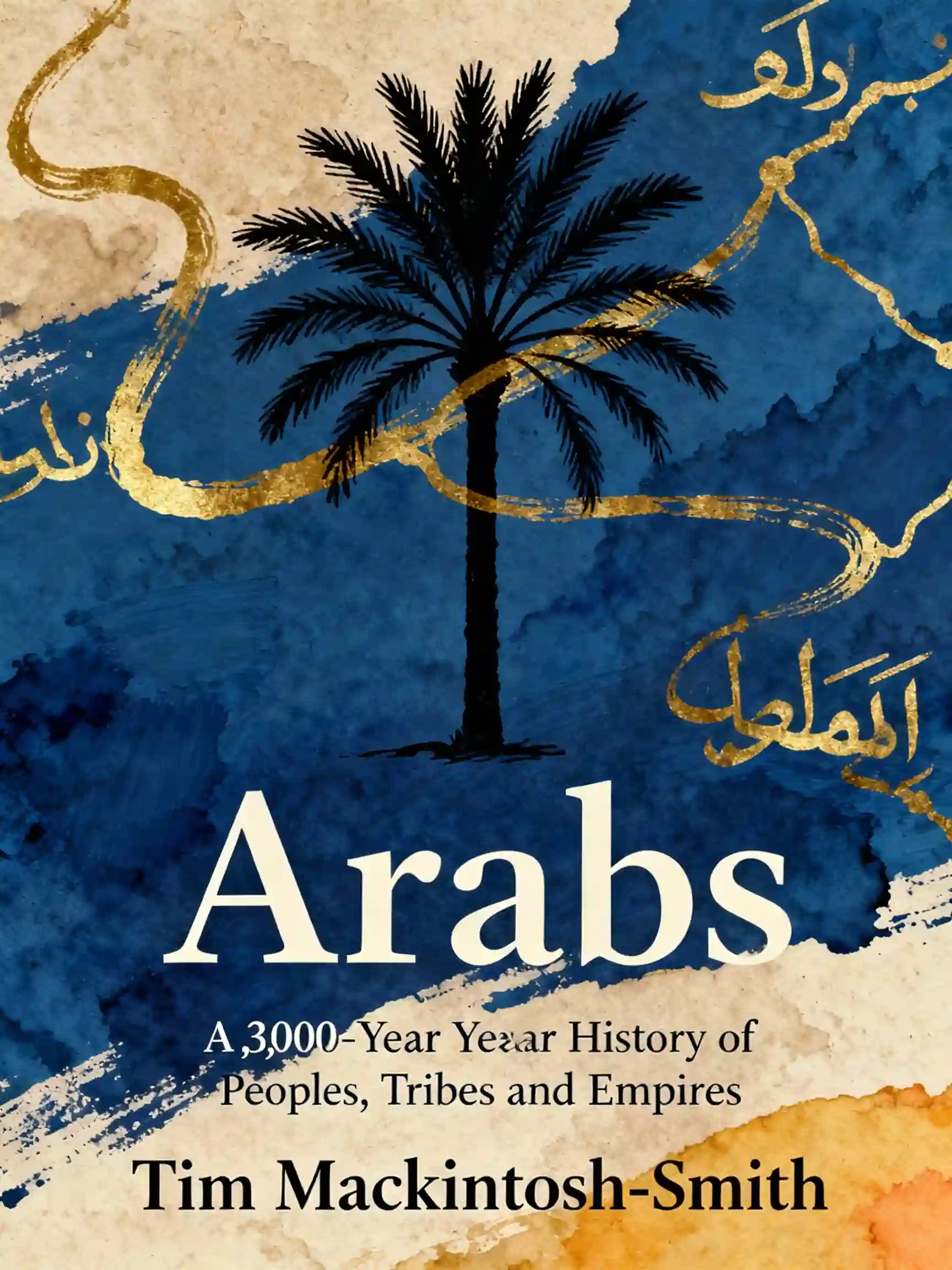
    Arabs
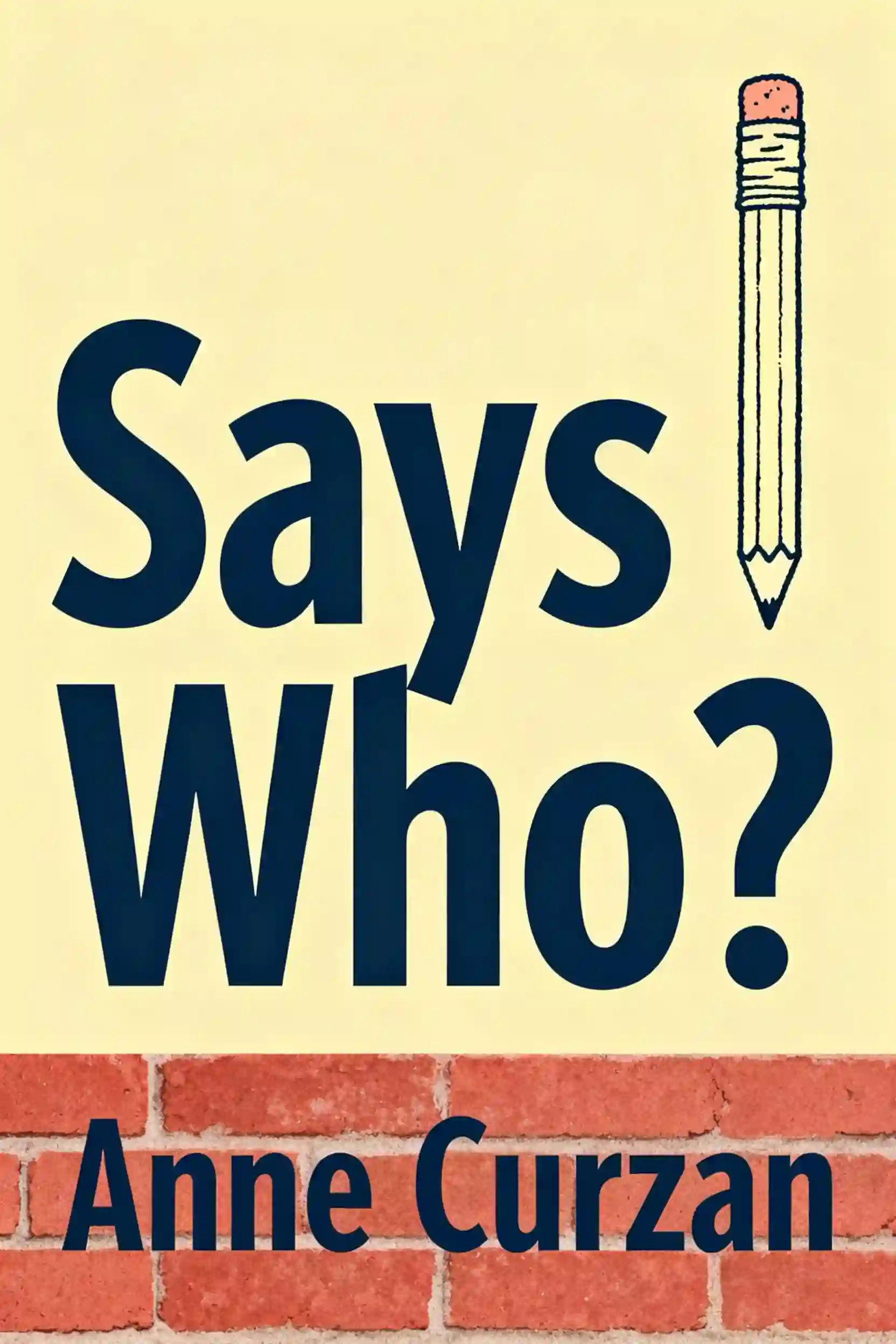
    Says Who?
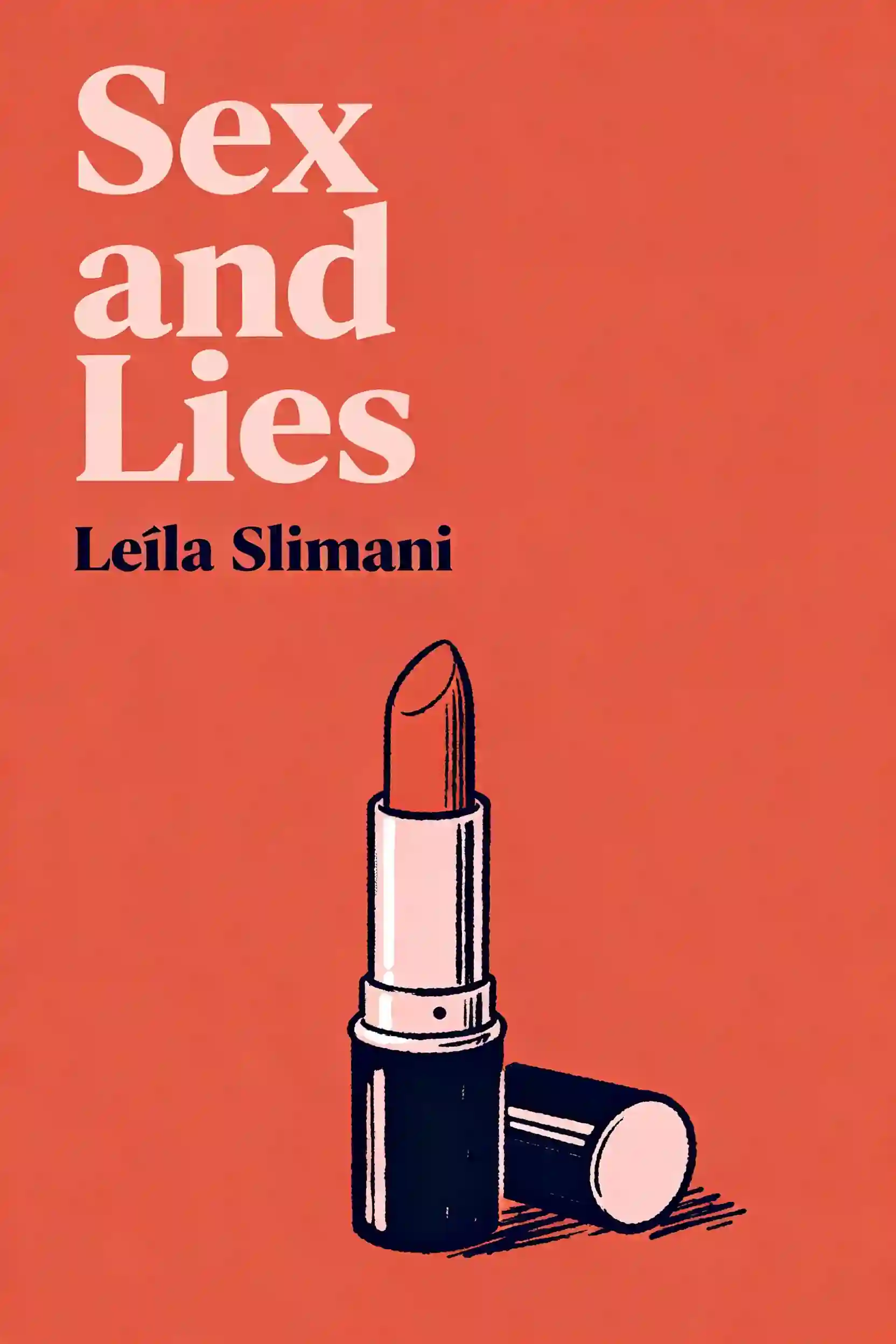
    Sex and Lies
    How to Talk to Anyone
    Noah Webster's first edition of an American dictionary of the English language
    Word by Word

    Frequently Asked Questions

    MSA serves as a "universal key" or bridge across the Arab world, connecting over 400 million people. While dialects are highly localized to specific cities or regions, MSA is the standard for media, education, and formal communication. Having a foundation in MSA makes you literate in the region—allowing you to read signs, menus, and documents—and actually makes it ten times easier to pick up local "flavors" later because you already understand the core linguistic structure.

    While the Arabic language contains over twelve million words, you do not need to learn a fraction of that to be functional. The script highlights that the top 1,000 words cover roughly 80 to 85 percent of everyday conversation. For a beginner at the A1 level, the goal is "recognition and survival," which requires a foundational block of only 500 to 700 high-frequency words.

    Power Verbs are high-frequency, flexible verbs that do the "heavy lifting" in communication, such as Urid (I want), Adhhab (I go), and Afham (I understand). Mastering just 20 to 30 of these core verbs allows a learner to describe their past, present, future, and opinions. By focusing on these versatile tools, learners can build a functional framework where they can "plug in" various nouns to create hundreds of different sentences.

    The three-letter root system is described as a "decoder ring" for the language. Most Arabic words are built from a core of three consonants that carry a specific meaning. For example, the root K-T-B is related to writing; once a learner recognizes this, they can deduce that Kitāb (book), Maktab (office), and Kataba (he wrote) are all related. This system allows students to guess the meanings of new words based on their familiar roots.

    The best strategy to avoid burnout is to prioritize "usability" over "word count" and focus on "function over perfection." Instead of memorizing random lists, learners should only focus on words they will actually use in the next 24 hours. Additionally, the script suggests learning words in pairs of opposites (like big/small) and always learning them within a short, practical sentence rather than in a vacuum.

    From Columbia University alumni | built in San Francisco

    BeFreed Brings Together A Global Community Of Curious Minds

    4.7

    avg rating

    7.84k+ App Rating

    BeFreed Community

    Seriously I haven’t even explored this app fully yet but from using it the last few days I am so impressed... BeFreed is on a different level from any other learning app I have used. This makes it ultra engaging and can actually improve your concentration which is great for all the doom scrollers!

    @ladyInfinity

    I bought BeFreed exactly 23 days ago, and I have used it every single day since. It has completely embedded itself into my daily workflow and learning habit.

    @jayallen

    The truth is, the app has exceeded all my expectations. I can ask it to generate audio on any topic, whatever it may be, and the result is impressive. My professional field is a specialization in psychotherapy and it is multidisciplinary; however, the answers are very accurate.

    @Raguipa

    What I appreciate most is how much it's reduced my scrolling – I'm spending less time searching and more time absorbing information. The combination of full audiobooks, podcasts, the learning plans are brilliant.

    @colonyofcreatorsNGO

    I have been a PhotoReading Accelerated Learning Instructor for the past 24 years... books and reading and learning are my thing, and BeFreed has done a great job in providing an innovative approach to disseminating and delivering information in an easy to consume way.

    @BeFreed user

    It is not just a book summary app, I have used the 'fun reading' option and it's a much better summary and way to grasp ideas the traditional way, that alone is worth this deal.

    @austinakon

    I love this app. Used it for several days and I cannot stop listening. Such a great way to start.

    @jcrules328

    I really like the program; I have already tested it for around one month, and I feel that it's an amazing gem. It works so well because I can use BeFreed to create my own topics, and the voice is so good with unlimited choice of narrations.

    @DanielCZ

    Seriously I haven’t even explored this app fully yet but from using it the last few days I am so impressed... BeFreed is on a different level from any other learning app I have used. This makes it ultra engaging and can actually improve your concentration which is great for all the doom scrollers!

    @ladyInfinity

    I bought BeFreed exactly 23 days ago, and I have used it every single day since. It has completely embedded itself into my daily workflow and learning habit.

    @jayallen

    The truth is, the app has exceeded all my expectations. I can ask it to generate audio on any topic, whatever it may be, and the result is impressive. My professional field is a specialization in psychotherapy and it is multidisciplinary; however, the answers are very accurate.

    @Raguipa

    What I appreciate most is how much it's reduced my scrolling – I'm spending less time searching and more time absorbing information. The combination of full audiobooks, podcasts, the learning plans are brilliant.

    @colonyofcreatorsNGO

    I have been a PhotoReading Accelerated Learning Instructor for the past 24 years... books and reading and learning are my thing, and BeFreed has done a great job in providing an innovative approach to disseminating and delivering information in an easy to consume way.

    @BeFreed user

    It is not just a book summary app, I have used the 'fun reading' option and it's a much better summary and way to grasp ideas the traditional way, that alone is worth this deal.

    @austinakon

    I love this app. Used it for several days and I cannot stop listening. Such a great way to start.

    @jcrules328

    I really like the program; I have already tested it for around one month, and I feel that it's an amazing gem. It works so well because I can use BeFreed to create my own topics, and the voice is so good with unlimited choice of narrations.

    @DanielCZ

    I love the fact that I can get useful, condensed, information and ideas in a 8 - 15 minute podcast style audio. I'm not a general fan of podcasts because of all the fluff, but this cuts through all that.

    @BeFreed user

    I am finishing up my doctorate, and have to read a lot of unfamiliar material... With BeFreed, you simply enter a prompt, and the app finds source material for you and generates an audio podcast. I find the process in BeFreed to be more streamlined than NotebookLM.

    @Brad

    I often search YouTube for something to listen to whilst making breakfast, when I'm out walking, commuting, etc, and BeFreed has provided an even more targeted approach, without the adverts and the fluff!

    @BeFreed user

    The absolute best part about this platform is its versatility. There is literally no subject that is off-topic. It handles whatever you throw at it... It is rare to find an learning tool with zero limitations that actually delivers on its promises.

    @jayallen

    BeFreed is fantastic. The user-friendly design means I spend less time navigating and more time learning. The mix of audiobooks, podcasts, and learning plans is a genius combo that has completely changed my daily routine.

    @BeFreed user

    At the start I needed a while to understand how to create podcasts in italian language and boom! It is so great! I can ask to explain every argument and it does so well and so smartly!

    @matteo77

    BeFreed has become my daily app for audio books tools... What I like the most is the way you put your text and come with an audio that you can listen on the go.

    @kotanzu1

    I love the fact that I can get useful, condensed, information and ideas in a 8 - 15 minute podcast style audio. I'm not a general fan of podcasts because of all the fluff, but this cuts through all that.

    @BeFreed user

    I am finishing up my doctorate, and have to read a lot of unfamiliar material... With BeFreed, you simply enter a prompt, and the app finds source material for you and generates an audio podcast. I find the process in BeFreed to be more streamlined than NotebookLM.

    @Brad

    I often search YouTube for something to listen to whilst making breakfast, when I'm out walking, commuting, etc, and BeFreed has provided an even more targeted approach, without the adverts and the fluff!

    @BeFreed user

    The absolute best part about this platform is its versatility. There is literally no subject that is off-topic. It handles whatever you throw at it... It is rare to find an learning tool with zero limitations that actually delivers on its promises.

    @jayallen

    BeFreed is fantastic. The user-friendly design means I spend less time navigating and more time learning. The mix of audiobooks, podcasts, and learning plans is a genius combo that has completely changed my daily routine.

    @BeFreed user

    At the start I needed a while to understand how to create podcasts in italian language and boom! It is so great! I can ask to explain every argument and it does so well and so smartly!

    @matteo77

    BeFreed has become my daily app for audio books tools... What I like the most is the way you put your text and come with an audio that you can listen on the go.

    @kotanzu1

    See more on how BeFreed is discussed
    129.7K19.5K
    55.2K19.2K
    154.2K10827355
    48.1K2.5K
    81.2K6.6K
    82.3K1.8K
    Start your learning journey, now
    BeFreed app
    BeFreed

    Learn Anything, Personalized

    DiscordLinkedIn
    Featured book summaries
    Crucial ConversationsThe Perfect MarriageInto the WildNever Split the DifferenceAttachedGood to GreatSay Nothing
    Trending categories
    Self HelpCommunication SkillRelationshipMindfulnessPhilosophyInspirationProductivity
    Celebrities' reading list
    Elon MuskCharlie KirkBill GatesSteve JobsAndrew HubermanJoe RoganJordan Peterson
    Award winning collection
    Pulitzer PrizeNational Book AwardGoodreads Choice AwardsNobel Prize in LiteratureNew York TimesCaldecott MedalNebula Award
    Featured Topics
    ManagementAmerican HistoryWarTradingStoicismAnxietySex
    Best books by Year
    2025 Best Non Fiction Books2024 Best Non Fiction Books2023 Best Non Fiction Books
    Featured authors
    Chimamanda Ngozi AdichieGeorge OrwellO. J. SimpsonBarbara O'NeillWinston ChurchillCharlie Kirk
    BeFreed vs other apps
    BeFreed vs. Other Book Summary AppsBeFreed vs. ElevenReaderBeFreed vs. ReadwiseBeFreed vs. Anki
    Learning tools
    Knowledge VisualizerAI Podcast Generator
    Information
    About Usarrow
    Pricingarrow
    FAQarrow
    Blogarrow
    Careerarrow
    Partnershipsarrow
    Ambassador Programarrow
    Directoryarrow
    BeFreed
    Try now
    © 2026 BeFreed
    Term of UsePrivacy Policy
    BeFreed

    Learn Anything, Personalized

    DiscordLinkedIn
    Featured book summaries
    Crucial ConversationsThe Perfect MarriageInto the WildNever Split the DifferenceAttachedGood to GreatSay Nothing
    Trending categories
    Self HelpCommunication SkillRelationshipMindfulnessPhilosophyInspirationProductivity
    Celebrities' reading list
    Elon MuskCharlie KirkBill GatesSteve JobsAndrew HubermanJoe RoganJordan Peterson
    Award winning collection
    Pulitzer PrizeNational Book AwardGoodreads Choice AwardsNobel Prize in LiteratureNew York TimesCaldecott MedalNebula Award
    Featured Topics
    ManagementAmerican HistoryWarTradingStoicismAnxietySex
    Best books by Year
    2025 Best Non Fiction Books2024 Best Non Fiction Books2023 Best Non Fiction Books
    Learning tools
    Knowledge VisualizerAI Podcast Generator
    Featured authors
    Chimamanda Ngozi AdichieGeorge OrwellO. J. SimpsonBarbara O'NeillWinston ChurchillCharlie Kirk
    BeFreed vs other apps
    BeFreed vs. Other Book Summary AppsBeFreed vs. ElevenReaderBeFreed vs. ReadwiseBeFreed vs. Anki
    Information
    About Usarrow
    Pricingarrow
    FAQarrow
    Blogarrow
    Careerarrow
    Partnershipsarrow
    Ambassador Programarrow
    Directoryarrow
    BeFreed
    Try now
    © 2026 BeFreed
    Term of UsePrivacy Policy

    Part of a Learning Plan

    Learn Conversational Cantonese in 90 Days
    LEARNING PLAN

    Learn Conversational Cantonese in 90 Days

    3 h 57 m•3 Episodes

    More like this

    Arabic Phrases You Actually Need for Daily Life book cover
    ArabsHow to Talk to AnyoneNoah Webster's first edition of an American dictionary of the English languageSays Who?
    22 sources
    Arabic Phrases You Actually Need for Daily Life
    Stop wasting time on textbook words you'll never use. Learn the 100 high-frequency phrases that help you navigate conversations and build rapport.
    28 min
    Arabic Sentences You Actually Need for Fluency book cover
    How to Talk to AnyoneArabsFluent in 3 MonthsSex and Lies
    22 sources
    Arabic Sentences You Actually Need for Fluency
    Stop memorizing complex vocabulary and start with the 100 most used sentences. Learn the core phrases that cover 80% of everyday Arabic conversation.
    26 min
    Speak Arabic With Confidence book cover
    Arabs: A 3,000-Year History of Peoples, Tribes and EmpiresFluent In 3 MonthsSays Who?The Mother Tongue
    22 sources
    Speak Arabic With Confidence
    Discover practical techniques to overcome the speaking roadblock in Arabic, from daily micro-immersion practices to navigating dialects, all designed for busy English speakers ready to move beyond basics.
    33 min
    200 Japanese expressions you actually need book cover
    How to Talk to AnyoneSays Who?Way of NagomiFluent in 3 Months
    20 sources
    200 Japanese expressions you actually need
    Basic greetings aren't enough to navigate life in Japan. Learn the 200 essential phrases for dining, work, and shopping to speak with confidence.
    39 min
    Arabic grammar for speaking is easier than you think book cover
    Metaphors We Live ByArabsFluent in 3 MonthsThrough the Language Glass
    21 sources
    Arabic grammar for speaking is easier than you think
    Struggling to turn memorized Arabic words into real conversation? Learn how to use flexible sentence structures to stop stalling and start speaking.
    33 min
    Speak Arabic with Confidence book cover
    Fluent In 3 MonthsArabs: A 3,000-Year History of Peoples, Tribes and EmpiresFluent ForeverThe Language Instinct
    21 sources
    Speak Arabic with Confidence
    Discover seven proven strategies to transform your Arabic speaking skills through consistent 15-30 minute daily practice rather than cramming, following natural language acquisition stages from listening to expression.
    39 min
    Sudanese Arabic Survival Phrases for Your First Week book cover
    ArabsFluent in 3 MonthsHow to Talk to AnyoneSays Who?
    22 sources
    Sudanese Arabic Survival Phrases for Your First Week
    Struggling to speak Arabic in real life? Learn the top 100 high-frequency phrases and the echo method to navigate daily life in Sudan with confidence.
    31 min
    Arabic verbs are easier than they look book cover
    ArabsFluent in 3 MonthsHow Language WorksSays Who?
    22 sources
    Arabic verbs are easier than they look
    Feeling overwhelmed by Arabic vocabulary? Learn how a simple three-letter root system and ten patterns unlock thousands of words with logical ease.
    33 min

    Recommended Learning Plans

    Bridge MSA to Lebanese Arabic
    LEARNING PLAN

    Bridge MSA to Lebanese Arabic

    This learning plan is essential for students who have a foundation in Modern Standard Arabic but struggle to communicate in casual settings. It is designed for travelers, professionals, and heritage learners who want to transform their formal knowledge into the vibrant, practical Lebanese dialect.

    1 h 12 m•3 Sections
    Learn Levantine Arabic.
    LEARNING PLAN

    Learn Levantine Arabic.

    This learning plan is essential for anyone seeking to navigate daily life in the Levant or connect deeply with Arabic-speaking communities. It is ideal for travelers, expats, and language enthusiasts who want to move beyond textbooks and achieve practical, culturally-aware conversational fluency.

    4 h 28 m•3 Sections
    Learn Najdi Arabic through YouTube mining
    LEARNING PLAN

    Learn Najdi Arabic through YouTube mining

    This plan is essential for learners who want to move beyond formal textbooks and master the authentic Najdi dialect used in daily Saudi life. It is ideal for expats, travelers, or professionals seeking fluency through immersive digital content and cultural context.

    6 h 19 m•4 Sections
    Learn English-Arabic translation
    LEARNING PLAN

    Learn English-Arabic translation

    This plan is essential for bilingual individuals looking to professionalize their translation skills by bridging linguistic gaps and cultural nuances. It benefits aspiring translators and language enthusiasts seeking a structured path from foundational theory to career-ready expertise.

    6 h 6 m•4 Sections
    Arabic for Family Connection
    LEARNING PLAN

    Arabic for Family Connection

    This plan is designed for heritage learners who understand Arabic but struggle to speak it fluently with their relatives. It provides the linguistic and cultural tools necessary to strengthen ancestral bonds and participate fully in family life.

    1 h 36 m•4 Sections
    Master Australian English and Culture
    LEARNING PLAN

    Master Australian English and Culture

    This learning plan is essential for professionals, migrants, and students looking to bridge the gap between general English and authentic Australian life. It combines linguistic mastery with deep cultural intelligence to ensure success in both social and corporate environments.

    3 h 28 m•4 Sections
    Master the Slang Wimp Out
    LEARNING PLAN

    Master the Slang Wimp Out

    Understanding informal idioms is essential for achieving true fluency and navigating social dynamics in English-speaking environments. This plan is ideal for intermediate to advanced learners who want to sound more natural and accurately describe social behaviors involving hesitation or fear.

    48 m•2 Sections
    Learning English 100%
    LEARNING PLAN

    Learning English 100%

    This comprehensive plan is designed for learners who want to bridge the gap between basic understanding and professional fluency. It is ideal for students or professionals aiming to master grammar, elegant writing, and persuasive speaking in any cultural context.

    5 h 7 m•4 Sections