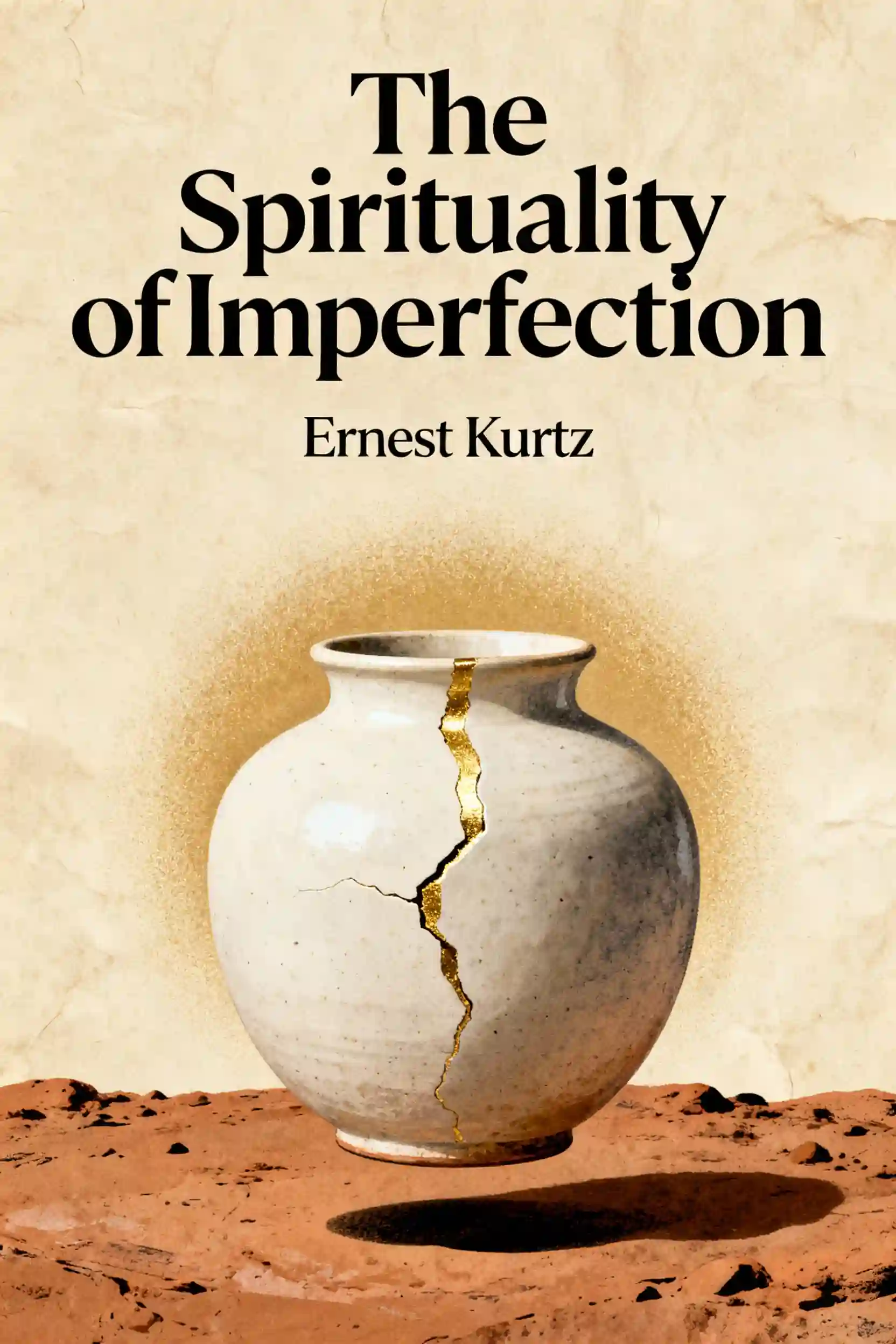
Spirituality of Imperfection Book Lessons and Insights
Explore key lessons from The Spirituality of Imperfection by Ernest Kurtz and Katherine Ketcham. Discover how embracing flaws leads to true spiritual growth.

Best quote from Spirituality of Imperfection Book Lessons and Insights
The spirituality of imperfection says that wholeness doesn't come from being a solid, impenetrable block of virtue, but from being porous—allowing life to move through us, even the painful parts.
Generated by Brian
Can you please Read lesson on book called spirituality of imperfection

Frequently Asked Questions
The Spirituality of Imperfection, authored by Ernest Kurtz and Katherine Ketcham, teaches that spiritual growth begins by accepting our human limitations. Instead of striving for an impossible standard of perfection, the book suggests that acknowledging our flaws allows for deeper connection and humility. These lessons draw on ancient storytelling and modern recovery spirituality to show that being 'imperfect' is not a failure, but a fundamental part of the human experience and a gateway to grace.
The book is deeply rooted in recovery spirituality, often drawing parallels to the wisdom found in twelve-step programs. It explores how hitting rock bottom and admitting powerlessness can lead to a profound spiritual awakening. By focusing on the 'spirituality of imperfection,' Kurtz and Ketcham illustrate that recovery is not about becoming flawless, but about finding a sense of belonging and peace within our shared human brokenness and the reality of our everyday lives.
Ernest Kurtz and Katherine Ketcham are the collaborative voices behind this influential work. Kurtz was a noted historian of Alcoholics Anonymous, bringing a deep academic and historical perspective to the concept of spirituality. Ketcham is an experienced author specializing in addiction and recovery. Together, they combine historical research with narrative storytelling to provide a comprehensive book summary and guide for anyone seeking spiritual growth through the lens of honesty and self-acceptance.
From Columbia University alumni built in San Francisco
"Instead of endless scrolling, I just hit play on BeFreed. It saves me so much time."


"I never knew where to start with nonfiction—BeFreed’s book lists turned into podcasts gave me a clear path."


"Perfect balance between learning and entertainment. Finished ‘Thinking, Fast and Slow’ on my commute this week."
"Crazy how much I learned while walking the dog. BeFreed = small habits → big gains."
"Reading used to feel like a chore. Now it’s just part of my lifestyle."

"Feels effortless compared to reading. I’ve finished 6 books this month already."
"BeFreed turned my guilty doomscrolling into something that feels productive and inspiring."

"BeFreed turned my commute into learning time. 20-min podcasts are perfect for finishing books I never had time for."
"BeFreed replaced my podcast queue. Imagine Spotify for books — that’s it. 🙌"

"It is great for me to learn something from the book without reading it."
"The themed book list podcasts help me connect ideas across authors—like a guided audio journey."
"Makes me feel smarter every time before going to work"
From Columbia University alumni built in San Francisco
"Instead of endless scrolling, I just hit play on BeFreed. It saves me so much time."
"I never knew where to start with nonfiction—BeFreed’s book lists turned into podcasts gave me a clear path."
"Perfect balance between learning and entertainment. Finished ‘Thinking, Fast and Slow’ on my commute this week."
"Crazy how much I learned while walking the dog. BeFreed = small habits → big gains."
"Reading used to feel like a chore. Now it’s just part of my lifestyle."
"Feels effortless compared to reading. I’ve finished 6 books this month already."
"BeFreed turned my guilty doomscrolling into something that feels productive and inspiring."
"BeFreed turned my commute into learning time. 20-min podcasts are perfect for finishing books I never had time for."
"BeFreed replaced my podcast queue. Imagine Spotify for books — that’s it. 🙌"
"It is great for me to learn something from the book without reading it."
"The themed book list podcasts help me connect ideas across authors—like a guided audio journey."
"Makes me feel smarter every time before going to work"
"Instead of endless scrolling, I just hit play on BeFreed. It saves me so much time."
"I never knew where to start with nonfiction—BeFreed’s book lists turned into podcasts gave me a clear path."
"Perfect balance between learning and entertainment. Finished ‘Thinking, Fast and Slow’ on my commute this week."
"Crazy how much I learned while walking the dog. BeFreed = small habits → big gains."
"Reading used to feel like a chore. Now it’s just part of my lifestyle."
"Feels effortless compared to reading. I’ve finished 6 books this month already."
"BeFreed turned my guilty doomscrolling into something that feels productive and inspiring."
"BeFreed turned my commute into learning time. 20-min podcasts are perfect for finishing books I never had time for."
"BeFreed replaced my podcast queue. Imagine Spotify for books — that’s it. 🙌"
"It is great for me to learn something from the book without reading it."
"The themed book list podcasts help me connect ideas across authors—like a guided audio journey."
"Makes me feel smarter every time before going to work"
"Instead of endless scrolling, I just hit play on BeFreed. It saves me so much time."
"I never knew where to start with nonfiction—BeFreed’s book lists turned into podcasts gave me a clear path."
"Perfect balance between learning and entertainment. Finished ‘Thinking, Fast and Slow’ on my commute this week."
"Crazy how much I learned while walking the dog. BeFreed = small habits → big gains."
"Reading used to feel like a chore. Now it’s just part of my lifestyle."
"Feels effortless compared to reading. I’ve finished 6 books this month already."
"BeFreed turned my guilty doomscrolling into something that feels productive and inspiring."
"BeFreed turned my commute into learning time. 20-min podcasts are perfect for finishing books I never had time for."
"BeFreed replaced my podcast queue. Imagine Spotify for books — that’s it. 🙌"
"It is great for me to learn something from the book without reading it."
"The themed book list podcasts help me connect ideas across authors—like a guided audio journey."
"Makes me feel smarter every time before going to work"