BeFreed
    Categories>Health>Sexual pleasure is a health right, not a luxury

    Sexual pleasure is a health right, not a luxury

    15 min
    |
    |
    Apr 8, 2026
    HealthPsychologyRelationship

    Sexual health is often taught through fear, but prioritizing pleasure can reduce stress. Learn why your brain is the key to better intimacy and well-being.

    Sexual pleasure is a health right, not a luxury

    Best quote from Sexual pleasure is a health right, not a luxury

    “

    Sexual pleasure is actually a fundamental part of our well-being; it’s not just a luxury, it’s a health right.

    ”

    This audio lesson was created by a BeFreed community member

    Input question

    Sexual pleasure

    Host voices
    Lenaplay
    Milesplay
    Learning style
    Quick
    Knowledge sources
    Dear Lover
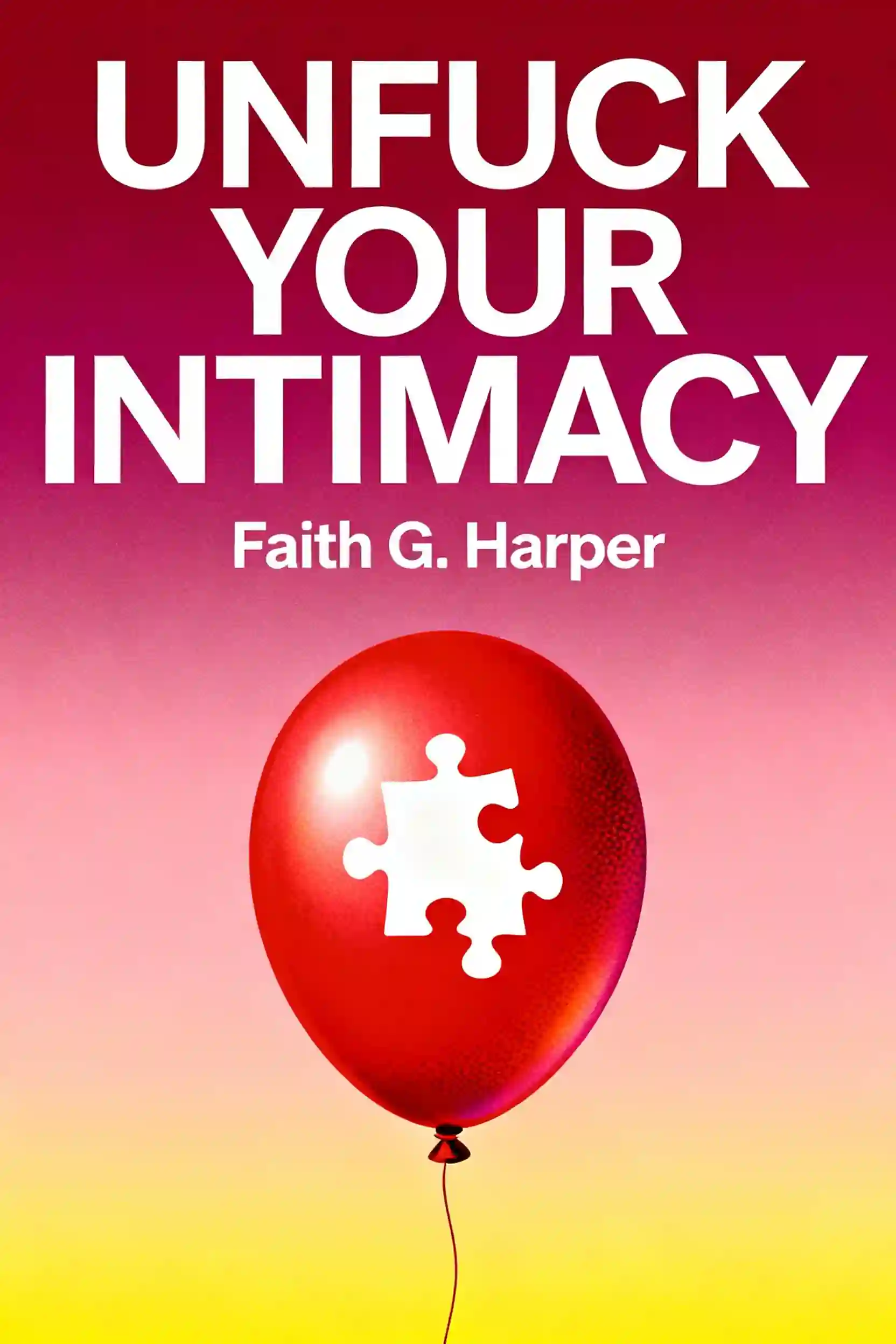
    Unfuck Your Intimacy
    Smart Sex
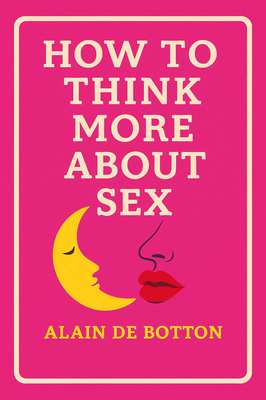
    How to Think More about Sex
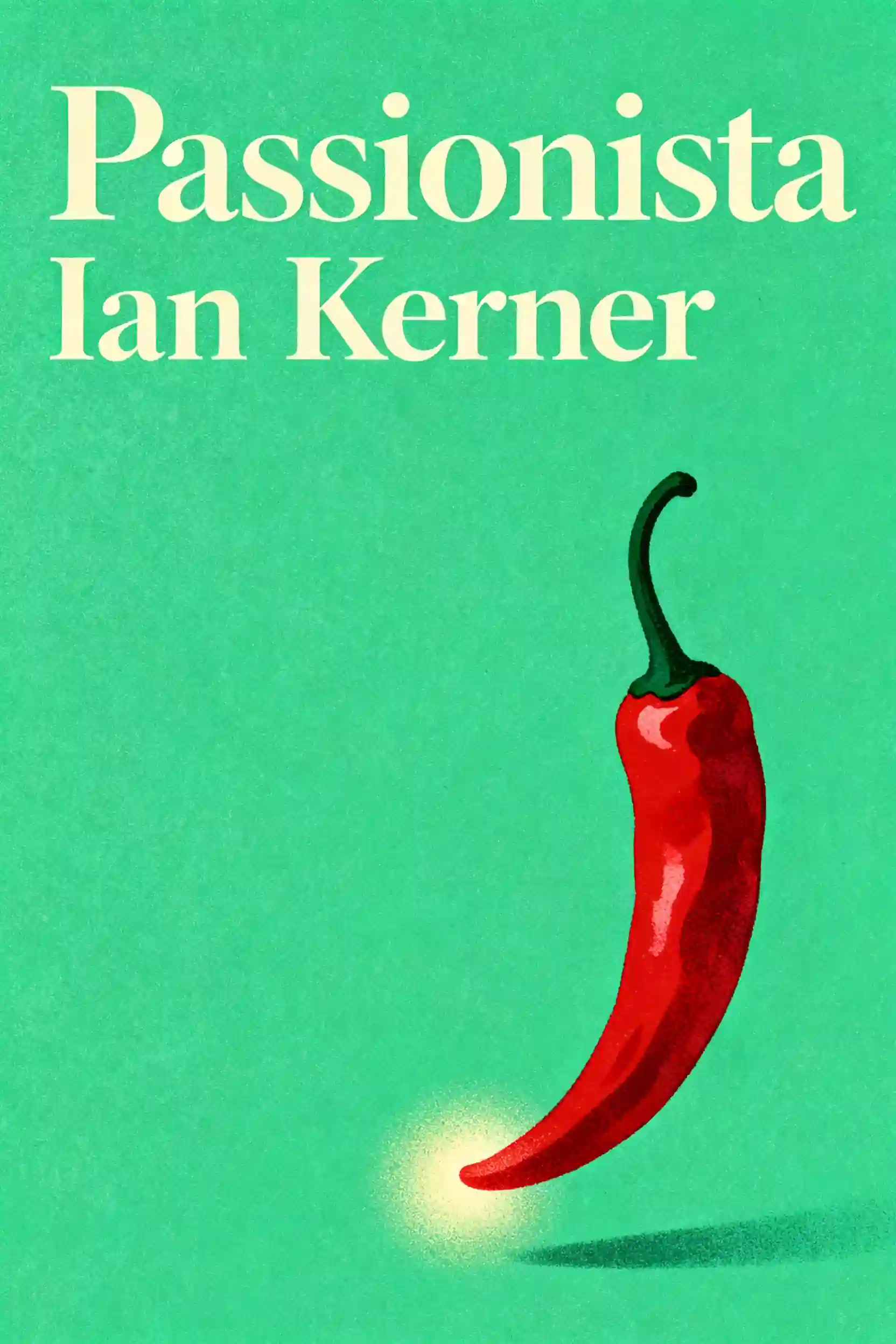
    Passionista
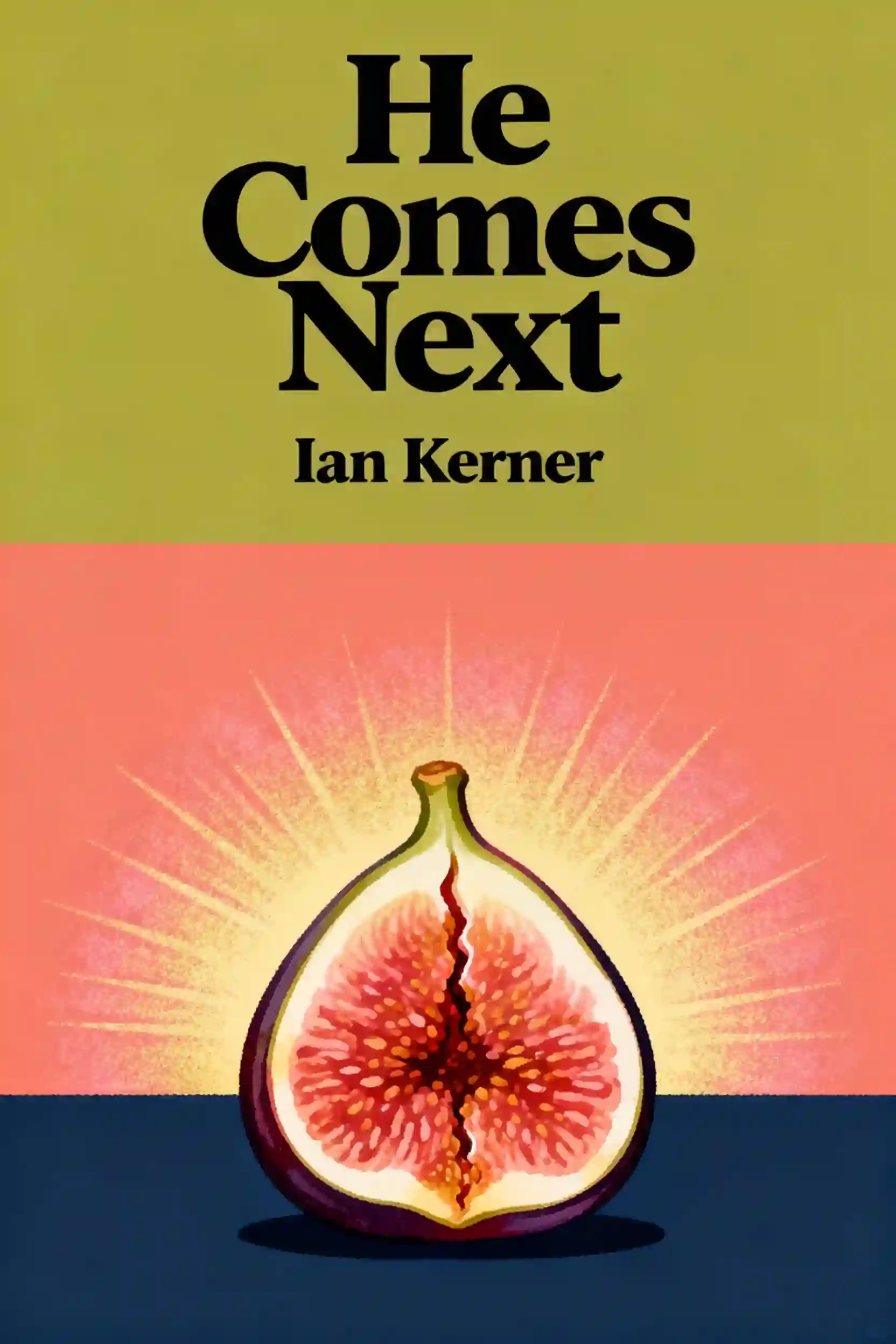
    He Comes Next

    Frequently Asked Questions

    Discover more

    Sexual Health, Desire & Body Pleasure

    Sexual Health, Desire & Body Pleasure

    LEARNING PLAN

    Sexual Health, Desire & Body Pleasure

    This learning plan provides a holistic approach to sexual wellness by bridging the gap between physical health and psychological depth. It is ideal for individuals or couples seeking to overcome inhibitions, improve intimacy, and transform their relationship with pleasure.

    2 h 42 m•4 Sections
    Desire, Pleasure & Sexual Health

    Desire, Pleasure & Sexual Health

    LEARNING PLAN

    Desire, Pleasure & Sexual Health

    This learning plan provides a holistic approach to sexual wellness by bridging the gap between biological facts and psychological intimacy. It is ideal for individuals or couples seeking to improve their sexual intelligence, communication skills, and spiritual connection.

    2 h 45 m•4 Sections
    Improve sexual satisfaction

    Improve sexual satisfaction

    LEARNING PLAN

    Improve sexual satisfaction

    Sexual satisfaction is a cornerstone of wellbeing and relationship health, yet most people never receive comprehensive education beyond biology basics. This learning plan combines psychology, communication science, and embodied practices to help anyone—whether single, newly partnered, or in long-term relationships—break through barriers and unlock deeper fulfillment in their intimate lives.

    2 h 31 m•4 Sections
    I want better sex

    I want better sex

    LEARNING PLAN

    I want better sex

    Sexual satisfaction is a crucial component of relationship health and personal well-being, yet many people never receive comprehensive education beyond basic mechanics. This learning plan addresses the physical, emotional, and psychological dimensions of sexuality, making it valuable for individuals and couples at any stage—whether exploring intimacy for the first time, reigniting passion in long-term relationships, or seeking deeper connection and fulfillment.

    2 h 46 m•4 Sections
    Health and sex

    Health and sex

    LEARNING PLAN

    Health and sex

    This learning plan provides essential knowledge about physical health, sexual wellness, and relationship dynamics that many people never formally learn. It benefits anyone seeking to enhance their intimate relationships, improve sexual well-being, or develop a more holistic understanding of their physical and emotional health.

    2 h 39 m•4 Sections
    Sensual Wellness 101: How ...

    Sensual Wellness 101: How ...

    LEARNING PLAN

    Sensual Wellness 101: How ...

    The text outlines a program on sensual wellness, focusing on integrating body awareness, emotional safety, and daily rituals to enhance confidence, pleasure, and authentic communication.

    2 h 29 m•4 Sections
    Sex skills

    Sex skills

    LEARNING PLAN

    Sex skills

    Sexual intimacy is a fundamental aspect of human connection and well-being, yet most people receive little to no practical education in this area. This learning plan benefits anyone seeking to enhance their intimate relationships, overcome insecurities, deepen partner connections, or transform their approach to sexuality from awkward uncertainty to confident mastery. Whether you're exploring intimacy for the first time or looking to reinvigorate long-term relationships, developing these skills creates more fulfilling connections and greater personal satisfaction.

    3 h 7 m•4 Sections

    From Columbia University alumni built in San Francisco

    BeFreed Brings Together A Global Community Of 1,000,000 Curious Minds
    See more on how BeFreed is discussed across the web

    "Instead of endless scrolling, I just hit play on BeFreed. It saves me so much time."

    @Moemenn
    platform
    star
    star
    star
    star
    star

    "I never knew where to start with nonfiction—BeFreed’s book lists turned into podcasts gave me a clear path."

    @Chloe, Solo founder, LA
    platform
    comments
    12
    likes
    117

    "Perfect balance between learning and entertainment. Finished ‘Thinking, Fast and Slow’ on my commute this week."

    @Raaaaaachelw
    platform
    star
    star
    star
    star
    star

    "Crazy how much I learned while walking the dog. BeFreed = small habits → big gains."

    @Matt, YC alum
    platform
    comments
    12
    likes
    108

    "Reading used to feel like a chore. Now it’s just part of my lifestyle."

    @Erin, Investment Banking Associate , NYC
    platform
    comments
    254
    likes
    17

    "Feels effortless compared to reading. I’ve finished 6 books this month already."

    @djmikemoore
    platform
    star
    star
    star
    star
    star

    "BeFreed turned my guilty doomscrolling into something that feels productive and inspiring."

    @Pitiful
    platform
    comments
    96
    likes
    4.5K

    "BeFreed turned my commute into learning time. 20-min podcasts are perfect for finishing books I never had time for."

    @SofiaP
    platform
    star
    star
    star
    star
    star

    "BeFreed replaced my podcast queue. Imagine Spotify for books — that’s it. 🙌"

    @Jaded_Falcon
    platform
    comments
    201
    thumbsUp
    16

    "It is great for me to learn something from the book without reading it."

    @OojasSalunke
    platform
    star
    star
    star
    star
    star

    "The themed book list podcasts help me connect ideas across authors—like a guided audio journey."

    @Leo, Law Student, UPenn
    platform
    comments
    37
    likes
    483

    "Makes me feel smarter every time before going to work"

    @Cashflowbubu
    platform
    star
    star
    star
    star
    star

    From Columbia University alumni built in San Francisco

    BeFreed Brings Together A Global Community Of 1,000,000 Curious Minds
    See more on how BeFreed is discussed across the web

    "Instead of endless scrolling, I just hit play on BeFreed. It saves me so much time."

    @Moemenn
    platform
    star
    star
    star
    star
    star

    "I never knew where to start with nonfiction—BeFreed’s book lists turned into podcasts gave me a clear path."

    @Chloe, Solo founder, LA
    platform
    comments
    12
    likes
    117

    "Perfect balance between learning and entertainment. Finished ‘Thinking, Fast and Slow’ on my commute this week."

    @Raaaaaachelw
    platform
    star
    star
    star
    star
    star

    "Crazy how much I learned while walking the dog. BeFreed = small habits → big gains."

    @Matt, YC alum
    platform
    comments
    12
    likes
    108

    "Reading used to feel like a chore. Now it’s just part of my lifestyle."

    @Erin, Investment Banking Associate , NYC
    platform
    comments
    254
    likes
    17

    "Feels effortless compared to reading. I’ve finished 6 books this month already."

    @djmikemoore
    platform
    star
    star
    star
    star
    star

    "BeFreed turned my guilty doomscrolling into something that feels productive and inspiring."

    @Pitiful
    platform
    comments
    96
    likes
    4.5K

    "BeFreed turned my commute into learning time. 20-min podcasts are perfect for finishing books I never had time for."

    @SofiaP
    platform
    star
    star
    star
    star
    star

    "BeFreed replaced my podcast queue. Imagine Spotify for books — that’s it. 🙌"

    @Jaded_Falcon
    platform
    comments
    201
    thumbsUp
    16

    "It is great for me to learn something from the book without reading it."

    @OojasSalunke
    platform
    star
    star
    star
    star
    star

    "The themed book list podcasts help me connect ideas across authors—like a guided audio journey."

    @Leo, Law Student, UPenn
    platform
    comments
    37
    likes
    483

    "Makes me feel smarter every time before going to work"

    @Cashflowbubu
    platform
    star
    star
    star
    star
    star

    "Instead of endless scrolling, I just hit play on BeFreed. It saves me so much time."

    @Moemenn
    platform
    star
    star
    star
    star
    star

    "I never knew where to start with nonfiction—BeFreed’s book lists turned into podcasts gave me a clear path."

    @Chloe, Solo founder, LA
    platform
    comments
    12
    likes
    117

    "Perfect balance between learning and entertainment. Finished ‘Thinking, Fast and Slow’ on my commute this week."

    @Raaaaaachelw
    platform
    star
    star
    star
    star
    star

    "Crazy how much I learned while walking the dog. BeFreed = small habits → big gains."

    @Matt, YC alum
    platform
    comments
    12
    likes
    108

    "Reading used to feel like a chore. Now it’s just part of my lifestyle."

    @Erin, Investment Banking Associate , NYC
    platform
    comments
    254
    likes
    17

    "Feels effortless compared to reading. I’ve finished 6 books this month already."

    @djmikemoore
    platform
    star
    star
    star
    star
    star

    "BeFreed turned my guilty doomscrolling into something that feels productive and inspiring."

    @Pitiful
    platform
    comments
    96
    likes
    4.5K

    "BeFreed turned my commute into learning time. 20-min podcasts are perfect for finishing books I never had time for."

    @SofiaP
    platform
    star
    star
    star
    star
    star

    "BeFreed replaced my podcast queue. Imagine Spotify for books — that’s it. 🙌"

    @Jaded_Falcon
    platform
    comments
    201
    thumbsUp
    16

    "It is great for me to learn something from the book without reading it."

    @OojasSalunke
    platform
    star
    star
    star
    star
    star

    "The themed book list podcasts help me connect ideas across authors—like a guided audio journey."

    @Leo, Law Student, UPenn
    platform
    comments
    37
    likes
    483

    "Makes me feel smarter every time before going to work"

    @Cashflowbubu
    platform
    star
    star
    star
    star
    star

    "Instead of endless scrolling, I just hit play on BeFreed. It saves me so much time."

    @Moemenn
    platform
    star
    star
    star
    star
    star

    "I never knew where to start with nonfiction—BeFreed’s book lists turned into podcasts gave me a clear path."

    @Chloe, Solo founder, LA
    platform
    comments
    12
    likes
    117

    "Perfect balance between learning and entertainment. Finished ‘Thinking, Fast and Slow’ on my commute this week."

    @Raaaaaachelw
    platform
    star
    star
    star
    star
    star

    "Crazy how much I learned while walking the dog. BeFreed = small habits → big gains."

    @Matt, YC alum
    platform
    comments
    12
    likes
    108

    "Reading used to feel like a chore. Now it’s just part of my lifestyle."

    @Erin, Investment Banking Associate , NYC
    platform
    comments
    254
    likes
    17

    "Feels effortless compared to reading. I’ve finished 6 books this month already."

    @djmikemoore
    platform
    star
    star
    star
    star
    star

    "BeFreed turned my guilty doomscrolling into something that feels productive and inspiring."

    @Pitiful
    platform
    comments
    96
    likes
    4.5K

    "BeFreed turned my commute into learning time. 20-min podcasts are perfect for finishing books I never had time for."

    @SofiaP
    platform
    star
    star
    star
    star
    star

    "BeFreed replaced my podcast queue. Imagine Spotify for books — that’s it. 🙌"

    @Jaded_Falcon
    platform
    comments
    201
    thumbsUp
    16

    "It is great for me to learn something from the book without reading it."

    @OojasSalunke
    platform
    star
    star
    star
    star
    star

    "The themed book list podcasts help me connect ideas across authors—like a guided audio journey."

    @Leo, Law Student, UPenn
    platform
    comments
    37
    likes
    483

    "Makes me feel smarter every time before going to work"

    @Cashflowbubu
    platform
    star
    star
    star
    star
    star
    1.5K Ratings4.7
    Start your learning journey, now
    BeFreed App
    BeFreed

    Learn Anything, Personalized

    DiscordLinkedIn
    Featured book summaries
    Crucial ConversationsThe Perfect MarriageInto the WildNever Split the DifferenceAttachedGood to GreatSay Nothing
    Trending categories
    Self HelpCommunication SkillRelationshipMindfulnessPhilosophyInspirationProductivity
    Celebrities' reading list
    Elon MuskCharlie KirkBill GatesSteve JobsAndrew HubermanJoe RoganJordan Peterson
    Award winning collection
    Pulitzer PrizeNational Book AwardGoodreads Choice AwardsNobel Prize in LiteratureNew York TimesCaldecott MedalNebula Award
    Featured Topics
    ManagementAmerican HistoryWarTradingStoicismAnxietySex
    Best books by Year
    2025 Best Non Fiction Books2024 Best Non Fiction Books2023 Best Non Fiction Books
    Featured authors
    Chimamanda Ngozi AdichieGeorge OrwellO. J. SimpsonBarbara O'NeillWinston ChurchillCharlie Kirk
    BeFreed vs other apps
    BeFreed vs. Other Book Summary AppsBeFreed vs. ElevenReaderBeFreed vs. ReadwiseBeFreed vs. Anki
    Learning tools
    Knowledge VisualizerAI Podcast Generator
    Information
    About Usarrow
    Pricingarrow
    FAQarrow
    Blogarrow
    Careerarrow
    Partnershipsarrow
    Ambassador Programarrow
    Directoryarrow
    BeFreed
    Try now
    © 2026 BeFreed
    Term of UsePrivacy Policy
    BeFreed

    Learn Anything, Personalized

    DiscordLinkedIn
    Featured book summaries
    Crucial ConversationsThe Perfect MarriageInto the WildNever Split the DifferenceAttachedGood to GreatSay Nothing
    Trending categories
    Self HelpCommunication SkillRelationshipMindfulnessPhilosophyInspirationProductivity
    Celebrities' reading list
    Elon MuskCharlie KirkBill GatesSteve JobsAndrew HubermanJoe RoganJordan Peterson
    Award winning collection
    Pulitzer PrizeNational Book AwardGoodreads Choice AwardsNobel Prize in LiteratureNew York TimesCaldecott MedalNebula Award
    Featured Topics
    ManagementAmerican HistoryWarTradingStoicismAnxietySex
    Best books by Year
    2025 Best Non Fiction Books2024 Best Non Fiction Books2023 Best Non Fiction Books
    Learning tools
    Knowledge VisualizerAI Podcast Generator
    Featured authors
    Chimamanda Ngozi AdichieGeorge OrwellO. J. SimpsonBarbara O'NeillWinston ChurchillCharlie Kirk
    BeFreed vs other apps
    BeFreed vs. Other Book Summary AppsBeFreed vs. ElevenReaderBeFreed vs. ReadwiseBeFreed vs. Anki
    Information
    About Usarrow
    Pricingarrow
    FAQarrow
    Blogarrow
    Careerarrow
    Partnershipsarrow
    Ambassador Programarrow
    Directoryarrow
    BeFreed
    Try now
    © 2026 BeFreed
    Term of UsePrivacy Policy

    Key Takeaways

    1

    Reclaiming Pleasure as a Health Right

    0:00

    Lena: You know, Miles, I was thinking about how most of us were taught about sexual health. It was always about what could go wrong—risks, fear, or just the mechanics of reproduction. It’s like the most important part was left out of the conversation entirely.

    0:15

    Miles: Exactly, Lena. We’ve historically focused so much on clinical dysfunction that we’ve neglected the fact that sexual pleasure is actually a fundamental part of our well-being. It’s not just a luxury; it’s a health right.

    0:28

    Lena: It’s so true. I mean, did you know that about three out of four women say they can't reach orgasm through vaginal penetration alone? Yet, there’s often this intense pressure to follow a specific "script."

    0:40

    Miles: Right, and that pressure can create so much unnecessary shame. But when we shift our focus to the brain—which is actually our biggest sex organ—we can start to see pleasure as a holistic experience that reduces stress and even helps us sleep better.

    0:54

    Lena: I love that reframe. It’s about moving toward a sense of freedom and fulfillment, no matter where you are in your journey. So, let’s explore how we can start prioritizing pleasure as a vital component of a healthy life.

    2

    The Brain as the Ultimate Pleasure Command Center

    1:09

    Miles: Building on that idea of the brain being the primary organ for sex—it really is where the magic happens. We often think of arousal as something that just "starts" in the body—but neurobiologically—it is a complex feedback loop. When we experience something pleasurable—the hypothalamus in the brain starts influencing the production of hormones like estrogen and testosterone.

    1:32

    Lena: So it is not just a physical reaction—it is a chemical conversation. I remember reading that when we are attracted to someone—our brains release high levels of dopamine and norepinephrine. That is why people say they feel "giddy" or lose their appetite when they are falling in love. It is literally a chemical rush.

    1:48

    Miles: Exactly—and that rush activates the reward system—specifically the ventral tegmental area and the nucleus accumbens. These are the same pathways that light up when we eat a delicious meal. But here is the kicker—the amygdala—which usually handles fear and judgment—actually quiets down.

    2:06

    Lena: Wait—so the "love is blind" thing is actually a neurological reality? Our brains purposefully turn down the volume on critical judgment so we can bond?

    2:15

    Miles: That is exactly what the data shows. It is a biological "push-pull" mechanism. We activate the pleasure and reward circuits—and simultaneously—we deactivate the circuits responsible for social assessment and negative emotions. It creates this "love bubble" where we feel safe enough to be vulnerable.

    2:34

    Lena: That makes so much sense—but it also explains why it feels so jarring when that initial phase ends. We go from this neurochemical high to a more stable state. But if we understand that this is just the brain shifting gears—maybe we wouldn't feel so much pressure when things start to feel "routine."

    2:52

    Miles: Right—and that is where the distinction between "state-based" and "trait-based" pleasure comes in. State-based is that momentary—situational high—like having a great night after a romantic date. Trait-based is more of a stable disposition—your general capacity to experience pleasure over time. Understanding your own "baseline" can take a lot of the guesswork out of why some days feel more "connected" than others.

    3

    Unpacking the Dual Control Model of Desire

    3:17

    Lena: I want to dive into why some of us feel like our "pleasure drive" just stalls sometimes. It is so easy to feel like something is "broken" when the spark isn't there. But there is this fascinating concept called the Dual Control Model—right?

    3:32

    Miles: You hit the nail on the head. Think of it like a car with an accelerator and a brake. The sexual excitation system—the "accelerator"—is always scanning the environment for reasons to be turned on. But the sexual inhibition system—the "brakes"—is scanning for reasons *not* to be.

    3:48

    Lena: So—it is not just about "not having enough" desire—it might be that the brakes are just pushed down too hard? That feels like such a supportive way to look at it. Instead of asking "What is wrong with me?" we can ask "What is pushing on my brakes right now?"

    4:04

    Miles: Exactly. And those brakes can be anything—stress at work—body image insecurities—even just feeling tired. In a biopsychosocial view—pleasure isn't just about the physical "parts"—it is about the context. Research shows that for many women—consistent clitoral stimulation is one of the strongest predictors of orgasm—yet many feel they shouldn't "need" it or that it is an extra step. That is the "brakes" of social expectation talking.

    4:31

    Lena: It is that "coital imperative"—the idea that only one type of sex is "real" sex. When we realize that the clitoris actually has this extensive internal structure—which was historically overlooked in medical textbooks for way too long—it changes the whole conversation. It is a specialized organ purely for pleasure.

    4:51

    Miles: It really is. And when we look at the neurochemistry—oxytocin—often called the "cuddle hormone"—plays a huge role in easing those brakes. It promotes trust and security. If you are feeling stressed—your cortisol is high—and that is a massive brake. Oxytocin can help buffer that stress—making it easier for the accelerator to actually work. It is all about finding that balance between the systems.

    4

    The Power of Self Expansion and Novelty

    5:17

    Lena: So—if we are in a long-term relationship and things feel a bit—I don't know—predictable—how do we get that "accelerator" going again? I have heard that novelty is key—but is it just about trying "new moves"?

    5:30

    Miles: It is actually deeper than just "new moves." There is this concept called "self-expansion." Humans have a fundamental drive to grow—to expand our skills—identities—and perspectives. In the beginning of a relationship—expansion is easy because your partner is this whole new world. But over time—that slows down.

    5:50

    Lena: So we get too comfortable—and the mystery disappears. It is like we stop seeing our partner as a separate—evolving person and more like—I don't know—a piece of furniture?

    6:01

    Miles: Harsh—but accurate. To reignite the spark—research suggests engaging in "self-expanding" activities together. Not just "exciting" things—but things that push your boundaries and make you see each other in a new light. Like taking a dance class or learning a new language together.

    6:18

    Lena: That is so interesting because it is not even necessarily "sexual"—but it spills over into the bedroom. Why does that happen?

    6:27

    Miles: It is often called the "misattribution of arousal." When you do something challenging or adventurous—your heart rate goes up—your adrenaline spikes—and your brain can actually attribute some of that excitement to your partner. Adventure is a unique kind of foreplay. It disrupts that "routine" and reminds your brain that your partner is still a source of mystery and growth.

    6:49

    Lena: I love that idea—adventure as foreplay. It takes the pressure off the "act" itself and puts the focus on the connection. And it is not just about doing things together—it is also about supporting each other’s *individual* growth. Seeing your partner pursue their own passions—outside of you—creates that "otherness" that fuels desire.

    7:09

    Miles: Spot on. If you are constantly together—there is no space for desire to grow. Desire needs a little bit of distance—a little bit of "who is this person today?" Communication about these changes is vital. Our desires evolve as we age—and checking in on what "turns us on" now versus five years ago keeps the curiosity alive.

    5

    Navigating the Social Scripts of Pleasure

    7:31

    Lena: We have talked a lot about the "how"—but I think we have to address the "shoulds." There are so many social scripts—like the "orgasmic imperative" or the "pleasure imperative"—that tell us how we *should* be feeling. It can feel like pleasure has become another item on our to-do list.

    7:49

    Miles: You are so right. We have moved from a time where pleasure was neglected—to a time where it is almost—mandatory? This "pleasure imperative" can make people feel like if they aren't having this explosive—empowering experience every time—they are failing. It is a new kind of pressure.

    8:06

    Lena: And it is so gendered—too. Like "slut-shaming" on one hand—but then the "desire imperative" on the other—telling women they must always be "empowered" and "wanting." It is a lot to navigate. For many—especially in the queer community or for women—pleasure has been historically sidelined. Reclaiming it isn't just about "having fun"—it is about equity.

    8:29

    Miles: Absolutely. And we see this in the "orgasm gap" in heterosexual relationships. Data shows that women in same-sex relationships often report higher frequencies of orgasm—partly because they aren't tied to that "coital imperative" script. They explore more—communicate more—and focus on mutual pleasure rather than a "finish line."

    8:48

    Lena: It is like we need to give ourselves permission to "rewrite the script." Maybe sex doesn't have to look like a movie. Maybe it is just about being present. I read that cuddling *after* sex is actually a stronger indicator of relationship fulfillment than the frequency of the sex itself.

    9:09

    Miles: That is a huge takeaway. It is the "afterglow"—the emotional bonding—that really cements the experience. When we stop viewing sex as a performance—and start viewing it as a "co-creation"—the whole dynamic shifts. It becomes about "attunement"—listening to each other’s bodies and being curious—rather than "getting it right."

    9:31

    Lena: It is about moving away from "shame" and toward "agency." Knowing that you have the right to your own pleasure—and that it doesn't have to look like anyone else's. That is where the real healing starts.

    6

    The Biopsychosocial Path to Better Intimacy

    9:46

    Miles: If we look at the whole picture—it is clear that "good sex" is a mix of biology—psychology—and social connection. It is not just about hormones—it is about feeling safe and understood. Research into "responsive partners"—people who make their partners feel validated and cared for—shows that this perception of responsiveness is a massive booster for desire.

    10:11

    Lena: So—if I feel like my partner "gets" me—I am more likely to want to be intimate with them. It sounds so simple—but it is so easy to forget when life gets busy. We stop "attuning" to each other.

    4:04

    Miles: Exactly. And that attunement is a skill. It involves things like "sexual self-disclosure"—actually talking about what you like and what you don't. It sounds awkward—but couples who communicate openly about their preferences report much higher satisfaction. It doesn't have to be a big—formal talk—it can be small—playful moments of feedback.

    10:46

    Lena: I think for a lot of people—even *thinking* about what they want is hard. We are so used to focusing on our partner's needs—or the "script"—that we lose touch with our own "internal world."

    10:56

    Miles: That is a great point. Part of the work is just getting comfortable with yourself. Reflecting on what brings *you* pleasure—what shuts you down—and what your boundaries are. When you have a clear sense of your own needs—it is much easier to share them. And it is never too late to start. Whether you are twenty or seventy—your sexual well-being matters.

    11:17

    Lena: I love that you mentioned age. Because there is this myth that pleasure is only for the young. But the data shows that sexual enjoyment can stay stable or even grow as we age—as long as we are willing to adapt. It is about "adaptability"—one of the key tenets of a healthy intimate life.

    11:32

    Miles: Right—it is about being a "sexual growth mindset" person rather than a "destiny mindset" person. "Destiny" says your chemistry is fixed—if it is gone—it is gone. "Growth" says we can learn—we can experiment—and we can find new ways to connect—even as our bodies change.

    7

    A Practical Playbook for Your Pleasure Journey

    11:50

    Lena: We have covered so much ground. I want to make sure everyone listening has some gentle—approachable steps they can take today. If someone is feeling a bit disconnected or just wants to prioritize their pleasure—where do they start?

    12:04

    Miles: First—I’d say—start with "low-pressure" touch. Not everything has to lead to sex. Try a ninety-second hug or just sitting close on the couch. This releases oxytocin and helps lower those stress "brakes" we talked about. It builds that foundation of safety.

    12:21

    Lena: I like that. And maybe—start a "curiosity practice"? Instead of trying to "fix" a problem—just try to notice one new thing about what feels good to you this week. Whether it is the texture of your sheets or a specific type of touch. Just building that body awareness.

    8:29

    Miles: Absolutely. And for couples—try a "shared growth" activity. It doesn't have to be a mini-marathon. It could be as simple as trying a new recipe together or going for a walk in a part of town you’ve never visited. Remember—adventure is foreplay. It gets that "accelerator" scanning for novelty.

    12:57

    Lena: And—don't be afraid to use "tools." Whether it is lubricants—which can be especially helpful during physiological changes like menopause—or even just using a bit of humor when things don't go perfectly. Humor is a great way to diffuse the pressure of "performance."

    13:14

    Miles: Right—and finally—prioritize the "afterglow." Make time for the cuddling and the post-sex connection. That is where the bonding hormones really do their work. It is about the "whole" experience—not just the peak. When you view pleasure as a health right—you start to treat it with the same care and intention as your diet or your sleep.

    13:34

    Lena: It is about being on the same team. When you approach intimacy not as something you have to "do"—but as an experience you get to "co-create"—everything feels lighter.

    8

    Closing Reflections on the Journey Inward

    13:46

    Lena: As we bring this to a close—I am struck by how much of this journey is actually about "returning" to ourselves. It is about unlearning the scripts that told us pleasure was "extra" or "shameful" and realizing it is a vital part of what makes us human.

    14:03

    Miles: You said it perfectly. It is a shift from focusing on "what is wrong" to "what is possible." Pleasure is a driver of health—equity—and connection. It is not just about the body—it is about the heart and the mind—all working together.

    14:19

    Lena: So—to everyone listening—I want to invite you to take one small moment today to acknowledge your own right to pleasure. Whatever that looks like for you. Maybe it is just a deeper breath—or a moment of self-compassion for the "brakes" you’ve been carrying.

    14:36

    Miles: And remember—this is a practice. It is a lifelong exploration of what it means to be alive in your own skin. Be patient with yourself—stay curious—and don't be afraid to rewrite your own story.

    14:49

    Lena: Thank you so much for joining us for this conversation. It has been a real joy to explore this with you—Miles—and with all of you. Take care of yourselves—and keep following that spark of curiosity wherever it leads.

    8:29

    Miles: Absolutely. It is always worth the journey. Thanks for listening—everyone.

    More like this

    podcast cover
    Smart SexUnfuck Your IntimacyTaking Sexy BackPassionista
    23 sources
    Better sex starts with connection, not performance
    We’re having less sex than ever, but treating it like a chore kills the spark. Learn how mindful intimacy and curiosity can improve your health and bond.
    21 min
    podcast cover
    Intimacy & DesireLove Worth MakingCome TogetherUs
    23 sources
    Sexual desire isn't always a spontaneous spark
    Waiting to feel 'in the mood' can create unnecessary shame. Learn how responsive desire works and why rethinking your connection leads to more vitality.
    39 min
    podcast cover
    Smart SexPassionistaSex for OneUrban Tantra
    25 sources
    Sex techniques for active pleasure and intimacy
    Most people view intimacy as passive, but specific movements like angling change everything. Learn how to communicate your needs and own your pleasure.
    31 min
    podcast cover
    PassionistaHe Comes NextHow to Be a 3% ManTaking Sexy Back
    20 sources
    Unlocking Female Pleasure
    Discover evidence-based insights on bridging the orgasm gap and creating fulfilling sexual experiences for women through better communication, understanding of female arousal, and techniques that prioritize her pleasure.
    28 min
    podcast cover
    Red QueenBonkEvolution of DesireWhy Is Sex Fun?
    22 sources
    Why sex is harder to talk about than it should be
    Growing up in a sex-avoidant home can make intimacy feel awkward. Learn how to break the silence and use micro-novelty to build a better pleasure cycle.
    21 min
    book cover
    Better Sex Through Mindfulness
    Lori A. Brotto
    Discover how mindfulness can revolutionize your sex life, boost desire, and enhance intimacy for greater sexual fulfillment.
    9 min
    book cover
    Living for Pleasure
    Emily A. Austin
    A lively exploration of Epicurean philosophy, offering practical strategies to reduce anxiety and find genuine satisfaction in life.
    9 min
    book cover
    Your Brain on Sex
    Stanley Siegel
    Explore how understanding your sexual desires can transform your life and relationships in profound, unexpected ways.
    9 min