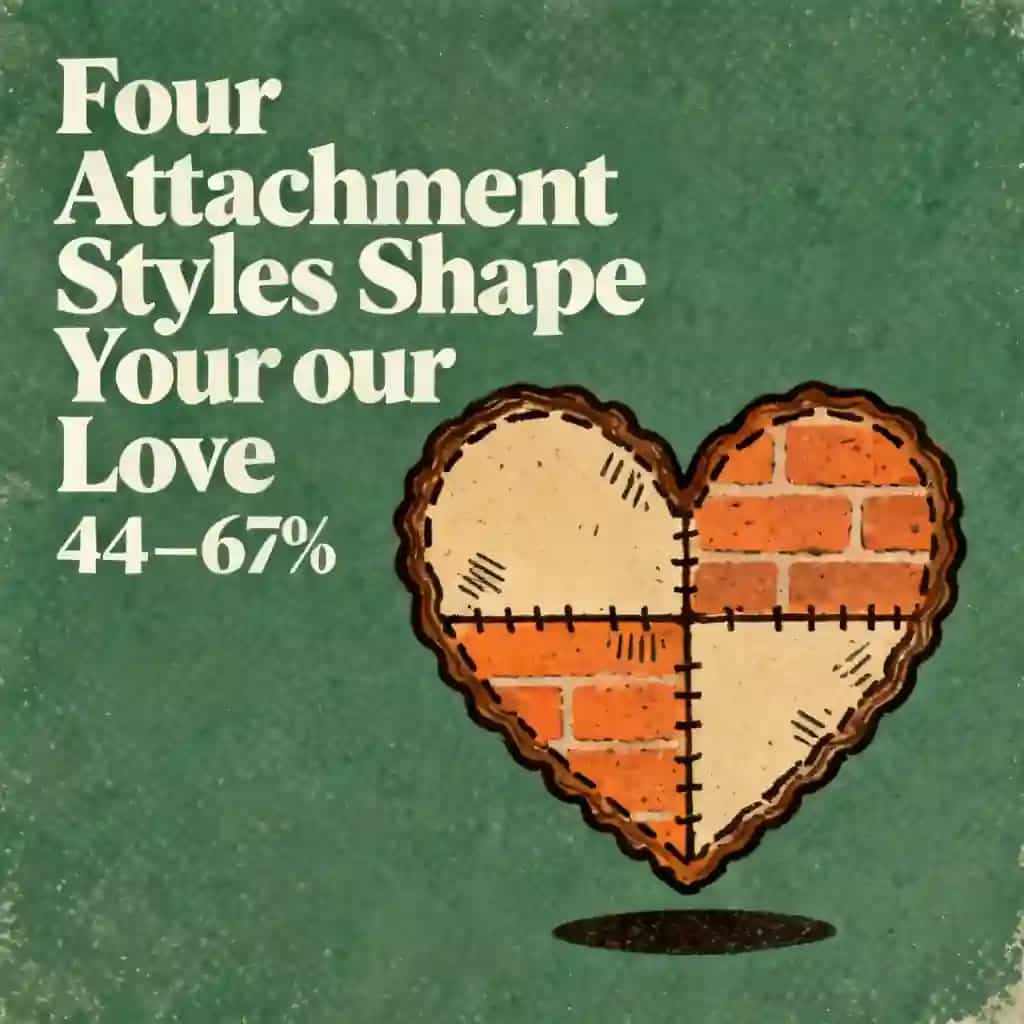
Secure attachment is your secret superpower
If love feels like a roller coaster, you might be stuck in a cycle of drama. Learn how a secure base creates the freedom to take risks and grow together.

Best quote from Secure attachment is your secret superpower
The absence of drama isn't the absence of love—it’s just love without the cost. A secure base isn't about being tethered down; it’s actually what gives you the fuel to go out, take risks, and grow in the world.

This audio lesson was created by a BeFreed community member
Highlight from Feeling loved starts with being seen: Lena: It’s that "secure base" concept from attachment theory. Knowing your partner has your back allows you to go out and explore the world, take risks, and grow. Then you come back to that "safe harbor" to recharge.

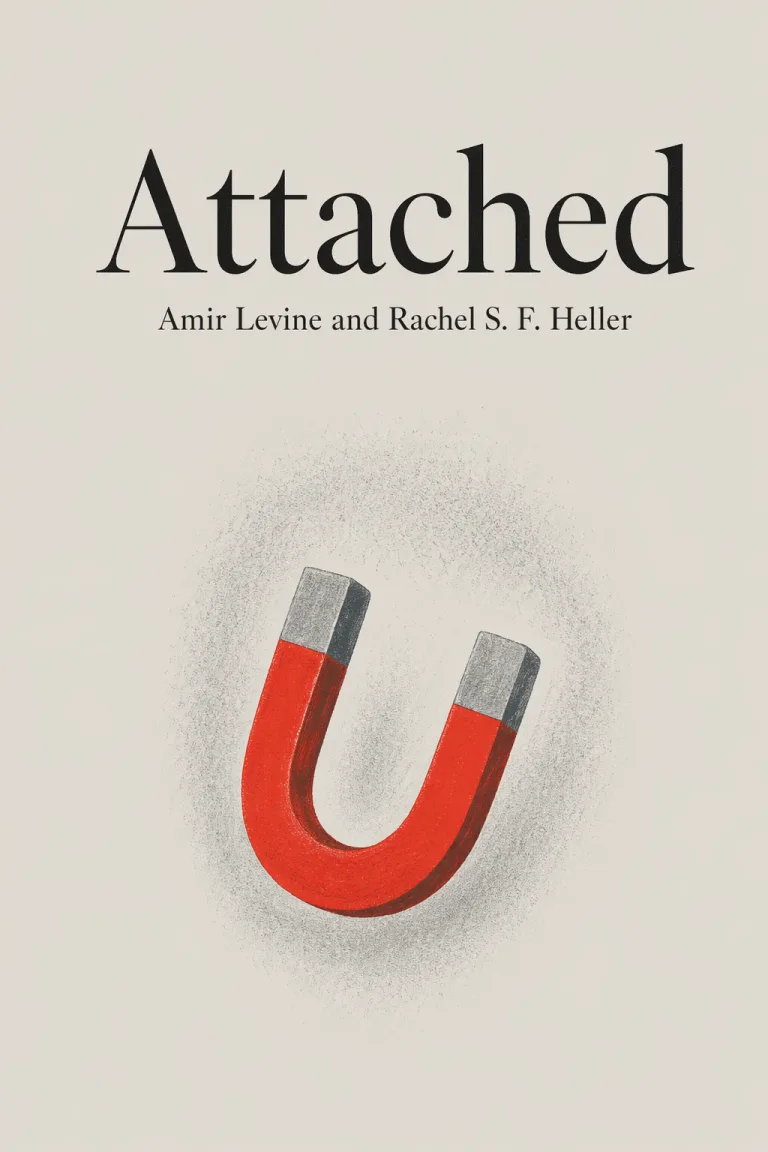
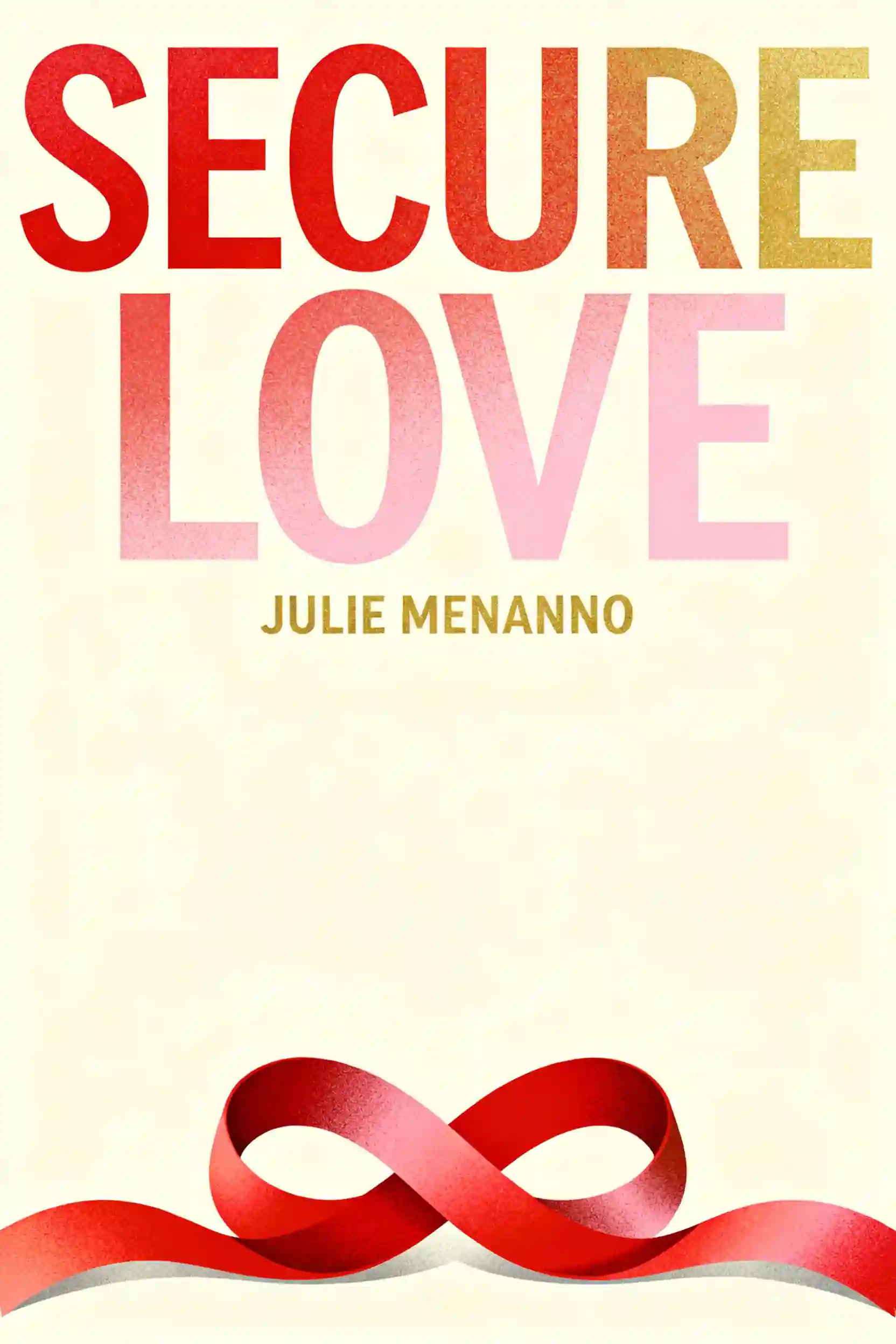
Frequently Asked Questions
A secure base is a concept from attachment theory describing a relationship that acts as a safe harbor. When you know your partner reliably has your back, it provides the emotional fuel and security necessary to take risks, grow, and be your authentic self in the outside world. Rather than tethering a person down, this stability creates the freedom to explore because there is a dependable place to return to for support.
Early bonds with caregivers create an "internal working model" or a psychological blueprint for how we view love and trust. If a caregiver was consistent, a child learns they are worthy of care; however, if care was inconsistent or frightening, the child develops adaptive survival strategies like hyper-vigilance or emotional shutdown. These biological responses are wired into the brain's chemistry—specifically affecting the amygdala's sensitivity to perceived threats—and are often carried into adult relationships where they function as the default setting for the nervous system.
The anxious-avoidant trap is a common relationship dynamic where one partner craves closeness (the pursuer) and the other craves space (the distancer). When the anxious partner senses distance, they "pursue" by seeking reassurance or picking fights to get a reaction, which feels like "suffocation" to the avoidant partner. The avoidant partner then withdraws to feel safe, which triggers the anxious partner’s fear of abandonment, creating a self-reinforcing cycle of distress where both individuals are physiologically stressed but speaking different emotional languages.
Yes, research shows that about 20 to 30 percent of people change their attachment style through a process called "earned security." This is achieved by developing self-awareness, making sense of one's childhood history through a "coherent narrative," and engaging in healthy adult relationships or therapy. Because of neuroplasticity, the brain can be rewired through "corrective emotional experiences" where vulnerability is met with safety, eventually moving a person from an insecure style toward a secure one.
Small, consistent actions can shift a relationship toward security, such as "naming the pattern" during a conflict rather than blaming the partner. Other strategies include using a "softened start-up" by leading with vulnerability instead of criticism, and practicing "self-soothed space" to manage personal anxiety without immediate external reassurance. Successful couples focus on "small repair attempts" to signal that the bond is still intact after a disagreement, prioritizing emotional availability to build a safe harbor before a crisis occurs.
Discover more

Secure attachment style
Attachment styles formed in childhood profoundly impact how we connect, communicate, and maintain relationships throughout our lives. This learning plan is ideal for anyone struggling with relationship anxiety, emotional avoidance, or recurring relationship patterns, as well as those seeking to deepen existing connections and create more fulfilling partnerships.

Build relationship security
Relationship security is the foundation of lasting, fulfilling partnerships, yet many people struggle with trust, communication, and intimacy due to unexamined attachment patterns. This learning plan is ideal for anyone seeking to understand their relationship behaviors, improve emotional connections with partners, or break cycles of insecurity and conflict in their romantic relationships.

Break the Cycle of Unavailable Love
This plan is essential for anyone who feels stuck in a loop of chasing emotionally distant partners and mistaking instability for passion. It provides a roadmap for healing childhood wounds and shifting from anxious attachment toward secure, fulfilling relationships.
Study attachment in relations
Attachment patterns formed in early childhood significantly impact our adult relationships, influencing how we connect with others, handle conflict, and experience intimacy. This learning plan helps anyone struggling with relationship patterns, trust issues, or emotional connection to understand their attachment style and develop healthier relationship dynamics.

Overcome anxious attachment
Anxious attachment affects millions of people, causing relationship anxiety, fear of abandonment, and dependency on partner validation. This learning plan is essential for anyone who struggles with clinginess, overthinking in relationships, or losing themselves trying to keep their partner happy. By addressing the neurological and psychological roots of attachment anxiety, learners gain practical tools to build secure, fulfilling relationships.

Heal attachment & OCD for better bonds
This learning plan is designed for individuals who struggle with anxiety, OCD, or insecure attachment patterns that interfere with romantic relationships and personal happiness. It combines clinical psychology, attachment theory, and mindfulness practices to address both individual mental health and relationship dynamics. Whether you're experiencing relationship difficulties, managing intrusive thoughts, or seeking to break cycles from past relationships, this integrated approach provides tools for both personal healing and building secure, fulfilling partnerships.

Why people become obsessed with with someone
This course is essential for anyone struggling with repetitive, intense relationship cycles or those seeking to understand the biological roots of infatuation. It provides a roadmap for individuals looking to transition from anxious, obsessive attachments to secure and emotionally stable connections.

Attachment theory fearful avoidants
This plan is designed for individuals who struggle with the push-pull dynamic of fearful avoidance and past trauma. It offers a practical roadmap for anyone seeking to stabilize their emotional health and build secure, lasting intimacy.
From Columbia University alumni built in San Francisco
"Instead of endless scrolling, I just hit play on BeFreed. It saves me so much time."


"I never knew where to start with nonfiction—BeFreed’s book lists turned into podcasts gave me a clear path."


"Perfect balance between learning and entertainment. Finished ‘Thinking, Fast and Slow’ on my commute this week."
"Crazy how much I learned while walking the dog. BeFreed = small habits → big gains."
"Reading used to feel like a chore. Now it’s just part of my lifestyle."

"Feels effortless compared to reading. I’ve finished 6 books this month already."
"BeFreed turned my guilty doomscrolling into something that feels productive and inspiring."

"BeFreed turned my commute into learning time. 20-min podcasts are perfect for finishing books I never had time for."
"BeFreed replaced my podcast queue. Imagine Spotify for books — that’s it. 🙌"

"It is great for me to learn something from the book without reading it."
"The themed book list podcasts help me connect ideas across authors—like a guided audio journey."
"Makes me feel smarter every time before going to work"
From Columbia University alumni built in San Francisco
"Instead of endless scrolling, I just hit play on BeFreed. It saves me so much time."
"I never knew where to start with nonfiction—BeFreed’s book lists turned into podcasts gave me a clear path."
"Perfect balance between learning and entertainment. Finished ‘Thinking, Fast and Slow’ on my commute this week."
"Crazy how much I learned while walking the dog. BeFreed = small habits → big gains."
"Reading used to feel like a chore. Now it’s just part of my lifestyle."
"Feels effortless compared to reading. I’ve finished 6 books this month already."
"BeFreed turned my guilty doomscrolling into something that feels productive and inspiring."
"BeFreed turned my commute into learning time. 20-min podcasts are perfect for finishing books I never had time for."
"BeFreed replaced my podcast queue. Imagine Spotify for books — that’s it. 🙌"
"It is great for me to learn something from the book without reading it."
"The themed book list podcasts help me connect ideas across authors—like a guided audio journey."
"Makes me feel smarter every time before going to work"
"Instead of endless scrolling, I just hit play on BeFreed. It saves me so much time."
"I never knew where to start with nonfiction—BeFreed’s book lists turned into podcasts gave me a clear path."
"Perfect balance between learning and entertainment. Finished ‘Thinking, Fast and Slow’ on my commute this week."
"Crazy how much I learned while walking the dog. BeFreed = small habits → big gains."
"Reading used to feel like a chore. Now it’s just part of my lifestyle."
"Feels effortless compared to reading. I’ve finished 6 books this month already."
"BeFreed turned my guilty doomscrolling into something that feels productive and inspiring."
"BeFreed turned my commute into learning time. 20-min podcasts are perfect for finishing books I never had time for."
"BeFreed replaced my podcast queue. Imagine Spotify for books — that’s it. 🙌"
"It is great for me to learn something from the book without reading it."
"The themed book list podcasts help me connect ideas across authors—like a guided audio journey."
"Makes me feel smarter every time before going to work"
"Instead of endless scrolling, I just hit play on BeFreed. It saves me so much time."
"I never knew where to start with nonfiction—BeFreed’s book lists turned into podcasts gave me a clear path."
"Perfect balance between learning and entertainment. Finished ‘Thinking, Fast and Slow’ on my commute this week."
"Crazy how much I learned while walking the dog. BeFreed = small habits → big gains."
"Reading used to feel like a chore. Now it’s just part of my lifestyle."
"Feels effortless compared to reading. I’ve finished 6 books this month already."
"BeFreed turned my guilty doomscrolling into something that feels productive and inspiring."
"BeFreed turned my commute into learning time. 20-min podcasts are perfect for finishing books I never had time for."
"BeFreed replaced my podcast queue. Imagine Spotify for books — that’s it. 🙌"
"It is great for me to learn something from the book without reading it."
"The themed book list podcasts help me connect ideas across authors—like a guided audio journey."
"Makes me feel smarter every time before going to work"