BeFreed
    Categories>Communication>Quick Wit Secrets: Conversation Confidence Unlocked

    Quick Wit Secrets: Conversation Confidence Unlocked

    27 min
    |
    |
    Feb 14, 2026
    • Communication
    • Self-Growth
    • Psychology

    Discover science-backed strategies to develop razor-sharp wit and create deeper connections through better conversations. Learn the frameworks that make every chat flow naturally.

    Quick Wit Secrets: Conversation Confidence Unlocked
    0:00 / 0:00
    Choose how it's told

    One episode. Many ways to hear it.

    Same ideas from Quick Wit Secrets: Conversation Confidence Unlocked. Pick the voice, depth, and pace that fits you. Switch anytime.

    Transcript & chapters

    Chapter 1

    The Conversation Preparation Myth

    Lena: Hey Miles, I have to confess something—I used to think preparing conversation topics ahead of time was totally fake and manipulative. Like, shouldn't good conversations just flow naturally?

    Miles: Oh, that's such a common myth, Lena! And it's actually costing us better connections. Here's the thing—research shows that only about 18% of people actually prepare topics for conversations, and half of us think it'll make things less enjoyable. But when scientists tested this, they found the complete opposite.

    Lena: Really? What happened when people actually tried it?

    Miles: Even just 30 seconds of planning made conversations more fluid, with fewer awkward pauses and way less "um-ing" and "uh-ing." People felt less anxious and more confident too. It's like having a safety net that actually makes you feel more spontaneous, not less.

    Lena: That's fascinating! So we're basically sabotaging ourselves by winging it. I mean, we prepare for job interviews and presentations, but somehow think conversations should be different?

    Miles: Exactly! And here's what's even more surprising—our intuitions about what makes good conversation topics are completely wrong. So let's dive into the practical strategies that can transform how you connect with people, starting with the biggest conversation myths we need to bust.

    Chapter 2

    The Frameworks That Make Every Chat Flow

    Miles: Alright, so now that we've established preparation isn't the enemy, let me share something that completely changed how I think about conversations. There are these three simple frameworks—HPM, SBR, and EDR—that basically give you an endless toolkit for any conversation.

    Lena: Wait, that sounds very systematic. Break it down for me—what's HPM?

    Miles: HPM stands for History, Philosophy, and Metaphor. It's all about personal input. So when someone tells you they went skiing last weekend, instead of just saying "cool," you've got three moves. You could share your own history—"That reminds me of when I tried skiing in Colorado and face-planted spectacularly." Or your philosophy—"I love how skiing forces you to be completely present in the moment." Or use a metaphor—"Skiing is like surfing on snow, right? Same rush, different element."

    Lena: Oh, I see! So instead of that dead-end "that's nice" response, you're actually adding something meaningful to the conversation.

    Miles: Exactly! And then there's SBR—Specific, Broad, and Related. This one focuses on the conversation itself. You can ask specific questions like "What kind of slopes did you tackle?" Go broader with "Where did you end up going?" Or pivot to something related—"Have you ever tried snowboarding?"

    Lena: I love how this gives you options. Sometimes I get stuck asking the same boring follow-up questions. What about EDR?

    Miles: EDR is Emotion, Detail, and Restatement—and this is where conversations really come alive. You engage with their emotions—"It sounds like you had an incredible time!" Ask for vivid details—"What was it like going through all that fresh powder?" Or restate to show you're really listening—"So you conquered some pretty challenging runs this weekend?"

    Lena: This is brilliant! So you've got internal input with HPM, topic-driven engagement with SBR, and emotional connection with EDR. But here's what I'm wondering—how do you avoid sounding like you're following a script?

    Miles: That's the beauty of having multiple frameworks. You're not robotically going through a checklist—you're choosing what feels natural in the moment. Maybe you start with an emotion response, then share a personal story, then ask a specific question. The frameworks give you confidence, but your personality makes it authentic.

    Lena: And I bet once you practice these enough, they become second nature. You're not consciously thinking "okay, time for HPM," you just naturally have more interesting responses.

    Miles: Absolutely! It's like learning to drive—at first you're thinking about every step, but eventually it becomes fluid. And here's something really cool from the research—when people use these kinds of varied responses, their conversation partners rate them as more interesting and want to talk to them again.

    Lena: That makes total sense. Nobody wants to feel like they're being interviewed with a series of predictable questions. Speaking of predictable, what are some of the conversation killers we should definitely avoid?

    Keep learning with this episode

    Take the ideas from this episode into a guided learning experience in BeFreed.

    Chapter 3

    The Absolute Question Trap

    Miles: Oh, this is huge, Lena. One of the biggest conversation killers is what I call "absolute questions"—and most of us do this without realizing it.

    Lena: Give me an example of what you mean by absolute questions.

    Miles: Picture this: you're at a party and someone asks you, "What's your all-time favorite movie?" Sounds innocent, right? But now you're on the spot, digging through your entire movie-watching history, trying to commit to one perfect answer. It's exhausting!

    Lena: Oh wow, I do this all the time! "What's your favorite restaurant?" "What's the best book you've ever read?" I thought I was being a good conversationalist by asking about their preferences.

    Miles: Right! And the problem is, these questions feel like a pop quiz. Most people don't have their "all-time favorite" anything ready to go. They end up either giving a boring safe answer or freezing up completely. Either way, the conversation momentum dies.

    Lena: So what's the fix? How do you ask about preferences without putting people on the spot?

    Miles: It's actually super simple—just remove the absolute. Instead of "What's your favorite movie ever?" try "What are some movies you've really enjoyed?" Or "Have you seen anything good lately?" Suddenly, they can share whatever comes to mind without the pressure of choosing the perfect answer.

    Lena: That's such a small change but it makes a huge difference! They can mention three movies, or talk about something they just watched, or even admit they've been binge-watching reality TV.

    Miles: Exactly! And here's what's fascinating—research shows that when we remove these absolute constraints, people actually share more interesting and authentic responses. They're not trying to impress you with their sophisticated taste; they're just being real.

    Lena: I'm thinking about all the times conversations have stalled because I asked someone for their "ultimate" something. No wonder people seemed uncomfortable!

    Miles: Don't feel bad—we all do it because it seems like we're showing interest. But there's actually a deeper principle here. Good conversation is about making things easy for the other person. When you ask "What's been keeping you busy lately?" instead of "What's your biggest passion in life?" you're inviting them to share whatever's on their mind.

    Lena: It's like the difference between a casual chat and a job interview. Speaking of making people comfortable, I've noticed some people have this amazing ability to make conversations feel instantly familiar. What's that about?

    Miles: Oh, you're talking about breaking the fourth wall! This is one of my favorite techniques because it creates this immediate sense of connection and shared awareness.

    Chapter 4

    Breaking the Fourth Wall Creates Instant Bonds

    Lena: Okay, I know breaking the fourth wall from theater and movies—when a character talks directly to the audience. But how does that work in regular conversation?

    Miles: It's when you step back and make an observation about the conversation itself, like you're both watching it from the outside. So if your discussion takes a weird turn, you might say, "Wow, this conversation just went in the most unexpected direction, didn't it?"

    Lena: Oh, I love that! It's like acknowledging the elephant in the room, but in a fun way.

    Miles: Exactly! And the key is doing it with curiosity, not judgment. Like if someone references a random '90s boy band, you could say, "Did you really just bring up *NSYNC? I respect that commitment to nostalgia!" You're highlighting this funny moment you're both experiencing.

    Lena: That sounds so much better than just awkwardly moving on or pretending it didn't happen. But I imagine timing is everything here?

    Miles: Absolutely. And you have to be careful not to sound condescending. The goal is to create this little bubble of shared awareness—like you're both in on the joke. It shows you're paying attention at a deeper level than just waiting for your turn to talk.

    Lena: I can see how this would make people feel really heard and understood. Like, you're not just processing their words, you're noticing the whole dynamic of how you're connecting.

    Miles: Right! And it can actually rescue conversations that are going off the rails. If things get too serious unexpectedly, you might say, "Whoa, we just went from discussing pizza toppings to the meaning of life. I'm here for it!" It lightens the mood while acknowledging what just happened.

    Lena: That's so clever! You're basically creating these micro-moments of intimacy by acknowledging your shared experience. But what if someone doesn't respond well to that kind of meta-commentary?

    Miles: Good point—you definitely need to read the room. Some people prefer straightforward conversation and might find it weird if you're constantly commenting on the process. But when it works, it creates this amazing sense of being on the same wavelength.

    Lena: I'm imagining this works really well with people who are naturally reflective or have a good sense of humor. And it probably gets easier to judge who's receptive to it as you practice.

    Miles: Totally! And here's another technique that's all about creating that instant connection—it's called the "Us Against the World" approach, and it's incredibly powerful for building rapport quickly.

    Keep learning with this episode

    Take the ideas from this episode into a guided learning experience in BeFreed.

    Chapter 5

    The "Us Against the World" Connection Hack

    Miles: Picture this scenario, Lena—you're at a loud, crowded networking event, struggling with small talk. You turn to someone next to you and say, "Is it just me, or is everyone practically shouting in here? I feel like I'm at a rock concert!"

    Lena: Oh, I see what you're doing! You're instantly creating this shared perspective where you and that person are on the same team, observing everyone else.

    Miles: Exactly! You've just created what I call an "Us Against the World" moment. You're not literally against anyone, but you're establishing that you and this person have similar observations and are somehow aligned.

    Lena: That's so smart because it bypasses all that awkward getting-to-know-you small talk. You're immediately bonding over a shared experience that's happening right now.

    Miles: Right! And it taps into something fundamental about human psychology—we naturally trust and like people who seem similar to us. When you create these little moments of shared understanding, the other person feels like you "get" them.

    Lena: I can think of so many situations where this would work. Like if you're both waiting in a really long line, or stuck in a boring meeting, or even just dealing with terrible weather.

    Miles: Exactly! The key is keeping it positive and lighthearted. You might say something like, "Can you believe how some people navigate grocery stores? It's like watching performance art!" You're not being mean-spirited—you're creating this playful insider perspective.

    Lena: And I bet it works because it makes the other person feel special, like they're part of your inner circle of observation. It's instantly flattering in a subtle way.

    Miles: That's beautifully put! You're essentially saying, "You and I are the kind of people who notice these things," which implies they have good judgment and awareness. It's a compliment wrapped in shared observation.

    Lena: But you'd have to be careful not to cross into gossipy or mean territory, right? There's probably a fine line between playful observation and just complaining about other people.

    Miles: Absolutely! The best "Us Against the World" moments focus on situations, not people. Instead of "Look at that guy's terrible shirt," you might say, "I love how this coffee shop plays jazz so quietly you have to strain to hear it. It's like musical hide-and-seek."

    Lena: That's such a great distinction! You're commenting on the environment or situation in a way that invites them to share your perspective, but you're not being judgmental about individuals.

    Miles: And here's what's really cool—once you establish this dynamic, the conversation often takes off naturally. You've created this foundation of being on the same wavelength, so everything that follows feels more connected and meaningful.

    Chapter 6

    The Boundary Setting Secret for Better Conversations

    Lena: Miles, I want to talk about something that might sound counterintuitive—using boundaries to actually make conversations more engaging. This feels backwards to me!

    Miles: Oh, this is one of my favorite conversation strategies! It's about setting time limits upfront, and it's incredibly effective. Like saying, "I only have about ten minutes, but I'd love to get your thoughts on something."

    Lena: Wait, so you're telling people the conversation will be short? Doesn't that make them think you don't want to talk to them?

    Miles: It's the opposite! Think about it—how many times have you avoided conversations because you were afraid of getting trapped in something that would drag on forever? By setting boundaries, you're actually removing that fear and making people more likely to engage.

    Lena: Oh, that makes total sense! I definitely avoid certain people sometimes because I know they'll talk for an hour if I give them an opening. But if they said "just five minutes," I'd be much more willing to chat.

    Miles: Exactly! You're giving them a sense of control and safety. They know they won't be stuck if the conversation isn't enjoyable, which paradoxically makes them more open to having it in the first place.

    Lena: And I bet once the conversation gets going, people often want to continue past the original time limit anyway, right?

    Miles: That's exactly what happens! You might start with "I'm about to leave, but I wanted to ask you quickly about..." and then find yourself chatting for twenty minutes because you're both enjoying it. The boundary gave you permission to start, but the natural flow kept it going.

    Lena: This is brilliant for workplace situations too. Instead of cornering someone at their desk indefinitely, you could say, "Do you have two minutes to brainstorm this issue with me?"

    Miles: Perfect example! And it works in so many contexts. At parties: "I know you're probably eager to mingle, but I'm curious about..." Or with busy parents: "I don't want to keep you from your family time, but could I get your quick take on..."

    Lena: I love how respectful this approach is. You're acknowledging that their time is valuable while still expressing genuine interest in connecting with them.

    Miles: And here's the psychological magic—when people feel like they have an easy exit, they actually relax and engage more fully. They're not mentally calculating how to escape; they're present in the conversation.

    Lena: This reminds me of how some of the best parties have a clear end time. People actually stay later and have more fun because they know there's a natural stopping point.

    Miles: That's a perfect analogy! Boundaries create freedom, not limitations. And speaking of creating engaging conversations, let me share something about having backup stories ready—it's like having a conversational safety net.

    Keep learning with this episode

    Take the ideas from this episode into a guided learning experience in BeFreed.

    Chapter 7

    Your Conversation Safety Net Strategy

    Miles: Lena, you know those moments when conversation just dies, and you're both standing there like, "So... how about that weather?" I want to talk about having what I call "fallback stories"—prepared anecdotes that can reignite any conversation.

    Lena: Okay, but doesn't this go back to the whole "rehearsed" problem we talked about earlier? I don't want to sound like I'm delivering a prepared speech.

    Miles: Great question! The key is that these aren't monologues—they're conversation starters designed to get the other person talking. Think of them as kindling to restart a fire, not the whole campfire.

    Lena: Ah, so you're not trying to entertain them with your amazing storytelling. You're giving them something to react to and build on.

    Miles: Exactly! A good fallback story has four parts: a bridging sentence to transition smoothly, a brief story to introduce a scenario, your opinion on it, and specific questions to draw out their thoughts.

    Lena: Give me an example of how this works in practice.

    Miles: Sure! Let's say conversation has stalled. You might say, "Hey, you know what I heard about recently?" That's your bridge. Then the story: "A friend of mine just proposed to her boyfriend—totally flipped the traditional script." Your opinion: "I thought it was pretty cool how she just went for it." Then questions: "Would you ever do something like that? How do you think your family would react?"

    Lena: Oh, I see! You're not just filling silence with random chatter. You're introducing a universal theme—relationships, in this case—that almost anyone can relate to and have opinions about.

    Miles: Exactly! The best fallback stories tap into topics that are broadly relatable: career decisions, family dynamics, travel mishaps, technology frustrations. Things everyone has experience with.

    Lena: And I bet the key is having several of these ready so you're not always telling the same story to everyone you meet.

    Miles: Right! You want maybe four or five go-to stories covering different themes. Maybe one about a moral dilemma, one about an unexpected life change, one about a funny misunderstanding. That way you can pick what feels most appropriate for the person and situation.

    Lena: This actually takes the pressure off trying to be spontaneously brilliant all the time. You've got these tested conversation reigniters in your back pocket.

    Miles: And here's what's really cool—once you start the story, people often jump in with their own related experiences before you even finish. The story becomes a launching pad for their stories.

    Lena: That sounds so much more natural than those awkward moments where you're both desperately searching for something to say. But what about when you want to add some playfulness to conversations? I feel like some people are just naturally good at light teasing and banter.

    Chapter 8

    The Art of Playful Teasing Without Offense

    Lena: Miles, I have to admit—I'm always envious of people who can playfully tease and joke around without ever seeming mean. How do they walk that fine line?

    Miles: It's all about the delivery and the topics you choose, Lena. The secret is starting with a deadpan, serious expression to create just a tiny bit of tension, then immediately breaking it with a smile or laugh to show you're being playful.

    Lena: So it's like a mini comedy routine? You build up the suspense for half a second, then release it?

    Miles: Exactly! And you have to be super careful about what you tease about. Stick to completely harmless things—their clothing choices, minor habits, or silly mistakes. Never anything they might actually be sensitive about.

    Lena: Give me some examples of what works versus what definitely doesn't work.

    Miles: Okay, safe territory: "That jacket is... certainly a bold choice!" or "You burned the pancakes again? I'm sensing a pattern here!" These are about superficial things that won't hurt anyone's feelings. But you'd never tease someone about their appearance, their deeply held beliefs, or personal struggles.

    Lena: That makes sense. It's like teasing about things that are changeable or temporary, not core parts of who they are.

    Miles: Right! And there are two techniques that work really well. First is "disagreeing and amplifying." If someone says they love your cats, you might jokingly respond, "That's what you think! Do you want them? They're available for immediate adoption!"

    Lena: Oh, that's funny because you're taking their compliment and exaggerating your disagreement to an absurd level. They know you love your cats, so it's obviously playful.

    Miles: Exactly! The second technique is amplifying their statements. If someone mentions they like a guilty pleasure band, you could say, "You like Nickelback? Well, that's my cue to leave!" with a big grin. You're being dramatically over-the-top about something trivial.

    Lena: I love how both of these techniques rely on obvious exaggeration. It's so clear you're joking that there's no way anyone could take it seriously.

    Miles: And that's the key—the exaggeration signals playfulness. But here's what's crucial: you have to be ready to be teased back! If you dish it out, you need to be able to take it gracefully.

    Lena: That's such an important point! Nobody likes someone who can tease others but gets defensive when it comes back to them.

    Miles: Absolutely. And if you ever sense someone isn't enjoying the playful teasing—if they seem uncomfortable or their energy shifts—you immediately dial it back or switch to sincere compliments instead.

    Lena: It sounds like reading the room is just as important as the technique itself. You have to be constantly gauging how people are responding.

    Miles: That's exactly right! Good teasing creates energy and connection, but only when everyone's having fun. Which brings me to something related—knowing how to deliver witty comebacks when someone teases you.

    Keep learning with this episode

    Take the ideas from this episode into a guided learning experience in BeFreed.

    Chapter 9

    Delivering Comebacks That Charm Instead of Sting

    Miles: So Lena, we've talked about playful teasing, but what about when someone teases you? Having a good comeback ready can turn any light insult into a fun exchange.

    Lena: I'm terrible at this! I either freeze up completely or think of the perfect response five minutes too late. What's the secret to quick wit?

    Miles: First, remember that the best comebacks aren't harsh or defensive—they're delivered with cool confidence, almost like you're amused by the whole situation. Think James Bond throwing out a one-liner, not someone getting into a heated argument.

    Lena: So it's more about being smooth and unruffled than trying to "win" the exchange?

    Miles: Exactly! And there are several approaches you can use. One is taking their words literally and twisting them in your favor. If someone says your cooking is questionable, you might say, "Yeah, I'm thinking of using my pancakes as hockey pucks next season!"

    Lena: Oh, I like that! You're agreeing with them but making it even more ridiculous, so it becomes funny instead of insulting.

    Miles: Right! Another approach is the absurd comparison. If someone comments on your driving, you could say, "Hey, I drive like a grandmother—a grandmother who learned to drive yesterday in a demolition derby!"

    Lena: These are great because you're not attacking the person back. You're just being playfully creative with their comment.

    Miles: Exactly! And sometimes you can flip it back to them in a lighthearted way. If someone says you're always late, you might respond, "I prefer to think of it as giving everyone else a chance to be early for once. You're welcome!"

    Lena: I love how all of these keep the mood light and fun. You're not escalating the situation or making anyone feel bad.

    Miles: That's the key! A good comeback should make everyone laugh, including the person who made the original comment. It's about adding to the fun, not shutting anyone down.

    Lena: And I imagine the more you practice this kind of quick thinking, the more natural it becomes? Like building a comedy muscle?

    Miles: Absolutely! And here's a pro tip—you can actually practice by watching comedians or witty TV shows and pausing to think of your own comebacks before they deliver theirs. It trains your brain to think in that playful, creative way.

    Lena: That's such a smart practice method! You're basically doing comeback drills in the safety of your living room.

    Miles: Right! And remember, timing matters just as much as content. Sometimes a well-timed pause or raised eyebrow is just as effective as the perfect words.

    Lena: This has been such an incredible journey through all these conversation techniques, Miles. As we wrap up, what would you say is the most important thing for our listeners to remember about developing quick wit and better conversational connections?

    Chapter 10

    Your Next Steps to Conversational Confidence

    Lena: Miles, we've covered so much ground today—from preparation frameworks to playful teasing to witty comebacks. If someone listening feels overwhelmed and doesn't know where to start, what would you tell them?

    Miles: Start small and pick just one technique that resonates with you, Lena. Maybe it's the HPM framework—just practice adding personal history, philosophy, or metaphors to your responses. Or try the boundary-setting approach in your next workplace conversation.

    Lena: I love that advice! It's like learning any skill—you don't try to master everything at once. You build one piece at a time until it becomes natural.

    Miles: Exactly! And here's what I want everyone listening to understand: wit and conversational skill aren't about being the funniest person in the room or having the cleverest comeback. They're about making genuine connections and helping other people feel comfortable and engaged.

    Lena: That's such an important reframe! It takes the pressure off trying to be entertaining and puts the focus on being genuinely interested in others.

    Miles: Right! And remember what we learned about preparation—it's not about scripting conversations, it's about giving yourself confidence and options. When you know you have these frameworks and techniques in your toolkit, you can relax and be more present in the moment.

    Lena: I'm thinking about our listeners who might be naturally introverted or feel anxious in social situations. This approach seems perfect for them because it provides structure without requiring them to completely change their personality.

    Miles: Absolutely! You don't need to become an extroverted comedian. You just need to become a more skilled version of yourself. These techniques work whether you're naturally chatty or more reserved.

    Lena: And I love how many of these strategies are really about generosity—making others feel heard, comfortable, and valued. It's not about showing off your wit; it's about creating better experiences for everyone involved.

    Miles: That's beautifully said! When you approach conversations with curiosity about others and genuine interest in connection, the wit and charm follow naturally. It's not something you have to force or fake.

    Lena: So for our listeners, I'd say pick one technique from today's episode and try it in a low-stakes situation this week. Maybe practice the non-absolute questions with a coworker, or try an "Us Against the World" observation at the grocery store.

    Miles: Perfect! And pay attention to how people respond. You'll probably be surprised by how much more engaged and animated they become when you use these approaches.

    Lena: The research we discussed today really shows that most people are more interested in connecting than we think they are. We just need to give them the right opportunities and make it easy for them.

    Miles: Exactly! And remember, every master of conversation started as a beginner. Even the wittiest people you know had to learn and practice these skills. The good news is that conversations happen every day, so you have plenty of opportunities to practice.

    Lena: That's such an encouraging thought! Every interaction is a chance to get a little better at connecting with others.

    Miles: And here's my final challenge for everyone listening: for the next week, focus on making just one person per day feel truly heard and understood in conversation. Use these techniques not to impress them, but to genuinely connect with them. I think you'll be amazed at the results.

    Lena: What a perfect way to put it all into practice! Miles, this has been such an enlightening conversation. Thank you for sharing all these insights about developing quick wit and making better conversational connections.

    Miles: Thank you, Lena! And to everyone who's been listening, we'd love to hear about your experiences trying these techniques. Feel free to reach out and share your conversation wins—or even your hilarious failures. Remember, every great conversationalist has plenty of stories about conversations that didn't go as planned.

    Lena: Until next time, keep practicing, keep connecting, and remember—the best conversations happen when you're genuinely curious about the amazing people around you.

    ★★★★★

    You made it to the end of Quick Wit Secrets: Conversation Confidence Unlocked

    “23 days in and I have used it every single day. It is part of my daily habit now.”

    jayallen

    Best quote from Quick Wit Secrets: Conversation Confidence Unlocked

    “

    Good conversation is about making things easy for the other person. When you remove absolute constraints and set clear boundaries, you create a safety net that actually makes you feel more spontaneous, not less.

    ”
    N

    Generated by Nick

    Input question

    I want to develop quick wit and make better conversational connections

    Host voices
    Lenaplay
    Milesplay
    Knowledge sources
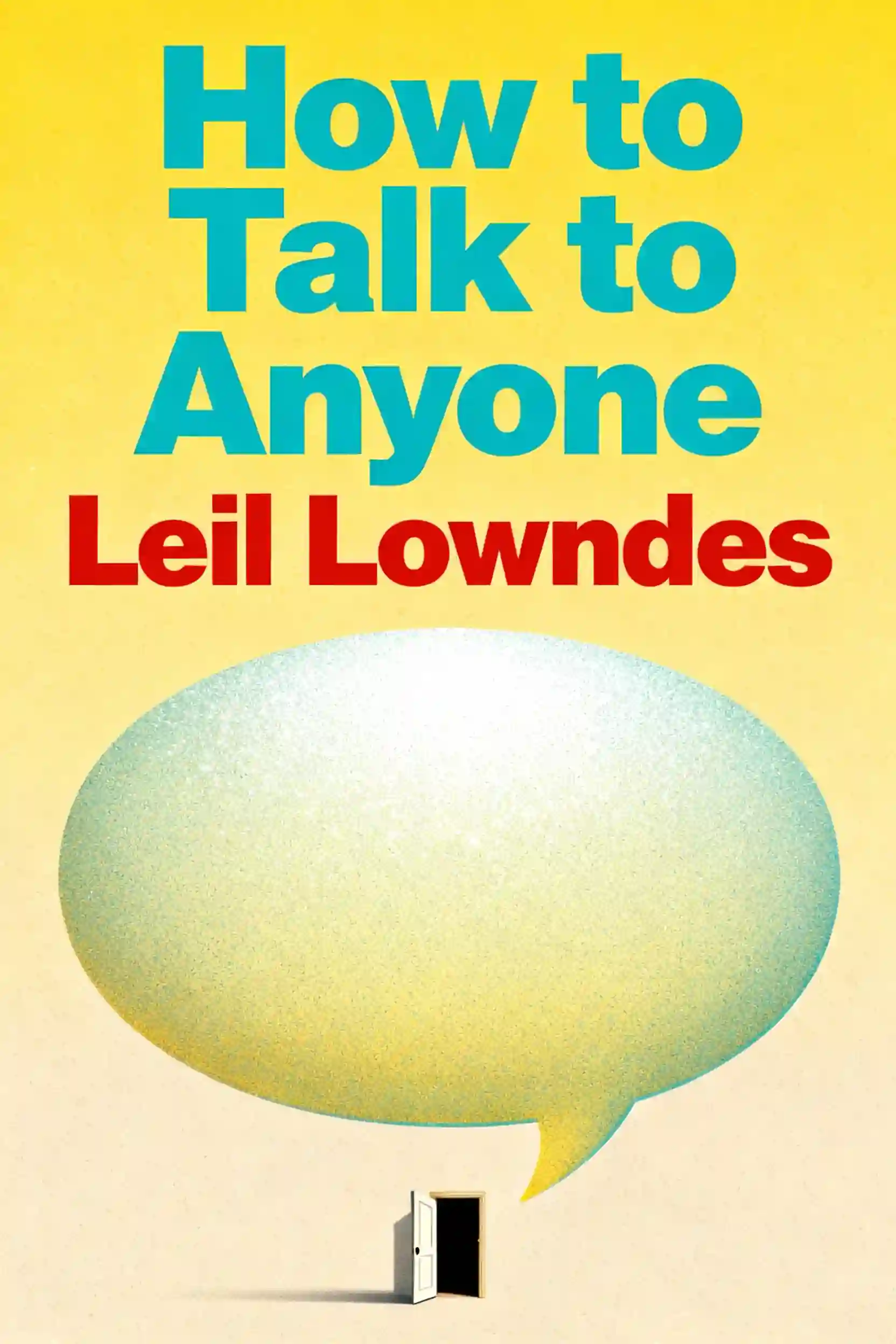
    How to Talk to Anyone
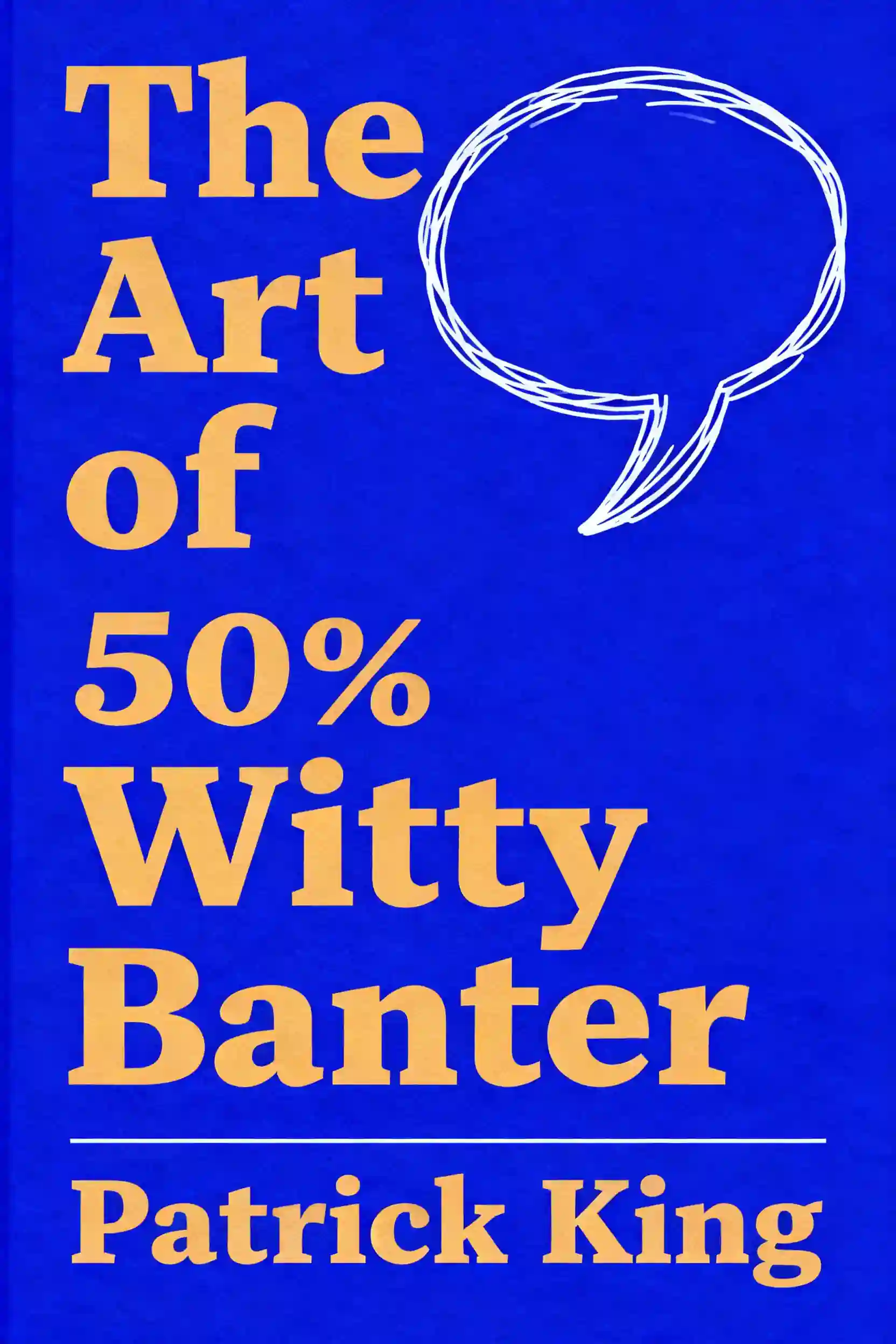
    The Art of Witty Banter
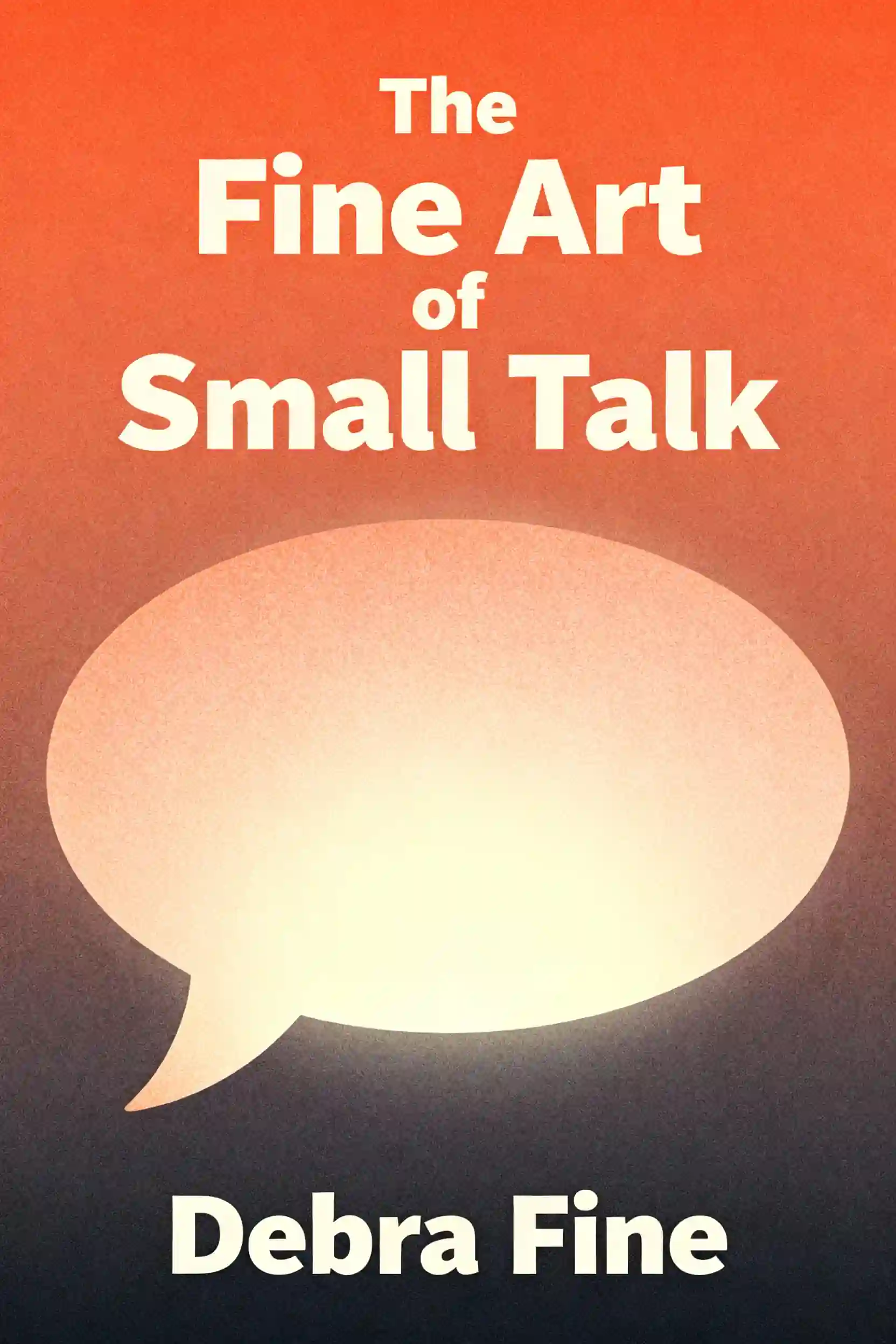
    The fine art of small talk
    Better Small Talk
    Communication Skills Training
    Charisma Myth

    From Columbia University alumni | built in San Francisco

    BeFreed Brings Together A Global Community Of Curious Minds

    4.7

    avg rating

    7.84k+ App Rating

    BeFreed Community

    Seriously I haven’t even explored this app fully yet but from using it the last few days I am so impressed... BeFreed is on a different level from any other learning app I have used. This makes it ultra engaging and can actually improve your concentration which is great for all the doom scrollers!

    @ladyInfinity

    I bought BeFreed exactly 23 days ago, and I have used it every single day since. It has completely embedded itself into my daily workflow and learning habit.

    @jayallen

    The truth is, the app has exceeded all my expectations. I can ask it to generate audio on any topic, whatever it may be, and the result is impressive. My professional field is a specialization in psychotherapy and it is multidisciplinary; however, the answers are very accurate.

    @Raguipa

    What I appreciate most is how much it's reduced my scrolling – I'm spending less time searching and more time absorbing information. The combination of full audiobooks, podcasts, the learning plans are brilliant.

    @colonyofcreatorsNGO

    I have been a PhotoReading Accelerated Learning Instructor for the past 24 years... books and reading and learning are my thing, and BeFreed has done a great job in providing an innovative approach to disseminating and delivering information in an easy to consume way.

    @BeFreed user

    It is not just a book summary app, I have used the 'fun reading' option and it's a much better summary and way to grasp ideas the traditional way, that alone is worth this deal.

    @austinakon

    I love this app. Used it for several days and I cannot stop listening. Such a great way to start.

    @jcrules328

    I really like the program; I have already tested it for around one month, and I feel that it's an amazing gem. It works so well because I can use BeFreed to create my own topics, and the voice is so good with unlimited choice of narrations.

    @DanielCZ

    Seriously I haven’t even explored this app fully yet but from using it the last few days I am so impressed... BeFreed is on a different level from any other learning app I have used. This makes it ultra engaging and can actually improve your concentration which is great for all the doom scrollers!

    @ladyInfinity

    I bought BeFreed exactly 23 days ago, and I have used it every single day since. It has completely embedded itself into my daily workflow and learning habit.

    @jayallen

    The truth is, the app has exceeded all my expectations. I can ask it to generate audio on any topic, whatever it may be, and the result is impressive. My professional field is a specialization in psychotherapy and it is multidisciplinary; however, the answers are very accurate.

    @Raguipa

    What I appreciate most is how much it's reduced my scrolling – I'm spending less time searching and more time absorbing information. The combination of full audiobooks, podcasts, the learning plans are brilliant.

    @colonyofcreatorsNGO

    I have been a PhotoReading Accelerated Learning Instructor for the past 24 years... books and reading and learning are my thing, and BeFreed has done a great job in providing an innovative approach to disseminating and delivering information in an easy to consume way.

    @BeFreed user

    It is not just a book summary app, I have used the 'fun reading' option and it's a much better summary and way to grasp ideas the traditional way, that alone is worth this deal.

    @austinakon

    I love this app. Used it for several days and I cannot stop listening. Such a great way to start.

    @jcrules328

    I really like the program; I have already tested it for around one month, and I feel that it's an amazing gem. It works so well because I can use BeFreed to create my own topics, and the voice is so good with unlimited choice of narrations.

    @DanielCZ

    I love the fact that I can get useful, condensed, information and ideas in a 8 - 15 minute podcast style audio. I'm not a general fan of podcasts because of all the fluff, but this cuts through all that.

    @BeFreed user

    I am finishing up my doctorate, and have to read a lot of unfamiliar material... With BeFreed, you simply enter a prompt, and the app finds source material for you and generates an audio podcast. I find the process in BeFreed to be more streamlined than NotebookLM.

    @Brad

    I often search YouTube for something to listen to whilst making breakfast, when I'm out walking, commuting, etc, and BeFreed has provided an even more targeted approach, without the adverts and the fluff!

    @BeFreed user

    The absolute best part about this platform is its versatility. There is literally no subject that is off-topic. It handles whatever you throw at it... It is rare to find an learning tool with zero limitations that actually delivers on its promises.

    @jayallen

    BeFreed is fantastic. The user-friendly design means I spend less time navigating and more time learning. The mix of audiobooks, podcasts, and learning plans is a genius combo that has completely changed my daily routine.

    @BeFreed user

    At the start I needed a while to understand how to create podcasts in italian language and boom! It is so great! I can ask to explain every argument and it does so well and so smartly!

    @matteo77

    BeFreed has become my daily app for audio books tools... What I like the most is the way you put your text and come with an audio that you can listen on the go.

    @kotanzu1

    I love the fact that I can get useful, condensed, information and ideas in a 8 - 15 minute podcast style audio. I'm not a general fan of podcasts because of all the fluff, but this cuts through all that.

    @BeFreed user

    I am finishing up my doctorate, and have to read a lot of unfamiliar material... With BeFreed, you simply enter a prompt, and the app finds source material for you and generates an audio podcast. I find the process in BeFreed to be more streamlined than NotebookLM.

    @Brad

    I often search YouTube for something to listen to whilst making breakfast, when I'm out walking, commuting, etc, and BeFreed has provided an even more targeted approach, without the adverts and the fluff!

    @BeFreed user

    The absolute best part about this platform is its versatility. There is literally no subject that is off-topic. It handles whatever you throw at it... It is rare to find an learning tool with zero limitations that actually delivers on its promises.

    @jayallen

    BeFreed is fantastic. The user-friendly design means I spend less time navigating and more time learning. The mix of audiobooks, podcasts, and learning plans is a genius combo that has completely changed my daily routine.

    @BeFreed user

    At the start I needed a while to understand how to create podcasts in italian language and boom! It is so great! I can ask to explain every argument and it does so well and so smartly!

    @matteo77

    BeFreed has become my daily app for audio books tools... What I like the most is the way you put your text and come with an audio that you can listen on the go.

    @kotanzu1

    See more on how BeFreed is discussed
    129.7K19.5K
    55.2K19.2K
    154.2K10827355
    48.1K2.5K
    81.2K6.6K
    82.3K1.8K
    Start your learning journey, now
    BeFreed app
    BeFreed

    Learn Anything, Personalized

    DiscordLinkedIn
    Featured book summaries
    Crucial ConversationsThe Perfect MarriageInto the WildNever Split the DifferenceAttachedGood to GreatSay Nothing
    Trending categories
    Self HelpCommunication SkillRelationshipMindfulnessPhilosophyInspirationProductivity
    Celebrities' reading list
    Elon MuskCharlie KirkBill GatesSteve JobsAndrew HubermanJoe RoganJordan Peterson
    Award winning collection
    Pulitzer PrizeNational Book AwardGoodreads Choice AwardsNobel Prize in LiteratureNew York TimesCaldecott MedalNebula Award
    Featured Topics
    ManagementAmerican HistoryWarTradingStoicismAnxietySex
    Best books by Year
    2025 Best Non Fiction Books2024 Best Non Fiction Books2023 Best Non Fiction Books
    Featured authors
    Chimamanda Ngozi AdichieGeorge OrwellO. J. SimpsonBarbara O'NeillWinston ChurchillCharlie Kirk
    BeFreed vs other apps
    BeFreed vs. Other Book Summary AppsBeFreed vs. ElevenReaderBeFreed vs. ReadwiseBeFreed vs. Anki
    Learning tools
    Knowledge VisualizerAI Podcast Generator
    Information
    About Usarrow
    Pricingarrow
    FAQarrow
    Blogarrow
    Careerarrow
    Partnershipsarrow
    Ambassador Programarrow
    Directoryarrow
    BeFreed
    Try now
    © 2026 BeFreed
    Term of UsePrivacy Policy
    BeFreed

    Learn Anything, Personalized

    DiscordLinkedIn
    Featured book summaries
    Crucial ConversationsThe Perfect MarriageInto the WildNever Split the DifferenceAttachedGood to GreatSay Nothing
    Trending categories
    Self HelpCommunication SkillRelationshipMindfulnessPhilosophyInspirationProductivity
    Celebrities' reading list
    Elon MuskCharlie KirkBill GatesSteve JobsAndrew HubermanJoe RoganJordan Peterson
    Award winning collection
    Pulitzer PrizeNational Book AwardGoodreads Choice AwardsNobel Prize in LiteratureNew York TimesCaldecott MedalNebula Award
    Featured Topics
    ManagementAmerican HistoryWarTradingStoicismAnxietySex
    Best books by Year
    2025 Best Non Fiction Books2024 Best Non Fiction Books2023 Best Non Fiction Books
    Learning tools
    Knowledge VisualizerAI Podcast Generator
    Featured authors
    Chimamanda Ngozi AdichieGeorge OrwellO. J. SimpsonBarbara O'NeillWinston ChurchillCharlie Kirk
    BeFreed vs other apps
    BeFreed vs. Other Book Summary AppsBeFreed vs. ElevenReaderBeFreed vs. ReadwiseBeFreed vs. Anki
    Information
    About Usarrow
    Pricingarrow
    FAQarrow
    Blogarrow
    Careerarrow
    Partnershipsarrow
    Ambassador Programarrow
    Directoryarrow
    BeFreed
    Try now
    © 2026 BeFreed
    Term of UsePrivacy Policy

    Part of a Learning Plan

    Be Charming, Interesting & Self-Valuing
    LEARNING PLAN

    Be Charming, Interesting & Self-Valuing

    5 h 16 m•4 Episodes

    More like this

    Conversation Confidence Decoded book cover
    Better Small TalkHow to Talk to AnyoneThe Art of Witty BanterThe Introvert's Guide to Small Talk: 5 Steps to Painless Conversations
    17 sources
    Conversation Confidence Decoded
    Learn the science-backed strategies to transform awkward silences into engaging discussions, from breaking the ice with strangers to turning small talk into meaningful connections that boost happiness.
    35 min
    Quick Wit Boot Camp book cover
    Improvise: Scene from the Inside OutThink Faster, Talk SmarterCreative Acts for Curious PeopleSerious Creativity
    19 sources
    Quick Wit Boot Camp
    Discover systematic techniques used by improv comedians and debate champions to develop spontaneous creativity. Learn practical exercises, conversation hacks, and mental frameworks that train your brain to generate fresh perspectives instantly.
    24 min
    Master the Art of Confident Conversation book cover
    Better Small TalkThe Fine Art Of Small TalkThe Art of Witty BanterThe Introvert's Guide to Small Talk: 5 Steps to Painless Conversations
    16 sources
    Master the Art of Confident Conversation
    Discover science-backed strategies to overcome awkward silences, choose engaging topics, and build genuine connections through strategic small talk that feels natural and boosts your social confidence.
    27 min
    Become Fascinating: Science-Backed Conversation Secrets book cover
    source 1source 2source 3source 4
    6 sources
    Become Fascinating: Science-Backed Conversation Secrets
    Discover mind-blowing facts and proven techniques to transform from awkward small talk to captivating conversations. Learn the neuroscience of connection, cosmic soup black holes, and why certain spices work together-plus strategic social positioning that makes you unforgettable.
    30 min
    Master Magnetic Conversations: Be Funny & Interesting book cover
    source 1source 2source 3source 4
    6 sources
    Master Magnetic Conversations: Be Funny & Interesting
    Discover the science-backed frameworks for authentic wit and engaging storytelling that transform awkward small talk into magnetic connections. Learn practical techniques from comedy and conversation experts to become genuinely funny and interesting.
    9 min
    Small Talk, Big Impact: Conversation Mastery book cover
    How to Talk to AnyoneThe Introvert's Guide to Small Talk: 5 Steps to Painless ConversationsBetter Small TalkThe Art of Witty Banter
    26 sources
    Small Talk, Big Impact: Conversation Mastery
    Transform awkward elevator silences into meaningful connections with science-backed strategies that turn dreaded small talk into enjoyable conversations, even for introverts.
    12 min
    The Art of Witty Banter book cover
    The Art of Witty Banter
    Patrick King
    Master the art of engaging conversation, quick wit, and charm to connect effortlessly with anyone in any social situation.
    22 min
    Master Small Talk: From Awkward to Natural book cover
    source 1source 2Toastmasters International -7 Tips to Brush Up Your Small TalkHow to Excel at Small Talk When You Have Social Anxiety
    6 sources
    Master Small Talk: From Awkward to Natural
    Transform your conversation skills with proven techniques from psychology research. Learn the CAAA framework, body language secrets, and how to move beyond surface-level chitchat to meaningful connections that boost happiness and combat loneliness.
    14 min

    Recommended Learning Plans

    The Art of Quick-Witted Banter
    LEARNING PLAN

    The Art of Quick-Witted Banter

    In a world where social intelligence is a key differentiator, mastering verbal agility allows you to navigate high-stakes conversations with confidence. This plan is ideal for professionals, performers, or anyone looking to overcome social anxiety and command presence through sharp, playful communication.

    1 h 36 m•4 Sections
    The Spontaneous Wit Blueprint
    LEARNING PLAN

    The Spontaneous Wit Blueprint

    This plan is designed for professionals and social butterflies who want to sharpen their conversational edge. It bridges the gap between being a passive listener and a charismatic communicator by teaching the mechanics of humor and storytelling.

    2 h•4 Sections
    Connect Through Everyday Small Talk
    LEARNING PLAN

    Connect Through Everyday Small Talk

    In an increasingly isolated world, the ability to turn brief encounters into meaningful connections is a vital social skill. This plan is ideal for professionals and introverts looking to improve their social intuition and master the art of effortless, impactful conversation.

    1 h 17 m•4 Sections
    Rapid Synthesis and Conversational Agility
    LEARNING PLAN

    Rapid Synthesis and Conversational Agility

    In a fast-paced world, the ability to process information and respond instantly is a critical competitive advantage. This plan is designed for professionals and social navigators who want to overcome mental blocks and master the art of rapid, witty engagement.

    1 h 12 m•3 Sections
    Master banter, body language & quick wit
    LEARNING PLAN

    Master banter, body language & quick wit

    In a world where digital interaction dominates, mastering face-to-face charisma is a vital competitive advantage. This plan is designed for professionals and individuals looking to overcome social anxiety, sharpen their humor, and project a more confident, influential presence in any environment.

    3 h 7 m•4 Sections
    Master Small Talk and Reduce Awkwardness
    LEARNING PLAN

    Master Small Talk and Reduce Awkwardness

    In an increasingly connected world, the ability to communicate with ease is a vital professional and personal asset. This plan is ideal for anyone looking to overcome social anxiety and transform surface-level small talk into lasting, impactful relationships.

    4 h 29 m•4 Sections
    Never Run Out of Things to Say
    LEARNING PLAN

    Never Run Out of Things to Say

    Strong conversation skills are essential for professional success, meaningful relationships, and personal confidence. This learning plan is ideal for anyone who struggles with small talk, feels anxious in social situations, wants to improve their networking abilities, or simply desires to become more engaging and memorable in their interactions. Whether you're an introvert looking to build confidence or someone seeking to elevate their existing social skills, this structured approach will transform how you connect with others.

    3 h 49 m•4 Sections
    Master Witty Flirting & Spontaneous Action
    LEARNING PLAN

    Master Witty Flirting & Spontaneous Action

    In an age of digital disconnection, the ability to communicate with charm and spontaneity is a rare competitive advantage. This plan is designed for individuals looking to overcome social anxiety and master the nuanced art of romantic and social chemistry.

    4 h 39 m•4 Sections