BeFreed
    Categories>Finance & Economics>Mapping Senegal’s Agricultural Zones: Peanut Basin & Agroecology

    Mapping Senegal’s Agricultural Zones: Peanut Basin & Agroecology

    17 min
    |
    |
    May 18, 2026
    • Finance & Economics
    • Environment
    • History & Society

    Explore Senegal’s agricultural zones, from the Peanut Basin to the Niayes strip. Learn how small-scale farmers and agroecology shape the nation's food systems.

    Mapping Senegal’s Agricultural Zones: Peanut Basin & Agroecology
    0:00 / 0:00
    Choose how it's told

    One episode. Many ways to hear it.

    Same ideas from Mapping Senegal’s Agricultural Zones: Peanut Basin & Agroecology. Pick the voice, depth, and pace that fits you. Switch anytime.

    Transcript & chapters

    Chapter 1

    The Foundation of Senegalese Agriculture

    Lena: It is so good to have everyone here with us today. We are diving into something that feels both vast and incredibly specific—the agricultural landscape of Senegal. You know, when we look at the global food system, we often see these massive, overarching narratives, but Senegal offers this fascinating, intricate map of how geography and history dictate what ends up on the plate.

    Jackson: It really does. If you want to understand Senegal, you have to understand its soil. We are looking at a country where agriculture isn't just a sector—it’s the backbone of the economy and the primary source of livelihood for the majority of the population. But it’s not a monolith. The way people farm in the north is worlds away from the techniques used in the south.

    Lena: That’s the core of what we’re exploring today. We’re going to map out the different agricultural zones—like the famous Peanut Basin and the fertile Niayes strip—and look at the scale of these sectors. It’s a perfect example of what researchers call the "promise of agroecology" versus the pressures of global agribusiness .

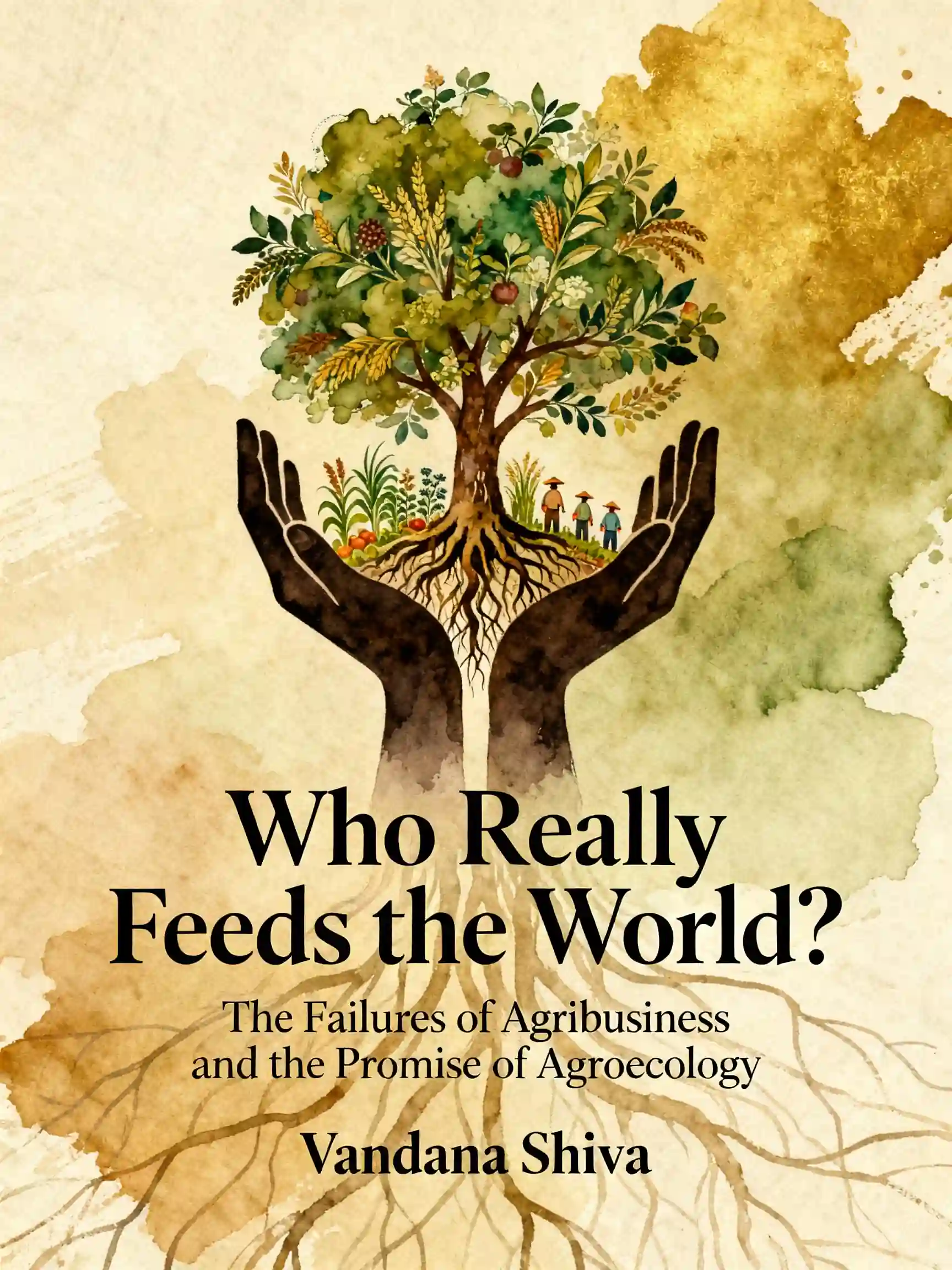
    Jackson: One of the most striking insights from our research is that while large scale industrial projects get the headlines, it’s actually the small scale farmers who are doing the heavy lifting in terms of feeding the world. It echoes a point made by Vandana Shiva about who really feeds the world—it's often the decentralized, local networks rather than the massive industrial complexes .

    Lena: And that’s a perfect hook for our listeners. We’re going to see how Senegal’s geography—from the arid borders of the Sahara to the tropical reaches of the Casamance—creates these distinct "micro-economies." We'll talk about why the peanut became king, how the Niayes provides the country’s vegetables, and the massive rice projects in the Senegal River Valley.

    Jackson: It’s a journey across the map, really. And as we look at these zones, we’ll see how they fit into the broader global trends of food security and climate resilience. It’s about more than just crops; it’s about the survival and prosperity of millions. So let’s dive into the specifics of how this land is divided and what makes each region tick.
    Chapter 2

    The Peanut Basin and the Legacy of Monoculture

    Lena: So, we have to start with the big one—the Peanut Basin. If you look at a map of Senegal, this central region is historically the heart of the country’s economy. It’s where the "groundnut" or peanut became the dominant export. But it’s also a cautionary tale about putting all your eggs—or in this case, all your seeds—in one basket.

    Jackson: You're touching on a classic economic trap here. In "Why Nations Fail," the authors discuss how extractive economic institutions can sometimes focus an entire nation's resources on a single commodity for the benefit of a few, rather than building a diverse, resilient base . In Senegal, the Peanut Basin covers a massive swath of the central and western parts of the country, and for decades, it was the primary driver of GDP.

    Lena: It’s interesting because peanuts weren't just a crop; they were a social structure. But when you have a monoculture like that, you run into the problems described in "Who Really Feeds the World?"—you lose biodiversity, you deplete the soil, and you make the entire population vulnerable to price fluctuations in the global market .

    Jackson: Exactly. The Peanut Basin is massive—spanning regions like Kaolack, Fatick, and Diourbel—but the soil has paid a heavy price. This relates back to the 80/20 principle mentioned by Richard Koch; often 20% of the land or crops produce 80% of the value, but if that 20% is a single thirsty crop, the long-term sustainability is at risk . We've seen a shift recently where farmers are trying to diversify, but the "peanut legacy" is still the defining feature of this geographic zone.

    Lena: I’ve read that the size of this sector is still significant, involving hundreds of thousands of smallholder farms. It’s a classic example of how a "strength" can become a weakness if it’s over-leveraged, much like the themes in "Strengths Finder 2.0"—you have to manage the "basement" or the dark side of a talent . The "talent" here was high peanut production, but the "basement" was soil exhaustion and economic dependency.

    Jackson: It’s a perfect lead-in to our next area, because as the Peanut Basin faced these challenges, other regions began to emerge as vital players. If the center of the country is the historic engine, the coastal strip is the modern garden. Let’s talk about the Niayes and why it’s so different from the interior.

    Keep learning with this episode

    Take the ideas from this episode into a guided learning experience in BeFreed.

    Chapter 3

    The Niayes Strip and the Garden of the Coast

    Lena: If the Peanut Basin is the vast, dusty heartland, the Niayes is like this lush, green ribbon running along the Atlantic coast from Dakar up to Saint-Louis. It’s a fascinating geographic anomaly because of its high water table and the cool maritime breeze.

    Jackson: It’s essentially the "fruit and vegetable basket" of Senegal. While the Peanut Basin is about dryland farming, the Niayes is about intensive horticulture. Think tomatoes, onions, potatoes, and cabbage. It’s a highly productive zone that feeds the urban centers, especially Dakar.

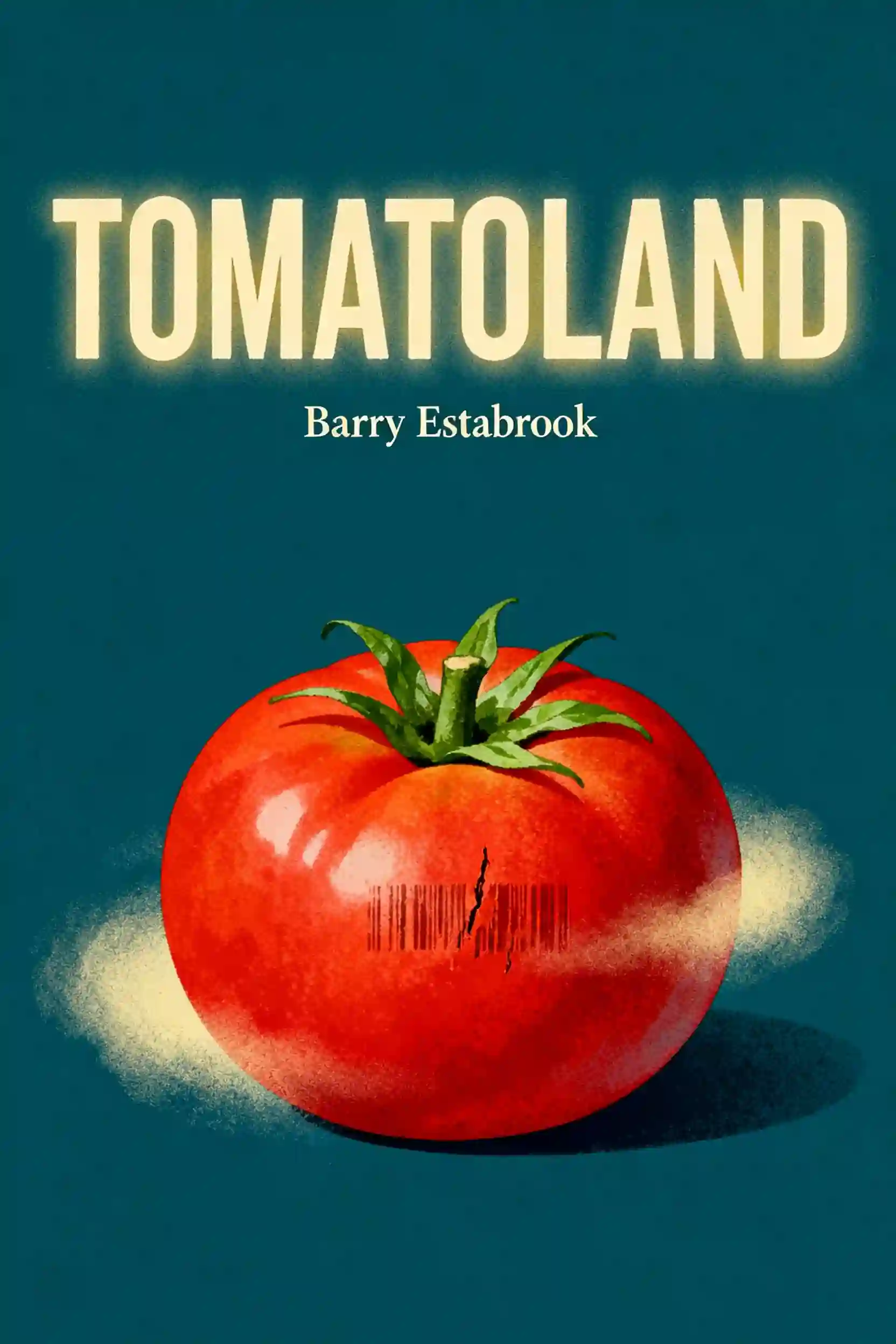
    Lena: This reminds me of the intensive farming discussed in "Tomatoland," though the context in Senegal is quite different . In the Niayes, you have small plots that are incredibly high-yield. This is where that 80/20 rule really shines—this relatively small geographic strip produces a disproportionately large amount of the nation’s fresh produce .

    Jackson: The scale here is impressive. It’s estimated that the Niayes provides over 60% of the country’s vegetables. However, it’s facing massive pressure from urbanization. As Dakar expands, the very land that feeds the city is being paved over. It’s a tension we see globally, where the "fate of food" is often decided by the "fate of real estate" .

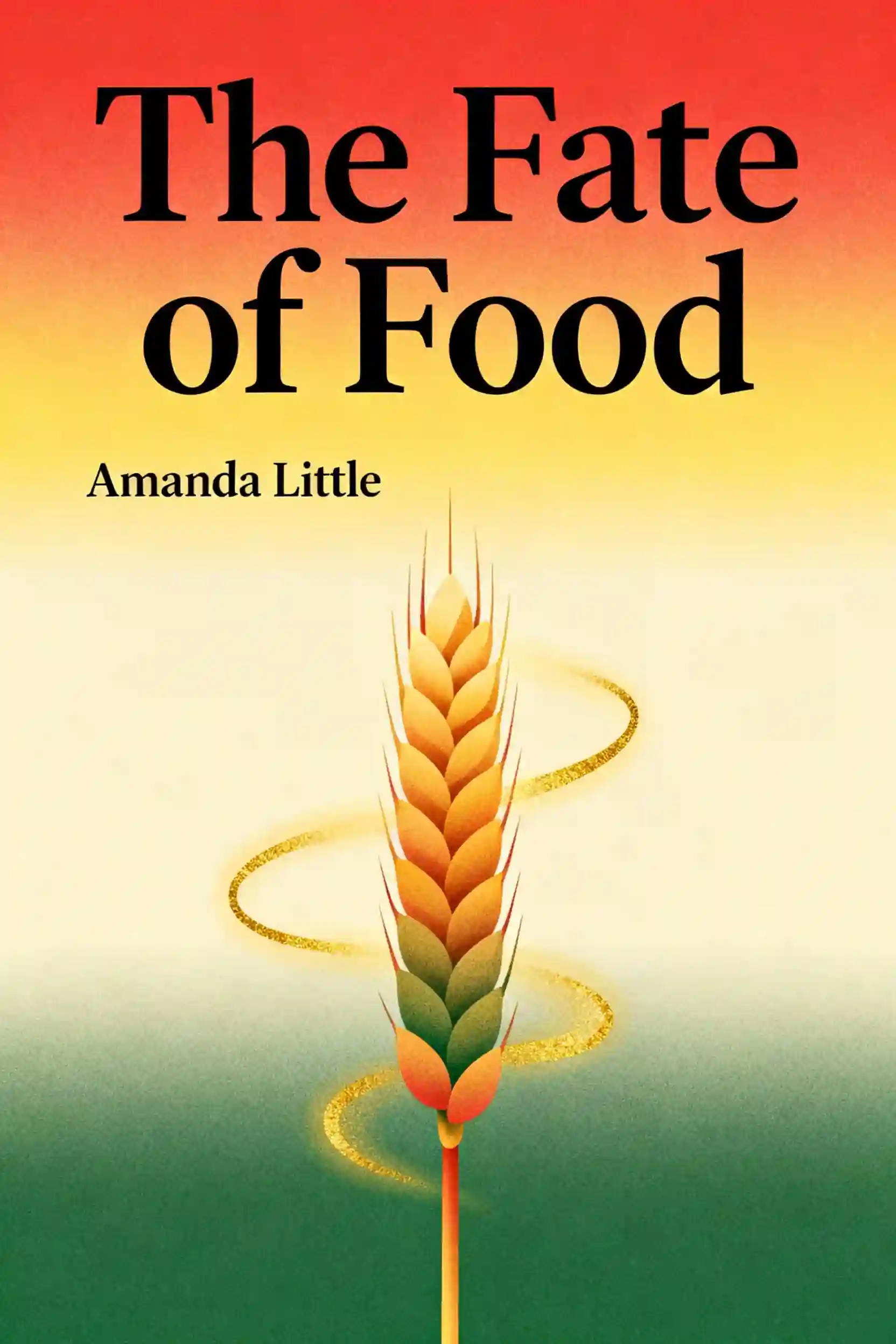
    Lena: And it’s not just houses. It’s also about the water. In "The Fate of Food," Amanda Little talks about how we’re having to reinvent how we grow things as water becomes more precious . In the Niayes, farmers are dealing with saltwater intrusion as they pump more groundwater, which is a huge threat to this sector's future.

    Jackson: It’s a delicate balance. The Niayes represents the potential of high-value agriculture, but it’s a fragile ecosystem. Unlike the vast expanses of the Peanut Basin, every square meter here is intensely managed. It’s a different kind of agricultural logic—one focused on quick cycles and high market value.

    Chapter 4

    The Senegal River Valley and the Quest for Rice Sovereignty

    Lena: Moving further north, we hit the Senegal River Valley. This is a completely different world. It’s dominated by the river, and the scale of the operations here feels much more industrial. This is the land of rice.

    Jackson: Rice is the staple food in Senegal—think of the national dish, Thiéboudienne. But for a long time, Senegal has been one of the world's largest importers of rice. The government has put a massive focus on the River Valley to change that, aiming for what they call "food sovereignty."

    Lena: This is where we see the "agribusiness" model that Vandana Shiva often criticizes . There are large scale irrigation projects here, often funded by international development banks. The goal is to turn the arid north into a rice-producing powerhouse using the river’s water.

    Jackson: It’s a massive undertaking. The scale of the irrigated land has grown significantly over the last decade. But it brings up that central conflict: is it better to have large, efficient industrial farms, or to empower the smallholders who have lived along the river for generations? "Why Nations Fail" would suggest that the inclusive growth—where local farmers have secure property rights—is the only way to ensure long-term stability .

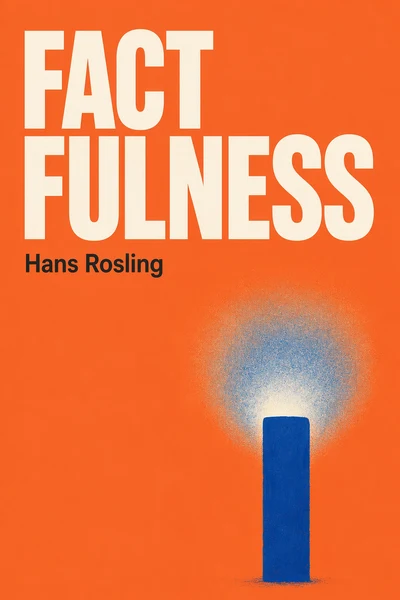
    Lena: I think about the "Factfulness" perspective here, too. Hans Rosling would point out that we need to look at the data—are these projects actually reducing poverty and increasing yields? . In the Senegal River Valley, the yields have increased, but the debt levels for small farmers can be crushing. It’s a complex success story.

    Jackson: It really highlights the geographical diversity. You have the dryland peanuts in the center, the coastal vegetables in the west, and now this irrigated rice belt in the north. Each zone requires a completely different set of skills and infrastructure. It’s not just "Senegalese agriculture"—it’s three or four different industries happening at once.

    Keep learning with this episode

    Take the ideas from this episode into a guided learning experience in BeFreed.

    Chapter 5

    The Casamance and the Tropical Potential

    Lena: Now, if we head all the way south, past the Gambia, we reach the Casamance. This is the "green lung" of Senegal. It’s tropical, lush, and has a completely different rainfall pattern than the rest of the country.

    Jackson: The Casamance is where you find the orchards—mangoes, citrus, and cashews. Cashews, in particular, have become a massive export crop for Senegal. It’s a sector that has grown exponentially, often driven by demand from markets in India and Vietnam.

    Lena: It’s a great example of finding a niche and excelling at it, which is a key theme in "Strengths Finder" . The Casamance has the "talent" for tree crops, and by leaning into that, it’s become a vital economic pillar. However, because of its location and historical isolation, it hasn't always received the same infrastructure investment as the north.

    Jackson: This is where the "80/20 way" comes back in. If the government invested a bit more in the processing and logistics in the Casamance, they could likely see a massive return on investment . Currently, a lot of the value is lost because the raw nuts are exported rather than processed locally.

    Lena: And then there’s the rice. Unlike the irrigated rice in the north, the Casamance has a long tradition of "rain-fed" and mangrove rice. It’s deeply cultural. But it’s also under threat from climate change—changing rainfall patterns are making these traditional methods riskier.

    Jackson: It really emphasizes the point made in "The Fate of Food"—we are in an era where we have to adapt old traditions to a new climate reality . The Casamance has the most potential in terms of sheer fertility, but it’s also the region where the "promise of agroecology" is most vital to protect the existing forests and biodiversity.

    Chapter 6

    Livestock and the Pastoralist North

    Lena: We can't talk about agriculture in Senegal without talking about livestock. For a huge portion of the population, especially in the northern Ferlo region, wealth isn't in crops; it’s in cattle, sheep, and goats.

    Jackson: This is the pastoralist zone. It’s a semi-arid region where the land isn't suitable for farming, so people move with their herds. It’s a completely different economic logic. In "Factfulness," Rosling talks about how we often misinterpret how people live based on our own urban biases . Pastoralism is a highly sophisticated way of utilizing marginal land.

    Lena: It’s also a massive sector during religious festivals like Tabaski, where the demand for sheep is astronomical. The scale of the livestock sector is huge—it contributes significantly to the agricultural GDP—but it’s often overlooked because it doesn't fit the "industrial farm" model.

    Jackson: It’s another example of the decentralized food system that Vandana Shiva champions . These pastoralist networks are resilient and provide essential protein to the country. However, they are also on the front lines of climate change. As the Sahara pushes south, the grazing lands are shrinking.

    Lena: This creates conflict, right? As pastoralists move south looking for water and grass, they often clash with farmers in the Peanut Basin. It’s a classic resource competition that "Why Nations Fail" warns can lead to instability if there aren't strong local institutions to manage the sharing of land .

    Jackson: It’s a reminder that all these zones are connected. What happens in the pastoralist north affects the farmers in the center. It’s one big, interconnected system that is constantly shifting based on the weather and the economy.

    Keep learning with this episode

    Take the ideas from this episode into a guided learning experience in BeFreed.

    Chapter 7

    The Economic Scale and the Smallholder Reality

    Lena: So, we’ve mapped out the zones—the Peanut Basin, the Niayes, the River Valley, the Casamance, and the Ferlo. But if we step back, what is the actual scale of this? How does it all add up for the average Senegalese person?

    Jackson: Well, the data is telling. Agriculture employs about 60% of the workforce, yet it only accounts for about 15% of the GDP. That’s a huge "gap" that signals low productivity in many areas. It’s the 80/20 rule in reverse—60% of the people are producing only 15% of the formal economic value .

    Lena: But that 15% doesn't tell the whole story, does it? Like we saw in "Who Really Feeds the World?", much of what these smallholders produce is consumed at home or traded in informal markets . It’s the foundation of food security, even if it doesn't show up in a bank's spreadsheet.

    Jackson: Absolutely. And that’s a key "Factfulness" point—we have to look beyond the top-line GDP numbers to see the actual well-being of the population . For many families, their small plot of peanuts or their few head of cattle are their only "insurance policy" against hard times.

    Lena: It’s also worth noting the scale of the export sector. Peanuts and cashews are the big players, but there’s a growing market for high-end horticultural products for Europe—things like green beans and cherry tomatoes from the Niayes. This is where the "industrial" side of things, like what we saw in "Tomatoland," starts to appear .

    Jackson: The tension is always there: do you focus on high-value exports to bring in foreign currency, or do you focus on staple crops to feed the people? Senegal is trying to do both, but the resources are often skewed toward the export-oriented agribusinesses. It’s a struggle for balance that defines the modern agricultural era.

    Chapter 8

    Strategies for a Resilient Future

    Lena: Given everything we’ve discussed—the geographic diversity, the climate pressures, and the economic tensions—what are the actual takeaways for how Senegal can move forward? If we look at this through the lens of the "80/20 way," where should the focus be?

    Jackson: I think the biggest "20%" that would yield "80%" of the results is infrastructure—specifically cold storage and processing . So much of the produce from the Niayes and the Casamance rots before it reaches the market. If you can fix the "leak" in the system, you immediately increase the income of thousands of farmers without needing more land.

    Lena: That’s a great point. It also aligns with the "Strengths Finder" approach—don't just try to fix every weakness; double down on what you’re already good at . Senegal is already great at growing mangoes and cashews. The "talent" is there. The "investment" needs to be in adding value to those crops locally.

    Jackson: And we can't ignore the soil. Transitioning toward the agroecological practices Shiva discusses—like using organic fertilizers and diverse crop rotations—isn't just a "green" idea; it’s an economic necessity for the Peanut Basin if they want to keep farming that land for another fifty years .

    Lena: For our listeners who are interested in global food systems, the lesson from Senegal is that "one size fits all" solutions don't work. You can't apply the same rules to a pastoralist in the north that you do to a tomato farmer in the Niayes. Resilience comes from recognizing and supporting that diversity.

    Jackson: It also means being honest about the data. Using that "Factfulness" mindset to track what is actually working on the ground—not just what looks good in a government report . It’s about building those "inclusive institutions" that Acemoglu and Robinson talk about, so that the smallholders in the Casamance have the same voice as the big exporters in Dakar .

    Keep learning with this episode

    Take the ideas from this episode into a guided learning experience in BeFreed.

    Chapter 9

    Closing Reflections on the Senegalese Map

    Lena: As we bring this to a close, I’m struck by how much a single country’s agriculture can tell us about the world. From the legacy of monoculture in the Peanut Basin to the high-tech irrigation in the North, Senegal is a microcosm of the global struggle for a sustainable food system.

    Jackson: It really is. We’ve seen how geography dictates the "what" and "where," but policy and climate will dictate the "how long." Whether it’s the pastoralists of the Ferlo or the fruit growers of the Casamance, these are people innovating every day to adapt to a changing world. It's a reminder that food isn't just a commodity; it's a deeply rooted connection to the land.

    Lena: I hope this deep dive has given our listeners a new way to look at a map—not just as borders and cities, but as a living, breathing system of production and survival. It’s fascinating how the 80/20 principle or the insights of agroecology can help us make sense of something as complex as a nation’s food supply.

    Jackson: It’s about looking at the strengths, acknowledging the failures, and finding that path toward resilience. Senegal has an incredible foundation to build on, provided they can protect the land and the people who work it. It’s a story that’s still being written, season by season.

    Lena: Thank you so much for joining us on this exploration. We hope you walk away with a clearer picture of how diverse and vital these agricultural sectors are. Take a moment to think about where your own food comes from and the complex geography that made it possible. We appreciate you listening and reflecting with us.

    ★★★★★

    You made it to the end of Mapping Senegal’s Agricultural Zones: Peanut Basin & Agroecology

    “23 days in and I have used it every single day. It is part of my daily habit now.”

    jayallen

    Best quote from Mapping Senegal’s Agricultural Zones: Peanut Basin & Agroecology

    “

    While large scale industrial projects get the headlines, it’s actually the small scale farmers who are doing the heavy lifting in terms of feeding the local population.

    ”
    T

    Generated by Timothy Jon O' Riordan

    Input question

    Different types of agriculture in senegal. The size of each sector and is geographical location.

    Host voices
    Lenaplay
    Jacksonplay
    Knowledge sources
    Who Really Feeds the World?
    Fate of Food
    Tomatoland
    Factfulness
    Why Nations Fail
    StrengthsFinder 2.0

    Frequently Asked Questions

    Senegal's agricultural landscape is diverse and dictated by geography and history. Key regions include the famous Peanut Basin and the fertile Niayes strip. These zones represent an intricate map where farming techniques vary significantly between the north and the south. Understanding these specific areas is essential to grasping how the country's soil supports the backbone of the national economy and provides a primary source of livelihood for the majority of the population.

    The agricultural sector in Senegal highlights the tension between the promise of agroecology and the pressures of global agribusiness. While large-scale industrial projects often dominate the headlines, research indicates that small-scale farmers are the ones doing the heavy lifting to feed the local population. This dynamic illustrates a decentralized food system where local networks play a more critical role in food security than massive, overarching global narratives or industrial farming models.

    Small-scale farmers are the primary drivers of the Senegalese food system, serving as the backbone of the local economy. Despite the presence of global agribusiness, these decentralized local networks are responsible for feeding the majority of the population. This reality echoes the insights of Vandana Shiva, suggesting that local, small-scale efforts are often more effective at providing food security than large-scale industrial operations, making them central to the country's agricultural identity.

    From Columbia University alumni | built in San Francisco

    BeFreed Brings Together A Global Community Of Curious Minds

    4.7

    avg rating

    7.84k+ App Rating

    BeFreed Community

    Seriously I haven’t even explored this app fully yet but from using it the last few days I am so impressed... BeFreed is on a different level from any other learning app I have used. This makes it ultra engaging and can actually improve your concentration which is great for all the doom scrollers!

    @ladyInfinity

    I bought BeFreed exactly 23 days ago, and I have used it every single day since. It has completely embedded itself into my daily workflow and learning habit.

    @jayallen

    The truth is, the app has exceeded all my expectations. I can ask it to generate audio on any topic, whatever it may be, and the result is impressive. My professional field is a specialization in psychotherapy and it is multidisciplinary; however, the answers are very accurate.

    @Raguipa

    What I appreciate most is how much it's reduced my scrolling – I'm spending less time searching and more time absorbing information. The combination of full audiobooks, podcasts, the learning plans are brilliant.

    @colonyofcreatorsNGO

    I have been a PhotoReading Accelerated Learning Instructor for the past 24 years... books and reading and learning are my thing, and BeFreed has done a great job in providing an innovative approach to disseminating and delivering information in an easy to consume way.

    @BeFreed user

    It is not just a book summary app, I have used the 'fun reading' option and it's a much better summary and way to grasp ideas the traditional way, that alone is worth this deal.

    @austinakon

    I love this app. Used it for several days and I cannot stop listening. Such a great way to start.

    @jcrules328

    I really like the program; I have already tested it for around one month, and I feel that it's an amazing gem. It works so well because I can use BeFreed to create my own topics, and the voice is so good with unlimited choice of narrations.

    @DanielCZ

    Seriously I haven’t even explored this app fully yet but from using it the last few days I am so impressed... BeFreed is on a different level from any other learning app I have used. This makes it ultra engaging and can actually improve your concentration which is great for all the doom scrollers!

    @ladyInfinity

    I bought BeFreed exactly 23 days ago, and I have used it every single day since. It has completely embedded itself into my daily workflow and learning habit.

    @jayallen

    The truth is, the app has exceeded all my expectations. I can ask it to generate audio on any topic, whatever it may be, and the result is impressive. My professional field is a specialization in psychotherapy and it is multidisciplinary; however, the answers are very accurate.

    @Raguipa

    What I appreciate most is how much it's reduced my scrolling – I'm spending less time searching and more time absorbing information. The combination of full audiobooks, podcasts, the learning plans are brilliant.

    @colonyofcreatorsNGO

    I have been a PhotoReading Accelerated Learning Instructor for the past 24 years... books and reading and learning are my thing, and BeFreed has done a great job in providing an innovative approach to disseminating and delivering information in an easy to consume way.

    @BeFreed user

    It is not just a book summary app, I have used the 'fun reading' option and it's a much better summary and way to grasp ideas the traditional way, that alone is worth this deal.

    @austinakon

    I love this app. Used it for several days and I cannot stop listening. Such a great way to start.

    @jcrules328

    I really like the program; I have already tested it for around one month, and I feel that it's an amazing gem. It works so well because I can use BeFreed to create my own topics, and the voice is so good with unlimited choice of narrations.

    @DanielCZ

    I love the fact that I can get useful, condensed, information and ideas in a 8 - 15 minute podcast style audio. I'm not a general fan of podcasts because of all the fluff, but this cuts through all that.

    @BeFreed user

    I am finishing up my doctorate, and have to read a lot of unfamiliar material... With BeFreed, you simply enter a prompt, and the app finds source material for you and generates an audio podcast. I find the process in BeFreed to be more streamlined than NotebookLM.

    @Brad

    I often search YouTube for something to listen to whilst making breakfast, when I'm out walking, commuting, etc, and BeFreed has provided an even more targeted approach, without the adverts and the fluff!

    @BeFreed user

    The absolute best part about this platform is its versatility. There is literally no subject that is off-topic. It handles whatever you throw at it... It is rare to find an learning tool with zero limitations that actually delivers on its promises.

    @jayallen

    BeFreed is fantastic. The user-friendly design means I spend less time navigating and more time learning. The mix of audiobooks, podcasts, and learning plans is a genius combo that has completely changed my daily routine.

    @BeFreed user

    At the start I needed a while to understand how to create podcasts in italian language and boom! It is so great! I can ask to explain every argument and it does so well and so smartly!

    @matteo77

    BeFreed has become my daily app for audio books tools... What I like the most is the way you put your text and come with an audio that you can listen on the go.

    @kotanzu1

    I love the fact that I can get useful, condensed, information and ideas in a 8 - 15 minute podcast style audio. I'm not a general fan of podcasts because of all the fluff, but this cuts through all that.

    @BeFreed user

    I am finishing up my doctorate, and have to read a lot of unfamiliar material... With BeFreed, you simply enter a prompt, and the app finds source material for you and generates an audio podcast. I find the process in BeFreed to be more streamlined than NotebookLM.

    @Brad

    I often search YouTube for something to listen to whilst making breakfast, when I'm out walking, commuting, etc, and BeFreed has provided an even more targeted approach, without the adverts and the fluff!

    @BeFreed user

    The absolute best part about this platform is its versatility. There is literally no subject that is off-topic. It handles whatever you throw at it... It is rare to find an learning tool with zero limitations that actually delivers on its promises.

    @jayallen

    BeFreed is fantastic. The user-friendly design means I spend less time navigating and more time learning. The mix of audiobooks, podcasts, and learning plans is a genius combo that has completely changed my daily routine.

    @BeFreed user

    At the start I needed a while to understand how to create podcasts in italian language and boom! It is so great! I can ask to explain every argument and it does so well and so smartly!

    @matteo77

    BeFreed has become my daily app for audio books tools... What I like the most is the way you put your text and come with an audio that you can listen on the go.

    @kotanzu1

    See more on how BeFreed is discussed
    129.7K19.5K
    55.2K19.2K
    154.2K10827355
    48.1K2.5K
    81.2K6.6K
    82.3K1.8K
    Start your learning journey, now
    BeFreed app
    BeFreed

    Learn Anything, Personalized

    DiscordLinkedIn
    Featured book summaries
    Crucial ConversationsThe Perfect MarriageInto the WildNever Split the DifferenceAttachedGood to GreatSay Nothing
    Trending categories
    Self HelpCommunication SkillRelationshipMindfulnessPhilosophyInspirationProductivity
    Celebrities' reading list
    Elon MuskCharlie KirkBill GatesSteve JobsAndrew HubermanJoe RoganJordan Peterson
    Award winning collection
    Pulitzer PrizeNational Book AwardGoodreads Choice AwardsNobel Prize in LiteratureNew York TimesCaldecott MedalNebula Award
    Featured Topics
    ManagementAmerican HistoryWarTradingStoicismAnxietySex
    Best books by Year
    2025 Best Non Fiction Books2024 Best Non Fiction Books2023 Best Non Fiction Books
    Featured authors
    Chimamanda Ngozi AdichieGeorge OrwellO. J. SimpsonBarbara O'NeillWinston ChurchillCharlie Kirk
    BeFreed vs other apps
    BeFreed vs. Other Book Summary AppsBeFreed vs. ElevenReaderBeFreed vs. ReadwiseBeFreed vs. Anki
    Learning tools
    Knowledge VisualizerAI Podcast Generator
    Information
    About Usarrow
    Pricingarrow
    FAQarrow
    Blogarrow
    Careerarrow
    Partnershipsarrow
    Ambassador Programarrow
    Directoryarrow
    BeFreed
    Try now
    © 2026 BeFreed
    Term of UsePrivacy Policy
    BeFreed

    Learn Anything, Personalized

    DiscordLinkedIn
    Featured book summaries
    Crucial ConversationsThe Perfect MarriageInto the WildNever Split the DifferenceAttachedGood to GreatSay Nothing
    Trending categories
    Self HelpCommunication SkillRelationshipMindfulnessPhilosophyInspirationProductivity
    Celebrities' reading list
    Elon MuskCharlie KirkBill GatesSteve JobsAndrew HubermanJoe RoganJordan Peterson
    Award winning collection
    Pulitzer PrizeNational Book AwardGoodreads Choice AwardsNobel Prize in LiteratureNew York TimesCaldecott MedalNebula Award
    Featured Topics
    ManagementAmerican HistoryWarTradingStoicismAnxietySex
    Best books by Year
    2025 Best Non Fiction Books2024 Best Non Fiction Books2023 Best Non Fiction Books
    Learning tools
    Knowledge VisualizerAI Podcast Generator
    Featured authors
    Chimamanda Ngozi AdichieGeorge OrwellO. J. SimpsonBarbara O'NeillWinston ChurchillCharlie Kirk
    BeFreed vs other apps
    BeFreed vs. Other Book Summary AppsBeFreed vs. ElevenReaderBeFreed vs. ReadwiseBeFreed vs. Anki
    Information
    About Usarrow
    Pricingarrow
    FAQarrow
    Blogarrow
    Careerarrow
    Partnershipsarrow
    Ambassador Programarrow
    Directoryarrow
    BeFreed
    Try now
    © 2026 BeFreed
    Term of UsePrivacy Policy

    More like this

    Senegal’s Rural Landscapes book cover
    14 Days Mystical Trails Adventure - Explorer GambiaAVENIR Senegal - Indexsource 3Tourisme rural intégré, facteur de résilience des territoires enclavés : étude du campement villageois dans la localité d’Affiniam (Basse Casamance/Sénégal)
							| Sciences Eaux & Territoires
    4 sources
    Senegal’s Rural Landscapes
    Beyond the city streets lies a mosaic of diverse farmlands. Explore the six ecological zones and the resilient communities shaping Senegal's future.
    17 min
    Senegal: The Race for Food Sovereignty book cover
    IFAD and Senegal partner to increase smallholder farmers’ resilience to external shocksSenegal Launches AgriConnect Compact to Transform its Agriculture SectorSenegal Government launches FAO-backed strategic project in Touba to reduce food losses and enhance the valorization of surplus foodSURAGGWA Signing: Senegal and FAO Unite to Green the Sahel
    7 sources
    Senegal: The Race for Food Sovereignty
    Senegal is fighting to feed its growing population amid climate shifts. Discover how the AgriConnect strategy aims to modernize 600,000 farms.
    19 min
    Farming on the Edge in Fatick book cover
    Data AfricaVARIABILITE CLIMATIQUE ET PRODUCTIVITE AGRICOLE DANS LE DEPARTEMENT DE FATICK, BASSIN ARACHIDIER DU SENEGALIntegrating agroecology into local development plans in the Fatick departmentA typology of smallholder livestock production systems reflecting the impact of the development of a local milk collection industry: Case study of Fatick region, Senegal
    12 sources
    Farming on the Edge in Fatick
    In a region where 90% of people farm for survival, one dry season can trigger a crisis. Explore how Senegal is shifting toward a resilient future.
    19 min
    Senegal’s Quest for Dairy Sovereignty book cover
    Senegal moves forward with livestock genetic improvement to boost meat, livestock industries | Food Business Middle East & Africa - No.1 Food & Beverage Formulation, Processing & Packaging PublicationSenegal, Brazil Plan MoU on Dairy Self-Sufficiency - Ecofin AgencySenegal looks to Uganda's dairy sector as a model for boosting local production | Dairy Business Middle East & Africa - No.1 Dairy Industry Website & MagazineMabouba Diagne: "Senegal imports 900 million liters of milk... | Seneweb -
    9 sources
    Senegal’s Quest for Dairy Sovereignty
    Senegal relies on massive dairy imports despite a deep herding tradition. Explore the push for high-yield genetics to transform a sector in flux.
    19 min
    The Gambia: Life on the Salty Edge book cover
    Open Knowledge Repository‘We have no one to help us’: A tide of salt is killing The Gambia’s rice | Dialogue EarthThe Gambia - Flash floods (IFRC, Department of Water Resources, WMO) (ECHO Daily Flash of 11 September 2025) - Gambia | ReliefWebEssau District Hospital Crippled By Flooding After Heavy Rainfall – Gambia News | JollofNews
    6 sources
    The Gambia: Life on the Salty Edge
    Rising tides and salt are turning The Gambia’s fertile land into wet deserts. Explore how this river nation is fighting to protect its food and future.
    1011 min
    Solar Gardens: A New Nexus for The Gambia book cover
    source 1Solar-powered irrigation system in JiffarongA green transformation is a golden opportunity for the women of The Gambia - UN Capital Development Fund (UNCDF)No ordinary irrigation in the Gambia: innovative solar-powered technologies are securing access to water for rural communities - Yenkasa Africa
    6 sources
    Solar Gardens: A New Nexus for The Gambia
    Rural farming faces rising salt and heat. Discover how solar-powered irrigation and agrovoltaics turn harsh sun into food security and economic power.
    1068 min
    Driving Senegal: Solo Travel and Teranga book cover
    Senegal Travel Advice & Safety: Is Senegal Safe For Tourists?Driving in Senegal 2026 — 0.02% BAC, Dakar Tolls, CFA | TyreMapSenegal Driving Guide - Travel Docs OnlineLisa’s Guide to Driving in Senegal – Car Full of Harmony
    6 sources
    Driving Senegal: Solo Travel and Teranga
    Navigating Senegal’s rugged roads alone can be daunting. Learn to manage local laws and logistics to turn a solo drive into a deep cultural connection.
    20 min
    The Gambia: A Nation on the Edge book cover
    Farmers’ Perceptions of the Efficacy of Current Climate Risk Adaptation and Mitigation Strategies on Agriculture in The GambiaSystemic Vulnerability and Adaptation Traps in The Gambia’s Agricultural Sector under Climate ChangeHow Gambian women are restoring the mangroves protecting Banjul | News | Al JazeeraBeyond the tide: building flood and erosion resilience in the Gambia | PreventionWeb
    10 sources
    The Gambia: A Nation on the Edge
    With 90% of assets at risk from rising tides, The Gambia faces an existential crisis. Learn how local communities are building a living shield.
    935 min

    Recommended Learning Plans

    Mandinka Cotton: History to Global Trade
    LEARNING PLAN

    Mandinka Cotton: History to Global Trade

    This course provides a critical lens into how a regional agricultural tradition evolved into a cornerstone of global trade. It is ideal for historians, textile enthusiasts, and international trade students seeking to understand the intersection of African heritage and global capitalism.

    6 h 22 m•4 Sections
    Scale Mandinka Cotton & Silk Trade Network
    LEARNING PLAN

    Scale Mandinka Cotton & Silk Trade Network

    This program bridges the gap between historical West African commerce and modern economic scaling strategies. It is designed for entrepreneurs, trade historians, and textile professionals looking to revitalize traditional networks using modern platform dynamics.

    6 h 1 m•4 Sections
    Sudan's Borders and the SAF-RSF War
    LEARNING PLAN

    Sudan's Borders and the SAF-RSF War

    This learning plan is essential for understanding the historical and structural roots of one of the world's most complex modern conflicts. It is ideal for students of international relations, humanitarian professionals, and anyone seeking to grasp the transition from colonial borders to current state fragility.

    1 h 30 m•3 Sections
    Research Industry & Build Gambia Connections
    LEARNING PLAN

    Research Industry & Build Gambia Connections

    This learning plan is essential for entrepreneurs and professionals looking to navigate the unique business landscape of West Africa. It bridges the gap between theoretical market research and practical relationship building for those targeting the Gambian market.

    5 h 7 m•4 Sections
    Learn Natural & Sustainable Agriculture
    LEARNING PLAN

    Learn Natural & Sustainable Agriculture

    This learning plan is essential for aspiring agrarians and environmentalists seeking to bridge the gap between ecological restoration and economic viability. It provides a holistic roadmap for anyone looking to transform traditional farming into a regenerative powerhouse that addresses global food security.

    5 h 39 m•4 Sections
    Briefing the African Nexus
    LEARNING PLAN

    Briefing the African Nexus

    As Africa becomes a primary theater for great power competition and asymmetric threats, understanding its security architecture is vital for strategic planners. This plan is designed for defense professionals and policy analysts seeking to navigate the complex intersection of foreign influence, regional instability, and operational adaptation.

    2 h 30 m•4 Sections
    Nigeria's Power Play and Governance Crisis
    LEARNING PLAN

    Nigeria's Power Play and Governance Crisis

    This learning plan is essential for understanding the volatile intersection of economic reform and national security in Africa's most populous nation. It is designed for policy analysts, investors, and students of geopolitics seeking to navigate Nigeria's complex governance landscape.

    1 h 45 m•4 Sections
    Mastering the Malaysian Landscape
    LEARNING PLAN

    Mastering the Malaysian Landscape

    This learning plan provides a comprehensive understanding of Malaysia's physical and economic evolution. It is ideal for students, urban planners, or history buffs looking to master the intersection of geography and national development.

    1 h 30 m•3 Sections