BeFreed
    Categories>Leadership & Corp Culture>Influence Without Control: Authentic Leadership Secrets

    Influence Without Control: Authentic Leadership Secrets

    32 min
    |
    |
    Feb 10, 2026
    Leadership & Corp CulturePsychologyCommunication

    Discover the crucial difference between controlling people and genuine influence. Learn how the best leaders inspire others through trust, empowerment, and authentic connection rather than manipulation.

    Influence Without Control: Authentic Leadership Secrets
    Choose how it's told

    One episode. Many ways to hear it.

    Same ideas from Influence Without Control: Authentic Leadership Secrets. Pick the voice, depth, and pace that fits you. Switch anytime.

    Transcript & chapters

    Chapter 1

    Control vs Influence Revealed

    Lena: Miles, I have to ask you something that's been bugging me. Someone recently asked me how to "control people," and honestly? It made my skin crawl a little. But then I started wondering—is there actually a difference between controlling people and being an effective leader?

    Miles: Oh, that's such a crucial distinction, Lena! You know what's fascinating? The research shows that people who try to control others through manipulation often end up pushing them away. But here's the thing—when we reframe this as "How do I influence people positively?" or "How do I inspire others to follow my vision?"—suddenly we're talking about something completely different.

    Lena: Right! It's like the difference between being a puppet master versus being someone people genuinely want to follow. I mean, think about the best leaders you've known—did they make you feel controlled, or did they make you feel empowered?

    Miles: Exactly! And here's what's really interesting—the most effective leaders actually give up control to gain influence. They focus on understanding what motivates others, building trust, and creating environments where people thrive. So let's explore how authentic leadership creates genuine influence without manipulation.

    Chapter 2

    The Psychology Behind Genuine Influence

    Miles: So here's where it gets really fascinating, Lena. When we look at the research on influence, there's this whole framework called Self-Determination Theory that completely flips the control script on its head.

    Lena: Okay, I'm intrigued. Tell me more about this theory.

    Miles: Well, it turns out humans have three basic psychological needs—autonomy, competence, and relatedness. And here's the kicker: the more you try to control people by undermining these needs, the more they resist. But when you support these needs? That's when real influence happens.

    Lena: So you're saying that giving people more autonomy actually makes them more likely to follow your lead? That sounds counterintuitive.

    Miles: I know, right? But think about it this way—when someone micromanages you, how do you feel? Probably resentful and less motivated. But when a leader trusts you to make decisions within clear boundaries, you actually feel more connected to their vision.

    Lena: That makes total sense. It's like when my manager gives me the freedom to solve problems my way, I end up working harder because I feel ownership over the outcome.

    Miles: Exactly! And this connects to what researchers call transformational leadership. These leaders don't try to control behavior through rewards and punishments. Instead, they inspire people by articulating a compelling vision and helping team members see how their individual contributions matter.

    Lena: So it's about connecting with people's intrinsic motivation rather than trying to manipulate their extrinsic motivators?

    Miles: You've hit the nail on the head. When leaders focus on meaning, growth, and connection, they tap into something much more powerful than compliance. They create commitment.

    Lena: But here's what I'm wondering—how do you actually do this in practice? Like, what does it look like when you're trying to influence someone to see things your way?

    Miles: Great question. One of the most powerful techniques is what researchers call "perspective-taking." Instead of starting with what you want, you start by genuinely understanding what the other person values and cares about.

    Lena: So you're basically doing emotional intelligence work before you even try to influence?

    Miles: Absolutely. And here's something interesting—when people feel understood, they become much more open to being influenced. It's like you're creating psychological safety first, then introducing new ideas.

    Lena: That reminds me of something I read about servant leadership. Isn't that approach all about putting the needs of others first?

    Miles: Yes! Servant leaders focus on empathy, stewardship, and developing people's potential. They ask themselves, "How can I serve this person's growth and success?" rather than "How can I get them to do what I want?"

    Lena: And ironically, by serving others, they end up having tremendous influence over them.

    Miles: Exactly. It's this beautiful paradox where giving up control actually increases your ability to lead effectively.

    Keep learning with this episode

    Take the ideas from this episode into a guided learning experience in BeFreed.

    Chapter 3

    Trust as the Foundation of Influence

    Lena: You know, Miles, as we're talking about this, I keep coming back to trust. It seems like without trust, none of these influence strategies would work.

    Miles: Oh, absolutely. Trust is like the currency of influence. And here's what's fascinating—trust is built through very specific behaviors that anyone can learn.

    Lena: Okay, so what are those behaviors? Because I feel like trust is one of those things people talk about but don't really break down into actionable steps.

    Miles: Well, research shows that trust has two main components: character and competence. Character is about integrity, intent, and consistency. Competence is about your capabilities, track record, and results.

    Lena: So you need both? You can't just be a really good person who can't deliver, and you can't just be super capable but untrustworthy?

    Miles: Exactly right. Think about it—if someone has great intentions but keeps dropping the ball, you might like them, but you won't rely on them. And if someone delivers results but you suspect their motives, you'll always be looking over your shoulder.

    Lena: That makes so much sense. So how do leaders actually build both sides of this trust equation?

    Miles: On the character side, it's about radical transparency and consistency. When leaders admit their mistakes, keep their commitments, and explain their reasoning behind decisions, they build what researchers call "predictive trust."

    Lena: Predictive trust—I like that phrase. It's like people know what to expect from you.

    Miles: Right. But then there's an even deeper level called "vulnerability-based trust." This is when leaders are open about their limitations and genuinely care about their team members' success.

    Lena: So it's not about projecting strength all the time—it's about being authentically human?

    Miles: Absolutely. And here's something really interesting from the research—teams with vulnerability-based trust actually perform better because people feel safe to take risks, admit mistakes, and ask for help.

    Lena: That's huge. Because if people are hiding problems or pretending they know things they don't, that's when projects fail and relationships break down.

    Miles: Exactly. And on the competence side, it's about demonstrating your expertise while also empowering others to develop theirs. Great leaders don't hoard knowledge—they share it and help others grow.

    Lena: So they're building trust by making other people more competent too?

    Miles: Yes! It's this abundance mindset where lifting others up actually increases your own influence. When people know you're invested in their success, they become much more willing to support your initiatives.

    Lena: I'm curious about something though. What about when you're new to a leadership role and you haven't had time to build that track record yet?

    Miles: That's such a great question. Research suggests that new leaders can build trust quickly by being transparent about their learning process, seeking input from team members, and making small commitments they can definitely keep.

    Lena: So it's about starting small and building momentum?

    Miles: Exactly. And here's something counterintuitive—asking for help actually builds trust faster than trying to have all the answers. It shows humility and makes people feel valued for their expertise.

    Chapter 4

    The Emotional Intelligence Advantage

    Lena: Miles, I keep thinking about how all of this connects to emotional intelligence. It seems like leaders who are really good at influence have this ability to read people and adapt their approach accordingly.

    Miles: You're absolutely right, Lena. Emotional intelligence is like the operating system that makes all these influence strategies work. Without it, you might have good intentions, but you'll miss the mark on execution.

    Lena: So break this down for me. What does emotional intelligence actually look like in practice when you're trying to influence someone?

    Miles: Well, it starts with self-awareness—understanding your own emotional triggers, biases, and communication style. Because if you don't know how you come across to others, you can't adjust your approach effectively.

    Lena: Right, because what feels persuasive to you might feel pushy or manipulative to someone else.

    Miles: Exactly. And then there's social awareness—reading the room, picking up on nonverbal cues, understanding what motivates different people. This is where that perspective-taking we talked about earlier becomes crucial.

    Lena: I'm thinking about how different personality types might need completely different influence approaches. Like, what works with someone who's detail-oriented might backfire with someone who's big-picture focused.

    Miles: That's such a good insight. Emotionally intelligent leaders adapt their communication style to match their audience. With analytical people, they lead with data and logic. With relationship-oriented people, they emphasize collaboration and impact on others.

    Lena: And I imagine timing matters too, right? Like, there are probably better and worse moments to try to influence someone.

    Miles: Absolutely. Research shows that people are more open to influence when they're in a positive emotional state and when they feel psychologically safe. So emotionally intelligent leaders pay attention to context and mood.

    Lena: That makes me think about something—what about when you need to influence someone toward a difficult decision or change? How do you handle the emotional resistance that comes up?

    Miles: That's where empathy becomes crucial. Instead of pushing against the resistance, emotionally intelligent leaders acknowledge it and explore it. They might say something like, "I can see this change feels overwhelming. Help me understand what concerns you most."

    Lena: So you're validating their emotions rather than dismissing them?

    Miles: Exactly. And here's what's fascinating—when people feel heard and understood, they often become more willing to consider new perspectives. It's like their defensive walls come down.

    Lena: I love that approach because it's not manipulative—you're genuinely trying to understand their experience.

    Miles: Right. And emotionally intelligent leaders also know how to manage their own emotions during these conversations. They stay calm and curious even when facing pushback or criticism.

    Lena: That's probably easier said than done, though. What do you do when someone's being really difficult or hostile?

    Miles: Great question. The research suggests that taking a step back and getting curious about what's driving their behavior can be really powerful. Often, hostility is covering up fear, frustration, or feeling unheard.

    Lena: So instead of getting defensive, you try to understand the underlying need?

    Miles: Exactly. And sometimes just acknowledging that underlying emotion can completely shift the dynamic. It's like you're saying, "I see you as a whole person, not just an obstacle to overcome."

    Keep learning with this episode

    Take the ideas from this episode into a guided learning experience in BeFreed.

    Chapter 5

    Communication That Creates Connection

    Lena: You know what strikes me, Miles? We've been talking about all these psychological principles, but at the end of the day, it seems like it all comes down to how you communicate. Like, you could have all the emotional intelligence in the world, but if you can't express it effectively, you won't be able to influence anyone.

    Miles: That's such an important point, Lena. And here's what's interesting—the most influential communicators don't just focus on what they're saying. They pay equal attention to how they're saying it and how it's being received.

    Lena: So it's not just about crafting the perfect message—it's about creating a genuine dialogue?

    Miles: Exactly. Research shows that two-way communication is much more persuasive than one-way communication. When people feel like they're part of a conversation rather than being talked at, they're much more likely to be influenced.

    Lena: That makes sense. Nobody likes feeling like they're just a target for someone's agenda.

    Miles: Right. And influential leaders ask great questions. Instead of just presenting their ideas, they help people discover insights for themselves. It's like being a guide rather than a lecturer.

    Lena: I love that metaphor. So what does that look like practically? How do you guide someone to an insight rather than just telling them what to think?

    Miles: Well, you might start with questions like, "What's your experience been with this?" or "What do you think the biggest challenge is here?" You're inviting them to share their perspective first.

    Lena: And then you can build on what they say rather than imposing your own viewpoint?

    Miles: Exactly. And here's something really powerful—when you genuinely listen to their response and incorporate their insights into your proposal, they feel like co-creators rather than just followers.

    Lena: That's brilliant because then they have ownership over the solution. It's not your idea they're being asked to implement—it's something they helped develop.

    Miles: You've got it. And influential communicators also use storytelling effectively. Instead of just presenting facts and figures, they paint a picture that helps people see and feel the possibilities.

    Lena: Stories are so much more memorable than abstract concepts, aren't they?

    Miles: Absolutely. And they engage both the logical and emotional parts of our brains. When you tell a story about how a change or decision impacted real people, it becomes much more compelling than just presenting data.

    Lena: I'm thinking about transparency too. How much should leaders share about their own thought process and decision-making?

    Miles: That's a great question. Research suggests that explaining your reasoning—the "why" behind your requests—significantly increases compliance and buy-in. People want to understand the logic, not just follow orders.

    Lena: So it's about treating people like thinking adults who deserve to understand the context?

    Miles: Exactly. And when you share your reasoning, you also open yourself up to feedback and alternative perspectives. Maybe someone will point out something you missed.

    Lena: That takes a lot of confidence, though. Being willing to have your ideas challenged.

    Miles: It does, but that's where authentic leadership comes in. Secure leaders welcome input because they care more about finding the best solution than about being right.

    Chapter 6

    The Power of Serving Others First

    Lena: Miles, I want to dive deeper into this servant leadership concept because it seems so counterintuitive. Like, how can putting others first actually increase your influence over them?

    Miles: It's one of those beautiful paradoxes of leadership, isn't it? But when you think about it, it makes perfect sense. When someone genuinely cares about your growth and success, you naturally want to support their vision and goals.

    Lena: So it's like creating this positive cycle where the more you invest in others, the more they're willing to invest in what you're trying to accomplish?

    Miles: Exactly. And here's what the research shows—servant leaders create higher levels of employee engagement, innovation, and organizational commitment. People don't just comply with their requests; they go above and beyond.

    Lena: But what does "serving others" actually look like in a leadership context? Because I could see how this might get misinterpreted as being a pushover.

    Miles: Great distinction, Lena. Serving others isn't about being weak or avoiding difficult conversations. It's about focusing on their development, removing obstacles from their path, and helping them succeed.

    Lena: So you might still need to give tough feedback or make unpopular decisions, but you're doing it from a place of genuine care for their growth?

    Miles: Absolutely. Servant leaders ask themselves, "What does this person need to be successful?" rather than "How can I get this person to do what I want?" It's a completely different starting point.

    Lena: I love that reframe. And I imagine that when people sense that genuine care, they're much more receptive to feedback and guidance.

    Miles: Exactly. Because they trust that you have their best interests at heart, not just your own agenda. This creates what researchers call psychological safety—people feel safe to be vulnerable, take risks, and admit mistakes.

    Lena: And that's when real growth and innovation happen, right? When people aren't afraid of being judged or punished for trying new things.

    Miles: Yes! And servant leaders also focus on developing other leaders. They're not threatened by other people's success—they see it as their own success.

    Lena: That's such a different mindset from leaders who hoard power and information. Those leaders might get short-term compliance, but they probably don't build lasting influence.

    Miles: Exactly right. Servant leaders think long-term. They're building capability and commitment that will outlast their own tenure in the role.

    Lena: I'm curious about how this plays out in practical situations. Like, what if you're a servant leader but you need to make a decision that some people won't like?

    Miles: That's where transparent communication becomes crucial. You explain your reasoning, acknowledge the impact on people, and show that you've genuinely considered their perspectives. Even if they disagree with the decision, they can respect the process.

    Lena: So it's about being both caring and decisive?

    Miles: Absolutely. Servant leadership isn't about avoiding tough decisions—it's about making them with genuine concern for how they affect people and being transparent about your thought process.

    Lena: And I imagine that over time, this builds tremendous credibility and trust.

    Miles: It does. People learn that even when you make decisions they don't initially like, you're thinking about the bigger picture and their long-term success. That creates a different kind of influence—one based on respect rather than fear.

    Keep learning with this episode

    Take the ideas from this episode into a guided learning experience in BeFreed.

    Chapter 7

    Navigating Resistance and Difficult Conversations

    Lena: Okay, Miles, let's get real for a minute. All of these approaches sound great in theory, but what happens when you encounter someone who's just not having it? Like, what do you do when someone is actively resistant to your influence?

    Miles: Such an important question, Lena. Because let's face it—not every influence situation is going to be smooth sailing. And here's the thing: how you handle resistance often determines whether you build or destroy your long-term influence with that person.

    Lena: Right, because if you get frustrated and resort to manipulation or pressure tactics, you might win the battle but lose the war.

    Miles: Exactly. So the first thing emotionally intelligent leaders do when they encounter resistance is get curious about it rather than trying to overcome it immediately.

    Lena: What do you mean by getting curious about it?

    Miles: Well, resistance usually has a reason behind it. Maybe the person has information you don't have, or they've had a bad experience with similar initiatives in the past, or they feel like their concerns aren't being heard.

    Lena: So instead of seeing resistance as something to bulldoze through, you see it as information to understand?

    Miles: Exactly. You might say something like, "I can sense some hesitation about this approach. Help me understand what concerns you." And then you genuinely listen to their response.

    Lena: That's so different from the typical response, which is usually to argue harder or present more evidence for your position.

    Miles: Right. And here's what's fascinating—often when people feel heard and understood, their resistance actually softens. Not always, but more often than you might expect.

    Lena: But what if you listen to their concerns and you still disagree? Like, what if you think their resistance is based on outdated information or unfounded fears?

    Miles: That's where respectful dialogue comes in. You might say, "I can understand why you'd feel that way based on your experience. Let me share some additional information that might be relevant." You're not dismissing their concerns—you're building on them.

    Lena: So you're acknowledging their perspective while introducing new information?

    Miles: Exactly. And sometimes you might even adjust your proposal based on their input. Maybe their resistance points to a real flaw in your thinking that you hadn't considered.

    Lena: That takes a lot of humility, though. Being willing to change your mind or modify your approach.

    Miles: It does, but that's what builds credibility over time. People learn that you're not just pushing an agenda—you're genuinely trying to find the best solution.

    Lena: What about when someone's resistance seems more emotional than logical? Like, when they're just feeling threatened or defensive?

    Miles: That's where empathy becomes crucial. You might acknowledge the emotional reality first: "This feels like a big change, and I can understand why that might feel unsettling." You're validating their feelings before trying to address their concerns.

    Lena: So you're dealing with the emotional layer before you try to engage the logical layer?

    Miles: Exactly. Because when people are in a defensive emotional state, they're not really capable of processing logical arguments anyway. You have to help them feel safe first.

    Lena: And what if none of this works? What if someone remains completely resistant despite your best efforts?

    Miles: Sometimes you have to accept that not everyone will be influenced in every situation. But even then, how you handle the disagreement matters for your long-term relationship and influence with that person.

    Lena: So you might say something like, "I can see we have different perspectives on this, and I respect your position, even though I see it differently"?

    Miles: Exactly. You're preserving the relationship even when you can't reach agreement. And sometimes that patience pays off later when circumstances change or new information becomes available.

    Chapter 8

    Building Influence Through Empowerment

    Lena: Miles, I've been thinking about something as we've been talking. It seems like the most influential leaders are actually the ones who give away the most power. Is that paradox real?

    Miles: Oh, that's such a profound observation, Lena. And yes, it's absolutely real. When leaders empower others, they actually multiply their own influence exponentially.

    Lena: How does that work exactly? Because it seems like if you're giving away power, you'd have less control, not more influence.

    Miles: Well, here's the key distinction—there's a difference between power and influence. Power is about control and authority. Influence is about inspiring people to want to follow your vision. When you empower others, you're trading short-term control for long-term commitment.

    Lena: So it's like you're creating a team of people who are invested in the success of the mission, not just following orders?

    Miles: Exactly. And research shows that empowered employees are more creative, more engaged, and more likely to go above and beyond their basic job requirements. They become force multipliers for your influence.

    Lena: But what does empowerment actually look like in practice? I feel like it's one of those buzzwords that gets thrown around a lot without much substance.

    Miles: Great question. Real empowerment has several components. First, it's about giving people meaningful autonomy over how they accomplish their goals. Instead of micromanaging the process, you focus on clarifying the outcomes you need.

    Lena: So you're setting clear expectations about the "what" but giving them freedom on the "how"?

    Miles: Exactly. And second, it's about providing the resources and support people need to succeed. You can't just delegate responsibility without also giving people the tools and authority they need to get the job done.

    Lena: Right, because otherwise you're setting them up to fail, which isn't empowering at all.

    Miles: Absolutely. And third, it's about creating opportunities for growth and development. Empowering leaders are constantly looking for ways to stretch their team members and help them build new capabilities.

    Lena: So you're not just delegating tasks—you're delegating opportunities for people to grow and learn?

    Miles: Yes! And here's what's beautiful about this approach—when people feel like you're invested in their development, they become much more committed to your shared goals.

    Lena: I can see how that would create loyalty and engagement. But I imagine there's also some risk involved, right? What if someone makes a mistake or doesn't deliver?

    Miles: That's where psychological safety comes in again. Empowering leaders create environments where it's safe to take calculated risks and learn from failures. They focus on learning and improvement rather than blame and punishment.

    Lena: So you're building a culture where people feel safe to innovate and try new approaches?

    Miles: Exactly. And when people aren't afraid of making mistakes, they're more likely to take initiative and come up with creative solutions. Your influence grows because people are actively contributing to the vision, not just executing tasks.

    Lena: This makes me think about delegation. Is there a difference between regular delegation and empowering delegation?

    Miles: Oh, absolutely. Regular delegation is often just task assignment—"Do this specific thing in this specific way." Empowering delegation is more like, "Here's the outcome we need to achieve and why it matters. How do you think we should approach it?"

    Lena: So you're inviting people into the problem-solving process rather than just asking them to execute your solution?

    Miles: Exactly. And that collaborative approach builds much stronger buy-in and commitment. People support what they help create.

    Keep learning with this episode

    Take the ideas from this episode into a guided learning experience in BeFreed.

    Chapter 9

    Your Influence Action Plan

    Lena: Alright, Miles, we've covered so much ground here. I feel like our listeners probably have their heads spinning with all these concepts and strategies. How do we help them turn all of this theory into practical action?

    Miles: You're absolutely right, Lena. Let's break this down into some concrete steps that people can start implementing right away. Because the gap between knowing these principles and actually applying them is where most people get stuck.

    Lena: So where should someone start if they want to become more influential in an ethical, authentic way?

    Miles: I'd say start with self-awareness. Before you can effectively influence others, you need to understand your own communication style, emotional triggers, and natural tendencies. Maybe take a personality assessment or ask for feedback from people you trust.

    Lena: That makes sense. You can't adjust your approach if you don't know what your default approach is.

    Miles: Exactly. And then I'd suggest focusing on one relationship where you want to build more influence. Don't try to transform your entire leadership style overnight—pick one person and really practice these principles with them.

    Lena: So it's about starting small and building momentum?

    Miles: Yes. And with that one person, begin by genuinely seeking to understand their perspective, goals, and challenges. Spend more time asking questions and listening than talking and persuading.

    Lena: So you're leading with curiosity rather than agenda?

    Miles: Exactly. And here's a specific practice that can be really powerful—before your next conversation with this person, write down three things you want to learn about their perspective. Go in with genuine questions, not just talking points.

    Lena: I love that because it forces you to shift from "How can I convince them?" to "How can I understand them?"

    Miles: Right. And once you've built that foundation of understanding, look for ways to serve their success. What obstacles can you remove? What resources can you provide? How can you help them achieve their goals?

    Lena: So you're demonstrating that servant leadership approach we talked about?

    Miles: Exactly. And here's something practical—in your next team meeting or one-on-one, ask "What can I do to better support your success?" and then actually follow through on what they tell you.

    Lena: That's such a simple question, but I bet it would completely change the dynamic of the conversation.

    Miles: It really does. And as you're building these skills, pay attention to your communication patterns. Are you doing more talking or more listening? Are you asking questions or just making statements? Are you acknowledging people's perspectives before sharing your own?

    Lena: Those are great self-check questions. What about when people need to have those difficult conversations we talked about?

    Miles: Practice leading with empathy and curiosity. Instead of starting with your position, start with something like, "I'd love to understand your thoughts on this situation." Create space for dialogue before you try to influence the outcome.

    Lena: And I imagine it's important to be patient with yourself as you're learning these skills?

    Miles: Absolutely. This is a journey, not a destination. You're going to have conversations that don't go well, and that's okay. The key is to reflect on what happened and adjust your approach for next time.

    Lena: What about measuring progress? How do you know if you're becoming more influential?

    Miles: Great question. Look for signs like people coming to you more often for advice, more collaborative conversations, less resistance to your ideas, and people following through on commitments without you having to follow up constantly.

    Lena: So it's about the quality of relationships and interactions, not just getting your way?

    Miles: Exactly. True influence creates willing followers, not reluctant compliance. You'll know you're on the right track when people genuinely want to support your vision because they trust you and feel valued by you.

    Chapter 10

    Leading with Authentic Influence

    Lena: Miles, as we wrap up this conversation, I keep coming back to something fundamental. We started with someone asking how to "control people," but what we've really been talking about is how to become the kind of person others want to follow. That's a completely different thing, isn't it?

    Miles: That's such a beautiful way to put it, Lena. And I think that distinction captures everything we've been discussing. Control is about getting people to do what you want. Authentic influence is about inspiring people to want what you want because they trust you and believe in the vision you're painting.

    Lena: And the irony is that when you stop trying to control people and start focusing on serving them, understanding them, and empowering them, you actually become much more influential.

    Miles: Exactly. It's like that old saying—"People don't care how much you know until they know how much you care." When people feel genuinely cared for and valued, they become much more open to your influence.

    Lena: What strikes me is how much more sustainable this approach is. Like, you might be able to manipulate someone into compliance in the short term, but that's going to backfire eventually.

    Miles: Absolutely. Manipulation creates resentment and resistance over time. But authentic influence builds trust and commitment that actually grows stronger with each interaction.

    Lena: And I love how these principles apply whether you're leading a team at work, parenting your kids, or just trying to be a positive influence in your community.

    Miles: That's such an important point. These aren't just "leadership techniques"—they're ways of being in relationship with other people that honor their dignity and autonomy while still being able to create positive change.

    Lena: So for everyone listening, the question isn't really "How do I control people?" It's "How do I become someone worth following?"

    Miles: Perfect. And the answer to that question involves developing your emotional intelligence, building genuine trust, communicating with empathy and transparency, serving others' success, and empowering people to contribute their best.

    Lena: It's about becoming a person of character and competence who genuinely cares about others' wellbeing and growth.

    Miles: And when you approach influence from that foundation, something magical happens. People don't just comply with your requests—they become co-creators of the vision you're trying to bring to life.

    Lena: Because they feel ownership and investment in the outcome, not just obligation to follow orders.

    Miles: Exactly. And that's when you move from being someone who controls people to someone who influences them in ways that benefit everyone involved.

    Lena: Well, Miles, this has been such a rich conversation. I feel like we've really unpacked the difference between manipulation and authentic influence, and given our listeners some practical tools they can start using right away.

    Miles: I couldn't agree more, Lena. And I hope everyone listening walks away with a completely different perspective on what it means to influence others. It's not about getting your way—it's about creating conditions where everyone can thrive while working toward shared goals.

    Lena: So to everyone who's been with us today, we'd love to hear how you apply these ideas in your own leadership journey. What resonates with you? What challenges are you facing? Keep the conversation going, and remember—the most powerful influence you can have is becoming someone others genuinely want to follow.

    Miles: Thanks for joining us, everyone. Here's to building influence through authenticity, empathy, and service to others.

    ★★★★★

    You made it to the end of Influence Without Control: Authentic Leadership Secrets

    “23 days in and I have used it every single day. It is part of my daily habit now.”

    jayallen

    Best quote from Influence Without Control: Authentic Leadership Secrets

    “

    The most effective leaders actually give up control to gain influence. They focus on understanding what motivates others, building trust, and creating environments where people thrive.

    ”
    E

    Generated by Ermias

    Input question

    How to control peaple

    Host voices
    Lenaplay
    Milesplay
    Knowledge sources
    Influence Is Your Superpower
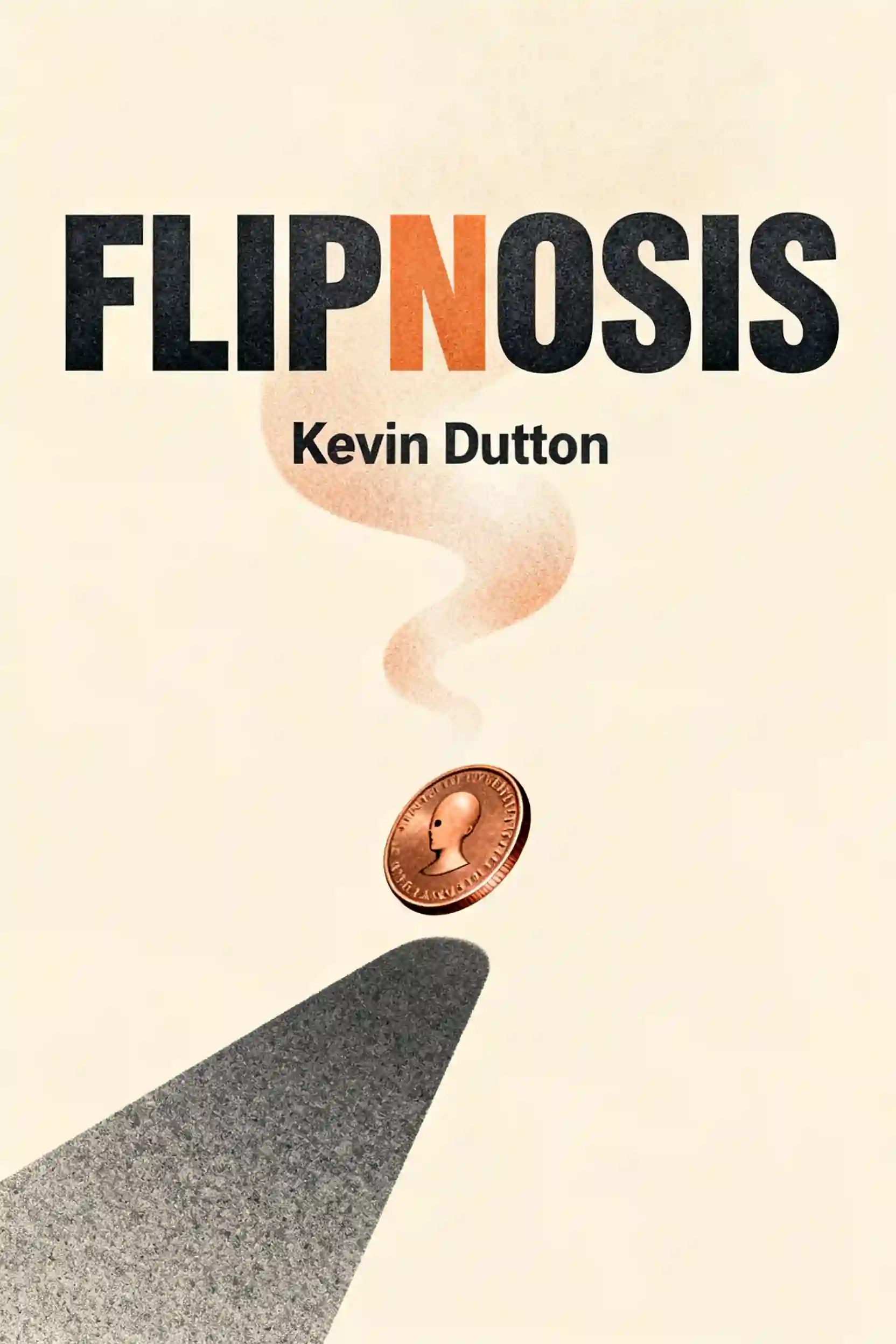
    Flipnosis
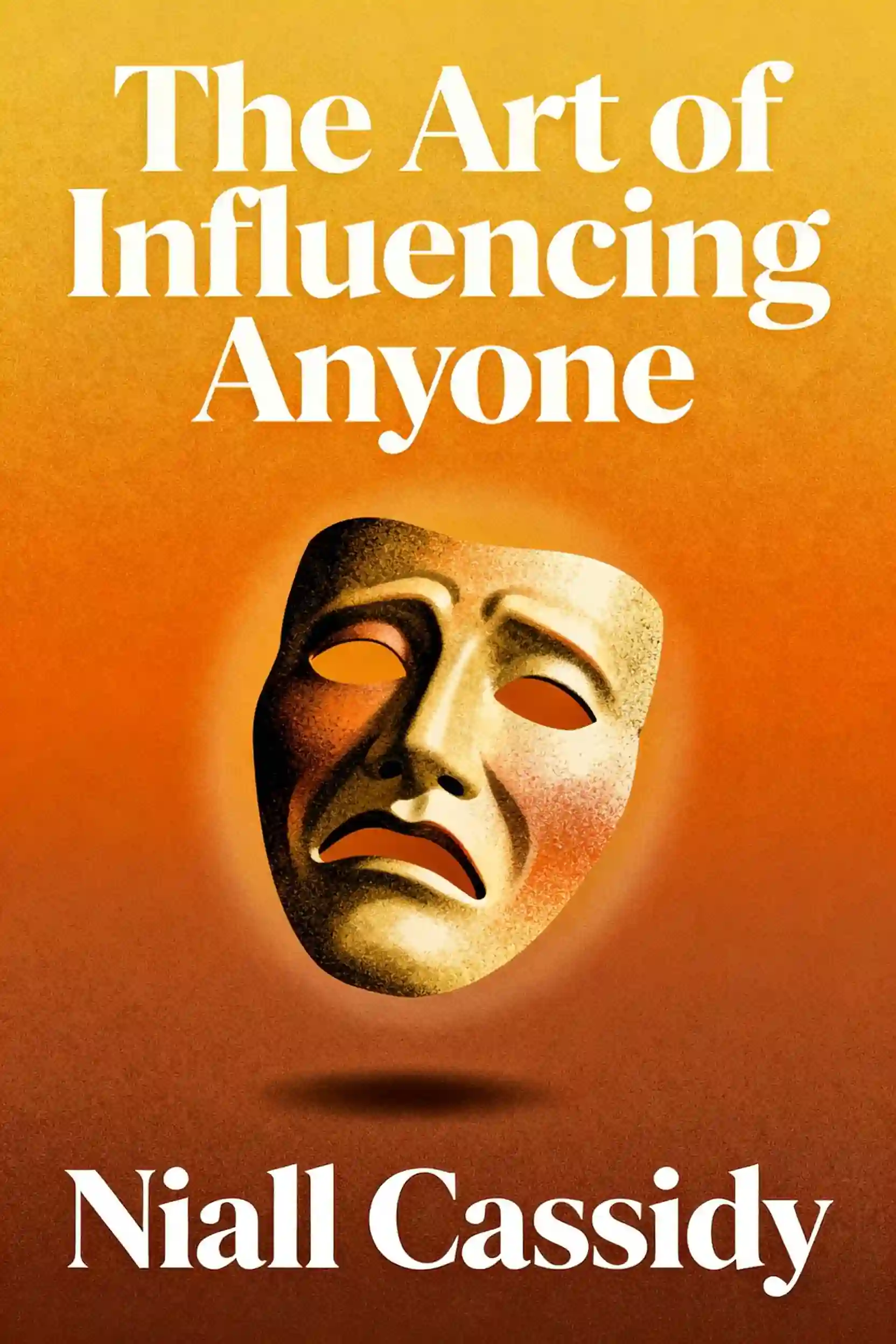
    The Art of Influencing Anyone
    Yes!
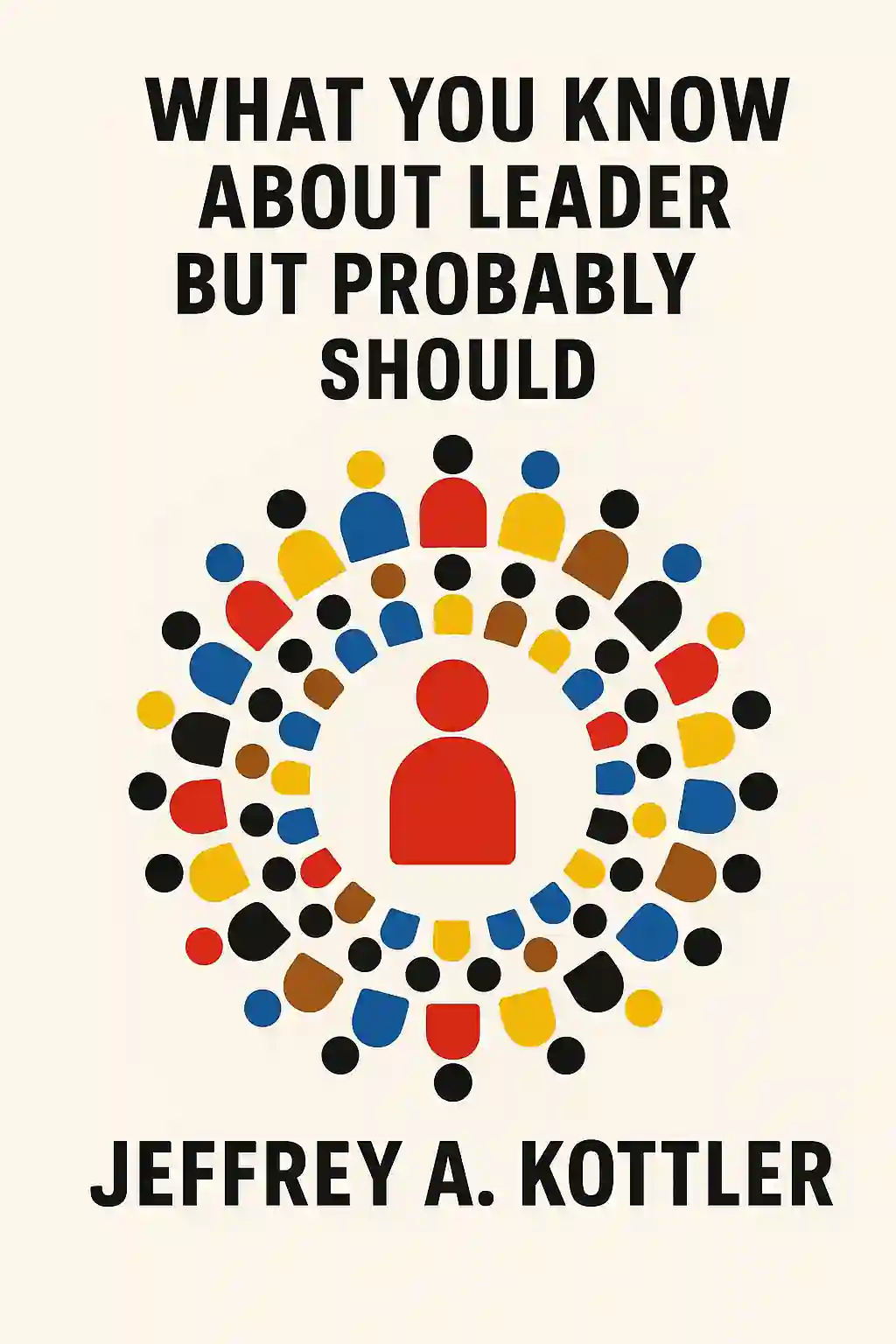
    What You Don't Know about Leadership, But Probably Should
    Say What They Can't Unhear

    From Columbia University alumni | built in San Francisco

    BeFreed Brings Together A Global Community Of Curious Minds

    4.7

    avg rating

    7.84k+ App Rating

    BeFreed Community

    Seriously I haven’t even explored this app fully yet but from using it the last few days I am so impressed... BeFreed is on a different level from any other learning app I have used. This makes it ultra engaging and can actually improve your concentration which is great for all the doom scrollers!

    @ladyInfinity

    I bought BeFreed exactly 23 days ago, and I have used it every single day since. It has completely embedded itself into my daily workflow and learning habit.

    @jayallen

    The truth is, the app has exceeded all my expectations. I can ask it to generate audio on any topic, whatever it may be, and the result is impressive. My professional field is a specialization in psychotherapy and it is multidisciplinary; however, the answers are very accurate.

    @Raguipa

    What I appreciate most is how much it's reduced my scrolling – I'm spending less time searching and more time absorbing information. The combination of full audiobooks, podcasts, the learning plans are brilliant.

    @colonyofcreatorsNGO

    I have been a PhotoReading Accelerated Learning Instructor for the past 24 years... books and reading and learning are my thing, and BeFreed has done a great job in providing an innovative approach to disseminating and delivering information in an easy to consume way.

    @BeFreed user

    It is not just a book summary app, I have used the 'fun reading' option and it's a much better summary and way to grasp ideas the traditional way, that alone is worth this deal.

    @austinakon

    I love this app. Used it for several days and I cannot stop listening. Such a great way to start.

    @jcrules328

    I really like the program; I have already tested it for around one month, and I feel that it's an amazing gem. It works so well because I can use BeFreed to create my own topics, and the voice is so good with unlimited choice of narrations.

    @DanielCZ

    Seriously I haven’t even explored this app fully yet but from using it the last few days I am so impressed... BeFreed is on a different level from any other learning app I have used. This makes it ultra engaging and can actually improve your concentration which is great for all the doom scrollers!

    @ladyInfinity

    I bought BeFreed exactly 23 days ago, and I have used it every single day since. It has completely embedded itself into my daily workflow and learning habit.

    @jayallen

    The truth is, the app has exceeded all my expectations. I can ask it to generate audio on any topic, whatever it may be, and the result is impressive. My professional field is a specialization in psychotherapy and it is multidisciplinary; however, the answers are very accurate.

    @Raguipa

    What I appreciate most is how much it's reduced my scrolling – I'm spending less time searching and more time absorbing information. The combination of full audiobooks, podcasts, the learning plans are brilliant.

    @colonyofcreatorsNGO

    I have been a PhotoReading Accelerated Learning Instructor for the past 24 years... books and reading and learning are my thing, and BeFreed has done a great job in providing an innovative approach to disseminating and delivering information in an easy to consume way.

    @BeFreed user

    It is not just a book summary app, I have used the 'fun reading' option and it's a much better summary and way to grasp ideas the traditional way, that alone is worth this deal.

    @austinakon

    I love this app. Used it for several days and I cannot stop listening. Such a great way to start.

    @jcrules328

    I really like the program; I have already tested it for around one month, and I feel that it's an amazing gem. It works so well because I can use BeFreed to create my own topics, and the voice is so good with unlimited choice of narrations.

    @DanielCZ

    I love the fact that I can get useful, condensed, information and ideas in a 8 - 15 minute podcast style audio. I'm not a general fan of podcasts because of all the fluff, but this cuts through all that.

    @BeFreed user

    I am finishing up my doctorate, and have to read a lot of unfamiliar material... With BeFreed, you simply enter a prompt, and the app finds source material for you and generates an audio podcast. I find the process in BeFreed to be more streamlined than NotebookLM.

    @Brad

    I often search YouTube for something to listen to whilst making breakfast, when I'm out walking, commuting, etc, and BeFreed has provided an even more targeted approach, without the adverts and the fluff!

    @BeFreed user

    The absolute best part about this platform is its versatility. There is literally no subject that is off-topic. It handles whatever you throw at it... It is rare to find an learning tool with zero limitations that actually delivers on its promises.

    @jayallen

    BeFreed is fantastic. The user-friendly design means I spend less time navigating and more time learning. The mix of audiobooks, podcasts, and learning plans is a genius combo that has completely changed my daily routine.

    @BeFreed user

    At the start I needed a while to understand how to create podcasts in italian language and boom! It is so great! I can ask to explain every argument and it does so well and so smartly!

    @matteo77

    BeFreed has become my daily app for audio books tools... What I like the most is the way you put your text and come with an audio that you can listen on the go.

    @kotanzu1

    I love the fact that I can get useful, condensed, information and ideas in a 8 - 15 minute podcast style audio. I'm not a general fan of podcasts because of all the fluff, but this cuts through all that.

    @BeFreed user

    I am finishing up my doctorate, and have to read a lot of unfamiliar material... With BeFreed, you simply enter a prompt, and the app finds source material for you and generates an audio podcast. I find the process in BeFreed to be more streamlined than NotebookLM.

    @Brad

    I often search YouTube for something to listen to whilst making breakfast, when I'm out walking, commuting, etc, and BeFreed has provided an even more targeted approach, without the adverts and the fluff!

    @BeFreed user

    The absolute best part about this platform is its versatility. There is literally no subject that is off-topic. It handles whatever you throw at it... It is rare to find an learning tool with zero limitations that actually delivers on its promises.

    @jayallen

    BeFreed is fantastic. The user-friendly design means I spend less time navigating and more time learning. The mix of audiobooks, podcasts, and learning plans is a genius combo that has completely changed my daily routine.

    @BeFreed user

    At the start I needed a while to understand how to create podcasts in italian language and boom! It is so great! I can ask to explain every argument and it does so well and so smartly!

    @matteo77

    BeFreed has become my daily app for audio books tools... What I like the most is the way you put your text and come with an audio that you can listen on the go.

    @kotanzu1

    See more on how BeFreed is discussed
    129.7K19.5K
    55.2K19.2K
    154.2K10827355
    48.1K2.5K
    81.2K6.6K
    82.3K1.8K
    Start your learning journey, now
    BeFreed app
    BeFreed

    Learn Anything, Personalized

    DiscordLinkedIn
    Featured book summaries
    Crucial ConversationsThe Perfect MarriageInto the WildNever Split the DifferenceAttachedGood to GreatSay Nothing
    Trending categories
    Self HelpCommunication SkillRelationshipMindfulnessPhilosophyInspirationProductivity
    Celebrities' reading list
    Elon MuskCharlie KirkBill GatesSteve JobsAndrew HubermanJoe RoganJordan Peterson
    Award winning collection
    Pulitzer PrizeNational Book AwardGoodreads Choice AwardsNobel Prize in LiteratureNew York TimesCaldecott MedalNebula Award
    Featured Topics
    ManagementAmerican HistoryWarTradingStoicismAnxietySex
    Best books by Year
    2025 Best Non Fiction Books2024 Best Non Fiction Books2023 Best Non Fiction Books
    Featured authors
    Chimamanda Ngozi AdichieGeorge OrwellO. J. SimpsonBarbara O'NeillWinston ChurchillCharlie Kirk
    BeFreed vs other apps
    BeFreed vs. Other Book Summary AppsBeFreed vs. ElevenReaderBeFreed vs. ReadwiseBeFreed vs. Anki
    Learning tools
    Knowledge VisualizerAI Podcast Generator
    Information
    About Usarrow
    Pricingarrow
    FAQarrow
    Blogarrow
    Careerarrow
    Partnershipsarrow
    Ambassador Programarrow
    Directoryarrow
    BeFreed
    Try now
    © 2026 BeFreed
    Term of UsePrivacy Policy
    BeFreed

    Learn Anything, Personalized

    DiscordLinkedIn
    Featured book summaries
    Crucial ConversationsThe Perfect MarriageInto the WildNever Split the DifferenceAttachedGood to GreatSay Nothing
    Trending categories
    Self HelpCommunication SkillRelationshipMindfulnessPhilosophyInspirationProductivity
    Celebrities' reading list
    Elon MuskCharlie KirkBill GatesSteve JobsAndrew HubermanJoe RoganJordan Peterson
    Award winning collection
    Pulitzer PrizeNational Book AwardGoodreads Choice AwardsNobel Prize in LiteratureNew York TimesCaldecott MedalNebula Award
    Featured Topics
    ManagementAmerican HistoryWarTradingStoicismAnxietySex
    Best books by Year
    2025 Best Non Fiction Books2024 Best Non Fiction Books2023 Best Non Fiction Books
    Learning tools
    Knowledge VisualizerAI Podcast Generator
    Featured authors
    Chimamanda Ngozi AdichieGeorge OrwellO. J. SimpsonBarbara O'NeillWinston ChurchillCharlie Kirk
    BeFreed vs other apps
    BeFreed vs. Other Book Summary AppsBeFreed vs. ElevenReaderBeFreed vs. ReadwiseBeFreed vs. Anki
    Information
    About Usarrow
    Pricingarrow
    FAQarrow
    Blogarrow
    Careerarrow
    Partnershipsarrow
    Ambassador Programarrow
    Directoryarrow
    BeFreed
    Try now
    © 2026 BeFreed
    Term of UsePrivacy Policy

    More like this

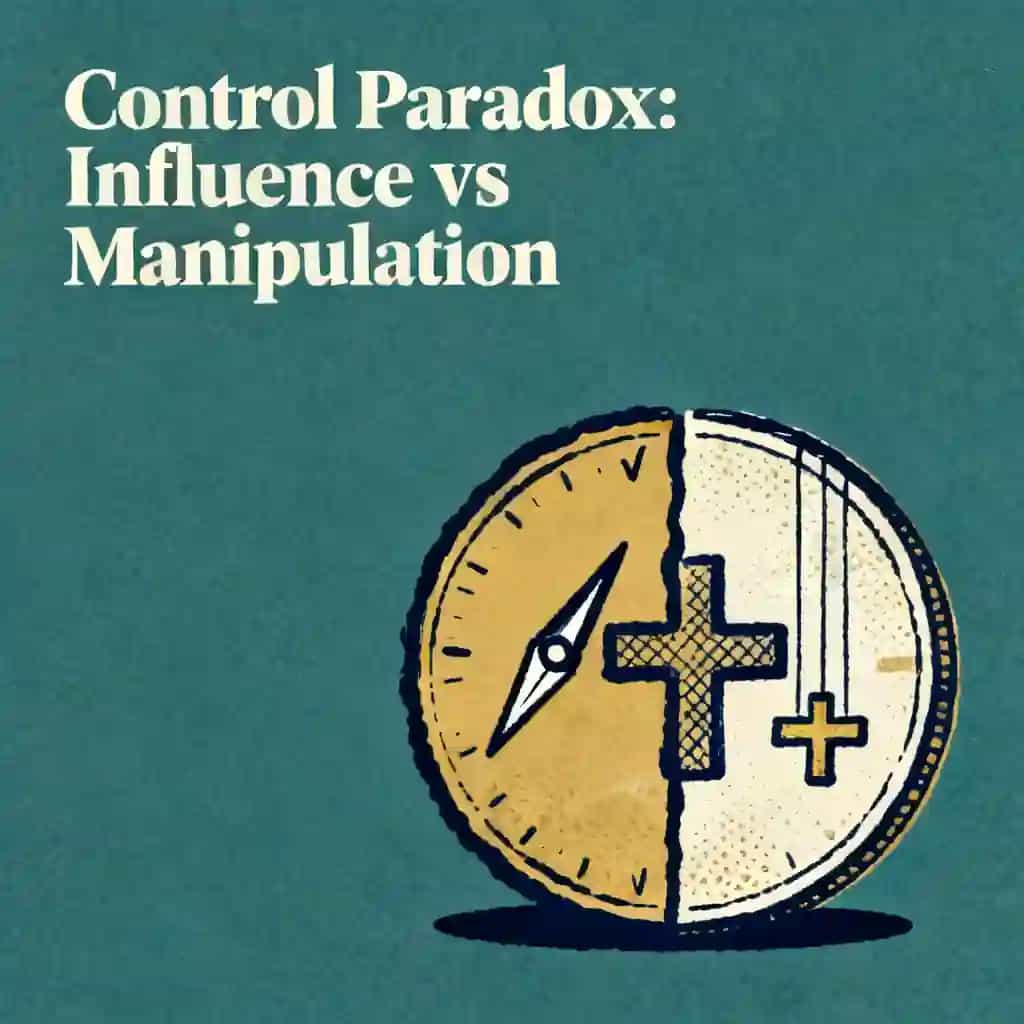
    The Control Paradox: True Influence vs Manipulation book cover
    Influence is Your SuperpowerInfluencerSay What They Can't UnhearWhat You Don't Know about Leadership, But Probably Should
    24 sources
    The Control Paradox: True Influence vs Manipulation
    Discover why trying to control people backfires and how genuine influence through curiosity, shared values, and ethical methods creates lasting impact and real persuasion power.
    29 min
    Authentic Charisma Without Losing Yourself book cover
    The Making of a LeaderLeading Without AuthorityCarrots and Sticks Don't Work
    3 sources
    Authentic Charisma Without Losing Yourself
    Discover how genuine magnetic leadership emerges not from performance or manipulation, but from respect, empowerment, and co-elevation. Learn to develop lasting influence by making others feel valued and successful rather than projecting an artificial persona.
    14 min
    Leadership Theory to Influence People at Work book cover
    source 1source 2source 3source 4
    6 sources
    Leadership Theory to Influence People at Work
    Discover how authentic leadership transforms workplace influence through psychology-backed strategies. Learn why real influence comes from understanding human motivation, not wielding power.
    9 min
    The Ethics of Influence book cover
    Influence is Your SuperpowerFlipnosisSay What They Can't UnhearThe Art of Influencing Anyone
    25 sources
    The Ethics of Influence
    Explore the crucial difference between ethical influence and manipulation, and how understanding psychology can build authentic connections rather than control others—a path that leads to more fulfilling relationships.
    14 min
    The Mindful Leader's Influence Paradox book cover
    True NorthSimple Truths of LeadershipExtraordinary Influence
    3 sources
    The Mindful Leader's Influence Paradox
    Discover how authentic leadership, servant leadership, and neuroscience create a powerful framework for leading with both effectiveness and integrity. Learn practical strategies to cultivate genuine influence while remaining authentically mindful.
    11 min
    The Magnetism of Authentic Leadership book cover
    The Social Skills GuidebookKnow ThyselfExtraordinary Influence
    3 sources
    The Magnetism of Authentic Leadership
    Discover how to develop genuine charismatic leadership through neuroscience-backed habits. Learn to build extraordinary influence using self-awareness, social intelligence, and strategic affirmation rather than manipulation.
    13 min
    The Ethics of Influence book cover
    Ethical Persuasion: Influence vs. ManipulationDark Psychology: Definition, Techniques, and MoreDark Psychology: Unveiling Hidden Human Behavior SecretsDark Triad: S-Tier Behavioral Designer's Guide | Yu-kai Chou
    5 sources
    The Ethics of Influence
    Discover the thin line between persuasion and manipulation. Learn to spot the tactics of dark psychology and build a defense against hidden control.
    23 min
    How to lead without the title book cover
    How to Lead When You're Not in ChargeThe 360 Degree LeaderHow To Lead Without A Title (5 Ways To Get Started)How to Lead Effectively When You Lack Authority
    7 sources
    How to lead without the title
    Stuck waiting for a promotion to take charge? Learn how to build influence and lead through connection before you ever get the official authority.
    1104 min

    Recommended Learning Plans

    Build Influence Without Formal Authority
    LEARNING PLAN

    Build Influence Without Formal Authority

    In today's matrix organizations and collaborative work environments, the ability to influence without formal authority has become an essential leadership skill. This learning plan helps professionals at any level develop the trust-building, communication, and relationship skills needed to drive results and lead change regardless of their position in the organizational chart.

    9 h 22 m•5 Sections
    Influence people effectively
    LEARNING PLAN

    Influence people effectively

    The ability to influence others effectively is essential for leaders, managers, sales professionals, and anyone who needs to drive change or gain buy-in. This learning plan combines timeless psychological principles with cutting-edge neuroscience to provide a comprehensive toolkit for ethical persuasion. Whether you're negotiating deals, leading teams, or building relationships, these skills will help you achieve your goals while maintaining authenticity and trust.

    4 h 20 m•4 Sections
    Lead Without Permission
    LEARNING PLAN

    Lead Without Permission

    In modern organizations, the ability to drive results often depends on influence rather than formal hierarchy. This plan is essential for emerging leaders and individual contributors who need to mobilize teams, align strategy, and manage upward to achieve organizational goals.

    1 h 24 m•4 Sections
    Influence and Persuasion at Work
    LEARNING PLAN

    Influence and Persuasion at Work

    In today's flat organizational structures, the ability to lead without formal authority is a critical career differentiator. This plan is ideal for professionals looking to command respect, handle executive-level pressure, and navigate office politics with integrity.

    40 m•4 Sections
    Master Gradual Influence & Build Trust
    LEARNING PLAN

    Master Gradual Influence & Build Trust

    In an era where authority is earned rather than assigned, mastering ethical persuasion is essential for impactful leadership. This plan is designed for emerging leaders and professionals who want to build lasting professional relationships through psychological insight and authentic communication.

    4 h 41 m•4 Sections
    Strategic Influence and High-Stakes Leadership
    LEARNING PLAN

    Strategic Influence and High-Stakes Leadership

    In high-stakes environments, technical skill is secondary to the ability to command authority and drive action. This plan is designed for rising executives and leaders who need to master the psychological and strategic nuances of power to influence stakeholders and secure results.

    1 h 30 m•3 Sections
    To manipulate others
    LEARNING PLAN

    To manipulate others

    This plan is essential for leaders and professionals who need to navigate complex social hierarchies and master the art of persuasion. It provides a comprehensive toolkit for understanding human motivation and protecting oneself from covert influence.

    5 h 5 m•4 Sections
    The Author's Guide to Covert Influence
    LEARNING PLAN

    The Author's Guide to Covert Influence

    This plan is essential for leaders, negotiators, and writers who need to master the invisible mechanics of persuasion. It provides a sophisticated toolkit for anyone looking to command authority and shift perspectives through advanced psychological and linguistic strategies.

    1 h 30 m•3 Sections