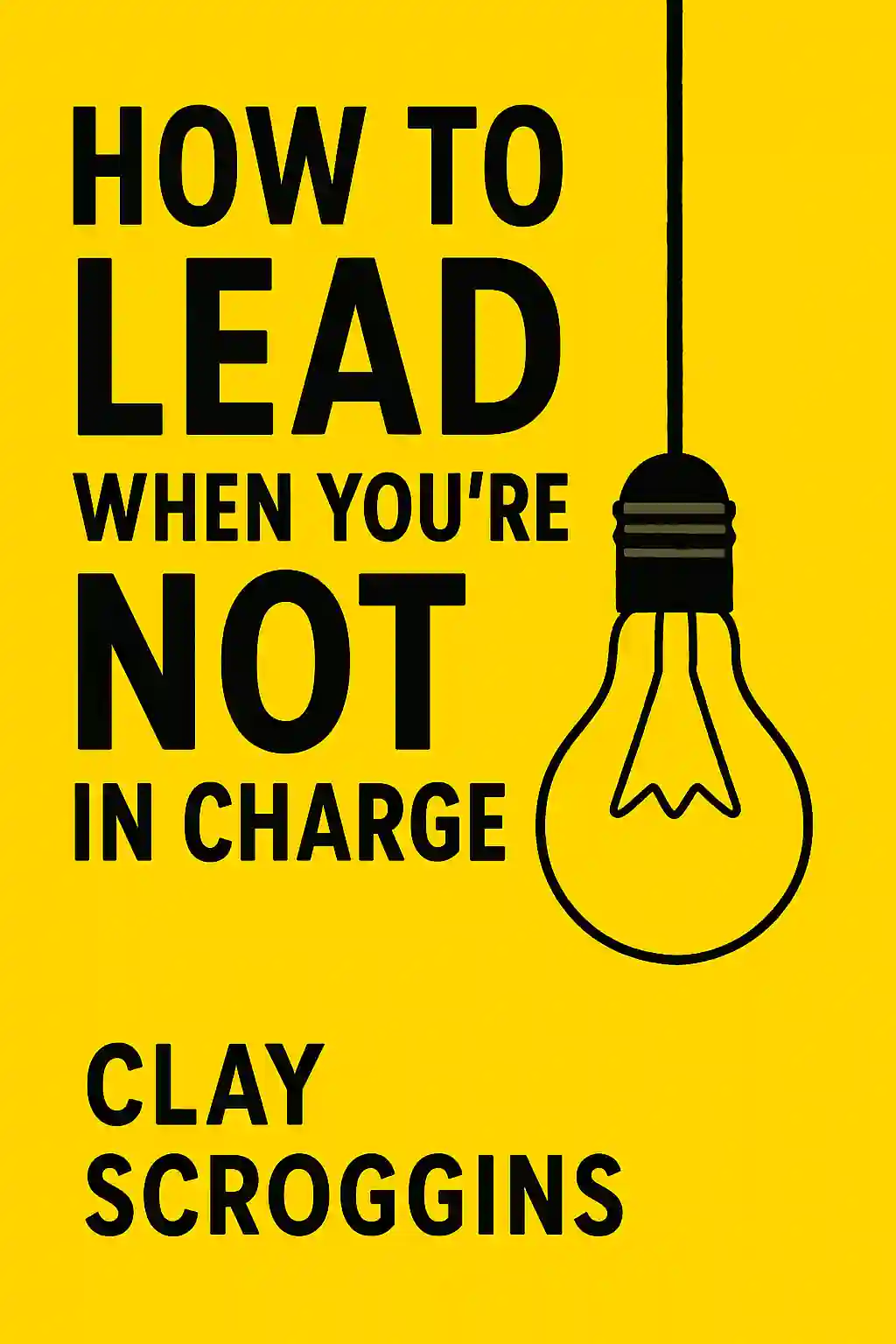
How to lead without the title
Stuck waiting for a promotion to take charge? Learn how to build influence and lead through connection before you ever get the official authority.

Best quote from How to lead without the title
Leading without a title is basically a free trial run for the real thing. The promotion should be a reflection of the influence you’ve already built, not a prerequisite for it.
Generated with BeFreed
How to lead without the title






Frequently Asked Questions
Leading without a title is described as a career hack or a free trial because it allows you to develop essential leadership skills and test your ability to move a group toward a goal without the high-stakes pressure of formal accountability. It is an opportunity to build influence and a following before you actually have the authority. If you can successfully get people to follow you when they aren't required to by a hierarchy, you will be much more effective once you eventually step into a formal management role.
Position power is a traditional form of authority derived from a job title, where people comply with instructions because a manager has the power to sign performance reviews or mandate tasks. Personal power, however, is an "invisible currency" built on expertise, relationships, and trust. While personal power is slower to build and more fragile than a title, it is more durable because it stays with the individual even if they change companies, whereas position power is left behind with the job.
To avoid looking like you are simply grabbing for power, you should shift from being a manager who assigns tasks to a collaborator who offers relevance and credibility. This involves doing "the legwork" by being the most prepared person in the room, staying emotionally composed during crises, and speaking in terms of outcomes rather than just opinions. Instead of telling people what to do, you act as a "wingman" who supports the team's mission and anticipates the needs of those in charge, making yourself indispensable.
Stewardship is the act of taking responsibility for the environment and the people around you, regardless of your official job description. It is the shift from acting like a "tenant" who waits for a landlord to fix problems to acting like a "co-owner" who proactively addresses issues because they care about the outcome. Examples include fixing a broken onboarding process or ensuring a marginalized team is included in important conversations. This "generative risk" models the behavior you want to see and invites others to care as well.
Building connections across different departments—often called "weak ties"—allows you to understand how the entire business connects, such as how HR policies impact manufacturing. By becoming a "bridge" or a "hub" between silos, you can identify structural gaps that others miss. Strategic networking also involves the principle of reciprocity; by introducing colleagues to one another or amplifying others' ideas, you build social capital and loyalty, which eventually makes you central to the organization's success.
From Columbia University alumni built in San Francisco
"Instead of endless scrolling, I just hit play on BeFreed. It saves me so much time."


"I never knew where to start with nonfiction—BeFreed’s book lists turned into podcasts gave me a clear path."


"Perfect balance between learning and entertainment. Finished ‘Thinking, Fast and Slow’ on my commute this week."
"Crazy how much I learned while walking the dog. BeFreed = small habits → big gains."
"Reading used to feel like a chore. Now it’s just part of my lifestyle."

"Feels effortless compared to reading. I’ve finished 6 books this month already."
"BeFreed turned my guilty doomscrolling into something that feels productive and inspiring."

"BeFreed turned my commute into learning time. 20-min podcasts are perfect for finishing books I never had time for."
"BeFreed replaced my podcast queue. Imagine Spotify for books — that’s it. 🙌"

"It is great for me to learn something from the book without reading it."
"The themed book list podcasts help me connect ideas across authors—like a guided audio journey."
"Makes me feel smarter every time before going to work"
From Columbia University alumni built in San Francisco
"Instead of endless scrolling, I just hit play on BeFreed. It saves me so much time."
"I never knew where to start with nonfiction—BeFreed’s book lists turned into podcasts gave me a clear path."
"Perfect balance between learning and entertainment. Finished ‘Thinking, Fast and Slow’ on my commute this week."
"Crazy how much I learned while walking the dog. BeFreed = small habits → big gains."
"Reading used to feel like a chore. Now it’s just part of my lifestyle."
"Feels effortless compared to reading. I’ve finished 6 books this month already."
"BeFreed turned my guilty doomscrolling into something that feels productive and inspiring."
"BeFreed turned my commute into learning time. 20-min podcasts are perfect for finishing books I never had time for."
"BeFreed replaced my podcast queue. Imagine Spotify for books — that’s it. 🙌"
"It is great for me to learn something from the book without reading it."
"The themed book list podcasts help me connect ideas across authors—like a guided audio journey."
"Makes me feel smarter every time before going to work"
"Instead of endless scrolling, I just hit play on BeFreed. It saves me so much time."
"I never knew where to start with nonfiction—BeFreed’s book lists turned into podcasts gave me a clear path."
"Perfect balance between learning and entertainment. Finished ‘Thinking, Fast and Slow’ on my commute this week."
"Crazy how much I learned while walking the dog. BeFreed = small habits → big gains."
"Reading used to feel like a chore. Now it’s just part of my lifestyle."
"Feels effortless compared to reading. I’ve finished 6 books this month already."
"BeFreed turned my guilty doomscrolling into something that feels productive and inspiring."
"BeFreed turned my commute into learning time. 20-min podcasts are perfect for finishing books I never had time for."
"BeFreed replaced my podcast queue. Imagine Spotify for books — that’s it. 🙌"
"It is great for me to learn something from the book without reading it."
"The themed book list podcasts help me connect ideas across authors—like a guided audio journey."
"Makes me feel smarter every time before going to work"
"Instead of endless scrolling, I just hit play on BeFreed. It saves me so much time."
"I never knew where to start with nonfiction—BeFreed’s book lists turned into podcasts gave me a clear path."
"Perfect balance between learning and entertainment. Finished ‘Thinking, Fast and Slow’ on my commute this week."
"Crazy how much I learned while walking the dog. BeFreed = small habits → big gains."
"Reading used to feel like a chore. Now it’s just part of my lifestyle."
"Feels effortless compared to reading. I’ve finished 6 books this month already."
"BeFreed turned my guilty doomscrolling into something that feels productive and inspiring."
"BeFreed turned my commute into learning time. 20-min podcasts are perfect for finishing books I never had time for."
"BeFreed replaced my podcast queue. Imagine Spotify for books — that’s it. 🙌"
"It is great for me to learn something from the book without reading it."
"The themed book list podcasts help me connect ideas across authors—like a guided audio journey."
"Makes me feel smarter every time before going to work"