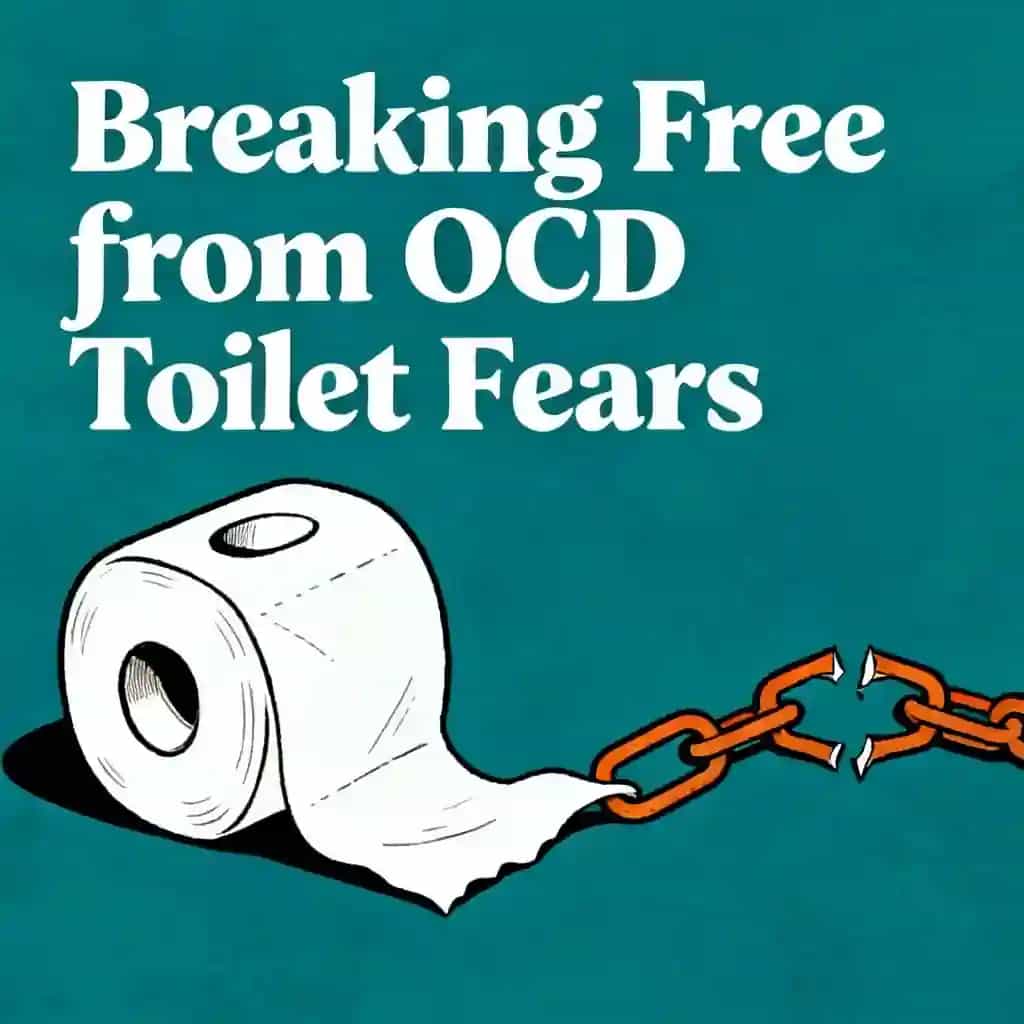
From Demons to Diagnosis: OCD's Journey
Explore the fascinating evolution of OCD treatment, from ancient religious interpretations and bloodletting to modern neurobiological understanding and effective therapies.

Best quote from From Demons to Diagnosis: OCD's Journey
We've gone from thinking it was demonic possession to literally watching the brain circuits in action. The brain keeps sending 'something's wrong' signals even when everything is fine, but successful treatment actually changes the brain activity in these regions.

This audio lesson was created by a BeFreed community member
The History of OCD and Mental Health treatment.

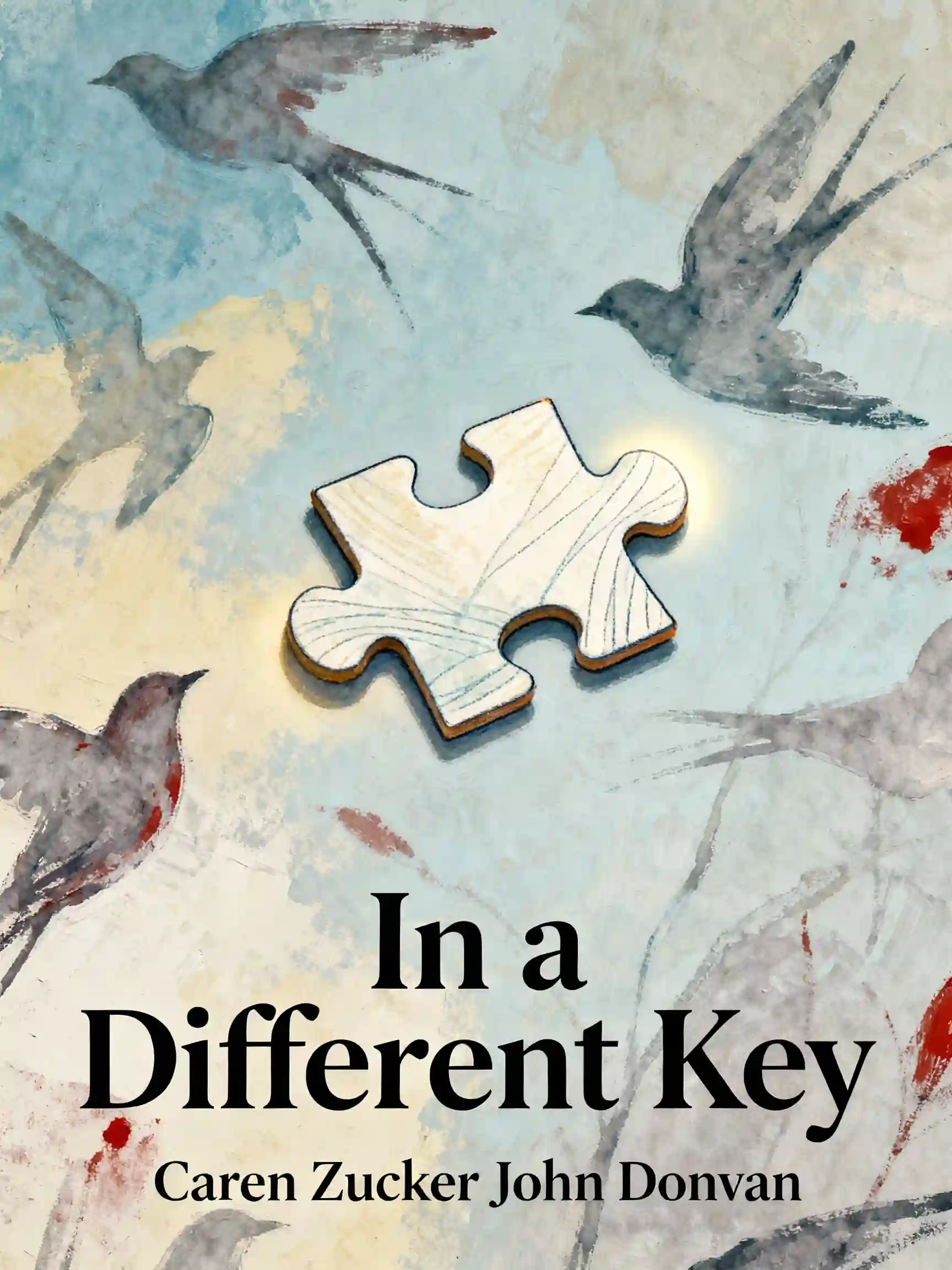
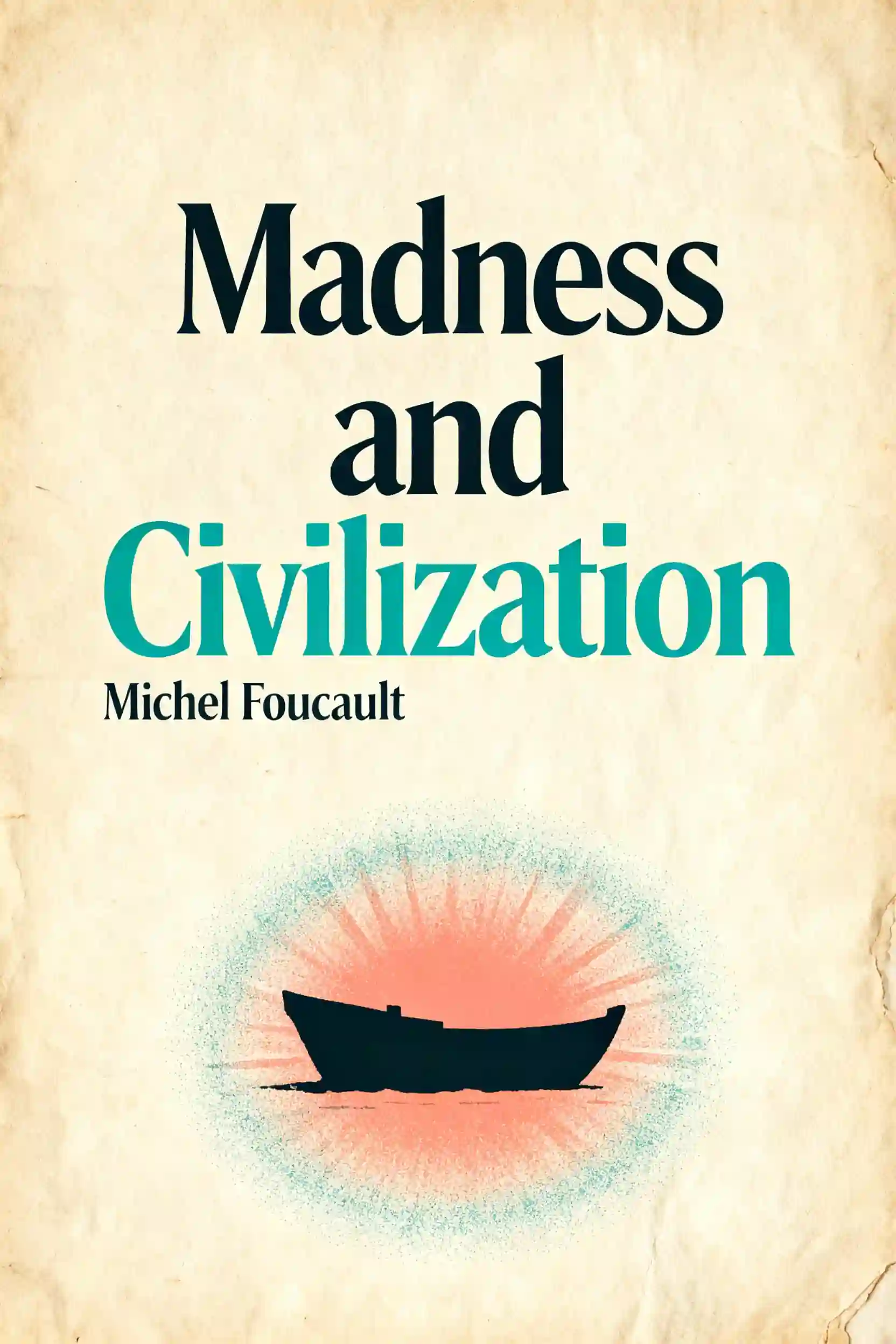
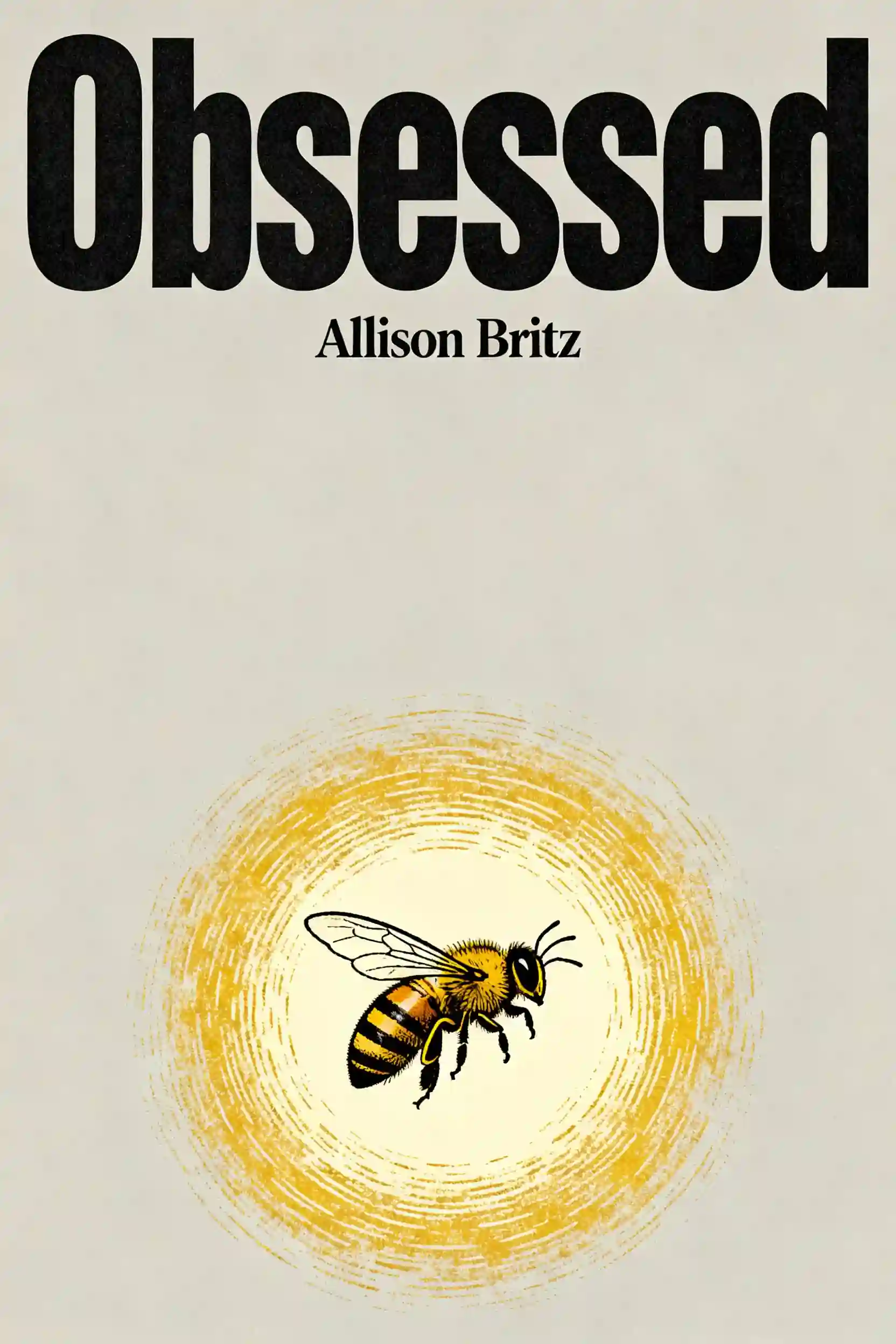
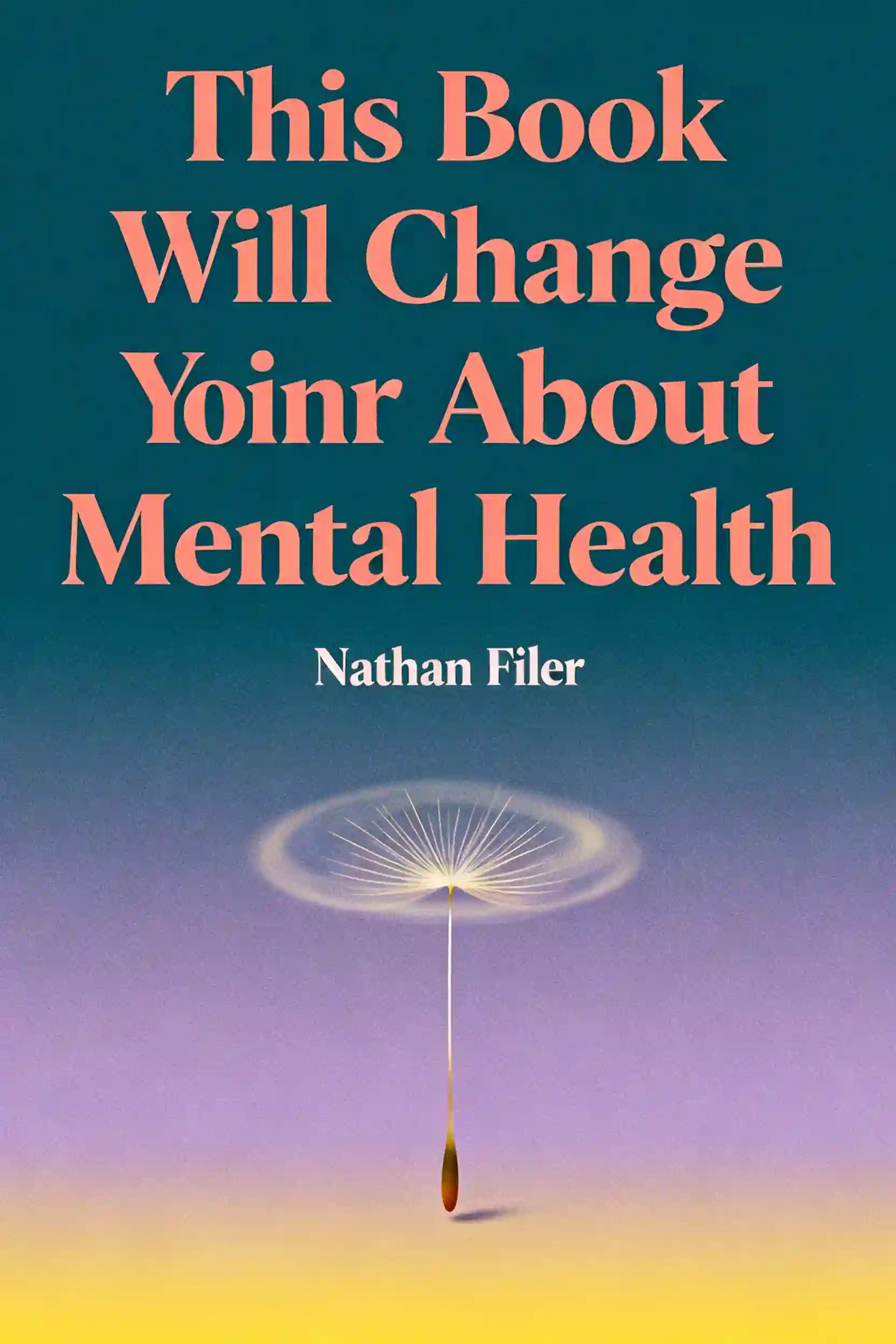
Discover more

Heal attachment & OCD for better bonds
This learning plan is designed for individuals who struggle with anxiety, OCD, or insecure attachment patterns that interfere with romantic relationships and personal happiness. It combines clinical psychology, attachment theory, and mindfulness practices to address both individual mental health and relationship dynamics. Whether you're experiencing relationship difficulties, managing intrusive thoughts, or seeking to break cycles from past relationships, this integrated approach provides tools for both personal healing and building secure, fulfilling partnerships.

Why people become obsessed with with someone
This course is essential for anyone struggling with repetitive, intense relationship cycles or those seeking to understand the biological roots of infatuation. It provides a roadmap for individuals looking to transition from anxious, obsessive attachments to secure and emotionally stable connections.
Reduce my cleaning obsession
Cleaning obsessions can significantly impact quality of life, consuming excessive time and causing anxiety when environments aren't 'perfect.' This learning plan helps those struggling with perfectionism and obsessive cleaning to develop healthier relationships with their spaces while reclaiming time and mental energy for other priorities.

Finding Hope in an Unquiet Mind
This plan is essential for individuals navigating mood disorders and those seeking to understand the science of brain health. It offers a compassionate, evidence-based roadmap for anyone looking to transform clinical knowledge into a sustainable, lived recovery.

The Psychotherapy Career Explorer
This guide provides a holistic overview of the mental health field, bridging the gap between abstract theory and professional practice. It is ideal for students, career changers, or curious learners who want to understand the scientific and practical foundations of becoming a therapist.
Modern Clinical Practice: Beyond Foundational Theory
This learning plan is designed for healthcare practitioners looking to modernize their approach by integrating neurobiology and technology. It provides the tools necessary to move beyond standard protocols into a more precise, data-informed era of patient care.

Solomonic Goetic demonology
This learning plan provides essential knowledge for serious students of Western ceremonial magic, occult history, and comparative religion who seek to understand one of the most influential magical traditions in European esotericism. It benefits scholars, practitioners, and researchers interested in medieval grimoire traditions, the history of demonology, and the intersection of Jewish, Christian, and hermetic magical systems.
The Sociology of Morbid Curiosity
This learning plan provides a critical lens into the darker corners of digital social behavior and the collapse of traditional narratives. It is essential for sociologists, digital strategists, and cultural critics seeking to understand why modern audiences are drawn to transgression and chaos.
From Columbia University alumni built in San Francisco
"Instead of endless scrolling, I just hit play on BeFreed. It saves me so much time."


"I never knew where to start with nonfiction—BeFreed’s book lists turned into podcasts gave me a clear path."


"Perfect balance between learning and entertainment. Finished ‘Thinking, Fast and Slow’ on my commute this week."
"Crazy how much I learned while walking the dog. BeFreed = small habits → big gains."
"Reading used to feel like a chore. Now it’s just part of my lifestyle."

"Feels effortless compared to reading. I’ve finished 6 books this month already."
"BeFreed turned my guilty doomscrolling into something that feels productive and inspiring."

"BeFreed turned my commute into learning time. 20-min podcasts are perfect for finishing books I never had time for."
"BeFreed replaced my podcast queue. Imagine Spotify for books — that’s it. 🙌"

"It is great for me to learn something from the book without reading it."
"The themed book list podcasts help me connect ideas across authors—like a guided audio journey."
"Makes me feel smarter every time before going to work"
From Columbia University alumni built in San Francisco
"Instead of endless scrolling, I just hit play on BeFreed. It saves me so much time."
"I never knew where to start with nonfiction—BeFreed’s book lists turned into podcasts gave me a clear path."
"Perfect balance between learning and entertainment. Finished ‘Thinking, Fast and Slow’ on my commute this week."
"Crazy how much I learned while walking the dog. BeFreed = small habits → big gains."
"Reading used to feel like a chore. Now it’s just part of my lifestyle."
"Feels effortless compared to reading. I’ve finished 6 books this month already."
"BeFreed turned my guilty doomscrolling into something that feels productive and inspiring."
"BeFreed turned my commute into learning time. 20-min podcasts are perfect for finishing books I never had time for."
"BeFreed replaced my podcast queue. Imagine Spotify for books — that’s it. 🙌"
"It is great for me to learn something from the book without reading it."
"The themed book list podcasts help me connect ideas across authors—like a guided audio journey."
"Makes me feel smarter every time before going to work"
"Instead of endless scrolling, I just hit play on BeFreed. It saves me so much time."
"I never knew where to start with nonfiction—BeFreed’s book lists turned into podcasts gave me a clear path."
"Perfect balance between learning and entertainment. Finished ‘Thinking, Fast and Slow’ on my commute this week."
"Crazy how much I learned while walking the dog. BeFreed = small habits → big gains."
"Reading used to feel like a chore. Now it’s just part of my lifestyle."
"Feels effortless compared to reading. I’ve finished 6 books this month already."
"BeFreed turned my guilty doomscrolling into something that feels productive and inspiring."
"BeFreed turned my commute into learning time. 20-min podcasts are perfect for finishing books I never had time for."
"BeFreed replaced my podcast queue. Imagine Spotify for books — that’s it. 🙌"
"It is great for me to learn something from the book without reading it."
"The themed book list podcasts help me connect ideas across authors—like a guided audio journey."
"Makes me feel smarter every time before going to work"
"Instead of endless scrolling, I just hit play on BeFreed. It saves me so much time."
"I never knew where to start with nonfiction—BeFreed’s book lists turned into podcasts gave me a clear path."
"Perfect balance between learning and entertainment. Finished ‘Thinking, Fast and Slow’ on my commute this week."
"Crazy how much I learned while walking the dog. BeFreed = small habits → big gains."
"Reading used to feel like a chore. Now it’s just part of my lifestyle."
"Feels effortless compared to reading. I’ve finished 6 books this month already."
"BeFreed turned my guilty doomscrolling into something that feels productive and inspiring."
"BeFreed turned my commute into learning time. 20-min podcasts are perfect for finishing books I never had time for."
"BeFreed replaced my podcast queue. Imagine Spotify for books — that’s it. 🙌"
"It is great for me to learn something from the book without reading it."
"The themed book list podcasts help me connect ideas across authors—like a guided audio journey."
"Makes me feel smarter every time before going to work"