Dunkle Psychologie: Die unsichtbaren Fäden der Manipulation
Warum manipulieren Menschen andere und wie erkennt man die subtilen Netze der Kontrolle? Lena und Miles entschlüsseln die Mechanismen der Dark Triad und zeigen Wege aus der emotionalen Abhängigkeit.

Best quote from Dunkle Psychologie: Die unsichtbaren Fäden der Manipulation
Dunkle Psychologie nutzt unsere soziale Intelligenz und unsere Empathie gegen uns. Der erste Schritt zur Befreiung ist, die Mechanismen zu durchschauen, denn die Manipulation verliert ihre Macht in dem Moment, in dem man die Hand des Puppenspielers sieht.
Generated by Sonny
dark psychology and manipulation

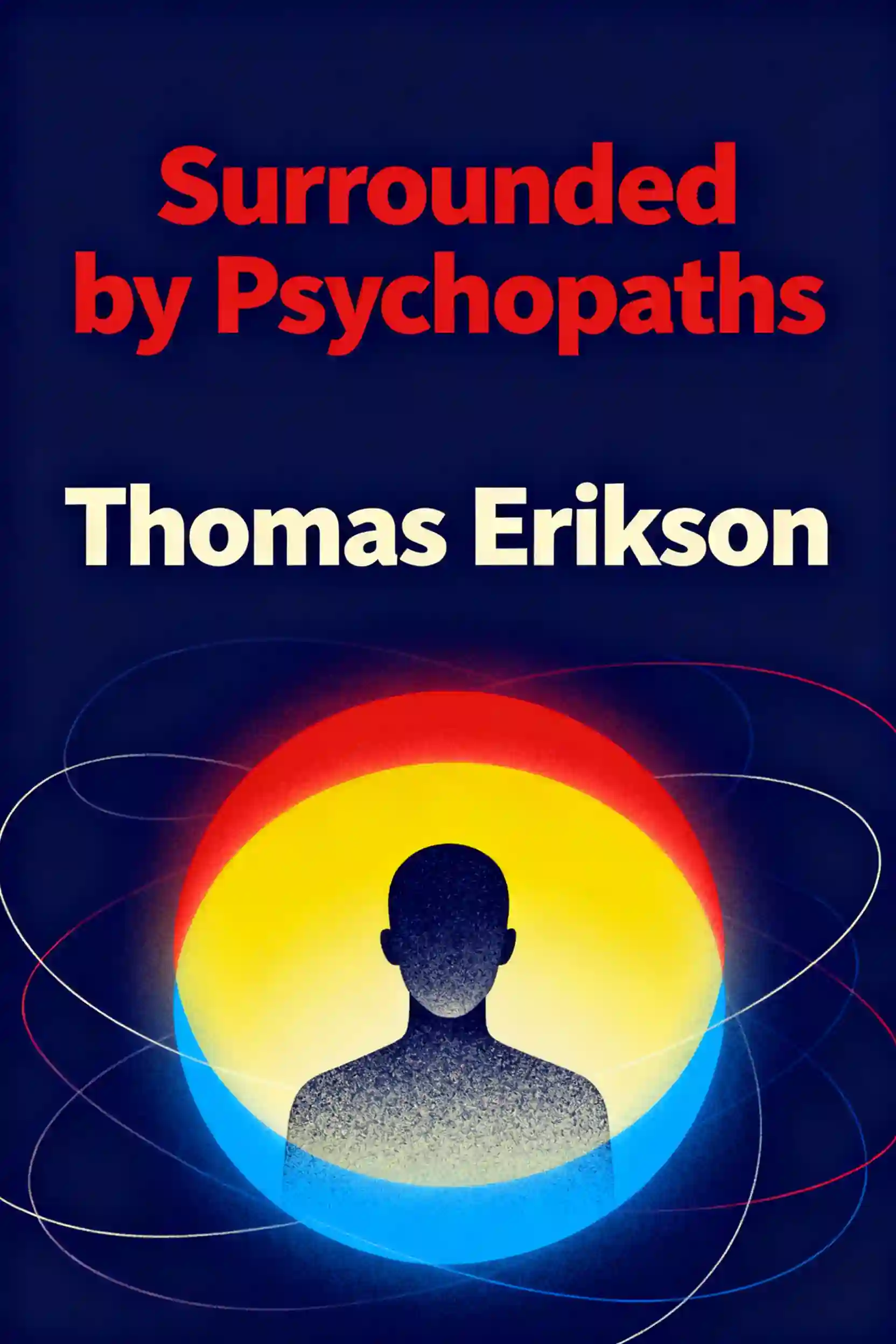
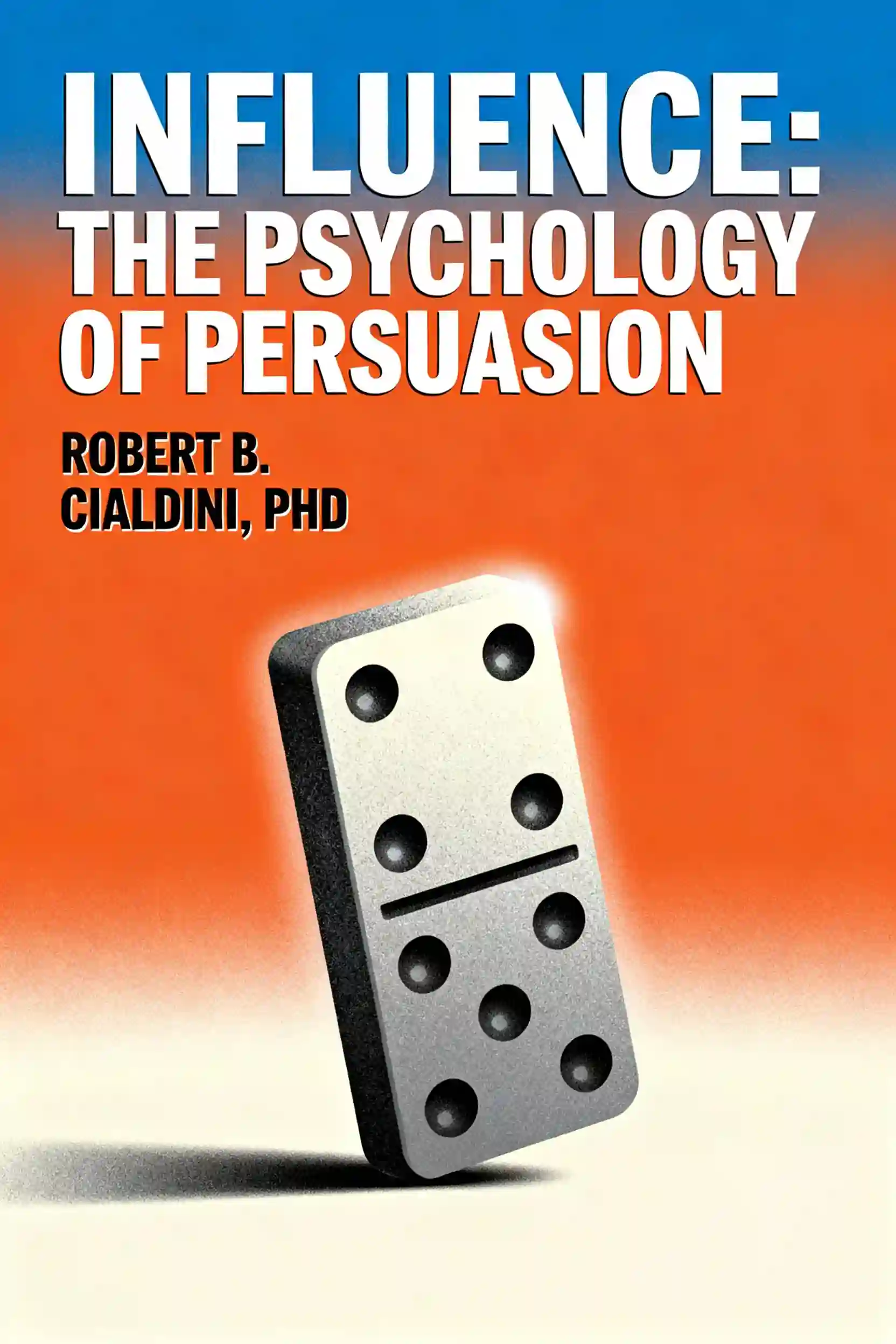
Frequently Asked Questions
The Dark Triad refers to a trio of malevolent personality traits: narcissism, Machiavellianism, and psychopathy. Narcissists manipulate others to gain admiration and compensate for fragile self-esteem, often using "blame shifting" to avoid responsibility. Machiavellians view life as a strategic chess game, treating people as tools or pawns to achieve their goals without empathy. Psychopaths often possess a superficial charm and can act cold-bloodedly without feeling guilt or remorse, making them highly effective at deceptive manipulation.
Gaslighting is a form of psychological abuse where a manipulator systematically feeds a victim false information to make them doubt their own memory and perception. It often starts with small things, like denying where a key was placed, and escalates to denying major emotional agreements. A key warning sign is feeling emotionally exhausted from trying to reconcile your reality with the manipulator's lies. If you find yourself constantly apologizing for things you didn't do or feeling like you are "losing your grip" on the truth, you may be experiencing gaslighting.
The silent treatment is used as a weapon to punish and control by withdrawing communication, making the victim feel worthless and desperate to apologize just to restore contact. Future faking is a tactic where the manipulator promises a wonderful future—such as a promotion or a dream home—to keep the victim compliant in the present. Both tactics create an emotional dependency: the silent treatment uses fear of abandonment, while future faking uses the victim's own hopes and dreams against them.
Humans are biologically wired for cooperation, trust, and empathy, which manipulators "hack" like a computer operating system. Techniques like "mirroring"—where the manipulator reflects the victim's desires back at them—create a false sense of soul-searching intimacy. Additionally, manipulators exploit cognitive biases like the "anchor effect" (setting extreme false accusations to make smaller lies stick) or "social proof" (claiming the whole group disagrees with the victim) to bypass rational thinking and trigger deep-seated social fears.
The first step is to stop reacting emotionally and start observing the manipulator's tactics like a researcher, which creates necessary emotional distance. It is crucial to break the silence by talking to trusted friends or professionals to gain an outside perspective on reality. Documenting incidents in writing can serve as a factual anchor when someone tries to distort the truth. Ultimately, because you cannot convince a manipulator to change, the most effective protection is often physical or emotional distance—effectively "stepping out of the water" rather than trying to negotiate with a shark.
From Columbia University alumni built in San Francisco
"Instead of endless scrolling, I just hit play on BeFreed. It saves me so much time."


"I never knew where to start with nonfiction—BeFreed’s book lists turned into podcasts gave me a clear path."


"Perfect balance between learning and entertainment. Finished ‘Thinking, Fast and Slow’ on my commute this week."
"Crazy how much I learned while walking the dog. BeFreed = small habits → big gains."
"Reading used to feel like a chore. Now it’s just part of my lifestyle."

"Feels effortless compared to reading. I’ve finished 6 books this month already."
"BeFreed turned my guilty doomscrolling into something that feels productive and inspiring."

"BeFreed turned my commute into learning time. 20-min podcasts are perfect for finishing books I never had time for."
"BeFreed replaced my podcast queue. Imagine Spotify for books — that’s it. 🙌"

"It is great for me to learn something from the book without reading it."
"The themed book list podcasts help me connect ideas across authors—like a guided audio journey."
"Makes me feel smarter every time before going to work"
From Columbia University alumni built in San Francisco
"Instead of endless scrolling, I just hit play on BeFreed. It saves me so much time."
"I never knew where to start with nonfiction—BeFreed’s book lists turned into podcasts gave me a clear path."
"Perfect balance between learning and entertainment. Finished ‘Thinking, Fast and Slow’ on my commute this week."
"Crazy how much I learned while walking the dog. BeFreed = small habits → big gains."
"Reading used to feel like a chore. Now it’s just part of my lifestyle."
"Feels effortless compared to reading. I’ve finished 6 books this month already."
"BeFreed turned my guilty doomscrolling into something that feels productive and inspiring."
"BeFreed turned my commute into learning time. 20-min podcasts are perfect for finishing books I never had time for."
"BeFreed replaced my podcast queue. Imagine Spotify for books — that’s it. 🙌"
"It is great for me to learn something from the book without reading it."
"The themed book list podcasts help me connect ideas across authors—like a guided audio journey."
"Makes me feel smarter every time before going to work"
"Instead of endless scrolling, I just hit play on BeFreed. It saves me so much time."
"I never knew where to start with nonfiction—BeFreed’s book lists turned into podcasts gave me a clear path."
"Perfect balance between learning and entertainment. Finished ‘Thinking, Fast and Slow’ on my commute this week."
"Crazy how much I learned while walking the dog. BeFreed = small habits → big gains."
"Reading used to feel like a chore. Now it’s just part of my lifestyle."
"Feels effortless compared to reading. I’ve finished 6 books this month already."
"BeFreed turned my guilty doomscrolling into something that feels productive and inspiring."
"BeFreed turned my commute into learning time. 20-min podcasts are perfect for finishing books I never had time for."
"BeFreed replaced my podcast queue. Imagine Spotify for books — that’s it. 🙌"
"It is great for me to learn something from the book without reading it."
"The themed book list podcasts help me connect ideas across authors—like a guided audio journey."
"Makes me feel smarter every time before going to work"
"Instead of endless scrolling, I just hit play on BeFreed. It saves me so much time."
"I never knew where to start with nonfiction—BeFreed’s book lists turned into podcasts gave me a clear path."
"Perfect balance between learning and entertainment. Finished ‘Thinking, Fast and Slow’ on my commute this week."
"Crazy how much I learned while walking the dog. BeFreed = small habits → big gains."
"Reading used to feel like a chore. Now it’s just part of my lifestyle."
"Feels effortless compared to reading. I’ve finished 6 books this month already."
"BeFreed turned my guilty doomscrolling into something that feels productive and inspiring."
"BeFreed turned my commute into learning time. 20-min podcasts are perfect for finishing books I never had time for."
"BeFreed replaced my podcast queue. Imagine Spotify for books — that’s it. 🙌"
"It is great for me to learn something from the book without reading it."
"The themed book list podcasts help me connect ideas across authors—like a guided audio journey."
"Makes me feel smarter every time before going to work"