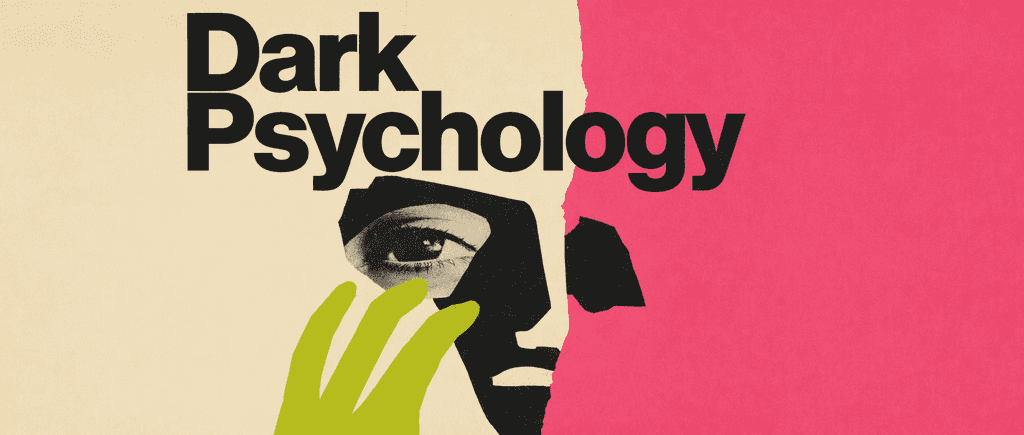
Dark Psychology: The Architecture of Manipulation
Explore the hidden tactics of the 'Dark Triad' and learn how narcissism, Machiavellianism, and psychopathy shape everything from marketing to personal relationships.

Best quote from Dark Psychology: The Architecture of Manipulation
The effectiveness of gaslighting lies in its invisibility. As long as the victim thinks the problem is 'in their head,' they won’t look for the person holding the matches.
Generated by Wizzy
Dark phycology

Frequently Asked Questions
The Dark Triad is a group of three distinct but overlapping personality traits: narcissism, Machiavellianism, and psychopathy. Narcissism is characterized by a pathological need for admiration and a sense of entitlement. Machiavellianism is tactical and cynical, viewing life as a chessboard where the ends always justify the means. Psychopathy is considered the darkest pillar, marked by high impulsivity, a lack of remorse, and diminished anticipatory anxiety. While distinct, all three share a core "D factor," which is a total lack of empathy and a willingness to exploit others for personal gain.
Gaslighting is an insidious tactic used to make a victim doubt their own sanity, memory, or perception of reality. It often begins with simple denials of facts and can escalate to "second-order gaslighting," where the manipulator challenges the victim's very ability to understand concepts or emotions. By destroying the victim’s "epistemic authority," the manipulator becomes the only perceived source of truth. This often involves a "narcissistic flip," where the manipulator portrays themselves as the victim when confronted, leaving the actual victim confused and apologetic.
These individuals are often highly charismatic and use "superficial charm" to gain trust and authority. Narcissistic confidence is frequently mistaken for competence, and Machiavellian individuals excel at office politics, strategic alliances, and taking credit for the work of others. Because they lack the "anticipatory anxiety" that limits most people, they are often willing to take high-stakes risks that can lead to short-term success. However, this success is usually unsustainable as they leave a trail of burned bridges and depleted colleagues in their wake.
Protection begins with awareness and trusting one's intuition; if a relationship feels "too good to be true" or moves too fast, it may be a red flag. Establishing firm boundaries and slowing down the pace of commitment can make a person a "harder target" for manipulators who seek easy prey. Techniques like "grey rocking"—making oneself as uninteresting and non-reactive as possible—can help when dealing with unavoidable manipulators like bosses. Finally, maintaining a strong external support system is vital to provide a reality check against tactics like isolation and gaslighting.
From Columbia University alumni built in San Francisco
"Instead of endless scrolling, I just hit play on BeFreed. It saves me so much time."


"I never knew where to start with nonfiction—BeFreed’s book lists turned into podcasts gave me a clear path."


"Perfect balance between learning and entertainment. Finished ‘Thinking, Fast and Slow’ on my commute this week."
"Crazy how much I learned while walking the dog. BeFreed = small habits → big gains."
"Reading used to feel like a chore. Now it’s just part of my lifestyle."

"Feels effortless compared to reading. I’ve finished 6 books this month already."
"BeFreed turned my guilty doomscrolling into something that feels productive and inspiring."

"BeFreed turned my commute into learning time. 20-min podcasts are perfect for finishing books I never had time for."
"BeFreed replaced my podcast queue. Imagine Spotify for books — that’s it. 🙌"

"It is great for me to learn something from the book without reading it."
"The themed book list podcasts help me connect ideas across authors—like a guided audio journey."
"Makes me feel smarter every time before going to work"
From Columbia University alumni built in San Francisco
"Instead of endless scrolling, I just hit play on BeFreed. It saves me so much time."
"I never knew where to start with nonfiction—BeFreed’s book lists turned into podcasts gave me a clear path."
"Perfect balance between learning and entertainment. Finished ‘Thinking, Fast and Slow’ on my commute this week."
"Crazy how much I learned while walking the dog. BeFreed = small habits → big gains."
"Reading used to feel like a chore. Now it’s just part of my lifestyle."
"Feels effortless compared to reading. I’ve finished 6 books this month already."
"BeFreed turned my guilty doomscrolling into something that feels productive and inspiring."
"BeFreed turned my commute into learning time. 20-min podcasts are perfect for finishing books I never had time for."
"BeFreed replaced my podcast queue. Imagine Spotify for books — that’s it. 🙌"
"It is great for me to learn something from the book without reading it."
"The themed book list podcasts help me connect ideas across authors—like a guided audio journey."
"Makes me feel smarter every time before going to work"
"Instead of endless scrolling, I just hit play on BeFreed. It saves me so much time."
"I never knew where to start with nonfiction—BeFreed’s book lists turned into podcasts gave me a clear path."
"Perfect balance between learning and entertainment. Finished ‘Thinking, Fast and Slow’ on my commute this week."
"Crazy how much I learned while walking the dog. BeFreed = small habits → big gains."
"Reading used to feel like a chore. Now it’s just part of my lifestyle."
"Feels effortless compared to reading. I’ve finished 6 books this month already."
"BeFreed turned my guilty doomscrolling into something that feels productive and inspiring."
"BeFreed turned my commute into learning time. 20-min podcasts are perfect for finishing books I never had time for."
"BeFreed replaced my podcast queue. Imagine Spotify for books — that’s it. 🙌"
"It is great for me to learn something from the book without reading it."
"The themed book list podcasts help me connect ideas across authors—like a guided audio journey."
"Makes me feel smarter every time before going to work"
"Instead of endless scrolling, I just hit play on BeFreed. It saves me so much time."
"I never knew where to start with nonfiction—BeFreed’s book lists turned into podcasts gave me a clear path."
"Perfect balance between learning and entertainment. Finished ‘Thinking, Fast and Slow’ on my commute this week."
"Crazy how much I learned while walking the dog. BeFreed = small habits → big gains."
"Reading used to feel like a chore. Now it’s just part of my lifestyle."
"Feels effortless compared to reading. I’ve finished 6 books this month already."
"BeFreed turned my guilty doomscrolling into something that feels productive and inspiring."
"BeFreed turned my commute into learning time. 20-min podcasts are perfect for finishing books I never had time for."
"BeFreed replaced my podcast queue. Imagine Spotify for books — that’s it. 🙌"
"It is great for me to learn something from the book without reading it."
"The themed book list podcasts help me connect ideas across authors—like a guided audio journey."
"Makes me feel smarter every time before going to work"