How to Detach with Love: Freedom Through Letting Go

How To Detach From People With Love: episode overview
This BeFreed audio guide explores the transformative practice of detaching with love. It focuses on the delicate balance between caring deeply for someone and stepping back from controlling their choices or absorbing their emotional states. Listeners will discover how to cultivate emotional freedom while maintaining authentic connections.
Create Your Podcast in a Click
Generated by Freedee_6C73E462
Input question
Make a podcast about how to detach from people and things
Host voices

What you'll learn about detaching with love
- 1
Opening & Welcome
 00:0000:00
Lena: Hey everyone, welcome to this special personalized episode from BeFreed! I'm Lena, and I'm genuinely excited to dive into today's topic with my co-host Eli. Eli: And I'm Eli! Thanks for having us explore this with you today. We're going to be talking about something that touches every single relationship in our lives-how to detach from people and things in a healthy, loving way. And honestly, this is one of those topics that sounds simple but can completely transform how you experience life. Lena: Right! And what I love about this conversation is that we're drawing from some incredible sources that approach detachment from different angles-everything from spiritual wisdom to practical psychology. This isn't about becoming cold or indifferent, but about finding that sweet spot where you can love deeply while staying emotionally free.
- 2
Understanding the Paradox of Detachment
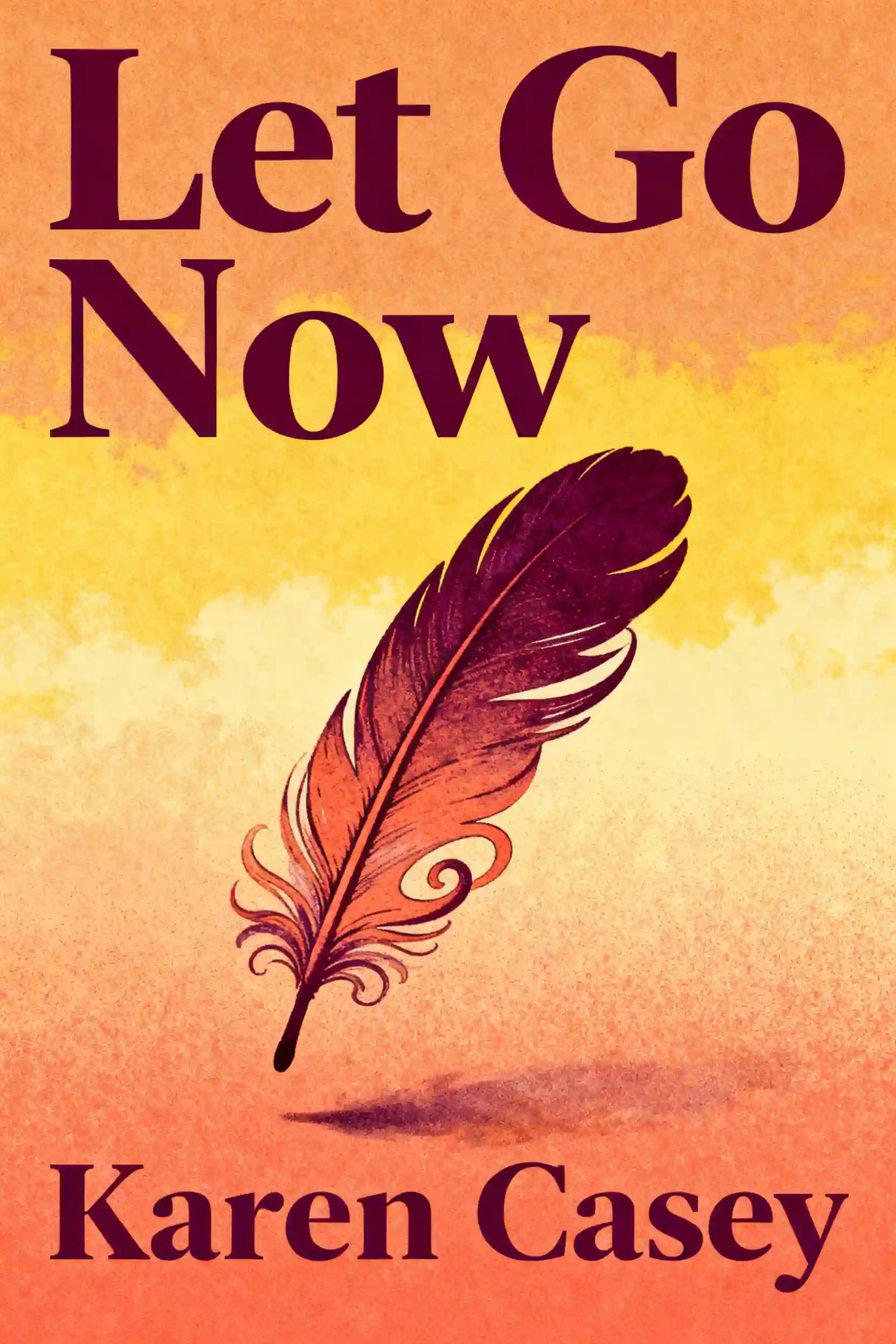
Eli: So let's start with what might seem like a contradiction, Lena. How can we both love someone deeply and detach from them completely? Because when most people hear "detachment," they think it means not caring. Lena: That's exactly the misconception we need to clear up! I was just reading about this in "Let Go Now" by Karen Casey, and she makes this beautiful point-detachment isn't coldness, it's actually the opposite. It's the purest form of love because it respects others' journeys while honoring your own. Eli: Yes! And here's what's fascinating-Casey talks about how we often say things like "He made me so angry!" But think about that for a second. Can anyone actually make us do anything? We control our reactions, right? Lena: Absolutely. And that's where the real power lies. When we forget that everyone has their own journey guided by something greater than us, our egos convince us that we're necessary influences in others' lives. But that misplaced responsibility becomes exhausting because we're trying to manage situations that were never ours to control. Eli: It's like trying to be the director of everyone else's movie while neglecting our own starring role! And you know what Casey says about this-detachment offers quiet contentment. Though choosing peace over being right seems simple, our daily encounters rarely reflect this choice. Lena: Right, and most of our unpeaceful moments involve trying to control what isn't ours or letting others' behavior determine our self-worth. There's this phrase Casey uses that I love: "be peaceful rather than right." Eli: That's powerful. And here's the thing that really hit me-Casey talks about how for decades, she "danced around" others' lives rather than leading her own. When we understand that we are our only project, we gain the freedom to live authentically.
- 3
Breaking Free from Control Patterns
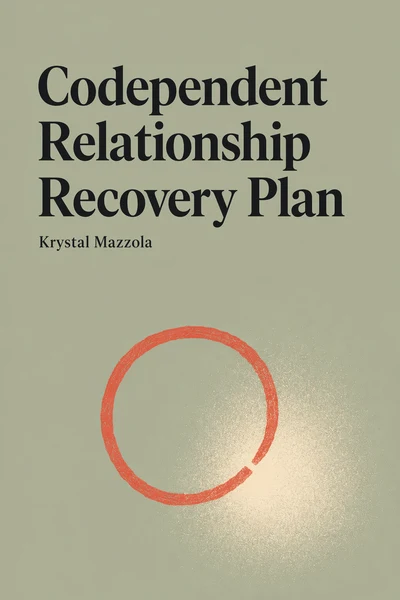
Lena: Speaking of control, there's something pretty shocking that Abby Medcalf points out in her work on loving detachment. She asks this question: Have you considered that obsession with another person might actually be hostage-taking? Eli: Whoa, that's intense. But when you think about it, it makes sense. While we typically think of hostages as prisoners of war, we can easily make loved ones hostages by controlling their moves, monitoring their activities, and demanding constant attention. Lena: Exactly! Our smothering creates an invisible prison that constrains their freedom. And this dynamic shows up everywhere-parents micromanaging adult children, partners demanding constant check-ins, friends guilting others into spending time together. Eli: And here's the irony-since every prisoner seeks freedom, this behavior never works. Our need to control actually stems from our own insecurity, from fear of abandonment or rejection. But both of those fears become reality when we focus obsessively on others rather than ourselves. Lena: That's such an important insight. And from "The Codependency Recovery Plan," we learn that this pattern often develops in high-stress family environments where emotional needs go unmet. Children learn that their worth depends entirely on meeting others' needs while ignoring their own. Eli: Right, and in those troubled families, people adopt these rigid roles. You've got the Enabler acting as a surrogate parent, the Hero becoming the family's golden child through people-pleasing, the Scapegoat absorbing family hostility-all these patterns that foster codependency. Lena: And what's really challenging is that breaking free from these roles triggers fears of worthlessness, abandonment, and guilt. But recovery means learning to detach and accept that our worth exists independently of what we do for others.
- Chapter 4
The Revolutionary Act of Letting Go
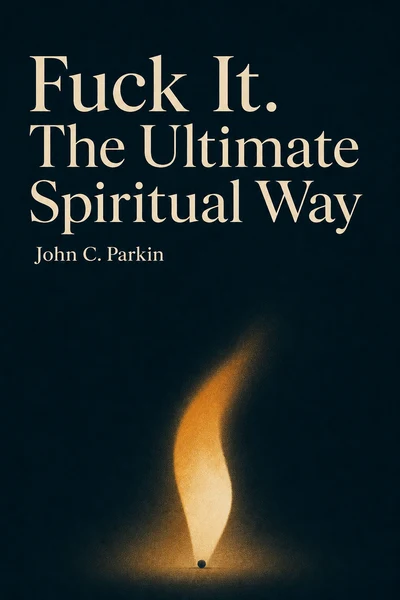
**Eli:** You know, there's something beautifully revolutionary about the "F**k It" philosophy that John Parkin writes about. He suggests that when you're overwhelmed by life's demands and want to throw your hands up and say "F**k It," that impulse isn't just a breakdown-it's actually profound spiritual wisdom. **Lena:** That's fascinating! So you're saying that this very Western, almost rebellious expression is actually tapping into ancient Eastern wisdom about releasing attachment? **Eli:** Exactly! Parkin points out that our suffering stems from the excessive meaning we attach to things. As children, we experience pure joy in simple pleasures-feeling rain on our faces, playing with cardboard boxes. But as we grow up, we accumulate meanings like barnacles on a ship, weighing us down and creating countless opportunities for disappointment. **Lena:** So when you say "F**k It" to something causing you pain, you're performing a profound spiritual act-releasing the grip of meaning and returning to a state of freedom. It's like Buddhist monks who spend decades learning to release attachments through meditation, but we've been sitting on this linguistic shortcut all along. **Eli:** Right! And what's brilliant is that profanity actually activates both brain hemispheres, creating an immediate neurological shift precisely when you need it most-when you're stuck in analytical overthinking. **Lena:** That's incredible. And Parkin talks about five techniques that enhance this effectiveness: relaxation, letting go, acceptance, watching impartially, and conscious breathing. It's not just about saying the words, but creating a whole practice around release. **Eli:** Absolutely. And here's what really gets me-he says the true opposite of love isn't hate, it's fear. We either embrace life with love or retreat from it in fear. When you accept pain and realize you're safe regardless of what you're feeling, fear begins to evaporate.
Chapter 5Understanding Your Motivations
**Lena:** This brings us to something really crucial that Abby Medcalf emphasizes-understanding your motives. She talks about how loving detachment comes from love-based emotions like compassion, openness, and kindness. But when we're not lovingly detached, it's coming from fear-based emotions like anxiety, guilt, and helplessness. **Eli:** That's such an important distinction. And she gives this really personal example about her 17-year-old son who doesn't take school seriously. She has to continually work on lovingly detaching from what he's doing, not because she stops parenting, but because she recognizes where her own anxiety and fear for his future are driving her thoughts and actions. **Lena:** Right, and when she gets caught in that fear-based response, she becomes controlling, frustrated, and angry, which results in less communication and more resistance from him. It actually worsens their relationship, which is the last thing he needs. **Eli:** And here's the kicker-she can trace all of this back to feeling like she's not doing enough as a parent, to her own insecurities. It's her own stuff that's driving the bus, not what's actually best for her son. **Lena:** This connects to something really profound from Casey's work-when we try to control others, we're effectively telling them that we don't believe in them. We're saying they can't make it on their own and need us. We're subtly undermining their ability to stand on their own. **Eli:** And here's the part that might be difficult to hear-we're often doing this on purpose, although unconsciously. We sometimes want others dependent on us to give our own lives worth and meaning or to assuage our own guilt. **Lena:** Wow, that's heavy but so important to recognize. Every time we step in to take care of someone else's life or choices, we deprive them of the opportunity to accomplish something and feel good about it.
Chapter 6The Art of Acceptance
**Eli:** So let's talk about acceptance, because this is where things get really challenging. Medcalf has this great exercise from Martha Beck that I think our listeners will find eye-opening. **Lena:** Oh, I love this exercise! You think of someone you love who's causing you to worry or feel anxious, angry, or sad. Then you identify what this person should do to make you happy using this sentence: "If [person] would only [action], then I could feel [emotion]." **Eli:** Right, and then-here's the brilliant part-you delete the first part of the sentence so it just reads: "I could feel [emotion]." And you realize that this is the only honest truth in the sentence. You have the power to feel that way no matter what anyone else says or does. **Lena:** That's so powerful because it shifts the focus back to where our actual power lies-in our own emotional responses. Learning to accept how and who people are, instead of constantly pushing them to be who and how we want them to be, is at the center of loving detachment. **Eli:** Exactly. And from the codependency work, we learn about the difference between love and acceptance. People only feel truly loved if they feel truly accepted for who they are. You can love someone but still be trying to change them, and they'll feel that conditional quality. **Lena:** Right, and this connects to what Casey talks about regarding outcomes. She mentions how surrendering outcomes is one of the most challenging aspects of growth. We hear that "our job is the effort, not the outcome," but we rarely embrace it. **Eli:** Instead, we try to secure our perfect result by steering situations toward what we consider the "natural conclusion." But Casey reflects on how divine outcomes often exceeded her "educated" choices. Failed relationships led to better ones, lost jobs opened doors to fulfilling careers.
Chapter 7Boundaries and Loving Engagement
**Lena:** Now let's get into the real meat of the matter-boundaries. Because detachment without boundaries is impossible, right? **Eli:** Absolutely. Vicki Palmer talks about this in her podcast on healthy detachment-no matter how you choose to detach, a boundary must be set for detachment to succeed. You can't have one without the other. **Lena:** And Medcalf explains boundaries as being on a continuum. On one side, you have thin, enmeshed boundaries where you lose yourself in others. On the other side, you have thick, emotionally distant boundaries where you withdraw completely. **Eli:** Right, and here's what's fascinating-both extremes are actually fear-based. Enmeshment might look "nice," but it's really controlling and manipulative. And disengagement on the other end isn't nice either-it's mean because you're abandoning the person emotionally. **Lena:** And what often happens is that people swing between these extremes. When you have enmeshed boundaries and the person doesn't do what you want, you get angry and resentful and "switch sides," ending up abandoning them because they're not "acting right." **Eli:** So loving detachment is about finding that middle ground-engagement with boundaries. It's not based on how you feel about the other person in the moment, but on how you feel about yourself in relation to them. **Lena:** That's such an important distinction. Your boundaries don't change based on whether you're angry or pleased with someone. They're consistent because they're about your own values and well-being, not about managing the other person's behavior. **Eli:** And here's something that might surprise our listeners-you can feel compassion for someone without having to act on it. You can be there for another person without taking any action or saying anything. **Lena:** Right! Often the best help you can be is supportive silence. Ask questions to help the other person clarify their situation and create healthy solutions, but don't fix it for them. Don't offer advice or make suggestions unless they specifically ask.
Chapter 8The Physical and Emotional Freedom of Release
**Eli:** You know what's really interesting? The "F**k It" work talks about the physical transformation that happens when we start letting go. Our bodies literally change as tension releases. **Lena:** Oh, that's fascinating. What kind of changes? **Eli:** Well, relaxation becomes visible in your face-you actually appear younger. Your neck and shoulders release tension, leading to fewer headaches. The principle is simple: the more you relax, the more energy you feel. **Lena:** And as energy rebalances, illnesses begin to disappear. It's like each moment of letting go acts as "one well-placed needle," increasing energy and allowing natural healing. That's incredible. **Eli:** Right, and ultimately, this relaxation can extend your lifespan. There's this paradox: the less life means to you in terms of attachment and control, the more of it you actually get to enjoy. **Lena:** That connects beautifully to what Casey talks about-how detachment isn't about becoming uncaring, but about developing healthy boundaries where others' behavior doesn't determine our feelings. This benefits everyone because no one wants to be another person's obsession. **Eli:** Exactly. And when someone consistently focuses on another person, two lives are lost-the observer's life gets consumed by watching, while the observed person feels constrained by constant surveillance.
Chapter 9The Simplicity of Managing One Life
**Lena:** Here's something that really struck me from Casey's work-she talks about how monitoring our own life requires complete attention. Focusing excessively on others disrupts our emotional balance because we have energy allocated for managing one life, not multiple. **Eli:** That's so true. Many people fear being left behind if they're not involved in others' plans, leading to constant social media checking or excessive worrying about others' decisions. But a life focused on our own activities proves refreshing and peaceful. **Lena:** And until we shift attention away from others' affairs, we can't fully appreciate the energy that detachment brings. Obsession with others' actions drains us mentally and emotionally. **Eli:** Right, and from Fernanda Ramirez's perspective on mastering detachment, she emphasizes that healthy detachment allows you to trust in what's meant for you, focus on yourself, and be present. Everything you need, you already possess within you. **Lena:** That's beautiful. And it connects to the law of detachment-when you're not desperately clinging to outcomes, you create space for better things to flow into your life. **Eli:** Exactly. It's about freeing yourself from getting overly attached or emotionally invested in people, situations, and outcomes that don't serve you. You learn to trust the process.
Chapter 10Practical Steps for Daily Detachment
**Lena:** So let's get practical for our listeners. What are some concrete steps they can take to start practicing healthy detachment? **Eli:** Great question. First, from Medcalf's work, get mindful and check in with your feelings often. When you're having interactions with others, notice if you're feeling impatient, controlling, anxious, or guilt-ridden. Those are signals that you're in a fear-based emotion. **Lena:** Right, and if you notice those feelings, consciously move toward a love-based emotion. You can do this by practicing what she calls the "next-best-feeling thought." It's about making mindfulness a consistent habit. **Eli:** And from the "F**k It" approach, you can start small. Practice saying what you really think in low-stakes situations. You'll discover that the feared consequences rarely materialize, and freedom feels increasingly natural. **Lena:** Palmer suggests starting with less charged situations when you're beginning to practice detachment. Don't jump into the most emotionally loaded relationship right away. **Eli:** Absolutely. And here's something practical from Parkin-sit still, breathe deeply, relax, sense what you fancy doing next, then do it. Most people follow "shoulds" rather than desires, but our genuine impulses are often wiser than our sense of duty. **Lena:** That's about learning to listen to yourself again. And from the codependency recovery work, start with fundamentals like sleep, nutrition, exercise, and routine medical care. Self-care isn't selfish-it's essential. **Eli:** Right, and practice gratitude. Start a gratitude journal, listing three things daily. When negative thoughts arise, find something good in any situation, even if it's just the comfort of your clothes or the softness of fabric against your skin.
Chapter 11Transforming Relationships Through Detachment
**Lena:** One thing I want to address is this fear that detachment will damage our relationships. But actually, the opposite is true, isn't it? **Eli:** Absolutely. Casey talks about how detachment embodies unconditional love-allowing loved ones complete autonomy and respecting their right to self-determination. We choose companions as learning partners, not as mirrors to validate our choices. **Lena:** Right, and when we try controlling others' decisions, we interfere with their growth. Our role is offering support while honoring their autonomy, not shouldering their responsibilities. **Eli:** And from the codependency perspective, people with healthy boundaries recognize their inherent value in relationships. While setting limits may initially feel unkind, it actually prevents resentment and demonstrates respect for both parties. **Lena:** Exactly. And here's something beautiful-when you start practicing detachment, you rediscover childlike wonder in ordinary things as meanings crumble. Anxiety dissolves when you realize most things don't matter as much as you thought. **Eli:** Your views become less rigid, allowing fresh responses to each situation. You "lose the plot" of your life story in the best way-your character becomes less predictable and your surroundings become full of possibilities. **Lena:** And remember what Medcalf emphasizes-you can be happy no matter what other people do. The key is following these practices and relaxing into your relationships.
Chapter 12Embracing Ordinary and Finding Peace
**Eli:** Here's something revolutionary from the "F**k It" philosophy-saying "F**k It" to being special. In a world obsessed with exceptionalism, accepting ordinariness might be the most radical act of all. **Lena:** That's such an interesting point. Our culture celebrates the journey from ordinary to extraordinary, but life-even for exceptional people-consists mostly of ordinary moments: sleeping, eating, cleaning, commuting, chatting with friends. **Eli:** Right, rather than striving to be unique, we can "sit back into being one of the crowd, this beautiful crowd of human beings" and enjoy the "coziness" of being ordinary. **Lena:** And the biggest "improvement" might be accepting ourselves as we are. Constant improvement messages reinforce the harmful belief that "we are not good enough yet." **Eli:** Exactly. Saying "F**k It" to improvement doesn't mean abandoning growth, but changing the motivation-pursuing it from self-acceptance rather than from a belief that you're fundamentally lacking. **Lena:** So for our listeners who are worried about loved ones making bad decisions, remember what Beck's exercise teaches us-you have the power to feel peaceful, happy, or content regardless of what others choose to do.
Chapter 13Closing Reflections and Moving Forward
**Lena:** So as we wrap things up, I want to ask you, Eli-what's the one thing you hope our listeners take away from this conversation about detachment? **Eli:** You know, I think it's this-detachment isn't about loving less, it's about loving better. When you release the need to control outcomes and other people's choices, you create space for deeper, more authentic connections. You're not trying to make people into who you think they should be; you're appreciating them for who they are. **Lena:** That's beautiful. And what I hope everyone listening understands is that this is a practice, not a destination. You don't just decide to detach and suddenly become perfect at it. It's about noticing when you're getting caught up in fear-based emotions and gently redirecting yourself back to love-based responses. **Eli:** Absolutely. And remember, every time you choose peace over being right, every time you say "F**k It" to something that's causing you unnecessary stress, every time you set a loving boundary-you're not just freeing yourself, you're modeling for others what healthy relationships look like. **Lena:** Right, and from all these different approaches we've discussed today-whether it's Casey's spiritual perspective, the "F**k It" philosophy, Medcalf's psychological insights, or the codependency recovery work-they all point to the same truth: you have everything you need within you to create the life and relationships you want. **Eli:** The next time you feel overwhelmed by someone else's choices or caught up in trying to control an outcome, remember to take a deep breath, let your shoulders drop, and ask yourself: "Is this mine to carry?" Most of the time, the answer will be no. **Lena:** And in that moment of release, you might discover what Casey talks about-that freedom has been yours all along, waiting for you to claim it through the simple act of letting go. **Eli:** So to everyone listening, be gentle with yourself as you practice this. Start small, stay curious about your own patterns, and remember that detachment is ultimately an act of love-for others and for yourself. **Lena:** And on that note, keep exploring, stay curious, and remember that every step toward healthy detachment is a step toward greater freedom and more authentic love. **Eli:** Until next time, take care of yourselves, and remember-you've got this!
Why people search for how to detach from people with love
Many individuals search for ways to experience "authentic love" that is "free from neediness." When relationships become overwhelming or controlling, people look for actionable steps to let go of control without entirely cutting ties. The goal is to find a path toward healthy emotional detachment, allowing both individuals to exist authentically without the pressure of managing each other's feelings.
A practical guide to healthy emotional detachment
Practicing healthy detachment requires a clear distinction between setting boundaries and toxic emotional numbing. Detaching with love means accepting people exactly as they are while choosing what is best for your own well-being. It involves making a conscious list of what is within your control—your reactions, your boundaries, your personal growth—and releasing what is not. By refocusing on your own needs and desires, you can stop trying to manage your partner's or loved one's behavior, leading to a more present and peaceful journey.
Continue learning in BeFreed
Listen to the guided lesson, save it to your learning library, and continue in the BeFreed app.
Best quote from How to Detach with Love: Freedom Through Letting Go
Detachment isn't coldness; it's actually the purest form of love because it respects others' journeys while honoring your own. It is the sweet spot where you can love deeply while staying emotionally free.
Knowledge sources


FAQ
Emotionally detaching from someone you live with involves establishing clear personal boundaries and refocusing on your own routines. It requires accepting what you cannot control about their behavior while actively managing your own emotional responses and prioritizing your well-being.
Yes, detaching from someone you love is possible and often necessary for a healthy dynamic. It means you continue to care for them but stop trying to control their choices, fix their problems, or let their moods dictate your own happiness.
Healthy detachment in a relationship allows you to be present and supportive without being tied to a specific outcome or absorbing your partner's emotional distress. It contrasts with toxic emotional numbing, focusing instead on mutual freedom and authentic connection free from neediness.
From Columbia University alumni built in San Francisco
"Instead of endless scrolling, I just hit play on BeFreed. It saves me so much time."


"I never knew where to start with nonfiction—BeFreed’s book lists turned into podcasts gave me a clear path."


"Perfect balance between learning and entertainment. Finished ‘Thinking, Fast and Slow’ on my commute this week."
"Crazy how much I learned while walking the dog. BeFreed = small habits → big gains."
"Reading used to feel like a chore. Now it’s just part of my lifestyle."

"Feels effortless compared to reading. I’ve finished 6 books this month already."
"BeFreed turned my guilty doomscrolling into something that feels productive and inspiring."

"BeFreed turned my commute into learning time. 20-min podcasts are perfect for finishing books I never had time for."
"BeFreed replaced my podcast queue. Imagine Spotify for books — that’s it. 🙌"

"It is great for me to learn something from the book without reading it."
"The themed book list podcasts help me connect ideas across authors—like a guided audio journey."
"Makes me feel smarter every time before going to work"
From Columbia University alumni built in San Francisco
"Instead of endless scrolling, I just hit play on BeFreed. It saves me so much time."
"I never knew where to start with nonfiction—BeFreed’s book lists turned into podcasts gave me a clear path."
"Perfect balance between learning and entertainment. Finished ‘Thinking, Fast and Slow’ on my commute this week."
"Crazy how much I learned while walking the dog. BeFreed = small habits → big gains."
"Reading used to feel like a chore. Now it’s just part of my lifestyle."
"Feels effortless compared to reading. I’ve finished 6 books this month already."
"BeFreed turned my guilty doomscrolling into something that feels productive and inspiring."
"BeFreed turned my commute into learning time. 20-min podcasts are perfect for finishing books I never had time for."
"BeFreed replaced my podcast queue. Imagine Spotify for books — that’s it. 🙌"
"It is great for me to learn something from the book without reading it."
"The themed book list podcasts help me connect ideas across authors—like a guided audio journey."
"Makes me feel smarter every time before going to work"
"Instead of endless scrolling, I just hit play on BeFreed. It saves me so much time."
"I never knew where to start with nonfiction—BeFreed’s book lists turned into podcasts gave me a clear path."
"Perfect balance between learning and entertainment. Finished ‘Thinking, Fast and Slow’ on my commute this week."
"Crazy how much I learned while walking the dog. BeFreed = small habits → big gains."
"Reading used to feel like a chore. Now it’s just part of my lifestyle."
"Feels effortless compared to reading. I’ve finished 6 books this month already."
"BeFreed turned my guilty doomscrolling into something that feels productive and inspiring."
"BeFreed turned my commute into learning time. 20-min podcasts are perfect for finishing books I never had time for."
"BeFreed replaced my podcast queue. Imagine Spotify for books — that’s it. 🙌"
"It is great for me to learn something from the book without reading it."
"The themed book list podcasts help me connect ideas across authors—like a guided audio journey."
"Makes me feel smarter every time before going to work"
"Instead of endless scrolling, I just hit play on BeFreed. It saves me so much time."
"I never knew where to start with nonfiction—BeFreed’s book lists turned into podcasts gave me a clear path."
"Perfect balance between learning and entertainment. Finished ‘Thinking, Fast and Slow’ on my commute this week."
"Crazy how much I learned while walking the dog. BeFreed = small habits → big gains."
"Reading used to feel like a chore. Now it’s just part of my lifestyle."
"Feels effortless compared to reading. I’ve finished 6 books this month already."
"BeFreed turned my guilty doomscrolling into something that feels productive and inspiring."
"BeFreed turned my commute into learning time. 20-min podcasts are perfect for finishing books I never had time for."
"BeFreed replaced my podcast queue. Imagine Spotify for books — that’s it. 🙌"
"It is great for me to learn something from the book without reading it."
"The themed book list podcasts help me connect ideas across authors—like a guided audio journey."
"Makes me feel smarter every time before going to work"