Confusing vs Conflating: Definitely Not the Same
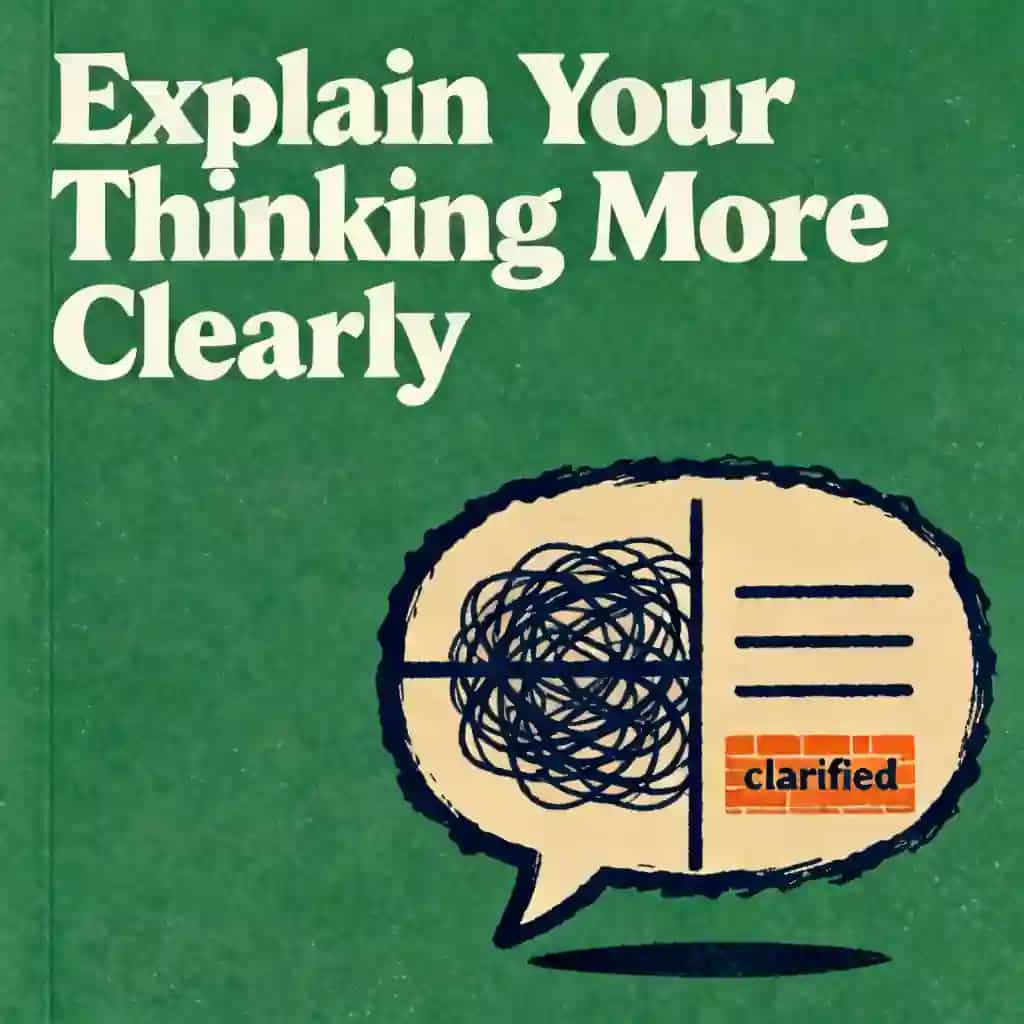
Lena and Eli untangle two commonly mixed-up words, revealing how confusing and conflating represent completely different mental processes-and why the distinction matters for clearer thinking.

Best quote from Confusing vs Conflating: Definitely Not the Same
Confusing something is essentially mistaking one thing for another, while conflating is when you combine or merge two distinct things as if they were the same or naturally connected.

This audio lesson was created by a BeFreed community member
Definitely not the same





Discover more

Thinking Clearly in a Chaotic World
In an era of information overload, the ability to filter noise and reason soundly is a critical competitive advantage. This plan is designed for professionals and leaders who must make high-stakes ethical decisions and maintain clarity amidst organizational or social chaos.

Logic Under Fire
In high-stakes environments, emotional hijacks often override rational decision-making, leading to costly errors. This plan is essential for leaders and professionals who need to maintain cognitive clarity and de-escalate tension during intense confrontations.

Master self-deception
In a world full of cognitive shortcuts, understanding how we lie to ourselves is the ultimate competitive advantage. This plan is essential for leaders, decision-makers, and individuals seeking personal growth who want to strip away mental illusions and see reality clearly.
Stop Fighting and Start Connecting
Conflict is inevitable in relationships, but how we handle it determines whether it damages or strengthens our connections. This learning plan provides practical tools for anyone struggling with recurring arguments, communication breakdowns, or the desire to build more authentic and resilient relationships.

Stay Calm and Connect
High-conflict communication can damage relationships and hinder productivity. This plan is essential for anyone looking to navigate difficult conversations with emotional intelligence and professional composure.

Stop overthinking and bypass mental noise
In an era of constant information overload, many professionals and students find themselves paralyzed by chronic overthinking and anxiety. This plan offers a structured path for anyone seeking to regain control over their focus, reduce stress, and transform their relationship with their inner dialogue.

Merge CIA Operator & Nassim Taleb Thinking
This plan bridges the gap between elite field intelligence and modern philosophical risk management. It is designed for leaders and strategists who must navigate unpredictable, high-stakes environments where traditional analysis is insufficient.

Decide and Commit with Confidence
In an era of choice overload, the ability to filter noise and act decisively is a competitive advantage. This plan is designed for professionals and leaders who struggle with overthinking and want to replace decision fatigue with confident execution.
From Columbia University alumni built in San Francisco
"Instead of endless scrolling, I just hit play on BeFreed. It saves me so much time."


"I never knew where to start with nonfiction—BeFreed’s book lists turned into podcasts gave me a clear path."


"Perfect balance between learning and entertainment. Finished ‘Thinking, Fast and Slow’ on my commute this week."
"Crazy how much I learned while walking the dog. BeFreed = small habits → big gains."
"Reading used to feel like a chore. Now it’s just part of my lifestyle."

"Feels effortless compared to reading. I’ve finished 6 books this month already."
"BeFreed turned my guilty doomscrolling into something that feels productive and inspiring."

"BeFreed turned my commute into learning time. 20-min podcasts are perfect for finishing books I never had time for."
"BeFreed replaced my podcast queue. Imagine Spotify for books — that’s it. 🙌"

"It is great for me to learn something from the book without reading it."
"The themed book list podcasts help me connect ideas across authors—like a guided audio journey."
"Makes me feel smarter every time before going to work"
From Columbia University alumni built in San Francisco
"Instead of endless scrolling, I just hit play on BeFreed. It saves me so much time."
"I never knew where to start with nonfiction—BeFreed’s book lists turned into podcasts gave me a clear path."
"Perfect balance between learning and entertainment. Finished ‘Thinking, Fast and Slow’ on my commute this week."
"Crazy how much I learned while walking the dog. BeFreed = small habits → big gains."
"Reading used to feel like a chore. Now it’s just part of my lifestyle."
"Feels effortless compared to reading. I’ve finished 6 books this month already."
"BeFreed turned my guilty doomscrolling into something that feels productive and inspiring."
"BeFreed turned my commute into learning time. 20-min podcasts are perfect for finishing books I never had time for."
"BeFreed replaced my podcast queue. Imagine Spotify for books — that’s it. 🙌"
"It is great for me to learn something from the book without reading it."
"The themed book list podcasts help me connect ideas across authors—like a guided audio journey."
"Makes me feel smarter every time before going to work"
"Instead of endless scrolling, I just hit play on BeFreed. It saves me so much time."
"I never knew where to start with nonfiction—BeFreed’s book lists turned into podcasts gave me a clear path."
"Perfect balance between learning and entertainment. Finished ‘Thinking, Fast and Slow’ on my commute this week."
"Crazy how much I learned while walking the dog. BeFreed = small habits → big gains."
"Reading used to feel like a chore. Now it’s just part of my lifestyle."
"Feels effortless compared to reading. I’ve finished 6 books this month already."
"BeFreed turned my guilty doomscrolling into something that feels productive and inspiring."
"BeFreed turned my commute into learning time. 20-min podcasts are perfect for finishing books I never had time for."
"BeFreed replaced my podcast queue. Imagine Spotify for books — that’s it. 🙌"
"It is great for me to learn something from the book without reading it."
"The themed book list podcasts help me connect ideas across authors—like a guided audio journey."
"Makes me feel smarter every time before going to work"
"Instead of endless scrolling, I just hit play on BeFreed. It saves me so much time."
"I never knew where to start with nonfiction—BeFreed’s book lists turned into podcasts gave me a clear path."
"Perfect balance between learning and entertainment. Finished ‘Thinking, Fast and Slow’ on my commute this week."
"Crazy how much I learned while walking the dog. BeFreed = small habits → big gains."
"Reading used to feel like a chore. Now it’s just part of my lifestyle."
"Feels effortless compared to reading. I’ve finished 6 books this month already."
"BeFreed turned my guilty doomscrolling into something that feels productive and inspiring."
"BeFreed turned my commute into learning time. 20-min podcasts are perfect for finishing books I never had time for."
"BeFreed replaced my podcast queue. Imagine Spotify for books — that’s it. 🙌"
"It is great for me to learn something from the book without reading it."
"The themed book list podcasts help me connect ideas across authors—like a guided audio journey."
"Makes me feel smarter every time before going to work"