Choosing Between UW, Oregon State, and Colorado Mines

Oregon State vs UW Engineering: episode overview
Choosing the right engineering program requires looking beyond basic rankings to understand how different universities approach education, campus life, and career preparation. This BeFreed audio guide explores the nuances of studying engineering at the University of Washington (UW) and Oregon State University (OSU), while also bringing the Colorado School of Mines into the conversation. By listening to this episode, you will gain a clearer picture of how each institution structures its engineering curriculum, the types of industry pipelines they support, and the distinct campus cultures that define the student experience.
Create Your Podcast in a Click
Generated by Masa
Input question
My son is trying to choose between Oregon State University, University of Washington, and Colorado School of Mines. Help him choose.
Host voices

What you'll learn about Oregon State vs UW engineering
- 1
The High-Stakes College Showdown
 00:0000:00
Lena: You know, I was just looking at the stats for your son’s top three choices, and it’s actually wild how much a single number like a 3.8 GPA changes the game. It’s essentially the "golden key" for schools like the University of Washington, Oregon State, and the Colorado School of Mines. Eli: It really is! But here’s the counterintuitive part: even with that stellar GPA, the experience at these three is worlds apart. I mean, you have the University of Washington in Seattle with a 53% acceptance rate where some majors are way more competitive, sitting right next to Oregon State, which is world-renowned for forestry and agriculture. Lena: Right, and then there’s Colorado School of Mines, which is such a specialized powerhouse for engineering. It’s fascinating how the "vibe" shifts from a massive research hub in Seattle to that tight-knit, focused community in Golden. Eli: Exactly. It’s not just about getting in; it’s about where he’ll actually thrive. Let’s dive into how the industry pipelines and campus cultures at these three schools actually stack up.
- 2
The Core Pillars of a Premier Engineering Education
Lena: So, if we’re looking at these three—OSU, UW, and Mines—we have to establish what actually makes an engineering program "top-tier" beyond just the name on the diploma. It’s easy to get distracted by rankings, but when you’re on the ground, what are the actual mechanisms that turn a student into a high-impact engineer? Eli: That’s a great starting point. I was looking through some of the Oregon State materials, and they lay out a really clear framework for this. They argue that a truly powerful program isn't just about the textbook theory—it's about the synthesis of a strong foundational knowledge base with massive amounts of hands-on, project-based learning. And I think that's where we start to see the divergence between these three schools. Lena: I mean, every school claims to have "hands-on" learning, right? It’s almost a buzzword at this point. How do we distinguish between a school that just has a couple of labs and a school that actually integrates it into the DNA of the curriculum? Eli: You've hit the nail on the head. At Oregon State, for example, they emphasize labs and design projects from day one. It’s not something you wait until your senior year to do. They use what they call studio-style environments. Think about that—it’s not a lecture hall where you’re just a face in a crowd of three hundred people. It’s a collaborative space that reflects how the industry actually works. You’re programming embedded systems, you’re designing circuits, and you’re testing prototypes in a team setting. Lena: That’s interesting because when you look at a place like the University of Washington, which is a massive research powerhouse, the scale is different. You have these incredible facilities, but the challenge for a student there is often navigating that scale to find those intimate, hands-on moments. Whereas at Colorado School of Mines, the entire campus is essentially one big engineering lab. It’s so specialized that you can’t really escape the hands-on element. Eli: Exactly. And Oregon State positions itself right in that sweet spot. They focus on core principles like digital logic, microprocessors, and power systems—the "building blocks," as they call them—but then they immediately tie those to real-world impact. Whether it’s renewable energy or robotics, they want students to see the "why" behind the "how." Lena: It’s like what we see in some of those classic engineering texts—the idea that you can’t just be a "calculator." You have to be a designer. You have to understand how the parts interact. Eli: Absolutely. And that leads to another huge pillar: undergraduate research. This is something often reserved for grad students at bigger institutions, but Oregon State explicitly pushes this for first-years. They have programs like URSA—Undergraduate Research, Scholarship, and the Arts—where a freshman can walk into a lab and start working on software for robots or cybersecurity protocols. Lena: That’s a massive advantage for a resume. Imagine being twenty years old and having your name on a co-authored paper or presenting at a national conference. Eli: It changes the trajectory of your career. We saw an example of a student, Thomas Snyder, who followed his interest in robotics all the way to the Human-Machine Teaming Laboratory. He wasn't just reading about biologically inspired models for robots; he was building them. That kind of experience is what makes a student stand out to a recruiter at a place like Intel or NVIDIA. Lena: And that brings up the final pillar we should mention: the community. Engineering is notoriously difficult. It’s a grind. If you don't have a support network—mentors, peer groups, clubs—you're going to burn out. Eli: Right, and that’s a big part of the OSU "People’s University" vibe. They have these high-achieving teams, like the Mars Rover team that took first place in the 2024 Canadian International Rover Challenge. When you’re part of a team like that, you’re not just studying; you’re competing and winning at a global level. It builds a sense of belonging that's hard to replicate at a school that's either too big or too narrowly focused.
- 3
Navigating the Semiconductor Gold Rush
Lena: You mentioned Intel and NVIDIA, and I want to double down on that because if your son is looking at engineering right now, he cannot ignore the semiconductor industry. It’s basically the modern-day gold rush, especially in the Pacific Northwest. Eli: It really is. And this is where Oregon State has a very specific, almost unfair advantage due to its geography. Think about the "Silicon Forest" in Oregon. You have Intel investing billions into research and manufacturing facilities there. Federal funding from the CHIPS and Science Act is pouring tens of billions into domestic chip production. Lena: And Oregon State is right in the middle of that vortex. It’s not just that they’re nearby; they’ve built actual pathways. They have programs like FAST—the Oregon State-led regional innovation engine—specifically focused on semiconductors. Eli: It's fascinating because most people think you have to be an electrical engineer to work in chips. But the reality is much broader. The semiconductor industry needs everyone. They need chemical engineers for the etching and lithography processes. They need mechanical engineers to manage the intense heat produced by microelectronics—I mean, there’s a lab at OSU right now, led by Josh Gess, working on immersion cooling and microfluidics specifically for this. Lena: That’s a great point. Even if he’s not set on electrical engineering, the semiconductor boom affects every major. Industrial engineers are needed for fab optimization—like Mason Allen, an OSU student who interned at Intel to work on data automation and facility design. Even civil and construction engineers are needed to build these massive, complex campuses. Eli: Exactly. And if he's worried about "upskilling" or staying relevant, OSU has these microcredentials—things like "Semiconductor Fabrication" or "Process Engineering Analysis"—that are designed with industry partners. It’s very practical. It’s not just academic theory; it’s "here is what you need to know to work at a fab in 2026." Lena: How does that compare to the University of Washington or Colorado School of Mines? Because UW obviously has the Seattle tech connection—Amazon, Microsoft—but that feels more software-heavy, doesn't it? Eli: Precisely. UW is a titan in Computer Science and software. If he wants to build the next big app or work on cloud infrastructure, UW is hard to beat. But if he wants to be part of the physical manufacturing and hardware revolution, the Oregon corridor—and OSU’s ties to it—is incredibly strong. Lena: And then you have Mines. They are the kings of materials and metallurgy. If he’s interested in the raw materials that go into chips—the nanotechnology and device performance at a molecular level—Mines is legendary. But they don't have the same "direct-to-fab" pipeline that OSU has with the Oregon tech giants. Eli: That’s a key distinction. OSU offers that "MECOP" program—which is a multiple-engineering cooperative program. It’s not just a summer internship; it’s two six-month, paid industry placements. Students often transition directly from those placements into full-time roles. When you’re at a place like OSU, you’re not just a student; you’re an apprentice to the industry. Lena: It’s interesting to see how the CHIPS Act has shifted the landscape. Since it was enacted a few years ago, the demand for these roles has skyrocketed. Oregon is solidifying its role as a semiconductor hub, and OSU is clearly the engine driving that workforce development. Eli: And they make it accessible. They have programs like VETS-UP, which helps veterans get hands-on experience with companies like Analog Devices. It shows that the school isn't just an ivory tower; it’s a community resource that’s deeply integrated with the economy.
- Chapter 4
The Systems Thinker vs the Machine Designer
Lena: Let’s talk about the specific majors for a second. Often, students know they like "engineering," but they aren't sure which flavor. I was looking at the breakdown between Industrial Engineering and Mechanical Engineering at OSU, and it’s a really helpful way to frame the decision. Eli: This is a classic dilemma. I like to think of it as "The Big Picture" versus "The Physical Machine." Lena: Right! Industrial engineers are the "streamliners." They are looking at the whole system—people, materials, and technology. If your son is the kind of person who looks at a long line at a grocery store and starts calculating how to fix the checkout process, he’s probably an industrial engineer. Eli: Exactly. They’re the efficiency makers. They use data analysis, AI, and robotics to align a company’s goals—like sustainability or cost savings—with the actual boots-on-the-ground processes. At OSU, they emphasize this "continuous-improvement mindset." Lena: And the career options there are so broad. It’s not just factories. It’s hospitals needing to triage patients better, or shipping companies trying to hit net-zero emissions. I saw an alum, Andy Balk, who focused on exactly that—transforming delivery systems for sustainability. Eli: On the flip side, you have Mechanical Engineering. That’s for the student who wants to touch the machine. It’s about assemblies of components that produce movement—cars, rockets, robots, wind turbines. Lena: It’s much more focused on the physical laws—thermodynamics, fluid mechanics, heat transfer. If he wants to be in a lab designing a prototype for a new underwater robot or a spacecraft’s protective shell, that’s mechanical. Eli: What’s cool is that OSU doesn’t keep these in silos. There’s a lot of overlap. Both use CAD, both use AI, and both are focused on problem-solving. But the "day-to-day" is different. An industrial engineer might spend more time analyzing workflows and coordinating teams, while a mechanical engineer is more likely to be in a workshop or a design office working with physical components. Lena: How does this play out at Mines or UW? At Mines, mechanical engineering is their biggest major, but it’s often very focused on the heavy industry side—mining equipment, energy systems. It’s rugged. At UW, it’s often very aerospace-focused because of the Boeing connection. Eli: That’s a vital point for the listener’s son. If he wants to work in aerospace, UW has that direct line to Boeing. If he wants to work in the "earth sciences" version of engineering, Mines is the place. But if he wants the broadest possible application—everything from shoe manufacturing to robotics—OSU’s curriculum is designed for that versatility. Lena: I love that example of the OSU capstone project where the industrial engineering team worked with a local shoe manufacturer. They weren't just "studying" efficiency; they were actually improving how shoe soles are attached to increase durability. That’s a tangible result you can talk about in a job interview. Eli: It builds confidence. When you’ve actually fixed a production line for a real company before you even graduate, the transition to the workforce isn’t scary. It’s just the next logical step.
Chapter 5Culture and the People’s University
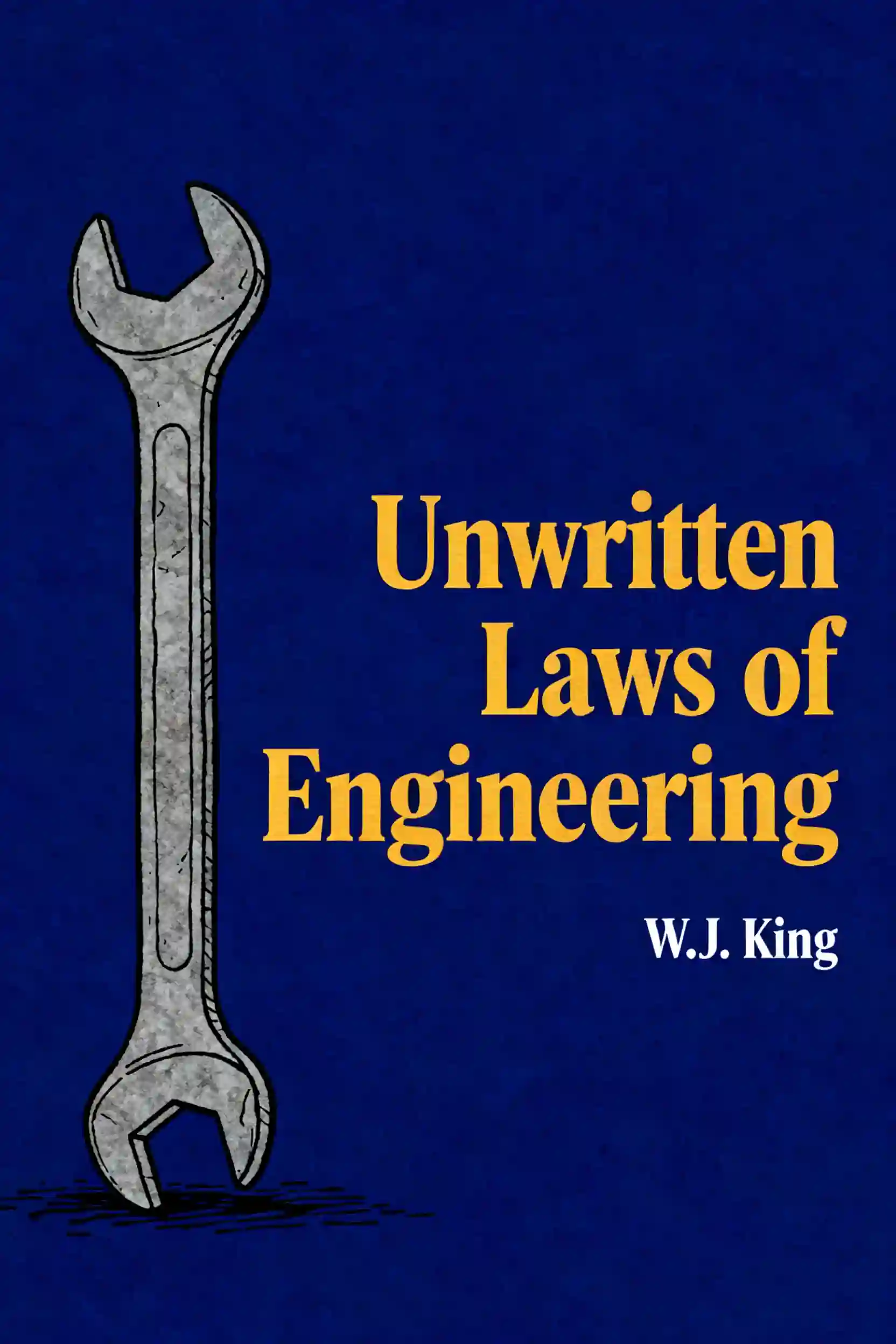
Lena: We’ve talked a lot about the technical side, but we have to talk about the "vibe." OSU calls itself the "People’s University," and that’s not just a marketing slogan. It’s about "inclusive excellence." Eli: It really speaks to the culture of the campus. When you think about the University of Washington, it’s in the heart of Seattle. It’s vibrant, it’s urban, but it can also feel a bit anonymous because it’s so big. You’re one of forty thousand-plus students. Lena: And Mines is the opposite. It’s in Golden, Colorado. It’s small, it’s intense, and it’s very focused. Everyone there is an overachiever in the exact same field. That can be great for focus, but it can also feel like a pressure cooker. Eli: OSU feels like the middle ground. It’s a true college town in Corvallis. It has that "Beaver Nation" spirit. There’s a sense that everyone is in it together. You see that in the student groups—like IEEE, the ECE honor society Eta Kappa Nu, or the DAM Robotics Club. These aren't just extracurriculars; they’re where you meet your future colleagues. Lena: And they're successful! We mentioned the Mars Rover team winning international competitions. That doesn't happen unless you have a community that supports that kind of high-level collaboration. Eli: Right. And it’s not just for the "elite" students. They have programs specifically for high schoolers to start preparing, emphasizing that engineering is for anyone with the curiosity to solve problems. They really push this idea that you don't have to be a "genius" from day one—you just have to be willing to learn and work in teams. Lena: That’s a huge point from some of those college success books we’ve looked at. The most successful students aren't necessarily the ones with the highest IQ; they’re the ones who find their "tribe" and use the resources available to them. OSU seems to make those resources very visible. Eli: Definitely. Whether it’s the "Engineering+" series or the "Leadership, Empowerment, and Purpose" program, they are trying to build the "soft skills"—communication, teamwork, adaptability. Because let’s be honest, you can be the best circuit designer in the world, but if you can’t explain your idea to a manager, you’re stuck. Lena: "The Unwritten Laws of Engineering" talks about this—how your technical skills get you the job, but your people skills get you promoted. Eli: Exactly. And OSU seems to bake that into the curriculum through those studio-style labs and collaborative capstone projects. You’re forced to communicate. You’re forced to lead. Lena: It’s also worth noting the diversity of majors. OSU has everything—from Nuclear Engineering and Bioengineering to Ecological Engineering and Construction Engineering Management. If his interests shift—say, he starts in Electrical but realizes he’s fascinated by how buildings are constructed—he can switch to Architectural Engineering without leaving the university. Eli: That flexibility is key. At a school as specialized as Mines, if you realize you don't want to be an engineer, your options are a bit more limited. At OSU, you’re part of a massive, diverse ecosystem.
Chapter 6The Financial and Professional ROI
Lena: Let’s get practical for a second. Choosing a college is a massive financial decision. We have to look at the return on investment. Eli: Absolutely. And with ECE—Electrical and Computer Engineering—the ROI is historically very high. These are high-impact, high-paying careers. But the cost of getting there varies wildly between these three. Lena: University of Washington as an out-of-state student is expensive. Seattle’s cost of living is no joke. Colorado School of Mines is also quite pricey, given its prestige and specialized nature. Eli: Oregon State, being a land-grant university, often has a more accessible price point, especially when you factor in those paid internships through MECOP. If you’re doing two six-month paid placements, you’re not just gaining experience; you’re significantly offsetting the cost of your degree. Lena: That’s a huge "pro" for the OSU column. Plus, the industry ties are so tight that the "job search" often happens while you’re still a student. We mentioned alumni like Jensen Huang, the CEO of NVIDIA. When the founder of one of the world’s most valuable companies is an alum, that says something about the program’s pedigree. Eli: It really does. And it’s not just the big names. It’s the sheer volume of alumni at places like Tektronix, HP, and Intel. When a recruiter sees "Oregon State Engineering" on a resume in the Pacific Northwest, they know exactly what they’re getting: someone who has spent time in a lab, worked on a team, and understands the industry. Lena: It’s that "work-ready" factor. I think some of the more "theoretical" schools can sometimes produce graduates who are brilliant at math but don't know how to use a signal generator or a logic analyzer on day one. Eli: OSU explicitly avoids that. They want you to be "engineered for impact." That phrase comes up a lot in their materials. It’s about the application of skills to real societal challenges—smarter power grids, biomedical devices, sustainable energy. Lena: And if he’s thinking long-term, they offer the MEng—the Master of Engineering. We saw some resources debating if a Master’s is worth it, and for ECE, it often is. It allows for even deeper specialization in things like AI or robotics, and OSU makes that transition from undergrad to grad very seamless. Eli: It’s about building a career, not just getting a degree. Whether it’s through those online microcredentials for upskilling later or a full Master’s program, they seem to view their students as lifelong partners in the industry. Lena: That’s a very different feel than a school that just wants to get you through the four-year "factory" and out the door. It feels more like a professional guild. Eli: It really does. And for a student trying to choose, that sense of long-term support can be the deciding factor. You’re not just choosing where to spend the next four years; you’re choosing which network you want to be part of for the next forty.
Chapter 7The Hands-On Reality of Research
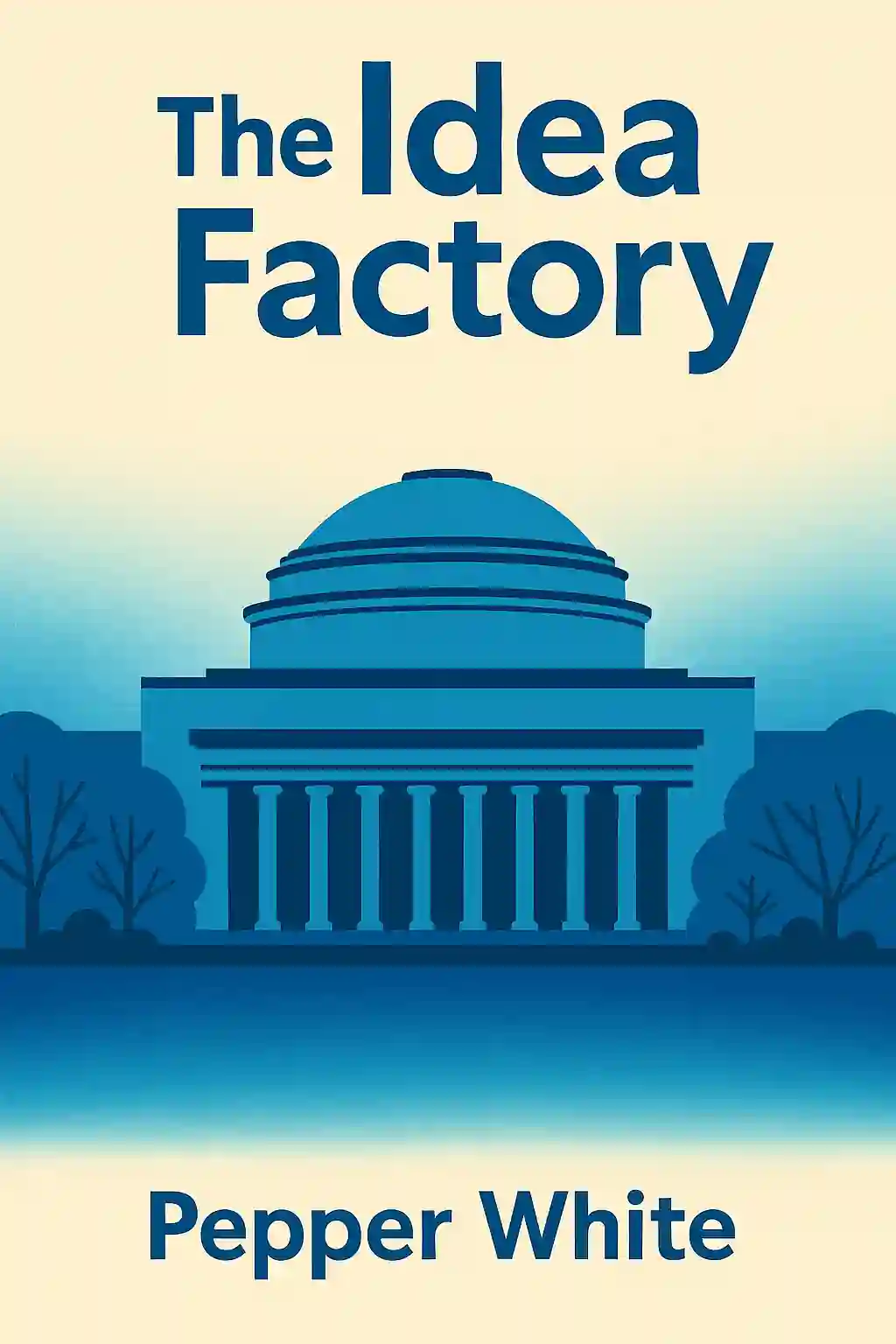
Lena: We touched on undergraduate research, but I want to dive deeper into why it’s such a game-changer at a place like OSU. Because, let’s be honest, a lot of students think "research" means sitting in a basement looking at spreadsheets. Eli: Oh, it’s the opposite at OSU. It’s very "real-world." Take the Human-Machine Teaming Laboratory we mentioned. They’re working on robots that use biologically inspired models to perform behaviors in the actual world—not just in a simulation. Lena: That’s huge. If you’re a student and you’re actually working on the hardware and software that makes a robot navigate a room like a living creature, you’re learning things that a textbook just can’t teach. Eli: And it’s accessible. You don't have to be a senior with a 4.0. Programs like URSA allow first-years to jump in. That’s a philosophy of "learning by doing" that starts the moment you step on campus. Lena: How does that compare to the research culture at UW? UW is one of the top research universities in the world in terms of funding. But often, that research is led by PhD candidates and post-docs. As an undergrad, you really have to be aggressive to get a seat at the table there. Eli: Exactly. At UW, you’re competing with a massive pool of grad students for lab time. At OSU, the faculty seem much more focused on bringing undergrads into the fold. They want you to co-author papers. They want you to present at conferences. Lena: It’s that "mentorship" pillar we talked about earlier. Finding a professor who actually knows your name and wants to help you build your resume is invaluable. Eli: And the topics are so diverse. It’s not just robotics. It’s renewable energy, it’s machine learning, it’s cybersecurity. You have faculty like Nirmala Kandadai, who is doing advanced research in laser sintering and fabrication—essential stuff for the semiconductor industry. Lena: I love that. It connects back to the "why." You’re not just doing research for the sake of research; you’re doing it because it’s going to impact how we make chips or how we power our cities. Eli: And it builds those "soft skills" we keep coming back to. If you have to present your research to a group of industry experts or at a national conference, you’re learning how to communicate complex ideas. That’s what makes an engineer a leader. Lena: It’s also worth mentioning the "studio-style" labs in the ECE curriculum. They aren't just for research; they are part of the actual classes. It’s a collaborative environment that mimics a real engineering firm. Eli: Right. You’re not just sitting in a row of desks. You’re at a workstation with a team, solving a problem together. That’s how the real world works. No engineer works in a vacuum. Lena: It’s like what we saw in "The Idea Factory"—innovation happens when you put people from different disciplines in a room and tell them to solve a problem. OSU seems to have designed their entire campus to facilitate those "collisions."
Chapter 8A Decision Framework for Your Son
Lena: Okay, so we’ve laid out a lot of information. If we’re sitting down with your son right now, how do we help him actually make the choice? Eli: I think we have to look at his specific goals. If he wants to be at the absolute cutting edge of software development and AI in a big city environment, the University of Washington is a very strong contender. The Seattle tech scene is right there. Lena: But he has to be okay with that "big school" feel and the intense competition to even get into the major he wants. UW is notorious for having "competitive majors" where you’re not guaranteed a spot even if you’re admitted to the university. Eli: That’s a huge stressor. Now, if he wants that focused, intense, "all-engineering-all-the-time" vibe in a beautiful mountain setting, Colorado School of Mines is the winner. It’s prestigious, it’s rigorous, and it’s a direct pipeline to the energy and materials industries. Lena: But it is a bit of a "bubble." You’re surrounded by engineers 24/7. For some people, that’s heaven. For others, it can be a bit much. Eli: Then you have Oregon State. This is the choice if he wants that "best of both worlds." You get the high-level research and the massive industry connections—especially in semiconductors and hardware—but you also get a collaborative, supportive community and a true college experience. Lena: And don’t forget the MECOP program. If he wants to graduate with a year of real-world, paid experience under his belt and a much lower debt load, OSU has a clear edge. Eli: I’d also tell him to look at the "hands-on" factor. If he’s someone who needs to be building things to stay engaged, OSU’s curriculum—with labs from day one and that focus on project-based learning—is going to be a great fit. Lena: It’s also about the "impact." Does he want to work on the physical chips that power the world? Does he want to design the robots of the future? OSU’s ties to NVIDIA, Intel, and the robotics industry are incredibly deep. Eli: I think a good exercise for him would be to look at the "capstone projects" at each school. What are the seniors actually building? At OSU, they’re winning Mars Rover competitions and fixing real production lines for local companies. That’s the kind of work he’ll be doing. Lena: And finally, the "soft skills." Does he want to be a technical expert, or does he want to be a leader? OSU’s focus on communication and leadership through things like the Engineering+ series suggests they’re building the latter. Eli: It’s a powerful combination. Foundation, hands-on experience, research, industry ties, and community. If a program has all five, you’re in a good spot.
Chapter 9Practical Steps for the Final Stretch
Lena: So, to the listener and your son—what are the actual "next steps" to make this final? Eli: First, I’d say he should look at the academic catalogs for each school. Don’t just look at the brochures. Look at the actual list of required courses. Does he get excited looking at "Microprocessors" and "Digital Logic" at OSU? Or does he prefer the more theoretical math-heavy load at another school? Lena: That’s a great tip. Also, look at the clubs. If he can see himself on that Mars Rover team or the DAM Robotics club, that’s a huge sign. Those clubs are often where the real learning happens. Eli: Second, if possible, visit. There’s no substitute for walking the campus. Go to Corvallis, walk through the engineering buildings, see the studio labs. Talk to a current student. Ask them, "How hard was it to get your first internship?" Lena: At OSU, the answer is likely going to involve the career support and industry connections we’ve been talking about. They have these close relationships with companies like HP and Tektronix. It’s not just a career fair; it’s a partnership. Eli: And third, he should think about his "high school prep." If he’s still in his final year, focusing on math, physics, and computer science is going to make that first year at any of these schools much smoother. OSU actually has a guide on how to prepare for an engineering degree while still in high school—it’s worth a look. Lena: It’s all about building that foundation early. But even if he’s not "perfectly" prepared, a school like OSU has the support systems—the advisors and peer mentors—to help him catch up. Eli: Exactly. It’s not just about where you start; it’s about where you’re going. And these three schools are all incredible launching pads. It’s just about which "trajectory" feels right for him. Lena: It’s an exciting place to be. Whether he ends up in the Silicon Forest, the mountains of Colorado, or the tech hub of Seattle, he’s entering a field that is literally building the future. Eli: It really is. And the fact that he’s even considering these three shows he’s already on a great path. Now it’s just about finding the place where he feels he can make the most impact.
Chapter 10Closing Reflections and the Path Ahead
Lena: As we wrap things up, I’m struck by how much the "modern" engineer has to be more than just a math whiz. They have to be a systems thinker, a communicator, and a collaborator. Eli: Absolutely. The days of the "lone genius" in a lab are mostly over. Today’s challenges—whether it’s creating a smarter power grid or developing the next generation of semiconductors—are just too complex for one person. They require teams. Lena: And that’s really what we’ve seen consistently across the Oregon State materials. They aren't just teaching engineering; they’re teaching "impact." They want their graduates to go out and actually change the world, whether that’s through space exploration, clean energy, or AI. Eli: It’s a high bar, but it’s an inspiring one. For our listeners—and especially for the son trying to make this choice—I’d encourage you to think about what kind of "impact" you want to have. What are the problems you actually care about solving? Lena: Because at the end of the day, the best school for you is the one that gives you the tools to solve those specific problems. If you want to be part of the hardware revolution and the semiconductor boom, the path through the Silicon Forest and Oregon State is a very compelling one. Eli: It really is. It’s a powerful decision, and it’s okay to take the time to get it right. Look at the facts, look at the "vibe," and trust your gut on where you’ll actually thrive. Lena: We hope this deep dive into the industry pipelines, the curriculum differences, and the campus cultures has given you a clearer picture. It’s a big choice, but you’ve got some incredible options on the table. Eli: Thanks for joining us for this analysis. It’s been fascinating to see how these three powerhouses stack up against each other. Lena: It really has. Good luck to your son with the final decision. It’s the start of an amazing journey. Eli: Absolutely. Thanks for listening, everyone. Take some time to reflect on what matters most to you in a college experience—is it the prestige, the location, or the specific industry pipeline? There’s no wrong answer, only the right answer for you.
What people search for about Oregon State vs UW engineering
When prospective students and families search for comparisons between Oregon State and UW engineering, they are typically trying to balance academic reputation with practical employability. Many note that UW benefits from a strong overarching reputation and its location in a major urban tech hub, which appeals to students looking for city life and immediate proximity to large corporations. Conversely, Oregon State is frequently highlighted for its solid reputation for employability and hands-on, practical skill opportunities. The Colorado School of Mines also frequently enters these discussions as a strong alternative for students focused heavily on rigorous, specialized, and practical engineering applications.
A practical guide to Oregon State vs UW engineering
Understanding the differences between these engineering programs comes down to evaluating campus environments, industry connections, and learning styles. The University of Washington offers a bustling, large-city experience in Seattle, which naturally aligns with strong pipelines into software, aerospace, and biomedical industries. Oregon State University provides a more traditional, college-town atmosphere in Corvallis, emphasizing broad employability and practical, project-based learning that appeals to students who want a hands-on approach. The Colorado School of Mines offers a highly focused, intense engineering environment with a strong emphasis on practical skills and industry readiness. When comparing these schools, it is important to consider which environment matches your personal learning style and long-term career interests, rather than relying on a single metric of prestige.
Continue learning in BeFreed
Listen to the guided lesson, save it to your learning library, and continue in the BeFreed app.
Best quote from Choosing Between UW, Oregon State, and Colorado Mines
A truly powerful program isn't just about the textbook theory—it's about the synthesis of a strong foundational knowledge base with massive amounts of hands-on, project-based learning.
Knowledge sources











FAQ
Yes, Oregon State is highly regarded for its solid employability outcomes and strong focus on providing students with practical, hands-on skill opportunities.
The University of Washington holds a strong reputation for its engineering programs, benefiting significantly from its location in a major city with close ties to the tech and aerospace industries.
The Colorado School of Mines is well-respected, particularly for its rigorous academics and excellent practical skill opportunities in specialized engineering fields.
From Columbia University alumni built in San Francisco
"Instead of endless scrolling, I just hit play on BeFreed. It saves me so much time."


"I never knew where to start with nonfiction—BeFreed’s book lists turned into podcasts gave me a clear path."


"Perfect balance between learning and entertainment. Finished ‘Thinking, Fast and Slow’ on my commute this week."
"Crazy how much I learned while walking the dog. BeFreed = small habits → big gains."
"Reading used to feel like a chore. Now it’s just part of my lifestyle."

"Feels effortless compared to reading. I’ve finished 6 books this month already."
"BeFreed turned my guilty doomscrolling into something that feels productive and inspiring."

"BeFreed turned my commute into learning time. 20-min podcasts are perfect for finishing books I never had time for."
"BeFreed replaced my podcast queue. Imagine Spotify for books — that’s it. 🙌"

"It is great for me to learn something from the book without reading it."
"The themed book list podcasts help me connect ideas across authors—like a guided audio journey."
"Makes me feel smarter every time before going to work"
From Columbia University alumni built in San Francisco
"Instead of endless scrolling, I just hit play on BeFreed. It saves me so much time."
"I never knew where to start with nonfiction—BeFreed’s book lists turned into podcasts gave me a clear path."
"Perfect balance between learning and entertainment. Finished ‘Thinking, Fast and Slow’ on my commute this week."
"Crazy how much I learned while walking the dog. BeFreed = small habits → big gains."
"Reading used to feel like a chore. Now it’s just part of my lifestyle."
"Feels effortless compared to reading. I’ve finished 6 books this month already."
"BeFreed turned my guilty doomscrolling into something that feels productive and inspiring."
"BeFreed turned my commute into learning time. 20-min podcasts are perfect for finishing books I never had time for."
"BeFreed replaced my podcast queue. Imagine Spotify for books — that’s it. 🙌"
"It is great for me to learn something from the book without reading it."
"The themed book list podcasts help me connect ideas across authors—like a guided audio journey."
"Makes me feel smarter every time before going to work"
"Instead of endless scrolling, I just hit play on BeFreed. It saves me so much time."
"I never knew where to start with nonfiction—BeFreed’s book lists turned into podcasts gave me a clear path."
"Perfect balance between learning and entertainment. Finished ‘Thinking, Fast and Slow’ on my commute this week."
"Crazy how much I learned while walking the dog. BeFreed = small habits → big gains."
"Reading used to feel like a chore. Now it’s just part of my lifestyle."
"Feels effortless compared to reading. I’ve finished 6 books this month already."
"BeFreed turned my guilty doomscrolling into something that feels productive and inspiring."
"BeFreed turned my commute into learning time. 20-min podcasts are perfect for finishing books I never had time for."
"BeFreed replaced my podcast queue. Imagine Spotify for books — that’s it. 🙌"
"It is great for me to learn something from the book without reading it."
"The themed book list podcasts help me connect ideas across authors—like a guided audio journey."
"Makes me feel smarter every time before going to work"
"Instead of endless scrolling, I just hit play on BeFreed. It saves me so much time."
"I never knew where to start with nonfiction—BeFreed’s book lists turned into podcasts gave me a clear path."
"Perfect balance between learning and entertainment. Finished ‘Thinking, Fast and Slow’ on my commute this week."
"Crazy how much I learned while walking the dog. BeFreed = small habits → big gains."
"Reading used to feel like a chore. Now it’s just part of my lifestyle."
"Feels effortless compared to reading. I’ve finished 6 books this month already."
"BeFreed turned my guilty doomscrolling into something that feels productive and inspiring."
"BeFreed turned my commute into learning time. 20-min podcasts are perfect for finishing books I never had time for."
"BeFreed replaced my podcast queue. Imagine Spotify for books — that’s it. 🙌"
"It is great for me to learn something from the book without reading it."
"The themed book list podcasts help me connect ideas across authors—like a guided audio journey."
"Makes me feel smarter every time before going to work"