Backward Design: Planning Lessons That Actually Work

How To Plan Lessons Using Backward Design: episode overview
This BeFreed audio guide explores how to plan lessons using backward design, a popular framework that shifts the focus of instructional planning. Rather than starting with activities or textbooks, this episode explains how to begin with the end goal in mind. While backward design is not an automated lesson generator or a substitute for formal teacher certification, it provides a structured approach to mapping out course objectives, assessments, and daily learning activities.
Create Your Podcast in a Click
Generated by Keishun
Input question
Create me a lesson based off of my last request
Host voices

What you'll learn about the backward design framework
- 1
Planning Backwards Changes Everything
 00:0000:00
Here's the thing about lesson planning that most teachers get backwards: they start with content instead of outcomes. You're sitting there Sunday night, frantically googling "exponential functions worksheet" or "greenhouse effect activities," when you should be asking a completely different question first. The most effective lesson plans don't begin with what you'll teach—they begin with what students will actually do and understand by the end. Today we're flipping that script and walking through a practical framework that transforms how you approach lesson creation. Whether you're building lessons on mathematical modeling, probability and inference, or climate science simulations, this step-by-step system will help you design engaging, purposeful lessons that actually stick. Ready to discover why the best teachers plan backwards?
- 2
The Backward Design Revolution: Why Starting with the End Changes Everything
Picture this: you've just finished what you thought was a brilliant lesson on photosynthesis. You used colorful diagrams, had students act out the process, and even brought in actual plants. But when you check their exit tickets, half the class thinks plants get their food from soil, and the other half can't explain why sunlight matters. Sound familiar? This disconnect happens because most of us were trained to plan lessons the way we experienced them as students—teacher explains, students practice, everyone hopes for the best. But research from Grant Wiggins and Jay McTighe's backward design framework shows us there's a better way. Instead of starting with activities and hoping they lead to learning, we start with the learning we want and work backward to design experiences that actually get us there. The traditional approach asks, "What am I going to teach today?" Backward design asks, "What will students understand, and how will I know they understand it?" That shift—from teaching-focused to learning-focused—changes everything about how we approach lesson creation. Think about it this way: if you were planning a road trip, you wouldn't just start driving and hope you end up somewhere interesting. You'd decide on your destination first, then figure out the best route to get there. Lesson planning works the same way. When we know exactly where we're headed—what students should be able to do, understand, or explain—we can design the most effective path to that destination. This isn't just educational theory—it's practical necessity. Students today are bombarded with information from every direction. They need to know not just what they're learning, but why it matters and how it connects to what they already know. When lessons have clear, meaningful objectives that students can see and understand, engagement naturally follows. The backward design process consists of three stages, and here's the key—you work through them in reverse order from how you'll actually teach the lesson. Stage one identifies desired results: what should students come away understanding, knowing, and being able to do? Stage two determines acceptable evidence: what will prove that students have achieved these results? Stage three plans learning experiences and instruction: what activities will promote students' understanding, knowledge, skills, and interest? Most teachers jump straight to stage three—the fun stuff like experiments, discussions, and projects. But without the foundation of stages one and two, even the most engaging activities can miss the mark entirely. It's like building a house by starting with the decorative trim instead of the foundation. When you plan backward, something magical happens. Your lessons become more focused because every activity has a clear purpose. Your assessments become more meaningful because they're designed to reveal specific understanding. And your students become more engaged because they can see the connection between what they're doing and what they're learning. This approach also makes differentiation more natural and effective. When you're crystal clear about the learning target, you can design multiple pathways for students to reach it. Some might demonstrate their understanding through writing, others through visual representations, and still others through verbal explanations—but they're all heading toward the same meaningful destination.
- 3
Building Your Learning Target Arsenal: The Foundation of Every Great Lesson
Before you can plan backward, you need to master the art of crafting learning targets that actually guide instruction. Not all learning objectives are created equal, and the difference between a vague goal and a sharp, actionable target can make or break your entire lesson. Let's start with what doesn't work. Objectives like "Students will learn about the Revolutionary War" or "Students will understand fractions" are educational dead ends. They're too broad to guide your instruction and impossible to assess meaningfully. How do you know if someone has "learned about" something? What does "understand" actually look like in student work? Effective learning targets have three essential characteristics: they're specific, measurable, and meaningful to students. Instead of "learn about the Revolutionary War," try "Students will analyze three causes of the Revolutionary War and explain how each contributed to colonial resistance." Instead of "understand fractions," try "Students will compare fractions with different denominators using visual models and explain their reasoning." Notice how these targets tell you exactly what students should be able to do and give you a clear picture of what success looks like. When a student can analyze causes and explain contributions, or compare fractions and explain reasoning, you know they've hit the target. More importantly, students know what they're aiming for. The key is thinking in terms of transfer—what should students be able to do with this knowledge in new situations? The best learning targets prepare students to apply their understanding beyond the specific lesson or unit. If you're teaching about ecosystems, don't just aim for students to memorize food chains. Target their ability to predict how changes in one part of an ecosystem might affect other parts. That's knowledge they can use. Here's a practical framework for writing strong learning targets: start with a verb that describes thinking, not just remembering. Words like analyze, evaluate, create, compare, predict, and justify indicate higher-order thinking. Then specify the content or concept students will work with. Finally, include the context or conditions that make the learning meaningful. For example: "Students will evaluate the effectiveness of different renewable energy sources for their local community and justify their recommendation based on environmental and economic factors." This target combines analysis, application, and real-world relevance. Students know they're not just learning about renewable energy—they're learning to make informed decisions about energy policy. When you're working with standards, use them as a starting point, not an ending point. Standards often describe broad expectations across a grade level or course. Your job is to unpack them into specific, lesson-sized targets that build toward those larger goals. Think of standards as the destination and learning targets as the mile markers along the way. One common mistake is trying to pack too much into a single lesson target. If your objective includes three different verbs or covers multiple concepts, you're probably trying to do too much. Better to have students deeply understand one key idea than superficially cover three. Remember, you're planning for mastery, not just exposure. Another crucial consideration is making your targets visible and accessible to students. The best learning targets are written in language students can understand and refer to throughout the lesson. Post them prominently, revisit them during instruction, and use them to frame your assessment. When students can articulate what they're learning and why, they become partners in the learning process.
- Chapter 4
The Assessment-Instruction Connection: Designing Evidence Before Activities
Here's where most lesson planning goes sideways: teachers design great activities without thinking carefully about how they'll know if those activities actually worked. You plan an engaging simulation about supply and demand, but you're not sure how to tell if students really understand economic principles. You create a hands-on experiment about chemical reactions, but the lab report doesn't reveal whether students grasp the underlying concepts. The solution is designing your assessment before you design your instruction. This isn't about creating more tests—it's about building evidence collection into the fabric of your lesson so you can see learning as it happens and adjust accordingly. Think of assessment as learning's GPS system. Just as GPS constantly monitors your location and recalculates your route when you take a wrong turn, good assessment continuously tracks student understanding and helps you adjust instruction in real time. But for this to work, you need to know what evidence you're looking for before you start teaching. Start by asking yourself: if students truly understand this concept, what would they be able to do, say, or create? Be specific. If you're teaching about character motivation in literature, students might be able to cite specific textual evidence to support their interpretation of a character's actions. If you're teaching about photosynthesis, they might be able to trace the flow of energy and matter through the process and explain what happens when conditions change. Once you know what mastery looks like, design multiple ways for students to demonstrate it. Some students show their understanding best through writing, others through speaking, and still others through visual representation or hands-on application. The key is ensuring that all these different modes of expression reveal the same underlying understanding. This is where the concept of formative assessment becomes crucial. Formative assessment isn't about grades—it's about gathering information to guide your next instructional moves. It's the quick check-ins, the exit tickets, the observation of student discussions, the analysis of work in progress. These assessments tell you whether students are ready to move forward or need more support with current concepts. Effective formative assessments have several characteristics. They're quick to administer and analyze—you need information you can act on immediately, not next week. They focus on key concepts rather than peripheral details. And they provide clear, actionable information about what students understand and what they're still struggling with. Here's a practical approach: for every major concept in your lesson, design a quick way to check for understanding. This might be a simple thumbs up/thumbs down signal, a one-minute write, a think-pair-share discussion, or a quick sketch. The format matters less than the clarity of information you get about student thinking. But here's the crucial part—you have to actually use this information to adjust your instruction. If your formative assessment reveals that most students are confused about a key concept, don't just plow ahead with your planned activities. Stop, reteach, try a different approach, or provide additional support. If it shows that students have already mastered what you planned to spend twenty minutes explaining, skip ahead to more challenging applications. This responsive teaching requires flexibility and confidence, but it's what separates good lessons from great ones. When students see that their understanding—or lack thereof—actually influences what happens next in class, they become more invested in the learning process. They start to see assessment as helpful feedback rather than judgment.
Chapter 5Crafting Learning Experiences That Stick: From Engagement to Understanding
Now comes the creative part—designing learning experiences that actually help students reach your carefully crafted targets. But here's the thing: engagement isn't enough. Students can be completely absorbed in an activity that teaches them nothing meaningful, or they can be quietly focused on work that transforms their understanding. The goal is engagement in service of learning, not engagement for its own sake. The most effective learning experiences create what researchers call desirable difficulties—challenges that require students to think hard but aren't so difficult that they become frustrated and give up. These experiences push students just beyond their current comfort zone into what Vygotsky called the zone of proximal development, where learning happens most efficiently. Think about the difference between busywork and brain work. Busywork keeps students occupied but doesn't require much thinking—copying notes, filling in worksheets with obvious answers, or following step-by-step procedures without understanding why. Brain work, on the other hand, requires students to analyze, synthesize, evaluate, or create. It's the difference between having students copy definitions of vocabulary words and having them use those words to solve authentic problems. One powerful approach is to design experiences around authentic problems or questions that students actually care about. Instead of teaching about water pollution through a textbook chapter, have students investigate the water quality in their own community and propose solutions. Instead of teaching about statistical analysis through abstract examples, have them analyze data about something that matters to them—sports statistics, social media trends, or local economic patterns. The key is ensuring that these authentic experiences still target your specific learning objectives. It's easy to get caught up in the excitement of real-world connections and lose sight of the academic goals. The best lessons seamlessly blend authenticity with rigor, giving students meaningful contexts for developing essential skills and understanding. Another crucial element is building in opportunities for students to process and reflect on their learning. The human brain needs time to make connections, and learning happens when students can link new information to what they already know. This might happen through discussion with peers, written reflection, or metacognitive activities where students think about their own thinking. Consider the power of collaborative learning when designed thoughtfully. Students often learn as much from explaining concepts to each other as they do from teacher instruction. But effective collaboration requires structure—clear roles, specific tasks, and accountability measures that ensure everyone participates meaningfully. Here's where technology can play a powerful supporting role, but only when it serves clear learning purposes. The question isn't "How can I use technology in this lesson?" but rather "What's the best tool for helping students achieve this learning target?" Sometimes that's a sophisticated simulation or interactive model. Sometimes it's a simple word processor or presentation tool. And sometimes the best tool is no technology at all. The sequence of learning experiences within a lesson also matters enormously. Research on cognitive load theory tells us that students can only process so much new information at once. Effective lessons introduce new concepts gradually, provide plenty of practice with support, then gradually release responsibility to students as they develop confidence and competence. This often follows a pattern: hook students' interest and activate prior knowledge, introduce new concepts clearly and concisely, provide guided practice with immediate feedback, offer independent practice with decreasing support, and conclude with reflection and consolidation. But this isn't a rigid formula—different content and different students may require different approaches.
Chapter 6The Art of Scaffolding: Supporting All Learners Without Lowering Expectations
One of the biggest challenges in lesson planning is designing experiences that work for all students in your classroom—those who grasp concepts quickly, those who need more time and support, and everyone in between. The traditional approach of creating different worksheets for different groups often leads to lower expectations for some students and missed opportunities for others. Scaffolding offers a better way. Instead of creating separate learning paths, you design supports that help all students access the same challenging content and reach the same high expectations. Think of scaffolding like the temporary structures used in construction—they provide support while the building is being constructed, then they're removed once the structure can stand on its own. Effective scaffolding comes in many forms. Sometimes it's breaking complex tasks into smaller, manageable steps. Sometimes it's providing sentence frames or graphic organizers that help students organize their thinking. Sometimes it's offering multiple examples or models before asking students to work independently. The key is providing just enough support to help students succeed without doing the thinking for them. One powerful scaffolding strategy is the gradual release of responsibility model. You begin with explicit instruction where you demonstrate the thinking process while students observe. Then you move to guided practice where students try the process with your support and feedback. Next comes collaborative practice where students work together to apply their learning. Finally, students practice independently with decreasing levels of support. This progression honors the fact that learning is a process, not an event. Students need to see expert thinking modeled, practice with support, and gradually take on more responsibility as their confidence and competence grow. Rushing to independence too quickly leaves many students behind, while providing support for too long prevents students from developing their own capabilities. Another crucial aspect of scaffolding is helping students develop metacognitive awareness—the ability to monitor and regulate their own learning. This means teaching students to recognize when they're confused, identify what specific help they need, and use strategies to work through difficulties. Students who develop these skills become increasingly independent learners. Consider how you can build choice into your scaffolding system. Some students might benefit from visual organizers, while others prefer verbal processing or hands-on manipulation. Some need more examples, while others are ready to jump into application. When you provide multiple types of support and teach students to select what they need, you're helping them develop self-advocacy skills that will serve them well beyond your classroom. The goal of scaffolding is always to make yourself unnecessary. Every support you provide should be designed with an exit strategy—a plan for gradually removing that support as students develop independence. This requires careful observation and assessment to know when students are ready for increased challenge and decreased support. Technology can provide powerful scaffolding opportunities when used thoughtfully. Adaptive learning platforms can provide personalized practice at just the right level of difficulty. Voice-to-text software can help students with writing difficulties focus on their ideas rather than the mechanics of typing. Video tutorials can allow students to replay explanations at their own pace. But remember, technology is just a tool—the key is understanding what support each student needs and when.
Chapter 7Timing and Pacing: The Rhythm of Learning
One of the most challenging aspects of lesson planning is estimating how long activities will take and creating a sustainable rhythm that keeps students engaged without overwhelming them. Master teachers develop an intuitive sense of pacing, but there are concrete strategies you can use to improve your timing and create lessons that flow smoothly from beginning to end. First, understand that pacing isn't just about clock time—it's about cognitive time. Some activities require intense mental effort and can only be sustained for short periods. Others allow for more relaxed processing and can extend longer. The key is matching the cognitive demands of activities to students' attention spans and energy levels. Research suggests that most students can maintain focused attention for about 10-15 minutes at a time before needing a break or change of pace. This doesn't mean you need to change activities every 15 minutes, but it does mean you should build in opportunities for students to process, move, or shift their thinking regularly. One effective approach is to think in terms of chunks rather than a continuous flow. A 50-minute class period might include 3-4 distinct chunks, each with its own focus and energy level. You might start with a high-energy opener that activates prior knowledge, move to focused instruction on new content, shift to collaborative application work, and end with individual reflection and consolidation. The transitions between these chunks are crucial. Abrupt shifts can be jarring and waste valuable learning time. Instead, design smooth transitions that help students mentally shift from one type of thinking to another. This might be as simple as a two-minute partner discussion that bridges from individual work to whole-class sharing, or a brief movement activity that energizes students between periods of focused concentration. When planning activities, build in buffer time for the unexpected. Student questions, technical difficulties, or deeper engagement than anticipated can all affect your timeline. It's better to plan for 80% of your available time and have meaningful extension activities ready than to rush through important concepts because you've overplanned. Consider the energy arc of your lesson. Starting with high-energy activities can grab attention but may make it difficult to focus on detailed instruction later. Beginning with calm focus can build concentration but might not engage students who need more activation. The best approach depends on your students, the content, and the time of day, but being intentional about energy management makes a significant difference. Think about cognitive load throughout your lesson. If you're introducing complex new concepts, follow them with activities that allow students to process and apply their learning in low-stakes ways. If you're asking students to engage in challenging problem-solving, make sure they have the foundational knowledge they need to be successful. Flexibility is essential for effective pacing. Even with careful planning, you need to be ready to adjust based on what you observe during the lesson. If students are struggling with a concept you expected them to grasp quickly, slow down and provide additional support. If they're ready to move faster than you anticipated, be prepared to accelerate or add challenge. One practical strategy is to identify the non-negotiable elements of your lesson—the concepts or skills that students absolutely must understand before moving forward. Plan these carefully and protect the time needed for them. Then identify the nice-to-have elements that can be shortened or moved to another day if needed.
Chapter 8Differentiation That Actually Works: Meeting Students Where They Are
The word differentiation has become so overused in education that it's lost much of its meaning. Too often, it's interpreted as creating multiple versions of the same worksheet or dividing students into fixed ability groups. Real differentiation is much more sophisticated—it's about understanding that students learn in different ways and providing multiple pathways to the same rigorous learning goals. Effective differentiation starts with knowing your students as learners. This means understanding not just their current academic levels, but their interests, learning preferences, cultural backgrounds, and individual strengths and challenges. The more you know about how each student learns best, the better you can design experiences that work for everyone. One powerful approach is universal design for learning, which suggests planning lessons that are accessible to the widest possible range of learners from the beginning, rather than retrofitting accommodations later. This means providing multiple ways for students to access information, multiple ways for them to process and engage with content, and multiple ways for them to demonstrate their learning. For example, when introducing a new concept, you might combine visual representations, verbal explanations, and hands-on activities so that students with different learning preferences can all access the information effectively. When asking students to show their understanding, you might offer choices between written responses, oral presentations, visual projects, or practical demonstrations. The key is ensuring that all these different options lead to the same rigorous learning outcomes. Choice without purpose isn't differentiation—it's just busy work with options. Every pathway you provide should challenge students to think deeply about the same essential concepts and develop the same critical skills. Flexible grouping is another essential differentiation strategy, but it requires moving beyond fixed ability groups that can become tracking systems in disguise. Instead, group students based on specific learning needs, interests, or complementary strengths that change depending on the content and objectives. A student who needs support in reading comprehension might be a leader in mathematical reasoning or scientific inquiry. Sometimes differentiation means providing additional challenge for students who have mastered basic concepts quickly. This isn't about giving them more of the same work—it's about deepening their understanding through more complex applications, open-ended problems, or leadership opportunities within the classroom. For students who need additional support, differentiation might mean breaking complex tasks into smaller steps, providing additional examples or models, or offering alternative ways to access the same content. The goal is always to maintain high expectations while providing the support students need to reach them. Assessment plays a crucial role in effective differentiation. You need ongoing information about what each student understands and where they're struggling to make informed decisions about instruction. This might come from formal assessments, but it's more likely to come from careful observation, student conversations, and analysis of work in progress. Technology can support differentiation by providing personalized practice, adaptive feedback, and multiple ways to access and demonstrate learning. But remember that differentiation is fundamentally about responsive teaching, not just varied materials. The most important tool you have is your professional judgment about what each student needs to be successful.
Chapter 9Building Reflection Into Every Lesson: Making Learning Visible
One of the most overlooked aspects of effective lesson planning is building in time and structures for students to reflect on their learning. In our rush to cover content and complete activities, we often skip the crucial step that helps students consolidate their understanding and make connections between new learning and what they already know. Reflection isn't just a nice add-on—it's essential for deep learning. When students have opportunities to think about what they've learned, how they learned it, and what it means to them, they're much more likely to remember and apply that learning in new situations. Reflection helps move information from short-term to long-term memory and builds the metacognitive skills students need to become independent learners. Effective reflection activities are structured and purposeful. Simply asking "What did you learn today?" rarely produces meaningful responses. Instead, provide specific prompts that guide students to think deeply about their learning. You might ask them to identify the most important concept from the lesson and explain why it matters, describe how their thinking changed during the activity, or make connections between today's learning and previous lessons. Consider building reflection into multiple points throughout your lesson, not just at the end. A brief mid-lesson reflection can help students consolidate their understanding before moving to more complex applications. This might be as simple as a one-minute write where students summarize the key point they've learned so far, or a quick partner discussion where they explain a concept in their own words. Exit tickets are one of the most practical reflection tools because they serve double duty—they help students process their learning while providing you with valuable assessment information. But effective exit tickets require careful design. Focus on one or two specific questions that reveal student thinking about the most important concepts from the lesson. Think about providing multiple formats for reflection to accommodate different learning preferences and communication styles. Some students express their thinking best through writing, others through speaking, and still others through visual representation or creative expression. The key is ensuring that all formats push students to think deeply about their learning, not just summarize what happened. Peer reflection can be particularly powerful because it requires students to articulate their thinking clearly enough for others to understand. When students explain concepts to their classmates, they often discover gaps in their own understanding and develop deeper insights through the process of teaching others. Don't underestimate the power of modeling reflection for your students. Share your own thinking about the lesson—what worked well, what you might change, how the content connects to bigger ideas. When students see that even teachers are constantly reflecting and adjusting, they're more likely to embrace reflection as a natural part of learning rather than just another assignment. Consider creating reflection routines that students can use independently as they develop metacognitive skills. This might include prompts like: What was challenging about this learning? What strategies did I use when I got stuck? How does this connect to what I already knew? What questions do I still have? These kinds of reflective habits serve students well beyond any single lesson or class.
Chapter 10Your Lesson Planning Toolkit: Practical Steps for Immediate Implementation
Let's bring all these concepts together into a concrete process you can start using immediately. Effective lesson planning doesn't have to be overwhelming or time-consuming when you have the right framework and tools. Here's a step-by-step approach that incorporates everything we've discussed while remaining manageable for busy teachers. Start every lesson plan with your learning target. Before you think about activities, materials, or timing, get crystal clear about what you want students to understand and be able to do by the end of the lesson. Write this in language that students can understand and refer to throughout the lesson. This target should be specific enough to guide your instruction and assessment decisions. Next, design your assessment strategy. How will you know if students have achieved your learning target? Plan both formative assessments that will guide your instruction during the lesson and a summative assessment that will show you whether students are ready to move forward. Remember, assessment doesn't always mean a formal quiz—it might be observing student discussions, analyzing their work samples, or reviewing their reflection responses. Now you're ready to plan the learning experience itself. Start with the end in mind—if students need to demonstrate their understanding in a particular way, what experiences will prepare them for that success? Think about the progression from initial introduction of concepts through guided practice to independent application. Consider the timing and pacing of your lesson. Map out the major chunks of time and think about the energy level and cognitive demands of each segment. Build in transitions, processing time, and flexibility for the unexpected. Remember that it's better to do fewer things well than to rush through too many activities. Plan your scaffolding and differentiation strategies. What supports might different students need to access the content and demonstrate their learning? How will you provide challenge for students who master concepts quickly? Think about multiple ways students can engage with the material and show their understanding. Build reflection into your lesson structure. This might happen at the end, but consider also including brief reflection moments throughout the lesson. Plan specific prompts or activities that will help students consolidate their learning and make connections. Finally, prepare for flexibility. Identify the non-negotiable elements of your lesson and the parts that can be adjusted if needed. Have extension activities ready for students who finish early and support strategies available for those who need additional help. Here's a practical template you can adapt for your own use: Learning Target, Success Criteria, Assessment Plan, Learning Experience Sequence, Differentiation Strategies, Reflection Activities, Materials and Resources, and Timing Notes. This template keeps you focused on the essential elements while providing space for the specific details that make lessons work. Remember that great lesson planning is a skill that develops over time. Don't expect perfection immediately—focus on implementing one or two new strategies at a time until they become natural parts of your planning process. Pay attention to what works with your students and in your context, and adjust accordingly. Most importantly, use your lesson plans as guides, not scripts. The best-planned lesson in the world needs to be responsive to what actually happens in the classroom. When you've done thoughtful planning, you'll have the foundation you need to make good instructional decisions in the moment, whether that means slowing down to address confusion, speeding up to maintain engagement, or taking an unexpected but valuable detour based on student questions or insights.
Chapter 11Closing the Loop: Reflection, Iteration, and Growth
As we wrap up our journey through effective lesson planning, it's worth remembering that the best teachers are constantly learning and refining their practice. Every lesson you teach provides data about what works, what doesn't, and what you might try differently next time. The framework we've explored today—planning backward from clear learning targets, designing meaningful assessments, creating engaging experiences, and building in reflection—gives you a solid foundation, but the real magic happens when you adapt these principles to your unique context and students. The beauty of backward design is that it makes your teaching more intentional and your students' learning more visible. When you start with clear targets and plan experiences that lead directly to those goals, both you and your students can see progress more clearly. When you build assessment and reflection into the fabric of your lessons rather than tacking them on at the end, learning becomes an ongoing conversation rather than a series of isolated events. Remember that differentiation and scaffolding aren't about lowering expectations—they're about providing multiple pathways to the same rigorous goals. Every student in your classroom deserves to be challenged and supported in ways that help them grow. The strategies we've discussed give you tools to make that happen without overwhelming yourself with endless preparation. As you implement these ideas, start small and build gradually. Pick one element—maybe writing clearer learning targets or designing better formative assessments—and focus on that until it feels natural. Then add another piece. Teaching is complex work, and sustainable change happens through consistent practice over time, not dramatic overhauls overnight. Most importantly, stay curious about your students' learning. The best lesson plans in the world are just starting points. What matters most is how you respond to what you see happening in your classroom—when to slow down, when to speed up, when to try a different approach, and when to celebrate success. Your professional judgment, informed by solid planning principles, is what transforms good lessons into great learning experiences. Thanks for joining me on this deep dive into lesson planning. I'd love to hear how these ideas work in your classroom and what adaptations you discover along the way. Teaching is both an art and a science, and we all get better when we share what we're learning with each other.
What people search for about backward design lesson planning
Educators often search for ways to improve their instructional strategies, looking up concepts like learning backwards or what is backwards planning in education. Many teachers want to know how to start with learning outcomes to create more effective lesson plans. This guide addresses those queries by breaking down the backward design framework and showing how starting with the end goal can align your assessments and classroom activities.
A practical guide to planning lessons using backward design
Implementing backward design involves three primary steps. First, you must identify the desired results by establishing clear learning outcomes. This means determining exactly what students should know and be able to do by the end of the unit. Second, you determine acceptable evidence by planning formative and summative assessments that accurately measure those learning outcomes. Finally, you plan the learning experiences and instruction. By designing the daily activities last, you ensure that every lesson directly supports the final assessment and the overall learning objectives. Note that while this method is highly effective, it does not eliminate all lesson planning time or act as a quick fix for systemic educational challenges.
Continue learning about effective lesson planning frameworks
Explore more about effective lesson planning frameworks, student-centered learning strategies, and methods for creating clear learning outcomes to further enhance your teaching practice.
Best quote from Backward Design: Planning Lessons That Actually Work
The most effective lesson plans don't begin with what you'll teach—they begin with what students will actually do and understand by the end. Instead of starting with activities and hoping they lead to learning, we start with the learning we want and work backward to design experiences that actually get us there.
Knowledge sources
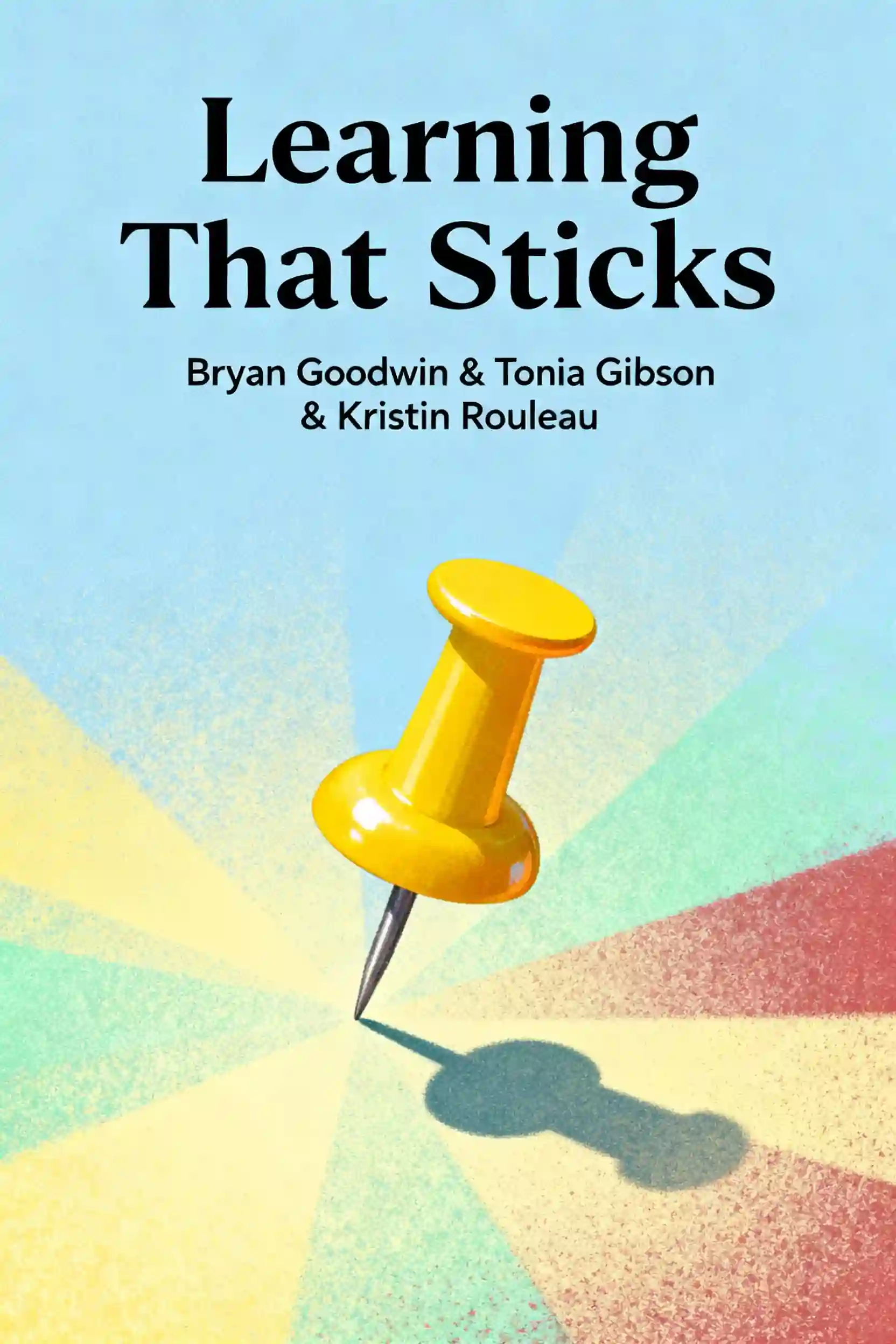
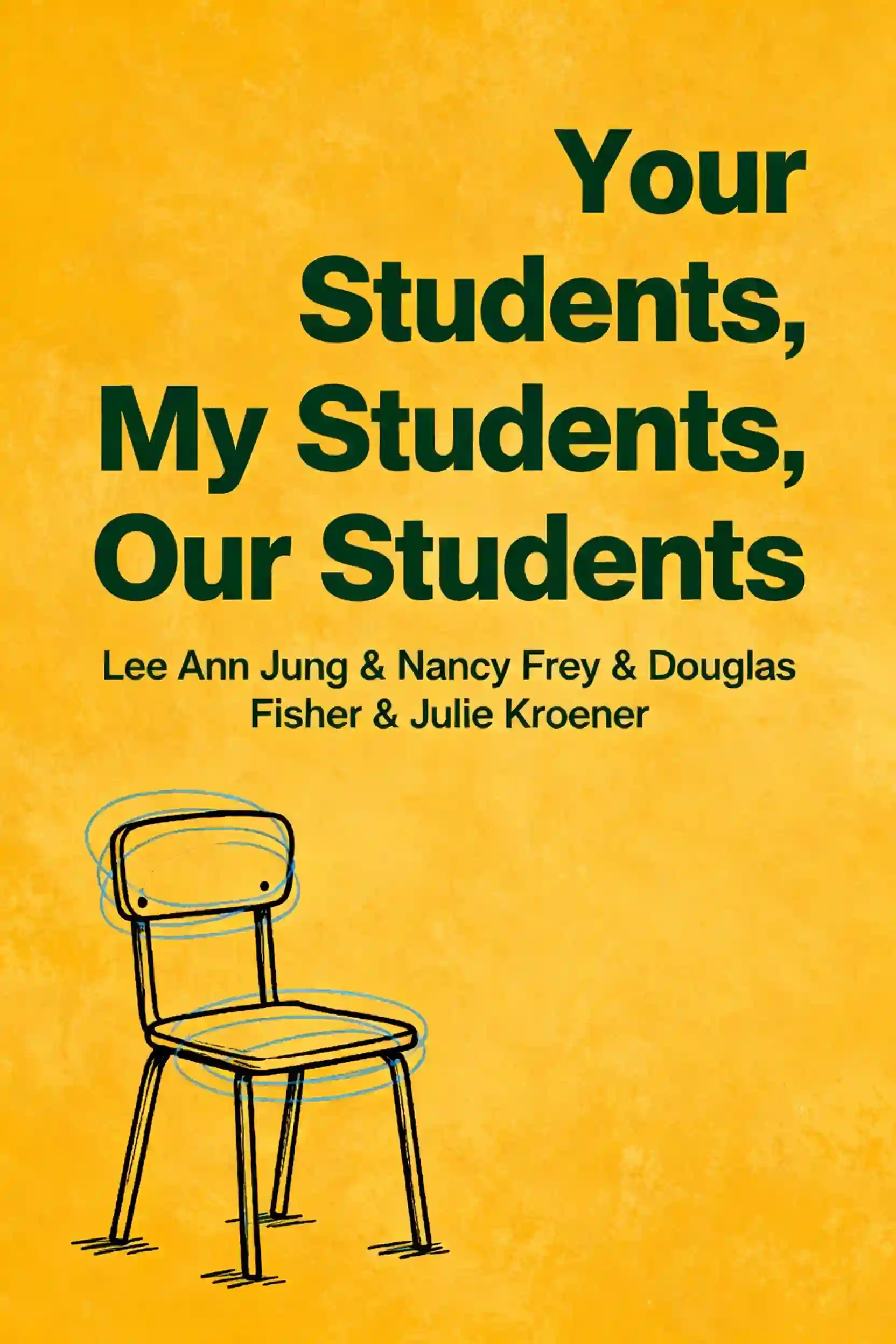
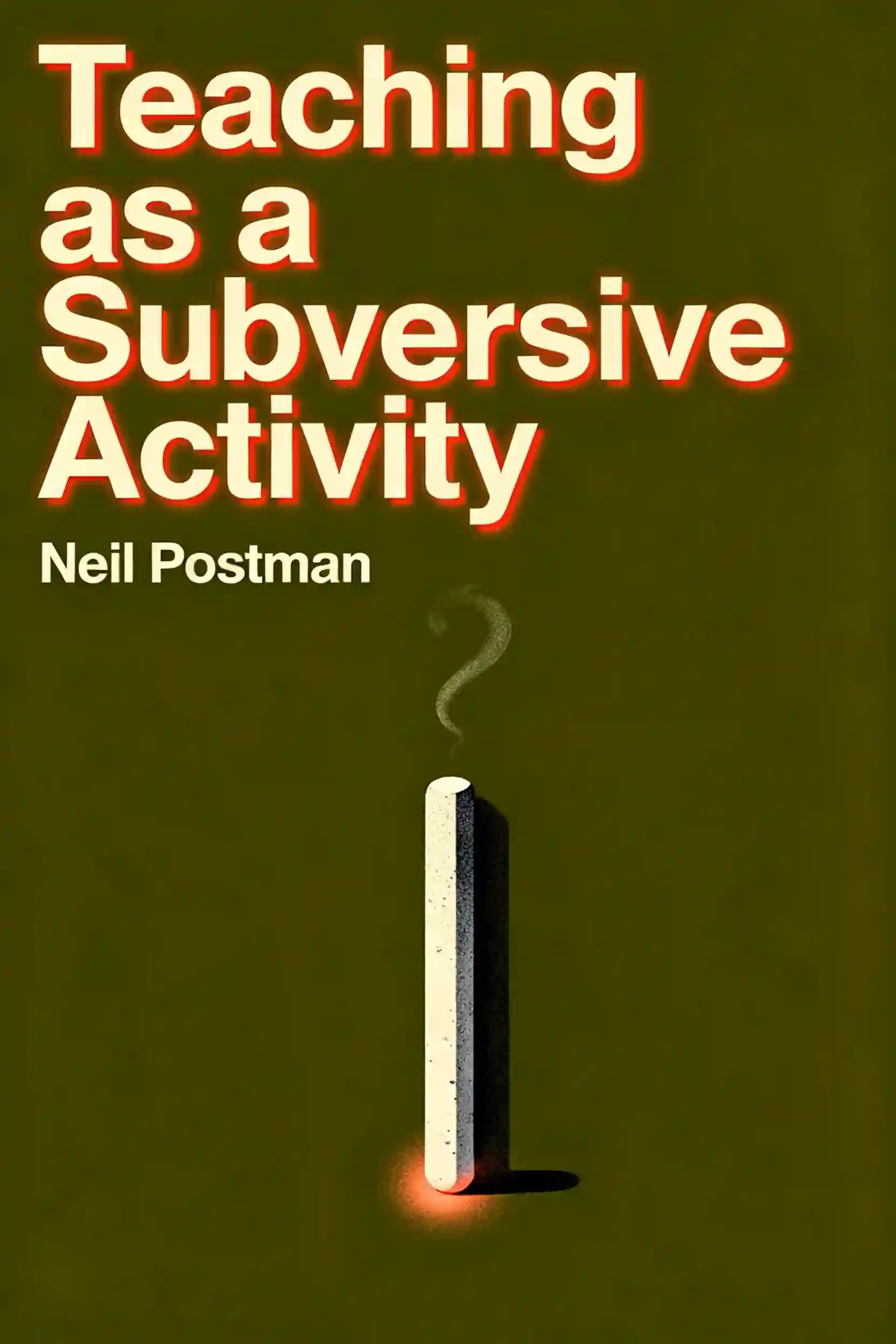
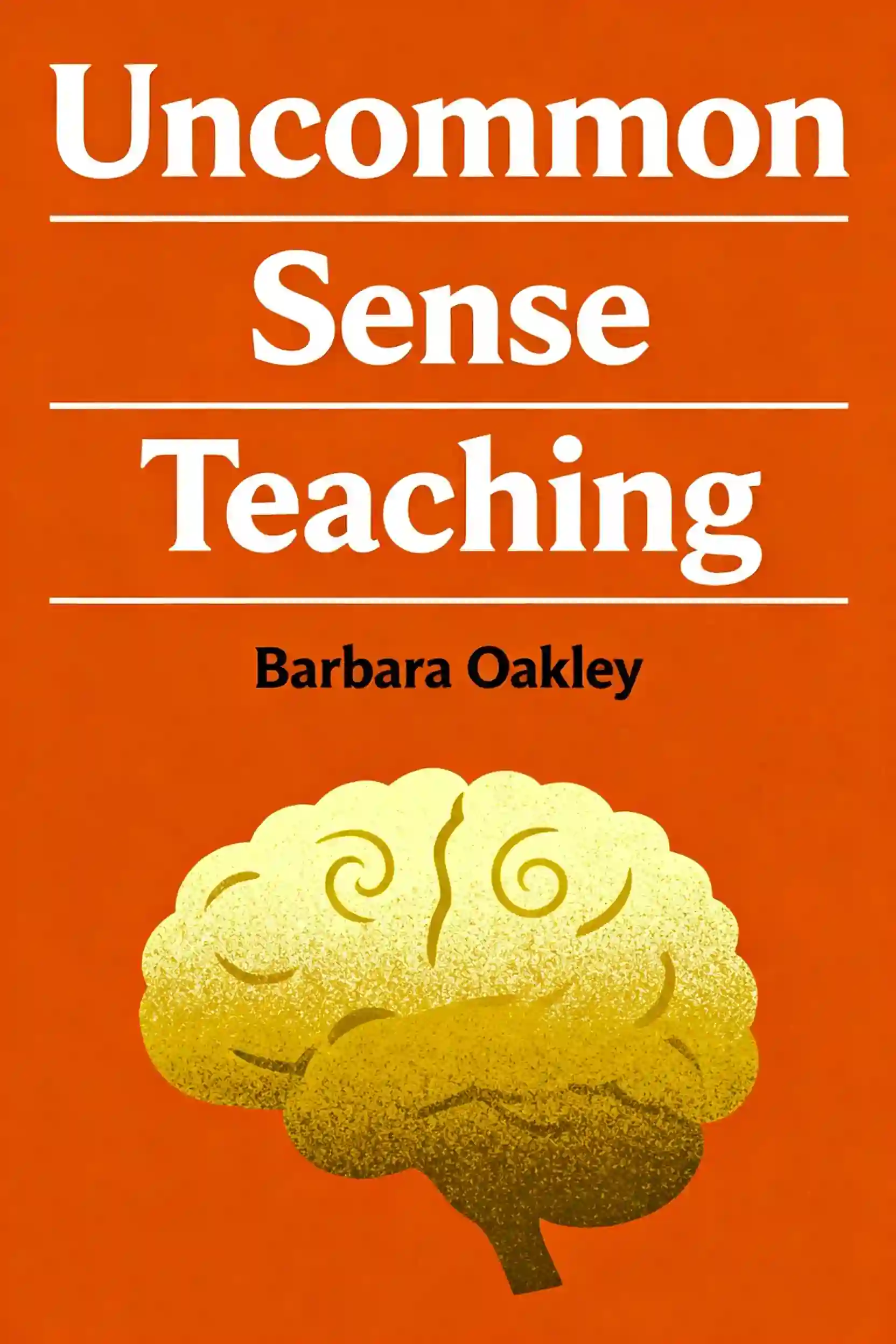





FAQ
To use backward design in planning, you start by outlining your course learning objectives. Next, you design the assessments that will measure student understanding. Finally, you create the daily learning activities and instruction needed to help students succeed on those assessments.
The backward approach is an instructional planning framework that starts with the desired end goal. Instead of beginning with a textbook chapter or a specific activity, teachers first define the learning outcomes they want students to achieve.
Teachers must first determine the learning outcomes or desired results. This involves identifying exactly what knowledge and skills students should acquire by the end of the lesson or unit.
From Columbia University alumni built in San Francisco
"Instead of endless scrolling, I just hit play on BeFreed. It saves me so much time."


"I never knew where to start with nonfiction—BeFreed’s book lists turned into podcasts gave me a clear path."


"Perfect balance between learning and entertainment. Finished ‘Thinking, Fast and Slow’ on my commute this week."
"Crazy how much I learned while walking the dog. BeFreed = small habits → big gains."
"Reading used to feel like a chore. Now it’s just part of my lifestyle."

"Feels effortless compared to reading. I’ve finished 6 books this month already."
"BeFreed turned my guilty doomscrolling into something that feels productive and inspiring."

"BeFreed turned my commute into learning time. 20-min podcasts are perfect for finishing books I never had time for."
"BeFreed replaced my podcast queue. Imagine Spotify for books — that’s it. 🙌"

"It is great for me to learn something from the book without reading it."
"The themed book list podcasts help me connect ideas across authors—like a guided audio journey."
"Makes me feel smarter every time before going to work"
From Columbia University alumni built in San Francisco
"Instead of endless scrolling, I just hit play on BeFreed. It saves me so much time."
"I never knew where to start with nonfiction—BeFreed’s book lists turned into podcasts gave me a clear path."
"Perfect balance between learning and entertainment. Finished ‘Thinking, Fast and Slow’ on my commute this week."
"Crazy how much I learned while walking the dog. BeFreed = small habits → big gains."
"Reading used to feel like a chore. Now it’s just part of my lifestyle."
"Feels effortless compared to reading. I’ve finished 6 books this month already."
"BeFreed turned my guilty doomscrolling into something that feels productive and inspiring."
"BeFreed turned my commute into learning time. 20-min podcasts are perfect for finishing books I never had time for."
"BeFreed replaced my podcast queue. Imagine Spotify for books — that’s it. 🙌"
"It is great for me to learn something from the book without reading it."
"The themed book list podcasts help me connect ideas across authors—like a guided audio journey."
"Makes me feel smarter every time before going to work"
"Instead of endless scrolling, I just hit play on BeFreed. It saves me so much time."
"I never knew where to start with nonfiction—BeFreed’s book lists turned into podcasts gave me a clear path."
"Perfect balance between learning and entertainment. Finished ‘Thinking, Fast and Slow’ on my commute this week."
"Crazy how much I learned while walking the dog. BeFreed = small habits → big gains."
"Reading used to feel like a chore. Now it’s just part of my lifestyle."
"Feels effortless compared to reading. I’ve finished 6 books this month already."
"BeFreed turned my guilty doomscrolling into something that feels productive and inspiring."
"BeFreed turned my commute into learning time. 20-min podcasts are perfect for finishing books I never had time for."
"BeFreed replaced my podcast queue. Imagine Spotify for books — that’s it. 🙌"
"It is great for me to learn something from the book without reading it."
"The themed book list podcasts help me connect ideas across authors—like a guided audio journey."
"Makes me feel smarter every time before going to work"
"Instead of endless scrolling, I just hit play on BeFreed. It saves me so much time."
"I never knew where to start with nonfiction—BeFreed’s book lists turned into podcasts gave me a clear path."
"Perfect balance between learning and entertainment. Finished ‘Thinking, Fast and Slow’ on my commute this week."
"Crazy how much I learned while walking the dog. BeFreed = small habits → big gains."
"Reading used to feel like a chore. Now it’s just part of my lifestyle."
"Feels effortless compared to reading. I’ve finished 6 books this month already."
"BeFreed turned my guilty doomscrolling into something that feels productive and inspiring."
"BeFreed turned my commute into learning time. 20-min podcasts are perfect for finishing books I never had time for."
"BeFreed replaced my podcast queue. Imagine Spotify for books — that’s it. 🙌"
"It is great for me to learn something from the book without reading it."
"The themed book list podcasts help me connect ideas across authors—like a guided audio journey."
"Makes me feel smarter every time before going to work"