Anxious attachment in high-drive women
Why do successful leaders often feel insecure in love? Discover how to soothe a high-energy nervous system and turn relationship anxiety into security.

Best quote from Anxious attachment in high-drive women
It’s like your 'executive' brain and your 'attachment' brain are speaking two different languages. Your executive brain says, 'I’m a boss, I don’t need anyone,' but your attachment brain is screaming, 'If they leave, I’m not okay.'
Generated by Vishwanath
How to deal with anxious attachment style women with high testosterone

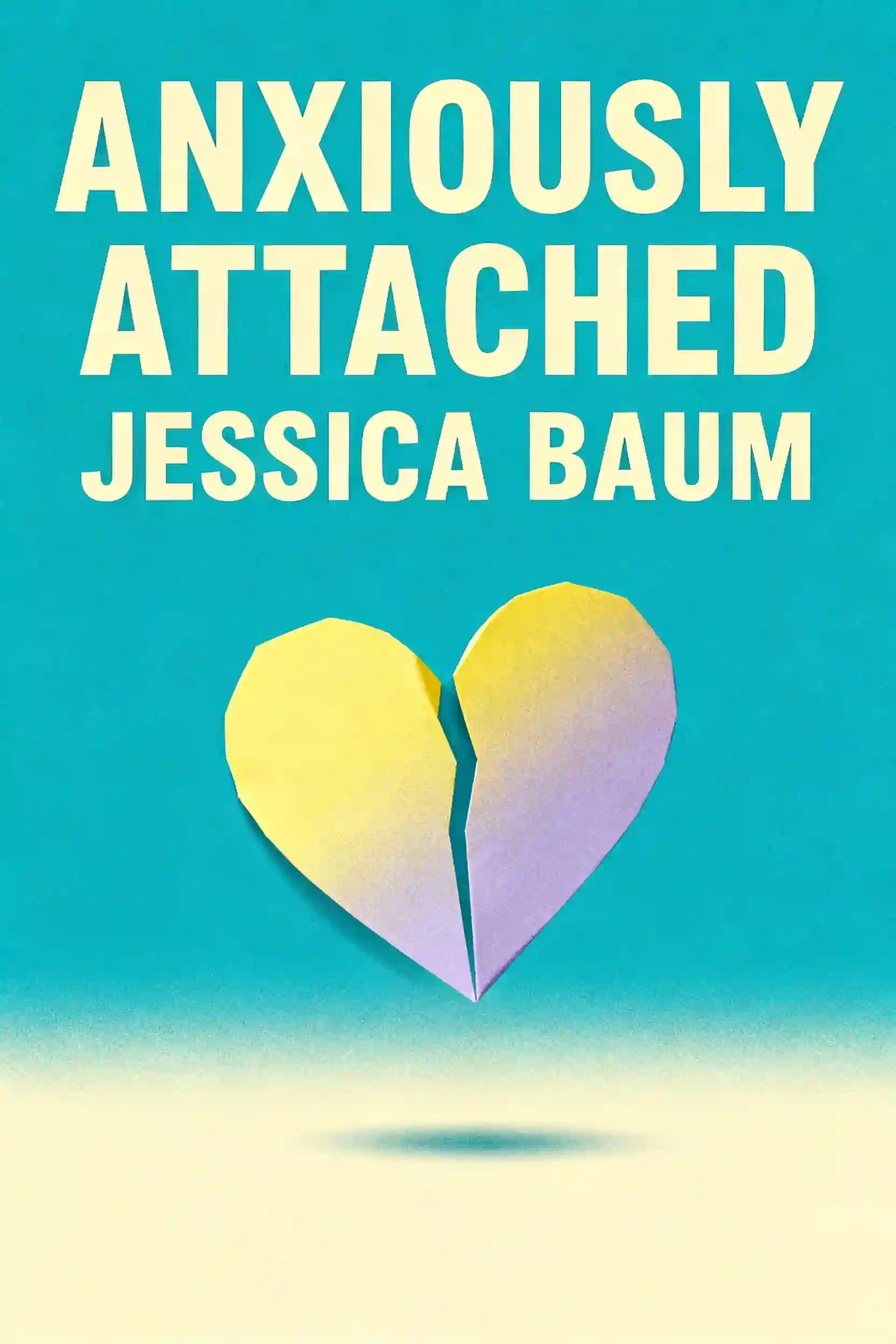

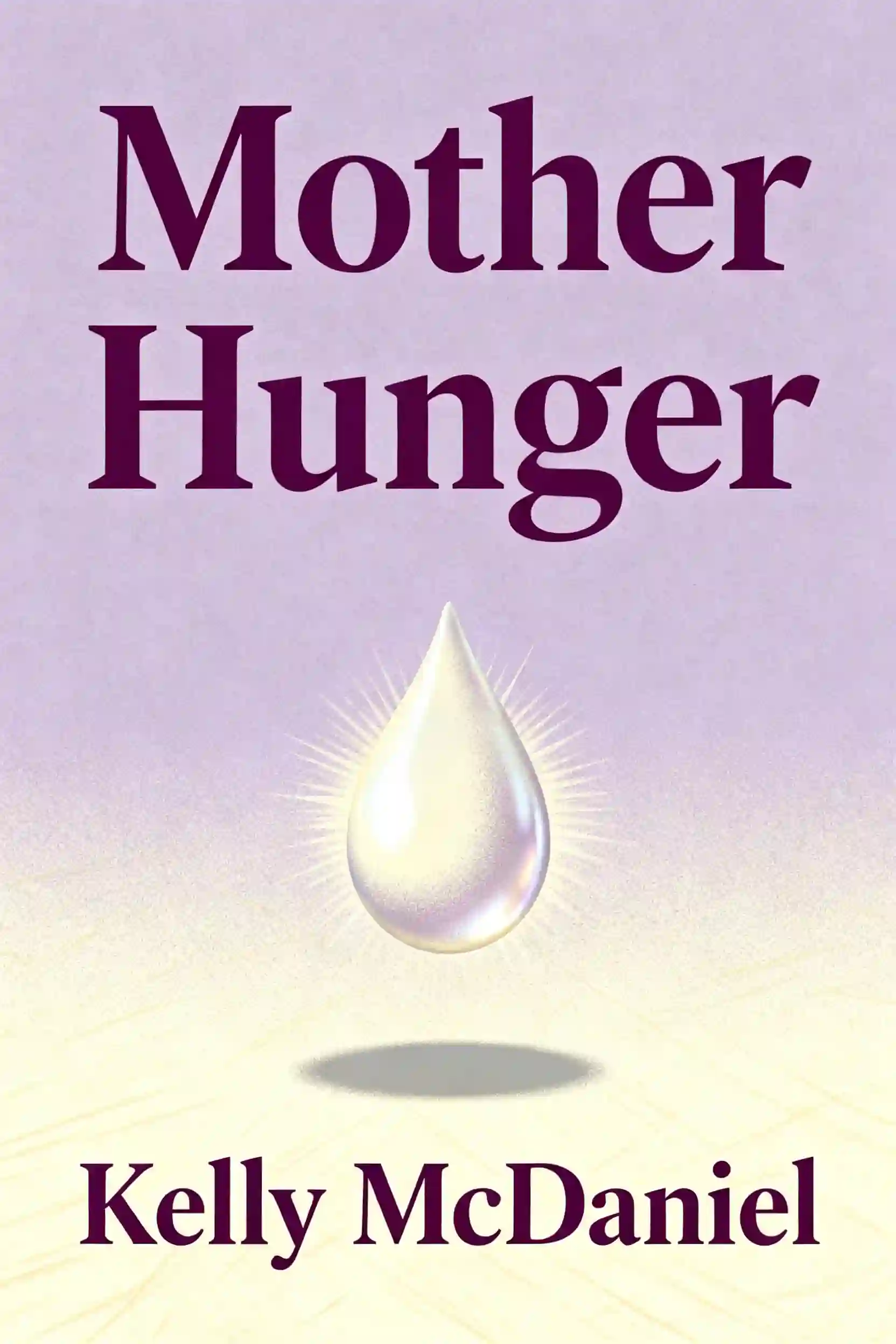
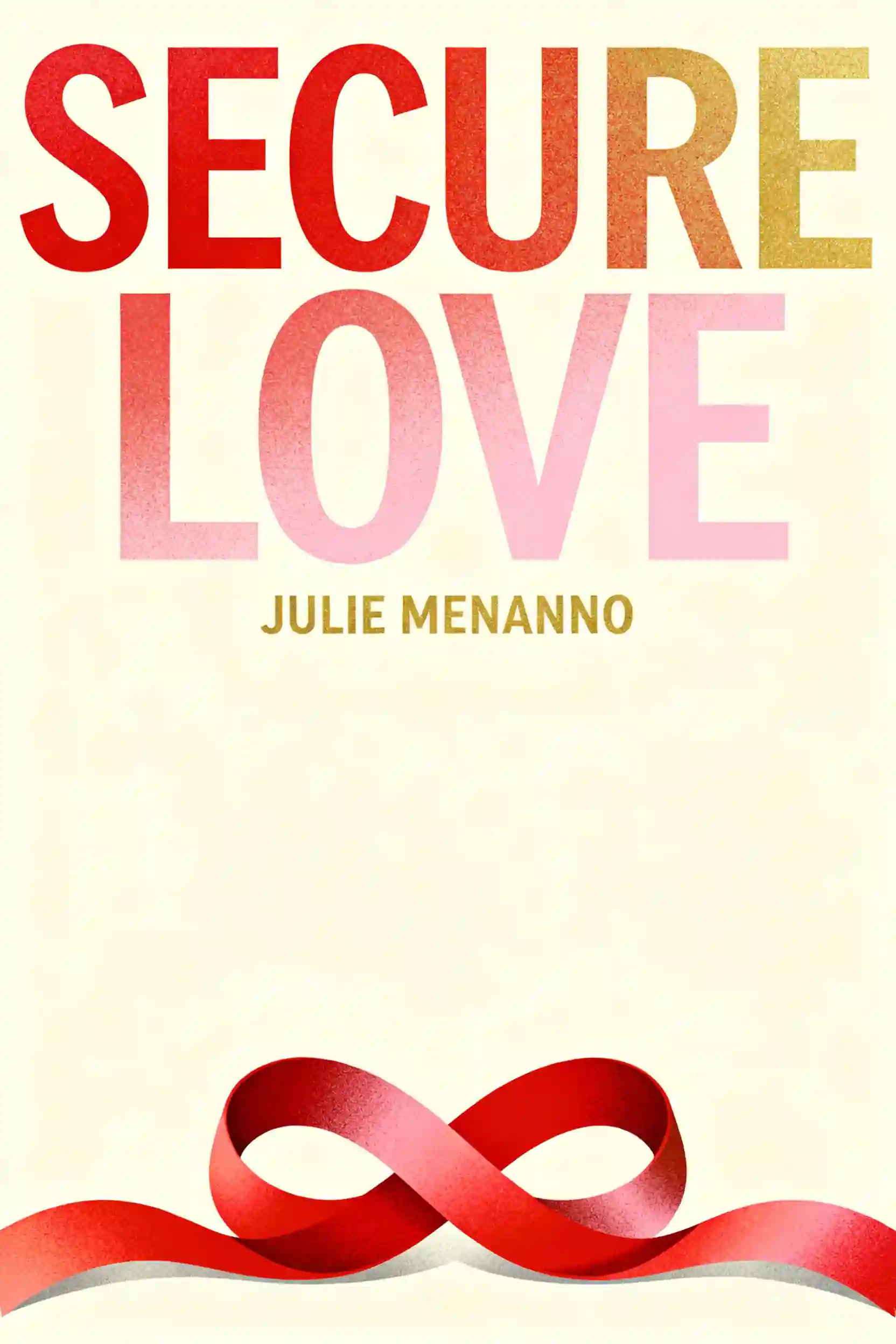
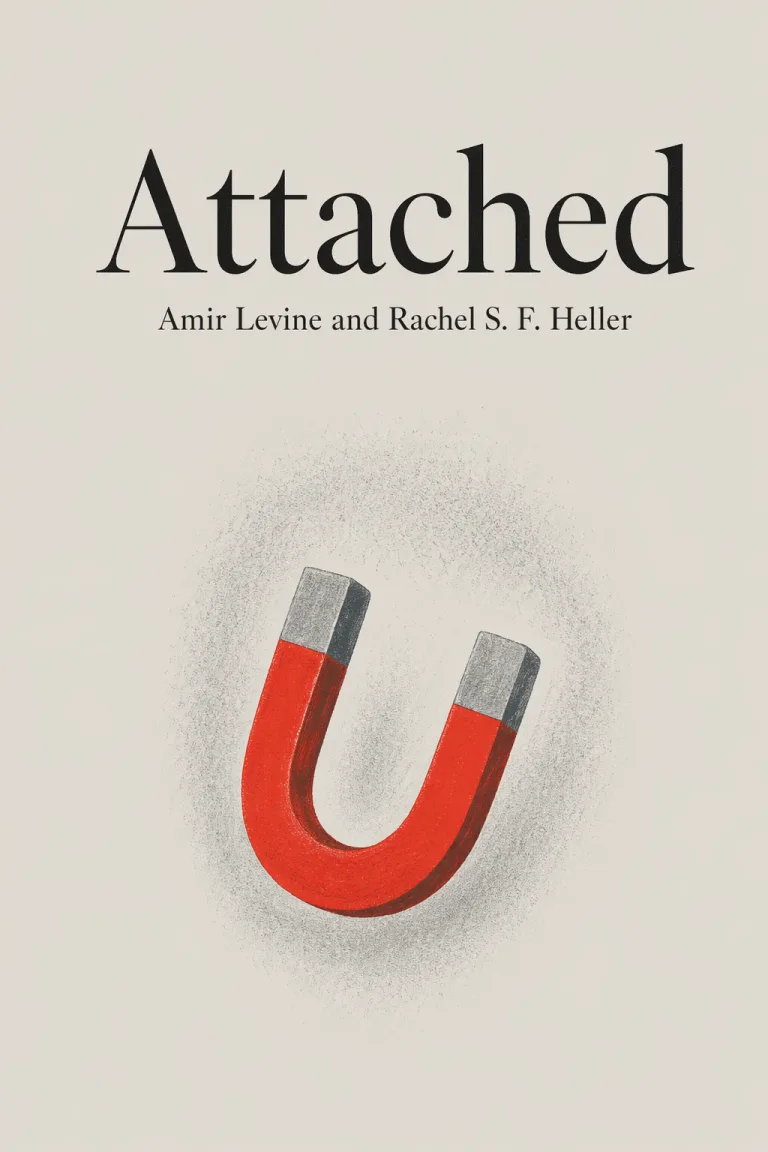
Frequently Asked Questions
This phenomenon is described as a biological paradox where a "Ferrari engine" nervous system is applied to attachment. Women with high-drive, high-testosterone profiles are naturally wired for assertiveness and goal-orientation, which serves them well professionally. However, if they have an anxious attachment style, that same high energy is channeled into hyper-vigilance. Their brains become hyper-attuned to micro-shifts in a partner's tone or delays in communication, triggering a physiological "fight-or-flight" response that feels like a physical emergency.
Research indicates that high testosterone in females can amplify the body’s stress response, increasing cortisol and adrenaline. This makes the "attachment alarm" feel more urgent, often manifesting as irritability or an intense pressure to "fix" relationship perceived threats immediately. Furthermore, high testosterone can dampen the effects of oxytocin, the bonding hormone. This creates a "reassurance-seeking loop" where the individual craves the soothing feeling of connection, but their biological state makes it difficult for that sense of safety to actually "stick" or be felt.
The ten-minute delay is a self-regulation strategy designed to allow adrenaline to metabolize before reacting to a perceived relationship threat. When a person feels a high-pressure urge to confront a partner or send an anxious text, they commit to waiting ten minutes. During this window, the goal is to perform "biological maintenance"—such as box breathing or a short walk—to signal to the nervous system that there is no immediate lion to fight. This pause moves the individual from a reactive "reptilian brain" state back into their "executive" thinking brain.
The key is shifting from "demand" to "vulnerability" by sharing an internal "weather report" rather than a critique of the partner's behavior. Instead of making accusations (which triggers a partner's defenses), the high-drive individual can explain their internal biological state—for example, saying, "My attachment alarm is going off and I'm feeling a bit insecure." This approach takes responsibility for one's own biology and invites the partner to offer support as an ally rather than a defendant.
Behavioral activation involves channeling high-drive energy away from the relationship and into non-relational, goal-directed tasks like exercise, work projects, or creative hobbies. For those with anxious attachment, the focus often narrows exclusively onto the partner. By engaging in purposeful activity, the individual reminds their brain of their own sovereignty and independence. This builds an "internal secure base," transforming the reach for a partner from a desperate necessity into a conscious choice.
From Columbia University alumni built in San Francisco
"Instead of endless scrolling, I just hit play on BeFreed. It saves me so much time."


"I never knew where to start with nonfiction—BeFreed’s book lists turned into podcasts gave me a clear path."


"Perfect balance between learning and entertainment. Finished ‘Thinking, Fast and Slow’ on my commute this week."
"Crazy how much I learned while walking the dog. BeFreed = small habits → big gains."
"Reading used to feel like a chore. Now it’s just part of my lifestyle."

"Feels effortless compared to reading. I’ve finished 6 books this month already."
"BeFreed turned my guilty doomscrolling into something that feels productive and inspiring."

"BeFreed turned my commute into learning time. 20-min podcasts are perfect for finishing books I never had time for."
"BeFreed replaced my podcast queue. Imagine Spotify for books — that’s it. 🙌"

"It is great for me to learn something from the book without reading it."
"The themed book list podcasts help me connect ideas across authors—like a guided audio journey."
"Makes me feel smarter every time before going to work"
From Columbia University alumni built in San Francisco
"Instead of endless scrolling, I just hit play on BeFreed. It saves me so much time."
"I never knew where to start with nonfiction—BeFreed’s book lists turned into podcasts gave me a clear path."
"Perfect balance between learning and entertainment. Finished ‘Thinking, Fast and Slow’ on my commute this week."
"Crazy how much I learned while walking the dog. BeFreed = small habits → big gains."
"Reading used to feel like a chore. Now it’s just part of my lifestyle."
"Feels effortless compared to reading. I’ve finished 6 books this month already."
"BeFreed turned my guilty doomscrolling into something that feels productive and inspiring."
"BeFreed turned my commute into learning time. 20-min podcasts are perfect for finishing books I never had time for."
"BeFreed replaced my podcast queue. Imagine Spotify for books — that’s it. 🙌"
"It is great for me to learn something from the book without reading it."
"The themed book list podcasts help me connect ideas across authors—like a guided audio journey."
"Makes me feel smarter every time before going to work"
"Instead of endless scrolling, I just hit play on BeFreed. It saves me so much time."
"I never knew where to start with nonfiction—BeFreed’s book lists turned into podcasts gave me a clear path."
"Perfect balance between learning and entertainment. Finished ‘Thinking, Fast and Slow’ on my commute this week."
"Crazy how much I learned while walking the dog. BeFreed = small habits → big gains."
"Reading used to feel like a chore. Now it’s just part of my lifestyle."
"Feels effortless compared to reading. I’ve finished 6 books this month already."
"BeFreed turned my guilty doomscrolling into something that feels productive and inspiring."
"BeFreed turned my commute into learning time. 20-min podcasts are perfect for finishing books I never had time for."
"BeFreed replaced my podcast queue. Imagine Spotify for books — that’s it. 🙌"
"It is great for me to learn something from the book without reading it."
"The themed book list podcasts help me connect ideas across authors—like a guided audio journey."
"Makes me feel smarter every time before going to work"
"Instead of endless scrolling, I just hit play on BeFreed. It saves me so much time."
"I never knew where to start with nonfiction—BeFreed’s book lists turned into podcasts gave me a clear path."
"Perfect balance between learning and entertainment. Finished ‘Thinking, Fast and Slow’ on my commute this week."
"Crazy how much I learned while walking the dog. BeFreed = small habits → big gains."
"Reading used to feel like a chore. Now it’s just part of my lifestyle."
"Feels effortless compared to reading. I’ve finished 6 books this month already."
"BeFreed turned my guilty doomscrolling into something that feels productive and inspiring."
"BeFreed turned my commute into learning time. 20-min podcasts are perfect for finishing books I never had time for."
"BeFreed replaced my podcast queue. Imagine Spotify for books — that’s it. 🙌"
"It is great for me to learn something from the book without reading it."
"The themed book list podcasts help me connect ideas across authors—like a guided audio journey."
"Makes me feel smarter every time before going to work"