Healing Anxious Attachment Through Nervous System Rewiring
Discover why constant reassurance-seeking isn't about loving too much—it's your nervous system's protective response. Learn science-backed strategies to calm attachment anxiety and build secure, lasting relationships.

Best quote from Healing Anxious Attachment Through Nervous System Rewiring
Anxious attachment doesn't calm down because the logic is convincing; it calms down because the emotion is acknowledged. All that explaining and reasoning we try to do isn't actually hitting the target.

This audio lesson was created by a BeFreed community member
Healing anxious attachment

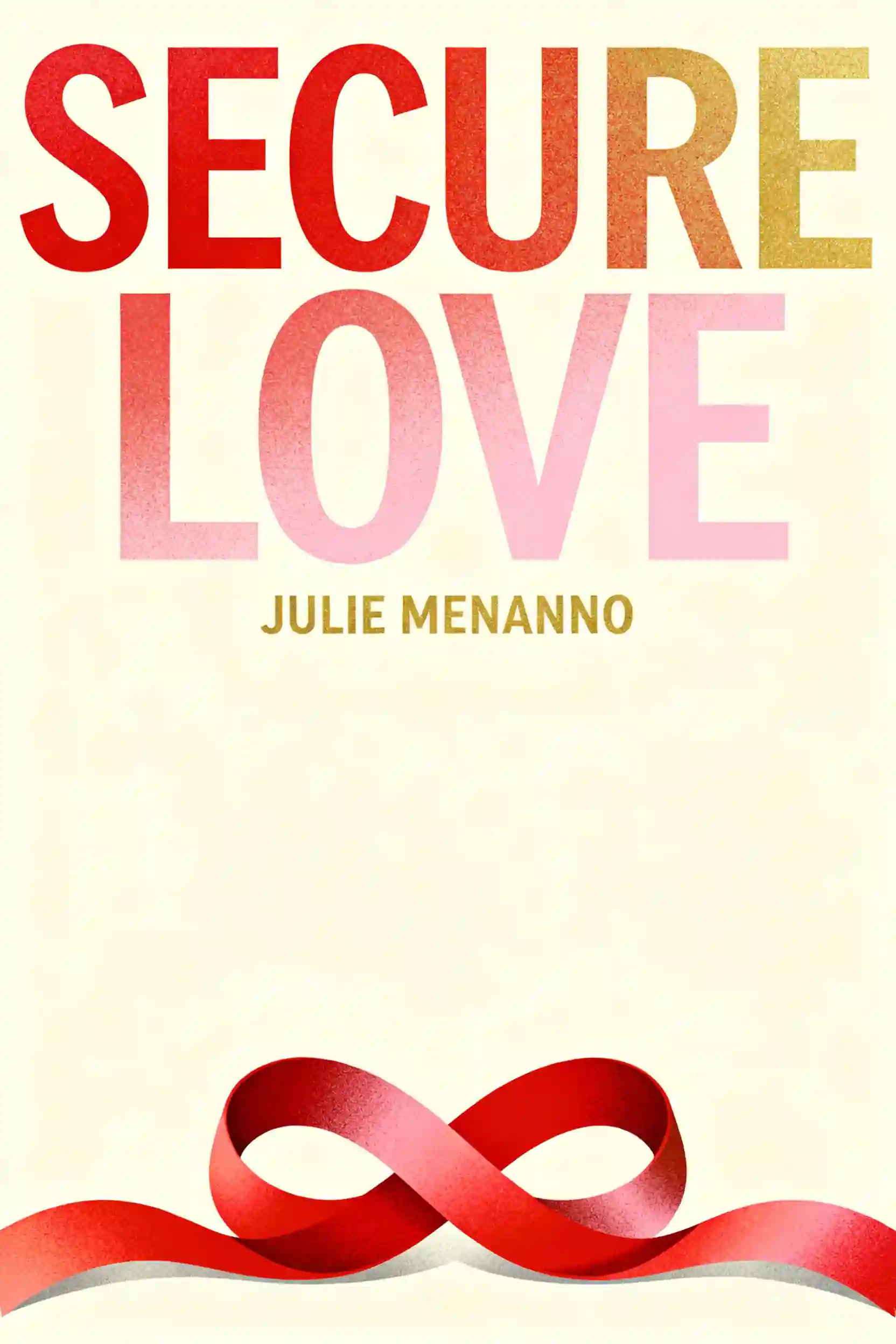
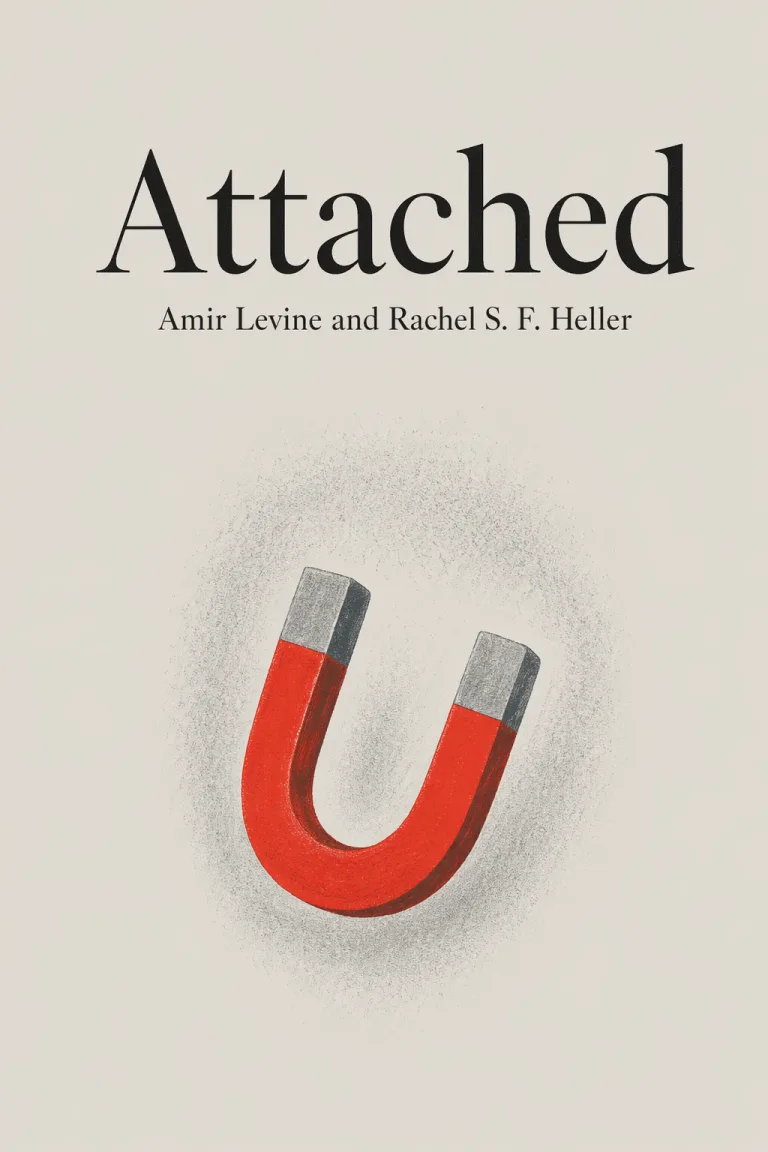
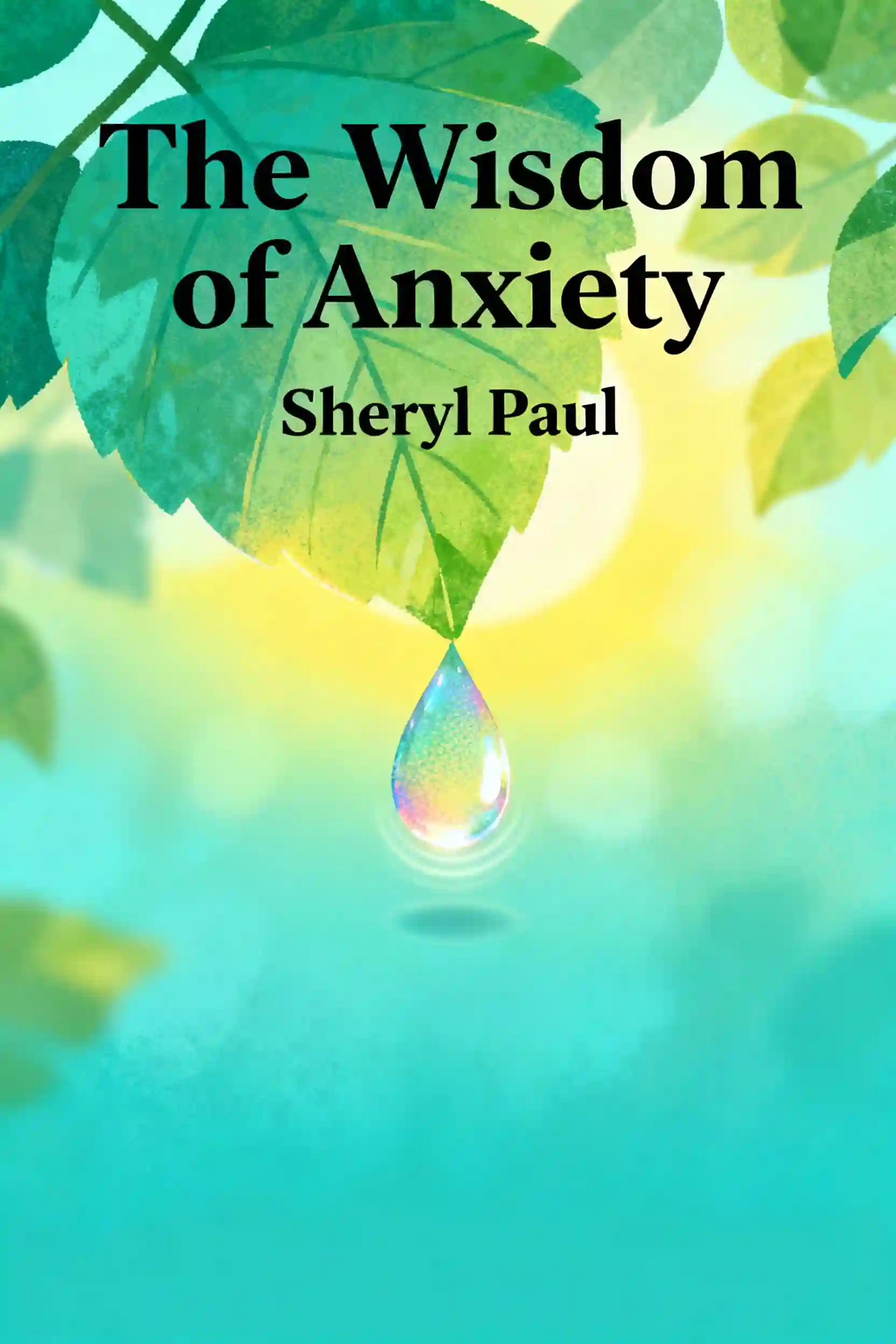
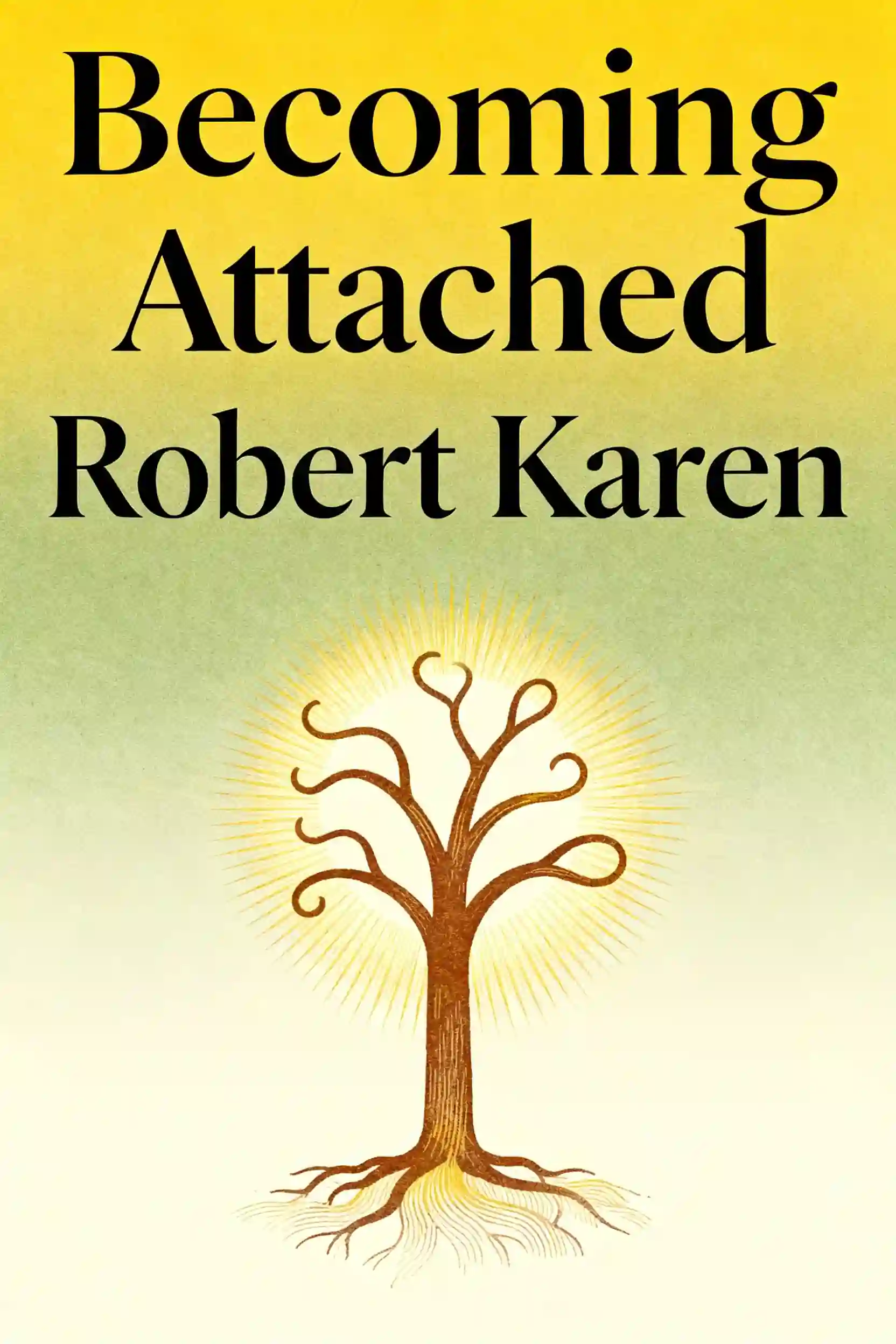
Discover more

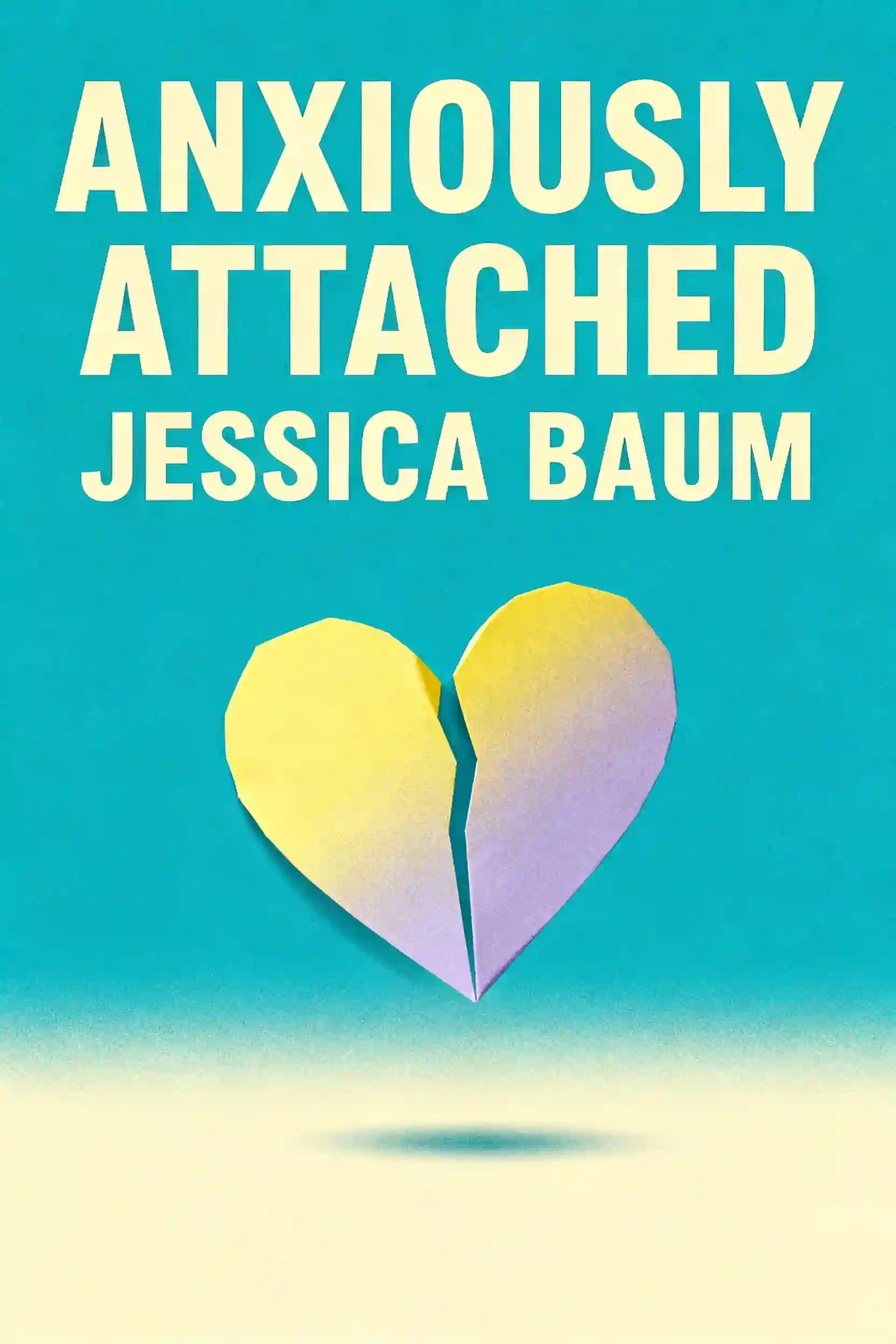
Manage anxious attachment in relationships
Anxious attachment patterns can significantly disrupt relationships, causing excessive worry, need for reassurance, and fear of abandonment. This learning plan helps those struggling with relationship anxiety understand their attachment style, regulate their emotions, and build healthier, more secure connections.
Healing attachment wounds for avoidants
Avoidant attachment patterns often develop as protective responses to childhood experiences, creating barriers to intimacy and emotional connection in adult relationships. This learning plan helps those with avoidant tendencies understand their patterns, heal underlying wounds, and develop the capacity for secure, fulfilling relationships.

Rewire Your Avoidant Heart
This plan is designed for individuals who struggle with emotional distance and the impulse to pull away in relationships. It provides a practical roadmap to shift from self-protection to secure connection by integrating nervous system regulation with actionable communication skills.

Secure attachment style
Attachment styles formed in childhood profoundly impact how we connect, communicate, and maintain relationships throughout our lives. This learning plan is ideal for anyone struggling with relationship anxiety, emotional avoidance, or recurring relationship patterns, as well as those seeking to deepen existing connections and create more fulfilling partnerships.
Break the Anxious-Avoidant Trap
This plan is essential for individuals or couples caught in the exhausting cycle of pursuit and withdrawal. It provides practical somatic and behavioral tools for anyone looking to transform defensive patterns into a secure, lasting emotional connection.

Heal my nervous system
This learning plan is essential for anyone experiencing chronic stress, anxiety, or the lingering effects of trauma that manifest as physical tension, emotional dysregulation, or feeling constantly on edge. It's particularly valuable for those who've tried traditional talk therapy alone and are seeking body-based approaches to healing, as well as anyone wanting to understand the physiological roots of their stress responses and develop practical tools for lasting nervous system regulation.

Healing the Inner Child
This plan is essential for individuals struggling with chronic insecurity or emotional reactivity in relationships. It provides a structured path for those ready to bridge the gap between cognitive understanding and somatic healing to transform their attachment patterns.

Navigate anxiety spiral after 6 months chaos
After enduring long-term stress, the nervous system often remains in a state of high alert. This plan is designed for individuals seeking to regain emotional stability and rebuild their mental foundations after a period of intense life upheaval.
From Columbia University alumni built in San Francisco
"Instead of endless scrolling, I just hit play on BeFreed. It saves me so much time."


"I never knew where to start with nonfiction—BeFreed’s book lists turned into podcasts gave me a clear path."


"Perfect balance between learning and entertainment. Finished ‘Thinking, Fast and Slow’ on my commute this week."
"Crazy how much I learned while walking the dog. BeFreed = small habits → big gains."
"Reading used to feel like a chore. Now it’s just part of my lifestyle."

"Feels effortless compared to reading. I’ve finished 6 books this month already."
"BeFreed turned my guilty doomscrolling into something that feels productive and inspiring."

"BeFreed turned my commute into learning time. 20-min podcasts are perfect for finishing books I never had time for."
"BeFreed replaced my podcast queue. Imagine Spotify for books — that’s it. 🙌"

"It is great for me to learn something from the book without reading it."
"The themed book list podcasts help me connect ideas across authors—like a guided audio journey."
"Makes me feel smarter every time before going to work"
From Columbia University alumni built in San Francisco
"Instead of endless scrolling, I just hit play on BeFreed. It saves me so much time."
"I never knew where to start with nonfiction—BeFreed’s book lists turned into podcasts gave me a clear path."
"Perfect balance between learning and entertainment. Finished ‘Thinking, Fast and Slow’ on my commute this week."
"Crazy how much I learned while walking the dog. BeFreed = small habits → big gains."
"Reading used to feel like a chore. Now it’s just part of my lifestyle."
"Feels effortless compared to reading. I’ve finished 6 books this month already."
"BeFreed turned my guilty doomscrolling into something that feels productive and inspiring."
"BeFreed turned my commute into learning time. 20-min podcasts are perfect for finishing books I never had time for."
"BeFreed replaced my podcast queue. Imagine Spotify for books — that’s it. 🙌"
"It is great for me to learn something from the book without reading it."
"The themed book list podcasts help me connect ideas across authors—like a guided audio journey."
"Makes me feel smarter every time before going to work"
"Instead of endless scrolling, I just hit play on BeFreed. It saves me so much time."
"I never knew where to start with nonfiction—BeFreed’s book lists turned into podcasts gave me a clear path."
"Perfect balance between learning and entertainment. Finished ‘Thinking, Fast and Slow’ on my commute this week."
"Crazy how much I learned while walking the dog. BeFreed = small habits → big gains."
"Reading used to feel like a chore. Now it’s just part of my lifestyle."
"Feels effortless compared to reading. I’ve finished 6 books this month already."
"BeFreed turned my guilty doomscrolling into something that feels productive and inspiring."
"BeFreed turned my commute into learning time. 20-min podcasts are perfect for finishing books I never had time for."
"BeFreed replaced my podcast queue. Imagine Spotify for books — that’s it. 🙌"
"It is great for me to learn something from the book without reading it."
"The themed book list podcasts help me connect ideas across authors—like a guided audio journey."
"Makes me feel smarter every time before going to work"
"Instead of endless scrolling, I just hit play on BeFreed. It saves me so much time."
"I never knew where to start with nonfiction—BeFreed’s book lists turned into podcasts gave me a clear path."
"Perfect balance between learning and entertainment. Finished ‘Thinking, Fast and Slow’ on my commute this week."
"Crazy how much I learned while walking the dog. BeFreed = small habits → big gains."
"Reading used to feel like a chore. Now it’s just part of my lifestyle."
"Feels effortless compared to reading. I’ve finished 6 books this month already."
"BeFreed turned my guilty doomscrolling into something that feels productive and inspiring."
"BeFreed turned my commute into learning time. 20-min podcasts are perfect for finishing books I never had time for."
"BeFreed replaced my podcast queue. Imagine Spotify for books — that’s it. 🙌"
"It is great for me to learn something from the book without reading it."
"The themed book list podcasts help me connect ideas across authors—like a guided audio journey."
"Makes me feel smarter every time before going to work"