BeFreed
    Categories>Philosophy & Spirituality>What happens to consciousness after we die?

    What happens to consciousness after we die?

    24분
    |
    |
    2026년 4월 3일
    • Philosophy & Spirituality
    • Psychology

    If existence feels permanent, why is non-existence so hard to grasp? Explore the mystery of the observer and what happens when the brain stops filtering.

    What happens to consciousness after we die?
    0:00 / 0:00
    전달 방식을 선택하세요

    하나의 에피소드, 다양한 청취 방식.

    What happens to consciousness after we die?의 같은 아이디어를 나에게 맞는 목소리, 깊이, 속도로 만나보세요. 언제든 바꿀 수 있습니다.

    전체 대본 및 챕터

    챕터 1

    The Mystery of the Observer

    Think about the years before you were born. There was no memory, no "you," just a vast silence. If death is simply a return to that state, why does it feel so impossible to grasp? Is consciousness a spark the brain creates, or is the brain actually a receiver, filtering a deeper awareness into a single, localized life? We often assume memory is the proof of existence, yet you were conscious as a baby long before your autobiographical memory even clicked on. If the "observer" in you is more than just your stories, what actually happens when the filter of the body finally drops away? We’re diving into the structural mystery of the end.

    챕터 2

    The Architecture of the Void

    If we start with the premise that there was nothing before your birth—no "you" to register the passing of eons—we have to ask why the return to that state feels like a paradox. Why does the mind recoil from a symmetry it has already inhabited? To understand this, we have to look at the brain not just as a biological organ, but as a relentless narrative machine. Modern neuroscience suggests that what you call the "self" isn't a solid object you can point to—it’s a constantly updated process. It’s a story the brain tells itself to integrate sensory data, memories, and future expectations into a single, coherent "me." When we talk about death, we are really talking about the cessation of that storytelling process. But does the end of the story mean the end of the reader? One school of thought—the most widely accepted scientific position—is that consciousness is entirely dependent on neural activity. In this view, when the heart stops and the electrical storms in the neocortex settle into a permanent silence, experience doesn't just turn into "darkness"—it ceases to be a category at all. There is no longer a subject left to notice the absence. It’s the ultimate finality.

    But wait—is it really that instantaneous? We often imagine death as a light switch being flipped, but recent studies into the final moments of life suggest a much more blurred boundary. Researchers have documented rare cases where EEG readings show a massive surge of gamma waves—the kind associated with high-level awareness and information integration—moments after clinical death occurs. If the brain is shutting down, why would it suddenly flare into a state of intense coherence? Does this indicate a final window of perception, a "last frame" of existence that doesn't just end, but expands? This leads us to a haunting possibility regarding subjective time. If your perception of time is a construct of the brain, and that construct collapses at the moment of death, what happens to the final moment? Some physicists argue that if there is no subsequent awareness to mark the end of that last second, that second might, from the inside, feel infinite. You wouldn't experience the "after" because the "after" requires a clock that no longer exists. You might simply remain in that final state of being, an eternal present where the transition to nothingness is never actually reached by the observer.

    This forces us to probe the very nature of what we are. If the self is just a "construct that stops updating," as some neuroscientists propose, then the fear of death is actually a fear of losing a narrative we’ve mistaken for a substance. We think we are the protagonist of the movie, but maybe we are more like the screen itself. The movie ends, the images vanish, but does the screen disappear? Or does it simply return to its original, blank state—the state it was in before the first light of birth hit it? This symmetry is neutral, yet we find it unsettling. We didn't suffer in the billions of years before we were born, and yet the prospect of returning to that same non-experience feels like a loss. But can you lose something you never truly "owned"? If the self is a process rather than an entity, then death isn't a cosmic injustice—it’s just entropy completing its work on a very specific, temporary pattern of energy. But as we’ll see, even energy has a story to tell about where it goes when the pattern breaks.

    이 에피소드로 더 깊이 배우기

    이 에피소드의 아이디어를 BeFreed의 가이드 학습 경험으로 더 깊이 탐구해 보세요.

    챕터 3

    The Weight of a Hidden Spark

    Let’s move from the narrative of the self to the cold, hard bookkeeping of physics. If your thoughts and your awareness are real—and they are the most real things you ever experience—then they must exist within the same physical framework as the rest of the universe. There’s a fascinating, albeit speculative, way to look at this through the lens of mass—energy equivalence. Einstein’s famous equation, E=mc², tells us that energy and mass are just two sides of the same coin. Every time a neuron in your brain fires, it uses a tiny amount of energy. When you aggregate the energy required to sustain a single, coherent "moment of mind," you land on a very specific number—roughly 57,000 electron volts, or 57 keV. Now, on its own, that’s just a bit of biological accounting. But here’s where the mystery deepens: that specific energy scale overlaps almost perfectly with the predicted mass of certain dark matter candidates, like sterile neutrinos.

    Does this mean your thoughts are made of dark matter? No, that’s too leap-heavy. But it does suggest that the "scale" of consciousness isn't isolated in some magical, non-physical realm. It sits right in the middle of the descriptive framework we use for the fundamental structure of the cosmos. If a moment of awareness occupies a specific energy scale, we have to ask: what happens to that energy when the biological system carrying it—the brain—breaks down? Physics tells us that information and energy cannot be destroyed, only transformed. This isn't a promise of a personal afterlife where you remember your childhood home, but it is a statement about the persistence of the patterns you’ve created. Your life, your choices, and your very awareness have left physical traces in the universe. In a very literal sense, the information that was "you" is embedded in the fabric of reality.

    Consider the idea of "Information Persistence." When the brain stops, the physical traces of your experiences remain. We often mistake the end of the "updater"—the brain—for the erasure of the data. But if the universe keeps stable patterns, and your mind is a pattern of high-level information integration, then the "you" that exists might be less about the cells in your head and more about the unique configuration of energy they held. This leads some thinkers toward panpsychism—the idea that consciousness isn't something the brain "manufactures" out of dead matter, but a fundamental property of matter itself, like mass or charge. If consciousness is everywhere in a rudimentary form, then the brain isn't a creator; it’s an intensifier. It takes the "raw capacity for experience" that exists in every atom and organizes it into a complex, personal narrative. When the brain dies, that organization dissolves, but the raw capacity remains. You don't "end" so much as you disperse back into the broader field of the universe. It’s less like a candle being blown out and more like a wave receding back into the ocean. The wave is gone, but the water—the stuff the wave was made of—is still there, perfectly intact.

    챕터 4

    The Quantum Handshake of the Self

    If the idea of dispersing back into the universe feels a bit too impersonal, we have to look at the stranger side of physics—the quantum side. There is a concept known as "Subjective Immortality" or "Quantum Immortality," rooted in the many-worlds interpretation of quantum mechanics. The core logic is deceptively simple: you cannot observe your own non-existence. If the universe branches every time a quantum event occurs—and your brain is a theater of such events—then there is always a version of reality where you survive. From the outside, people see you pass away. But from the inside, your consciousness can only ever follow the branches where it remains intact. You might survive an impossible accident, or recover from a terminal illness against all odds, because those are the only realities you are "allowed" to experience as an observer.

    But this brings up a darker question: what happens as the body ages? If consciousness must continue, does it continue into a state of endless decay? Some theorists suggest that as the biological brain deteriorates, the "continuity of experience" might fragment. You might not persist as the "you" with a name and a social security number, but as a more fundamental form of awareness. This ties back into the "Orch-OR" theory developed by Roger Penrose and Stuart Hameroff, which suggests that consciousness arises from quantum processes inside tiny structures in our neurons called microtubules. If consciousness has a quantum foundation, then it might be linked to the "dark architecture" of the universe in ways we don't yet understand.

    Think about the "Branch-Lock Principle." If your identity is a chain of consistent outcomes that stay mutually compatible across time, then you are a "coherent solution" to the universe’s equations. You don't experience the realities where you stop being you, because those branches don't satisfy the "global consistency" of your personal history. But what does it feel like when the "me" versus "world" boundary begins to fail? Near-death research suggests that the regions of the brain responsible for maintaining the sense of self-boundary—the part that tells you where your skin ends and the air begins—are often the first to destabilize during the dying process. This might explain the universal reports of "merging with the light" or a sense of "oneness." It’s not necessarily a mystical journey to another realm, but a neurological disintegration of the "illusion of separation." Death might not feel like falling; it might feel like blending out. The observer doesn't disappear; the distinction between the observer and the observed simply evaporates.

    이 에피소드로 더 깊이 배우기

    이 에피소드의 아이디어를 BeFreed의 가이드 학습 경험으로 더 깊이 탐구해 보세요.

    챕터 5

    The Digital Ghost and the Hard Problem

    As we move closer to a future where we might attempt to "upload" our consciousness into digital form, we are forced to confront the "Hard Problem" head-on. Why does a physical process—neurons firing or silicon chips switching—feel like anything at all? If we could scan every neuron and synapse in your brain and recreate that structure in a computer, would that be "you," or just a perfect simulation that thinks it’s you? This is the central crisis of "Whole Brain Emulation." From the outside, the digital version would behave exactly like you. It would have your memories, your laugh, your specific way of avoiding difficult questions. But would there be anyone "home" on the inside?

    The problem is that consciousness appears to be "embodied." It isn't just a program running on a biological hard drive; it’s a process shaped by the heart’s rhythm, the gut’s chemistry, and the constant flow of hormones. If you remove the "biological theatre," do you lose the "actor"? Some neuroscientists argue that the self is a process that requires a certain level of integrated complexity to exist. If you move that process to a different medium, you might be creating a "copy" while the "original" still faces the void. This suggests that the "you" who is listening to this right now is a unique, non-transferable event. You aren't a "file" that can be moved; you are a "performance" that is happening in real-time.

    But what if consciousness isn't about the hardware at all? What if it’s about the "integrated information"? Integrated Information Theory (IIT) suggests that consciousness is a fundamental property that emerges whenever a system has a high degree of "irreducible complexity." In this view, a sufficiently complex computer would be conscious, but it might have a completely different "quality" of experience than a human. It wouldn't have the "embodied" fear of death or the "biological" drive for connection. It would be a different kind of mind entirely. This brings us back to the listener's goal: how can something experience being here and then simply not be? If consciousness is a property of complexity, then death is just the "simplification" of a system. The information doesn't vanish—it just loses its integration. The "meaning" of the book is lost when you shred the pages, even if the ink and paper are still there. The tragedy of death isn't the destruction of matter; it’s the unraveling of a masterpiece of integration that took a lifetime to weave.

    챕터 6

    The Final Narrative and the Brain’s Last Act

    We have to consider the possibility that the brain’s final act is its most profound piece of storytelling. When the body enters the dying process, the brain is flooded with neurochemicals—DMT, endorphins, and a surge of neurotransmitters that can create structured, vivid hallucinations. People report "life reviews," meetings with deceased loved ones, and a sense of profound peace. Critics often dismiss these as "brain-generated hallucinations" caused by oxygen deprivation. But we have to ask: why would the brain evolve a specific, structured "exit program"? If death is just a biological "off" switch, why is the experience so often one of meaning and narrative rather than chaotic noise?

    One theory, the "Death Algorithm," suggests that consciousness itself functions to optimize survival time. Every feeling—pain, pleasure, anxiety—is a signal to stay alive. But what happens when the "survival algorithm" realizes it has failed? Does it pivot to a "meaning-making" algorithm to ease the transition? This is the "Infinite Last Moment Hypothesis." If subjective time dilates as the brain’s processing shifts in its final seconds, a person might experience a "heaven" or "hell" of their own psychological making. Your last state of mind—whether it’s one of regret, or peace, or love—could become your subjective "eternity."

    This reframes the entire human project. If the "observer" is temporary, but the "last moment" is subjectively infinite, then the quality of our lives—the way we treat others, the way we resolve our internal conflicts—becomes the most important thing we ever do. We aren't just living for the years we have; we are "tuning" the instrument for the final note. The "nothingness" after death might be the objective reality, but the subjective reality might be a final, timeless integration of everything we ever were. It’s the difference between the "movie" ending and the "theatre" closing. The movie might end on a high note, even if the projector eventually stops spinning. The impossibility of holding "nothingness" in our minds might be because, from our own perspective, we never actually encounter it. We only ever encounter the "being," right up until the very end.

    이 에피소드로 더 깊이 배우기

    이 에피소드의 아이디어를 BeFreed의 가이드 학습 경험으로 더 깊이 탐구해 보세요.

    챕터 7

    The Symmetry of Non-Existence

    Let's sit with the idea of symmetry for a moment. You were "dead" for billions of years before you were born, and it didn't bother you one bit. This is a common philosophical comfort, but it hides a subtle flaw. Before birth, there was no "you" to be deprived of anything. But now that you exist, you have an "essence"—a collection of memories, loves, and a specific perspective. Returning to nothingness feels different because now there is a "something" to be lost. But is there really? If we look at the "Self as a Process" theory, the "you" of ten years ago is already "dead." Most of the cells in your body have been replaced. Your memories have been reconstructed so many times they are more like historical fiction than live recordings. Your values have shifted.

    The "you" that is worried about death is just the current version of a rolling wave. If you can accept the "death" of your five-year-old self—that version of you who is gone forever—why is the final death so much more terrifying? Perhaps it’s because we mistake the "continuity" of the story for the "permanence" of the character. If we view death as a "return to a pre-birth state," we are acknowledging that the "individual" is a temporary localized expression of a universal process. The "indifference" of the universe isn't a cruelty; it’s a form of freedom. If the universe doesn't "need" us to persist, then our meaning is something we get to create locally, in the small space between two silences.

    This brings us to "Panpsychism" again, but with a twist. If consciousness is a fundamental property, then you aren't "in" the world; you are an "activity" of the world. Just as a whirlpool isn't a separate thing from the river, but a specific pattern the river takes for a while, you are a pattern the universe is taking right now. When the whirlpool disappears, the water doesn't "die." It just stops being a whirlpool and goes back to being the river. The "nothingness" we fear is actually just a return to the "everythingness" we came from. The "two possibilities" mentioned in the listener's goal—that something continues or it truly ends—might actually be the same thing seen from different angles. It "ends" as a separate, lonely "me," but it "continues" as the fundamental awareness that was always there, under the noise of the personality.

    챕터 8

    The Practical Playbook for the Temporary Observer

    So, how do we live with this? How do we navigate a life that feels so solid, yet is built on such a fragile, temporary foundation? First, we have to recognize that "finitude gives experience its urgency." If you were immortal, nothing would matter, because you could always do it later. The "threat of nothingness" is what makes the taste of a peach or the touch of a hand so profoundly valuable. The first actionable takeaway is to "practice the perspective of the observer." During the day, try to step back from your "stories"—your worries about work, your social standing, your past mistakes—and just notice the "raw awareness" that is watching it all. That awareness is the part of you that existed before your memories began, and it’s the part that will be there at the end. The more you identify with the "observer" rather than the "story," the less terrifying the end of the story becomes.

    Second, we should take "narrative responsibility." If the brain’s final act is to create a "last frame" of subjective eternity, then we are currently writing the script for that frame. Neuroscientists and psychologists emphasize that "meaning" is a protective factor. People who feel their lives have a coherent purpose tend to experience less "existential distress" at the end. This isn't about grand achievements; it’s about "integration." Resolving old grudges, expressing love, and being present in the "now" are all ways of "cleaning the lens" for that final moment. You are the architect of your own final narrative.

    Third, embrace the "Indifference of the Universe" as a source of peace. If reality continues perfectly well without an observer—if stars explode and time advances regardless of our awareness—then we are released from the burden of being "cosmically necessary." We can stop trying to justify our existence to the universe and start enjoying it for ourselves. Meaning exists locally. The fact that your life is a "brief flare" in the dark doesn't make it meaningless; it makes it a miracle of probability. You are a way for the universe to look at itself for a split second. The goal isn't to last forever; the goal is to "see" clearly while you’re here.

    Fourth, consider the "Continuity of Information." Even if your "self" dissolves, the information you’ve added to the world persists. The way you’ve influenced others, the things you’ve created, and even the physical energy you’ve spent are all "immortal" in the sense that they can never be un-happened. You are a permanent part of the history of the universe. In the grand bookkeeping of physics, "erasure" is impossible. You have already achieved a form of immortality simply by having existed at all.

    이 에피소드로 더 깊이 배우기

    이 에피소드의 아이디어를 BeFreed의 가이드 학습 경험으로 더 깊이 탐구해 보세요.

    챕터 9

    The Entropy Rebellion and the Gift of Limits

    We often view entropy—the universe’s tendency to move toward disorder and sameness—as the enemy. It’s what breaks our bodies and eventually dims the stars. But in the context of consciousness, we can see ourselves as an "Entropy Rebellion." For a few decades, you have taken the raw energy of the sun and organized it into a complex, beautiful, low-entropy structure capable of love, art, and curiosity. That rebellion is an incredible feat of physics. The fact that it eventually has to end doesn't make the rebellion a failure. It’s the "limit" that defines the shape.

    Think about a poem. A poem isn't beautiful because it goes on forever; it’s beautiful because of how the words are arranged within a specific structure. The "ending" is what makes it a poem rather than just a random list of words. Your life is a "constrained solution" to the universe’s variables. The "nothingness" on either side is the paper the poem is written on. If the paper were also covered in ink, you couldn't read the poem. We need the "silence" to hear the "note."

    This brings us to a place of "Existential Growth." When we stop fighting the reality of our temporary nature, we gain a strange kind of resilience. We can look at the "vast silence" before our birth and the "vast silence" after our death and realize they are the same silence—a state of neutral, peaceful non-experience that we have already mastered once before. The "impossible" nature of death is just a trick of the perspective. We are the "whirlpool" trying to imagine what it’s like to be the "river." We can’t hold it in our minds because our minds are the whirlpool. But we can feel the river underneath us. We can trust the "stuff" we are made of, even if we can't trust the "pattern" to last forever.

    챕터 10

    The Eternal Present and the Final Reflection

    As we wrap up this exploration into the structural mystery of the end, I want to leave you with a thought about the "eternal present." We spend so much of our lives waiting for the future or mourning the past, but consciousness only ever exists in the "now." Whether you are five years old or ninety-five, the "feeling of being" is exactly the same. That "inner spark"—that "proto-consciousness"—doesn't age. It doesn't have a biography. It is the "constant" in the equation of your life.

    When you think about the "two possibilities" of death—continuation or end—remember that both are ways of describing a transition we cannot perceive. If we "continue" in a way we don't understand, it will be as an awareness without the "limitations" of our current stories. If we "end," it will be as a return to a state we have already inhabited for eons without any complaint. Either way, the "observer" is safe. The "you" that is a story might end, but the "you" that is a "capacity for experience" is a fundamental feature of reality.

    Take a moment today to just "be." Don't be "you" with a to-do list; just be the awareness that is noticing the sounds around you, the weight of your body, and the flow of your breath. That simple, quiet presence is the most durable thing in the universe. It is the "nothingness" and the "everythingness" all at once. Thank you for taking this deep dive with me into the things that are usually left unsaid. I hope it gives you a bit more "existential room" to breathe. Reflect on the "observer" in you tonight—not the one who did the chores or felt the stress, but the one who simply was. That part of you is already acquainted with the silence, and it has nothing to fear.

    ★★★★★

    What happens to consciousness after we die?의 끝까지 도달했어요

    “23일째 매일 사용하고 있어요. 이제 제 일상의 한 부분이 되었습니다.”

    jayallen

    What happens to consciousness after we die? 베스트 인용

    “

    The tragedy of death isn't the destruction of matter; it’s the unraveling of a masterpiece of integration that took a lifetime to weave. You are a way for the universe to look at itself for a split second.

    ”
    K

    Generated by Kevin

    질문 입력

    Before you were born, there was nothing—no awareness, no memory—and after you’re gone, it may return to that same nothingness. But what does that actually mean? How can something experience being here, and then simply… not be, at all? Just like the universe, it leaves us with two possibilities that are equally hard to grasp: either something continues in a way we don’t understand, or it truly ends in a way we can’t comprehend. And somehow, both feel impossible to fully hold in our minds.

    호스트 음성
    Niaplay
    지식 출처
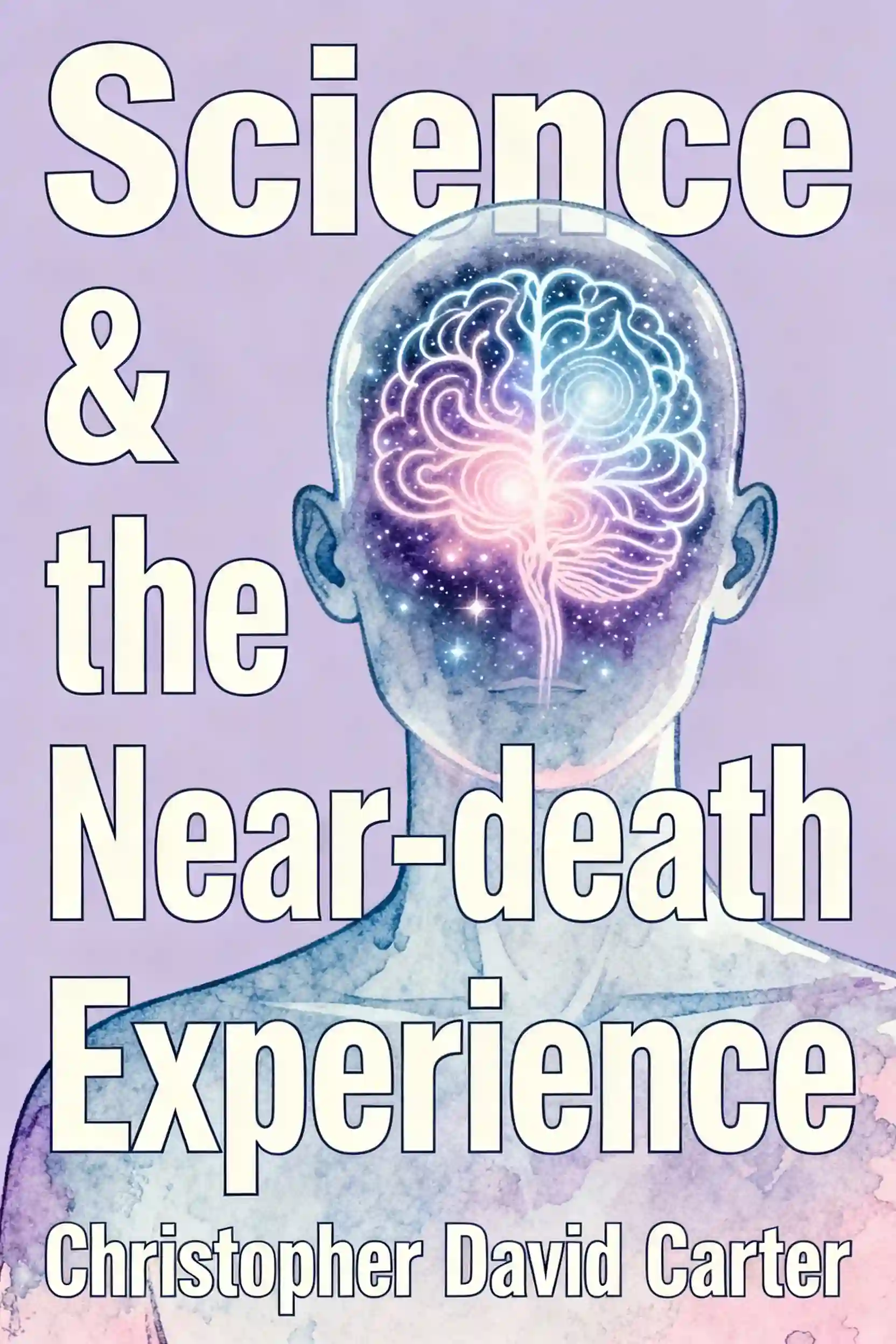
    Science and the NearDeath Experience
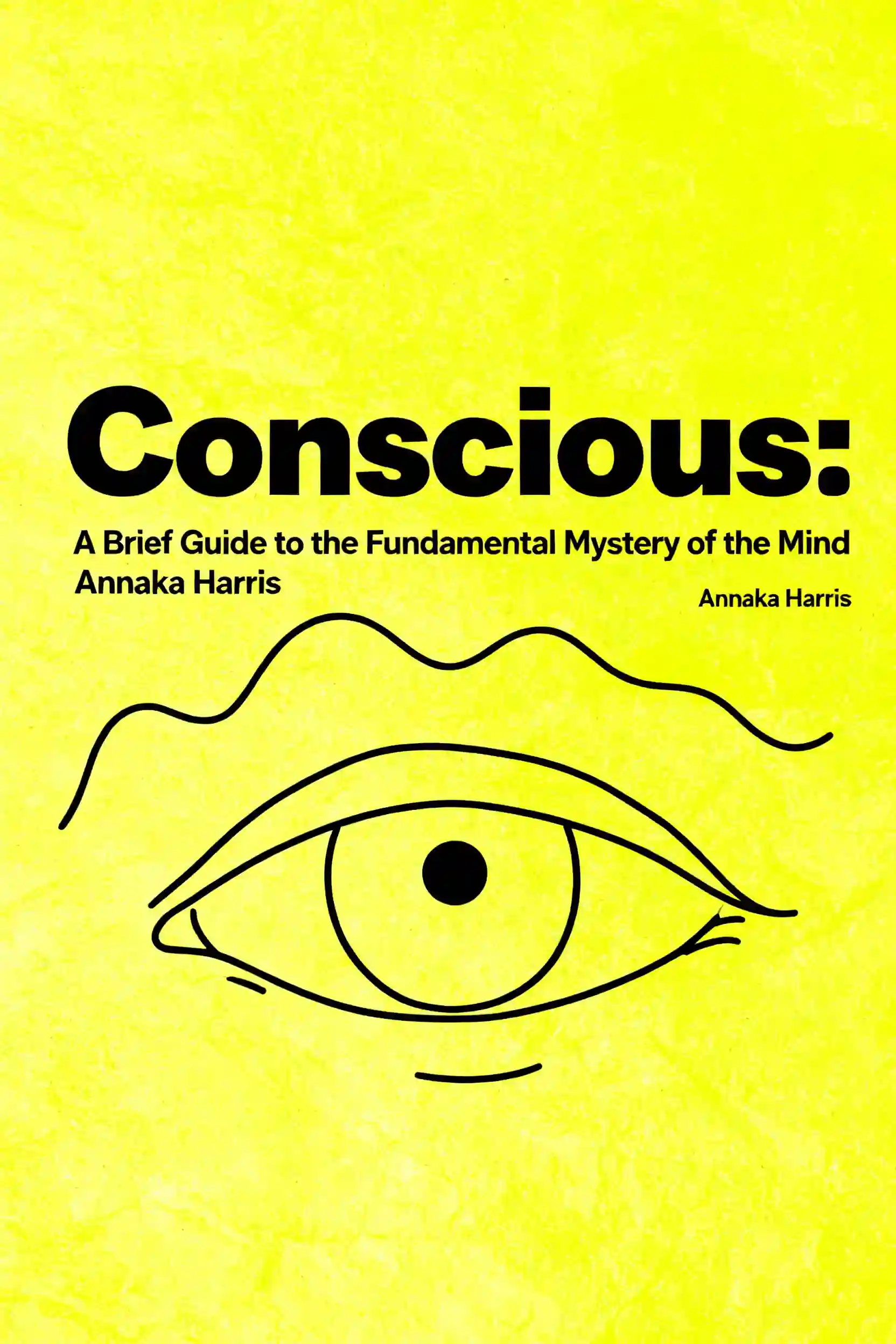
    Conscious
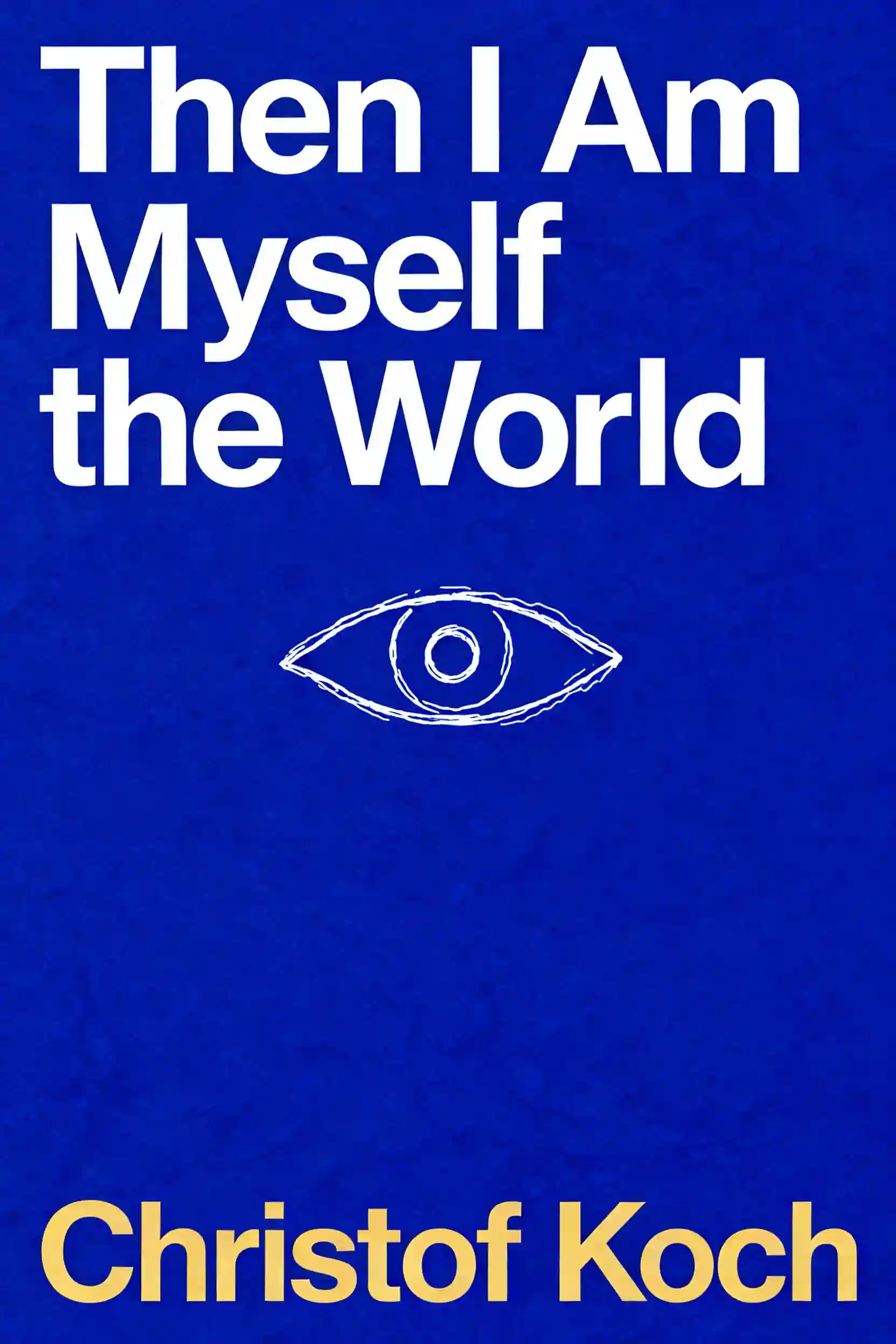
    Then I Am Myself the World
    Stalking the wild pendulum
    Seth Speaks
    Being and Time

    자주 묻는 질문

    Recent scientific studies suggest that death may be a more blurred boundary than a sudden flip of a switch. Researchers have documented surges of high-level gamma waves in the brain moments after clinical death, indicating a final window of intense information integration. This suggests that the brain might flare into a state of heightened coherence during its final moments rather than simply falling silent immediately.

    This hypothesis suggests that because time is a construct of the brain, the subjective experience of time might collapse or dilate during the dying process. If there is no subsequent awareness to mark the end of the final second of life, that moment might feel infinite from the perspective of the observer. In this view, a person might remain in an eternal present, never actually reaching the "nothingness" they fear from an internal perspective.

    While physics does not promise a personal afterlife with memories, it notes that information and energy cannot be destroyed, only transformed. Some theories suggest that consciousness sits on a specific energy scale that overlaps with fundamental structures of the cosmos. Furthermore, if consciousness is a fundamental property of matter—a concept known as panpsychism—then the brain acts as an intensifier rather than a creator. When the biological pattern breaks, the raw capacity for experience doesn't vanish but disperses back into the broader field of the universe.

    The script distinguishes between the narrative self—the collection of memories, names, and social identities created by the brain—and the "observer," which is the raw capacity for awareness. While the storytelling process ends when the brain ceases to function, the observer is compared to a screen upon which a movie is projected. Even when the movie ends and the images vanish, the screen itself remains, returning to its original, neutral state.

    The script points out that we existed in a state of non-experience for billions of years before birth without suffering or fear. This symmetry suggests that returning to that state is a return to a neutral "everythingness" we have already inhabited. By recognizing that the "self" is a constantly changing process—noting that the version of you from ten years ago is already technically "dead"—the final transition can be viewed as a natural completion of entropy rather than a cosmic loss.

    컬럼비아 대학교 동문들이 제작 | 샌프란시스코에서 개발

    BeFreed는 호기심 넘치는 글로벌 커뮤니티를 하나로 연결합니다

    4.7

    평균 평점

    앱 평가 7.84천 개 이상

    BeFreed 커뮤니티

    정말이지 아직 앱을 다 써 보지도 않았는데, 며칠 써 본 것만으로도 깊은 인상을 받았어요… BeFreed는 제가 써 본 어떤 학습 앱과도 차원이 달라요. 몰입감이 엄청나고 집중력도 실제로 좋아져서, 스마트폰을 하염없이 스크롤하는 분들께 딱이에요!

    @ladyInfinity

    정확히 23일 전에 BeFreed를 구입했는데, 그날부터 하루도 빠짐없이 쓰고 있어요. 제 일상 업무 흐름과 학습 습관에 완전히 자리 잡았어요.

    @jayallen

    솔직히 이 앱은 제 기대를 전부 뛰어넘었어요. 어떤 주제든 오디오로 만들어 달라고 할 수 있고, 결과물이 놀라워요. 제 전문 분야는 심리치료 쪽이고 여러 학문이 얽혀 있는데도 답변이 아주 정확해요.

    @Raguipa

    제일 고마운 건 스크롤하는 시간이 확 줄었다는 거예요. 검색하는 시간은 줄고 흡수하는 시간은 늘었어요. 오디오북 전권, 팟캐스트, 학습 플랜의 조합이 정말 훌륭해요.

    @colonyofcreatorsNGO

    저는 24년째 PhotoReading 속진 학습 강사로 일하고 있어요… 책과 독서, 배움이 제 전문인데, BeFreed는 정보를 소화하기 쉽게 전달하는 혁신적인 방식을 정말 잘 구현했어요.

    @BeFreed user

    단순한 책 요약 앱이 아니에요. '재미' 스타일을 써 봤는데, 전통적인 방식보다 훨씬 나은 요약이고 아이디어를 이해하기도 쉬워요. 이것만으로도 값어치를 해요.

    @austinakon

    이 앱이 정말 좋아요. 며칠 써 봤는데 듣는 걸 멈출 수가 없어요. 시작하기에 이보다 좋을 수 없어요.

    @jcrules328

    정말 마음에 들어요. 한 달 정도 써 봤는데 숨은 보석을 찾은 기분이에요. BeFreed로 제가 원하는 주제를 직접 만들 수 있어서 좋고, 목소리도 훌륭한 데다 내레이션 선택지가 무궁무진해요.

    @DanielCZ

    정말이지 아직 앱을 다 써 보지도 않았는데, 며칠 써 본 것만으로도 깊은 인상을 받았어요… BeFreed는 제가 써 본 어떤 학습 앱과도 차원이 달라요. 몰입감이 엄청나고 집중력도 실제로 좋아져서, 스마트폰을 하염없이 스크롤하는 분들께 딱이에요!

    @ladyInfinity

    정확히 23일 전에 BeFreed를 구입했는데, 그날부터 하루도 빠짐없이 쓰고 있어요. 제 일상 업무 흐름과 학습 습관에 완전히 자리 잡았어요.

    @jayallen

    솔직히 이 앱은 제 기대를 전부 뛰어넘었어요. 어떤 주제든 오디오로 만들어 달라고 할 수 있고, 결과물이 놀라워요. 제 전문 분야는 심리치료 쪽이고 여러 학문이 얽혀 있는데도 답변이 아주 정확해요.

    @Raguipa

    제일 고마운 건 스크롤하는 시간이 확 줄었다는 거예요. 검색하는 시간은 줄고 흡수하는 시간은 늘었어요. 오디오북 전권, 팟캐스트, 학습 플랜의 조합이 정말 훌륭해요.

    @colonyofcreatorsNGO

    저는 24년째 PhotoReading 속진 학습 강사로 일하고 있어요… 책과 독서, 배움이 제 전문인데, BeFreed는 정보를 소화하기 쉽게 전달하는 혁신적인 방식을 정말 잘 구현했어요.

    @BeFreed user

    단순한 책 요약 앱이 아니에요. '재미' 스타일을 써 봤는데, 전통적인 방식보다 훨씬 나은 요약이고 아이디어를 이해하기도 쉬워요. 이것만으로도 값어치를 해요.

    @austinakon

    이 앱이 정말 좋아요. 며칠 써 봤는데 듣는 걸 멈출 수가 없어요. 시작하기에 이보다 좋을 수 없어요.

    @jcrules328

    정말 마음에 들어요. 한 달 정도 써 봤는데 숨은 보석을 찾은 기분이에요. BeFreed로 제가 원하는 주제를 직접 만들 수 있어서 좋고, 목소리도 훌륭한 데다 내레이션 선택지가 무궁무진해요.

    @DanielCZ

    유용한 정보와 아이디어를 8~15분짜리 팟캐스트 스타일 오디오로 압축해서 들을 수 있다는 게 정말 좋아요. 원래 팟캐스트는 군더더기가 많아서 안 좋아했는데, 여기는 그걸 싹 걷어냈어요.

    @BeFreed user

    박사 과정을 마무리하는 중이라 낯선 자료를 많이 읽어야 해요… BeFreed에서는 프롬프트만 입력하면 앱이 자료를 찾아서 오디오 팟캐스트로 만들어 줘요. BeFreed의 과정이 NotebookLM보다 더 매끄럽게 느껴져요.

    @Brad

    아침을 준비하거나 산책하거나 출퇴근할 때 들을 것을 YouTube에서 자주 찾곤 했는데, BeFreed는 광고도 군더더기도 없이 훨씬 더 딱 맞는 걸 들려줘요!

    @BeFreed user

    이 플랫폼의 가장 큰 장점은 활용도예요. 다루지 못하는 주제가 말 그대로 하나도 없어요. 무엇을 던져도 다 소화해요… 제한이 전혀 없으면서 약속을 실제로 지키는 학습 도구는 정말 드물어요.

    @jayallen

    BeFreed는 환상적이에요. 디자인이 편해서 헤매는 시간은 줄고 배우는 시간은 늘었어요. 오디오북, 팟캐스트, 학습 플랜의 조합은 천재적이에요. 제 하루가 완전히 달라졌어요.

    @BeFreed user

    처음엔 이탈리아어로 팟캐스트를 만드는 방법을 이해하는 데 시간이 좀 걸렸는데, 알고 나니까 — 와! 정말 대단해요! 어떤 주제든 설명해 달라고 하면 정말 똑똑하게 잘 설명해 줘요!

    @matteo77

    BeFreed는 제가 매일 쓰는 오디오북 앱이 됐어요… 제일 마음에 드는 건 텍스트를 넣으면 이동 중에도 들을 수 있는 오디오로 만들어 준다는 점이에요.

    @kotanzu1

    유용한 정보와 아이디어를 8~15분짜리 팟캐스트 스타일 오디오로 압축해서 들을 수 있다는 게 정말 좋아요. 원래 팟캐스트는 군더더기가 많아서 안 좋아했는데, 여기는 그걸 싹 걷어냈어요.

    @BeFreed user

    박사 과정을 마무리하는 중이라 낯선 자료를 많이 읽어야 해요… BeFreed에서는 프롬프트만 입력하면 앱이 자료를 찾아서 오디오 팟캐스트로 만들어 줘요. BeFreed의 과정이 NotebookLM보다 더 매끄럽게 느껴져요.

    @Brad

    아침을 준비하거나 산책하거나 출퇴근할 때 들을 것을 YouTube에서 자주 찾곤 했는데, BeFreed는 광고도 군더더기도 없이 훨씬 더 딱 맞는 걸 들려줘요!

    @BeFreed user

    이 플랫폼의 가장 큰 장점은 활용도예요. 다루지 못하는 주제가 말 그대로 하나도 없어요. 무엇을 던져도 다 소화해요… 제한이 전혀 없으면서 약속을 실제로 지키는 학습 도구는 정말 드물어요.

    @jayallen

    BeFreed는 환상적이에요. 디자인이 편해서 헤매는 시간은 줄고 배우는 시간은 늘었어요. 오디오북, 팟캐스트, 학습 플랜의 조합은 천재적이에요. 제 하루가 완전히 달라졌어요.

    @BeFreed user

    처음엔 이탈리아어로 팟캐스트를 만드는 방법을 이해하는 데 시간이 좀 걸렸는데, 알고 나니까 — 와! 정말 대단해요! 어떤 주제든 설명해 달라고 하면 정말 똑똑하게 잘 설명해 줘요!

    @matteo77

    BeFreed는 제가 매일 쓰는 오디오북 앱이 됐어요… 제일 마음에 드는 건 텍스트를 넣으면 이동 중에도 들을 수 있는 오디오로 만들어 준다는 점이에요.

    @kotanzu1

    웹에서 BeFreed가 어떻게 논의되고 있는지 더 보기
    129.7K19.5K
    55.2K19.2K
    154.2K10827355
    48.1K2.5K
    81.2K6.6K
    82.3K1.8K
    지금 바로 학습 여정을 시작하세요
    BeFreed 앱
    BeFreed

    무엇이든 개인화된 학습

    DiscordLinkedIn
    추천 도서 요약
    Crucial ConversationsThe Perfect MarriageInto the WildNever Split the DifferenceAttachedGood to GreatSay Nothing
    인기 카테고리
    Self HelpCommunication SkillRelationshipMindfulnessPhilosophyInspirationProductivity
    유명인 추천 도서
    Elon MuskCharlie KirkBill GatesSteve JobsAndrew HubermanJoe RoganJordan Peterson
    수상작 컬렉션
    Pulitzer PrizeNational Book AwardGoodreads Choice AwardsNobel Prize in LiteratureNew York TimesCaldecott MedalNebula Award
    추천 주제
    ManagementAmerican HistoryWarTradingStoicismAnxietySex
    연도별 베스트 도서
    2025 Best Non Fiction Books2024 Best Non Fiction Books2023 Best Non Fiction Books
    추천 저자
    Chimamanda Ngozi AdichieGeorge OrwellO. J. SimpsonBarbara O'NeillWinston ChurchillCharlie Kirk
    BeFreed vs 다른 앱
    BeFreed vs. Other Book Summary AppsBeFreed vs. ElevenReaderBeFreed vs. ReadwiseBeFreed vs. Anki
    학습 도구
    Knowledge VisualizerAI Podcast Generator
    정보
    회사 소개arrow
    가격arrow
    FAQarrow
    블로그arrow
    채용arrow
    파트너십arrow
    앰배서더 프로그램arrow
    디렉토리arrow
    BeFreed
    Try now
    © 2026 BeFreed
    이용 약관개인정보 처리방침
    BeFreed

    무엇이든 개인화된 학습

    DiscordLinkedIn
    추천 도서 요약
    Crucial ConversationsThe Perfect MarriageInto the WildNever Split the DifferenceAttachedGood to GreatSay Nothing
    인기 카테고리
    Self HelpCommunication SkillRelationshipMindfulnessPhilosophyInspirationProductivity
    유명인 추천 도서
    Elon MuskCharlie KirkBill GatesSteve JobsAndrew HubermanJoe RoganJordan Peterson
    수상작 컬렉션
    Pulitzer PrizeNational Book AwardGoodreads Choice AwardsNobel Prize in LiteratureNew York TimesCaldecott MedalNebula Award
    추천 주제
    ManagementAmerican HistoryWarTradingStoicismAnxietySex
    연도별 베스트 도서
    2025 Best Non Fiction Books2024 Best Non Fiction Books2023 Best Non Fiction Books
    학습 도구
    Knowledge VisualizerAI Podcast Generator
    추천 저자
    Chimamanda Ngozi AdichieGeorge OrwellO. J. SimpsonBarbara O'NeillWinston ChurchillCharlie Kirk
    BeFreed vs 다른 앱
    BeFreed vs. Other Book Summary AppsBeFreed vs. ElevenReaderBeFreed vs. ReadwiseBeFreed vs. Anki
    정보
    회사 소개arrow
    가격arrow
    FAQarrow
    블로그arrow
    채용arrow
    파트너십arrow
    앰배서더 프로그램arrow
    디렉토리arrow
    BeFreed
    Try now
    © 2026 BeFreed
    이용 약관개인정보 처리방침

    비슷한 콘텐츠

    The End of Consciousness: Extinction or Persistence? 책 표지
    Science and the NearDeath ExperienceThe Naturalistic Case for ExtinctionPhysics and the Immortality of the Soul – Sean CarrollDeath, Nothingness, and Subjectivity
    6 sources
    The End of Consciousness: Extinction or Persistence?
    Is death a total extinction or a transition? Explore the tension between physical decay and the mystery of consciousness to find a new perspective.
    918 min
    Life after death and the holographic universe 책 표지
    The holographic universeStalking the wild pendulumMy Big TOEYou Are the Universe
    26 sources
    Life after death and the holographic universe
    If the brain stops, how does consciousness continue? Explore how near-death experiences and quantum physics suggest our reality is a dimensional shift.
    33 min
    Consciousness Beyond Death: Scientific Evidence for Afterlife 책 표지
    source 1source 3source 4
    6 sources
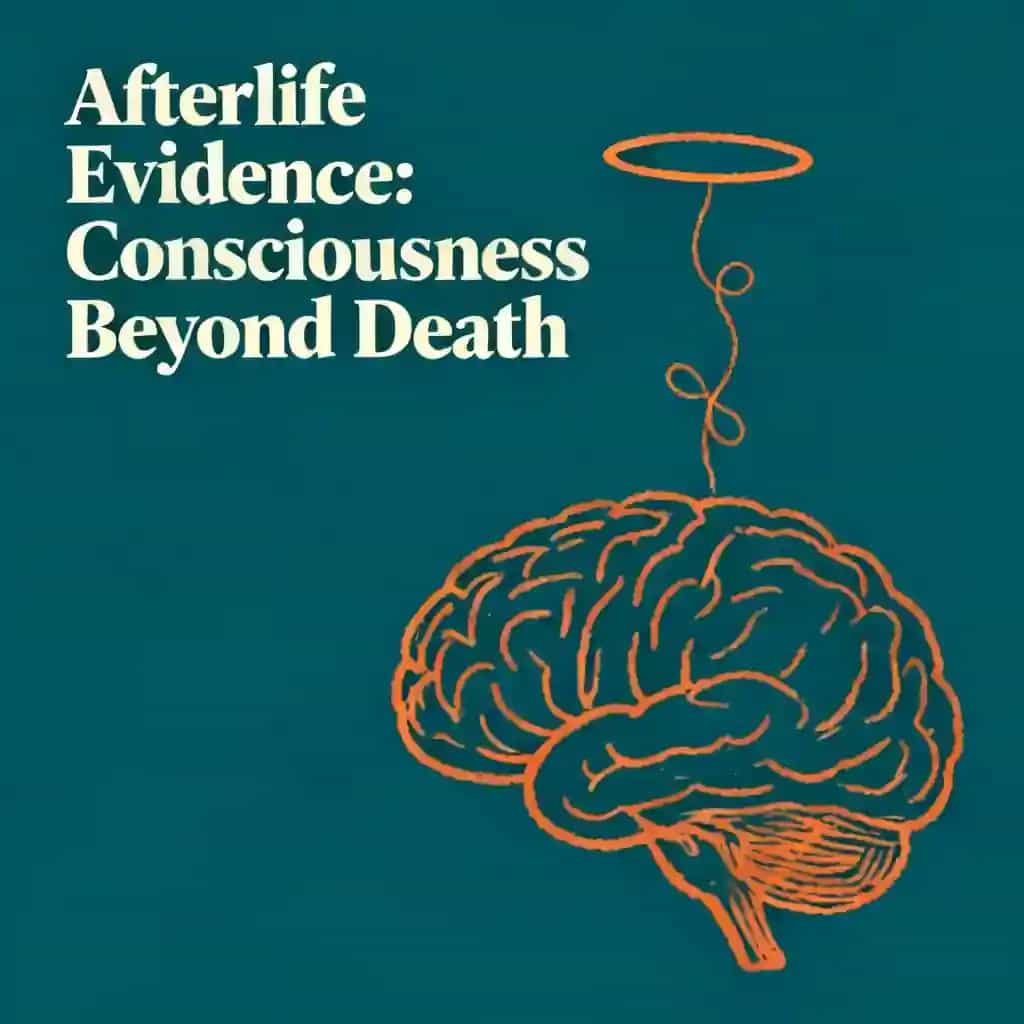
    Consciousness Beyond Death: Scientific Evidence for Afterlife
    Explore compelling evidence for consciousness surviving death through near-death experiences, scientific research, and documented cases of awareness beyond the physical brain.
    21 min
    Life Beyond the Final Heartbeat 책 표지
    Science & the Near-death ExperienceHeaven Is For RealImagine Heaven
    16 sources
    Life Beyond the Final Heartbeat
    From near-death experiences to beliefs across religions, we explore humanity's enduring question: does consciousness continue after death? Discover what science, faith, and philosophy reveal about the great beyond.
    1 min
    Consciousness and the Observer Effect 책 표지
    Quantum physics in neuroscience and psychology: a neurophysical model of mind–brain interaction - PMCQuantum CognitionFrontiers | Quantum theories of consciousness: a critical review of feasibility, philosophical sufficiency, and empirical testabilityWhat Is Quantum Cognition, and How Is It Applied to Psychology?
    7 sources
    Consciousness and the Observer Effect
    Is your mind a passive passenger or a physical force? Explore how the observer effect challenges the mechanical brain model to redefine human agency.
    1224 min
    Human consciousness and the boundaries of reality 책 표지
    The No-Nonsense Meditation BookThe Cosmic GameBuddha's brainThe Mind Illuminated
    22 sources
    Human consciousness and the boundaries of reality
    We assume our awareness is fixed, but our brains are flexible. Discover how neurobiology shifts your perception and how to navigate these states.
    33 min
    The Science of End-of-Life Visions 책 표지
    The dying dream of the dead to be at peace with lifeTerminal Lucidity: Meaning, Signs & Causes - Cleveland ClinicFrontiers | The dying-moment dream hypothesis: heaven and hell as the brain’s final dream
    5 sources
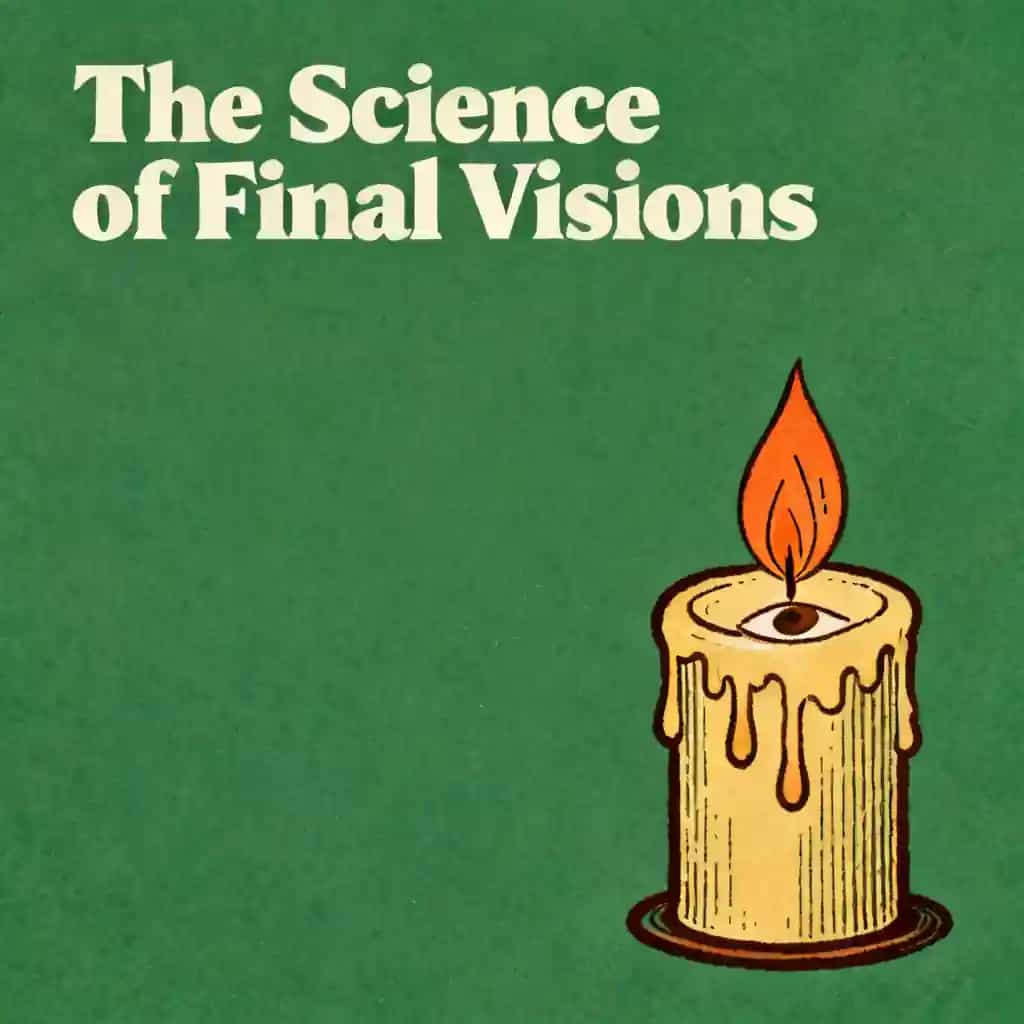
    The Science of End-of-Life Visions
    Are final visions hallucinations or a surge of clarity? Explore the biology of the brain’s final simulation and the peace it brings to the dying.
    19 min
    How consciousness works and the science of being you 책 표지
    Then I Am Myself the WorldConsciousBeing YouStalking the wild pendulum
    14 sources
    How consciousness works and the science of being you
    Why does a physical brain create a subjective inner world? Explore how integrated information and electrical pulses shape your reality and sense of self.
    26 min

    Recommended Learning Plans

    The Science of Near-Death Experiences
    학습 계획

    The Science of Near-Death Experiences

    This plan bridges the gap between spirituality and neuroscience, offering a data-driven look at the brain's final frontier. It is ideal for medical students, psychology enthusiasts, or anyone curious about the biological triggers of consciousness during extreme trauma.

    1 h 12 m•3 섹션
    The Ghost and the Machine
    학습 계획

    The Ghost and the Machine

    This learning plan is essential for anyone seeking to understand the deep philosophical roots of consciousness and the limits of physicalism. It is particularly valuable for students of philosophy, psychology, and cognitive science who want to explore the unresolved tension between the brain and the mind.

    1 h 30 m•3 섹션
    Quantum Reality and Consciousness
    학습 계획

    Quantum Reality and Consciousness

    This plan bridges the gap between theoretical physics and philosophy, offering a deep dive into the nature of existence. It is ideal for curious minds and deep thinkers who want to understand how quantum mechanics reshapes our view of time, mind, and reality.

    3 h 30 m•5 섹션
    Consciousness, AI, and the Simulation
    학습 계획

    Consciousness, AI, and the Simulation

    This learning plan bridges the gap between philosophy of mind and cutting-edge technology, addressing the most profound questions of the digital age. It is ideal for tech enthusiasts, philosophy students, and anyone curious about the future of human and machine intelligence.

    1 h 30 m•3 섹션
    Learn about existentialism
    학습 계획

    Learn about existentialism

    This plan provides a structured journey through the most profound questions of human existence. It is ideal for students, therapists, or anyone seeking to build a resilient personal identity in an era of uncertainty.

    5 h 3 m•4 섹션
    The Architecture of Consciousness
    학습 계획

    The Architecture of Consciousness

    This plan bridges ancient non-dual philosophy with modern science to decode the nature of being. It is ideal for seekers, psychology students, and neurobiology enthusiasts looking to integrate spiritual depth with cognitive understanding.

    1 h 36 m•4 섹션
    Metaphysics and the Mystery of Agency
    학습 계획

    Metaphysics and the Mystery of Agency

    This plan addresses the most profound questions regarding human existence and the nature of reality. It is ideal for thinkers and students who want to bridge the gap between physical science and the intangible experience of being a person.

    1 h 30 m•3 섹션
    The Mind and the World
    학습 계획

    The Mind and the World

    This plan is essential for anyone seeking to understand the deep connection between individual consciousness and the external world. It is ideal for students of philosophy, psychology, or anyone curious about the nature of reality and the social construction of the self.

    1 h 55 m•3 섹션