BeFreed
    Categories>Philosophy & Spirituality>The End of Consciousness: Extinction vs. Persistence of the Mind

    The End of Consciousness: Extinction vs. Persistence of the Mind

    15분
    |
    |
    2026년 7월 3일
    • Philosophy & Spirituality
    • Psychology

    Explore the philosophical and scientific debate between the extinction and persistence of the mind. Delve into naturalism, human mortality, and consciousness.

    The End of Consciousness: Extinction vs. Persistence of the Mind
    0:00 / 0:00
    전달 방식을 선택하세요

    하나의 에피소드, 다양한 청취 방식.

    The End of Consciousness: Extinction vs. Persistence of the Mind의 같은 아이디어를 나에게 맞는 목소리, 깊이, 속도로 만나보세요. 언제든 바꿀 수 있습니다.

    전체 대본 및 챕터

    챕터 1

    The persistent shadow of the final curtain

    You have likely noticed how the thought of your own end carries a unique, heavy weight—a specific kind of gravity that pulls at the edges of every happy moment or ambitious plan. It is the fundamental tension of being human: you are a creature that can contemplate infinity while inhabiting a body that is strictly finite. For some, the idea of death is a plunge into a black abyss, a total and permanent extinction of everything you are. For others, there is a deep-seated intuition that consciousness is not something that can simply be switched off, that perhaps you are a passenger in a vehicle rather than the vehicle itself. This isn't just a matter of religious comfort—it is a rigorous philosophical and scientific battleground. Think about the sheer scale of the question. If death is the end, then every value you hold is a brief flash in a dark pan. But if consciousness persists, the "now" becomes part of an incomprehensible "always." Science and philosophy offer two very different maps for this territory. On one side, you have the naturalistic view, which sees your mind as a direct byproduct of your brain's physical state—meaning when the engine stops, the light goes out . On the other, you have perspectives that challenge this "fade to black" narrative, suggesting that our secular understanding of "nothingness" might actually be a logical error . By looking at the tension between these two views, you can begin to see your own life not just as a countdown, but as a deep mystery of physics and subjectivity. So let's dive into the evidence that suggests our end is absolute, and the intriguing arguments that suggest we might be missing something fundamental about what it means to exist.
    챕터 2

    The mirror of decay and the logic of the body

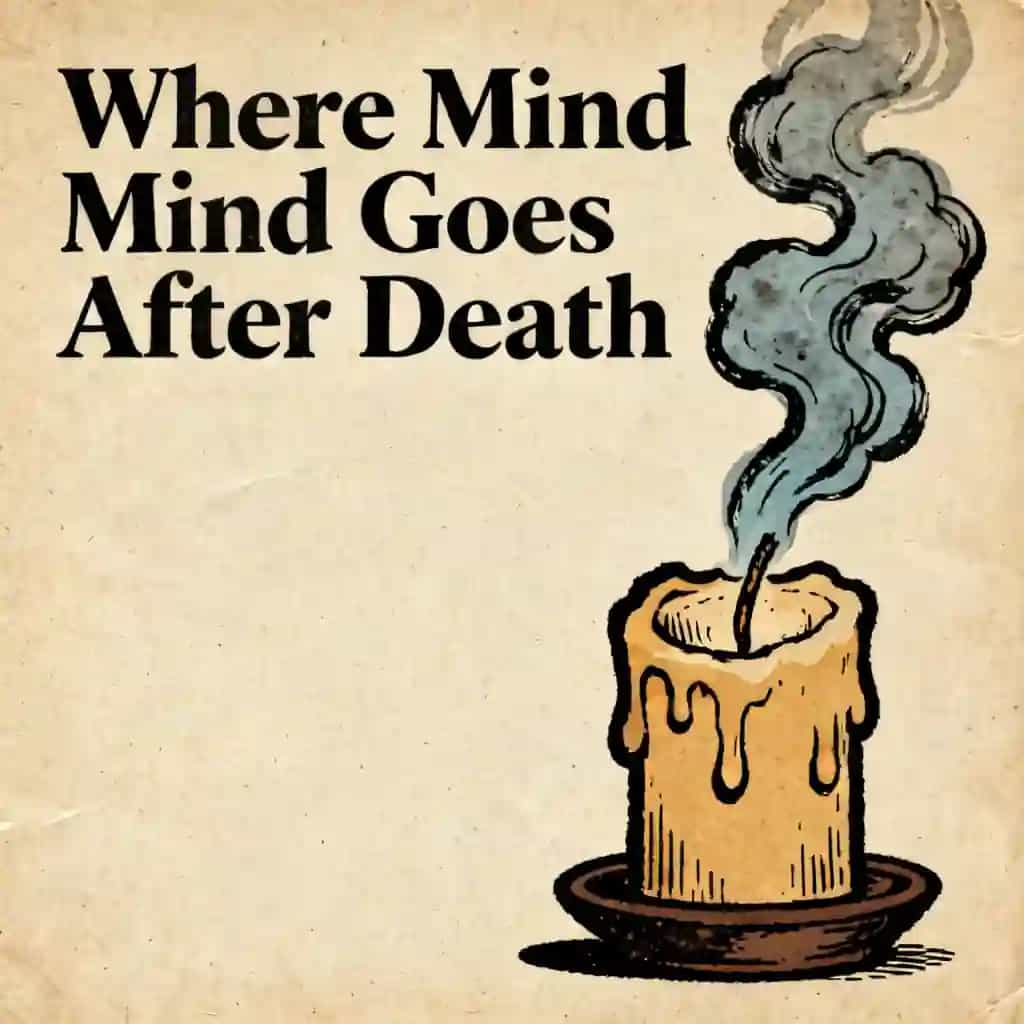
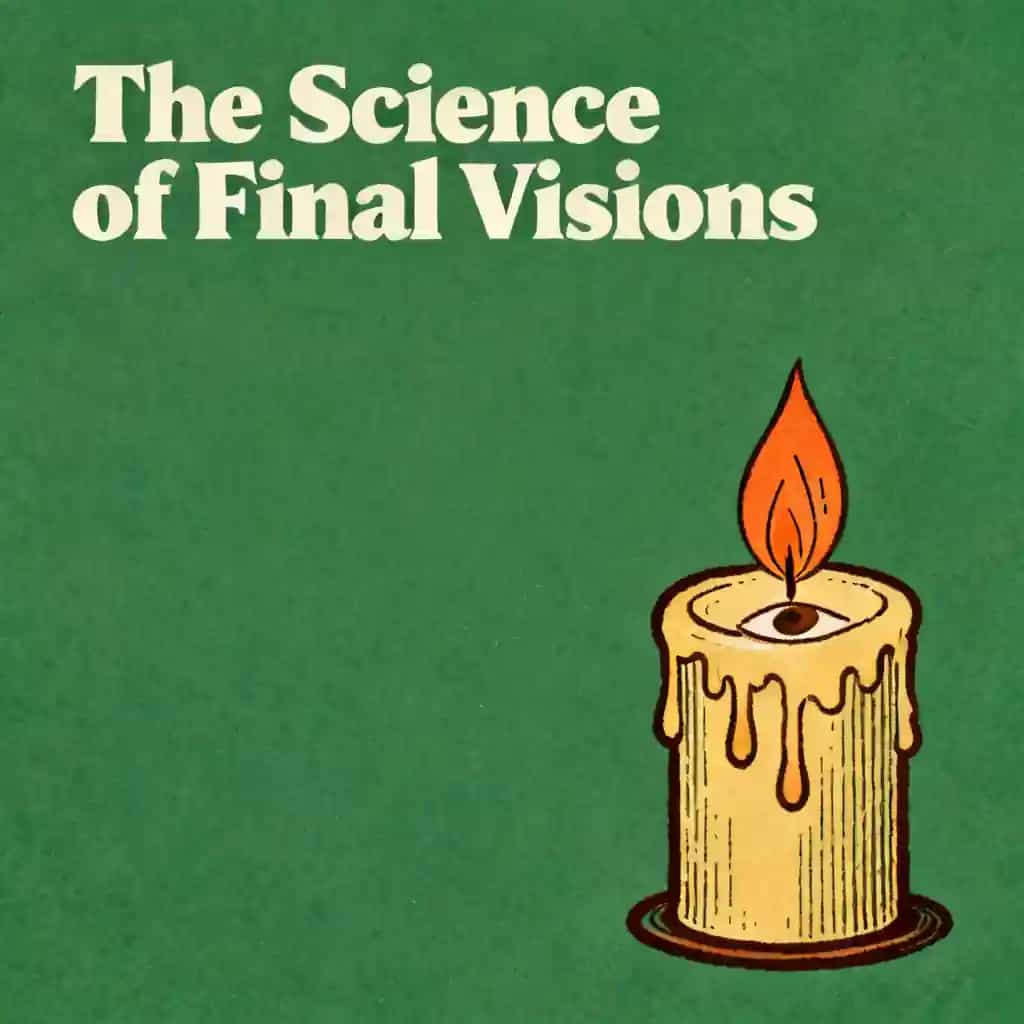
    In the eighteenth century, the philosopher David Hume looked at the human condition and saw a symmetry that was hard to ignore—he noticed that the mind and the body don't just walk hand in hand, they seem to grow and wither in perfect lockstep. Hume pointed out that in infancy, the body is weak and the mind is equally unformed; in manhood, both reach their peak of vigor; and in old age, as the body begins to fail, the mind often follows suit . To Hume, the conclusion felt unavoidable: if every change in the body is attended by a proportional change in the mind, then the total dissolution of the body must mean the total dissolution of the mind . This is the central pivot of the naturalistic case for extinction. It relies on a rule of analogy. If you see a house crumbling and the lights inside flickering and going out as the walls fall, you don't assume the lights are going to move into a different house—you assume the electrical system was part of the structure itself. This view is echoed by modern physics, particularly when you consider the laws that govern the atoms in your brain. There is an argument that the laws of physics underlying our everyday lives are completely understood, and within those laws, there is simply no "spirit energy" or "soul particles" that could carry your memories or personality once your neurons stop firing . If a soul exists and interacts with your body, it would have to influence the electrons in your brain, yet we have equations—like the Dirac equation—that describe the behavior of electrons with incredible precision, leaving no room for a ghostly "extra" force to push them around . For a scientist like Sean Carroll, believing in an afterlife would require not just a new discovery, but the overthrow of everything we know about how matter works . It is a stark, clean, and arguably brave way to look at the world. It suggests that you are a flame on a candle; when the wax is gone, the flame doesn't go somewhere else—it just ceases to be . But even within this hard-boiled materialist framework, there are cracks in the logic of "nothingness" that demand a closer look.

    이 에피소드로 더 깊이 배우기

    이 에피소드의 아이디어를 BeFreed의 가이드 학습 경험으로 더 깊이 탐구해 보세요.

    챕터 3

    The incoherence of the void and the illusion of the dark

    If you reject the idea of a soul but still fear death as an "eternal night," you might be falling into a conceptual trap that philosophers have been trying to dismantle for millennia. There is a common secular tendency to reify nothingness—to turn "nothing" into a sort of place or a state of being, like a black velvet room where you sit forever in total ignorance . The novelist Anthony Burgess once wrote about his rage against the "approaching blackness," imagining death as a world fading out like a television image during a power cut . But here is the problem: if you truly believe death is the end of the subject, then there is no "you" left to experience the blackness. Epicurus famously remarked that when death is present, we are not, and when we are present, death is not . You cannot "be" in a state of non-existence. This realization shifts the debate from a fear of a "bad place" to a question of subjective continuity. Think about the last time you were under general anesthesia or in a deep, dreamless sleep. From your perspective, there was no gap. You were mumbling to the doctor one second, and the next, you were in the recovery room . For the subject—for you—life is a single, continuous block of experience. You have never experienced "not being here," and you never will . This suggests that "nothingness" isn't what follows death, because nothingness doesn't exist. Instead, what follows the end of your specific life might simply be the next available instance of consciousness in the universe . This isn't necessarily a "soul" jumping from body to body, but rather the idea that subjectivity itself is generic. Just as you don't remember the billions of years before you were born, the eons that pass after you die will be subjectively non-existent. You might find that the end of your "personal" story isn't a plunge into a void, but a transformation of the context in which awareness happens . It suggests that while the "you" with your specific name and memories is finite, the condition of "being present" might be much more resilient than the biological hardware it currently runs on.
    챕터 4

    The symmetry of time and the Lucretian mirror

    When you look at the prospect of your death, you likely feel a sense of deprivation—a sadness for all the future sunsets, conversations, and milestones you will miss. But the Roman philosopher Lucretius offered a challenge to this feeling that is notoriously difficult to answer. He asked us to look back at the "everlasting time" before we were born and noticed that we don't feel any distress about the thousands of years we missed before our birth . If non-existence after death is a "calm rest" similar to the non-existence before birth, why should one be terrifying while the other is indifferent? . This is known as the symmetry argument. It suggests that your fear of the future "void" is an irrational bias. If you aren't mourning the fact that you missed the Renaissance or the building of the pyramids, why mourn the fact that you will miss the twenty-second century? . Some philosophers try to break this symmetry by arguing that we are "thick persons"—beings defined by our specific biographies. You can imagine your life being extended into the future because your memories and relationships already exist, but you can't imagine your life starting earlier without changing who you are entirely . If you had been born in the year 1000, you wouldn't be "you"—you would have different parents, a different language, and a different individual . This provides a possible justification for why we care more about the end than the beginning: the future is a possible continuation of the story we've already started, while the past is a closed door . Yet, Lucretius’ point remains a powerful tool for psychological relief. It forces you to realize that "non-existence" is a state you have already "inhabited" for billions of years without the slightest bit of discomfort. It frames death not as an intruder, but as a return to a natural state of peace. Whether you find this comforting or cold depends on whether you view your life as a possession you are losing or as a brief, bright gift you were lucky to receive in the first place.

    이 에피소드로 더 깊이 배우기

    이 에피소드의 아이디어를 BeFreed의 가이드 학습 경험으로 더 깊이 탐구해 보세요.

    챕터 5

    The ghost in the machine and the limits of the material

    The debate over the afterlife often comes down to a fundamental choice in how you view the mind: is it something the brain does, or is it something the brain receives? This is the core of the dualism vs. materialism conflict. If dualism is true—if you are an immaterial soul inhabiting a body—then death is merely an eviction, not an execution . Dualists argue that because you can conceive of existing without your body, your identity isn't strictly tied to your physical parts . They point out that while we can re-identify a body over time, the "self" feels like something deeper, a subject of experience that isn't just a collection of atoms . Some have even proposed models for how a disembodied soul might exist, perhaps in a world of shared "dream-images" that feel as real as our current physical world . On the other hand, materialists have to work much harder to imagine an afterlife. If you are your body, then for you to survive death, that body—or a perfect replica of it—has to be brought back . This leads to fascinating, if slightly "out-there," thought experiments. For example, some suggest that at the moment of death, the particles in your body could "bud" or be "spirited away" by a higher power to be reconstructed in another space . But this raises the "replica problem": if God or a super-advanced technology makes a perfect copy of you, is it actually you, or just a very convincing twin? . Imagine a monastery that claims to have a manuscript written by St. Augustine, but admits the original was burned centuries ago and God recreated it. You would likely feel that the new manuscript, however perfect, isn't the one Augustine actually touched . This tension reveals why many find the materialist view of an afterlife so difficult to swallow—it requires a level of "divine bookkeeping" or physical complexity that feels almost impossible. And yet, the dualist view faces its own hurdle: if the soul is immaterial, how does it interact with the physical world? How does a "ghost" pull the levers of a brain made of matter? .

    챕터 6

    The evidence at the edge of the light

    While philosophy handles the "why," some researchers have turned to the "what" by looking at near-death experiences, or NDEs. These accounts often follow a general (but far from invariable) pattern: a sense of peace, an out-of-body perspective where people see their own comatose bodies, a journey through a tunnel toward an intense light, and encounters with deceased loved ones . To many, these are glimpses through a cracked door into the next room. There are even "evidentiary" cases where people report details of what was happening in the hospital room while they were clinically dead—details they shouldn't have been able to see or hear . Skeptics, however, point to the "dying brain" hypothesis. They argue that these experiences can be triggered by oxygen deprivation, drug reactions, or the release of chemicals like ketamine that mimic the feeling of being detached from the body . They also note that NDEs are often shaped by culture. For instance, while a Westerner might see a "spirit guide" telling them it's not their time, a person in India might be told by an official that there was a "clerical error" in their paperwork and they need to go back . This suggests that the brain might be using the "religious imagination" to make sense of its own shutdown . However, the debate doesn't end there. Some researchers argue that even if we can explain how the brain creates these images, it doesn't necessarily mean the experiences are "unreal." After all, your brain "creates" the image of a tree when you look at one, but the tree is still there. The real question is whether consciousness can function when the brain's electrical activity has flattened. If it can, then our current understanding of the mind-body relationship is fundamentally flawed . We are left with a profound ambiguity: are these experiences the soul's first steps into a new world, or the brain's final, beautiful hallucination?

    이 에피소드로 더 깊이 배우기

    이 에피소드의 아이디어를 BeFreed의 가이드 학습 경험으로 더 깊이 탐구해 보세요.

    챕터 7

    Navigating the final transition in your own life

    So, how do you live with this tension? Whether you lean toward the extinction of the "Big Sleep" or the persistence of "The Long Walk," the way you view death inevitably colors how you spend your time. If you adopt the Epicurean view—that death is literally nothing to us—the goal becomes the removal of anxiety. You can stop fearing a "void" that you will never actually encounter . You might find, as the philosopher Ronald Dworkin suggested, that a life can be an achievement "complete in itself," like a well-played tune or a finished sonnet, which doesn't need to last forever to be valuable . On the other hand, if you consider the possibility of "generic subjectivity"—the idea that experience itself never stops—you might find yourself wearing your personality more lightly. If "you" are just one variation on the theme of consciousness, then your death is more like a "radical refreshment" of awareness than its total deletion . You can start to practice "death-and-dying" in the small moments—by noticing that you are always "present" and that your sense of being alive is something you share with every other conscious creature. This perspective can help you move away from a desperate clinginess toward your own biography and toward a deeper connection with the world that will continue after you are gone . You might also find that the most rational response to the uncertainty is a kind of hopeful agnosticism. If there is a God or a moral order to the universe, then it is plausible to hope for a future where injustices are righted and lives blighted by tragedy find some form of fulfillment . But even without that metaphysical safety net, you can choose to see death as the very thing that gives life its shape. Like the silence at the end of a great symphony, it is the conclusion that makes the preceding music meaningful.

    챕터 8

    The dawn of a new understanding of the end

    As we reach the end of this exploration, it is worth reflecting on just how much our fear of death is built on a misunderstanding of what it means to "not exist." We have seen the naturalistic case—that the mind is a flame that vanishes when the fuel is spent—and we've seen the counter-arguments—that "nothingness" is a logical impossibility and that subjectivity might be an inherent feature of the universe that doesn't just disappear. You have looked at the symmetry of the time before you were born and the time after you die, and hopefully, that "mirror of time" has made the future feel a little less like a dark abyss and more like a return to a familiar, if forgotten, peace . Whether you are a collection of atoms or an immortal soul, the fact remains that you are here, now, partaking in the extraordinary mystery of consciousness. The tension between extinction and persistence isn't something to be "solved" once and for all—it is a space to inhabit. It forces you to ask: what is so important about this specific version of me that I am so afraid to let it go? By questioning the "fade to black" narrative, you might find that the end of your personal story isn't the catastrophe you've been told it is. Perhaps, as some philosophers suggest, dying is simply the moment when the "hooded figure" leads you out of one context and awareness simply finds itself present in another . Thank you for taking this deep, somewhat daunting journey with me through the corridors of philosophy and physics. I hope these ideas give you a sense of intellectual spaciousness the next time you find yourself staring into the dark. Take a moment today to simply notice the fact that you are aware—that you are a center of experience in a vast, complex universe—and consider that this capacity for "being present" might be the most enduring thing about you.

    ★★★★★

    The End of Consciousness: Extinction vs. Persistence of the Mind의 끝까지 도달했어요

    “23일째 매일 사용하고 있어요. 이제 제 일상의 한 부분이 되었습니다.”

    jayallen

    The End of Consciousness: Extinction vs. Persistence of the Mind 베스트 인용

    “

    You have never experienced 'not being here,' and you never will. This suggests that 'nothingness' isn't what follows death, because nothingness doesn't exist.

    ”
    T

    Generated by Tabbie

    질문 입력

    An exploration of the afterlife focused on the fundamental tension between total extinction (an end to everything) versus some form of eternal persistence or continuation of consciousness, examining both secular and philosophical arguments for each side.

    호스트 음성
    Lenaplay
    지식 출처
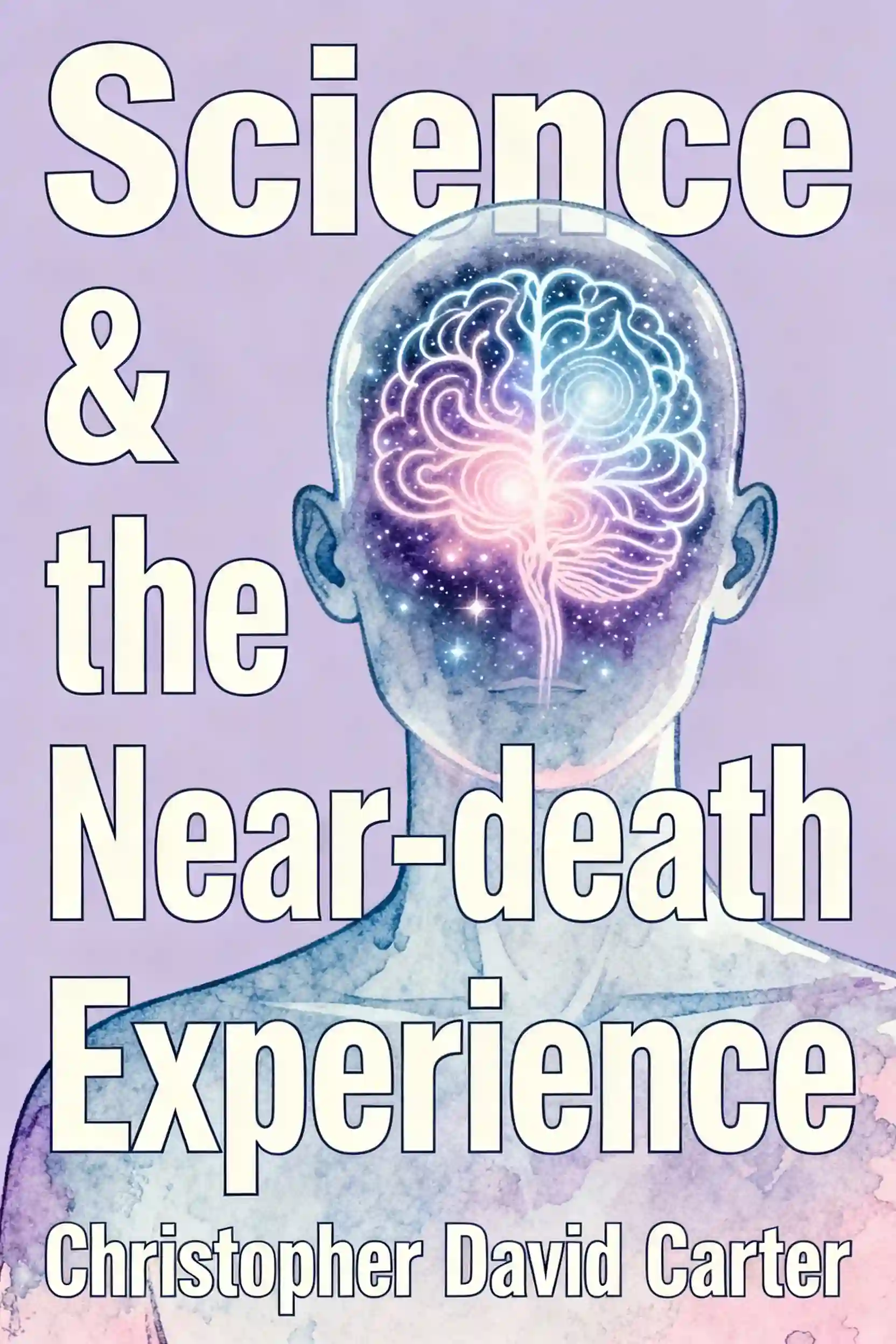
    Science and the NearDeath Experience
    The Naturalistic Case for Extinction
    link
    https://doi.org/10.1007/978-1-349-04439-9_3
    Physics and the Immortality of the Soul – Sean Carroll
    link
    https://www.preposterousuniverse.com/blog/2011/05/23/physics-and-the-immortality-of-the-soul/
    Death, Nothingness, and Subjectivity
    link
    https://www.naturalism.org/philosophy/death/death-nothingness-and-subjectivity
    Afterlife (Stanford Encyclopedia of Philosophy/Spring 2025 Edition)
    link
    https://plato.stanford.edu/archives/spr2025/entries/afterlife/
    Is Death Bad? Epicurus and Lucretius on the Fear of Death – 1000-Word Philosophy: An Introductory Anthology
    link
    https://1000wordphilosophy.com/2020/10/02/is-death-bad/

    자주 묻는 질문

    The primary debate centers on whether human mortality results in the total extinction of the mind or if consciousness persists beyond the body. This tension exists between the naturalistic view, which claims the mind is a byproduct of the brain's physical state, and philosophical perspectives suggesting that consciousness might not be something that can be switched off. It is a rigorous battleground involving both scientific study and metaphysical inquiry into our existence.

    From a naturalistic perspective, the mind is viewed as a direct byproduct of the brain's physical state. This means that when the physical body ceases to function, the consciousness associated with it also ends, described as the engine stopping and the light going out. This view frames death as a total and permanent extinction of the individual, contrasting with theories that suggest the mind might be a passenger within the vehicle of the body.

    The persistence of consciousness is a battleground because it challenges secular understandings of nothingness and explores whether the end of life is a logical error. If consciousness persists, the present moment becomes part of an incomprehensible 'always' rather than a brief flash in time. This inquiry moves beyond religious comfort, utilizing the philosophy of mind and scientific frameworks to determine if our intuitive sense of self survives the finite nature of the human body.

    컬럼비아 대학교 동문들이 제작 | 샌프란시스코에서 개발

    BeFreed는 호기심 넘치는 글로벌 커뮤니티를 하나로 연결합니다

    4.7

    평균 평점

    앱 평가 7.84천 개 이상

    BeFreed 커뮤니티

    정말이지 아직 앱을 다 써 보지도 않았는데, 며칠 써 본 것만으로도 깊은 인상을 받았어요… BeFreed는 제가 써 본 어떤 학습 앱과도 차원이 달라요. 몰입감이 엄청나고 집중력도 실제로 좋아져서, 스마트폰을 하염없이 스크롤하는 분들께 딱이에요!

    @ladyInfinity

    정확히 23일 전에 BeFreed를 구입했는데, 그날부터 하루도 빠짐없이 쓰고 있어요. 제 일상 업무 흐름과 학습 습관에 완전히 자리 잡았어요.

    @jayallen

    솔직히 이 앱은 제 기대를 전부 뛰어넘었어요. 어떤 주제든 오디오로 만들어 달라고 할 수 있고, 결과물이 놀라워요. 제 전문 분야는 심리치료 쪽이고 여러 학문이 얽혀 있는데도 답변이 아주 정확해요.

    @Raguipa

    제일 고마운 건 스크롤하는 시간이 확 줄었다는 거예요. 검색하는 시간은 줄고 흡수하는 시간은 늘었어요. 오디오북 전권, 팟캐스트, 학습 플랜의 조합이 정말 훌륭해요.

    @colonyofcreatorsNGO

    저는 24년째 PhotoReading 속진 학습 강사로 일하고 있어요… 책과 독서, 배움이 제 전문인데, BeFreed는 정보를 소화하기 쉽게 전달하는 혁신적인 방식을 정말 잘 구현했어요.

    @BeFreed user

    단순한 책 요약 앱이 아니에요. '재미' 스타일을 써 봤는데, 전통적인 방식보다 훨씬 나은 요약이고 아이디어를 이해하기도 쉬워요. 이것만으로도 값어치를 해요.

    @austinakon

    이 앱이 정말 좋아요. 며칠 써 봤는데 듣는 걸 멈출 수가 없어요. 시작하기에 이보다 좋을 수 없어요.

    @jcrules328

    정말 마음에 들어요. 한 달 정도 써 봤는데 숨은 보석을 찾은 기분이에요. BeFreed로 제가 원하는 주제를 직접 만들 수 있어서 좋고, 목소리도 훌륭한 데다 내레이션 선택지가 무궁무진해요.

    @DanielCZ

    정말이지 아직 앱을 다 써 보지도 않았는데, 며칠 써 본 것만으로도 깊은 인상을 받았어요… BeFreed는 제가 써 본 어떤 학습 앱과도 차원이 달라요. 몰입감이 엄청나고 집중력도 실제로 좋아져서, 스마트폰을 하염없이 스크롤하는 분들께 딱이에요!

    @ladyInfinity

    정확히 23일 전에 BeFreed를 구입했는데, 그날부터 하루도 빠짐없이 쓰고 있어요. 제 일상 업무 흐름과 학습 습관에 완전히 자리 잡았어요.

    @jayallen

    솔직히 이 앱은 제 기대를 전부 뛰어넘었어요. 어떤 주제든 오디오로 만들어 달라고 할 수 있고, 결과물이 놀라워요. 제 전문 분야는 심리치료 쪽이고 여러 학문이 얽혀 있는데도 답변이 아주 정확해요.

    @Raguipa

    제일 고마운 건 스크롤하는 시간이 확 줄었다는 거예요. 검색하는 시간은 줄고 흡수하는 시간은 늘었어요. 오디오북 전권, 팟캐스트, 학습 플랜의 조합이 정말 훌륭해요.

    @colonyofcreatorsNGO

    저는 24년째 PhotoReading 속진 학습 강사로 일하고 있어요… 책과 독서, 배움이 제 전문인데, BeFreed는 정보를 소화하기 쉽게 전달하는 혁신적인 방식을 정말 잘 구현했어요.

    @BeFreed user

    단순한 책 요약 앱이 아니에요. '재미' 스타일을 써 봤는데, 전통적인 방식보다 훨씬 나은 요약이고 아이디어를 이해하기도 쉬워요. 이것만으로도 값어치를 해요.

    @austinakon

    이 앱이 정말 좋아요. 며칠 써 봤는데 듣는 걸 멈출 수가 없어요. 시작하기에 이보다 좋을 수 없어요.

    @jcrules328

    정말 마음에 들어요. 한 달 정도 써 봤는데 숨은 보석을 찾은 기분이에요. BeFreed로 제가 원하는 주제를 직접 만들 수 있어서 좋고, 목소리도 훌륭한 데다 내레이션 선택지가 무궁무진해요.

    @DanielCZ

    유용한 정보와 아이디어를 8~15분짜리 팟캐스트 스타일 오디오로 압축해서 들을 수 있다는 게 정말 좋아요. 원래 팟캐스트는 군더더기가 많아서 안 좋아했는데, 여기는 그걸 싹 걷어냈어요.

    @BeFreed user

    박사 과정을 마무리하는 중이라 낯선 자료를 많이 읽어야 해요… BeFreed에서는 프롬프트만 입력하면 앱이 자료를 찾아서 오디오 팟캐스트로 만들어 줘요. BeFreed의 과정이 NotebookLM보다 더 매끄럽게 느껴져요.

    @Brad

    아침을 준비하거나 산책하거나 출퇴근할 때 들을 것을 YouTube에서 자주 찾곤 했는데, BeFreed는 광고도 군더더기도 없이 훨씬 더 딱 맞는 걸 들려줘요!

    @BeFreed user

    이 플랫폼의 가장 큰 장점은 활용도예요. 다루지 못하는 주제가 말 그대로 하나도 없어요. 무엇을 던져도 다 소화해요… 제한이 전혀 없으면서 약속을 실제로 지키는 학습 도구는 정말 드물어요.

    @jayallen

    BeFreed는 환상적이에요. 디자인이 편해서 헤매는 시간은 줄고 배우는 시간은 늘었어요. 오디오북, 팟캐스트, 학습 플랜의 조합은 천재적이에요. 제 하루가 완전히 달라졌어요.

    @BeFreed user

    처음엔 이탈리아어로 팟캐스트를 만드는 방법을 이해하는 데 시간이 좀 걸렸는데, 알고 나니까 — 와! 정말 대단해요! 어떤 주제든 설명해 달라고 하면 정말 똑똑하게 잘 설명해 줘요!

    @matteo77

    BeFreed는 제가 매일 쓰는 오디오북 앱이 됐어요… 제일 마음에 드는 건 텍스트를 넣으면 이동 중에도 들을 수 있는 오디오로 만들어 준다는 점이에요.

    @kotanzu1

    유용한 정보와 아이디어를 8~15분짜리 팟캐스트 스타일 오디오로 압축해서 들을 수 있다는 게 정말 좋아요. 원래 팟캐스트는 군더더기가 많아서 안 좋아했는데, 여기는 그걸 싹 걷어냈어요.

    @BeFreed user

    박사 과정을 마무리하는 중이라 낯선 자료를 많이 읽어야 해요… BeFreed에서는 프롬프트만 입력하면 앱이 자료를 찾아서 오디오 팟캐스트로 만들어 줘요. BeFreed의 과정이 NotebookLM보다 더 매끄럽게 느껴져요.

    @Brad

    아침을 준비하거나 산책하거나 출퇴근할 때 들을 것을 YouTube에서 자주 찾곤 했는데, BeFreed는 광고도 군더더기도 없이 훨씬 더 딱 맞는 걸 들려줘요!

    @BeFreed user

    이 플랫폼의 가장 큰 장점은 활용도예요. 다루지 못하는 주제가 말 그대로 하나도 없어요. 무엇을 던져도 다 소화해요… 제한이 전혀 없으면서 약속을 실제로 지키는 학습 도구는 정말 드물어요.

    @jayallen

    BeFreed는 환상적이에요. 디자인이 편해서 헤매는 시간은 줄고 배우는 시간은 늘었어요. 오디오북, 팟캐스트, 학습 플랜의 조합은 천재적이에요. 제 하루가 완전히 달라졌어요.

    @BeFreed user

    처음엔 이탈리아어로 팟캐스트를 만드는 방법을 이해하는 데 시간이 좀 걸렸는데, 알고 나니까 — 와! 정말 대단해요! 어떤 주제든 설명해 달라고 하면 정말 똑똑하게 잘 설명해 줘요!

    @matteo77

    BeFreed는 제가 매일 쓰는 오디오북 앱이 됐어요… 제일 마음에 드는 건 텍스트를 넣으면 이동 중에도 들을 수 있는 오디오로 만들어 준다는 점이에요.

    @kotanzu1

    웹에서 BeFreed가 어떻게 논의되고 있는지 더 보기
    129.7K19.5K
    55.2K19.2K
    154.2K10827355
    48.1K2.5K
    81.2K6.6K
    82.3K1.8K
    지금 바로 학습 여정을 시작하세요
    BeFreed 앱
    BeFreed

    무엇이든 개인화된 학습

    DiscordLinkedIn
    추천 도서 요약
    Crucial ConversationsThe Perfect MarriageInto the WildNever Split the DifferenceAttachedGood to GreatSay Nothing
    인기 카테고리
    Self HelpCommunication SkillRelationshipMindfulnessPhilosophyInspirationProductivity
    유명인 추천 도서
    Elon MuskCharlie KirkBill GatesSteve JobsAndrew HubermanJoe RoganJordan Peterson
    수상작 컬렉션
    Pulitzer PrizeNational Book AwardGoodreads Choice AwardsNobel Prize in LiteratureNew York TimesCaldecott MedalNebula Award
    추천 주제
    ManagementAmerican HistoryWarTradingStoicismAnxietySex
    연도별 베스트 도서
    2025 Best Non Fiction Books2024 Best Non Fiction Books2023 Best Non Fiction Books
    추천 저자
    Chimamanda Ngozi AdichieGeorge OrwellO. J. SimpsonBarbara O'NeillWinston ChurchillCharlie Kirk
    BeFreed vs 다른 앱
    BeFreed vs. Other Book Summary AppsBeFreed vs. ElevenReaderBeFreed vs. ReadwiseBeFreed vs. Anki
    학습 도구
    Knowledge VisualizerAI Podcast Generator
    정보
    회사 소개arrow
    가격arrow
    FAQarrow
    블로그arrow
    채용arrow
    파트너십arrow
    앰배서더 프로그램arrow
    디렉토리arrow
    BeFreed
    Try now
    © 2026 BeFreed
    이용 약관개인정보 처리방침
    BeFreed

    무엇이든 개인화된 학습

    DiscordLinkedIn
    추천 도서 요약
    Crucial ConversationsThe Perfect MarriageInto the WildNever Split the DifferenceAttachedGood to GreatSay Nothing
    인기 카테고리
    Self HelpCommunication SkillRelationshipMindfulnessPhilosophyInspirationProductivity
    유명인 추천 도서
    Elon MuskCharlie KirkBill GatesSteve JobsAndrew HubermanJoe RoganJordan Peterson
    수상작 컬렉션
    Pulitzer PrizeNational Book AwardGoodreads Choice AwardsNobel Prize in LiteratureNew York TimesCaldecott MedalNebula Award
    추천 주제
    ManagementAmerican HistoryWarTradingStoicismAnxietySex
    연도별 베스트 도서
    2025 Best Non Fiction Books2024 Best Non Fiction Books2023 Best Non Fiction Books
    학습 도구
    Knowledge VisualizerAI Podcast Generator
    추천 저자
    Chimamanda Ngozi AdichieGeorge OrwellO. J. SimpsonBarbara O'NeillWinston ChurchillCharlie Kirk
    BeFreed vs 다른 앱
    BeFreed vs. Other Book Summary AppsBeFreed vs. ElevenReaderBeFreed vs. ReadwiseBeFreed vs. Anki
    정보
    회사 소개arrow
    가격arrow
    FAQarrow
    블로그arrow
    채용arrow
    파트너십arrow
    앰배서더 프로그램arrow
    디렉토리arrow
    BeFreed
    Try now
    © 2026 BeFreed
    이용 약관개인정보 처리방침

    비슷한 콘텐츠

    What happens to consciousness after we die? 책 표지
    Science and the NearDeath ExperienceConsciousThen I Am Myself the WorldStalking the wild pendulum
    25 sources
    What happens to consciousness after we die?
    If existence feels permanent, why is non-existence so hard to grasp? Explore the mystery of the observer and what happens when the brain stops filtering.
    24 min
    Consciousness Beyond Death: Scientific Evidence for Afterlife 책 표지
    source 1source 3source 4
    6 sources
    Consciousness Beyond Death: Scientific Evidence for Afterlife
    Explore compelling evidence for consciousness surviving death through near-death experiences, scientific research, and documented cases of awareness beyond the physical brain.
    21 min
    Life Beyond the Final Heartbeat 책 표지
    Science & the Near-death ExperienceHeaven Is For RealImagine Heaven
    16 sources
    Life Beyond the Final Heartbeat
    From near-death experiences to beliefs across religions, we explore humanity's enduring question: does consciousness continue after death? Discover what science, faith, and philosophy reveal about the great beyond.
    1 min
    The Science of End-of-Life Visions 책 표지
    The dying dream of the dead to be at peace with lifeTerminal Lucidity: Meaning, Signs & Causes - Cleveland ClinicFrontiers | The dying-moment dream hypothesis: heaven and hell as the brain’s final dream
    5 sources
    The Science of End-of-Life Visions
    Are final visions hallucinations or a surge of clarity? Explore the biology of the brain’s final simulation and the peace it brings to the dying.
    19 min
    Life after death and the holographic universe 책 표지
    The holographic universeStalking the wild pendulumMy Big TOEYou Are the Universe
    26 sources
    Life after death and the holographic universe
    If the brain stops, how does consciousness continue? Explore how near-death experiences and quantum physics suggest our reality is a dimensional shift.
    33 min
    Human Extinction: The Science of Survival 책 표지
    Extinction of the human species: What could cause it and how likely is it to occur? | Cambridge Prisms: Extinction | Cambridge CoreHumanity extinction by asteroid impactThe mother of all battles: Viruses vs humans. Can humans avoid extinction in 50–100 years?Pathogens and planetary change - PMC
    8 sources
    Human Extinction: The Science of Survival
    As pandemics and cosmic threats accelerate, our stability is at risk. Explore the data behind these events and how we can build lasting resilience.
    1193 min
    Consciousness Explained 책 표지
    Consciousness Explained
    Daniel C. Dennett
    A provocative exploration of human consciousness, challenging traditional notions and proposing a revolutionary materialist theory of mind.
    26 min
    What Death Teaches Us About Living 책 표지
    Reflections on mortality can help you live well now – here’s how | Psyche GuidesMortality as a clarifying force | How to Think AIRegrets of the Dying – Bronnie WareBeing present with death taught me to how to LIVE
    6 sources
    What Death Teaches Us About Living
    Avoiding mortality limits us, but facing it clarifies our priorities. Learn how to use finitude as a compass for a more meaningful life.
    1767 min