BeFreed
    Categories>Psychology>Human consciousness and the boundaries of reality

    Human consciousness and the boundaries of reality

    33분
    |
    |
    2026년 4월 3일
    • Psychology
    • Technology
    • Philosophy & Spirituality

    We assume our awareness is fixed, but our brains are flexible. Discover how neurobiology shifts your perception and how to navigate these states.

    Human consciousness and the boundaries of reality
    0:00 / 0:00
    전달 방식을 선택하세요

    하나의 에피소드, 다양한 청취 방식.

    Human consciousness and the boundaries of reality의 같은 아이디어를 나에게 맞는 목소리, 깊이, 속도로 만나보세요. 언제든 바꿀 수 있습니다.

    전체 대본 및 챕터

    챕터 1

    Beyond the Boundaries of Consciousness

    Lena: Miles, I was thinking this morning—if you woke up tomorrow and your entire perception of reality had shifted, would you even be able to recognize yourself? We spend so much time assuming our everyday awareness is the only "real" version of the world, but what if that baseline is actually just one narrow slice of what the human mind is capable of experiencing?

    Miles: That’s a profound way to start. It forces us to ask: is "normal" consciousness a fixed destination, or is it just a temporary agreement our brain makes with the environment? When we look at how states of consciousness can be pushed to their absolute boundaries, we start to see that the lines between our internal world and external reality are much thinner than we think.

    Lena: Right, and it makes me wonder—if we can intentionally cross those lines, what does that tell us about the architecture of our own minds? Let’s explore how these shifts in awareness actually happen.

    챕터 2

    The Predictive Machine and the Illusion of a Static World

    Lena: So, building on that idea of the brain making an agreement with the environment—it feels like we’re talking about a very active process. It’s not just that we’re sitting back and filming the world like a camera, right? I mean—if our "normal" consciousness is just a baseline—what is actually holding that baseline in place?

    Miles: That is exactly the right question to ask. To understand how we cross the boundaries of consciousness—we first have to understand the "guardrails" that keep us in our everyday state. Modern neuroscience—especially when you look at theories like predictive processing—suggests the brain isn't a passive receiver. It’s actually a "prediction machine." It’s constantly generating models of what it expects to find out there in the world.

    Lena: A prediction machine—I love that. So—instead of just seeing a tree—my brain is actually predicting "there is likely a tree there" and then just checking the sensory data to see if it’s right?

    Miles: Spot on. It’s a process of minimizing "prediction error." Your brain has these high-level beliefs—or "priors"—about how the world works. Gravity works a certain way—walls don’t move—you are a distinct person sitting in a chair. These priors are incredibly strong—and they’re processed in parts of the brain like the default mode network—which sits at the top of this mental hierarchy. In our "normal" state—these top-down predictions are so powerful they actually constrain what we perceive. They filter out the "noise" so we can function without being overwhelmed by every single photon or sound wave.

    Lena: So—"normal" consciousness is essentially a very controlled—very efficient—hallucination that matches reality well enough to keep us alive?

    Miles: Exactly. It’s a "user interface" for reality. But here’s where it gets fascinating—when we talk about altered states—whether it's through deep meditation—flow—or even pharmacological interventions—what we’re really talking about is "shaking" those guardrails. We’re talking about a shift where those high-level predictions lose their grip.

    Lena: So—if the "priors" or the predictions become less certain—what happens to the sensory data? Does it just start flooding in without a filter?

    Miles: That’s precisely what the REBUS hypothesis suggests—which stands for "relaxed beliefs under psychedelics"—though the principle applies to many altered states. When those top-down constraints relax—the sensory information from the "bottom up" is freed to flow more wildly. The hierarchy becomes flatter—more "anarchic." Suddenly—the brain is forced to find new—often more flexible—ways to make sense of the data. This is why people in these states report seeing patterns in "noise"—or feeling like the boundaries between themselves and the world are dissolving. The brain's "agreement" about where "I" end and the "world" begins has been temporarily suspended.

    Lena: It’s like the brain is being "unlearned" for a moment. But if we’re losing that efficiency—that filter—doesn't that create a lot of disorder?

    Miles: It does—and that’s actually a technical term used in this research—"entropy." A normal waking brain has a certain level of stable—predictable activity. But in these boundary states—the entropy—or the complexity and randomness of brain activity—increases. The brain becomes more "plastic"—meaning it can form new connections and see things from a different perspective. It’s a move away from a "canalized"—or "stuck"—way of thinking into something much more fluid.

    Lena: So—we’re essentially talking about a trade-off. We give up our efficient—predictable "baseline" in exchange for a state that is more "real"—or at least more raw—and definitely more flexible. But—how does the brain actually manage that transition? What are the physical "hubs" that allow us to switch from one state to another?

    Miles: That leads us right into the heart of the hardware—the thalamus and the cortex. If the cortex is where the "models" of the world live—the thalamus is the "switchboard" that decides which information gets through to the "main stage."

    이 에피소드로 더 깊이 배우기

    이 에피소드의 아이디어를 BeFreed의 가이드 학습 경험으로 더 깊이 탐구해 보세요.

    챕터 3

    The Thalamic Switchboard and the Gateways of Awareness

    Lena: You mentioned the thalamus as a "switchboard"—which is a great image—but if we’re exploring the boundaries of consciousness—is the thalamus just a passive gatekeeper? Or is it more like a conductor—actively shaping the music of our thoughts?

    Miles: It’s much more like a conductor. For a long time—we thought the thalamus was just a relay station—sending sensory data to the cortex. But recent fMRI studies across different states—like anesthesia—sleep—and even in patients with disorders of consciousness—show that specific "nuclei" or clusters within the thalamus are doing something much more complex. They are orchestrating the entire state of the brain.

    Lena: So—it’s not just "on" or "off." There are different "settings" for different states of consciousness?

    Miles: Precisely. Think about five key nuclei in the thalamus—like the pulvinar—the centromedian—and the mediodorsal. These aren't just passing messages—they’re managing the "integration" of information across the whole brain. When we’re in a state of high awareness and arousal—these nuclei are humming—maintaining strong connections with the cortex—especially with the "frontoparietal" and "default mode" networks.

    Lena: And what happens when we start to move toward the boundaries—like when we fall asleep or—in a more extreme case—under anesthesia?

    Miles: The switchboard starts to change its "routing." In sleep transitions—for example—we see specific involvement of the ventral lateral posterior and centromedian nuclei. But when someone is under deep anesthesia—like with propofol—there’s a massive disruption in "thalamocortical" connectivity. The pulvinar-cortical connections—specifically—seem to take a huge hit. It’s as if the "conductor" has put down the baton—and the different sections of the "orchestra"—the different parts of the cortex—can no longer play in sync.

    Lena: So—the "unity" of our experience—the fact that my vision—my hearing—and my sense of self all feel like one coherent thing—that’s actually being "stitched together" by these thalamic hubs?

    Miles: Exactly. And when that stitching comes apart—consciousness as we know it changes. In patients with "disorders of consciousness"—like those in a "minimally conscious state" or "unresponsive wakefulness syndrome"—we see extensive disconnections in these thalamic pathways. The "complexity" of the brain signals—what scientists measure as "sample entropy"—actually drops. The signals become more "predictable" and "simple"—which sounds like a good thing—but in brain terms—it means the mind has lost its richness—its ability to represent a complex world.

    Lena: That’s a powerful contrast. We think of "simple" as "clear"—but for the brain—complexity is life. It’s the ability to hold all those different "what-if" predictions at once. If the thalamus stops supporting that complexity—we lose the "depth" of our consciousness.

    Miles: Right. And what’s interesting is how this connects back to the "flow" state or "mystical" experiences. In those states—we aren't losing consciousness—we’re "re-tuning" it. Instead of the thalamus "disconnecting"—it might be allowing a different kind of "coupling." There’s a relationship between "local fluctuations"—the tiny—fast changes in a specific brain area—and "global connectivity." In altered states—this coupling changes. It’s as if the brain is "re-wiring" its communication protocols in real time.

    Lena: So—if the thalamus is the hardware "switch"—what is the "software" that triggers the shift? We’ve talked about how the brain "predicts"—but what actually "loosens" those predictions in the first place? You mentioned earlier that there’s a specific receptor—the 5-HT2A receptor—that acts like a gateway. How does a single type of receptor change the entire "phenomenology" of being human?

    Miles: That is where the chemistry meets the "mystery." The 5-HT2A receptor is found in high concentrations on "deep pyramidal cells" in the cortex. These cells are like the "power lines" of the brain’s hierarchy. When these receptors are stimulated—it causes those cells to become "hyper-excitable." And that—paradoxically—leads to the "desynchronization" of the brain's usual networks. It’s like turning up the "gain" or the "volume" on the system so high that the usual "melodies"—our stable beliefs—get drowned out by the "symphony" of raw data.

    챕터 4

    The Serotonin Gateway and the Anarchic Brain

    Lena: So—if we think of the 5-HT2A receptor as the "volume knob" for the brain's internal noise—what happens when that knob gets turned all the way up? You mentioned "desynchronization"—but to me—that sounds like it would just be chaos. How does chaos turn into a "meaningful" altered state?

    Miles: It’s a "creative" chaos. Think of it as "neural desynchronization." Normally—the brain's networks—like the "default mode network" which handles your sense of "self" and your internal monologue—are very tightly synchronized. They fire in a predictable—rhythmic pattern. This "synchrony" is what keeps your "priors"—your beliefs—so entrenched. But when you stimulate those 5-HT2A receptors—that tight rhythm "breaks." The "top-down" control—that "guardrail" we talked about—simply destabilizes.

    Lena: And that’s the "REBUS" model—the "relaxed beliefs"?

    Miles: Exactly. "Relaxed Beliefs Under Psychedelics." When the top-down control is relaxed—the brain enters an "anarchic" state. But "anarchy" in the brain isn't just a riot—it’s a "window of opportunity." Because the usual "high-level" networks are no longer dominating—other parts of the brain that don't usually talk to each other suddenly start "communicating." You might get "cross-talk" between your visual system and your emotional centers—or your sense of "self" might start to merge with your "sensory input."

    Lena: This explains "synesthesia"—right? Seeing sounds or tasting colors? The "folders" the brain usually keeps things in are suddenly left open?

    Miles: Precisely. The "hierarchical" structure becomes "flatter." And this leads to two complementary processes that are central to current psychedelic science. First—there’s the "acute neural desynchronization"—the "breaking" of the old patterns. And second—there’s "subacute neuroplasticity." This is the "window" that opens up after the experience. Because the old—"entrenched" network patterns—the "canals" of thought—have been destabilized—the brain is more "plastic"—more able to "rewire" itself in the days and weeks that follow.

    Lena: So—it’s like "shaking the snow globe." The "flakes" of our thoughts are all stirred up—and when they settle—they don't necessarily have to land in the same places they were before.

    Miles: That is a perfect analogy. And this "shaking" has profound clinical implications. Think about conditions like "depression"—"addiction"—or "OCD." In these states—the brain is often "stuck" in a very rigid—very "heavy" set of "priors." "I am worthless"—"I need this substance"—"The world is dangerous." These beliefs are so "canalized" that the brain can't see any other way. By "relaxing" those beliefs—even temporarily—you give the person a chance to "see" a different reality. You’re essentially "resetting" the "prediction machine."

    Lena: But—is the "experience" itself necessary? I’ve heard there’s a debate about whether you could just take a "non-hallucinogenic" version of these compounds—something that "rewires" the brain without the "trippy" part. Does the "subjective experience"—the "mystical" feeling—actually matter for the healing?

    Miles: That is one of the most "heated" debates in the field right now. On one side—you have the "biological" camp—suggesting that if we can trigger the "neuroplasticity"—the growth of new "dendritic spines" on the neurons—then the "experience" is just a side effect. But on the other side—you have the "psychological" camp—backed by some pretty strong data. Studies have consistently shown that the "intensity" of the "mystical-type experience"—measured by things like a sense of "unity"—"ineffability"—and "noetic quality"—is one of the strongest predictors of whether someone will have a lasting "therapeutic response."

    Lena: "Noetic quality"—that’s a word we don't use every day. It means the feeling that the experience is "realer than real"—right? That you’ve gained "actual knowledge" rather than just had a "hallucination"?

    Miles: Exactly. It’s the "feeling of knowing." From a "Bayesian" perspective—it’s like the brain has "updated" its model of the world with a "massive" new data point. If you’ve felt a sense of "oneness" with the entire universe—it’s very hard to go back to a model of the world where you are "completely alone and isolated." The "subjective experience" is the "re-training" of the model.

    Lena: It’s like the difference between "reading" about how to ride a bike and actually "feeling" the balance. You can't just "calculate" the neuroplasticity—you have to "live" the shift. But if we’re talking about "mystical" experiences—that’s not just "fixing" a problem. That sounds like it’s moving into the realm of "peak performance"—the kind of states people describe in "flow." How does the "quieting of the inner critic" in flow compare to this "anarchy" of the 5-HT2A state?

    Miles: They are two different "paths" to the same "boundary." While the psychedelic state is "anarchic"—"flow" is more about "extreme alignment." But in both—the "inner critic"—the "default mode network"—goes "offline."

    이 에피소드로 더 깊이 배우기

    이 에피소드의 아이디어를 BeFreed의 가이드 학습 경험으로 더 깊이 탐구해 보세요.

    챕터 5

    The Flow State and the Neurobiology of Creative Genius

    Lena: It’s so interesting that "flow" and "mystical" states both involve the "default mode network" going "offline"—but they feel so different. In "flow"—it’s like you’re a "laser beam"—right? You’re "intensely" focused—whereas the "anarchic" state feels more like a "floodlight."

    Miles: That’s a great way to put it. "Flow" is often described as "transient hypofrontality." Essentially—the "prefrontal cortex"—the part of your brain that handles "self-monitoring"—"social evaluation"—and "doubt"—temporarily "downshifts." It’s not that you’re less "intelligent"—it’s that you’re "less inhibited." The "inner critic" that is constantly saying "Is this good enough?" or "What will people think?" just—stops.

    Lena: And that’s why "effort feels effortless"? Because the "friction" of "self-judgment" is gone?

    Miles: Exactly. And neurochemically—it’s a "cocktail" of some of the most powerful "reward" signals we have. You’ve got "dopamine" for "motivation" and "focus"—"norepinephrine" for "heightened alertness"—"endorphins" to "dampen pain"—and "anandamide."

    Lena: "Anandamide"—that’s the "bliss" molecule—right? The "endogenous cannabinoid"?

    Miles: Right. And "anandamide" is fascinating because it also enhances "lateral thinking." It allows the brain to make "novel connections" across distant ideas. So—in "flow"—not only is your "inner critic" quiet—but your "creative processor" is running on "high-octane" fuel. You’re making connections faster than your "conscious" mind can even track. This is why artists and athletes describe it as "being taken over"—as if the "work" is doing itself.

    Lena: It sounds like "flow" is the brain operating at the "absolute edge" of its capabilities—but with "minimal" wasted energy. It’s "efficiency" taken to the extreme.

    Miles: Precisely. It’s the "optimal" arousal level. If you have "too little" norepinephrine—you’re "bored." If you have "too much"—you’re "anxious." "Flow" is the "sweet spot" in the middle—where "challenge" meets "skill." And because the "default mode network" is quiet—you lose your "sense of time." Hours feel like minutes. This happens because "time perception" is a "distributed" process in the brain that requires "attention." When your attention is "completely" absorbed in the task—the brain "stops" tracking time explicitly.

    Lena: It’s like the "observer" and the "action" have merged. There is no one "left" to watch the clock.

    Miles: Exactly. And this state is "biologically optimized" for "learning." Because you’re flooded with "dopamine" and "focused attention"—and you’ve "shut off" the "fear of failure"—your brain is in a "prime" state for "neuroplasticity." Skills "consolidate" faster. This is why "creative geniuses" aren't necessarily "born" with a different brain—they’re often people who have "trained" their brains to access this "flow" state more "frequently" and "sustain" it longer.

    Lena: So—"genius" isn't a "trait"—it’s a "state." That’s a very "empowering" thought. But—it also makes me think about the "risks." If you’re "shaking" the "guardrails" of your consciousness—whether through "flow"—"meditation"—or "psychedelics"—how do you "ensure" you land in a "better" place? You mentioned earlier that the "set and setting"—the "context"—is "essential." Why is the "environment" so powerful in determining the "outcome" of these altered states?

    Miles: Because when you "relax" those "high-level" priors—you become "extremely" sensitive to "external" and "internal" signals. Your brain is "looking" for a new "model" to adopt. If you’re in a "supportive"—"meaningful" setting—the brain will "adopt" a model based on that "meaning." But if you’re in a "chaotic" or "clinical" setting—the "anarchy" can turn into "dread."

    Lena: It’s like the brain is in a "pivotal mental state"—a "highly plastic" moment where the "direction" you go in can have "long-term" consequences.

    Miles: Exactly. And this is why "integration"—the work you do "after" the state—is just as important as the state itself. You’re not just "visiting" another world—you’re "bringing" something back to "re-build" your "normal" consciousness.

    챕터 6

    The Mystery of the Mystical and the Bayesian Brain

    Lena: We’ve talked about "flow" and "psychedelics"—but there’s another state that seems to "bridge" both—and that’s "mystical experience" through things like "deep meditation." It’s so interesting to me that "meditation" can lead to the "same" outcome as a "powerful" drug—like that "sense of unity" or "oneness." How does "sitting in silence" achieve the same "neurochemical" shift?

    Miles: It’s about "intentional attention." If the psychedelic state is "chemically" relaxing the "priors"—meditation is "manually" relaxing them. Think about "focused attention" meditation—where you focus entirely on the "breath." Through a "predictive processing" lens—you are "starving" the "higher-level" models of "data." You’re "restricting" the brain's focus so much that the "abstract" concepts—the "narrative self"—start to "fade" because they don't have enough "input" to stay active.

    Lena: So—by focusing "only" on the "raw" sensory data of the "breath"—you’re "letting" the "high-level" labels—like "I am stressed" or "I am Miles"—just "evaporate"?

    Miles: Exactly. And as you move toward "open monitoring" meditation—where you just "observe" the "ever-changing" experience—you’re "training" the brain to "not" categorize. You’re "encouraging" the "bottom-up" sensory flow to stay "raw." This "breaks down" attention in a way that’s actually very similar to the "REBUS" model. You’re "spreading" your "precision" or your "focus" across the "entire" sensory field—rather than "selecting" certain things based on your "priors."

    Lena: And that’s where the "oneness" comes from? Because the "brain" is no longer "drawing lines" between "this" and "that"?

    Miles: Right. The "boundaries" between "tree"—"sky"—and "me" are "mental predictions." They aren't in the "raw data" itself. Sensory input is just one "continuous stream." It’s our "high-level priors" that "carve" that stream into "objects" and "categories." When those "priors" lose their "precision"—the "carving" stops. And the result is a "phenomenological" experience of "unity."

    Lena: It’s almost as if "mystical experience" is the brain seeing the "source code" of its own perception—before it’s been "processed" into a "user-friendly" interface.

    Miles: That’s a beautiful way to put it. And when the brain "experiences" this—it often results in a "deeply felt positive mood." Now—why is "unity" so "joyful"? From a "Bayesian" perspective—it might be because of "better-than-expected" prediction error reduction. If your "priors" are "relaxed"—the "rate" of "learning" or "error reduction" can feel "extraordinarily" high. This "dynamic" is "registered" by the brain as "positive affect" or "meaning."

    Lena: So—"bliss" is actually the "feeling" of the "prediction machine" running "perfectly" without "friction"?

    Miles: Precisely. And this is why these states have such "noetic quality"—that "realer than real" feeling. You feel like you’ve "found" a "deeper" truth—because you’ve "bypassed" the "filters" that usually "limit" your reality. But—and this is a "huge" but—there’s a "tension" here. While these states feel "profoundly" real—they also "increase" our "suggestibility." Because our "guardrails" are "down"—we are "extremely" vulnerable to "influence."

    Lena: That’s the "double-edged sword." You’re more "plastic"—which means you can "heal"—but you’re also more "open"—which means you can be "misled."

    Miles: Exactly. This is why "set and setting" aren't just "good advice"—they are "part" of the "mechanism." The "meaning" you find in a mystical state is "co-created" by your "environment" and your "intentions." And this leads us to the "practical" question: how do we "navigate" these boundaries "safely"? Whether it’s through "flow" in our work—or "meditation" in our private lives—how do we "use" these shifts without "losing" our "footing" in the "baseline" world?

    Lena: It seems to come down to "balance." We "visit" the boundaries to "refresh" our models—but we "need" the "baseline" to "live" our lives. You can't "perform" a "surgery" or "drive a car" in a state of "anarchic unity."

    Miles: Right. We "shake the snow globe"—but we "wait" for the "snow" to land before we "make" our next move. And that "re-integration" is where the "real" change happens.

    이 에피소드로 더 깊이 배우기

    이 에피소드의 아이디어를 BeFreed의 가이드 학습 경험으로 더 깊이 탐구해 보세요.

    챕터 7

    The Practical Playbook for Navigating the Boundaries

    Lena: So—if someone is listening to this and thinking—"Okay—I want to explore these boundaries—but I’m not ready for a 'total' anarchy of the mind"—what are the "practical" ways to "dip a toe" into these states? How do we "intentionally" work with these "prediction guardrails" in our daily lives?

    Miles: The most "accessible" starting point is "flow." And the "key" to triggering "flow" is "the challenge-skill balance." If a task is "too easy"—you’re "bored"—and your "default mode network" starts "mind-wandering." If it’s "too hard"—you’re "anxious"—and your "inner critic" starts "screaming." To "enter" the boundary—you need to find that "sweet spot" where the "challenge" is just "slightly" above your "current" skill level.

    Lena: So—it’s about "tuning" the "arousal." But what about the "environment"? If we’re "more suggestible" in these states—how do we "design" our space for "optimal" consciousness?

    Miles: For "flow"—you need "uninterrupted" focus. Every time a "notification" pings—or someone "interrupts" you—your "prefrontal cortex" has to "re-engage" to "process" the distraction. That "kills" the state. So—"practical" step one: "aggressive" environmental control. "Silence"—"low lighting"—"no distractions." You’re "creating" a "container" where your "priors" can "safely" relax.

    Lena: And for "meditation"—it sounds like the "goal" is to "train" the "thalamic switchboard" to be more "flexible"?

    Miles: Exactly. You can start with "Interoceptive Attention." Just spending five minutes a day "purely" focusing on the "physical sensations" of the "body"—the "breath"—the "heartbeat"—the "weight" of your limbs. By doing this—you’re "strengthening" the "insula" and the "anterior cingulate cortex"—the areas that "handle" the "sense of presence." You’re "training" your "prediction machine" to "stay" in the "raw data" of the "now"—rather than "ruminating" on the "past" or "future."

    Lena: It’s like "weightlifting" for the "consciousness hardware." But what about the "long-term" integration? If I have a "peak" moment in "flow"—or a "profound" realization in "meditation"—how do I "keep" it? How do I "ensure" it "updates" my "baseline" consciousness permanently?

    Miles: That’s where "narrative integration" comes in. The "paradox" is that to "keep" an altered state—you have to "bring" it back into your "normal" state. This means "writing" it down—"talking" about it—or "creating" something from it. By "putting words" to the "ineffable"—you’re "building" a "new" high-level "prior" that "includes" that insight. You’re "updating" your "worldview" so that the "next" time your brain "predicts" the world—it has a "wider"—"richer" data set to work with.

    Lena: So—instead of "forgetting" the "magic"—you "weave" it into the "mundane." You "anchor" the "boundary" insights into your "baseline" habits.

    Miles: Exactly. And you have to "respect" the "rhythms." The brain "cannot" stay at the boundary "forever." "Peak performance" requires "rest." "Neuroplasticity" requires "sleep." The "afterglow" of these states is a time for "softness" and "reflection"—not "pushing." If you "try" to stay in "flow" 24/7—you’ll just "burn out" the "hardware."

    Lena: It’s a "cycle"—not a "destination." We "expand"—then we "integrate." We "explore"—then we "return."

    Miles: Right. And the more "familiar" you become with that "return"—the "easier" it is to "trust" the "exploration." You start to see that "you" are not your "priors"—you are the "process" of "predicting" and "experiencing" the world. And that "realization" is perhaps the "ultimate" boundary shift.

    Lena: It’s the "shift" from "being" the "machine" to "being" the "observer" of the "machine." Which—when you think about it—is a "mystical" experience in itself.

    Miles: It really is. And it’s "available" to everyone—if you know "how" to "look" for the "seams" in your own perception.

    챕터 8

    The Architecture of Belonging and the Social Self

    Lena: We’ve spent a lot of time talking about the "individual" brain—but one of the most "striking" features of altered states—especially "psychedelics" and "deep meditation"—is the "sense of belonging." People don't just feel "connected" to the "universe"—they often feel a "profound" re-connection to "other people." Why does "dissolving" the "ego" make us "more" social?
    Miles: It’s because the "ego"—the "self-model"—is essentially a "barrier." From an "evolutionary" perspective—our "priors" are designed to "protect" us. "I" need to eat—"I" need to be safe—"I" am "separate" from the "competition." But when you "relax" those "high-level" priors—the "distinction" between "my" needs and "your" needs starts to "blur."

    Lena: So—the "social reward learning critical period" that we’ve heard about—that "re-opens" in these states?

    Miles: Exactly. There’s research showing that certain "psychedelics"—like "MDMA"—can "re-open" "critical periods" for "social reward learning." It’s as if the brain "returns" to a "child-like" state of "openness." The "priors" we’ve built up over years—the "defensiveness"—the "judgment"—the "expectations" of how others will "treat" us—they "soften." This is why "group therapy" or "collective" experiences in these states are so "powerful." You’re "co-regulating" your "relaxed" states with others.

    Lena: It’s like a "cosmology of belonging." You’re "re-learning" how to "be" a "human" among "humans"—without the "filters" of "social anxiety" or "past trauma."

    Miles: Right. And this has "huge" implications for "collective trauma." Think about communities that have experienced "war" or "disaster." Their "collective" priors are "stuck" in a "survival" mode. By "collectively" exploring these "boundaries"—there’s a chance for a "shared" re-calibration. A "shared" updating of the "social model."

    Lena: But "collective" anarchy sounds even "scarier" than "individual" anarchy. How do you "govern" a "shared" state of "relaxed beliefs"?

    Miles: That’s where "ritual" and "community" come in. For "thousands" of years—indigenous cultures have used these "boundaries" within "highly" structured "ceremonies." They "don't" just "hand" someone a "substance" and say "good luck." They "create" a "shared" set of "symbols" and "songs" that "guide" the "prediction machine" toward "pro-social" outcomes. They’re "using" the "suggestibility" to "reinforce" "unity" and "responsibility."

    Lena: So—the "future" of "conscious medicine" might not just be "pills" or "apps"—it might be "re-discovering" the "power" of "intentional" community.

    Miles: I think you’re "absolutely" right. We’ve spent the last "century" trying to "fix" the brain "in isolation." But the "brain" is a "social" organ. It "predicts" other people just as much as it "predicts" the "weather." If we want to "expand" the boundaries of "human" consciousness—we have to "expand" our "definition" of "belonging."

    Lena: It’s about moving from "I think—therefore I am" to "We connect—therefore we are."

    Miles: "Exactly." And that "shift"—that "dissolution" of the "social" ego—is where the "most" meaningful "discoveries" are waiting.

    이 에피소드로 더 깊이 배우기

    이 에피소드의 아이디어를 BeFreed의 가이드 학습 경험으로 더 깊이 탐구해 보세요.

    챕터 9

    The Risks and the Reality of the "Wild Frontier"

    Lena: We’ve painted a very "inspiring" picture—but we have to talk about the "wild frontier" of this. If we’re "shaking" the "snow globe"—sometimes the "flakes" don't land "better"—they land "worse." We’ve seen reports of "prolonged" adverse effects—"thought disturbances"—and even "HPPD"—"Hallucinogen Persisting Perception Disorder." Why does the "brain" sometimes "get stuck" in the "altered" state?

    Miles: That is the "dark side" of "neuroplasticity." If "plasticity" means the brain can "learn" a "good" new model—it also means it can "accidentally" "lock in" a "maladaptive" one. "HPPD" is a perfect example—where the "visual system" keeps "predicting" "noise" as "patterns"—even after the "stimulus" is gone. The "guardrails" didn't just "relax"—they "broke" or "re-set" in a "noisy" configuration.

    Lena: And what about the "psychological" risks? If you "dissolve" an "ego" that is "already" fragile—can it "re-form" in a way that is "fragmented"?

    Miles: Yes—and that’s a "real" danger. For people with a "predisposition" to "psychosis" or "schizophrenia"—the "anarchy" of these states can "trigger" a "long-term" loss of "grounding." If your "prediction machine" already "struggles" to "distinguish" between "internal" thoughts and "external" reality—"turning up the volume" on the "noise" can be "catastrophic."

    Lena: This is why "screening" and "supervision" are so "critical." We’re "not" just talking about "wellness"—we’re talking about "powerful" neurological "interventions."

    Miles: Exactly. And even for "healthy" individuals—a "bad trip" or a "difficult" flow state "crash" can lead to "transient" distress. The "intensity" of the "meaning" can be "overwhelming." If you "experience" the "unity" of the "universe"—and then "have" to go "back" to a "soul-crushing" job—the "contrast" can cause "profound" depression. It’s called "existential" distress.

    Lena: So—the "boundary" isn't "always" a "healing" place. Sometimes it’s a "mirror" that shows you "things" you aren't "ready" to see.

    Miles: Right. And as we "democratize" these experiences—we have to "ensure" the "safety" systems "keep up" with the "access." We need "better" data on "adverse" events—and "more" training for "practitioners" to handle "emergencies" of the "mind." We have to "respect" the "power" of the "architecture" we’re "tampering" with.

    Lena: It’s about "humility." We’re "just" beginning to "understand" the "billion-year-old" system that "creates" our "world."

    Miles: "Exactly." And that "humility" is what will "allow" us to "explore" the "boundaries" without "losing" our "humanity."

    챕터 10

    The Final Threshold and the Mystery of Being

    Lena: As we "bring" this exploration to a "close"—I’m left with this "vivid" sense that "consciousness" is not a "thing" we "have"—it’s a "balance" we "maintain." We’re "constantly" walking this "tightrope" between "rigid" stability and "creative" anarchy.

    Miles: That’s a "perfect" summary. We live in the "middle"—but we "grow" at the "edges." Whether it’s through the "laser focus" of "flow"—the "quiet" observation of "meditation"—or the "profound" shifts of "psychedelic" science—we are "all" exploring the "same" fundamental "mystery": how does "matter" become "meaning"?

    Lena: And it turns out—the "answer" isn't "fixed." It’s "dynamic." It’s "something" we "participate" in "every" second—with "every" prediction our brain "makes."

    Miles: Right. So—for everyone "listening"—I’d encourage you to "start" noticing the "seams" in your "own" awareness. Notice when your "inner critic" is "loud"—and notice when it "quiets." Notice when you’re "truly" present—and when you’re "lost" in your "models."

    Lena: And "don't" be "afraid" of the "noise." Sometimes—the "noise" is where the "new" music is "hidden."

    Miles: "Absolutely." Thank you for "joining" us on this "deep dive" into the "frontiers" of the "mind." It’s been a "fascinating" journey.

    Lena: "Truly." And to our "listeners"—take a "moment" today to "just" be "aware" of your "awareness." Explore your "own" boundaries—"safely"—and "curiously." Thank you for "listening"—and for "exploring" with us.

    ★★★★★

    Human consciousness and the boundaries of reality의 끝까지 도달했어요

    “23일째 매일 사용하고 있어요. 이제 제 일상의 한 부분이 되었습니다.”

    jayallen

    Human consciousness and the boundaries of reality 베스트 인용

    “

    Normal consciousness is essentially a very controlled, very efficient hallucination that matches reality well enough to keep us alive; it’s a user interface for reality.

    ”
    M

    Generated by Mark

    질문 입력

    Exploring the boundaries of states of human consciousness.

    호스트 음성
    Lenaplay
    Milesplay
    지식 출처
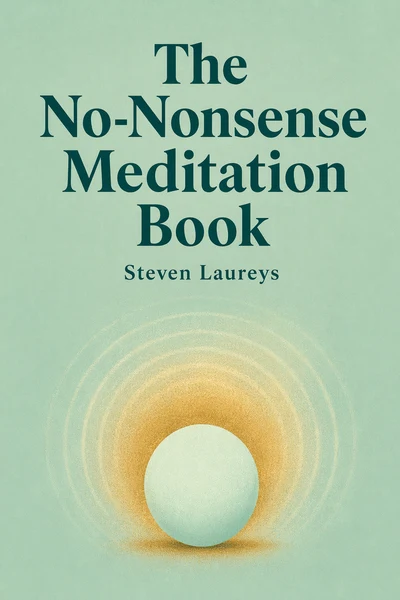
    The No-Nonsense Meditation Book
    The Cosmic Game
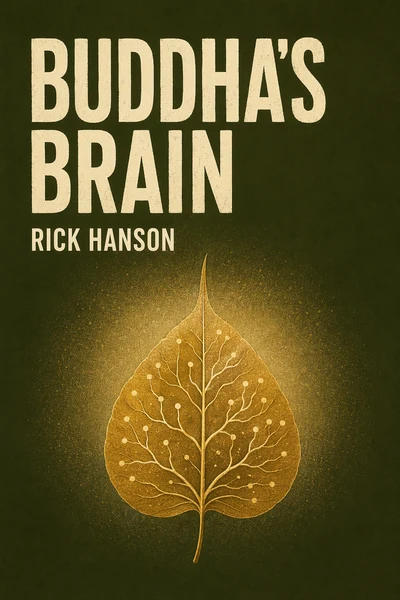
    Buddha's brain
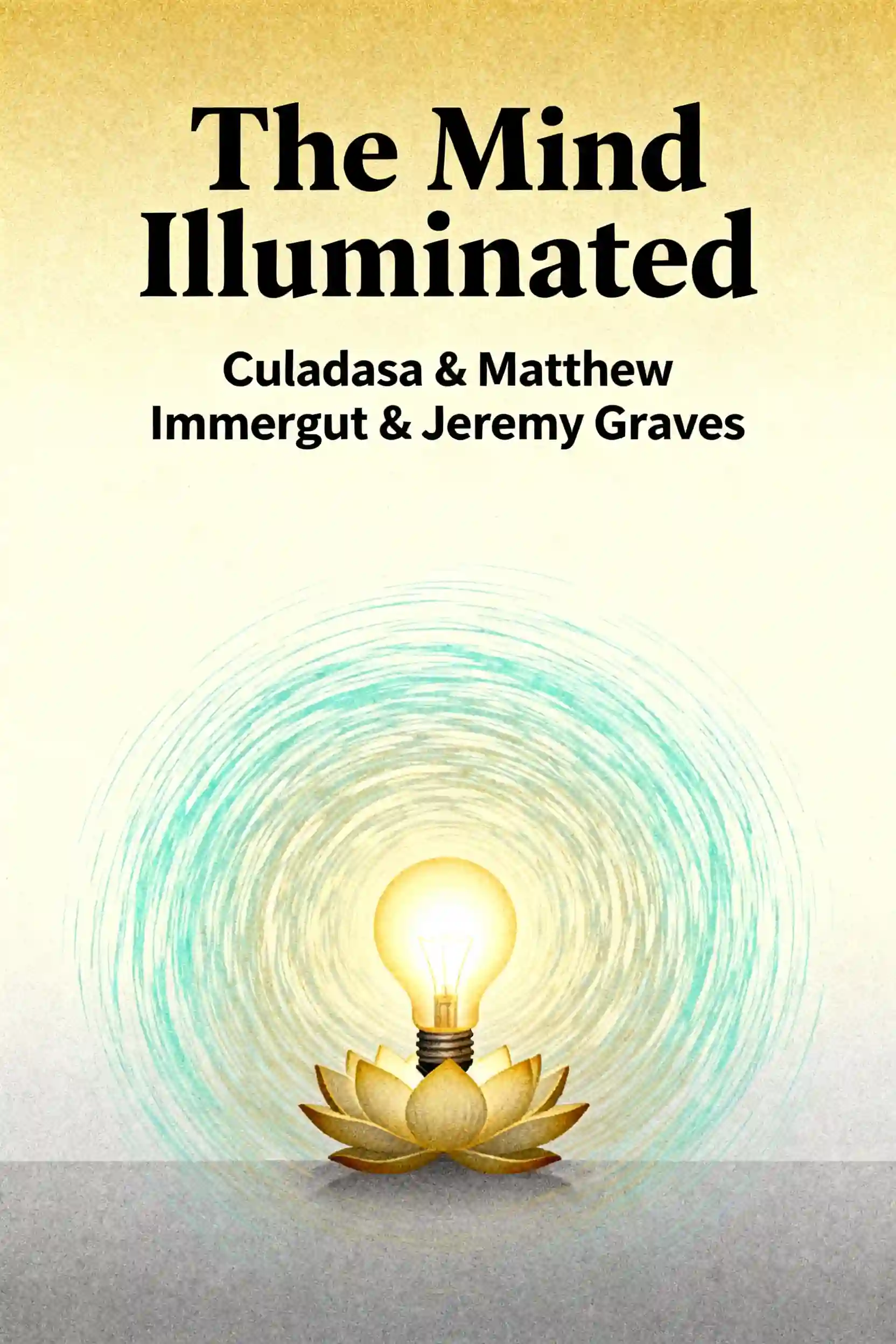
    The Mind Illuminated
    This Is Why You Dream
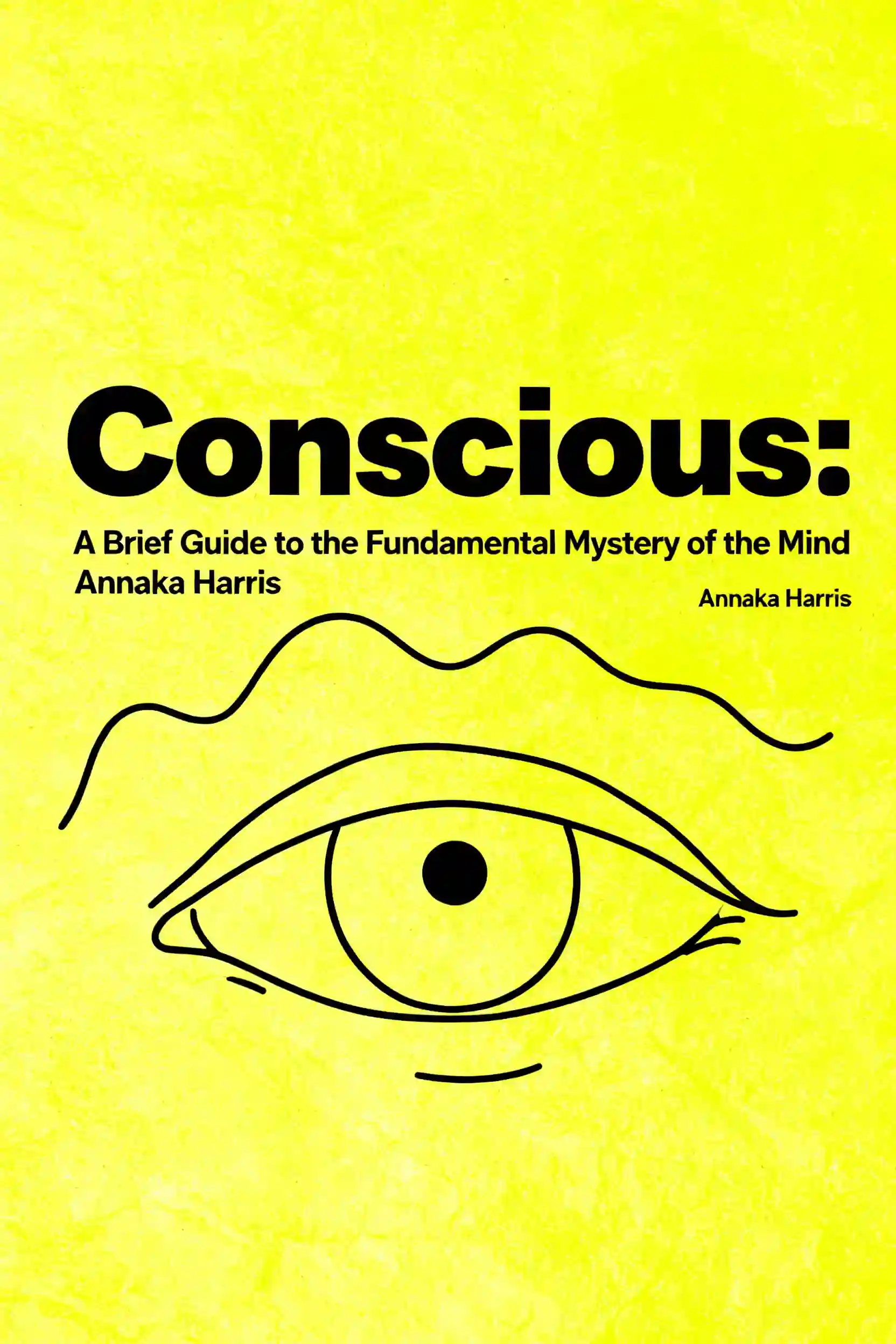
    Conscious

    자주 묻는 질문

    According to the script, the brain is not a passive observer of reality but an active "prediction machine" that generates models of what it expects to find in the world. Instead of simply recording sensory data like a camera, the brain uses high-level beliefs, or "priors," to filter out noise and maintain a stable "baseline" consciousness. This process is designed for efficiency and survival, essentially creating a controlled "user interface" for reality that minimizes prediction errors.

    Altered states are explained through the REBUS hypothesis, which stands for "relaxed beliefs under psychedelics." In these states, the top-down "guardrails" or high-level predictions of the brain relax, allowing bottom-up sensory information to flow more freely and "anarchically." This leads to increased "entropy" or complexity in brain activity, enabling parts of the brain that don't usually communicate to engage in "cross-talk," which can result in experiences like synesthesia or a dissolved sense of self.

    The thalamus acts as a "switchboard" or "conductor" that orchestrates the state of the brain by managing the integration of information across different regions. It decides which sensory data reaches the cortex and ensures that various parts of the brain play "in sync." When this thalamocortical connectivity is disrupted—such as during deep anesthesia or in disorders of consciousness—the "stitching together" of our unified experience fails, and the complexity of our mental state drops.

    While both states involve the "default mode network" (the brain's inner critic) going offline, they represent different paths to the boundaries of consciousness. Flow is described as "extreme alignment" or "transient hypofrontality," where the brain operates with maximum efficiency and a laser-like focus on a task. In contrast, the psychedelic state is "anarchic," acting more like a "floodlight" that destabilizes patterns to allow for new, flexible connections. Flow is a state of optimal arousal where challenge meets skill, whereas the psychedelic state is a more raw, unfiltered experience of sensory data.

    "Set and setting" are crucial because when the brain's high-level "priors" are relaxed, the individual becomes extremely sensitive to internal and external signals. Because the brain is in a "pivotal mental state" and looking for a new model to adopt, the environment and the person's intention directly shape the outcome of the experience. A supportive setting can guide the brain toward healing and pro-social "oneness," while a chaotic setting can lead to dread or the "locking in" of maladaptive mental models.

    컬럼비아 대학교 동문들이 제작 | 샌프란시스코에서 개발

    BeFreed는 호기심 넘치는 글로벌 커뮤니티를 하나로 연결합니다

    4.7

    평균 평점

    앱 평가 7.84천 개 이상

    BeFreed 커뮤니티

    정말이지 아직 앱을 다 써 보지도 않았는데, 며칠 써 본 것만으로도 깊은 인상을 받았어요… BeFreed는 제가 써 본 어떤 학습 앱과도 차원이 달라요. 몰입감이 엄청나고 집중력도 실제로 좋아져서, 스마트폰을 하염없이 스크롤하는 분들께 딱이에요!

    @ladyInfinity

    정확히 23일 전에 BeFreed를 구입했는데, 그날부터 하루도 빠짐없이 쓰고 있어요. 제 일상 업무 흐름과 학습 습관에 완전히 자리 잡았어요.

    @jayallen

    솔직히 이 앱은 제 기대를 전부 뛰어넘었어요. 어떤 주제든 오디오로 만들어 달라고 할 수 있고, 결과물이 놀라워요. 제 전문 분야는 심리치료 쪽이고 여러 학문이 얽혀 있는데도 답변이 아주 정확해요.

    @Raguipa

    제일 고마운 건 스크롤하는 시간이 확 줄었다는 거예요. 검색하는 시간은 줄고 흡수하는 시간은 늘었어요. 오디오북 전권, 팟캐스트, 학습 플랜의 조합이 정말 훌륭해요.

    @colonyofcreatorsNGO

    저는 24년째 PhotoReading 속진 학습 강사로 일하고 있어요… 책과 독서, 배움이 제 전문인데, BeFreed는 정보를 소화하기 쉽게 전달하는 혁신적인 방식을 정말 잘 구현했어요.

    @BeFreed user

    단순한 책 요약 앱이 아니에요. '재미' 스타일을 써 봤는데, 전통적인 방식보다 훨씬 나은 요약이고 아이디어를 이해하기도 쉬워요. 이것만으로도 값어치를 해요.

    @austinakon

    이 앱이 정말 좋아요. 며칠 써 봤는데 듣는 걸 멈출 수가 없어요. 시작하기에 이보다 좋을 수 없어요.

    @jcrules328

    정말 마음에 들어요. 한 달 정도 써 봤는데 숨은 보석을 찾은 기분이에요. BeFreed로 제가 원하는 주제를 직접 만들 수 있어서 좋고, 목소리도 훌륭한 데다 내레이션 선택지가 무궁무진해요.

    @DanielCZ

    정말이지 아직 앱을 다 써 보지도 않았는데, 며칠 써 본 것만으로도 깊은 인상을 받았어요… BeFreed는 제가 써 본 어떤 학습 앱과도 차원이 달라요. 몰입감이 엄청나고 집중력도 실제로 좋아져서, 스마트폰을 하염없이 스크롤하는 분들께 딱이에요!

    @ladyInfinity

    정확히 23일 전에 BeFreed를 구입했는데, 그날부터 하루도 빠짐없이 쓰고 있어요. 제 일상 업무 흐름과 학습 습관에 완전히 자리 잡았어요.

    @jayallen

    솔직히 이 앱은 제 기대를 전부 뛰어넘었어요. 어떤 주제든 오디오로 만들어 달라고 할 수 있고, 결과물이 놀라워요. 제 전문 분야는 심리치료 쪽이고 여러 학문이 얽혀 있는데도 답변이 아주 정확해요.

    @Raguipa

    제일 고마운 건 스크롤하는 시간이 확 줄었다는 거예요. 검색하는 시간은 줄고 흡수하는 시간은 늘었어요. 오디오북 전권, 팟캐스트, 학습 플랜의 조합이 정말 훌륭해요.

    @colonyofcreatorsNGO

    저는 24년째 PhotoReading 속진 학습 강사로 일하고 있어요… 책과 독서, 배움이 제 전문인데, BeFreed는 정보를 소화하기 쉽게 전달하는 혁신적인 방식을 정말 잘 구현했어요.

    @BeFreed user

    단순한 책 요약 앱이 아니에요. '재미' 스타일을 써 봤는데, 전통적인 방식보다 훨씬 나은 요약이고 아이디어를 이해하기도 쉬워요. 이것만으로도 값어치를 해요.

    @austinakon

    이 앱이 정말 좋아요. 며칠 써 봤는데 듣는 걸 멈출 수가 없어요. 시작하기에 이보다 좋을 수 없어요.

    @jcrules328

    정말 마음에 들어요. 한 달 정도 써 봤는데 숨은 보석을 찾은 기분이에요. BeFreed로 제가 원하는 주제를 직접 만들 수 있어서 좋고, 목소리도 훌륭한 데다 내레이션 선택지가 무궁무진해요.

    @DanielCZ

    유용한 정보와 아이디어를 8~15분짜리 팟캐스트 스타일 오디오로 압축해서 들을 수 있다는 게 정말 좋아요. 원래 팟캐스트는 군더더기가 많아서 안 좋아했는데, 여기는 그걸 싹 걷어냈어요.

    @BeFreed user

    박사 과정을 마무리하는 중이라 낯선 자료를 많이 읽어야 해요… BeFreed에서는 프롬프트만 입력하면 앱이 자료를 찾아서 오디오 팟캐스트로 만들어 줘요. BeFreed의 과정이 NotebookLM보다 더 매끄럽게 느껴져요.

    @Brad

    아침을 준비하거나 산책하거나 출퇴근할 때 들을 것을 YouTube에서 자주 찾곤 했는데, BeFreed는 광고도 군더더기도 없이 훨씬 더 딱 맞는 걸 들려줘요!

    @BeFreed user

    이 플랫폼의 가장 큰 장점은 활용도예요. 다루지 못하는 주제가 말 그대로 하나도 없어요. 무엇을 던져도 다 소화해요… 제한이 전혀 없으면서 약속을 실제로 지키는 학습 도구는 정말 드물어요.

    @jayallen

    BeFreed는 환상적이에요. 디자인이 편해서 헤매는 시간은 줄고 배우는 시간은 늘었어요. 오디오북, 팟캐스트, 학습 플랜의 조합은 천재적이에요. 제 하루가 완전히 달라졌어요.

    @BeFreed user

    처음엔 이탈리아어로 팟캐스트를 만드는 방법을 이해하는 데 시간이 좀 걸렸는데, 알고 나니까 — 와! 정말 대단해요! 어떤 주제든 설명해 달라고 하면 정말 똑똑하게 잘 설명해 줘요!

    @matteo77

    BeFreed는 제가 매일 쓰는 오디오북 앱이 됐어요… 제일 마음에 드는 건 텍스트를 넣으면 이동 중에도 들을 수 있는 오디오로 만들어 준다는 점이에요.

    @kotanzu1

    유용한 정보와 아이디어를 8~15분짜리 팟캐스트 스타일 오디오로 압축해서 들을 수 있다는 게 정말 좋아요. 원래 팟캐스트는 군더더기가 많아서 안 좋아했는데, 여기는 그걸 싹 걷어냈어요.

    @BeFreed user

    박사 과정을 마무리하는 중이라 낯선 자료를 많이 읽어야 해요… BeFreed에서는 프롬프트만 입력하면 앱이 자료를 찾아서 오디오 팟캐스트로 만들어 줘요. BeFreed의 과정이 NotebookLM보다 더 매끄럽게 느껴져요.

    @Brad

    아침을 준비하거나 산책하거나 출퇴근할 때 들을 것을 YouTube에서 자주 찾곤 했는데, BeFreed는 광고도 군더더기도 없이 훨씬 더 딱 맞는 걸 들려줘요!

    @BeFreed user

    이 플랫폼의 가장 큰 장점은 활용도예요. 다루지 못하는 주제가 말 그대로 하나도 없어요. 무엇을 던져도 다 소화해요… 제한이 전혀 없으면서 약속을 실제로 지키는 학습 도구는 정말 드물어요.

    @jayallen

    BeFreed는 환상적이에요. 디자인이 편해서 헤매는 시간은 줄고 배우는 시간은 늘었어요. 오디오북, 팟캐스트, 학습 플랜의 조합은 천재적이에요. 제 하루가 완전히 달라졌어요.

    @BeFreed user

    처음엔 이탈리아어로 팟캐스트를 만드는 방법을 이해하는 데 시간이 좀 걸렸는데, 알고 나니까 — 와! 정말 대단해요! 어떤 주제든 설명해 달라고 하면 정말 똑똑하게 잘 설명해 줘요!

    @matteo77

    BeFreed는 제가 매일 쓰는 오디오북 앱이 됐어요… 제일 마음에 드는 건 텍스트를 넣으면 이동 중에도 들을 수 있는 오디오로 만들어 준다는 점이에요.

    @kotanzu1

    웹에서 BeFreed가 어떻게 논의되고 있는지 더 보기
    129.7K19.5K
    55.2K19.2K
    154.2K10827355
    48.1K2.5K
    81.2K6.6K
    82.3K1.8K
    지금 바로 학습 여정을 시작하세요
    BeFreed 앱
    BeFreed

    무엇이든 개인화된 학습

    DiscordLinkedIn
    추천 도서 요약
    Crucial ConversationsThe Perfect MarriageInto the WildNever Split the DifferenceAttachedGood to GreatSay Nothing
    인기 카테고리
    Self HelpCommunication SkillRelationshipMindfulnessPhilosophyInspirationProductivity
    유명인 추천 도서
    Elon MuskCharlie KirkBill GatesSteve JobsAndrew HubermanJoe RoganJordan Peterson
    수상작 컬렉션
    Pulitzer PrizeNational Book AwardGoodreads Choice AwardsNobel Prize in LiteratureNew York TimesCaldecott MedalNebula Award
    추천 주제
    ManagementAmerican HistoryWarTradingStoicismAnxietySex
    연도별 베스트 도서
    2025 Best Non Fiction Books2024 Best Non Fiction Books2023 Best Non Fiction Books
    추천 저자
    Chimamanda Ngozi AdichieGeorge OrwellO. J. SimpsonBarbara O'NeillWinston ChurchillCharlie Kirk
    BeFreed vs 다른 앱
    BeFreed vs. Other Book Summary AppsBeFreed vs. ElevenReaderBeFreed vs. ReadwiseBeFreed vs. Anki
    학습 도구
    Knowledge VisualizerAI Podcast Generator
    정보
    회사 소개arrow
    가격arrow
    FAQarrow
    블로그arrow
    채용arrow
    파트너십arrow
    앰배서더 프로그램arrow
    디렉토리arrow
    BeFreed
    Try now
    © 2026 BeFreed
    이용 약관개인정보 처리방침
    BeFreed

    무엇이든 개인화된 학습

    DiscordLinkedIn
    추천 도서 요약
    Crucial ConversationsThe Perfect MarriageInto the WildNever Split the DifferenceAttachedGood to GreatSay Nothing
    인기 카테고리
    Self HelpCommunication SkillRelationshipMindfulnessPhilosophyInspirationProductivity
    유명인 추천 도서
    Elon MuskCharlie KirkBill GatesSteve JobsAndrew HubermanJoe RoganJordan Peterson
    수상작 컬렉션
    Pulitzer PrizeNational Book AwardGoodreads Choice AwardsNobel Prize in LiteratureNew York TimesCaldecott MedalNebula Award
    추천 주제
    ManagementAmerican HistoryWarTradingStoicismAnxietySex
    연도별 베스트 도서
    2025 Best Non Fiction Books2024 Best Non Fiction Books2023 Best Non Fiction Books
    학습 도구
    Knowledge VisualizerAI Podcast Generator
    추천 저자
    Chimamanda Ngozi AdichieGeorge OrwellO. J. SimpsonBarbara O'NeillWinston ChurchillCharlie Kirk
    BeFreed vs 다른 앱
    BeFreed vs. Other Book Summary AppsBeFreed vs. ElevenReaderBeFreed vs. ReadwiseBeFreed vs. Anki
    정보
    회사 소개arrow
    가격arrow
    FAQarrow
    블로그arrow
    채용arrow
    파트너십arrow
    앰배서더 프로그램arrow
    디렉토리arrow
    BeFreed
    Try now
    © 2026 BeFreed
    이용 약관개인정보 처리방침

    비슷한 콘텐츠

    Neuroplasticity: The Living Brain 책 표지
    Neuroplasticity · Open Encyclopedia of Cognitive ScienceWhat Is Neuroplasticity? How the Brain Rewires Itself | NeurosityNeuroplasticity - StatPearls - NCBI BookshelfStroke Survivor Story: How Jim Overcame Paralysis After Stroke
    8 sources
    Neuroplasticity: The Living Brain
    Is your mind fixed or flexible? Discover how your brain rewires itself daily so you can move beyond factory settings and shape your own potential.
    20 min
    How consciousness works and the science of being you 책 표지
    Then I Am Myself the WorldConsciousBeing YouStalking the wild pendulum
    14 sources
    How consciousness works and the science of being you
    Why does a physical brain create a subjective inner world? Explore how integrated information and electrical pulses shape your reality and sense of self.
    26 min
    Mind-Bending Thought Experiments 책 표지
    Schrödinger's Cat: What the Famous Thought Experiment Really Means | World of PhysicsNewcomb's paradox - by Martin McBrideRoko's basiliskThe Egg (Weir short story)
    5 sources
    Mind-Bending Thought Experiments
    If reality is more fluid than it seems, how do we know what's real? Explore the paradoxes of quantum physics and AI to redefine your own consciousness.
    1262 min
    Consciousness and the Observer Effect 책 표지
    Quantum physics in neuroscience and psychology: a neurophysical model of mind–brain interaction - PMCQuantum CognitionFrontiers | Quantum theories of consciousness: a critical review of feasibility, philosophical sufficiency, and empirical testabilityWhat Is Quantum Cognition, and How Is It Applied to Psychology?
    7 sources
    Consciousness and the Observer Effect
    Is your mind a passive passenger or a physical force? Explore how the observer effect challenges the mechanical brain model to redefine human agency.
    1224 min
    Livewired: The Brain’s Changing Landscape 책 표지
    LivewiredBrain RulesThe Tale of the Dueling Neurosurgeons
    7 sources
    Livewired: The Brain’s Changing Landscape
    Think your brain is fixed? Discover how your internal circuitry physically rewires itself to overcome limits and adapt to every new experience.
    23 min
    Conscious 책 표지
    Conscious
    Annaka Harris
    An illuminating exploration of consciousness, challenging our assumptions about the mind, self, and nature of reality.
    26 min
    Neuroscience Breakthroughs and the New Map of the Mind 책 표지
    How Your Brain WorksBrainSeven and a Half Lessons about the BrainInnate
    23 sources
    Neuroscience Breakthroughs and the New Map of the Mind
    Why does your brain reroute your personality? Discover how new imaging and molecular maps are redefining how we understand behavior and learning.
    23 min
    The Brain: Architect of Reality 책 표지
    Brain: Parts, Function, How It Works & ConditionsBrain Anatomy and How the Brain WorksNeural representation of action symbols in primate frontal cortex | NatureConnectome-seq: high-throughput mapping of neuronal connectivity at single-synapse resolution via barcode sequencing | Nature Methods | Springer Nature Link
    6 sources
    The Brain: Architect of Reality
    We often ignore the complex organ shaping our every thought. Explore how 80 billion neurons build your world and how to keep this command center resilient.
    20 min

    Recommended Learning Plans

    Understanding human mind
    학습 계획

    Understanding human mind

    This learning plan bridges the gap between biological neuroscience and practical psychology to reveal how our brains construct reality. It is ideal for curious minds, professionals, and students seeking to master their cognitive processes and understand the hidden drivers of human behavior.

    5 h 31 m•4 섹션
    Quantum Reality and the Conscious Mind
    학습 계획

    Quantum Reality and the Conscious Mind

    This plan bridges the gap between physics and philosophy for those curious about the origin of awareness. It is ideal for science enthusiasts and thinkers eager to explore how quantum mechanics and microtubules might explain the mystery of the human mind.

    1 h 30 m•3 섹션
    The Architecture of Awareness
    학습 계획

    The Architecture of Awareness

    This learning plan bridges neuroscience and philosophy to explain how our brains construct both our internal world and our external reality. It is ideal for thinkers, psychologists, and curious minds wanting to understand the biological roots of selfhood and perception.

    1 h 30 m•3 섹션
    The Mind and the World
    학습 계획

    The Mind and the World

    This plan is essential for anyone seeking to understand the deep connection between individual consciousness and the external world. It is ideal for students of philosophy, psychology, or anyone curious about the nature of reality and the social construction of the self.

    1 h 55 m•3 섹션
    The Brain's Physical Landscape
    학습 계획

    The Brain's Physical Landscape

    Understanding the brain's physical architecture is the foundation for mastering neuroscience and psychology. This plan is ideal for students or professionals seeking a clear, structural map of how neural biology translates into human behavior.

    2 h•4 섹션
    Explore Human Mind, Culture & History
    학습 계획

    Explore Human Mind, Culture & History

    This plan bridges the gap between biological evolution and cultural history to explain what truly makes us human. It is ideal for curious minds seeking to understand the intersection of neuroscience, anthropology, and sociology.

    6 h 22 m•4 섹션
    The Limits of Reason
    학습 계획

    The Limits of Reason

    This plan is essential for anyone looking to understand the cognitive architecture that defines our reality. It is ideal for students of philosophy, science, and history who want to bridge the gap between raw information and meaningful insight.

    2 h 18 m•3 섹션
    Learn more about neuroscience, philosophy and spirituality
    학습 계획

    Learn more about neuroscience, philosophy and spirituality

    This learning plan bridges the gap between scientific understanding of the brain and spiritual explorations of consciousness. It's ideal for curious minds seeking a holistic perspective on human experience, whether you have a background in science looking to explore spirituality or are spiritually-minded wanting scientific context.

    4 h 56 m•4 섹션