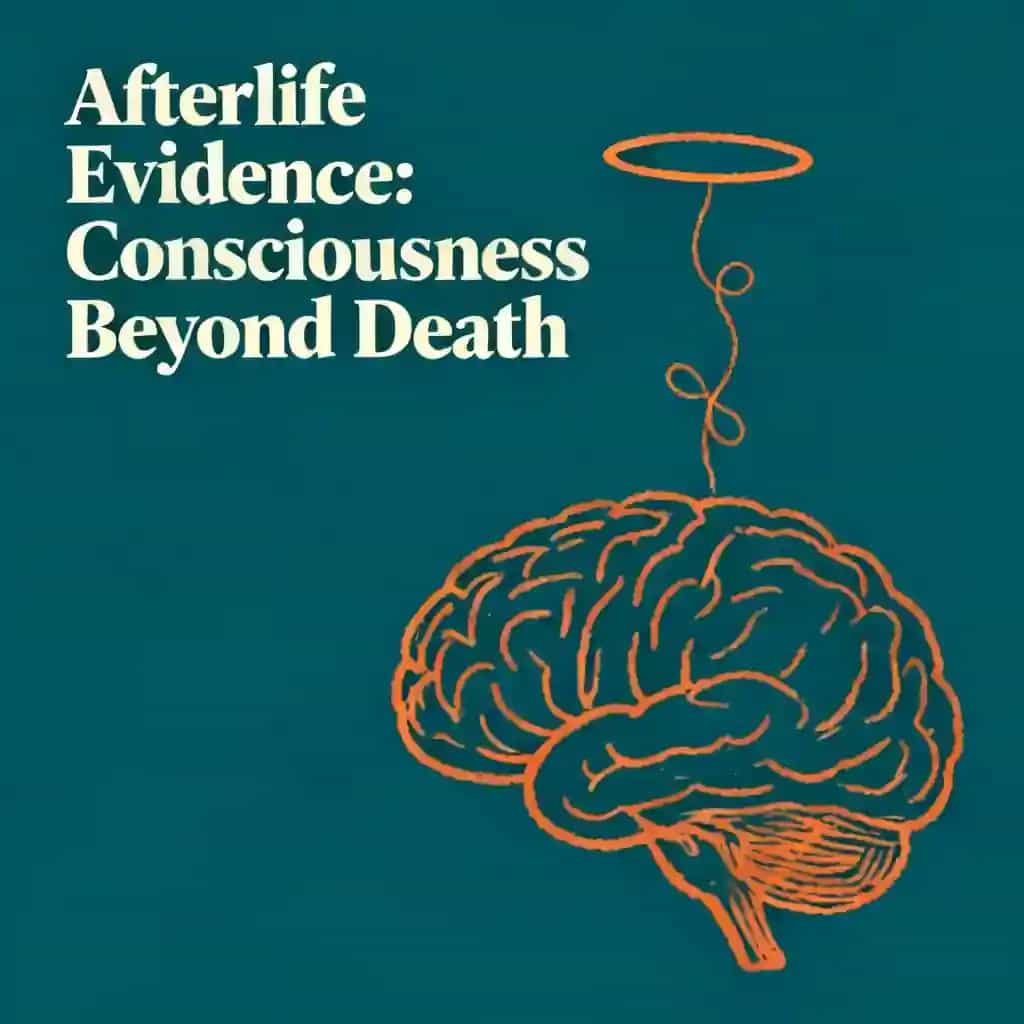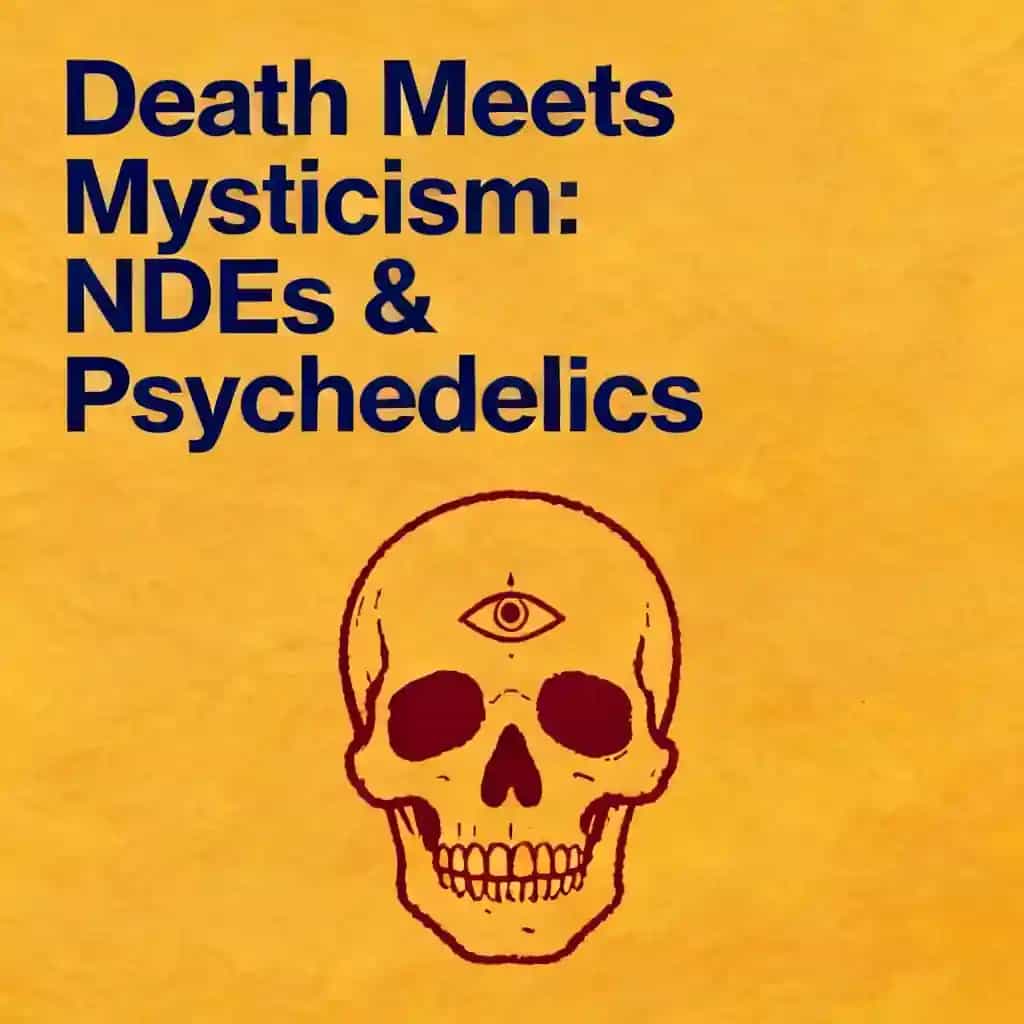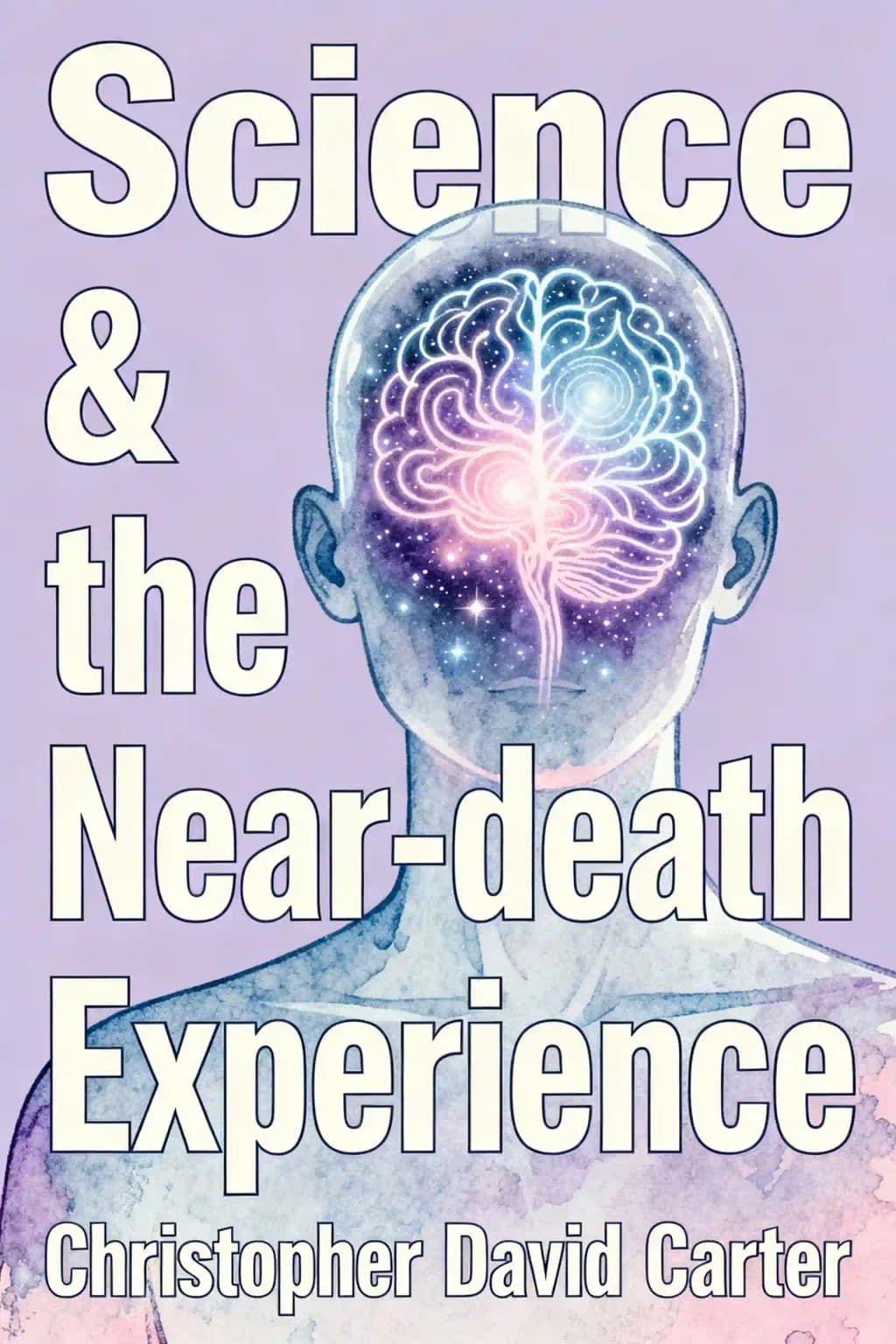
Science probes the ultimate frontier: near-death experiences. Thousands of documented cases reveal striking similarities across cultures, challenging conventional views of consciousness. Neurosurgeon Eben Alexander's own NDE transformed him from skeptic to believer. What if death isn't the end, but a doorway?
Christopher David Carter, author of Science and the Near-Death Experience, is a researcher and author specializing in consciousness studies, parapsychology, and the scientific exploration of afterlife phenomena.
His work critically examines materialist perspectives on consciousness, blending rigorous scientific analysis with case studies, quantum mechanics, and interdisciplinary research to argue for the survival of consciousness beyond bodily death. Carter’s methodical approach, noted for its balance of academic depth and accessibility, positions his books as foundational texts for readers exploring the intersection of science and spirituality.
In addition to this work, Carter has authored Science and the Afterlife Experience and Parapsychology and the Skeptics, both of which further dissect evidence for ESP, spiritual encounters, and the limitations of conventional skepticism. His writing is frequently cited in debates on consciousness research and has been praised for bridging empirical inquiry with open-minded exploration of metaphysical questions.
Carter’s contributions continue to influence discussions across scientific, philosophical, and spiritual communities, offering a nuanced framework for understanding humanity’s most profound mysteries.
Science and the Near-Death Experience examines near-death experiences (NDEs) as evidence of consciousness surviving bodily death. Chris Carter critiques materialist theories like the "dying brain hypothesis," analyzes cross-cultural NDE accounts (including blind individuals with visual experiences), and explores quantum physics' implications for consciousness. The book synthesizes scientific studies, historical cases, and philosophical debates to argue for an afterlife.
This book appeals to readers interested in consciousness studies, paranormal phenomena, or critiques of materialism. Researchers exploring NDEs, philosophers debating mind-body duality, and skeptics seeking evidence-based arguments will find it valuable. It’s also accessible to general audiences curious about life-after-death theories.
Yes—it’s praised for its rigorous analysis of NDE evidence and compelling rebuttals of skeptics. Carter’s synthesis of case studies (e.g., verifiable deathbed visions) and scientific frameworks (like quantum mechanics) offers a thought-provoking challenge to materialist views. Critics call it "sober and decisive" for its balanced approach.
Carter refutes claims that NDEs result from "dying brain" activity, oxygen deprivation, or drug-induced hallucinations. He highlights cases where blind individuals report visual details during NDEs and critiques studies dismissing these as hallucinations. Carter argues such experiences defy purely physiological explanations, suggesting consciousness operates independently of the brain.
The book compares NDE narratives from diverse cultures, including Native American, Maori, Chinese, and Indian traditions. Carter notes shared elements (e.g., life reviews, out-of-body experiences) despite cultural differences, supporting the universality of NDEs as genuine phenomena rather than culturally constructed hallucinations.
Carter cites physicists who propose consciousness exists beyond the brain, aligning with quantum theories where observation affects reality. This framework challenges materialism by suggesting consciousness could persist after death, independent of physical bodies.
Carter engages skeptics like Kevin Nelson, who attributes NDEs to brain activity under stress. He rebuts Nelson’s claims by emphasizing cases where NDEs occur during clinical death (no measurable brain activity) and critiques the assumption that similarity to non-fatal hallucinations invalidates NDEs.
Many readers report shifted views on life’s purpose and reduced fear of death. Carter’s analysis of post-NDE personality changes (e.g., increased empathy, lost materialism) underscores these experiences’ transformative potential.
Unlike anecdotal compilations, Carter prioritizes scientific rigor—dissecting peer-reviewed studies, historical records, and skeptics’ counterarguments. It’s often compared to Life After Life but with a stronger emphasis on debunking materialist critiques.
Chris Carter (not the X-Files creator) is a researcher focused on consciousness and paranormal phenomena. He holds degrees in philosophy and has authored a trilogy on scientific evidence for consciousness surviving death, including Science and Psychic Phenomena.
저자의 목소리로 책을 느껴보세요
지식을 흥미롭고 예시가 풍부한 인사이트로 전환
핵심 아이디어를 빠르게 캡처하여 신속하게 학습
재미있고 매력적인 방식으로 책을 즐기세요
Awareness itself does not depend on neuronal activity.
The brain functions as a receiver-transmitter between mind and body.
The mind is separate from the brain and may exist independently of it.
Modern physics has moved beyond the mechanistic Newtonian worldview.
Science and the NearDeath Experience의 핵심 아이디어를 이해하기 쉬운 포인트로 분해하여 혁신적인 팀이 어떻게 창조하고, 협력하고, 성장하는지 이해합니다.
Science and the NearDeath Experience을 빠른 기억 단서로 압축하여 솔직함, 팀워크, 창의적 회복력의 핵심 원칙을 강조합니다.

생생한 스토리텔링을 통해 Science and the NearDeath Experience을 경험하고, 혁신 교훈을 기억에 남고 적용할 수 있는 순간으로 바꿉니다.
무엇이든 물어보고, 목소리를 선택하고, 진정으로 공감되는 인사이트를 함께 만들어보세요.

샌프란시스코에서 컬럼비아 대학교 동문들이 만들었습니다
"Instead of endless scrolling, I just hit play on BeFreed. It saves me so much time."
"I never knew where to start with nonfiction—BeFreed’s book lists turned into podcasts gave me a clear path."
"Perfect balance between learning and entertainment. Finished ‘Thinking, Fast and Slow’ on my commute this week."
"Crazy how much I learned while walking the dog. BeFreed = small habits → big gains."
"Reading used to feel like a chore. Now it’s just part of my lifestyle."
"Feels effortless compared to reading. I’ve finished 6 books this month already."
"BeFreed turned my guilty doomscrolling into something that feels productive and inspiring."
"BeFreed turned my commute into learning time. 20-min podcasts are perfect for finishing books I never had time for."
"BeFreed replaced my podcast queue. Imagine Spotify for books — that’s it. 🙌"
"It is great for me to learn something from the book without reading it."
"The themed book list podcasts help me connect ideas across authors—like a guided audio journey."
"Makes me feel smarter every time before going to work"
샌프란시스코에서 컬럼비아 대학교 동문들이 만들었습니다

Science and the NearDeath Experience 요약을 무료 PDF 또는 EPUB으로 받으세요. 인쇄하거나 오프라인에서 언제든 읽을 수 있습니다.
What happens when we die? This question has haunted humanity since the dawn of consciousness. Near-death experiences (NDEs) offer tantalizing glimpses into what might lie beyond - reports of leaving one's body, traveling through tunnels of light, encountering deceased loved ones, and returning with profound insights. But are these merely hallucinations of a dying brain, or evidence that consciousness can exist independently of our physical form? The scientific exploration of NDEs challenges our fundamental understanding of the relationship between mind and brain, suggesting that what we call "death" may be less final than we've assumed.