Lena: Okay, so we’ve got the mindset and the internal "wiring" sorted. But let’s get tactical. There are actual "mechanics" to sounding and looking confident, right? Like, if I’m feeling a bit shaky, how do I ensure my external presence doesn't betray me?
Miles: There are absolutely "status-neutral" behaviors you can master. One big one from the research is "vocal inflection." Nervous speakers often have "up-talk"—where their sentences end on a higher pitch, like they’re asking a question? Even when they’re making a statement?
Lena: Oh, I know that one. It makes everything sound like a tentative suggestion instead of a firm point.
Miles: Exactly. It signals that you’re looking for approval. Confident communicators use "downward inflection"—ending their sentences on a lower, flatter note. It projects authority and certainty. It’s a small tweak, but it completely changes how your message is received.
Lena: And then there’s the "vocal pace." When we’re nervous, we tend to rush. We want to get the words out and disappear as fast as possible. But speaking slowly and—this is the hard part—using pauses is a massive power move.
Miles: Silence is the ultimate confidence tool. Anxious people are terrified of silence, so they fill it with "filler words"—the "ums," "likes," and "you knows." But a confident person is comfortable with a two-second pause. It shows you’re thinking, you’re in control of the tempo, and you aren't rushing for anyone. It actually makes people lean in and listen closer.
Lena: It’s like that "4-second reset" we talked about. If someone asks a tough question, taking a breath and saying, "That’s an important point—let me address that directly," gives you four seconds to think while making you look incredibly composed.
Miles: Spot on. And we can't forget body language. The "Power Posing" research might be debated in some circles, but the core principle stands: your posture affects your hormones. Standing with an open chest and taking up space—instead of "minimizing" yourself by crossing your arms or hunching—actually lowers cortisol and raises testosterone. It’s a biological feedback loop. If you act like you’re in charge, your brain starts to believe it.
Lena: I love the "Status-Neutral" idea. It’s not about being aggressive or "dominant." It’s about being "open." Feet shoulder-width apart, hands visible and still—no "self-soothing" gestures like touching your neck or face. It signals to the room that you aren't a threat, and you aren't threatened.
Miles: Precisely. It creates "Psychological Safety." When you project that calm, open presence, it actually makes the other people in the room feel more relaxed. You’re leading the emotional tone of the interaction.
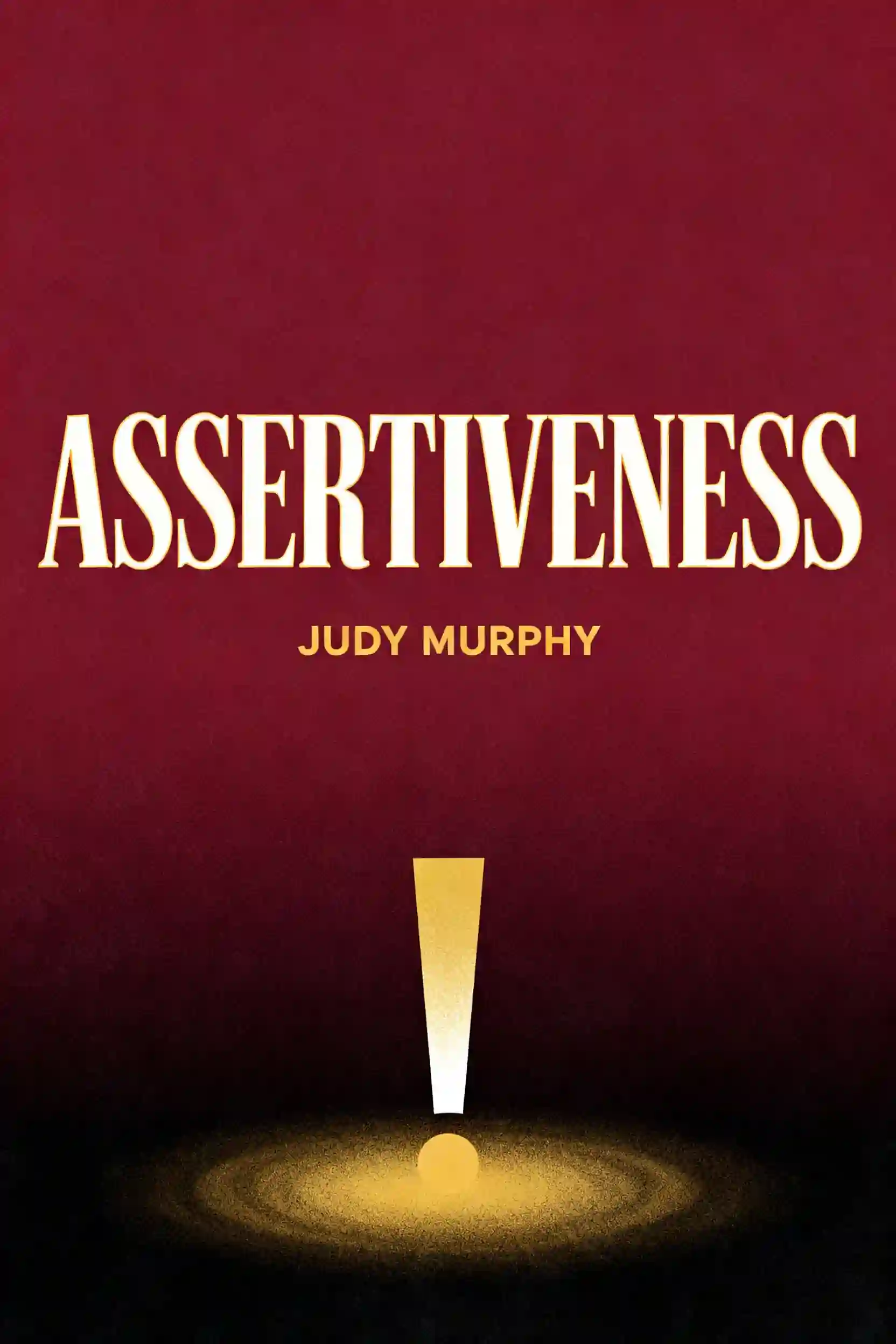
Lena: It’s also about how we use "I-statements" and "assertive" language. I was reading about the difference between passive, aggressive, and assertive styles. Passive is "I’ll do whatever you want," aggressive is "My way or the highway," but assertive is "Here is what I need, and I want to hear what you need too." It’s that healthy middle ground.
Miles: Assertiveness is the language of self-respect. It’s saying "I value my own time and ideas, and I value yours too." Using direct language—dropping the qualifiers like "I just think maybe..." or "I’m no expert, but..."—makes your contributions hit way harder. You don't need to apologize for having an opinion.
Lena: That’s a huge one for high achievers who struggle with "Imposter Syndrome." We feel like we have to "soften" our expertise so we don't seem arrogant. But qualifiers actually undermine the very expertise we worked so hard to gain.
Miles: Exactly. Real confidence doesn't need to shout, but it also doesn't need to whisper. It just... states. And when you combine that direct language with downward inflection and purposeful pauses? You become an undeniable presence in the room.